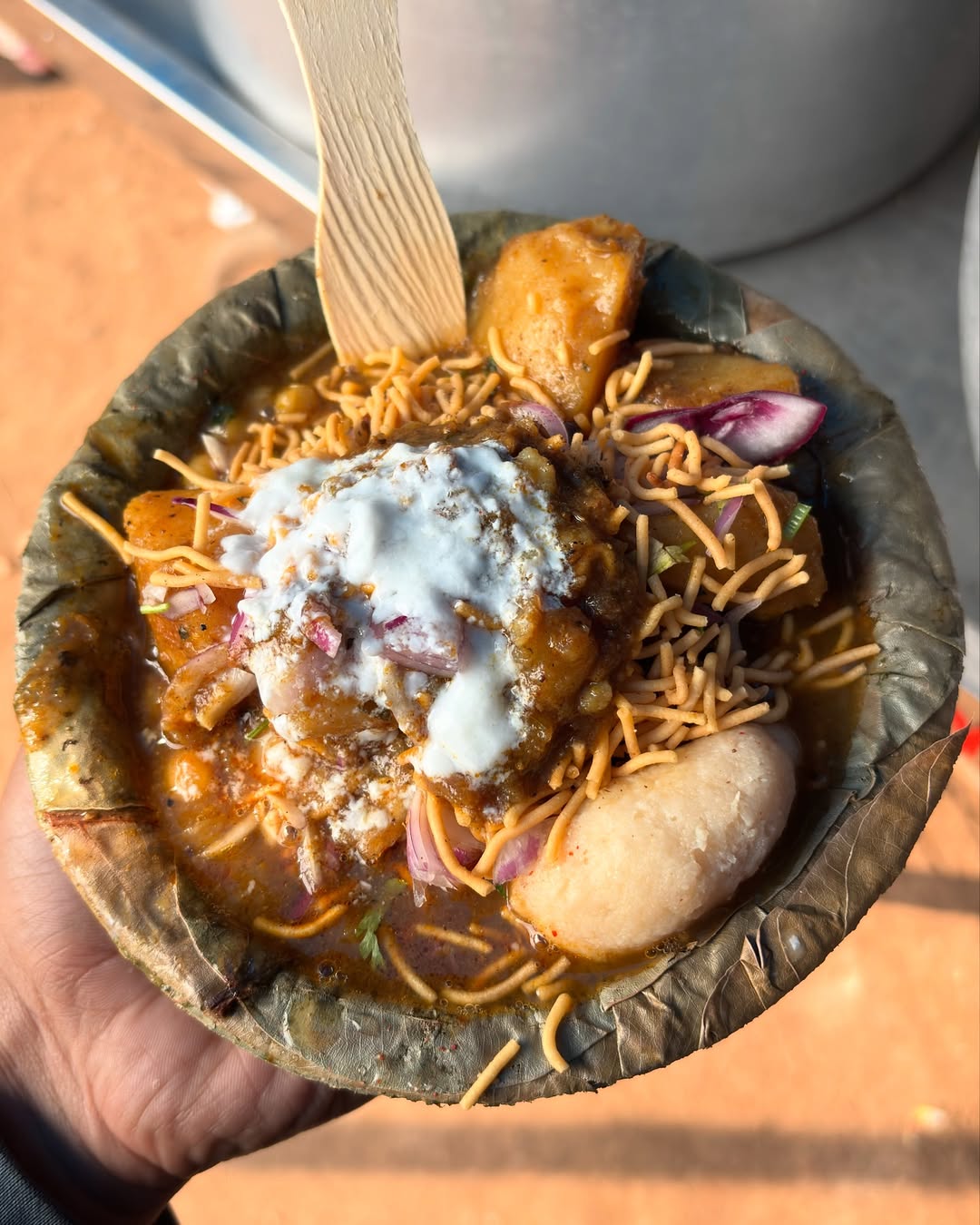
Dahi Bara Aloo Dum

Dahi Bara Aloo Dum : Odisha’s Spicy, Tangy Street Food Gem

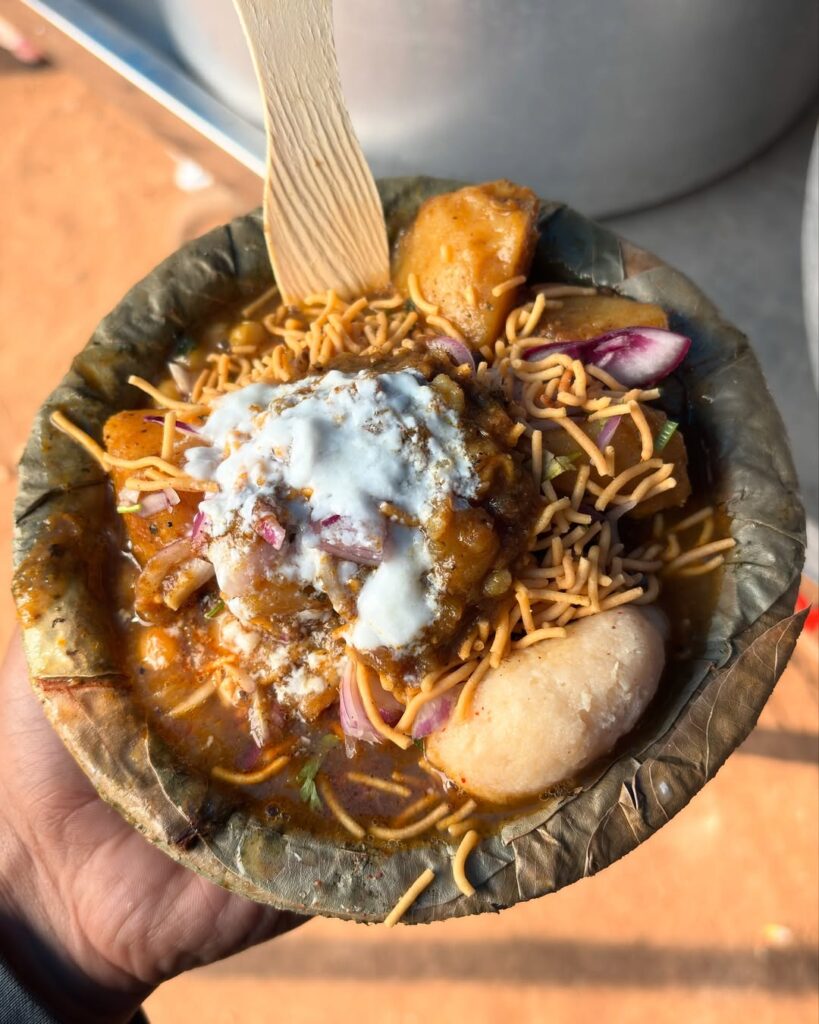
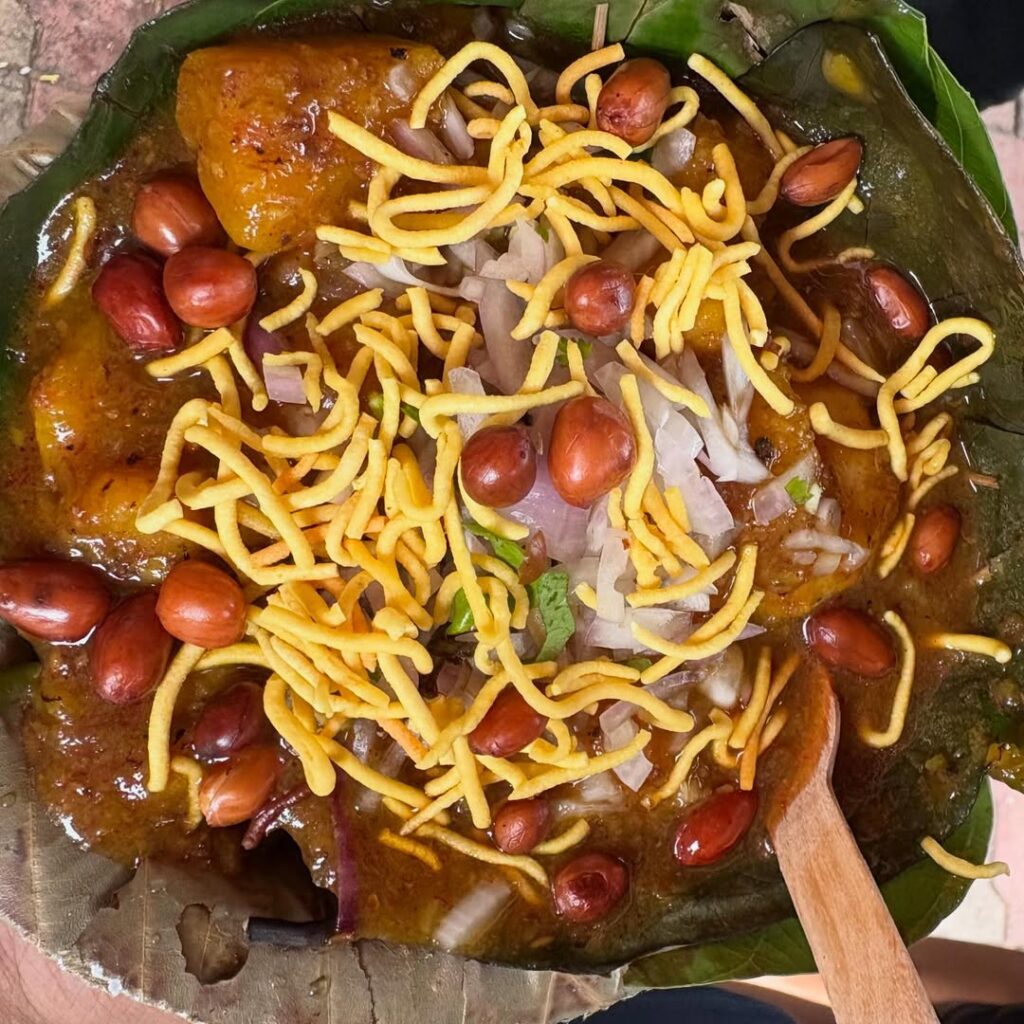
Dahi Bara Aloo Dum, a much-loved street food, bursts with flavor. It gives your taste buds a mix of textures and tastes you won’t forget. This famous dish comes from eastern India, especially Odisha. It has won over food lovers for many years. Imagine soft lentil fritters (bara) swimming in cool, creamy yogurt (dahi). Then, it gets topped with a spicy, rich potato curry (aloo dum). This mix might sound a bit odd, but what you get is amazing. It’s a perfect blend of savory, tangy, and spicy feelings. We’ll dive deep into Dahi Bara Aloo Dum. We will look at where it came from, what goes in it, how to make it, and why everyone loves it so much.

From busy street stalls to home kitchens, Dahi Bara Aloo Dum is comfort food at its best. People love it not just because it tastes good. It’s also cheap and easy to find, making it a regular meal for many. The dish changes too; regions and cooks add their own twist. This just makes it more special in the food world. Get ready to explore this dish full of flavors. You’ll find out why it stays so popular and how it’s made.

The Origins and Evolution of Dahi Bara Aloo Dum

Tracing the Roots: Where Did It Begin?

Many folks agree that Dahi Bara Aloo Dum got its start in Cuttack, Odisha. This city has a rich history of amazing street food. Dishes like this one became popular because they offered a quick, cheap, and filling meal. Think about how busy streets would have been; people needed food they could grab and eat. This dish fit the bill perfectly, becoming a local favorite fast.

A Fusion of Flavors: How Did It Come Together?

The magic of this dish is how two separate things came together. Dahi Bara, which is lentil fritters in yogurt, is a common snack all over North India. Aloo Dum, a tasty potato curry, is also very popular on its own. Someone brilliant decided to put these two distinct elements together. They created a whole new experience. The cool yogurt and hot, spicy potatoes make a great team.

Regional Variations and Modern Adaptations

You will find Dahi Bara Aloo Dum tastes different depending on where you are. Even street vendors in the same city might have their own secret recipe. Some places change up the spices in the aloo dum. Others might use a thinner or thicker yogurt. Today, chefs sometimes put this street food classic on fancy menus. They might present it in new ways, but the heart of the dish stays the same.

The Anatomy of Dahi Bara Aloo Dum: Key Ingredients

The Soul of the Dish: Bara (Lentil Fritters)

The bara are the heart of this meal. They are usually made from urad dal, sometimes with a little moong dal mixed in. You must soak the lentils for hours, then grind them into a smooth batter. Getting the batter just right is key for good baras. They need to be soft and fluffy on the inside. Soaking the lentils enough makes all the difference for a tender fritter.

The Cooling Embrace: Dahi (Yogurt)

The dahi is what cools down the heat. It’s usually thick, plain yogurt, a bit sour. Cooks season it simply with salt and sometimes a touch of sugar or roasted cumin powder. This cool yogurt helps balance the fiery spice of the aloo dum. It makes each bite a perfect mix of hot and cold, spicy and tangy.

The Spicy Heart: Aloo Dum (Potato Curry)

The aloo dum is the spicy center. It features tender potatoes cooked in a thick gravy. This gravy usually has onions, tomatoes, ginger-garlic paste, and a mix of spices. Think turmeric, chili powder, coriander, cumin, and garam masala. Some local spots in Odisha might use their own special spice blends, like a unique Panch Phoron mix, giving it that true regional taste. Folks often top it with fresh coriander leaves, crispy sev, or more roasted cumin powder.

Crafting the Perfect Dahi Bara Aloo Dum: The Preparation Process

Mastering the Bara: Frying Techniques

Making the bara starts with your lentil batter. You drop small amounts into hot oil, frying them until they turn golden brown. The trick is to get them crispy on the outside but soft inside. After frying, you must soak these baras in plain water. This step is super important. It makes them really soft and helps them soak up all the delicious yogurt later.

Brewing the Flavorful Aloo Dum

Next up is the aloo dum. You start by sautéing onions and ginger-garlic paste. Then you add tomatoes and all those great spices. The potatoes go in next, simmering in this rich gravy until they’re tender and flavorful. You want the gravy to be thick and cling to the potatoes.

The Art of Assembly: Bringing It All Together

Putting the dish together is almost an art. First, you place the soft, soaked baras in a bowl. Then, you pour the seasoned yogurt over them, making sure each fritter gets coated. Last, you spoon the hot aloo dum right on top. The contrast between the cool yogurt and the warm curry is what makes this dish so good. Let the dish sit for a few minutes. This lets all the wonderful flavors mix together.

The Cultural Significance and Popularity of Dahi Bara Aloo Dum

A Street Food Staple: More Than Just a Meal

Dahi Bara Aloo Dum is a classic street food in its home region. It’s not just a quick bite; it’s a part of daily life. Its appeal comes from its low cost, how filling it is, and its truly one-of-a-kind taste. You can find many vendors selling this tasty treat on any given day. It’s estimated that in Cuttack alone, hundreds of small stalls offer this dish daily.

Dahi Bara Aloo Dum in Festivals and Celebrations

This dish often shows up during local festivals and family get-togethers. It’s a comforting food that brings people together. While not tied to one specific festival, it is a common sight during many small celebrations. It feels like home to many people in Odisha.

Expert Insights on Culinary Innovation

A famous food historian might say something like, “The genius of Dahi Bara Aloo Dum lies in its audacious simplicity.” Think about it: lentil fritters, cool yogurt, and spicy potatoes. Combining these creates a comfort food that tells a story of local identity. It shows how simple ingredients can make something truly special.

Savoring the Experience: Tips for Enjoying Dahi Bara Aloo Dum

Finding Authentic Flavors

Want to find the best Dahi Bara Aloo Dum? Look for street stalls that are really busy. A crowd often means the food is fresh and tasty. Watch how they make it; hygiene matters. Always ask locals for their favorite spot. They usually know where the real good stuff is.

Customizing Your Dahi Bara Aloo Dum

You can make this dish your own. Some people love adding extra sweet tamarind chutney or a dash of fresh mint chutney. A sprinkle of crunchy sev or finely chopped onions can add more texture and flavor. Don’t be shy to ask for it just how you like it.

Recreating the Magic at Home

Making Dahi Bara Aloo Dum at home is a fun challenge. It takes a little effort, but the reward is worth it. You’ll get to enjoy this amazing dish whenever you want. Feel free to play with the spice levels in the aloo dum. Adjust the yogurt’s thickness too, until you find your perfect balance.

Conclusion: A Flavorful Legacy

Dahi Bara Aloo Dum stands out as a true star of Indian street food. It’s delicious, important to local culture, and brings together flavors and textures like no other. This beloved dish promises a delightful food experience. From its spicy potatoes to its cool, tangy yogurt, every bite is a joy. Don’t miss out on trying this amazing treat!

Deomali Unveiling the Charms of Odisha’s Highest Peak

Deomali: Unveiling the Charms of Odisha’s Highest Peak

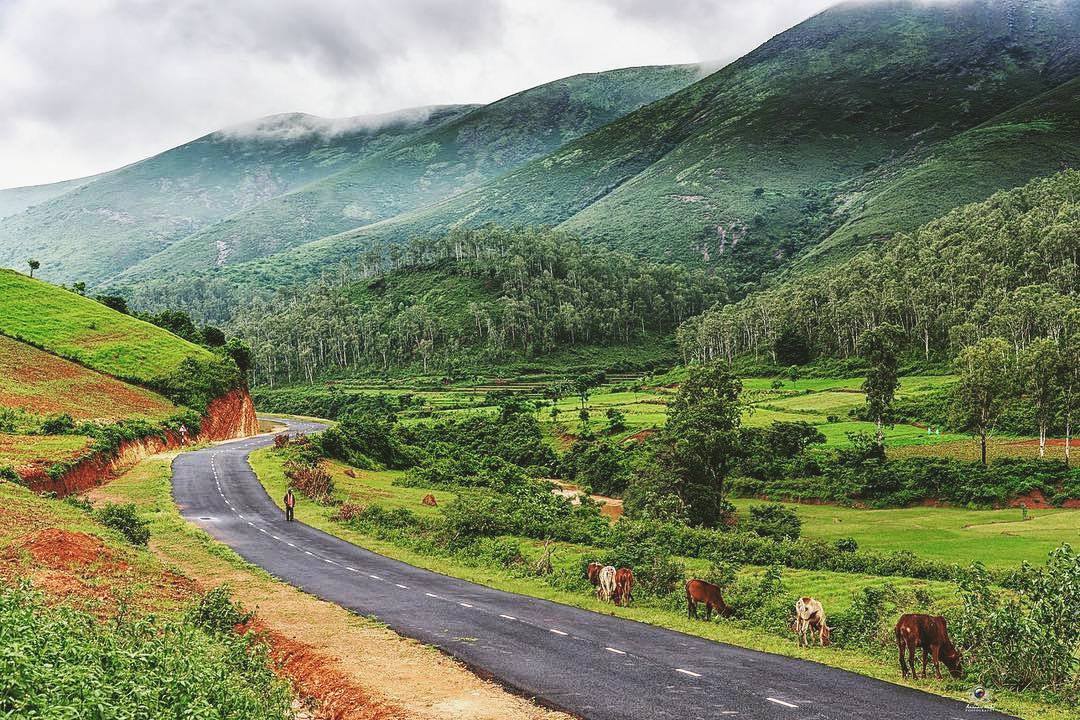
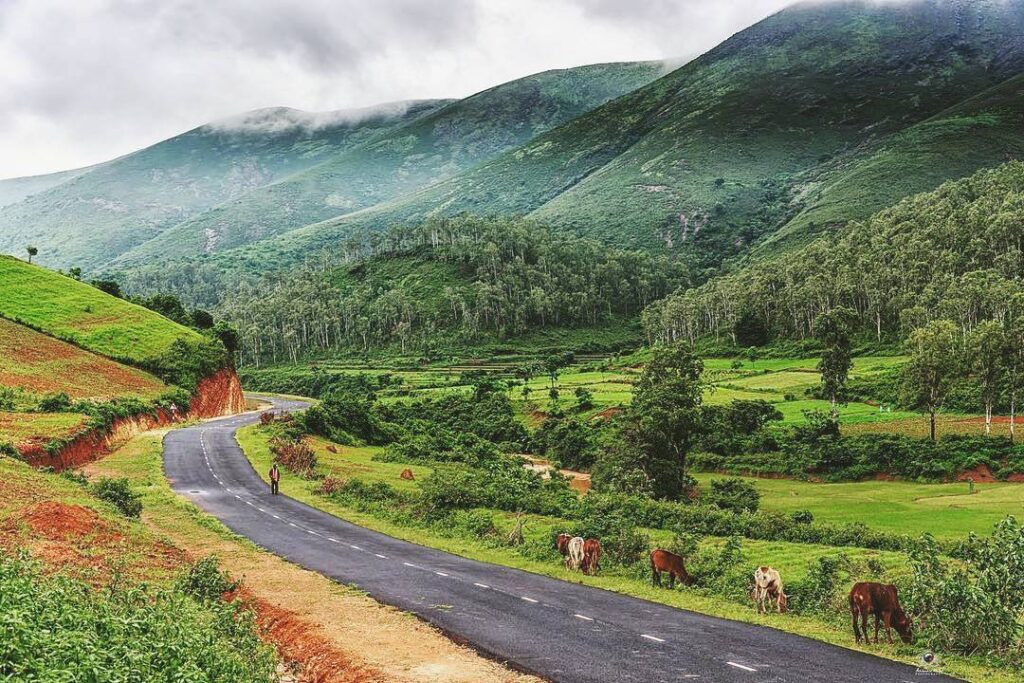
Nestled in the Eastern Ghats of Odisha, Deomali stands as a majestic testament to nature’s grandeur, captivating visitors with its serene beauty and rich cultural tapestry. As the highest peak in the state, it offers an unparalleled experience for trekkers, nature enthusiasts, and those seeking spiritual solace. From its breathtaking panoramic views to its unique biodiversity and ancient traditions, Deomali promises an unforgettable journey into the heart of Odisha’s wilderness.

This mountain is more than just a geographical landmark; it’s a destination that awakens the senses and rejuvenates the soul. Whether you’re an avid adventurer yearning to conquer its summit or a curious traveler eager to explore its hidden treasures, Deomali beckons with its enchanting allure. Prepare to be mesmerized by its pristine landscapes, discover the vibrant life that thrives within its embrace, and immerse yourself in the local culture that makes this place truly special. What makes Deomali famous? Let’s find out.

Exploring the Natural Splendor of Deomali

Deomali is where nature shows off its best. This region of Odisha draws people in with its amazing sights. It’s a key spot for anyone wanting to see truly wild beauty. You will find peace and wonder here.

Geographic Marvels and Panoramic Vistas

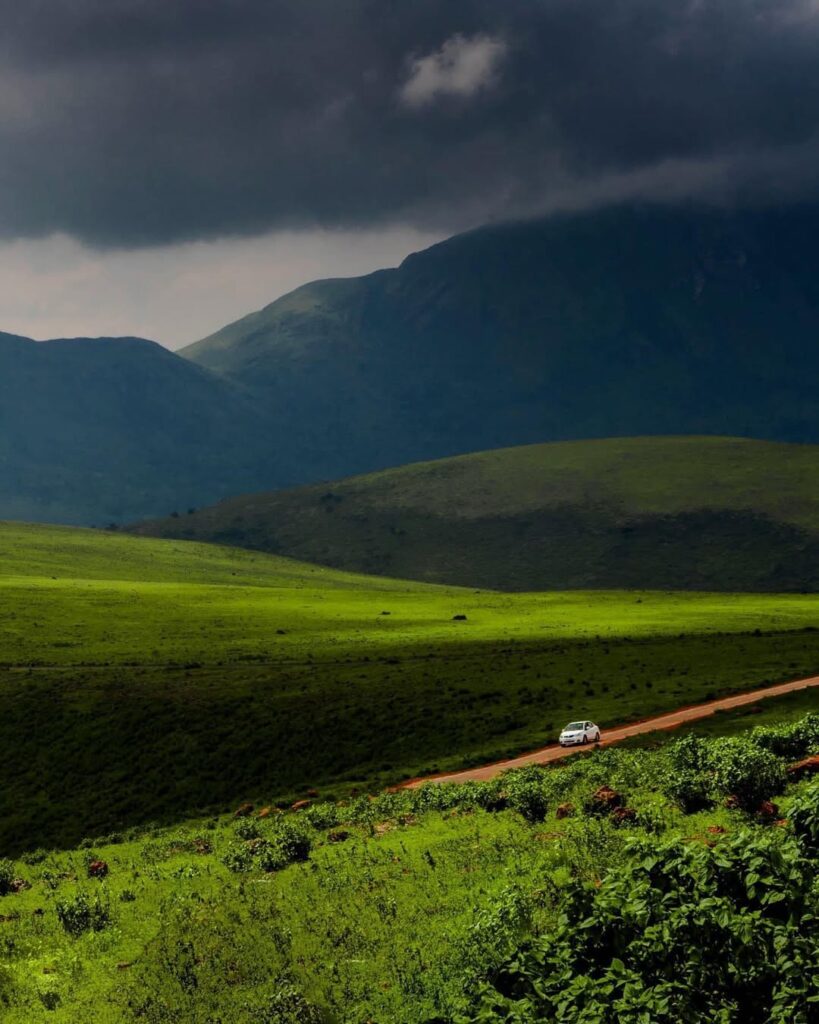
Deomali proudly sits as Odisha’s highest peak, reaching about 1,672 meters (5,486 feet) above sea level. This giant peak is part of the ancient Eastern Ghats mountain range. Its slopes are carved by time, showing off incredible rock formations. From the very top, you get views that go on forever. You can see the rolling hills, green valleys, and even distant villages. The air feels crisp and clean up here, a perfect spot to take it all in.

Biodiversity Hotspot: Flora and Fauna

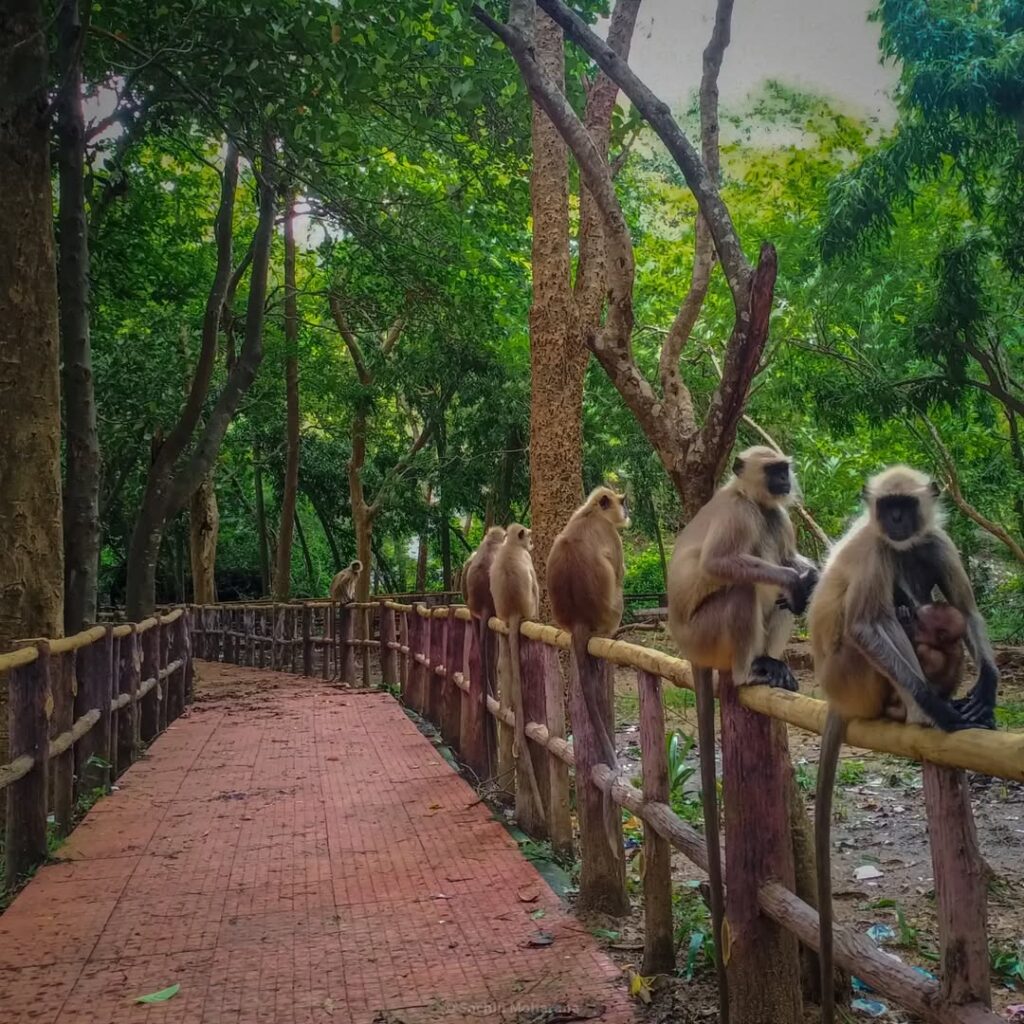
This area around Deomali is a treasure chest of plants and animals. Many unique species call this mountain home. You might spot rare medicinal herbs and different types of wild flowers. The forests here burst with life. Keep your eyes open for various birds and perhaps even some deer. This rich environment proves why Deomali is so important for local wildlife.

Water Bodies and Natural Springs

Life on Deomali gets a boost from its many water sources. Small streams and clear springs flow down the mountain’s sides. These water bodies are vital for the local ecosystem. They also add to the mountain’s beauty, often forming small, calming waterfalls. The sound of running water just makes Deomali even more peaceful.

Deomali: A Haven for Adventure Seekers

For folks who love a good outdoor challenge, Deomali is a dream. It offers lots of ways to get your blood pumping. From climbing its slopes to spending a night under the stars, there’s always something exciting to do.

Trekking Trails and Difficulty Levels

Trekking is probably what Deomali is most famous for among adventurers. You can choose from a few paths to reach the top. Some trails are pretty easy, good for beginners, taking maybe a few hours. Other routes are tougher, meant for experienced trekkers, and might need a full day. Always pick a trail that matches your skill level for a safe trip. The reward of reaching the summit is worth every step.

Camping and Outdoor Activities

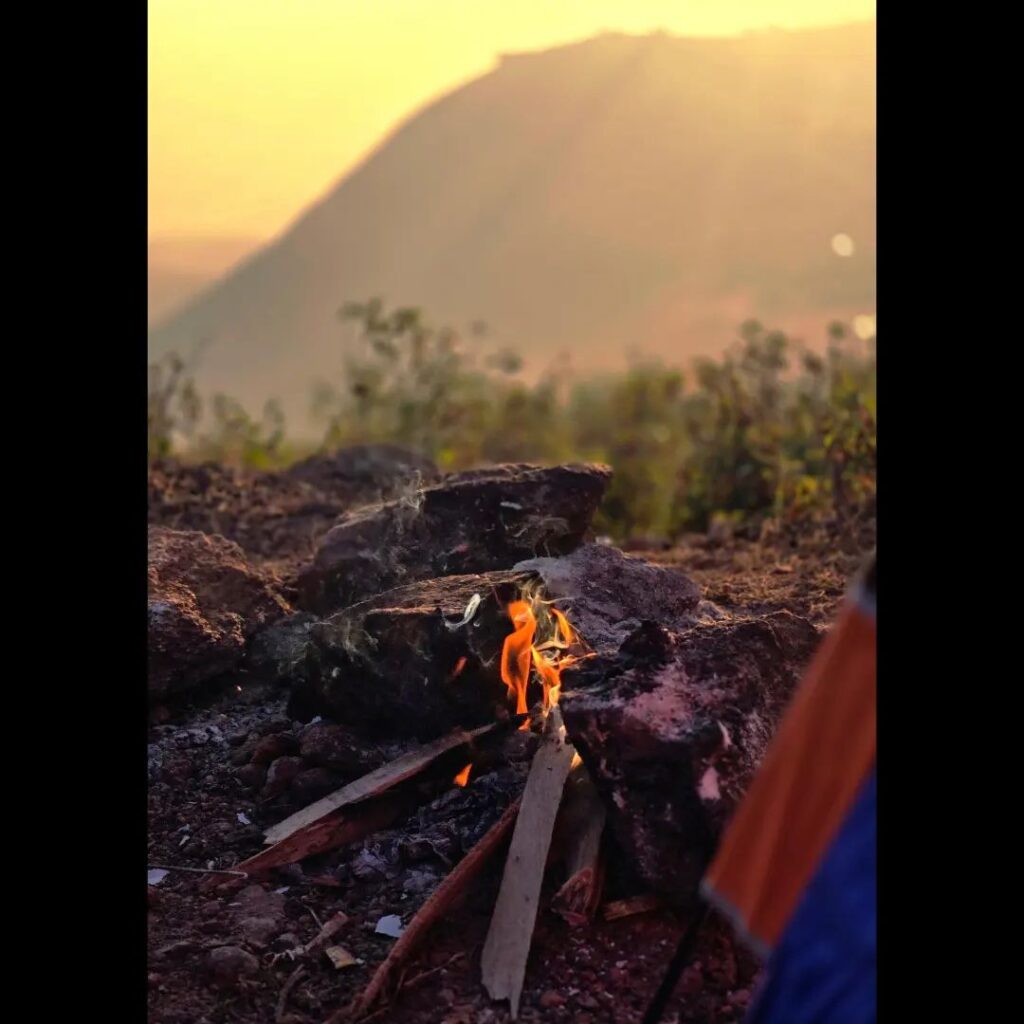
Deomali offers perfect spots for camping. Imagine pitching your tent with amazing mountain views all around. You can sleep under a sky full of stars. Besides camping, the mountain is great for birdwatching. Bring your camera too, as there are endless chances for stunning nature photos. It’s truly an outdoor lover’s paradise.

Best Times for Trekking and Exploration

The best time to visit Deomali is usually from October to March. During these months, the weather is cool and pleasant. The skies are clear, giving you the best views. Visiting in the monsoon can be tricky due to heavy rain and slippery paths. Always check the weather before you plan your trip to Odisha’s highest peak.

Cultural Immersion in the Deomali Region

Deomali is not just about its natural beauty. The mountain is also home to vibrant local cultures. Getting to know the people here adds another layer to your trip. You will learn about their deep connection to this special place.

Indigenous Communities and Their Lifestyle

Several tribal groups live around Deomali. They have lived here for generations, making the mountain a big part of their lives. These communities often rely on the forest for food and resources. Their simple way of life is fascinating to observe. They show how people can live in harmony with nature.

Local Folklore and Mythology

Stories and legends are everywhere around Deomali. Many local beliefs explain how the mountain came to be. Some tales speak of spirits living on the peak. These stories are passed down through families. They make Deomali even more mysterious and exciting to explore. Ask a local, and they might share a tale or two with you.

Traditional Arts, Crafts, and Cuisine

The communities near Deomali are known for their unique skills. They create beautiful handicrafts using natural materials from the forest. You might find intricate bamboo items or colorful woven fabrics. Also, don’t miss trying the local food. It often includes fresh, natural ingredients, giving you a taste of authentic Odishan culture. This unique blend of culture and nature is what Deomali is famous for.

Planning Your Visit to Deomali

Ready to explore Deomali? A little planning goes a long way. Here’s what you need to know for a smooth journey.

Accessibility and Transportation

Deomali is in the Koraput district of Odisha. The nearest major town is Koraput itself. You can reach Koraput by train or bus from larger cities like Bhubaneswar or Visakhapatnam. From Koraput, you’ll need to hire a taxi or jeep to get to the base of Deomali. The roads leading up to the mountain can be a bit rough, so a sturdy vehicle is best.

Accommodation Options

In Koraput, you’ll find a few hotels and guesthouses. These places offer basic comforts for your stay. Closer to Deomali, options are more limited. Some local guesthouses might be available in nearby villages. For campers, pitching a tent is a great choice, but always check local rules first.

Essential Packing List and Safety Precautions

When heading to Deomali, pack light but smart. Bring sturdy trekking shoes, warm clothes (evenings get chilly), and a rain jacket. Carry enough water, snacks, and a first-aid kit. It’s smart to go with a guide, especially if you’re not familiar with the trails. Always tell someone your plans before you start your trek. Staying safe means enjoying your trip more.

Local Etiquette and Responsible Tourism

Respecting local customs is super important. Always ask for permission before taking pictures of people. Don’t litter; carry all your trash back with you. Support local businesses by buying their crafts or eating at their small eateries. Practicing responsible tourism helps keep Deomali beautiful for everyone.

The Ecological Significance and Conservation Efforts

Deomali is more than just a tourist spot; it’s a vital part of nature. Protecting this area is key for the future. Understanding its role helps us appreciate its value even more.

Deomali’s Role in the Eastern Ghats Ecosystem

As the tallest peak in Odisha, Deomali plays a big part in the Eastern Ghats. It acts as a refuge for many unique plants and animals. The forests here help keep the air clean and regulate local weather patterns. It’s a green lung for the region. The health of Deomali affects the whole surrounding environment.

Challenges Facing Deomali’s Environment

Even such a grand place faces threats. Things like cutting down trees and plastic waste can harm the mountain. Too many visitors without proper management could also cause problems. These issues can damage the delicate balance of nature here. We need to be careful to keep Deomali safe.

Community-Led Conservation Initiatives

Luckily, many local people are working to protect Deomali. They teach visitors about keeping the mountain clean. Some groups organize clean-up drives. These efforts by the community are crucial. They ensure that Deomali’s natural beauty stays for generations to come.

Conclusion: The Enduring Allure of Deomali

Deomali truly stands out as a gem in Odisha. Its stunning views, exciting treks, and rich culture offer something for every traveler. From conquering its peak to exploring tribal traditions, it’s an experience you won’t forget. Deomali is famous for its natural charm and deep cultural roots.

So, why not plan your own adventure? Come see Odisha’s highest peak for yourself. Just remember to travel mindfully and respect this amazing place. Deomali is waiting to share its magic with you.

Discover Amazing Tourist Places Near Badamba

Discover Amazing Tourist Places Near Badamba, Cuttack

Ready for an adventure away from the usual crowds? Let’s explore some incredible spots close to Badamba, Cuttack. This part of Odisha is full of history and natural beauty, just waiting for you to find it. Whether you love old stories, peaceful nature, or learning about local ways, this area has something special. Get set to uncover hidden gems and popular sights for your next trip.

Historical Gems and Ancient Wonders

This area around Badamba is rich with history. You can step back in time and see sites that tell stories of Odisha’s past.

400-Year-Old Jagannath Temple of Badamba

Right in Badamba town, you’ll find the Jagannath Temple. This ancient building is over 400 years old. Its unique architectural style shows off the skills of builders from long ago. Lord Jagannath, along with Lord Balabhadra and Devi Subhadra, are worshipped here. Many locals visit daily, and the temple holds special festivals that fill the air with joy and devotion. It’s a key spot for both history buffs and spiritual seekers.

The Majestic Ratnagiri Buddhist Monastery

Just a drive away, Ratnagiri Buddhist Monastery stands as a major find for archaeologists. This site was once a huge learning center for Mahayana Buddhism. When you walk through its ruins, you can see amazing excavated relics and sculptures. The layout of the monastic complex, with its stupas and monasteries, tells a story of a vibrant past. This special place even has a tentative spot on the UNESCO World Heritage list, showing its global importance.

Simhanath Temple: A Riverside Sanctuary

Imagine a peaceful temple right by the water. Simhanath Temple sits beautifully on the banks of the Mahanadi River. Its ancient architecture is simple yet strong, dedicated to Lord Shiva. Legends say this spot has been sacred for ages. The views of the river and surrounding green lands make it perfect for a quiet escape. It’s a great place to feel calm and enjoy nature’s beauty.

Natural Escapes and Serene Landscapes

Beyond the old temples, the Badamba region offers stunning natural beauty. You can find many spots to relax or enjoy outdoor fun.

The Scenic Beauty of Naraj Marthapur

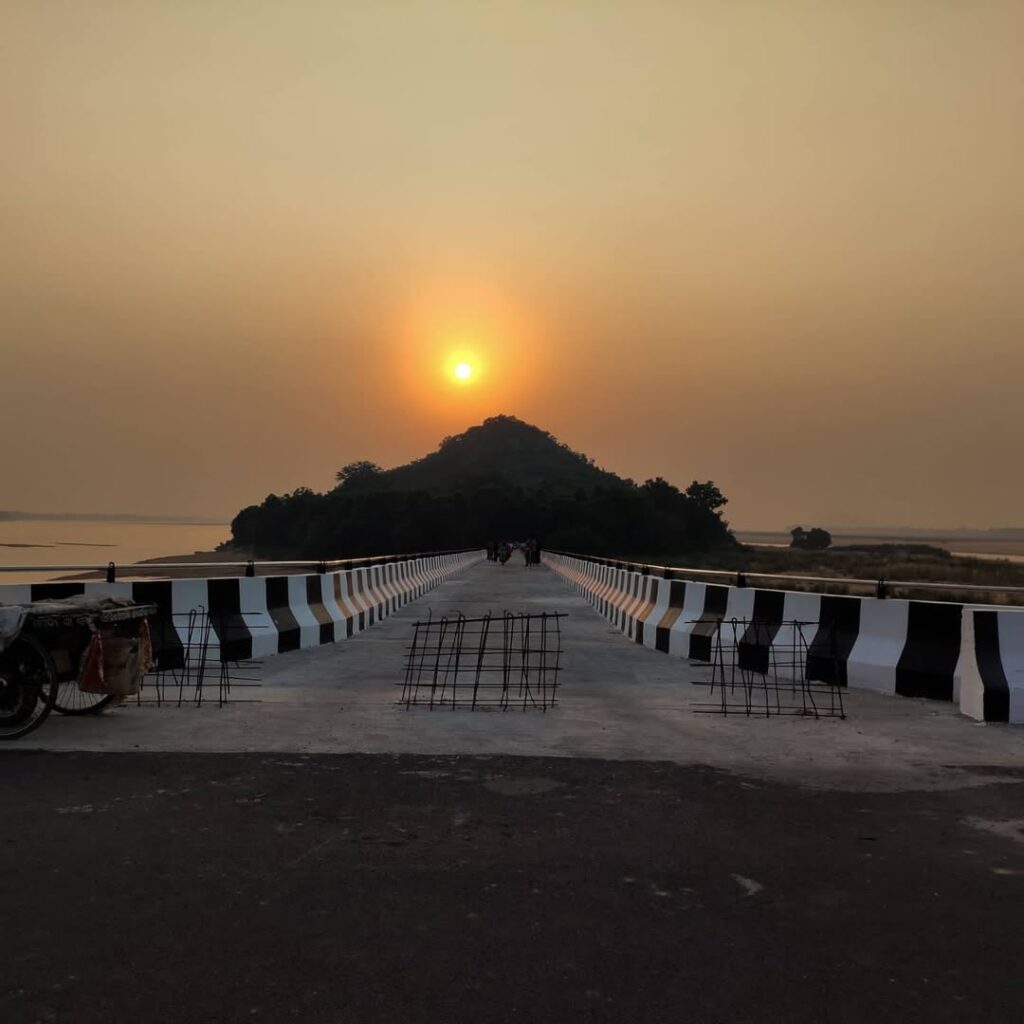
Naraj Marthapur offers truly scenic views. This spot sits along the Mahanadi River, creating a lovely landscape. You can walk along the river banks or find a cozy picnic spot in a nearby park. Some people even enjoy boating on the calm waters. It’s a wonderful place to just sit back and take in the panoramic sights, especially at sunrise or sunset.

Deoproshan Temple and its Natural Surroundings

The Deoproshan Temple offers more than just spiritual peace. It’s set right in the middle of lush green nature. The air here feels fresh, and the quiet atmosphere is perfect for reflection. This temple makes a great peaceful day trip for anyone looking to escape city noise. The natural greenery around it adds to its charm, inviting visitors to unwind.

Chandikhol: Gateway to Nature’s Bounty

Chandikhol is often seen as a gateway to nature’s best. The area is full of rolling hills and dense forests. If you like to walk or hike, you might find some nice paths here. There are viewpoints that give you sweeping looks over the landscape. You can also spot local plants and animals, making it a treat for nature lovers.

Cultural Hubs and Local Experiences

Get ready to soak in the local culture and find some unique experiences around Badamba, Cuttack. These places show off the area’s lively traditions.

Exploring the Craftsmanship of Pipili

Pipili is famous for its bright and colorful appliqué work. This special craft has a long history in the region. Artisans create amazing patterns on cloth, making items like umbrellas, wall hangings, and bags. You can watch these skilled workers bring their art to life. It’s a perfect chance to buy authentic, handmade souvenirs that show off Odisha’s culture.

Cuttack City: A Blend of Old and New

Cuttack city is not far and offers a mix of old history and modern life. You can visit the ancient Barabati Fort ruins or see the historic Qadam Rasul mosque. The city’s bustling local markets are great for shopping and experiencing daily life. Here, you’ll find everything from traditional crafts to modern goods, offering a taste of urban Odisha.

Maa Tarini Temple, Ghasipura: A Spiritual Journey

The Maa Tarini Temple in Ghasipura holds deep meaning for many people. This important temple is a key pilgrimage spot for devotees. It’s easily reachable and offers a spiritual experience for all who visit. The journey to the temple itself feels sacred, and many find peace and comfort in its holy presence.

Planning Your Visit: Practical Tips and Insights

Getting ready for your trip to Badamba, Cuttack, is easy with a few helpful tips.

Best Time to Visit

The best time to visit this part of Odisha is during the cooler months. From October to March, the weather is pleasant and comfortable for exploring. This period also often lines up with local festivals, adding to the charm of your trip. Avoiding the hot summer and monsoon seasons will make your outdoor adventures much more enjoyable.

Getting There and Around

Reaching Badamba from Cuttack is quite simple. You can take a local bus, hire a taxi, or drive yourself. The roads are generally good, making travel smooth. Once you are in the region, local buses and auto-rickshaws are available for moving between different tourist spots. For more freedom, consider hiring a car for the day.

Local Cuisine and Accommodation

Don’t miss trying the local Odiya food. You’ll find delicious curries, fresh seafood, and sweet dishes like ‘chhena poda’. Small eateries offer authentic flavors. For places to stay, you have choices. You can find budget-friendly guesthouses in towns. Cuttack city also offers more comfortable hotels if you prefer to stay there and travel to Badamba daily.

Conclusion

The tourist places near Badamba, Cuttack, truly offer a diverse experience. From ancient temples telling stories of the past to peaceful natural spots, there’s so much to see and do. You can dive into rich history, relax in beautiful landscapes, and explore vibrant local cultures. This region is a perfect blend of everything, waiting for you to discover its charm. Start planning your visit now and uncover the magic of these incredible destinations!