Tag Archives: Jeypore Koraput tourist places

Unveiling the Royal Splendor of Surya & Moti Mahal in Koraput

Jeypore City: Unveiling the Royal Splendor of Surya & Moti Mahal in Koraput

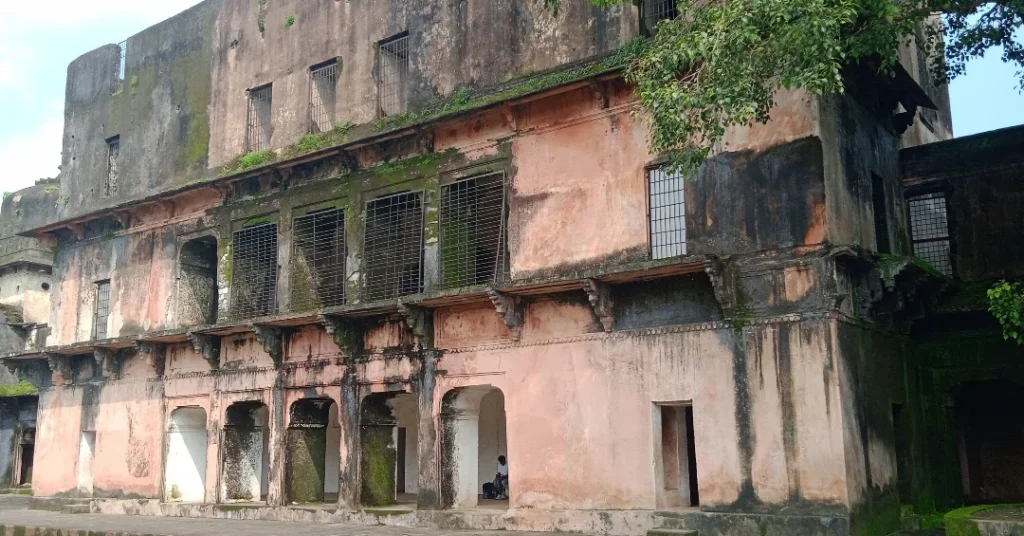
Nestled in the lush hills of Odisha’s Koraput district, Jeypore City whispers tales of kings and forgotten glory. Imagine stepping into a world where ancient palaces stand tall against the Eastern Ghats. Here, the Surya Mahal and Moti Mahal shine as jewels of royal past, drawing you into Jeypore’s hidden charm. This spot blends tribal roots with grand architecture, making it a must-see for history fans.

The Royal Heritage of Jeypore: A Deep Dive into History

Jeypore’s story starts long ago in the heart of Koraput. It grew as a key seat for local rulers who shaped the land. The city’s palaces tell of power and culture that still echo today.

Founding and Early Rulers

The kingdom took root around the 15th century under the Bhanja dynasty. Leaders first ruled from Nandapur, a nearby hill fort. They mixed with local tribes, creating a unique blend of customs and rule.

Rulers like Ramchandra Dev built strong ties with the people. This helped the area thrive on trade and farming. Early forts protected against invaders, setting the stage for later palaces.

Tribal groups added their touch to daily life. Festivals and crafts flourished under royal watch. Jeypore became a hub where hill folk met palace life.

British Era Influence and Transformation

When the British arrived in the 19th century, Jeypore changed fast. The East India Company turned it into a zamindari estate. Local kings paid tribute but kept some control.

Colonial officers brought new building ideas. Palaces got wider halls and sturdy walls. This mix shaped Jeypore’s look, blending old Indian styles with British tweaks.

Trade boomed with roads and rails. Jeypore linked to bigger cities, boosting its role in Koraput. The era left marks on both buildings and local ways.

Surya Mahal: The Sun God’s Residence

Surya Mahal stands as Jeypore’s crown jewel, named for the sun god. Built in the early 20th century, it served as the main home for the royal family. Today, it draws visitors eager to peek at its faded glory.

Walk through its gates, and you feel the weight of history. The palace once buzzed with feasts and meetings. Now, it sits quiet, a reminder of old power in Koraput.

Architectural Marvels and Design Influences

Stone walls rise high, carved with simple motifs. Wood beams support vast roofs, painted in bright colors that have dulled over time. The design pulls from local Kalinga styles, with added colonial arches.

A central courtyard lets light flood in, just like in old Indian homes. Carved doors show sun symbols, tying to the name Surya. Blends of red brick and white plaster give it a warm feel.

Builders used local teak for strength against monsoons. Unique halls include a throne room with high ceilings. These features make Surya Mahal a standout in Jeypore City.

Role in Modern Jeypore Life

Parts of the palace still house family members. They open sections for events like weddings. It links the past to now in daily Koraput life.

Tourists can tour guided paths on weekends. Locals use nearby grounds for markets. This keeps Surya Mahal alive as a community spot.

Restoration work goes on, funded by state aid. You might spot workers fixing walls during your visit. It shows Jeypore’s push to save its heritage.
Moti Mahal: The Pearl Palace and Its Legacy

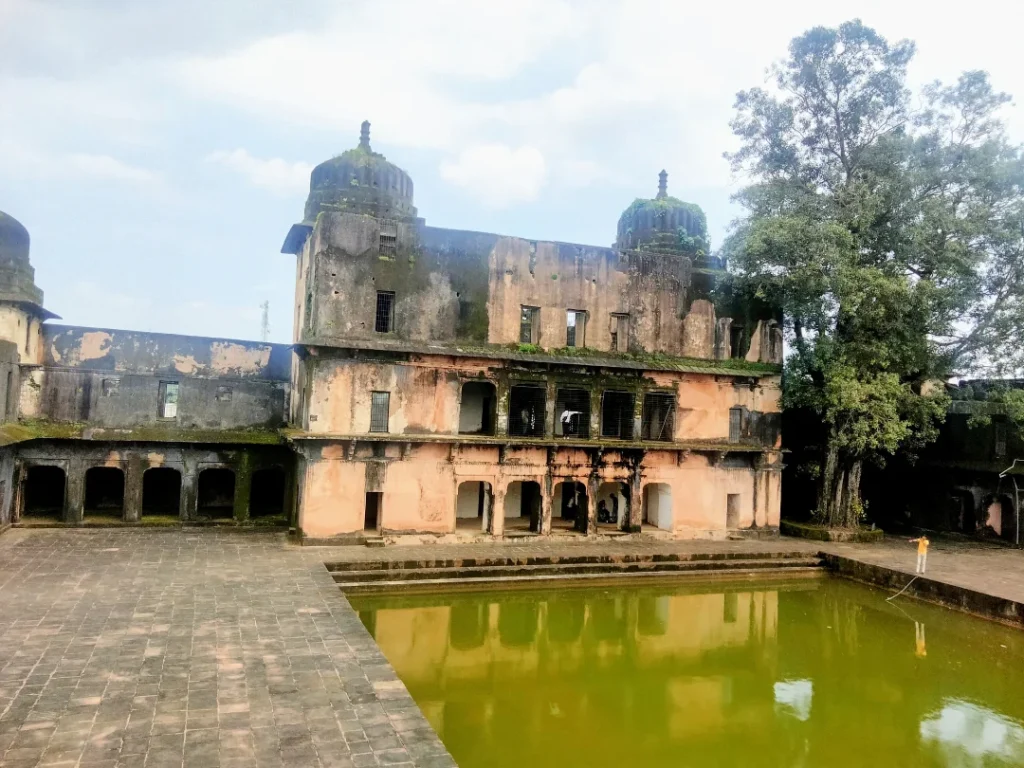
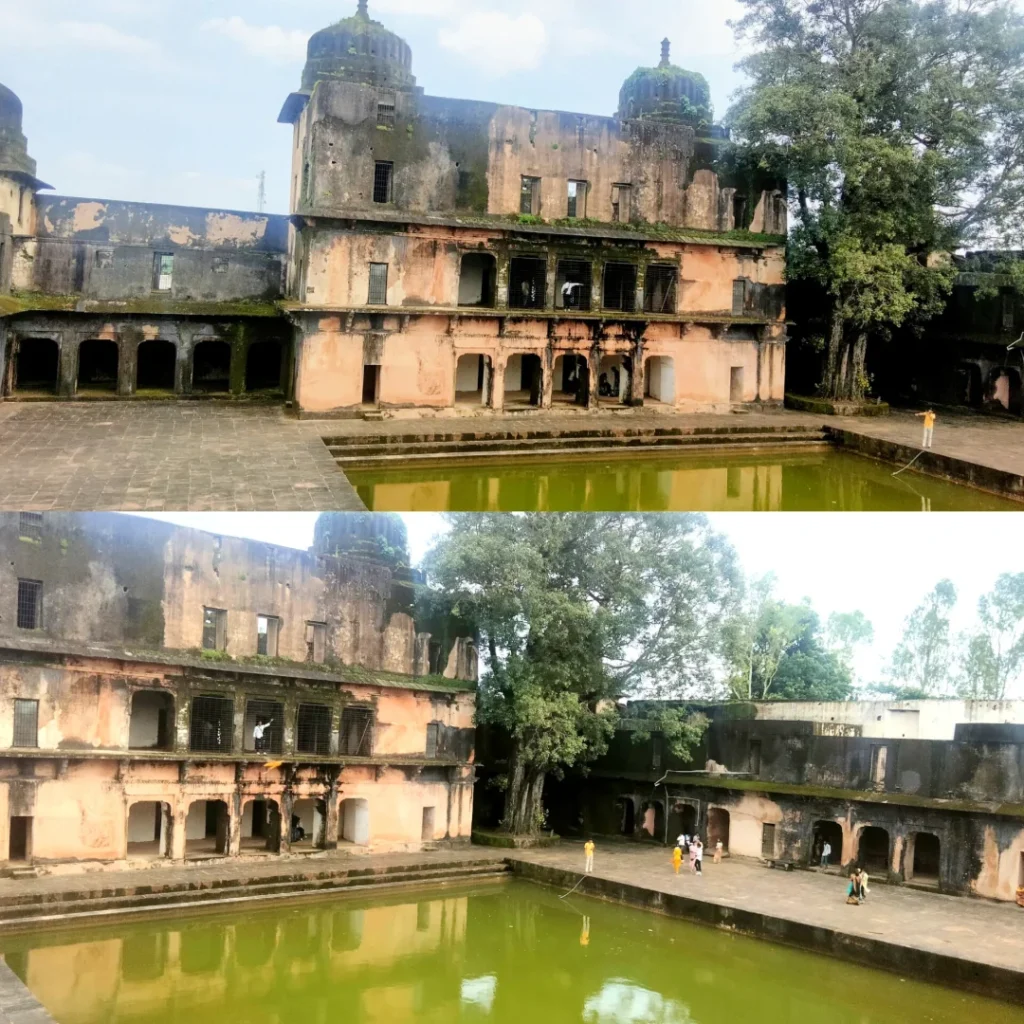
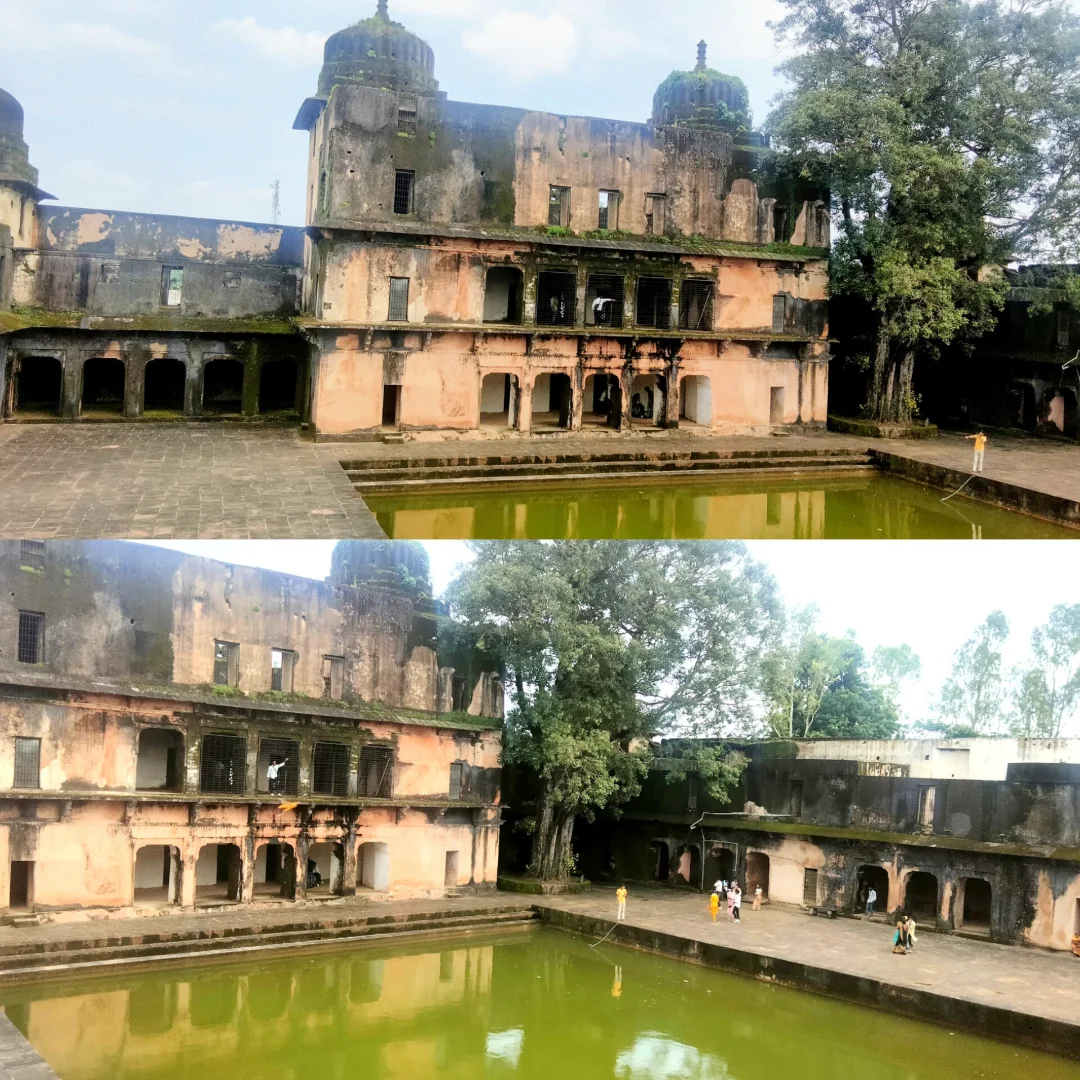
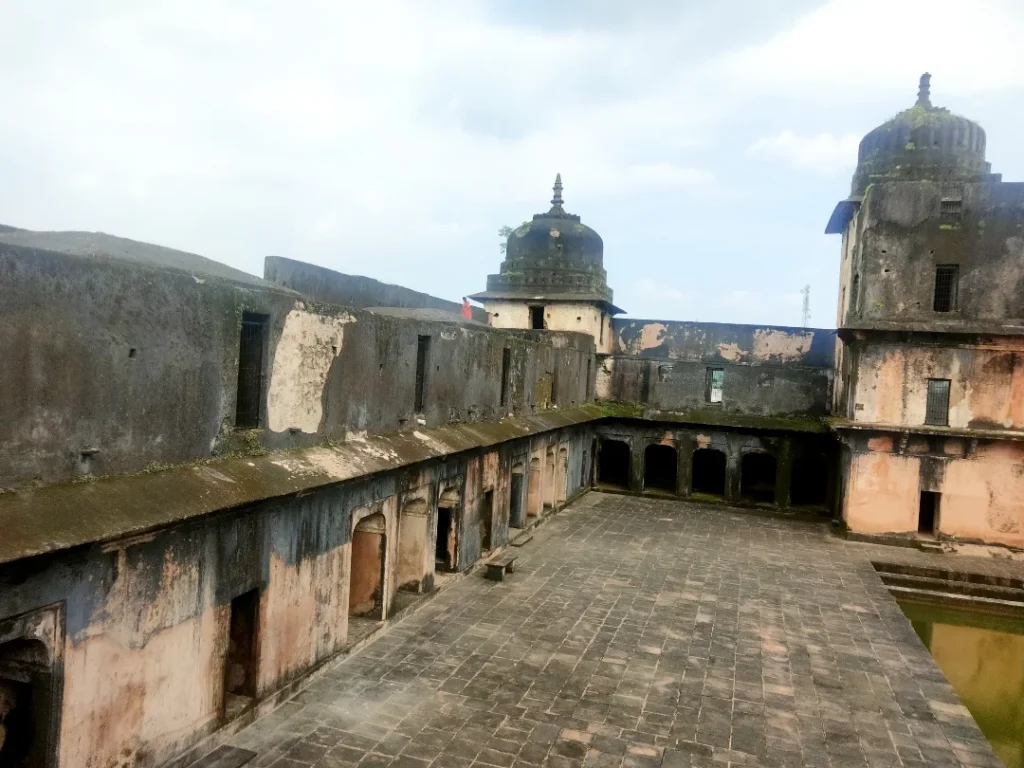
Next to Surya Mahal, Moti Mahal gleams with its own story. Called the Pearl Palace, it acted as a guesthouse for honored visitors. Its white walls and soft curves set it apart from its grand neighbor.

Step inside, and the air feels lighter, almost elegant. Built around the same time, it hosted dances and talks. In Jeypore, it adds another layer to the royal tale in Koraput.

The Significance of the Name “Moti Mahal”

“Moti” means pearl in Hindi, hinting at its shine. Some say the walls used pearl-like plaster from local rivers. Others link it to a queen who loved pearl jewels.

A legend tells of a royal wedding with pearl gifts. This event named the place, marking joy in hard times. The name sticks, drawing curious eyes to Jeypore City.

White tones mimic pearls, especially at dawn. It fits the soft beauty of Koraput’s hills. Stories like these make Moti Mahal more than stone.

Preservation Challenges and Tourism Potential

Time and weather wear at the walls. Cracks show from heavy rains in the Ghats. Groups work to fix it, but funds run low.

As a tourist, respect the site—stick to marked paths. Visit from 10 a.m. to 4 p.m., and avoid touching old paint. This helps keep Moti Mahal safe for all.

Its potential shines for eco-tours in Koraput. Pair it with nearby tribal villages for a full day. Jeypore could boom if more visitors come with care.

  • Wear comfy shoes for uneven grounds.
  • Carry water; the hill air dries you out.
  • Tip local guides for insider tales.

Beyond the Palaces: Exploring Koraput’s Cultural Context

Jeypore offers more than just Surya and Moti Mahal. The area ties royal history to wild nature and lively tribes. In Koraput, every corner holds a piece of the puzzle.

Feel the pull of the Eastern Ghats as you explore. Waterfalls and forests frame the city like a natural crown. This backdrop made Jeypore a safe haven long ago.

Local markets buzz with colors and sounds. You can buy handmade items that echo palace days. It all connects to make Koraput feel alive.

Jeypore’s Strategic Location in the Eastern Ghats

The Ghats shield Jeypore from plains’ heat and foes. Thick woods hid armies and trade routes. This spot in Koraput kept the kingdom strong for centuries.

Rivers flow down, feeding farms and life. Proximity to tribal lands brought fresh ideas. Jeypore sits at a crossroads of hill and valley.

Today, drives through the Ghats thrill with views. Spot deer or birds on twisty roads. It adds adventure to your palace trip.

Local Craftsmanship and Artistic Linkages

Kings supported artists, leading to fine works. Dhokra metal statues gleam with tribal patterns. Textiles woven by hill women show bold reds and blacks.

These crafts link to royal gifts and festivals. Visit workshops near Jeypore to see hands at work. Buy a piece to take home Koraput’s spirit.

Under patronage, skills grew. Now, they help locals earn. It ties the mahals’ wealth to everyday pride.

  • Try bargaining at craft stalls for deals.
  • Watch a weaving demo; it’s quick and fun.
  • Link buys to palace history for deeper meaning.

Planning Your Royal Heritage Tour of Jeypore

Ready to visit Surya and Moti Mahal? Jeypore welcomes you with open arms. Plan right, and you’ll uncover Koraput’s best secrets.

Start with basics: pack light for hill walks. Book stays in cozy guesthouses. Your trip to Jeypore City will stick in memory.

Best Time to Visit and Accessibility

Go from October to March for cool days. Monsoons flood paths, so skip June to September. Clear skies make palace photos pop.

Jeypore Railway Station sits just 2 km from the center. Trains from Visakhapatnam run daily, about 4 hours away. For flights, land at Visakhapatnam Airport, then drive 150 km north.

Jeypore Airport handles small planes from Bhubaneswar. Rent a car or take buses for ease. Roads wind pretty through the Ghats.

Essential Visitor Etiquette and Sightseeing Tips

Dress modest—cover shoulders in palace areas. Ask before photos inside private spots. Locals value your respect in Koraput.

Use auto-rickshaws for short hops around Jeypore. They cost little and know hidden views. Join group tours for mahal access tips.

Start early to beat crowds at Surya Mahal. Pair with a lunch of local millet dishes. End with sunset over the Ghats.

  1. Check weather apps for sudden rains.
  2. Carry ID for entry points.
  3. Share your plans with hotel staff for safety.

Discovering the Jewel of Odisha: Jeypore City and the Splendor of Surya & Moti Mahal

If you’re looking for a blend of history, culture, and stunning architecture, Jeypore City in the heart of Odisha is a must-visit destination. Known for its vibrant local culture and rich heritage, Jeypore offers a captivating experience for every traveler. In this blog post, we will explore the significance of Surya Mahal and Moti Mahal, two architectural gems that stand testament to the city’s regal past.

A Glimpse into Jeypore City

Nestled in the lush hills of the Koraput district, Jeypore is not just another city; it’s a treasure trove of history and tradition. The city’s strategic location and its diverse community contribute to a rich tapestry of experiences. From exquisite handicrafts to traditional cuisine, Jeypore is a feast for the senses.

As you stroll through the city’s bustling streets, you will encounter cordial locals who are always eager to share stories about their heritage. The charm of Jeypore lies in its mingling of modern convenience with age-old customs.

Explore the Grandeur of Surya Mahal

One of the highlights of Jeypore is the Surya Mahal, a magnificent palace that reflects the grandeur of the era in which it was built. Surya Mahal was constructed during the reign of the former royal family of Jeypore and is known for its stunning architectural style that combines traditional and colonial influences.

As you step inside, you’ll find intricately carved pillars, sprawling courtyards, and stunning frescoes that narrate stories of the past. Don’t miss the chance to explore the gardens surrounding the palace, which are ideal for a leisurely stroll.

Unveil the Secrets of Moti Mahal

Just a stone’s throw away from Surya Mahal is Moti Mahal, another architectural marvel that warrants a visit. Often regarded as a counterpart to Surya Mahal, Moti Mahal boasts a unique design and houses several artifacts from the royal era.

The ceilings adorned with intricate designs and the serene ambiance make Moti Mahal a perfect spot for history enthusiasts. You can spend hours here, soaking in the atmosphere and imagining life during the opulent days of the royal family.

Conclusion: Plan Your Visit to Jeypore City

Whether you’re drawn by the promise of breathtaking architecture or the rich tapestry of local culture, Jeypore City is a destination that will leave you enchanted.

Ready to delve into the allure of Jeypore and explore the fascinating Surya & Moti Mahal? Start planning your itinerary today! For more tips on travel and local attractions, visit [your travel blog URL] or contact us at [item] for personalized advice.

Jeypore awaits, and its treasures are ready for you to uncover!


For inquiries, please reach out to [item] or visit our website at tourmyodisaha.com.

Conclusion: Jeypore’s Enduring Royal Echo

Surya Mahal and Moti Mahal stand as proud symbols of Jeypore’s past in Koraput. They weave history, culture, and nature into one rich story. From early kings to British times, these spots hold Odisha’s heart.

Visit to feel the royal pulse still beating. Support preservation by coming responsibly. Plan your trip now—Jeypore waits to charm you. What are you waiting for? Pack your bags and head to this gem.

Opening Time

Jeypore KingPalace open timings is 8 am to 7 pm

Best Time to visit

Best time to visit Jeypore City palace at all times of the year

Nearest Bus Stop

The nearest Bus stop is Jeypore, which is located around 1 Km distance from JeyporeKing Palace

Nearest Railway Station

The Nearest Railway Station is Koraput, which is located around 20 Km distance from Jeypore City

Nearest Airport

The nearest Airport is Visakhapatnam Airport, Andhra Pradesh, which is located around 508 Km distance from Jeypore City

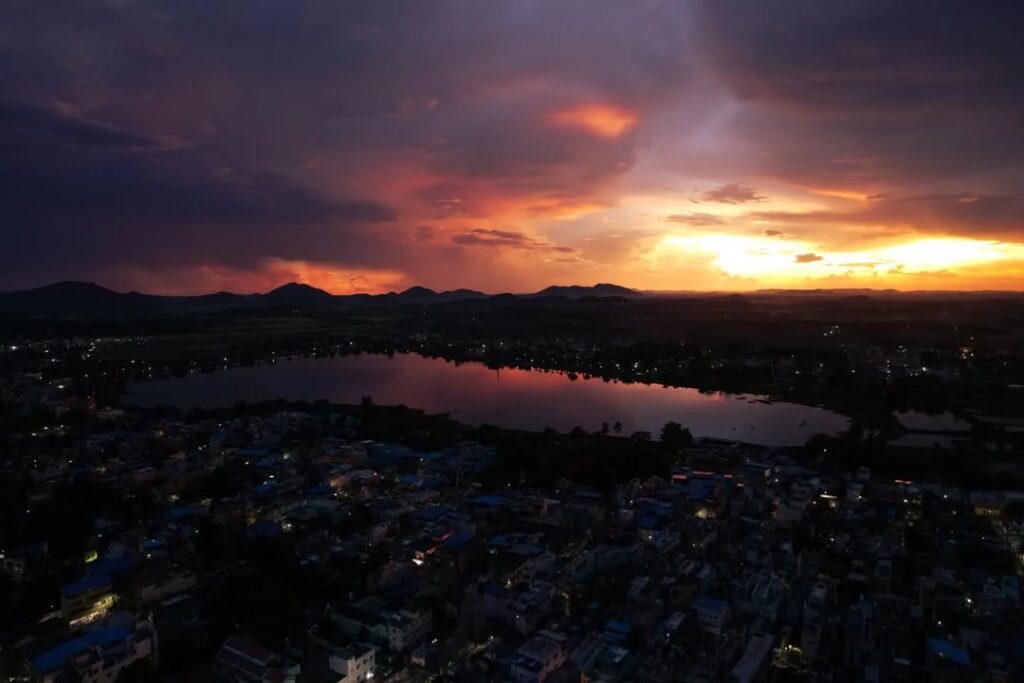
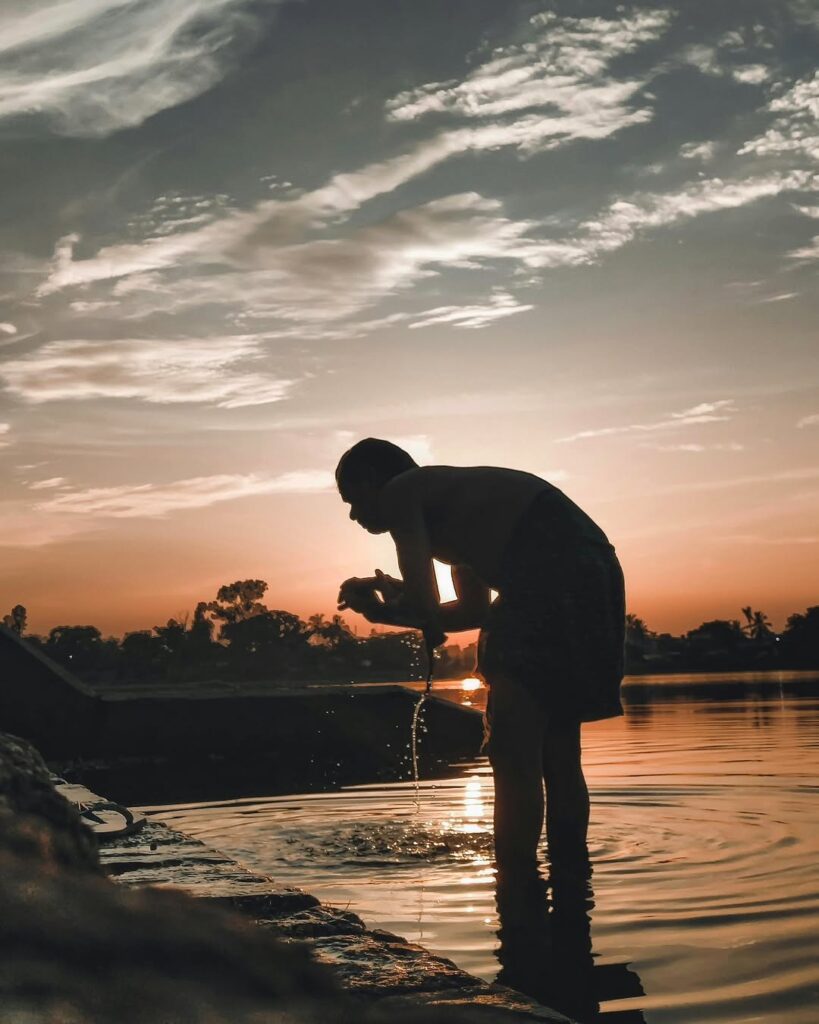
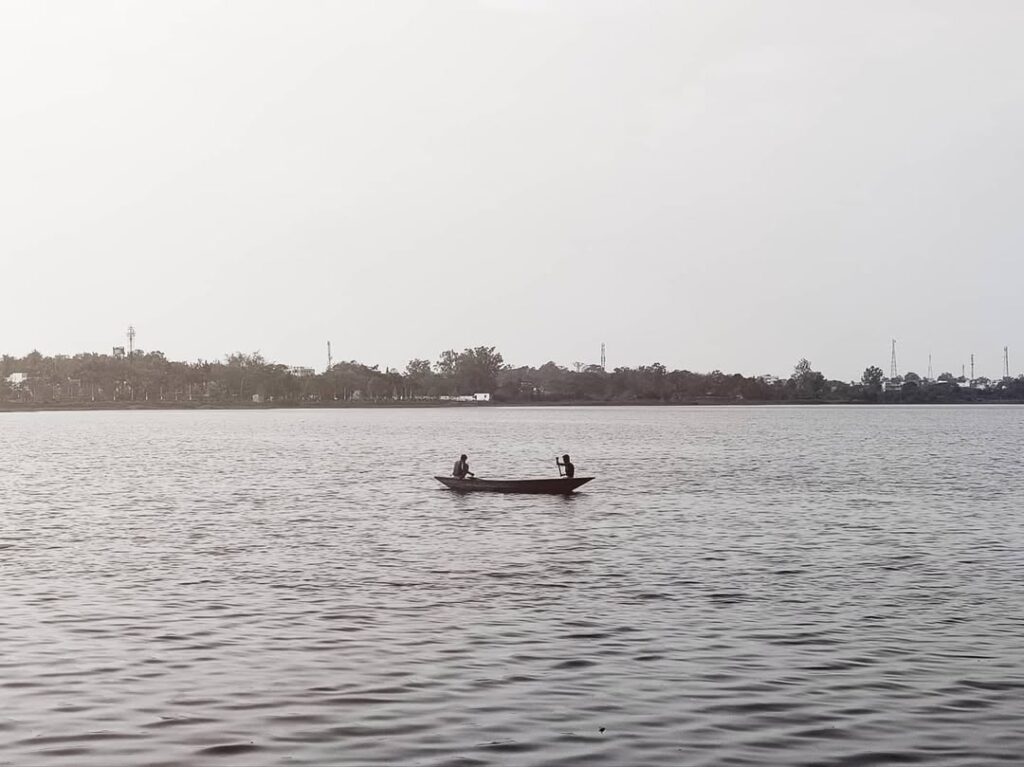
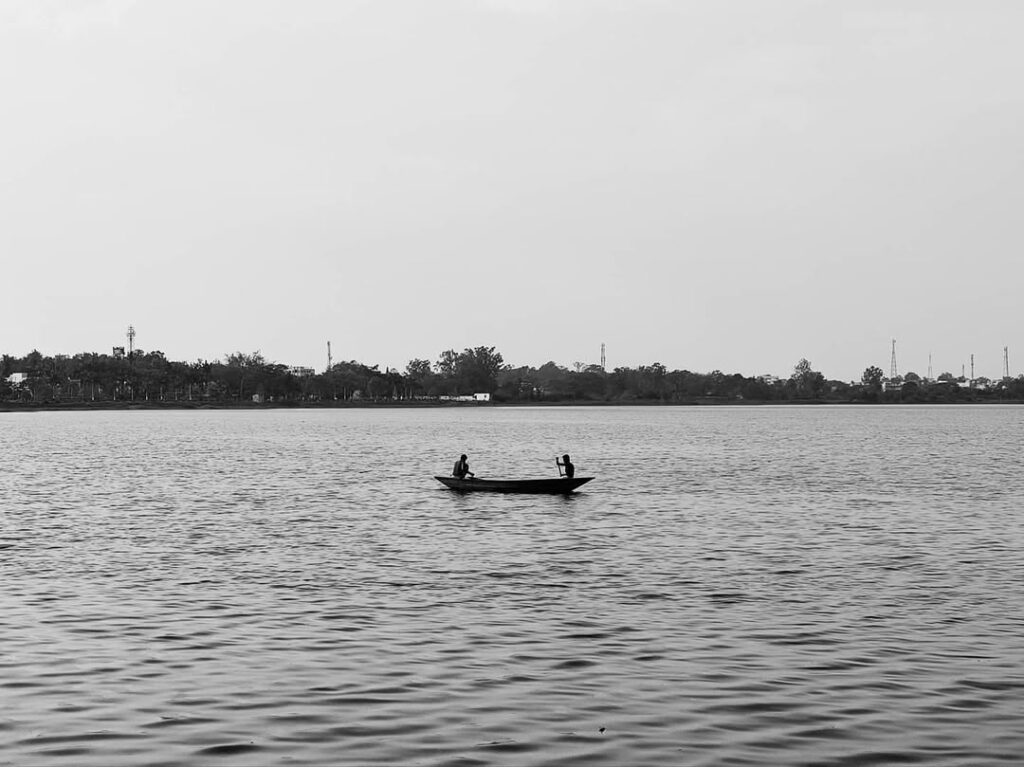
Jagannath Sagar Lake Jeypore

Jagannath Sagar Lake Jeypore: Koraput’s Pristine Water Body Awaits Exploration

Nestled in the lush hills of Koraput district, Odisha, Jagannath Sagar Lake stands as a hidden gem. This serene water body draws you in with its calm blue waters and surrounding greenery. Local folks cherish it for both daily needs and spiritual ties, while travelers seek its quiet beauty. As Jeypore’s star attraction, it promises fresh air and wildlife views. In this guide, we’ll cover the lake’s past, nature’s wonders, care efforts, and tips for your trip. Get ready to discover why Jagannath Sagar Lake Jeypore deserves a spot on your Odisha itinerary.

History and Cultural Significance of Jagannath Sagar Lake

Ancient Origins and Local Legends

Folks in Jeypore share tales about how the lake got its name. They link it to Lord Jagannath, the famous deity from Puri. Legend says ancient kings built it as a holy spot for rituals and water storage. No exact dates survive, but old stories paint it as a gift from nature blessed by gods. This mix of faith and function makes the lake a cultural heart for the area.

People visit during festivals to offer prayers by the shore. The site’s calm vibe feels like a bridge to old times. Such legends keep the community’s bond with Jagannath Sagar Lake strong.

Role in Jeypore’s Development

Back in the day, the lake fed Jeypore’s growth. It served as the main water source for homes and farms. Irrigation from its waters helped crops thrive in the dry seasons. British records note how locals managed it under princely rule.

Over time, small projects added channels to boost flow. This support let the town expand without water woes. Today, echoes of that role remind us of the lake’s vital past in Jeypore’s story.

Ecological Profile and Biodiversity Hotspot

Hydrological Characteristics and Water Quality

Jagannath Sagar Lake covers about 200 acres in its catchment zone. Rain from nearby hills and streams fill it up each monsoon. Water levels drop in summer but rebound by July.

Tests show mostly clean water, though farm runoff adds some nutrients. Eutrophication worries locals, as algae blooms can harm fish. Still, the lake holds steady as a key spot in Koraput’s water cycle.

Flora and Fauna: Avian Haven

Birds flock to Jagannath Sagar Lake Jeypore like it’s their private retreat. Spot kingfishers diving for fish or egrets wading in shallows. Migratory guests include Siberian cranes in winter, joining locals like pond herons.

Thick reeds and lotus pads line the edges, home to frogs and insects. These plants filter water and shelter small critters. The mix creates a buzzing ecosystem right in town.

For birdwatching, bring binoculars and stay on paths. Dawn visits catch the best action—quiet steps won’t scare off the feathered stars. Respect the space to keep it wild for all.

Current State of Conservation and Management Challenges

Government Initiatives and Restoration Projects

Odisha’s Water Resources Department kicked off a cleanup in 2018. They aimed to dredge silt and plant trees around the shore. By 2022, water levels rose 20% thanks to better inflow channels.

Local groups joined in, running awareness drives for waste control. These steps target long-term health for the lake. Progress shows in clearer waters and more fish.

Threats: Encroachment and Pollution Control

Shrinking space hits Jagannath Sagar Lake hard. Illegal builds near the edge cut into its buffer zone, risking floods. In 2015, one such case dropped water depth by feet, hurting fish stocks.

Trash from town and farm chemicals seep in too. This upsets the balance, choking plants and scaring birds. Efforts to fence off areas help, but steady watch is key to fight back.

Tourism Potential and Visitor Experience

Accessibility and Infrastructure Assessment

Reach Jagannath Sagar Lake from Jeypore center in just 5 km. Smooth roads connect it to NH-26, with autos and bikes for easy rides. From Koraput, it’s a 50 km drive—about an hour by bus.

Parking spots exist near the gate, but shade is scarce. Basic restrooms and benches dot the area, though upgrades could help. Overall, it’s welcoming for a quick escape.

Activities and Nearby Attractions

Stroll the paths for peaceful views or snap photos of the sunset. Boating isn’t set up yet, but picnics by the water work fine. Nature lovers can journal sightings or sketch the scene.

Pair your visit with spots like the Jeypore Palace, 3 km away, for royal history. Don’t miss Gupteswar Cave, a 40 km trek for cave adventures. Or head to the weekly market for local crafts.

The best time to see Jagannath Sagar Lake Jeypore? Winter months, October to February. Cool weather matches peak bird arrivals, making it magic.

Explore the Enchantment of Jagannath Sagar Lake: Your Ultimate Travel Guide

If you’re looking for a serene getaway that beautifully intertwines nature with culture, look no further than Jagannath Sagar Lake. Nestled in the heart of [Location], this picturesque lake is not just a feast for the eyes; it’s a vibrant hub of history, spirituality, and adventure. As you plan your visit to this enchanting destination, allow us to guide you through some essential travel information that will enhance your experience.

Getting There

Jagannath Sagar Lake is conveniently accessible via [Nearest Airport/Train Station], making it easy for travelers. If you’re driving from [Major City], expect a charming journey filled with stunning landscapes and local insights. Public transportation options like buses and rickshaws are readily available, ensuring you have a straightforward route to your destination.

Best Time to Visit

The ideal time to visit Jagannath Sagar Lake is during the winter months from [Month] to [Month]. The weather is pleasant, allowing for enjoyable sightseeing and leisure activities. The vibrant festival season also adds a layer of excitement, showcasing local culture at its finest.

Where to Stay

To make the most of your trip, consider booking accommodation near the lake. Choices range from luxurious hotels to cozy guesthouses, catering to various budgets. For a memorable experience, opt for a stay in one of the lakeside resorts, where you can wake up to breathtaking views and the serene sounds of nature.

Must-See Attractions

While visiting Jagannath Sagar Lake, be sure to explore these highlights:

  1. The Jagannath Temple – A sacred spot situated near the lake, this temple is a must-visit for its stunning architecture and spiritual significance.
  2. Boating Adventures – Rent a boat and take in the stunning views of the lake and its surroundings. The gentle ripple of water as you glide across is perfect for relaxation or even a romantic outing.
  3. Local Markets – Experience local culture by visiting nearby markets. Indulge in traditional cuisines and shop for handmade crafts that reflect the rich heritage of the region.
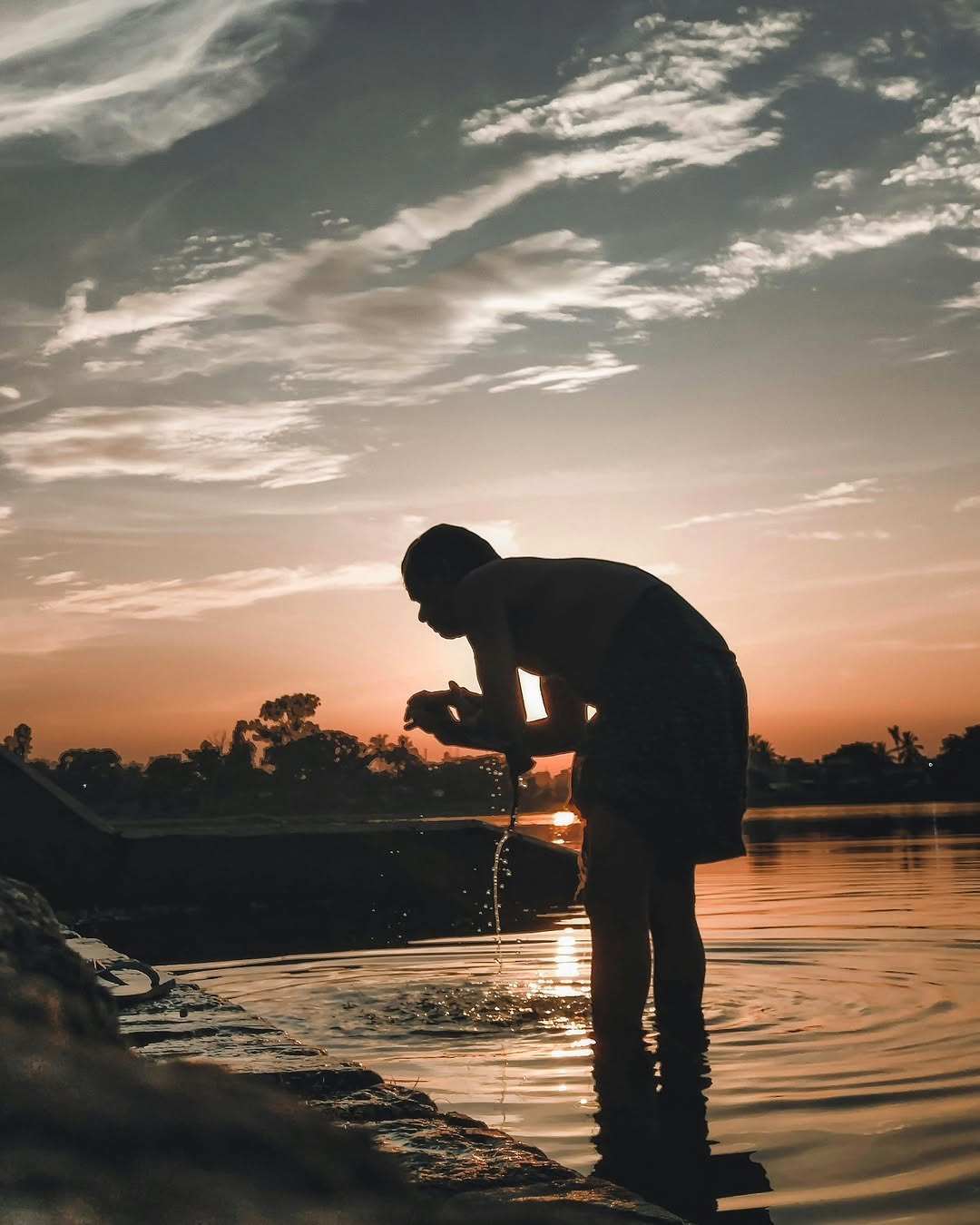
  4. Photography Opportunities – Capture the mesmerizing sunrise or sunset over the lake. The reflections in the water create picture-perfect moments that you’ll cherish forever.

Safety Tips

While visiting Jagannath Sagar Lake, keep the following safety tips in mind to ensure an enjoyable trip:

  • Stay Hydrated – The sun can be quite intense, especially during midday. Carry water with you to avoid dehydration.
  • Monitor Your Belongings – As with any popular tourist destination, it’s best to keep an eye on your valuables.
  • Guided Tours – For deeper insights into the history and culture of the area, consider joining a guided tour. Local guides can offer valuable information and enhance your experience.

Local Cuisine

Don’t miss out on the local delicacies! Sample traditional dishes such as [Local Dish 1] and [Local Dish 2] at nearby eateries. Many restaurants offer stunning views of the lake, allowing you to soak in the beauty while savoring the flavors.

Conclusion

Jagannath Sagar Lake is a hidden gem that promises unforgettable memories. Whether you’re an adventure seeker, a history buff, or someone looking to unwind, this destination has something for everyone. Start planning your trip today and prepare for a remarkable journey that celebrates the essence of [Location]. For more travel tips and itineraries, visit us at tourmyodisaha.com.

Happy travels!

Conclusion: Securing the Future of Jagannath Sagar

Jagannath Sagar Lake shines as both a nature treasure and cultural icon in Koraput. Its history fuels community pride, while biodiversity draws eyes from afar. Yet, threats like pollution call for action to protect this spot.

We must push for strong care plans and smart visits. You can help by picking up trash and spreading the word. Let’s keep Jagannath Sagar Lake Jeypore alive for kids to enjoy.

Key takeaways:

  • It’s a birdwatcher’s dream with over 50 species spotted yearly.
  • Built for water needs, it now boosts eco-tourism in Odisha.
  • Winter visits offer the top wildlife shows and mild temps.
  • Join conservation to fight encroachment and keep waters pure.

30 Best Tourist Places in Koraput District

30 Best Tourist Places in Koraput District

Koraput District in the captivating state of Odisha is renowned for its stunning landscapes, rich tribal culture, and a plethora of tourist attractions that promise to create lasting memories. Nestled amidst the hills of the Eastern Ghats, Koraput offers a unique blend of natural beauty and cultural richness. Whether you are an adventurer, a culture enthusiast, or a nature lover, there is something here for everyone. Join me as we explore the 30 best tourist places in Koraput District!

1. Jagannath Temple, Koraput

A significant pilgrimage site that exemplifies exquisite architecture and reverence. The temple attracts numerous devotees, especially during festivals.

2. Raniguda Dam

This picturesque dam not only offers serene views but is also a great spot for picnics and fishing, making it a perfect family outing destination.

3. Duduma Waterfall

Witness the breathtaking beauty of Duduma Waterfall, where water cascades down the cliffs, creating a picturesque scene. It’s also an excellent spot for nature photography.

4. Sunabeda Wildlife Sanctuary

An incredible haven for wildlife enthusiasts, this sanctuary is home to various species of flora and fauna, including the majestic Blackbuck.

5. Kolab Reservoir

With its tranquil waters and lush surroundings, the Kolab Reservoir is ideal for boating and exploring the stunning vistas of the area.

6. Gupteswar Caves

A site of spiritual significance, these caves are dedicated to Lord Shiva and boast fascinating rock formations that attract cave explorers.

7. Maligura Hills

The Maligura Hills offer panoramic views of the landscape and are perfect for trekking and nature walks.

8. Devagiri Durga

A historical fort that stands testament to the region’s rich heritage, the view from the top offers a mesmerizing landscape that’s perfect for history buffs.

9. Bhairavakonda

A serene location ideal for meditation and escape from the urban hustle, with scenic views and tranquil surroundings.

10. Rani Durgavati Palace

Explore the remnants of this ancient palace that reflects the royalty of its time, offering insight into the region’s history.

11. Kotpad

Famous for its handloom products, Kotpad is a cultural gem where you can witness traditional tribal weaving practices.

12. Jeypore

Known for its rich history and vibrant culture, Jeypore features beautiful temples and palaces that reflect the architectural brilliance of Odisha.

13. Pottangi

A small village surrounded by lush greenery, Pottangi offers a glimpse into the tribal lifestyle of the region.

14. Chitrakonda Lake

This stunning lake is often referred to as the ‘Srinagar of Odisha’ and is perfect for boating and enjoying the serene environment.

15. Koraput Tribal Museum

This museum showcases the rich tribal heritage of the region, displaying artifacts, traditional dresses, and handicrafts.

16. Nandapur Fort

Step back in time at this historical fort, which was once a stronghold of the local king, surrounded by picturesque hills.

17. Bhotekhol

A hidden gem in Koraput, Bhotekhol is known for its biodiversity and tranquil environment, making it a perfect getaway for nature lovers.

18. Bhubaneswari Temple, Koraput

Another revered temple, this site attracts devotees with its peaceful ambiance and beautifully crafted idols.

19. Kotpad Handloom Weaving Centre

Engage with local artisans and learn about the unique weaving techniques that have been passed down through generations.

20. Kanyashree Park

A beautiful park with manicured gardens and walking paths, perfect for families looking to enjoy a day outdoors.

21. Dongria Kondh Homestays

Experience the authentic tribal lifestyle by staying with the indigenous Dongria Kondh community, an unforgettable cultural immersion.

22. Malkangiri

Known for its lush landscape and rich biodiversity, it’s a bit off the beaten path but worth exploring for those seeking adventure.

23. Khandamal

Experience the unparalleled natural beauty and serene landscapes, perfect for a peaceful retreat.

24. Podagada Hill Fort

A fort perched atop a hill offering stunning views and a glimpse into the historical significance of the region.

25. Lingraj Temple

This ancient temple dedicated to Lord Shiva is known for its exquisite carvings and peaceful atmosphere.

26. Banjari Waterfall

A lesser-known spot that offers a refreshing escape into nature’s refreshing embrace.

27. Taratarini Temple

Another important pilgrimage site, this temple is located on a hilltop, offering a breathtaking view of the plains below.

28. Kumbhar Sahi

Famous for its traditional pottery, visit this village to see local artisans at work and take home a unique piece of Koraput.

29. Jodambo

A quaint village that embodies the essence of tribal culture in Koraput, perfect for cultural exploration.

30. Sabari River

An ideal place for a peaceful day out by the riverside, perfect for picnicking or just soaking up nature’s beauty.

30 Best Tourist Places in Koraput District: A Traveler’s Guide

Welcome to Koraput, a hidden gem nestled in the Eastern Ghats of Odisha, India. Often overshadowed by more prominent tourist spots, Koraput offers a special mix of natural beauty, rich tribal culture, and historical meaning. It promises an unforgettable travel experience. This guide is your way to finding the 30 best tourist places in Koraput district, from rushing waterfalls and quiet hills to old temples and lively local markets.

Get ready to be amazed by the wild lands, the kind welcome of its local people, and the deep calm found in this charming place. If you love adventure, history, culture, or just want to get away from the usual, Koraput has something wonderful to offer.

Section 1: Nature’s Embrace – Waterfalls and Hills of Koraput

Duduma Waterfall: The Majestic Cascade

The Duduma Waterfall, also known as Matsya Tirtha, stands tall at about 157 meters, making it one of India’s highest waterfalls. Its mighty flow creates a constant, impressive roar, drawing many visitors each year. The best time to see this wonder is right after the monsoon season, when the water volume is at its peak. This waterfall is not just a stunning sight; it also helps power the Machkund Hydroelectric Project, showing its importance to the region.

Bagra Waterfall: A Serene Retreat

Bagra Waterfall offers a calmer, more personal experience compared to Duduma. It’s quite easy to reach, making it a good choice for a relaxed day trip. At its base, a natural pool invites visitors to cool off in its clear waters. This spot is less crowded, offering a peaceful space where you can enjoy nature’s quiet beauty.

Deomali Hill: The Highest Peak of Odisha

Deomali Hill holds the title of Odisha’s tallest mountain, reaching about 1,672 meters above sea level. This peak is a dream for trekkers, offering exciting trails and rewards with amazing views from the top. You can find unique plants and animals living here that you won’t see anywhere else. Local stories say this hill is home to powerful spirits, adding to its mysterious charm.

Similiguda: Gateway to Scenic Vistas

Similiguda is a small town that acts as a perfect starting point for exploring the natural beauty around Koraput. From here, you can easily reach several viewpoints offering wide, sweeping views of valleys and smaller hills. It’s a great place to stay if you plan to visit multiple nature sites in the area. The air feels fresh here, and the scenery is very pleasing.

Section 2: Echoes of History and Spirituality – Temples and Monasteries

Jagannath Temple, Koraput: A Sacred Landmark

The Jagannath Temple in Koraput is a key religious site for many locals, built with a style similar to the famous Puri temple. Its tall spire and detailed carvings show excellent craftsmanship. The temple celebrates special festivals throughout the year, drawing large crowds who come to take part in unique ceremonies and prayers. This place holds deep spiritual meaning for the community.

Gupteshwar Cave Temple: The Hidden Sanctuary

Deep within a natural cave, the Gupteshwar Cave Temple offers a truly unique pilgrimage. Dedicated to Lord Shiva, the main deity is a large lingam formed naturally from the cave’s limestone. The journey to the temple itself is an adventure, requiring a walk through dense forest, making the discovery even more rewarding. Many people feel a strong spiritual connection in this hidden, ancient setting.

Kolab Dam and Temple: Serenity by the Water

The Kolab Dam is a large reservoir that not only supports irrigation and power but also creates a beautiful, calm setting. Near the dam, a small temple adds to the peaceful feeling of the area. Visitors often come here for picnics, enjoying the gentle breeze off the water and the quiet atmosphere. It’s a great spot for both nature lovers and those seeking a moment of reflection.

Buddhist Monastery, Doriguda: A Seat of Peace

The Buddhist Monastery in Doriguda stands as a symbol of peace and spiritual learning in Koraput. Its clean, simple architecture invites a sense of calm reflection. The monastery plays an important part in the area’s cultural mix, offering a quiet place for meditation and study. Many people find comfort and peace within its walls.

Section 3: Cultural Tapestry – Tribal Villages and Markets

Lamtaput Village: Immersing in Tribal Life

Lamtaput Village gives visitors a chance to see the rich life of local tribal groups up close. Here, you can learn about their old ways of living, their amazing handicrafts, and traditional ceremonies. Please remember to always show respect for their customs and ask permission before taking photos. Visiting here helps you understand the heart of Koraput’s culture.

Onukudelli Market: A Vibrant Hub of Tribal Crafts

The Onukudelli Market is a lively display of tribal creativity and local life. You can find many traditional crafts, beautiful tribal jewelry, musical tools, and fresh produce here. The market is especially busy on Thursdays, when tribes from surrounding areas come to trade their goods. It’s a must-visit to experience the true spirit of Koraput’s tribal communities.

Koraput Town Market: A Blend of Tradition and Modernity

The Koraput Town Market serves as the main trading spot for the district, mixing old traditions with new ways. You will find both local items and goods from outside the region. Walking through this market gives you a clear picture of daily life for the people of Koraput. It’s a good place to buy everyday things or special local treats.

Semiliguda Market: Exploring Local Flavors

Like Onukudelli, the Semiliguda Market is another great place to experience local trade and culture. This market often features specific types of fresh produce or crafts unique to the Semiliguda area. It’s smaller but just as colorful, letting you taste different local flavors and find distinct souvenirs. Many come here for special spices and handmade goods.

Section 4: Exploring the Beyond – Other Notable Attractions

Kolab Botanical Garden: A Sanctuary of Biodiversity

Near the Kolab Dam, the Kolab Botanical Garden offers a beautiful collection of various plant species. The garden is well-kept, with pretty pathways and green spaces perfect for quiet walks. It’s a wonderful place to relax, enjoy nature, and learn about the local plant life. Families often visit this spot for a calm afternoon outing.

Tribal Museum, Koraput: Unveiling Heritage

The Tribal Museum in Koraput is a must-visit for anyone interested in the region’s deep cultural roots. It displays many exhibits, including old tools, clothes, and art, showing the rich history of the area’s tribal people. The museum works hard to save and show off the unique heritage of these communities. You will learn a lot about their traditions here.

Nandapur: Ancient Capital and Historical Sites

Nandapur was once the capital of the Jeypore Kingdom, making it a place rich in history. You can find old ruins and special temples that tell stories of its past glory. Exploring these historical sites helps you imagine the power and culture that once thrived here. It’s an interesting stop for history lovers.

Sunabeda Wildlife Sanctuary: A Glimpse of Wildlife

The Sunabeda Wildlife Sanctuary provides a home for many different plants and animals. Here, you might spot various deer, wild boars, and many kinds of birds. The best times to visit for seeing animals are during the early morning or late afternoon. This sanctuary helps protect the diverse nature of Koraput.

Section 5: Planning Your Koraput Adventure: Practical Tips

Best Time to Visit Koraput

The best time to travel to Koraput is during the winter months, from October to March. The weather is cool and pleasant then, perfect for sightseeing and outdoor activities. If you want to see the waterfalls at their fullest, visiting right after the monsoon, around September, is ideal. Summers can be hot, so plan your trip carefully.

Getting To and Around Koraput

Koraput is reachable by various means. The nearest airport is in Visakhapatnam (Vizag), about 150 kilometers away. Koraput has its own railway station, connecting it to major cities. Bus services are also available from different parts of Odisha and nearby states. Once there, you can use auto-rickshaws or hire private vehicles to move around.

Accommodation Options in Koraput

You will find a range of places to stay in Koraput, from simple guest houses to more comfy hotels. Most of these options are found in Koraput Town and nearby bigger settlements. It’s a good idea to book your stay ahead of time, especially if you plan to visit during peak tourist seasons. Prices are usually quite reasonable.

Responsible Tourism in Koraput

When you visit Koraput, please travel in a way that respects local communities and nature. Engage kindly with the tribal people and always ask permission before taking photos. Try to leave no trash behind and support local businesses by buying their products. This helps keep Koraput beautiful for everyone.

Conclusion

Koraput district is a true treasure waiting for you to find it, offering a real travel experience far from the usual paths. From the loud Duduma Waterfall and the grand Deomali Hill to the colorful tribal markets and the calm Buddhist Monastery, the area shows off amazing nature, deep culture, and interesting history.

By coming to Koraput, you not only find beautiful places and special traditions, but you also help this great part of Odisha grow in a good way. So, pack your bags and go on a trip of discovery to feel the magic of Koraput. Every corner holds a new adventure, and every talk leaves a lasting feeling.

In conclusion, Koraput District is a treasure trove of tourist destinations that offer a glimpse into the natural beauty and rich cultural heritage of Odisha. Whether you’re seeking adventure, relaxation, or cultural exploration, you’re bound to find something special in this extraordinary region. So pack your bags and set off on an unforgettable journey to Koraput!

For more information or booking assistance, feel free to contact us at [phone number] or visit our website at [website link]. Happy travels!