Discovering the Hidden Gem: Champanath Temple, Narsinghpur
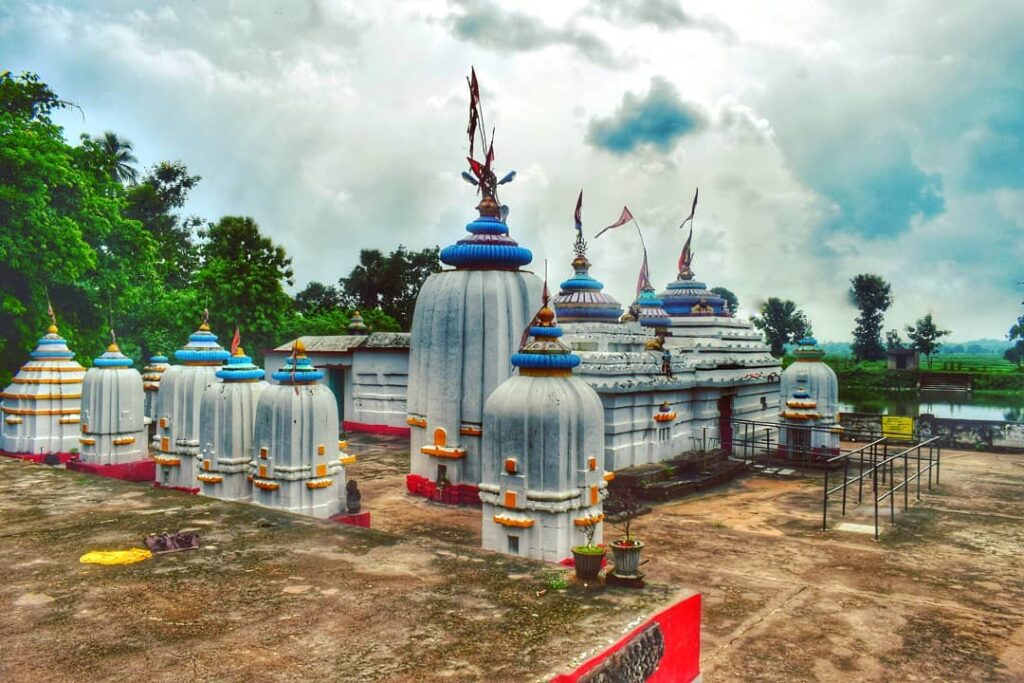
Nestled in the heart of Narsinghpur district, the Champanath Temple is a captivating heritage site that deserves a place on every traveler’s itinerary. Often overshadowed by more famous sites, this temple not only boasts stunning architecture but is also steeped in rich history and local lore.
A Brief History
Dating back to the 8th century, the Champanath Temple is dedicated to Lord Shiva and showcases the exquisite craftsmanship of ancient Indian builders. With intricate carvings and unique architectural designs, the temple reflects the grandeur of its time. Locals believe that a visit to this sacred site purifies one’s soul and brings peace and prosperity.




Architectural Marvel
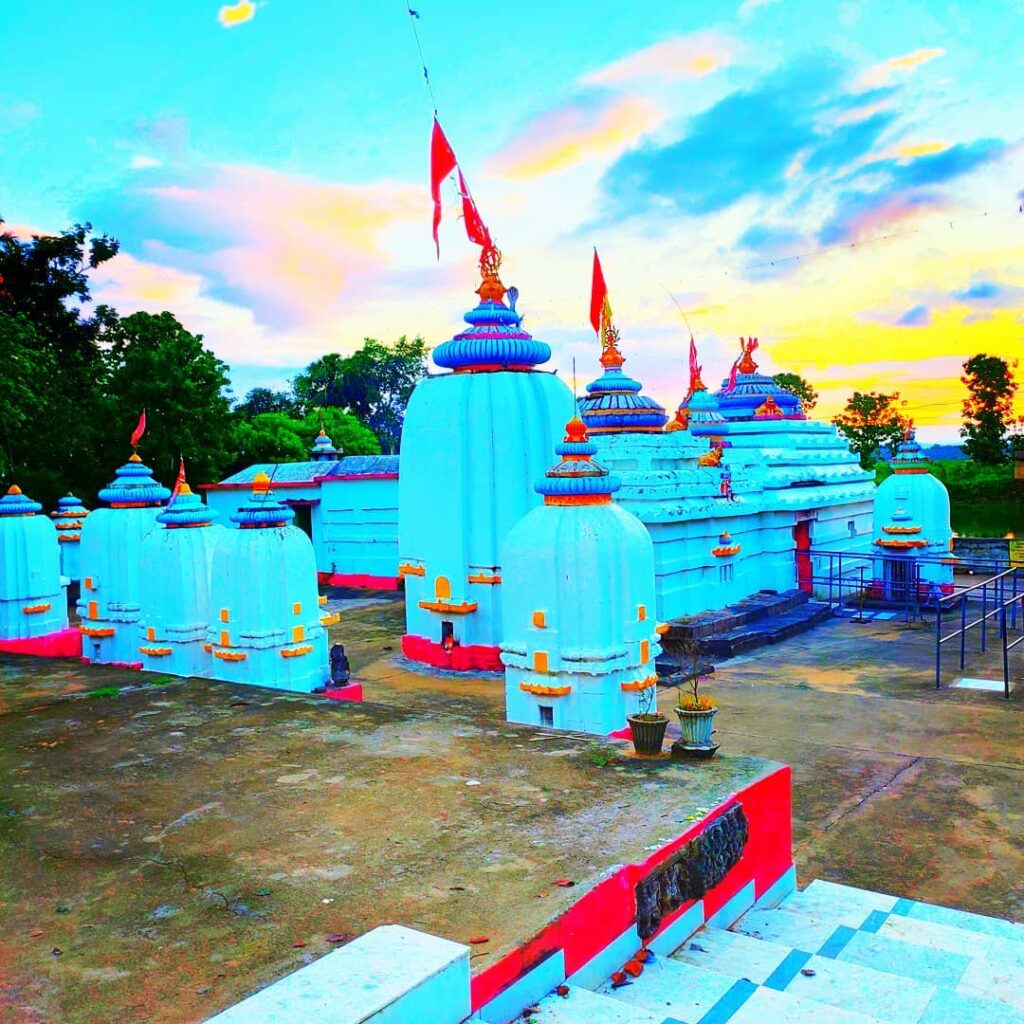
The Champanath Temple stands out with its towering spire and beautifully carved stone walls. As you approach the temple, you can’t help but admire the fine artistry displayed in its sculptures, which depict various deities and mythological scenes. The ambiance of the temple is serene, allowing visitors to immerse themselves fully in its spiritual aura.
Cultural Significance
Visiting Champanath Temple is not just about admiring the architecture; it’s also an opportunity to delve into the rich cultural tapestry of Odisha. The temple is a focal point for local festivals and rituals, captivating visitors with vibrant celebrations filled with music, dance, and community spirit. Engaging with the locals during these events can offer a deeper insight into the traditions that shape this region.
How to Get There
Champanath Temple is conveniently located near the main town of Narsinghpur, making it easily accessible by road. For those traveling from major cities like Bhubaneswar or Cuttack, a brief drive will lead you to this tranquil site. Whether you’re a spiritual seeker, history buff, or an architectural enthusiast, the journey to the temple is surely worthwhile.
Tips for Visitors
- Best Time to Visit: The ideal time to explore the Champanath Temple is from October to March when the weather is pleasant.
- Cultural Etiquette: As with any place of worship, it’s important to dress modestly and respect local customs.
- Nearby Attractions: Take some time to explore other nearby sites, such as the scenic landscapes and other historic temples that showcase Odisha’s heritage.
Champanath temple is best tourist place in Cuttack, Badamba Narasinghpur, which situated at undivided Cuttack district’s Narasinghpur badamba. The famous Shiva Peetha, Champanath of Champeshwar is very much popular in Narasinghpur Cuttack Odisha,
The special thing is tortoise. There is a pond on that temple gallery & there are many tortoises are playing. You will love that place after watching tortoise groups, fish groups & that tortoise like to eat biscuits.
The priests of this Champanath temple are not Bramhins. Rather, it has been tradition to appoint priests from lower castes in this Champanath temple for a very long time.
Champanathadeva temple 1000years Ancient Shiva sanctuary in the town of champeswara, Narasinghpur, Cuttack Odisha, named after the god. In this Champanathadeva sanctuary the Shiva lingam is west-bound in problematic to east-bound lingams in Hindu custom. The sanctuary complex is encircled with other eightsmall Shiva sanctuaries (Astas-hambhu), the sanctuaries has a lake that is home of huge number of turtle and fish.
The sanctuary is effectively agreeable. There is a lake in the sanctuary premises which is vacation spots for lodging the INDIAN SOFTSHELL TURTLE alongside assortments of Cichlids fish, Rohu fish, Catla fish (Bhakur). And so on You can take care of these oceanic creatures at your own danger/according to the sanctuary organization.,
Conclusion
The Champanath Temple in Narsinghpur is more than just a temple; it’s a portal to the past and a treasure trove of history and culture. Whether you are looking to seek spiritual solace, appreciate stunning artistry, or simply enjoy the tranquil atmosphere, this temple is a perfect destination. Make sure to add it to your travel list and experience the rich heritage of Odisha firsthand.
For more information on our travel services and itineraries, feel free to visit tourmyodisha.com or contact us at [phone number]. Your journey into the heart of India’s cultural wonders begins with us!


Champanath Temple Details
Champanath Temple Address: Champanath Temple, Narsinghpur Road, Champeswar Cuttack, Odisha, India
Best Time to Visit Champanath Temple – All time
Champanath Temple Odisha
How to reach Champanath Temple


Odisha Mineral Resources
Mineral Resources in Odisha


What are the Mineral resources in Odisha?
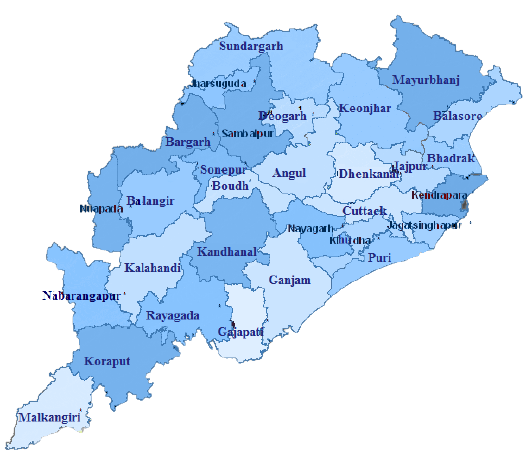
Odisha has a lot of various minerals and energy assets. The minerals like Iron metal, Manganese, Chromite, Bauxite and limestone’s are plentily accessible at better places of the State. Other than these minerals Orissa has an enormous save of coal at places like Angul, Jharsuguda and so forth
Read MoreExploring Odisha’s Rich Mineral Resources
Welcome to the vibrant realm of Odisha, a state located on the eastern coast of India, renowned for its breathtaking landscapes, rich cultural heritage, and abundant mineral resources. At [Your Company Name], we are excited to share insights into the diverse minerals that contribute significantly to Odisha’s economy and the overall development of the region.
A Treasure Trove of Minerals
Odisha is blessed with a plethora of mineral resources, making it one of the richest mineral-producing states in India. Major minerals found in the region include:
Iron Ore
Odisha is the largest producer of iron ore in India, with extensive deposits found in the eastern and western parts of the state. This mineral is essential for the steel manufacturing industry, and numerous steel plants have sprung up, contributing to economic growth.
Aluminium Ores (Bauxite)
The state is also rich in bauxite, primarily found in the Kalahandi, Rayagada, and Koraput districts. Bauxite is crucial for aluminium production, which is integral to various industries, including transportation, construction, and packaging.
Chromite
Another vital mineral, chromite, is abundant in Odisha, particularly in the Sukinda Valley. This mineral plays a key role in stainless steel production and has immense demand in the global market.
Coal
Coal reserves in Odisha are significant, making it a major contributor to the country’s energy sector. The coalfields, mainly located in Jharsuguda and Sundargarh districts, are vital for power generation and industrial use.
Limestone
Essential for cement production, limestone deposits in Odisha cater to both local and national demand, bolstering the construction industry’s growth.
Economic Impact
The mineral resources of Odisha not only boost the state’s economy but also play a pivotal role in employment generation. The mining and allied industries provide livelihoods to thousands of individuals, creating jobs and supporting families. Additionally, the revenue generated from mineral extraction contributes significantly to the state’s infrastructure development and public welfare initiatives.
Environmental Considerations
While the mineral wealth of Odisha presents numerous economic opportunities, it also raises concerns regarding environmental sustainability. Responsible mining practices are crucial to mitigating the ecological impact. Initiatives promoting eco-friendly mining techniques and rehabilitation of mined areas are paramount for maintaining Odisha’s rich biodiversity.
Conclusion
Odisha’s mineral resources form the backbone of its economy and development trajectory. By investing in sustainable mining practices and harnessing these resources responsibly, the state can continue to thrive while preserving its beautiful landscapes for future generations.
If you’re interested in learning more about Odisha’s mineral sector or exploring opportunities in this domain, feel free to reach out to us at [Your Contact Information]. Together, let’s uncover the potential that lies within this magnificent state.
Stay tuned for more insights on our blog at [Your Blog URL]!
—
We would love to hear your thoughts on Odisha’s mineral resources! Share your experiences or any questions you might have in the comments below.


Odisha, arranged on the eastern seaboard of India is one of the talented areas of the planet, where a range of mineral assets exists in abundance. The state is invested with huge stores of bauxite, china mud, chromite, coal, dolomite, fireclay, graphite, gemstones, iron metal, limestone, manganese metal, mineral sand, nickel metal, pyrophylite and quartz. Different minerals of the state incorporate copper metal, lead metal, titanium bearing vanadiferous magnetite, powder/cleanser stone and high magnesia volcanic rocks. Late blast of the mineral business has transformed the state into an area of interest, with business visionaries from everywhere the world swarming for their portion of fortune.
Taking into account its immense mineral assets and perfectly protected stone record going in age from Early Precambrian to Recent, the state addresses a genuine heaven for earth researchers and reasonably stayed the hunting ground for geologists since the time the start of land studies in India in 1850s. From that point forward, for more than a century, a few logical investigations were made. These include:
Acknowledgment of the Talcher rock bed, proposition of early Gondwana glaciation theory and disclosure of the coal proportions of Talcher and Ib stream bowls (Oldham, 1856; Blanford, 1872 and Ball, 1877)
Studies on aluminous laterites and bauxites (Ball, 1877; Fox, 1934, 1942 and Krishnan, 1935)
Begetting of the term Khondalite for the high grade metasupracrustals of the Eastern Ghats belt after the Khond occupants of Kalahandi (Walker, 1902),
Revelation of significant iron mineral stores at Gorumahisani – Badampahar area of Mayurbhanj (Bose, 1907) (v) disclosure of Tertiary beds close to Baripada (Bose, 1904)
Grouping of manganese minerals (Fermor, 1909),
Concentrates on charnockite rocks (Fermor, 1911; Crookshank, 1938; Ghosh, 1941),
Depiction of significant iron-mineral stores of Bonai-Keonjhar locale (Jones, 1934), (ix) concentrates on Gangpur Group of Metasediments (Krishnan,1937) and
ID of Late Quaternary volcanic debris in significant waterway bowls of Odisha (Devdas and Meshram, 1991).
The rich mineral abundance of the state is ascribed to its positive geographical arrangement.
The Archaean rocks in northern Odisha incorporate the Supracrustal belts of metasedimentary rocks including Iron Ore Super Group having stores of iron, manganese, gold and basemetals. These are additionally addressed by the gneisses (a transformative stone with a united or foliated design, normally coarse-grained and comprising mostly of feldspar, quartz, and mica), rock, migmatite (Singhbhum, Bonai and Mayurbhanj Plutons) and mafic/ultramafic intrusives.
Proterozoic rocks in the western Odisha display platformal sedimentary arrangements and related limestone stores. In focal and southern Odisha, the Proterozoics are addressed by the Eastern Ghats granulite belt containing khondalite, charnockite, migmatite, anorthosite and soluble rocks representing the mineralisation of bauxite, manganese, graphite and gemstones.
The Mesozoic rocks of Gondwana Super Group have the significant coal assets of the state. Arrangements of Cenozoic age involve the eastern waterfront fields in type of alluvial silt, debris beds and low level laterite, giving roads to event of ocean side sand minerals and building materials. The deltaic fans reaching out into seaward districts play has for oil and gas.



Odisha Forest Resources
Forest Resources in Odisha
What are the forest resources in Odisha?
The South-Western and North-Eastern storm gives sufficient downpour fall in the state. The state gives a wide range of woodlands because of its topographical area. The timberlands like evergreen, rainstorm, flowing and mountain types are available are the state.
Read MoreThese timberlands have many kinds of trees and plants making the state as one of the significant woodland assets of the country. Almost 32% of the space of the state is currently covered with timberland.
The woods of the state gives tree like Teak, Sal, Shisu, Khaira, and so forth other than bamboos in planty. Almost eightly percent of timberland in the state is of deciduous sort. This sort of timberland gives numerous assortments of significant tree for lodging and industry purposes. Other than this, timberland likewise gives kenduleaves in a lot for bidi industry.
Numerous natural life safe-havens are available at different pieces of the state for preservation and security of woodland creatures. Similipal in Mayurbhanj, Badrama in Sambalpur are well known for tigers and different creatures. Chilika is well known for its bird’s safe-haven.


Maa Dhakulei Pitha
Maa Dhakulei Pitha Cuttack


It is a lovely beautiful and a strict spot, contiguous Puri Main Canal and Kuakhai River, where water streams perpetually consistently. There is a lovely Jain Museum nearby Maa Dhakulei sanctuary developed by Jain enthusiasts since long. The spot is popular for firecracker that happens during Dola Purnima.
Maa Dhakulei Pitha Details
Maa Dhakulei Pitha Address: Maa Dhakulei Pitha, Cuttack, Odisha, India
Best Time to Visit Maa Dhakulei Pitha in October to March
Maa Dhakulei Pitha Odisha
How to reach Maa Dhakulei Pitha



Kakudiapada
Kakudiapada Cuttack
It is well known for Goddess Sidha Devi. Both Lord Shiva and Goddess Parvati are adored here submerged.
Read MoreKakudiapada Details
Kakudiapada Address: Kakudiapada, Cuttack, Odisha, India
Best Time to Visit Kakudiapada in October to March
Kakudiapada Odisha
How to reach Kakudiapada

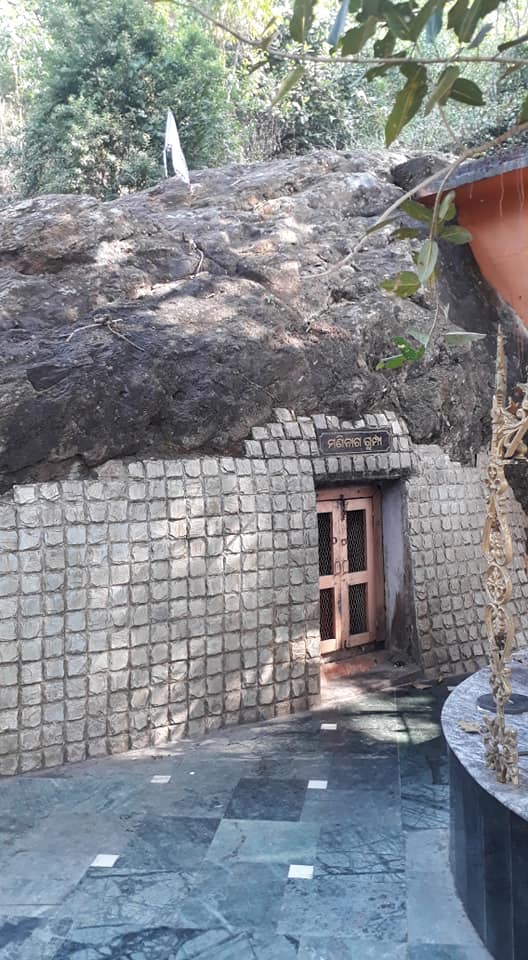
Mani Nag Cave
Mani Nag Cave Cuttack

The Jalauka Hill holds past recollections of wonders of Hindu culture and approves its strength through solid strict and profound qualities. The site is arranged in the west side of River Birupa and east of the renowned Manduka Hill named after the Saint Manduka. There are six slopes encompassing the site.The slope is spread over 3kms long and a large portion of a kilometer in widthembracing the renowned Mani Nag Cave and other consecrated spots. These individual vital areas on the slope hold strict and fanciful importance.
Exploring the Enigmatic Mani Nag Cave in Cuttack
If you’re searching for a hidden gem in Odisha, look no further than the captivating Mani Nag Cave nestled in the vibrant city of Cuttack. This unique destination offers visitors a fascinating glimpse into the natural beauty and historical significance of the region.
A Journey Through History
Located just a few kilometers from the bustling city center of Cuttack, Mani Nag Cave is believed to have ancient roots, showcasing incredible rock formations and intriguing natural sculptures. As you walk through the labyrinth of tunnels, you can’t help but feel a sense of wonder about the stories these stones could tell. The cave is steeped in folklore and has been a site of various historical events, making it a perfect spot for history enthusiasts and curious travelers alike.
The Geology of Mani Nag Cave
The cave is not just a historical site but also a geological marvel. The stalactites and stalagmites are a photographer’s dream, with intricate shapes that defy imagination. The play of light against the natural rock formations creates a magical atmosphere, perfect for a day of exploration and discovery. Guided tours are available, offering insights into the cave’s formation and its significance over the centuries.
The Surrounding Beauty
Beyond the cave itself, the surrounding area boasts lush greenery and an array of flora and fauna, making it a great spot for nature lovers. Visitors can enjoy a serene trek around the vicinity, capturing the breathtaking landscapes that adorn the region of Cuttack. The cave is an ideal picnic spot for families, friends, and solo travelers looking to escape the city hustle.
Practical Information
Planning a visit to Mani Nag Cave is relatively straightforward. The best time to explore is between October and March when the weather is pleasantly mild. Local guides are available, and it’s smart to check for any updates regarding accessibility or guided tours before your trip.
For those who wish to delve deeper into the history and significance of Mani Nag Cave, connecting with local tour guides can enhance your experience. They can provide stories that add color to your visit, making it not just a trip to a cave, but a journey through time.
Final Thoughts
Whether you’re a history buff, adventure seeker, or simply in search of a tranquil escape, the Mani Nag Cave in Cuttack offers a unique experience that delights every type of traveler. Don’t miss out on this hidden treasure in Odisha!
For more information, booking details, and tips on visiting the Mani Nag Cave, visit tourmyodisaha.com. Plan your adventure today and uncover the mysteries that await within the depths of this remarkable cave!
Happy travels!


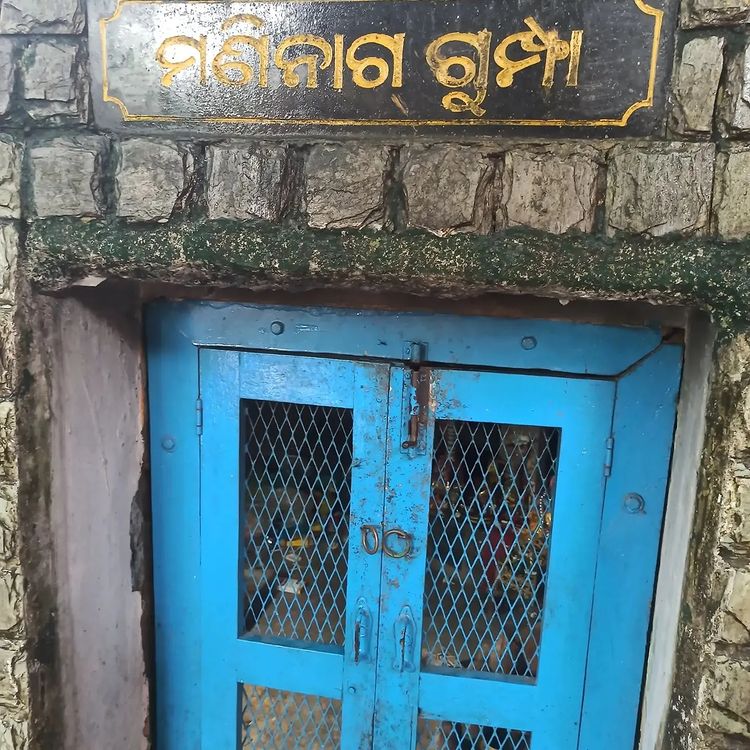


Mani Nag Cave Details
Mani Nag CaveAddress: Mani Nag Cave, Cuttack, Odisha, India
Best Time to Visit October to March
Mani Nag Cave Odisha
How to reach Mani Nag Cave


Naraj
Naraj Cuttack

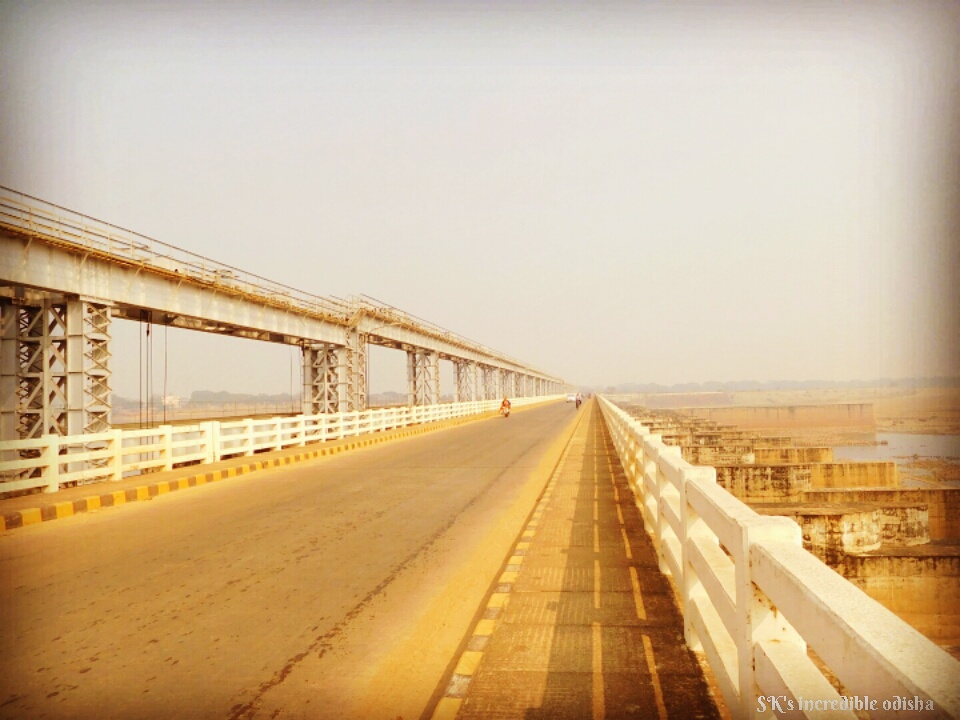
Arranged on the beginning of waterway Kathajodi a feeder of Mahanadi gives an all encompassing perspective on the immense spread of the stream Mahanadi. There are numerous Buddhist pictures found. The spot is regularly visited by fans offering petitions at Lord Sidheswar. This is additionally an excellent excursion spot.
Naraj Details
Naraj Address: Naraj, Cuttack, Odisha, India
Best Time to Visit October to March
Naraj Odisha
How to reach Naraj
Niali Madhab
Niali Madhab Cuttack
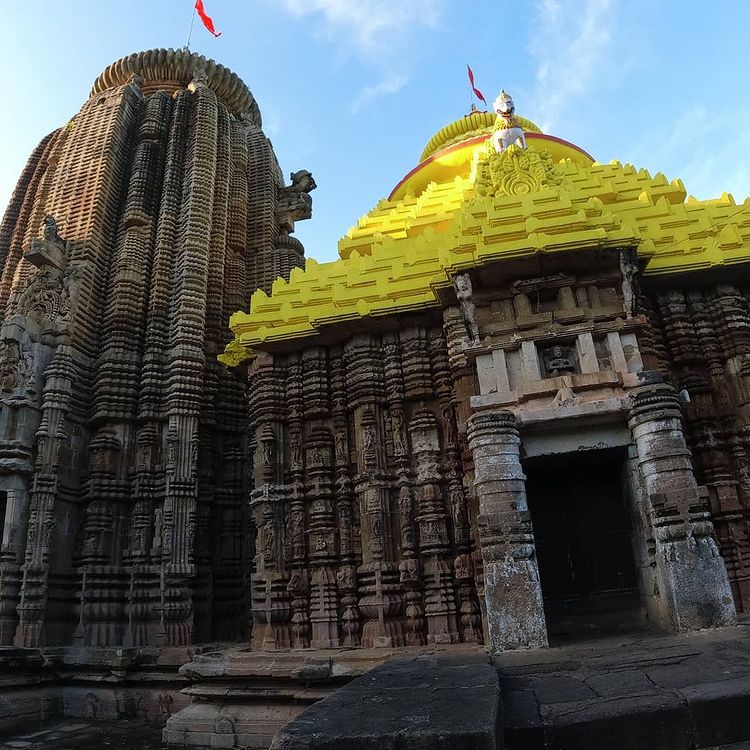
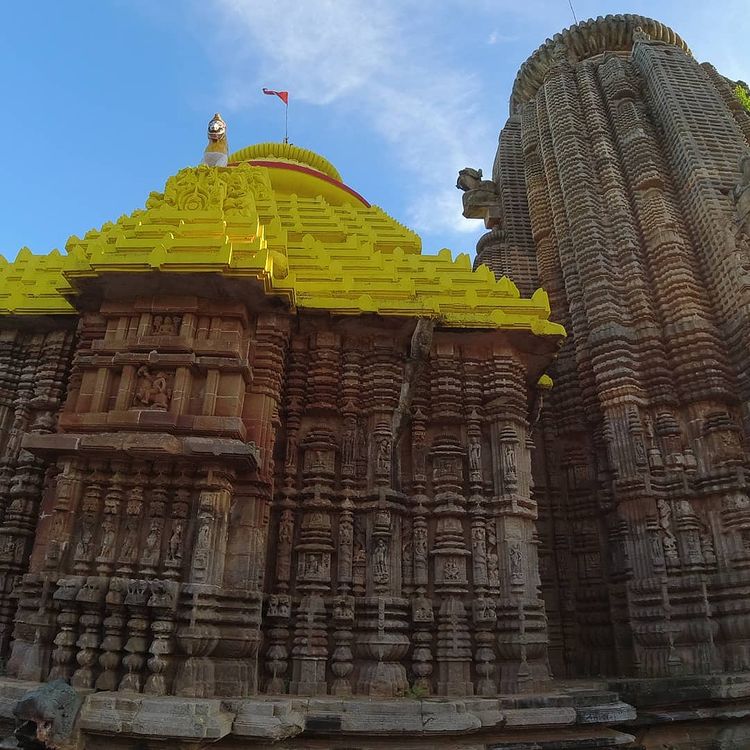
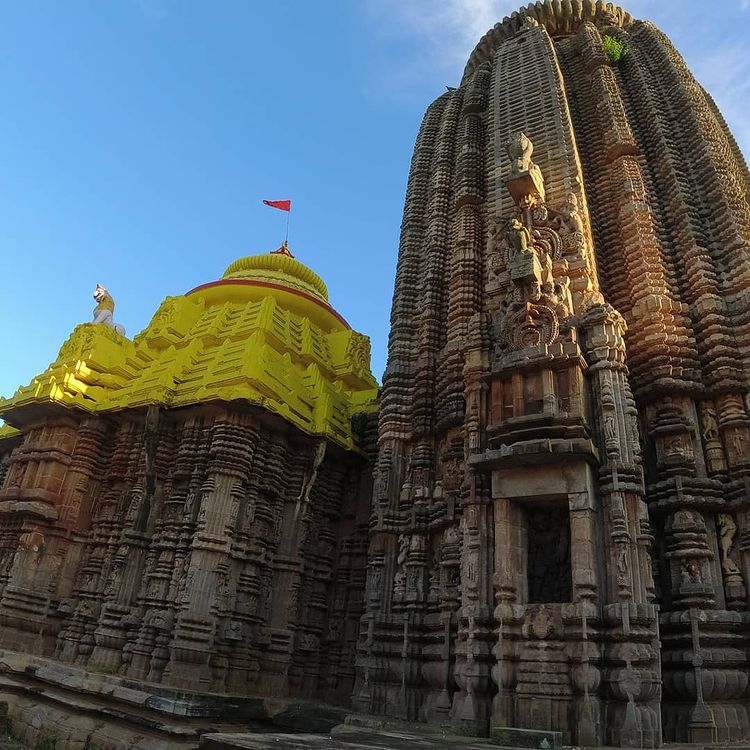
A strict focus, renowned for the hallowed place of Radha Madhab. It is arranged on the banks of the consecrated stream Prachi.

Niali Madhab Details
Niali Madhab Address: Niali Madhab, Cuttack, Odisha, India
Best Time to Visit October to March
Niali Madhab Odisha
How to reach Niali Madhab



Paramahansa
Paramahansa Cuttack


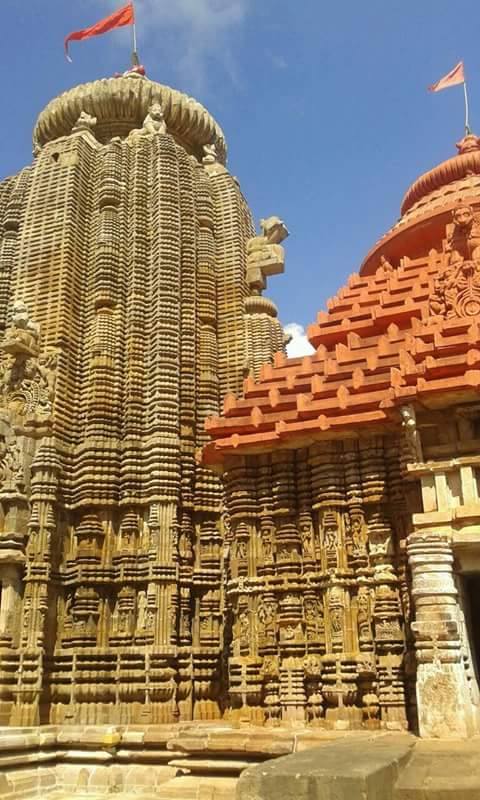
The spot is renowned as a Lord Shiva Pitha. It is likewise popular for waterhole (Ananta Garbha).
Read MoreParamahansa Details
Paramahansa Address: Paramahansa, Cuttack, Odisha, India
Best Time to Visit Paramahansa October to March
Paramahansa Odisha
How to reach Maa Pragala Pitha


Pragala Pitha
Pragala Pitha Cuttack


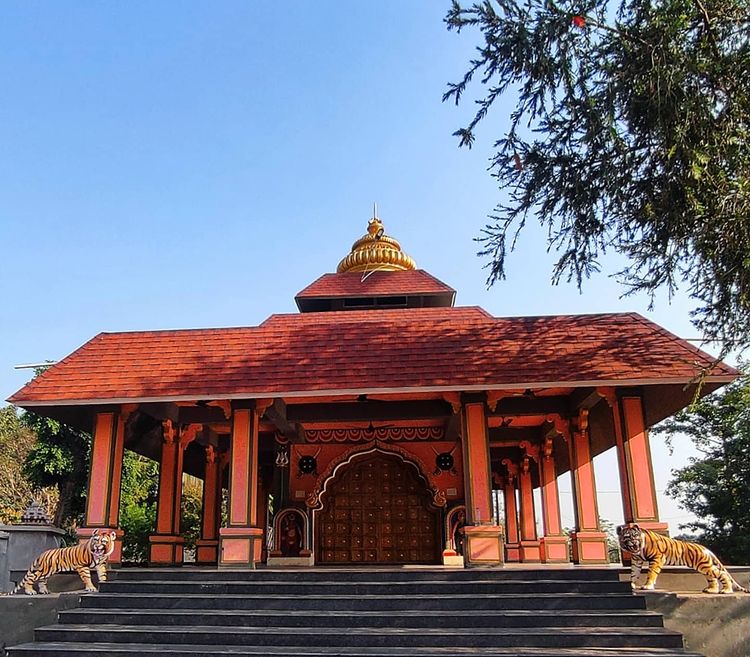
Pragala Pitha is well known for the managing god of the Maa Pragala Pitha & the family Goddess of the decision head of Narasinghpur, Badamba. Legend expresses that Pragala, was the little girl of King Dharam Singh, who forfeited her life to save the existence of her dad from the assault of the King of Angul. The divinity is adored as a blade. It is likewise an outing spot primarily in the colder time of year season.


Pragala Pitha Details
Pragala Pitha Address: Pragala Pitha, Cuttack, Odisha, India
Best Time to Visit Pragala Pitha October to March
Pragala Pitha Odisha
How to reach Maa Pragala Pitha

Odisha Tourism India Tourism | Indian Travel Destinations Guide & Tour Packages