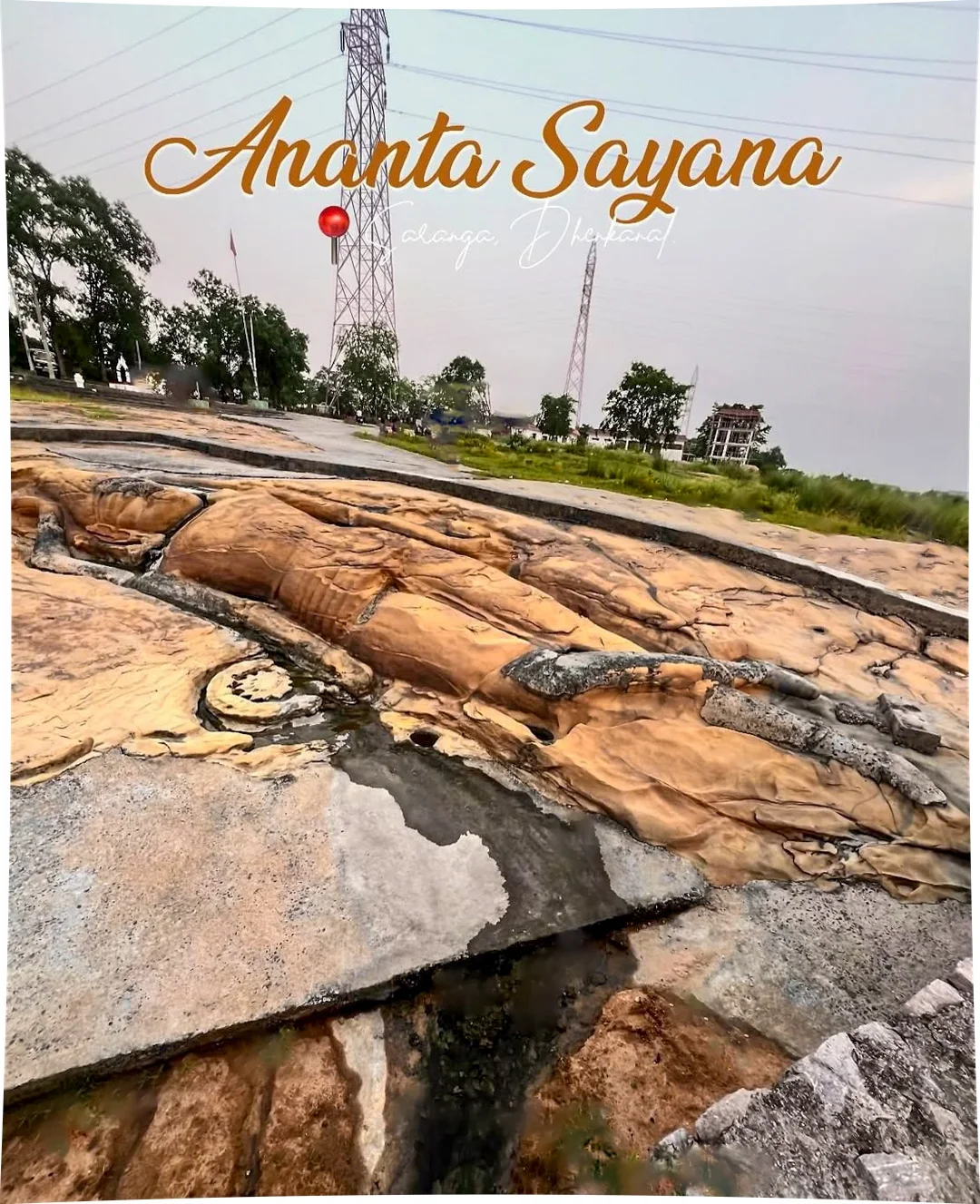
Discover the Anantashayee Lord Vishnu Murti at Bhimkand, Angul
Nestled in the serene landscape of Angul, the magnificent Anantashayee Lord Vishnu Murti awaits your visit. This towering structure is not merely a religious symbol but a testament to the rich cultural heritage and artistry of India.
A Glimpse into History
The Anantashayee Murti represents Lord Vishnu reclining on the cosmic serpent, Ananta, a depiction that illustrates the divine rest and the vastness of the universe. This remarkable sculpture embodies the essence of peace and tranquility, inviting devotees and visitors alike to reflect on the beauty of existence.


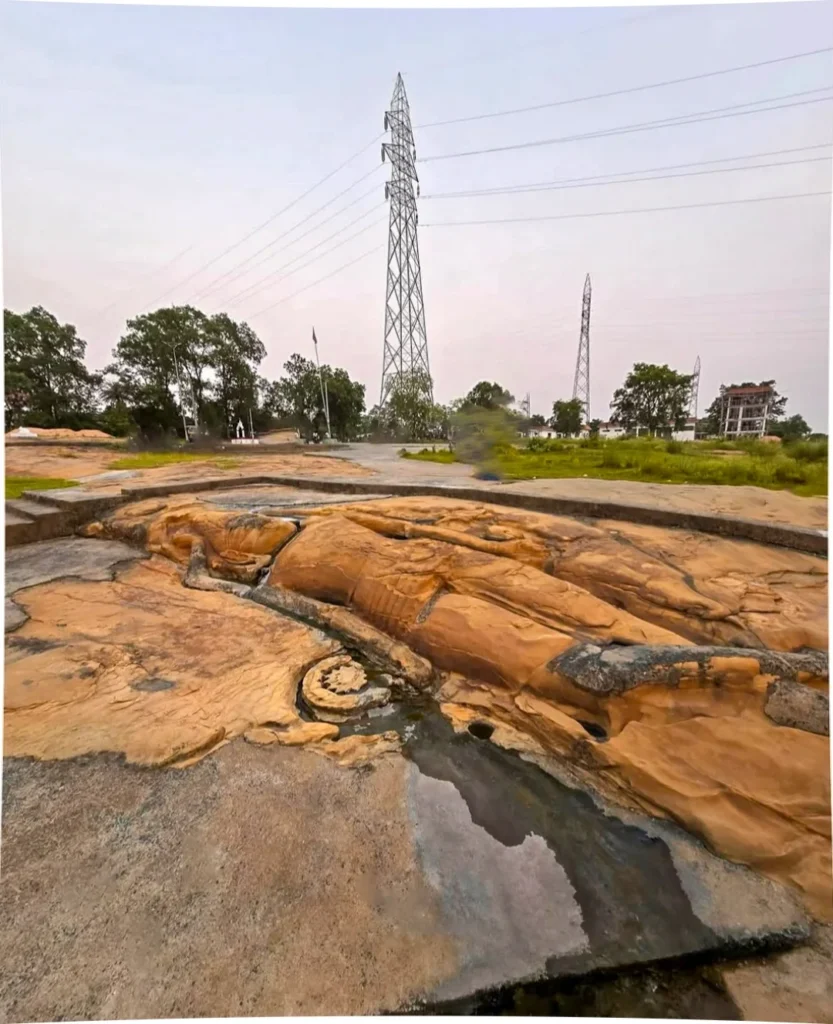
Architectural Marvel
As you approach the murti, you can’t help but be awestruck by its grandeur. Standing tall and proud, each intricate detail tells a story of dedication and craftsmanship. The sight of Lord Vishnu in his repose amidst the lush greenery of Bhimkand adds an ethereal charm to the already breathtaking landscape.
An Experience Like No Other
Visiting the Anantashayee Lord Vishnu Murti is more than just a visual treat; it is an experience that resonates with the soul. The tranquil environment, accompanied by the soft rustle of leaves and the gentle sound of flowing water, creates a perfect setting for meditation and introspection.
Whether you are a devotee seeking spiritual solace or a traveler looking to explore India’s heritage, this site offers something truly special. The warm hospitality of the local community further enhances your experience, making it a memorable journey.
Plan Your Visit
If you’re ready to explore this stunning destination, be sure to check the best times to visit. The monsoon months lend a different kind of magic to the surroundings, while the winter months are perfect for a clearer view of the majestic murti.
Anantashayee Lord Vishnu Murti: Unveiling the Serene Giant of Bhimkand, Angul
Lord Vishnu, the preserver and protector of the universe in Hinduism, is often depicted in various divine forms. Among these, the Anantashayee posture, where the Lord reclines on the cosmic serpent Shesha Naga, is a profound symbol of eternal rest and cosmic creation. While such magnificent sculptures grace numerous temples across India, a lesser-known yet awe-inspiring representation lies nestled in the heart of Odisha. This article delves into the captivating Anantashayee Lord Vishnu Murti at Bhimkand, Angul, exploring its historical significance, artistic grandeur, spiritual resonance, and its growing importance as a cultural and tourist destination. Prepare to be mesmerized by the tranquil divinity that embodies the eternal slumber of the supreme being.
Bhimkand, a site steeped in myth and history, offers a unique window into ancient Indian artistry and devotion. The colossal Anantashayee Vishnu murti here is not merely a stone carving; it is a testament to the rich cultural heritage of Odisha and a beacon of spiritual solace for countless devotees. This colossal sculpture stands as a silent guardian, narrating tales of cosmic cycles, divine repose, and the intricate relationship between man and the divine. Join us as we take a journey to discover the secrets and splendor of this remarkable idol.
The Mythological Significance of Anantashayee Vishnu
The Cosmic Slumber and Creation Narrative
Imagine a time before anything existed. This is the state the Anantashayee Lord Vishnu Murti represents. Vishnu rests on Shesha Naga, often seen as a cosmic slumber. This pose shows the universe at rest, a moment just before creation starts. It means the world is being preserved even when it seems to dissolve. Then, a new cycle of creation can begin again.
This divine rest also shows the unending nature of time. It’s a key part of Hindu beliefs about how the universe works. This posture reminds us that creation and destruction are constant parts of a bigger plan.
Shesha Naga: The Cosmic Serpent
Shesha Naga, also known as Ananta, is more than just a bed for Vishnu. This cosmic serpent stands for eternal time. It forms the very foundation on which Vishnu reclines. Shesha Naga is often shown with many heads, which spread out like a canopy. These hoods offer shelter and protection to Lord Vishnu.
The word “Ananta” means endless. This fits perfectly with the idea of time stretching forever. Shesha Naga is a powerful symbol of the universe’s vastness. It shows the strong base that supports all existence.
Vishnu’s Role as Preserver
Lord Vishnu holds a vital place in the Hindu Trinity. He is the second deity, after Brahma the creator, and before Mahesh (Shiva) the destroyer. Vishnu’s main job is to keep cosmic order. He works to uphold righteousness, called dharma, throughout the universe. Many stories tell of Vishnu taking different forms, or avatars, to save the world from evil.
His role as preserver makes the Anantashayee posture even more meaningful. It shows him watching over creation, even in his deep rest. This powerful image of the Angul Vishnu idol reminds us of his constant care for all life.
Discovering the Bhimkand Anantashayee Murti
Location and Accessibility
The Anantashayee Lord Vishnu Murti waits for you in Bhimkand, Angul district, Odisha. This peaceful spot sits away from city noise. To reach it, flying into Bhubaneswar Biju Patnaik International Airport is a good choice. From there, it is about a three-hour drive by car or taxi. You could also take a train to Angul Railway Station, which is closer.
Roads leading to Bhimkand are generally decent. Planning your visit between October and March is smart. The weather is cooler and more pleasant then. You might catch some local festivals during these months.
The Colossal Sculpture: Dimensions and Details
The Bhimkand Vishnu Murti is truly immense. This grand sculpture stretches about 45 feet in length. It shows Lord Vishnu lying comfortably on Shesha Naga. Carved from a single piece of dark stone, likely sandstone, its size is impressive. You can clearly see the peaceful expression on Vishnu’s face. His form is grand yet serene.
The details are amazing too. His four arms are present. One hand supports his head, while others hold symbolic items. While perhaps not as famed as the Ranganathaswamy Temple’s Anantashayee, its sheer size in an open natural setting makes it unique. This Angul Vishnu idol has stood for ages, a silent giant.
Historical Context and Archaeological Findings
Experts think this Anantashayee Lord Vishnu Murti is very old. Some guesses place it in the 8th or 9th century CE. There aren’t many clear records about its exact origin. However, archaeological studies suggest it comes from the Somavanshi dynasty period. These rulers were known for their love of art and temple building in Odisha.
The lack of detailed historical writings adds a touch of mystery. Yet, its ancient style fits well with other artworks from that era. This makes the Anantashayee Vishnu Murti an important piece of Odisha’s past. It shows the deep artistic skills of ancient artisans.
Artistic Marvel and Craftsmanship
Intricate Carvings and Iconography
The Bhimkand Anantashayee Murti displays amazing detail. Look closely, and you will see Brahma. He is often shown emerging from a lotus flower that springs from Vishnu’s navel. This symbolizes creation beginning from the supreme being. Smaller celestial figures and divine helpers surround Vishnu. They watch over him in his cosmic sleep.
The sculptor carved the cosmic ocean beneath Vishnu. This creates a sense of endless space. Vishnu’s facial features show calm and peace. His clothing and jewelry are also finely detailed. Each part of the statue tells a story.
Sculptural Techniques of the Era
Making such a giant monolithic sculpture back then was no easy task. Artisans used simple tools, like chisels and hammers. They had to be very skilled to carve from one huge stone. They likely started with rough shaping. Then, they worked their way to the finer details. This careful process allowed them to create smooth forms and deep carvings.
Imagine the sheer effort and time needed. They had to understand the stone, its strength, and how to make such a grand vision come to life. The precision in the Anantashayee Lord Vishnu Murti at Bhimkand is a testament to their mastery.
Preservation and Conservation Efforts
Over hundreds of years, the Anantashayee Lord Vishnu Murti at Bhimkand has faced challenges. Wind, rain, and changing weather can slowly damage stone. Local groups and the Archaeological Survey of India (ASI) sometimes work to protect it. They clean the surface and fix small cracks. These efforts keep the statue strong for future visitors.
Preserving ancient stone sculptures is tough. The goal is to keep them safe without changing their original look. When you visit, remember to treat the site with care. Don’t touch the carvings or litter. Your mindful visit helps save this treasure.
Spiritual and Cultural Significance
A Pilgrimage Destination
Bhimkand holds a special place in the hearts of Vishnu devotees. Many people come here to pray and offer their respect. The site offers a peaceful atmosphere for worship. Local festivals often bring big crowds. They gather to celebrate and seek blessings from the reclining Lord Vishnu of Bhimkand. People perform small rituals and light lamps.
It serves as a sacred spot, drawing pilgrims from all parts of Odisha and beyond. The power of this ancient idol is felt by everyone who visits. The Bhimkand Vishnu Murti is a place of deep faith.
Local Folklore and Legends
The area around Bhimkand is rich with local stories. One popular legend connects the site to Bhima, a mighty hero from the Mahabharata epic. People say that Bhima himself rested here during his travels. This adds another layer of historical charm to the Anantashayee Lord Vishnu Murti. Locals revere the statue deeply. They believe it brings peace and good fortune.
These stories are passed down through generations. They help keep the history and spirit of the site alive. Local communities take pride in this sacred giant. They often share their traditions with visitors.
Impact on Local Community and Economy
The presence of the Anantashayee Lord Vishnu Murti helps the local economy. Tourists and pilgrims visit, which creates jobs. Small shops sell offerings, food, and souvenirs. Local guides find work sharing the history of the site. It also encourages better roads and other public services in the area.
This growth is important for the people living near Bhimkand. The Bhimkand Vishnu Murti is not just a spiritual center; it is a source of livelihood. It connects the community to a larger world.
Enhancing the Visitor Experience
Planning Your Visit
Getting ready for your trip to see the Anantashayee Lord Vishnu Murti is simple. Several small guesthouses and hotels are available in Angul town. You can hire a local taxi or auto-rickshaw to reach Bhimkand from there. Consider hiring a local guide. They can share fascinating stories and details about the Angul Vishnu idol. Don’t forget to ask about other nearby attractions. There are often other temples or natural spots worth seeing.
Responsible Tourism Practices
When you visit this sacred site, remember to show respect. Wear modest clothes that cover your shoulders and knees. Keep your voice low and avoid making loud noises. Dispose of trash properly in bins. Helping keep the area clean ensures everyone can enjoy its beauty.
Taking a moment to learn about the history and myths before you arrive makes the visit even better. This helps you appreciate the site’s importance. Your responsible actions protect this treasure for future visitors.
Future Potential for Tourism and Research
The Anantashayee Lord Vishnu Murti at Bhimkand has great potential. More people could discover this hidden gem. Better promotion and visitor facilities might draw more travelers, both from India and other countries. There is also much more to learn about this ancient statue. Further research could uncover new secrets about its making and history.
Investing in these areas means a brighter future for Bhimkand. It could become a major draw for people who love history, art, and spirituality. This wonderful site deserves worldwide attention.
Conclusion: The Enduring Divinity of Bhimkand’s Vishnu
The Anantashayee Lord Vishnu Murti at Bhimkand, Angul, is a profound masterpiece that transcends time, art, and devotion. Its colossal presence, intricate artistry, and deep mythological roots offer a unique spiritual and cultural experience. As a significant archaeological find and a revered pilgrimage site, it stands as a testament to Odisha’s rich heritage. Understanding the historical context, artistic brilliance, and spiritual significance of this divine reclining form allows for a deeper appreciation of its eternal message of cosmic order and tranquil power.
The continued preservation and promotion of the Bhimkand Anantashayee Murti are crucial for safeguarding this invaluable piece of India’s cultural legacy. By embracing responsible tourism and encouraging further research, we can ensure that this serene giant continues to inspire awe and devotion for generations to come. The tranquil repose of Lord Vishnu at Bhimkand serves as a powerful reminder of the enduring cycles of creation and preservation, offering a sense of peace and divine connection to all who witness its majesty.
For those planning a trip, you can find more information on accommodations and local attractions by visiting tourmyodisaha.com.
In conclusion, the Anantashayee Lord Vishnu Murti in Bhimkand, Angul, is a must-visit destination that encapsulates spirituality, artistry, and the serene beauty of nature. Don’t miss the chance to be part of this captivating experience—your journey towards inner peace awaits!
If you’d like me to include any personal experiences or insights, feel free to provide additional details.