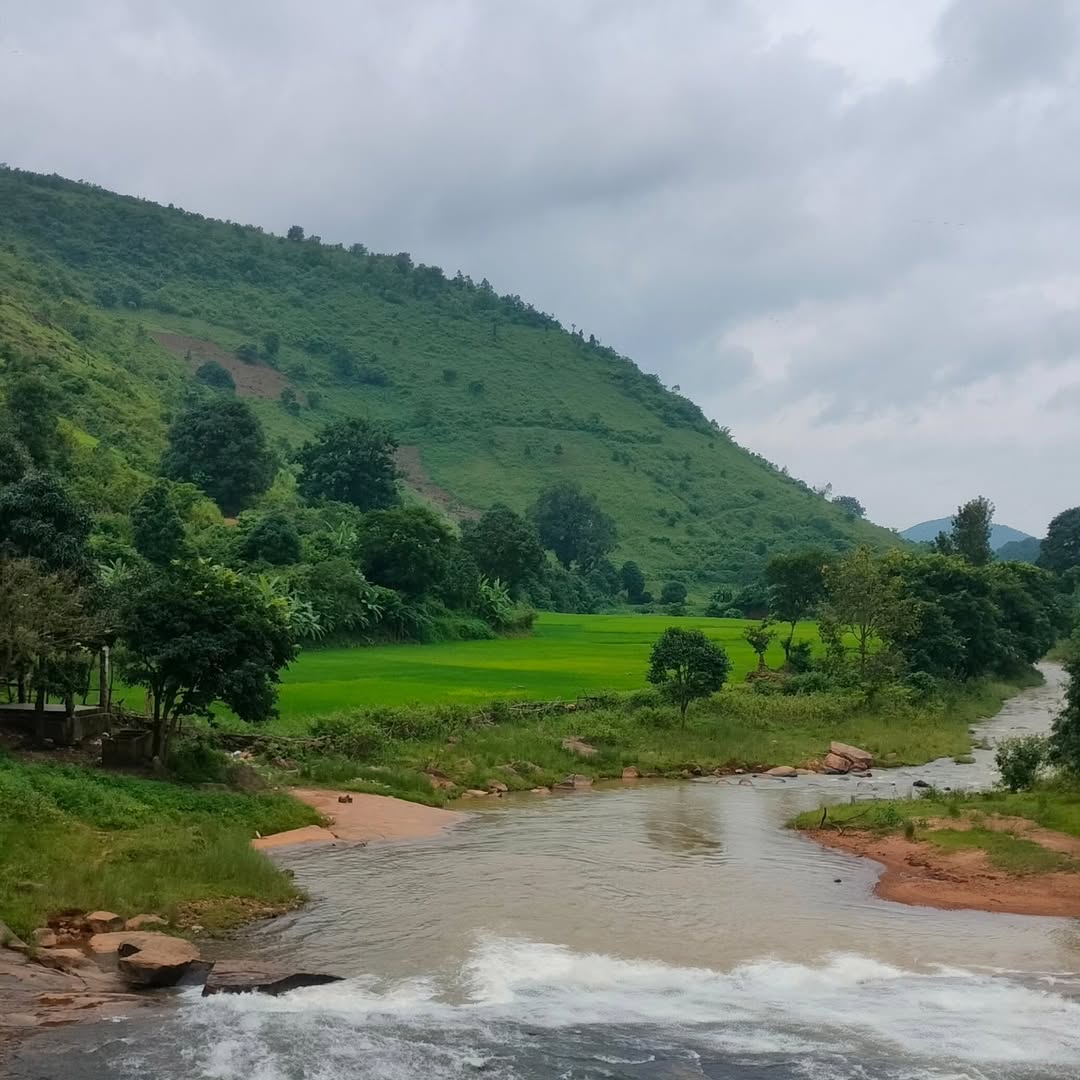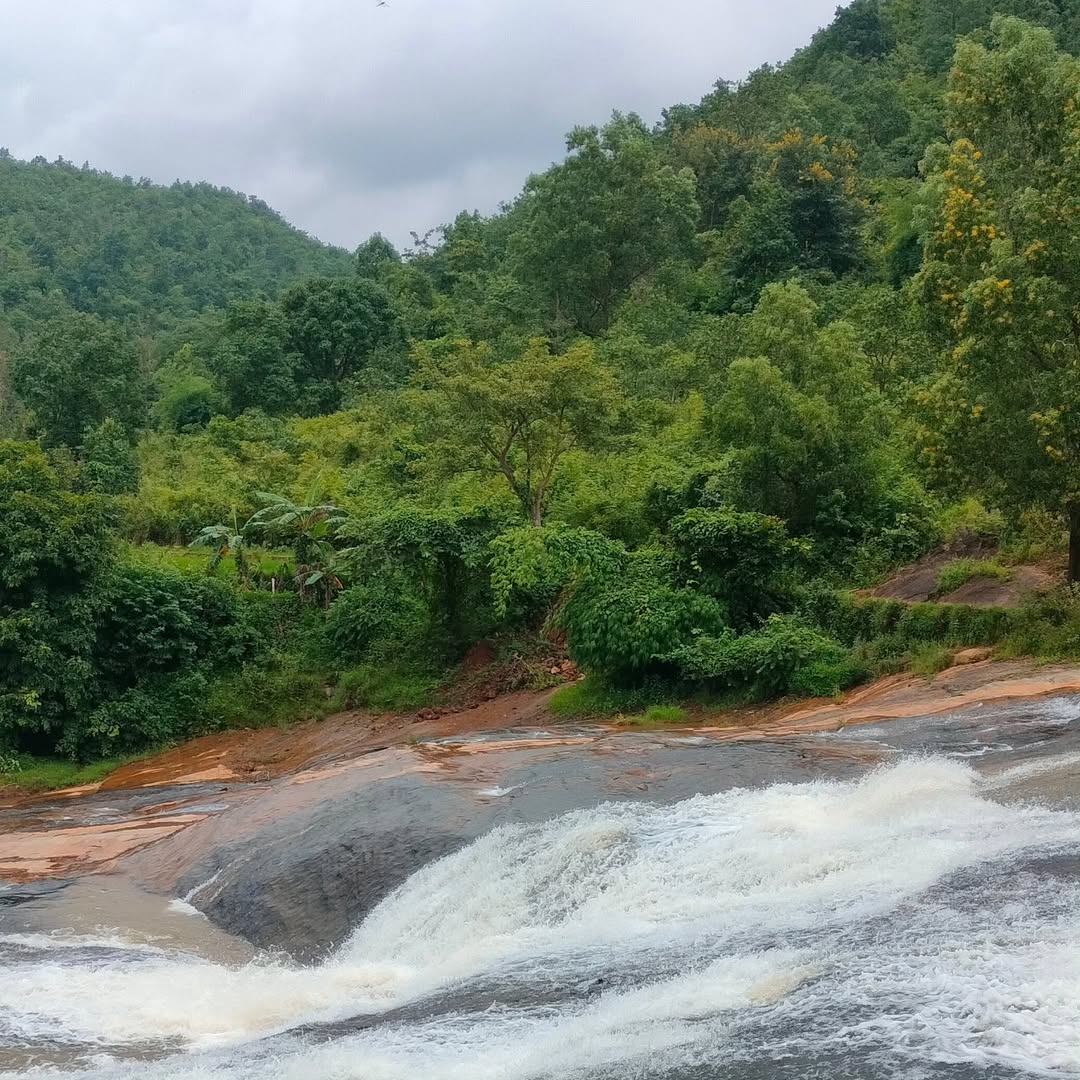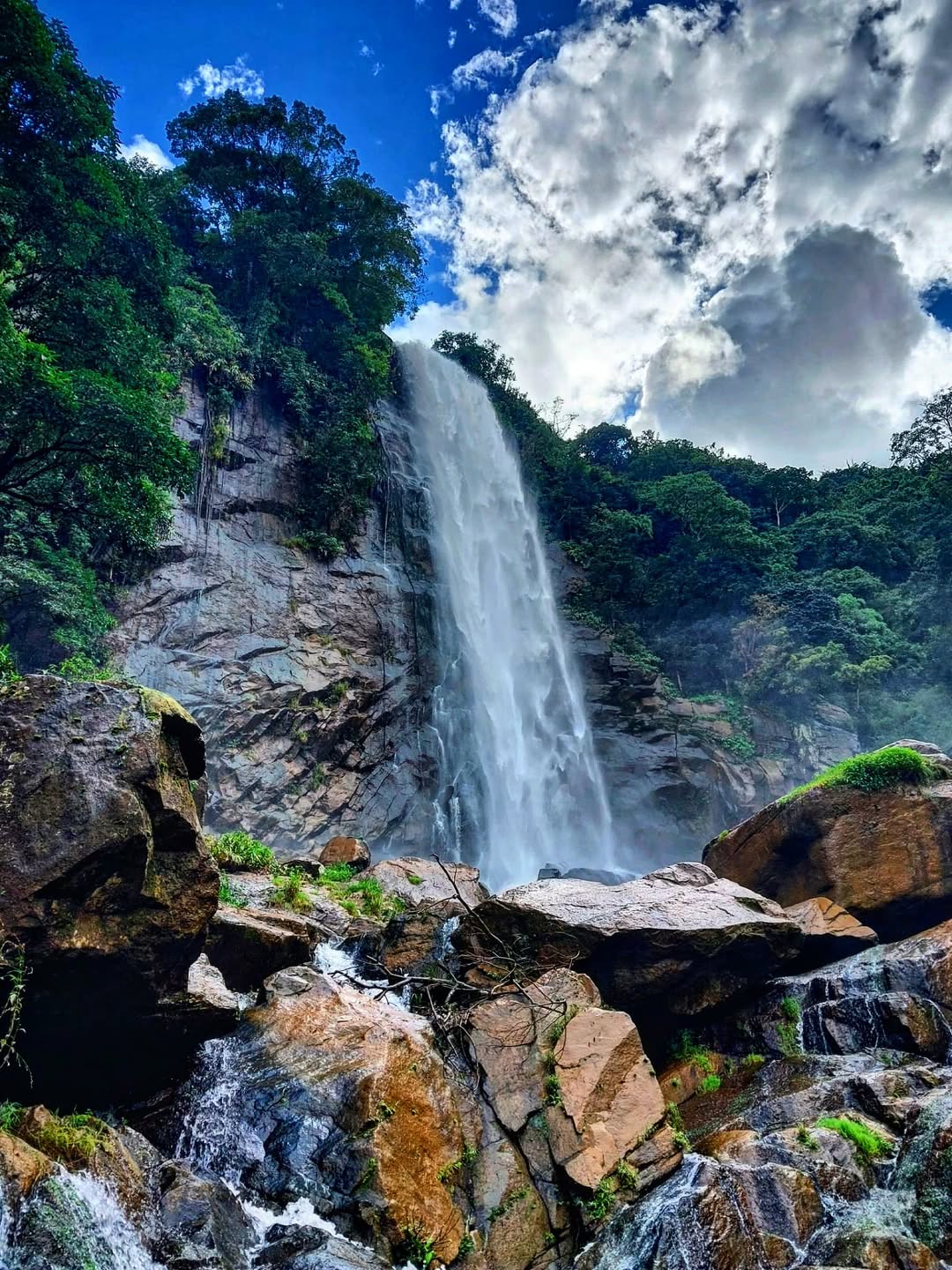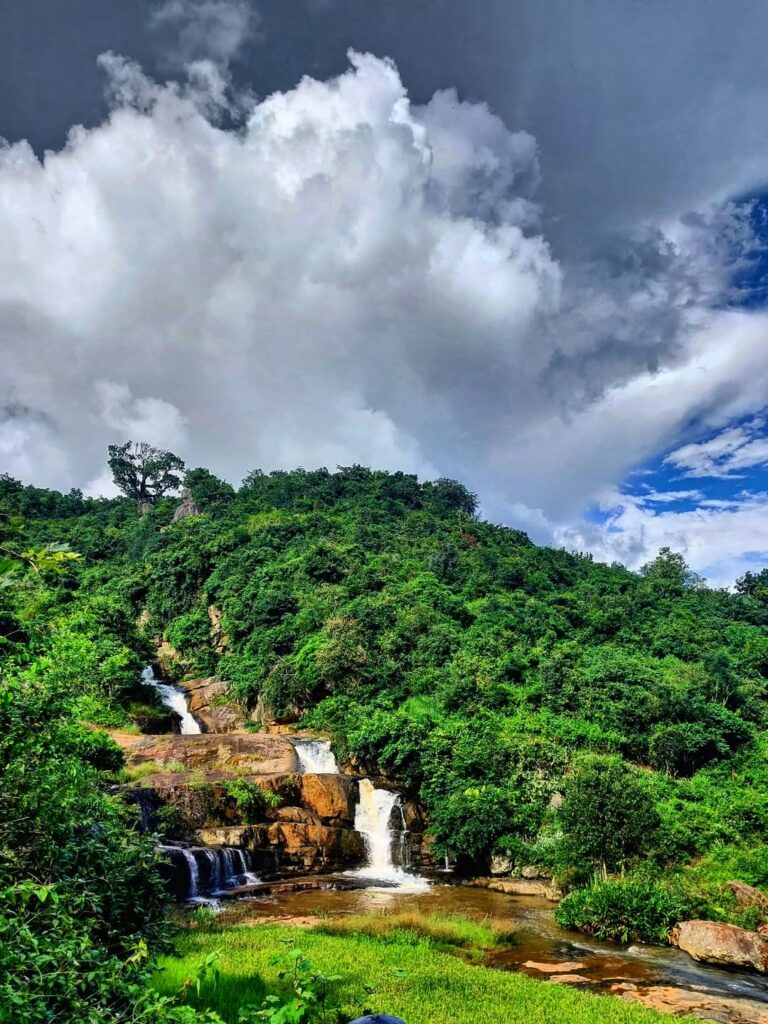
Tag Archives: Bagra Waterfall

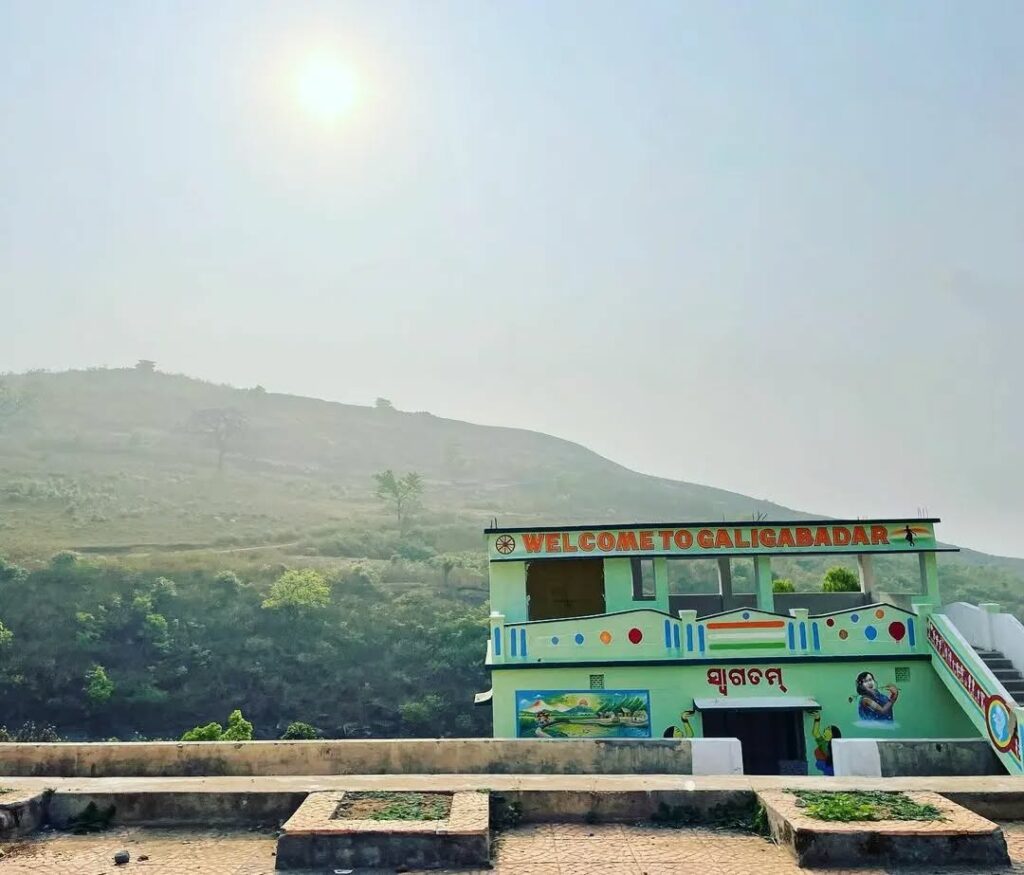
Galigabadar Waterfall

Discover the Untamed Beauty of Galigabadar Waterfall, Koraput: Your Ultimate Guide

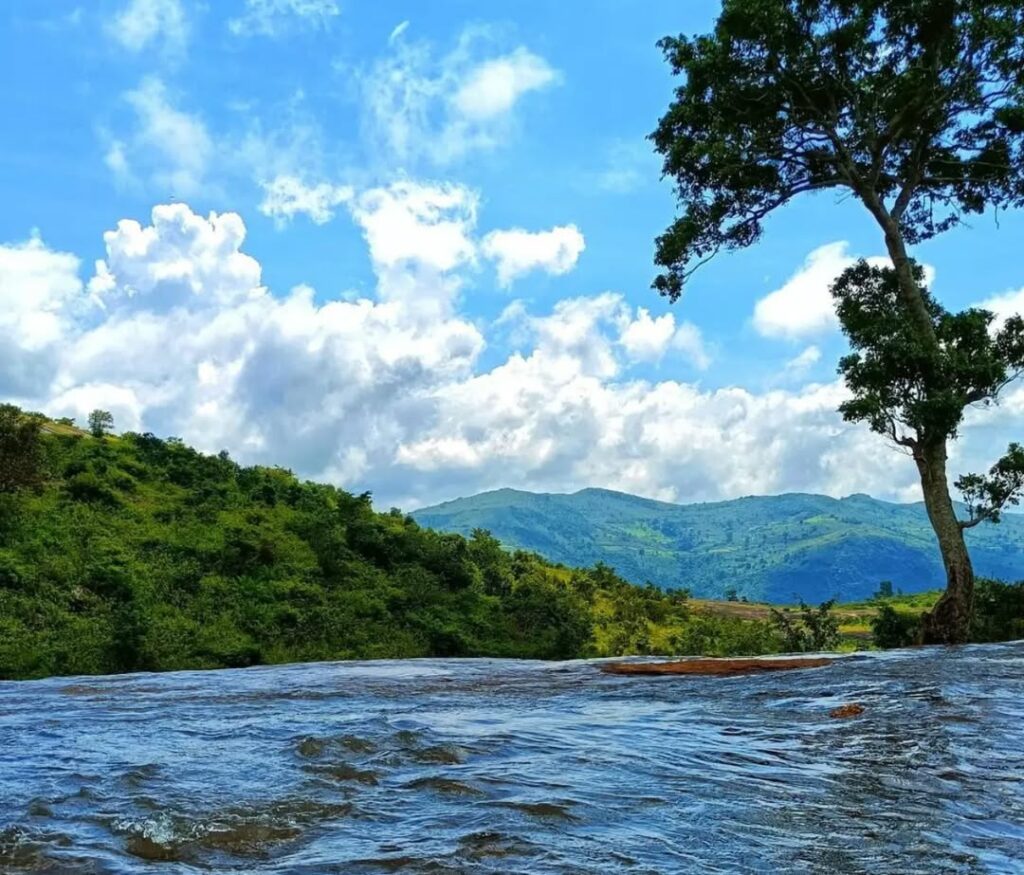
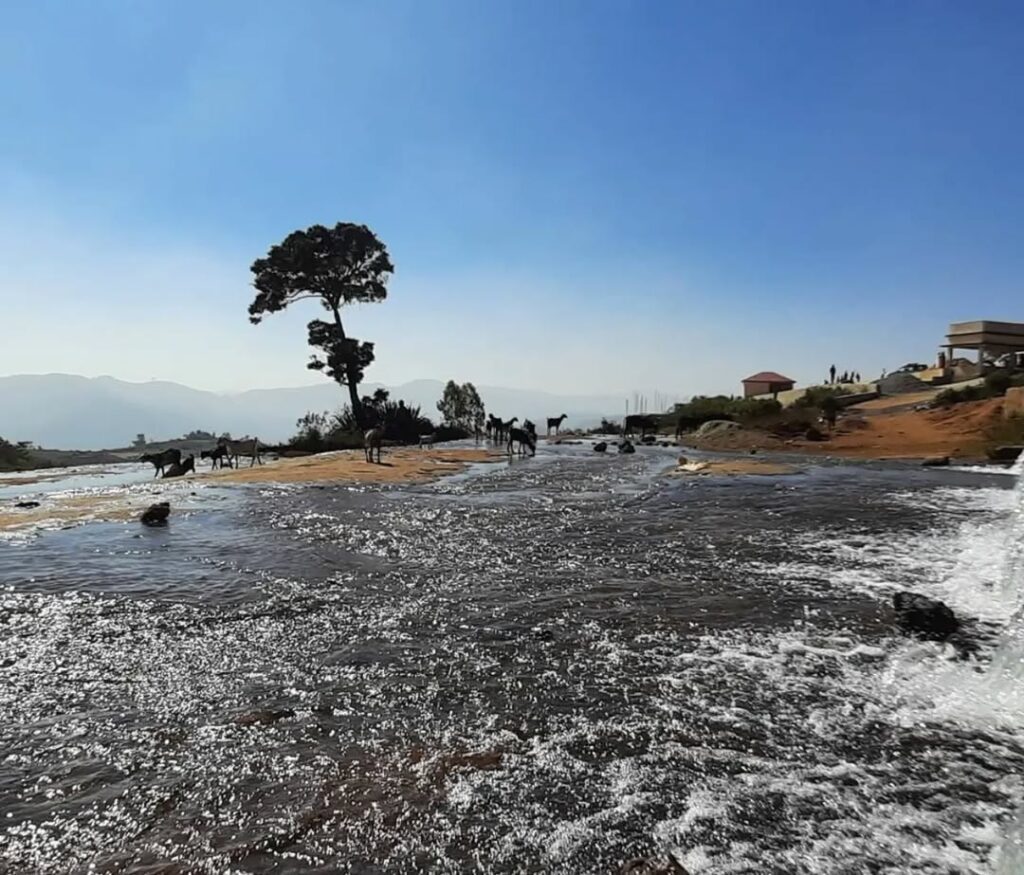
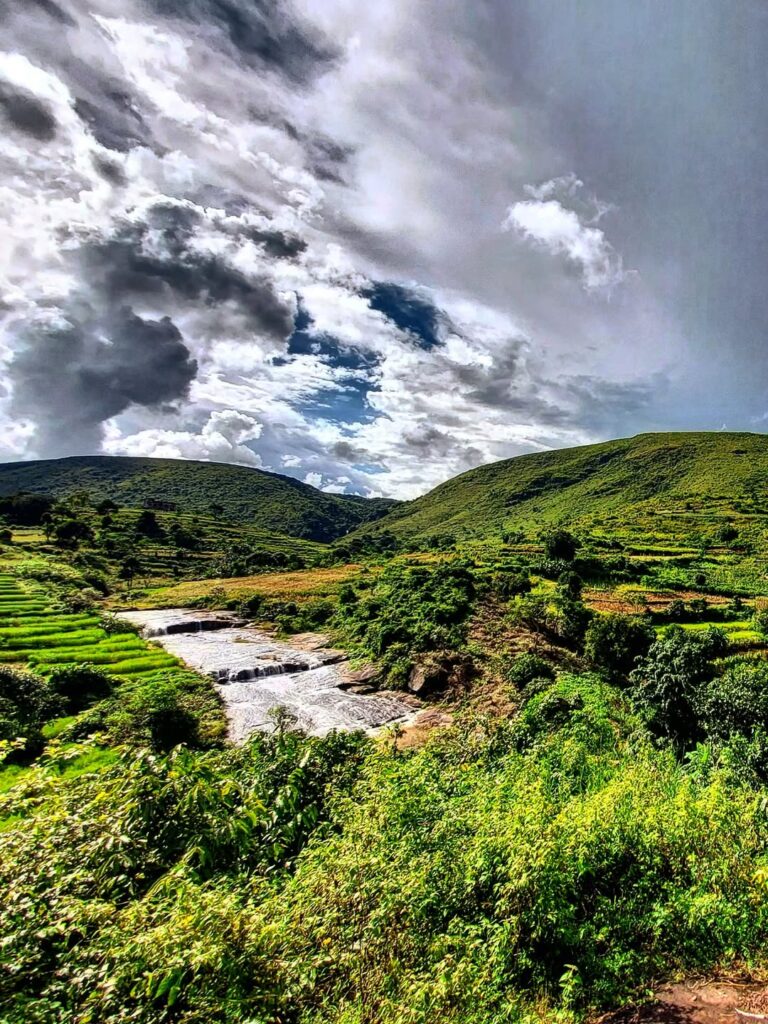
Imagine a rush of cool mist hitting your face as thunderous water crashes down a rocky cliff. That’s Galigabadar Waterfall in Pottangi, Koraput district, Odisha. This hidden spot draws you into the wild heart of the Eastern Ghats. Far from crowded tourist traps, it offers a raw escape. Local tribes add a layer of ancient stories to the scene.

Locating Paradise: How to Reach Galigabadar Waterfall

Getting to Galigabadar Waterfall takes some effort, but the payoff stuns every visitor. Nestled in the rugged hills of Koraput, this offbeat gem rewards those who plan ahead. You’ll navigate winding roads and a short trek, but that’s part of the charm.

Geographical Coordinates and Proximity

Galigabadar sits at roughly 18.8167° N, 82.9833° E, deep in Pottangi Valley. It’s about 40 kilometers from Koraput town, a key hub for travelers in Odisha. For those coming from Andhra Pradesh, Visakhapatnam lies around 150 kilometers away, making it a solid day trip option. Use Google Maps or local apps to pinpoint the spot—search “Galigabadar Waterfall Koraput” for easy directions. This remote location keeps crowds low, but check weather apps for rain updates.

Travel Modes and Best Routes

Start your journey by bus or car from Bhubaneswar, Odisha’s capital, about 500 kilometers north. The NH26 highway leads you through scenic plains before twisting into the hills. From Koraput, hop on a local jeep or auto-rickshaw toward Pottangi town, then follow signs to the waterfall trailhead. The nearest railway station is Koraput Junction, with trains from major cities like Hyderabad or Chennai. Once there, rent a bike for flexibility on the bumpy last 20 kilometers. Avoid heavy rains; roads can turn muddy fast.

Navigating the Final Trek

The real adventure begins with a 2-kilometer hike from the parking area near Galigabadar village. It’s a moderate trail—steep in spots but doable for most with good shoes. Expect lush greenery and bird calls along the way; it takes 45 minutes if you go slow. No permits needed, but ask locals for guidance to avoid wrong turns. Wear light clothes, and watch for slippery rocks after rain.

The Majestic Cascade: Anatomy of Galigabadar

Galigabadar Waterfall stands as a force of nature in Koraput’s landscape. Its power pulls you closer, with water carving through ancient rocks. Photographers and hikers alike find endless appeal here.

Height, Flow, and Seasonal Variations

This cascade drops about 50 meters into a foaming pool below. During monsoon from June to August, the flow swells to a mighty roar, spraying mist high into the air. Come summer, it thins to gentle streams, revealing more of the rock face. Post-monsoon in September brings the best mix—strong water without the floods. Ever wonder how the falls change with the seasons? It keeps each visit fresh and surprising.

Surrounding Flora and Fauna

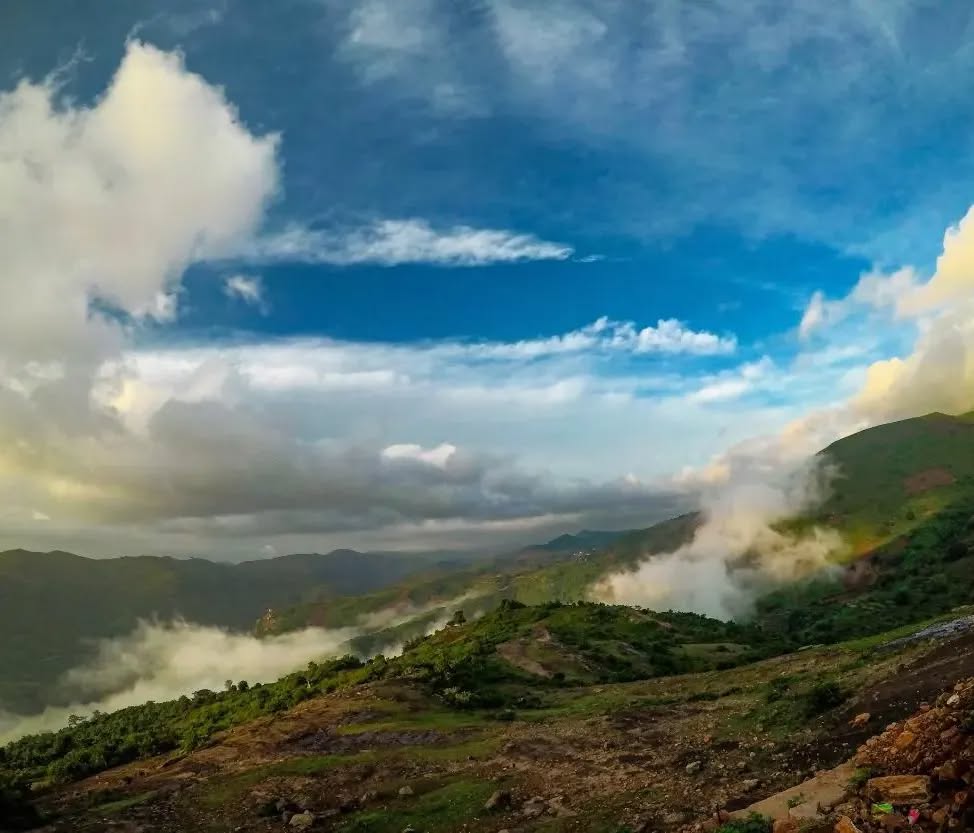
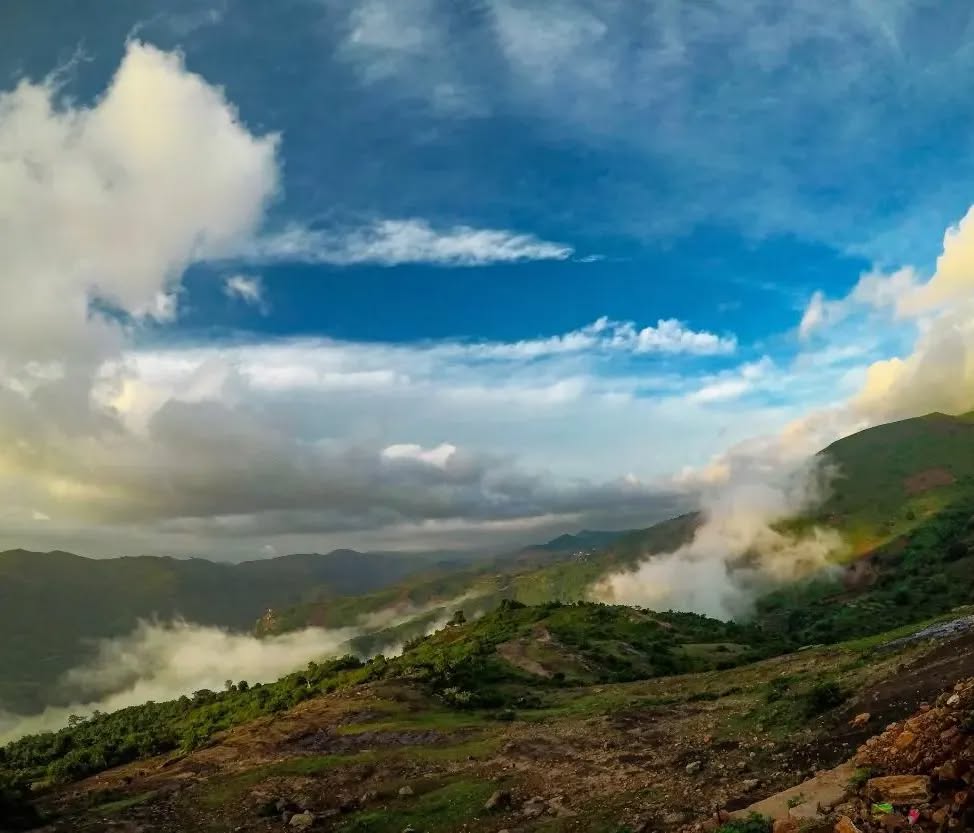
The Eastern Ghats around Galigabadar teem with life. Thick forests of sal trees and bamboo line the banks, home to colorful orchids and ferns. Spot kingfishers darting by or deer grazing at dawn—the area supports over 200 bird species. Butterflies flutter in vibrant swarms during cooler months. This biodiversity makes it a haven for eco-lovers exploring Koraput’s natural side.

Photographic Hotspots and Viewing Angles

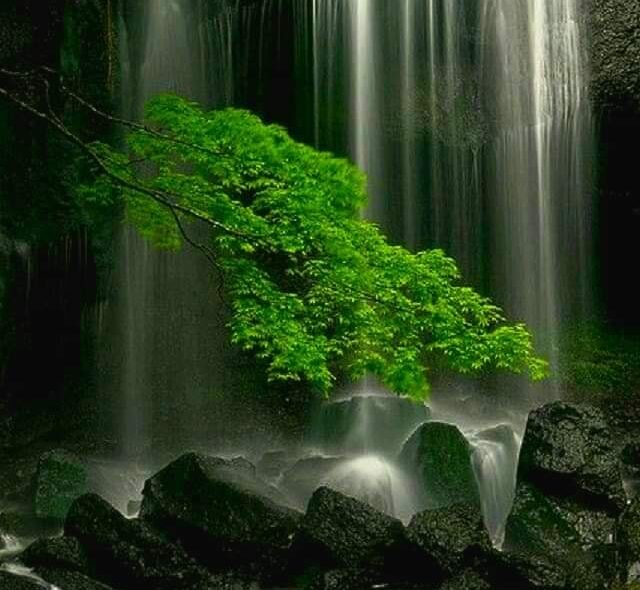
Capture the falls at golden hour, just after sunrise or before sunset, for soft light that highlights the water’s glow. Stand on the main viewpoint ledge for a full frontal shot—the mist adds drama. Climb a bit higher on the trail for overhead angles that show the plunge pool. Use a wide-angle lens to frame the surrounding hills. Why not try a slow shutter speed? It turns the water into silky ribbons against the rocks.

Cultural Tapestry: The Tribal Heart of Pottangi

Pottangi pulses with traditions that make Galigabadar more than scenery. The area’s indigenous people weave stories into the land. Visiting here means respecting their world while soaking in its warmth.

Interaction with the Local Dongria Kondh Community

The Dongria Kondh tribes live close by, tending fields and forests for generations. Chat with them at village edges, but keep it light—smile and learn about their daily life. They might share tales over tea, but always ask before snapping photos. Support by buying from small stalls, not pushing for more. This respectful approach turns your trip into a cultural bridge.

Local Legends and Folklore

Folklore says Galigabadar formed when a giant serpent guarded the hills, and its tears created the falls during a great storm. Tribes view it as a sacred spot, where spirits whisper in the wind. Elders pass down stories of healing waters that mend both body and soul. These myths add mystery—have you ever felt the pull of such old tales at a natural wonder?
Local Cuisine and Handicrafts

Try mandia bhata, a simple millet porridge, or spicy chicken curry from roadside eateries in Pottangi. Fresh bamboo shoots add crunch to veggie dishes—simple, hearty meals that fuel your hike. Pick up terracotta pots or woven baskets from Dongria Kondh artisans; each piece tells a story. These buys help families and give you souvenirs with heart.

Planning Your Visit: Essential Tips for Travelers

A smooth trip to Galigabadar Waterfall starts with smart prep. Think ahead on weather, gear, and habits to make memories last. Here’s how to dive in without a hitch.

Best Time to Visit for Optimal Experience

Head there from October to February for cool weather and steady flows—perfect for trekking without sweat. Monsoon peaks bring raw power, but trails get slick. Skip peak summer; the dry falls lose some magic. September offers lush green views post-rain. What’s your ideal season: misty power or calm beauty?

Essential Packing Checklist

Pack these basics to stay safe and comfy:

  • Sturdy trekking shoes for rocky paths.
  • Insect repellent and sunscreen for the humid air.
  • Reusable water bottle—fill up at streams if clean.
  • Light rain jacket, even in dry months.
  • Cash for local transport and snacks, since cards rarely work.
  • Snacks like nuts or fruits for energy boosts.

Don’t forget a first-aid kit with bandages for scrapes.

Responsible Ecotourism Practices

Stick to marked trails to protect fragile plants. Carry out all trash—plastic bags harm wildlife here. Avoid feeding animals or straying off-path to keep the ecosystem balanced. Chat quietly near villages to respect privacy. Small steps like these preserve Galigabadar for years ahead. Why not pledge to leave it better than you found it?

Discovering the Majestic Galigabadar Waterfall in Pottangi, Koraput

When it comes to hidden gems in Odisha, the Galigabadar Waterfall in Pottangi, Koraput, is a breathtaking destination that deserves your attention. Nestled within the stunning landscapes of the Eastern Ghats, this waterfall not only captivates with its beauty but also offers a serene retreat for those seeking to immerse themselves in nature.

A Journey to Galigabadar Waterfall

Getting to Galigabadar Waterfall is an adventure in itself. The journey takes you through winding roads flanked by lush greenery, tribal villages, and captivating views that will leave you in awe. Whether you’re traveling solo, with friends, or with family, the anticipation builds as you get closer to the cascading water.

The Experience

As you arrive at the waterfall, the sound of thundering water fills the air, creating an atmosphere of tranquility that invites you to pause and appreciate the moment. The waterfall tumbles down rocky cliffs surrounded by dense foliage, making it a picturesque spot for photography and relaxation. Take a moment to cool off in the natural pools formed at the base, or simply enjoy the scenery while listening to the gentle rustle of leaves.

Activities to Enjoy

For adventure enthusiasts, the area around Galigabadar is perfect for trekking and exploring the diverse flora and fauna. There are numerous trails that lead to scenic viewpoints, where you can take in the panoramic views of the surrounding valleys. Birdwatchers will also find delight here, as the region is home to various bird species.

If you’re looking for a unique cultural experience, the local tribes often welcome visitors, providing insights into their rich traditions and way of life. Sampling local cuisine can be another highlight of your visit, with authentic dishes that reflect the region’s heritage.

Tips for Visiting

  • Best Time to Visit: The ideal time to visit Galigabadar Waterfall is during the monsoon season from June to October, when the water flow is at its peak. However, visiting just after the rains can also showcase lush greenery.
  • What to Bring: Ensure you carry water, snacks, and a camera to capture the memories. If you plan on swimming, don’t forget your swimwear!
  • Travel Safely: Although the area is generally safe, it’s always wise to travel in groups and inform someone about your plans if you intend to trek or explore further.

Conclusion

Galigabadar Waterfall in Pottangi, Koraput, is more than just a beautiful sight; it’s an experience that enriches the soul. Whether you seek adventure, relaxation, or cultural immersion, this hidden treasure in Odisha offers something for everyone. So pack your bags, gather your loved ones, and set off to witness the majestic waterfalls that await you!

For more information on travel routes, local guides, and tips, visit [tourmyodisaha.com].


Now that you’re inspired to visit Galigabadar Waterfall, what are you waiting for? Start planning your trip today and prepare to be mesmerized by one of Odisha’s most enchanting locations!

Conclusion: The Enduring Call of the Wild

Galigabadar Waterfall in Pottangi, Koraput, blends raw nature with deep cultural roots. From its misty heights to tribal stories, it offers an escape that’s real and rewarding. You get adventure, beauty, and connection all in one spot. Plan your trek soon—answer the wild’s call and see why this Odisha gem captivates. Pack your bags; the falls wait for you.

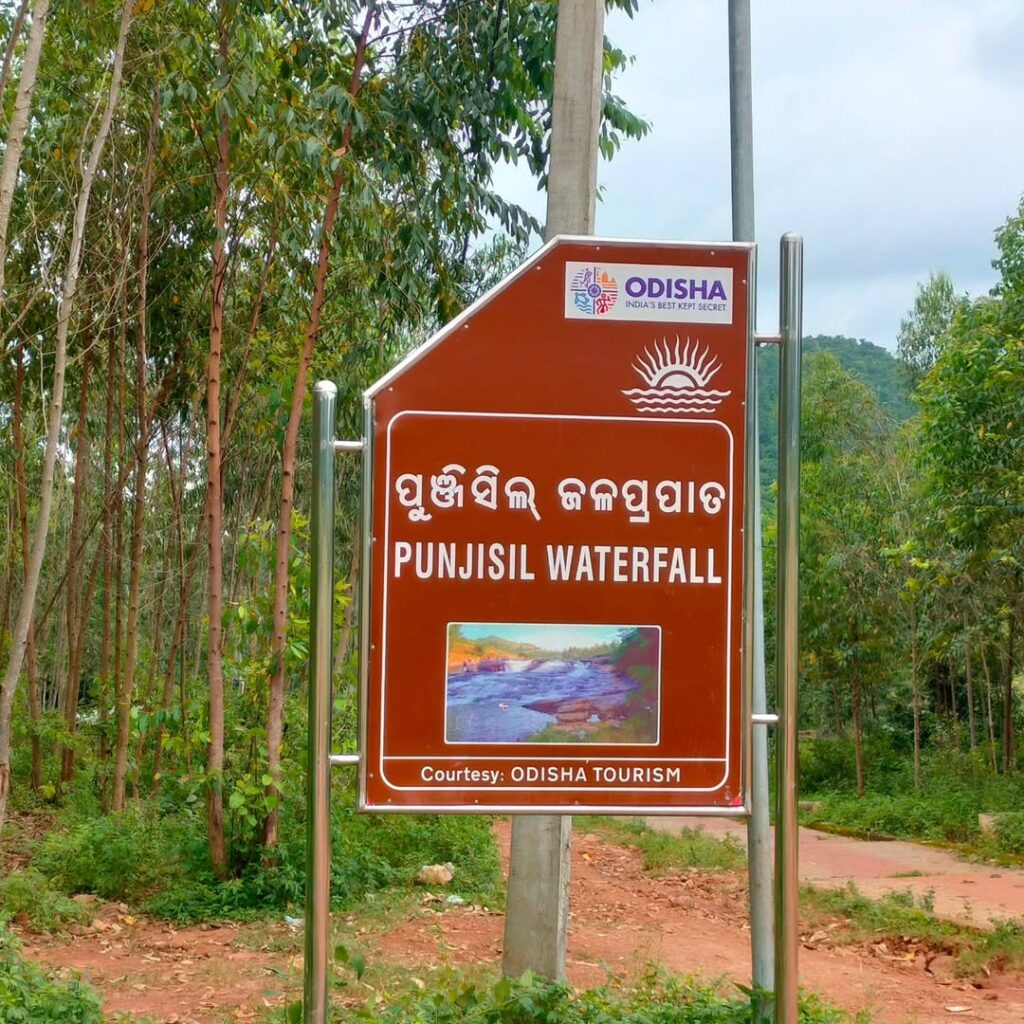
Punjisil Waterfall in Podagada

Discover the Majestic Punjisil Waterfall in Podagada, Koraput

If you’re looking for a serene getaway that boasts both natural beauty and tranquility, look no further than Punjisil Waterfall in Podagada, Koraput. This hidden gem, tucked away in the lush greens of Odisha, is perfect for nature lovers and adventure seekers alike.

Why Visit Punjisil Waterfall?

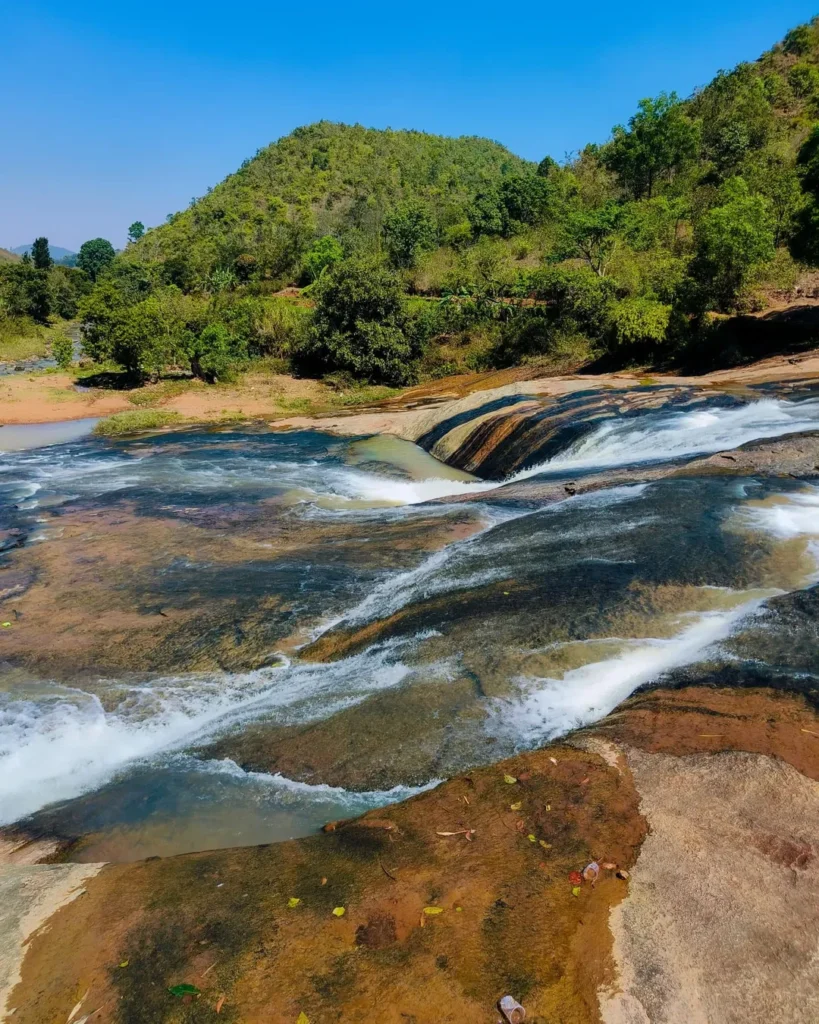
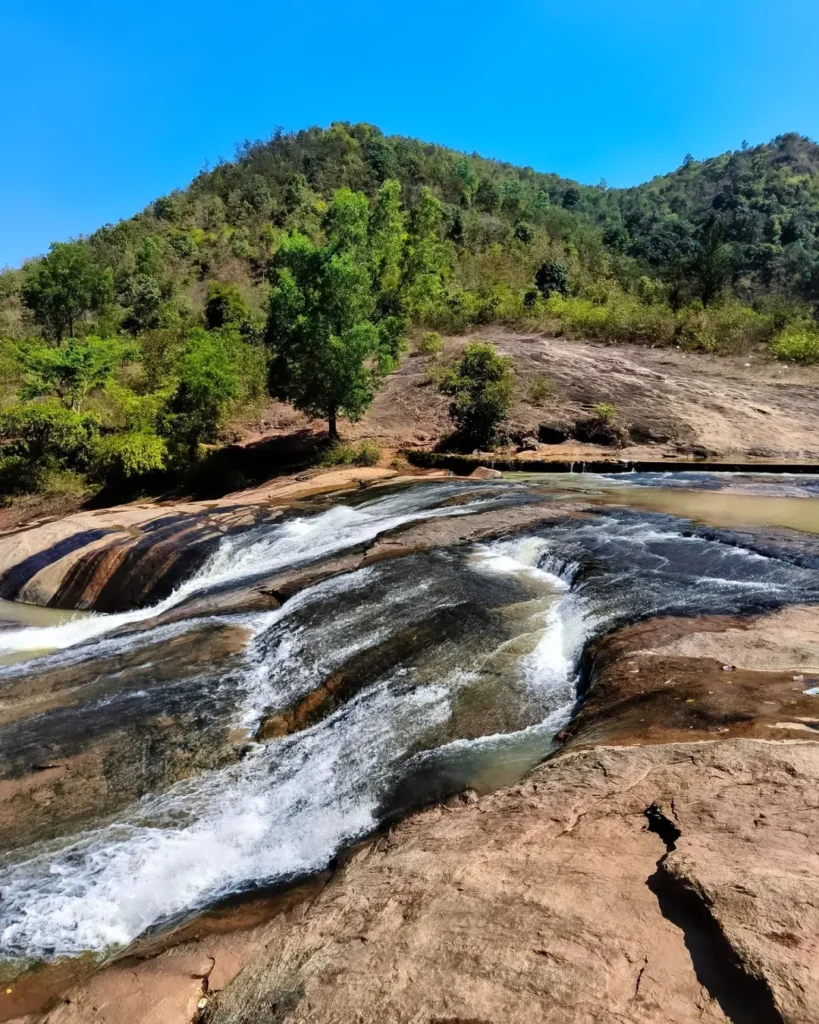
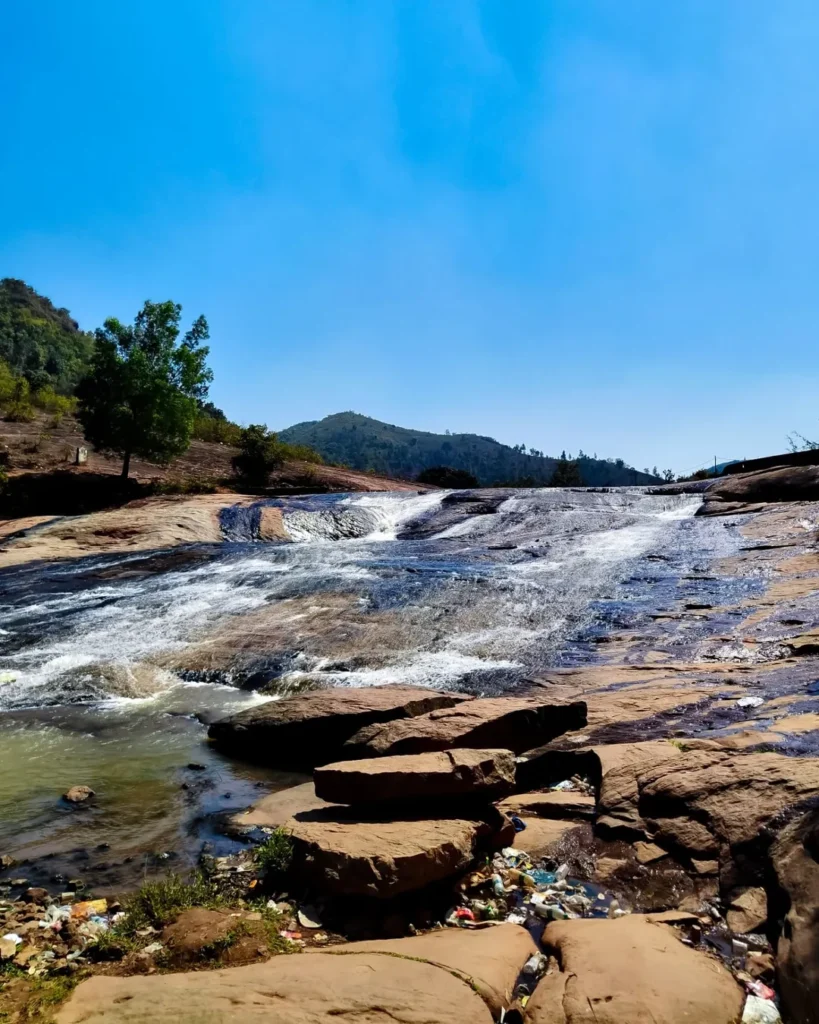
The Punjisil Waterfall is one of those enchanting places that feels straight out of a postcard. The mesmerizing cascade of water plunging down the rocks is a breathtaking sight, especially during the monsoon season when the falls come alive with vigor. The surrounding landscape is equally captivating, with dense forests and vibrant flora that make for excellent hiking and exploration opportunities.

Best Time to Visit

The best time to visit Punjisil Waterfall is during the monsoon months from June to September when the waterfall is at its fullest. Alternatively, the post-monsoon months from October to December also offer a pleasant climate and are ideal for trekking and photography.

Getting There

Situated in the Koraput district, Punjisil Waterfall is easily accessible from the main town of Podagada. Visitors can reach the site via private vehicles or local transport options. Make sure to check the route ahead of time and plan your journey to fully enjoy the scenic beauty along the way.

Experience the Charm of Koraput

In addition to the waterfall, the Koraput district is rich in culture and history. Explore the local tribal communities, savor authentic Odiya cuisine, and immerse yourself in the vibrant traditions that add to the charm of this region. It’s a perfect blend of natural beauty and cultural richness.

Discover the Untamed Beauty of Punjisil Waterfall, Podagada, Koraput

Imagine hiking through thick green forests in the Eastern Ghats, where the air smells like fresh rain and wild flowers. Suddenly, a roar breaks the quiet. Water crashes down from high rocks, forming a misty veil that sparkles in the sun. This is Punjisil Waterfall, a spot tucked away in Podagada, Koraput, that calls to adventure seekers. Far from crowded beaches or city lights, it offers a real taste of Odisha’s wild side.

Punjisil Waterfall stands as a must-see for eco-tourists, hikers, and folks who want to connect with true Odia roots. Nestled in the hills, this fall plays a big role in the local ecosystem. It feeds streams that help nearby farms and wildlife thrive. Plus, it ties into the tribal ways of life here, where water spots hold deep stories and respect.

Unveiling Punjisil Waterfall: Location and Geological Significance

Where is Punjisil Located? Pinpointing Podagada

Punjisil Waterfall sits in Podagada village, about 25 kilometers from Koraput town in Odisha’s southern hills. You can find it near coordinates 18.95°N and 82.68°E, right in the heart of the Eastern Ghats. To reach Punjisil Waterfall from Koraput, hop on a local bus that heads toward Sunabeda or hire a jeep for the bumpy roads.

The trip takes around one hour by road. Once you hit Podagada, a short walk leads to the trail start. Roads get rough after rains, so check weather apps first. Buses run from Koraput’s main stand a few times a day, but they fill up quick.

This spot feels worlds away from busy spots. It pulls in those searching for offbeat Odisha treks.

The Landscape of the Eastern Ghats

The Koraput area stretches as part of the old Bastar Plateau, with rolling hills and deep valleys carved by time. Rocks here, mostly granite and basalt, shape how water tumbles down Punjisil. The fall drops about 30 meters, spreading wide during rains to create a powerful show.

At elevations around 1,000 meters, the terrain mixes dense forests with open plateaus. This setup boosts biodiversity, home to birds like the hill myna and plants such as sal trees. Water flows from hill streams, fed by monsoon rains that soak the soil.

Geology makes Punjisil special. It forms where faults in the earth let water rush free. Hikers love how the rocks offer natural steps to the base.

Best Time to Visit for Peak Flow and Sightseeing

Head to Punjisil Waterfall from July to September for the best flow. Monsoon turns it into a thundering beast, with water gushing full force. The mist cools you down on hot days.

After rains, in October and November, the falls stay strong but paths dry out for safer walks. Winter brings clear views, though the flow slows. Summers can make it a thin trickle, but green surroundings still shine.

Pack raincoats and quick-dry clothes for wet seasons. In dry times, grab hats and lots of sunscreen. Always bring bug spray, no matter when.

Why pick one season over another? It depends on your vibe—wild waters or calm hikes.

The Trekking Experience: Navigating the Path to Punjisil

Trail Difficulty and Duration Analysis

The trek to Punjisil Waterfall starts from Podagada and covers about 3 kilometers one way. It’s a mix of dirt paths through woods and some rocky scrambles near the end. Most folks call it moderate—good for fit beginners but tough if you’re out of shape.

Expect one to two hours to reach the base, depending on pace. The trail winds uphill at first, then levels near the falls. Watch for slippery spots after rain; roots and stones trip up the unwary.

No paved roads here. It’s all natural, which adds to the fun. Bring a map app for backup, as signs are few.

Essential Gear and Safety Precautions

Sturdy hiking boots top the list for the uneven ground at Punjisil. Carry at least two liters of water per person, since streams might not be safe to drink. A small backpack with snacks keeps energy up.

Safety comes first in this remote area. Tell someone your plans before you go. Stick to the path to avoid getting lost in thick bush.

Flashlights help if you stay late. Cell signal fades quick, so a power bank is smart. First-aid kits with bandages and pain relievers cover basics—no clinics nearby.

One slip can end your day, so move slow on wet rocks.

Local Guidance: Why Hiring a Local Trekking Partner Matters

Local folks from Podagada make great guides for the Punjisil trek. They know hidden shortcuts and spots to rest. Plus, they share tales about the land that apps can’t match.

Hiring one costs little, around 500 rupees for a group. It puts money back into the community, helping tribal families. Guides point out safe paths and wild fruits safe to eat.

Their knowledge cuts risks. They spot snake trails or weak bridges you might miss. It’s not just a hike—it’s a lesson in living close to nature.

Ever wonder how locals see these falls? Guides turn your trip into a story.

Cultural Immersion: Podagada Village and Tribal Heritage

The Bonda and Paroja Connection

Podagada sits among homes of the Bonda and Paroja tribes, known for their close ties to the hills. Bondas, with their bright beads and tattoos, see water like Punjisil as life givers. They use nearby streams for rice fields and rituals.

Parojas weave baskets from local reeds and dance at harvest times. Their art, like wooden carvings, often shows water spirits. Visitors can watch from afar, but ask before snapping photos.

This area holds history of hill folk fighting for their lands. Respect builds bridges—offer a smile, not a stare.

Local Flavors and Cuisine Near the Falls

Simple eateries dot the road to Podagada, serving hot mandia roti made from millet. Try the spicy fish curry from stream catches, cooked with wild greens. It’s a tribal twist you won’t find in cities.

Rice beer, or handia, flows at village spots—mild and earthy. For veggies, pakoras fried in mustard oil hit the spot after hikes. One local favorite near Punjisil is bamboo shoot stir-fry, tangy and fresh.

No big restaurants here. Eat where locals do for real taste. Share a meal, and chats flow easy.

Responsible Tourism: Respecting Sacred Spaces

Locals view Punjisil as a holy site, where spirits guard the waters. Don’t climb rocks or swim unless invited. Keep noise low—it’s a place for peace.

Stick to trails to save plants. No plastics; the forest cleans slow. If you see offerings, leave them be.

Small steps keep the magic alive. Ask guides about taboos to avoid mistakes. Tourism grows, but care keeps it pure.

Eco-Tourism Potential and Conservation Efforts

The Fragile Ecosystem of the Water Catchment Area

Punjisil feeds clean water to villages below, supporting fish and frogs in its pools. Forests around catch rain, preventing floods downstream. Birds nest in the canopy, adding to Odisha’s wild mix.

Threats like tree cutting hurt the flow. But locals plant saplings to fight back. This spot shows how falls link life in the Ghats.

One stream from here waters 10 villages. Protect it, and everyone wins.

Infrastructure Challenges and Opportunities

Parking means a dirt lot near Podagada—no fancy signs yet. Toilets are basic or none, so go before you trek. Lodging? Homestays in villages offer clean beds and home meals.

These gaps open doors for green growth. Solar lights or eco-trails could draw more without harm. Communities lead the way, keeping it small-scale.

Change comes slow, but smart plans help. Visit now to see the real deal.

Sustainable Visitor Management Practices

Do carry out all trash—bags and bottles included. Don’t feed animals; it messes their ways. Walk light on soil to save roots.

Don’ts: No fires, even for tea. Avoid loud music that scares wildlife. Pick up after others if you can.

Leave No Trace fits perfect here. Take photos, but leave only footprints. It keeps Punjisil wild for tomorrow.

Pack reusable bottles to cut waste. Small habits make big waves.

Conclusion: Your Next Adventure Awaits at Punjisil

Punjisil Waterfall blends tough treks, stunning views, and rich tribal vibes into one package. From the misty drops to village chats, it pulls you into Odisha’s soul. No crowds, just nature’s raw pull.

Plan your trip to Punjisil soon, before paths widen too much. Go with care—hike smart, respect locals, and pack light. It’s your chance to touch the untouched.

In the end, Punjisil isn’t just a fall. It’s a door to rural India’s heart, where water whispers old secrets. Grab your boots and head out—you won’t regret it.

A Visit to Remember

So, are you ready to embark on an unforgettable adventure? Punjisil Waterfall awaits you with open arms, promising a refreshing experience where you can unwind and rejuvenate. Don’t forget your camera to capture the stunning vistas and make memories that will last a lifetime.

For more information about enjoying your trip to Punjisil Waterfall, or to plan your visit, feel free to reach out through tourmyodisaha.com. Happy travels!


Whether you’re a local or a tourist, Punjisil Waterfall is a destination you shouldn’t miss. Gather your family and friends, pack your bags, and get ready to explore the beauty that Koraput has to offer!

[Your Name]
[Your Contact Information]
[Your Company / Blog Name]
[Optional: Date]

bari waterfall

bari waterfall

Bari waterfall is positioned close to bari village withinside the loraput district and it’s far forty three km from damanjodi , Odisha . there are 2 waterfalls referred to as Bari and some other one is Lodha.

Read More

Discovering the Enchantment of Bari Waterfall

Welcome to my travel blog! Today, I’m excited to take you on a visual and experiential journey to one of the lesser-known gems of nature: the Bari Waterfall. Located near the beautiful landscapes that [item], the Bari Waterfall is an enchanting spot that’s perfect for nature lovers and adventure seekers alike.

The Journey to Bari Waterfall

Getting to Bari Waterfall involves a scenic trek that’s sure to invigorate your senses. As you make your way through lush greenery and winding paths, the anticipation builds. The sounds of rushing water become more pronounced, and you know you’re getting closer to witnessing the captivating sight ahead. Whether you’re traveling solo or with friends, the journey itself is rewarding, filled with breathtaking views and photo opportunities.

The Enchantment of the Falls

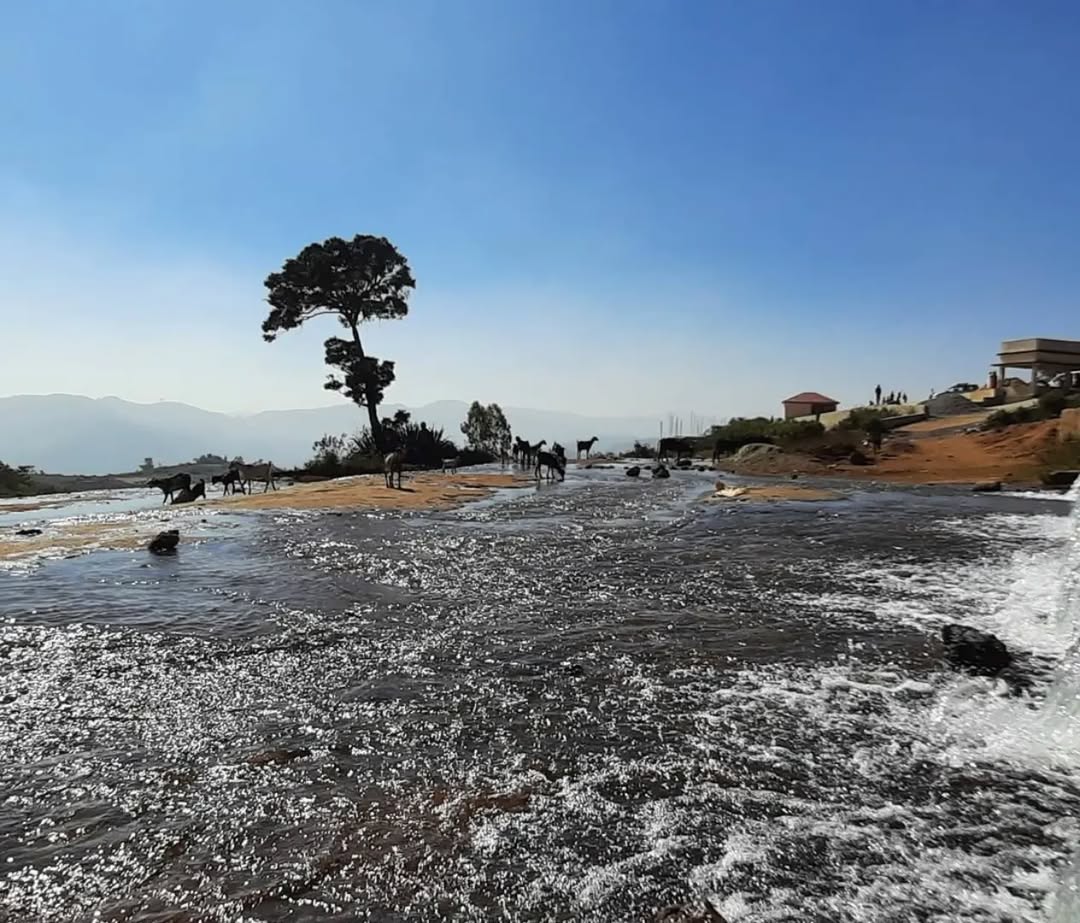
Once you arrive at Bari Waterfall, you’ll be greeted by a stunning cascade of water tumbling over rocky cliffs, creating an atmosphere that feels almost magical. The surrounding area is often adorned with vibrant flora, making it an ideal backdrop for photography or simply soaking in the beauty of nature. The mist from the falls provides a refreshing touch, especially on warm days.

For those who love to explore, there are plenty of trails nearby where you can hike, meditate, or simply relax while listening to the symphony of nature. If you’re lucky, you might even spot some local wildlife in their natural habitat.

Activities to Enjoy

Visiting Bari Waterfall isn’t just about gazing at the falls; there are numerous activities to enhance your experience:

  • Photography: Capture the breathtaking views from different angles, especially during sunset.
  • Picnicking: Pack a lunch and enjoy a peaceful meal surrounded by nature.
  • Swimming: If you’re feeling adventurous, take a dip in the natural pool formed at the base of the falls (be sure to check safety guidelines first!).
  • Guided Tours: Local guides can provide insights into the area’s history and ecology, enriching your visit.

Practical Tips

Before you embark on your trip to Bari Waterfall, here are a few practical tips to ensure a smooth experience:

  • Best Time to Visit: The best time to visit is during the monsoon season when the waterfall is at its fullest, but be cautious during heavy rains.
  • What to Bring: Ensure you have comfortable shoes, sunscreen, a camera, and plenty of water.
  • Stay Safe: Follow all safety guidelines and respect nature by leaving no trace behind.

Plan Your Visit

If you’re ready to embrace the beauty of Bari Waterfall, start planning your visit today! Whether through hiking, photography, or simply enjoying the serenity, this location promises an unforgettable experience. For more details and tips, be sure to check out [tourmyodisaha.com].

Happy adventures, everyone! Let me know if you’ve been to Bari Waterfall or if it’s on your travel bucket list. I’d love to hear about your experiences!


Bari waterfall is positioned close to bari village withinside the loraput district and it’s far forty three km from damanjodi. there are 2 waterfalls referred to as Bari and some other one is Lodha. The 2 waterfalls are at the boederline of odisha and Andhra pradesh.
Newly discovered #Bari ବାରୀ Waterfall !! #Koraput

Location –

Narayanpatna block ♥️

Koraput,
Situated close to #borigi village || This area isn’t always linked with the aid of using street so we ought to stroll nearly for five km to attain there

BEST TIME TO VISIT bari waterfall: July to January.
bari waterfall Parking Fee: 10rs/vehicle/hr.
Travel Option : Flight,Train,Bus, 4 wheeler and Bike
Nearest Railway Station: Koraput
Nearest Airport: Bhubaneswar
Nearest Bus Stop: Damanjodi
Nearest Town: Damanjodi
Trip Type: Any form of Friends
WHAT TO EXPECT INSIDE :
High and delightful waterfall.
Temple.
Spacious parking place for vehicles.
PLACES TO VISIT NEAR :


How to Reach bari waterfall

Nearest Airpport is Bhubaneswar , Nearest Bus stand is Damanjodi & Nearest Railway station is Koraput

By Air

Bhubaneswar Air port

By Train

Koraput

By Road

Damanjodi

Why is Koraput famous?

Odisha Tourism India Tourism | Indian Travel Destinations Guide & Tour Packages