Places to Visit MINAJHOLA


It is just 134 Kms from Rayagada. It is a delight spot of nature, has a siva sanctuary at the juncture of three streams. It is arranged in the core of thick timberland, wealthy in natural life. Sivaratri is a well known celebration of this spot. However there is nothing but bad all climate street yet the spot merits visiting. Normal transport administration is accessible from Rayagada and Gunupur upto Gudari.The rest 25 Kms. Street is Jeepable.
Minajhola
Popular Tourist Destination in Rayagada
Minajhola is placed close to Gudari withinside the Rayagada district at a distance of approximately 134 kms from Rayagada metropolis and 70 km from Gunupur., withinside the Indian country of Odisha. This area is well-known for its Shiva temple, one of the vacationer sights of the district. that is placed on the confluence of 3 rivers i.e. Vamsadhara, Chauladhua & Phalaphalia.
Situated on the coronary heart of the dense woodland wealthy in wildlife. The fundamental pageant of this area is Shivratri. A huge quantity of devotees acquire to pay homage to Lord Shiva on this event. All can see right here Lord Minaketan withinside the shape of a FISH.
Though this area is really well worth visiting, there may be no right all-weather-avenue to travel. The scenic splendor across the temple and close to the confluence of the rivers is truely adorable. It is one of the diagnosed Tourist Centres (scenic spot) as nicely an excellent picnic spot of Odisha.
Regular bus provider is to be had to Rayagada from Berhampur, Koraput, and Bhubaneswar (390 km). From Rayagada, you will take a bus as much as Gudari and the relaxation 25 km from Gudari to Minajhola may be traveled with the aid of using jeep or employed taxi.
MINAJHOLA Details
MINAJHOLA Address: MINAJHOLA, Rayagada , odisha, india
Best Time to Visit MINAJHOLA : All time
MINAJHOLA Odisha
How to reach MINAJHOLA


Balimela
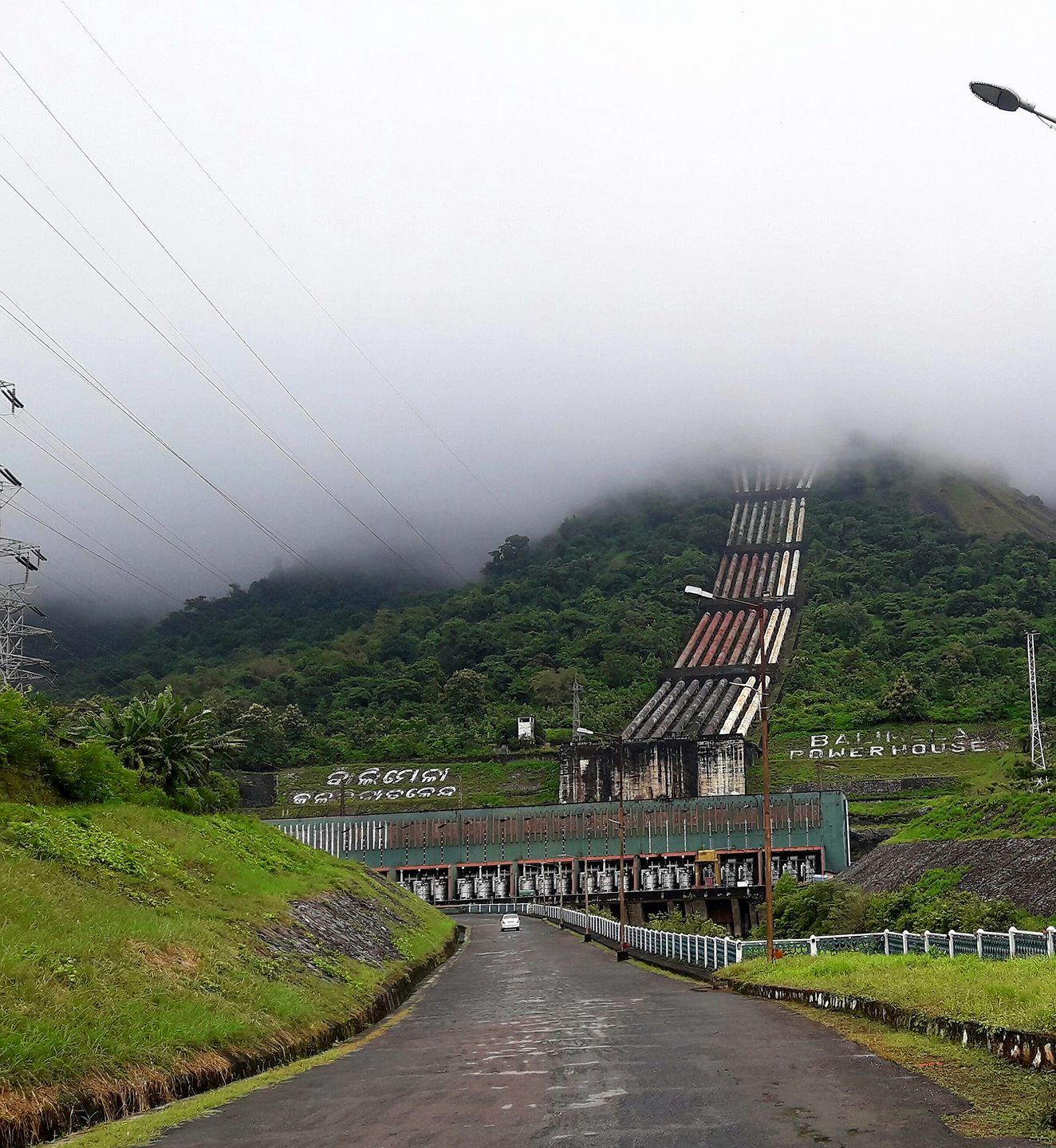
Balimela Dam & Reservoir, Malkangiri
Places to Visit in Balimela


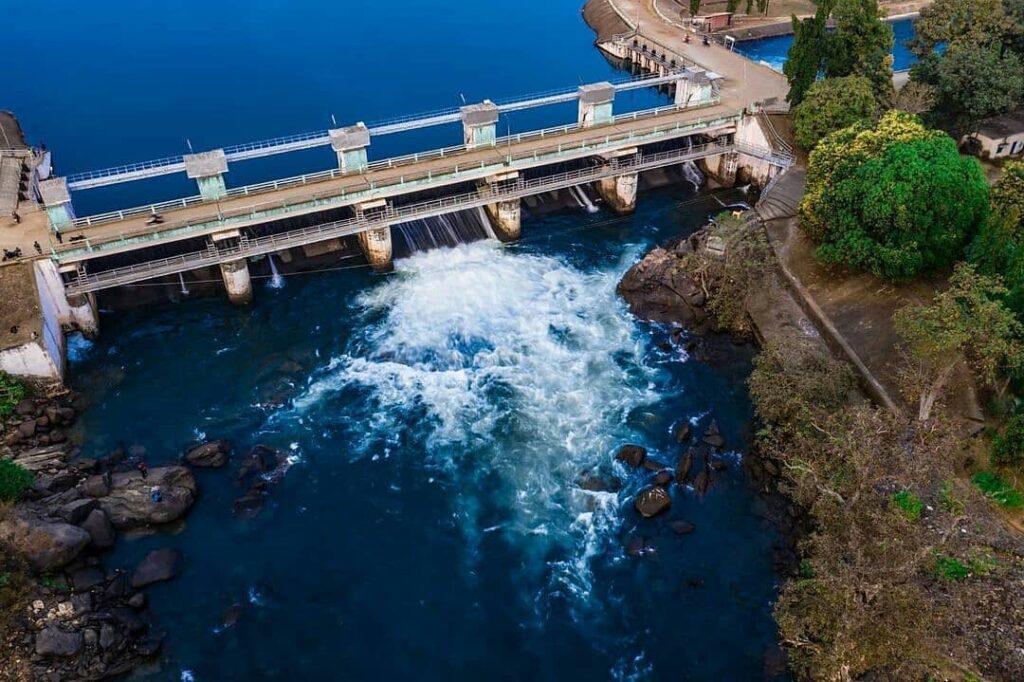
Balimela Dam is in Malkangiri District, which is 35 kms, from the east of Malkangiri. A Hydro-electric Project has been set up close with regards to the Town together by the Government of Odisha and Andhra Pradesh. A dam is being developed at Chitrakonda, 25 kms. from Balimela across the waterway Sileru. The all out inflow into the repository is shared similarly by the two Governments. The portion of the Andhara Pradesh Government is stream downstream the waterway while that of Onssa Government is redirected to a high head power approximately 15 kms. south of Balimela. It is assessed that the force to be reckoned with is creating 240,000 KW at 60% burden factor. The tail water is therefore used for water system around 2.4 lakh sections of land of land in Malkangiri and Motu fields.
Exploring the Scenic Beauty of Balimela Dam & Reservoir in Malkangiri
Nestled in the heart of Odisha, the Balimela Dam and Reservoir in Malkangiri is a hidden gem waiting to be discovered. This magnificent structure, built across the Balimela River, not only serves as a vital hydroelectric project but also offers breathtaking views and a serene getaway for nature lovers.
A Tranquil Escape
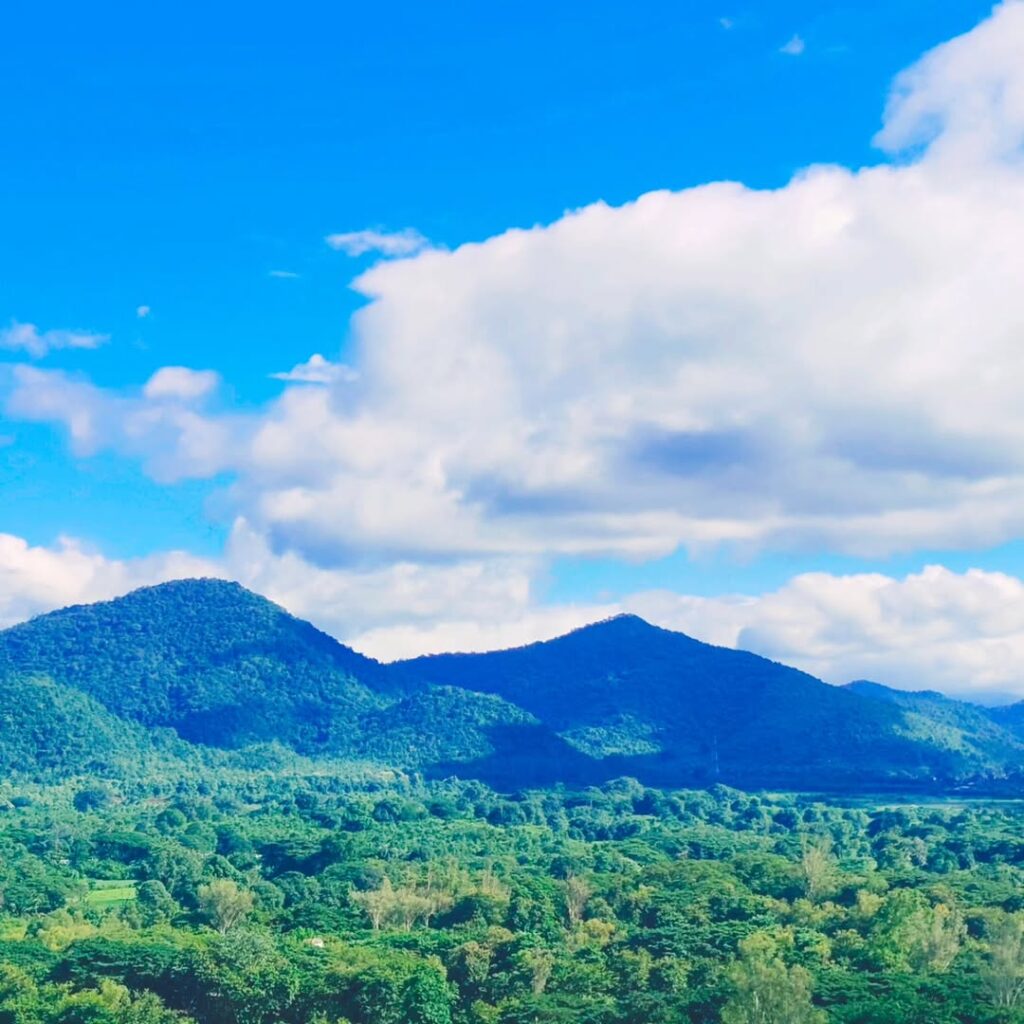
As you approach the dam, the lush green surroundings will instantly captivate you. The vast expanse of water, flanked by dense forests and rolling hills, creates a picturesque landscape that feels almost surreal. Whether you’re clicking photographs or simply soaking in the tranquility, Balimela Dam provides an idyllic atmosphere for relaxation and reflection.




Adventure Awaits
For those who crave adventure, Balimela is more than just a scenic spot. The reservoir is perfect for boating and fishing, giving visitors the opportunity to engage with the natural environment in a thrilling way. The surrounding forest trails invite explorers and trekkers to venture deeper into the wilderness, offering a chance to spot local wildlife and experience the rich biodiversity of the region.
Cultural Significance
Balimela is not only about scenic beauty and adventure; it also has rich cultural significance. The locals, primarily from indigenous communities, are warm and welcoming, making your visit even more special. Engage with the vibrant culture, taste traditional dishes, and perhaps even learn about the folk tales that make the region so unique.
Best Time to Visit
The ideal time to visit Balimela Dam is during the winter months, from October to March, when the weather is pleasant, and the natural beauty is at its peak. The post-monsoon season also brings lush greenery, making it a perfect escape for photographers and nature enthusiasts alike.
Getting There
Reaching Balimela Dam is quite convenient. Malkangiri is well-connected by road and is accessible from nearby cities. Make sure to plan your trip in advance to fully enjoy the offerings of this stunning location.
Discovering Balimela Dam & Reservoir: A Hidden Gem in Malkangiri
Hello there, fellow explorers and curious minds! This week, we’re diving into a fascinating slice of Odisha’s natural and engineering marvel—the Balimela Dam and its sprawling reservoir in Malkangiri district. Whether you’re an avid traveler, a student of nature, or simply someone who enjoys uncovering lesser-known wonders, this spot has more than a few stories to tell.
Balimela Dam might not be on every tourist’s itinerary, but it perfectly blends utility with tranquility. Built across the Sileru River, the dam stands as a testament to ambitious hydroelectric engineering while nourishing the surrounding ecosystem and local communities. As we unpack what makes Balimela special, you’ll see why it’s worth a spot on your mental map—or even better, your next travel list.
The Heart of Hydroelectric Power and More
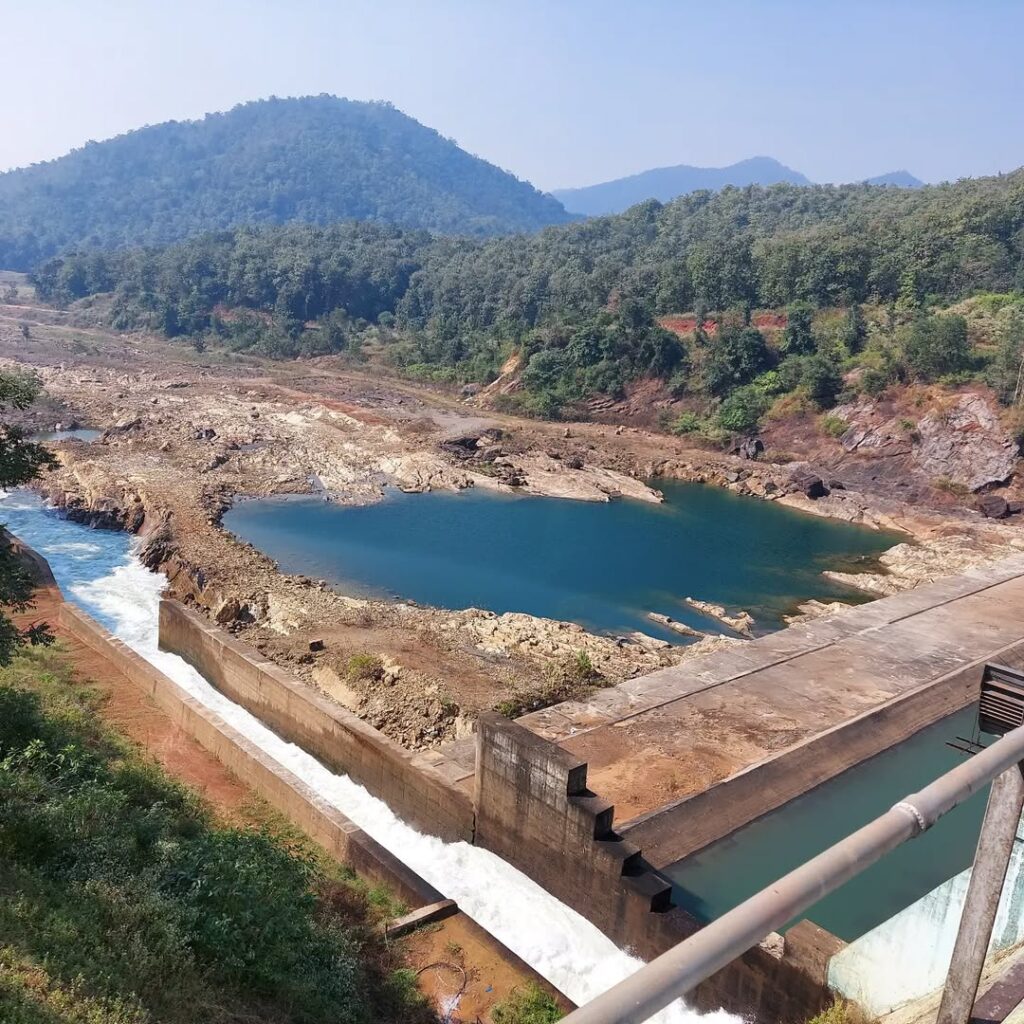
Constructed with the primary purpose of hydroelectric power generation, Balimela Dam plays a crucial role in sustaining the energy needs of Odisha and neighboring areas. The reservoir created behind the dam stretches wide, turning the landscape into a serene expanse of water dotted with scenic views and lush greenery. It’s the kind of place that invites you to pause, breathe, and appreciate how nature and human ingenuity coexist.
But there’s more than just power here. The reservoir is a lifeline for agriculture and local livelihoods, ensuring water availability during dry spells and supporting irrigation. Fishermen frequently take to the waters, adding a layer of quiet daily rhythm to the area. Imagine watching the sunset shimmer on the reservoir’s surface, with small boats bobbing gently—peaceful, isn’t it?

Beyond Power: The Scenic and Cultural Tapestry
Malkangiri district itself is rich in tribal culture and natural beauty, and Balimela Dam is part of this larger story. The surrounding hills and forests are home to diverse flora and fauna, making it a subtle haven for wildlife enthusiasts and nature photographers. While it’s not a bustling tourist hotspot, that very quietness gives the place a raw, untouched charm.
If you’re planning a visit, consider exploring nearby tribal markets or local villages where warm hospitality meets vibrant traditions. The area’s remoteness means fewer crowds and an authentic experience, perfect for travelers who prefer meaningful connections over well-trodden tourist paths.
A Few Tips for Your Visit
- Best time: Post-monsoon months, when the reservoir is full and the landscape is lush.
- What to bring: A camera, comfortable walking shoes, and an appetite for local cuisine.
- Activities: Enjoy peaceful boat rides, nature walks, and bird watching.
- Local insight: Chatting with the local community can offer invaluable perspectives on life around the dam and the region’s heritage.
- Balimela Address: Balimela, odisha, india
- Balimela (preferred time): 09:00 Am – 05:00 pm
- Time required to visit Balimela : 01:00
- Best Time to Visit Balimela : All
Balimela Dam might not headline travel brochures, but it perfectly embodies the kind of quiet awe that stays with you long after you leave. It’s a harmonious blend of nature’s beauty and human endeavor, tucked away in Odisha’s rugged charm.
Thanks for joining me on this little expedition! Next week, we’ll branch out to some local festivals and cultural highlights that bring the region to life in even brighter colors. Until then, keep exploring, stay curious, and don’t forget to look for the hidden gems right around the corner.
Balimela Dam & Reservoir
Balimela Dam is a joint challenge of Odisha and Andhra Pradesh Governments and the influx into Balimela Reservoir is shared among the 2 states. The Balimela Reservoir is placed in Malkangiri district, Odisha, India at the river Sileru that is a tributary of the Godavari river. The gross garage ability of Balimela reservoir is 3610 million cubic meters. Andhra Pradesh (AP) and Odisha states entered into agreements to assemble Balimela dam as a joint challenge and percentage the Sileru river waters to be had similarly at Balimela dam site. Odisha evolved the 360 MW electricity residence with the aid of using diverting the Balimela waters to the Potteru sub-river basin.
A barrage at Surlikonda throughout the Potteru circulate became built to redirect the release from Balimela Power House into major canals for irrigation; one at the proper aspect named Tamasha Main Canal and the second one at the left aspect named Gompakonda Main Canal. These canals had been built beneathneath the Potteru Irrigation Project for irrigation in Malkangiri district, the maximum backward district of the kingdom and thereby lifting the residing preferred of the inhabitants.
Two greater electricity technology devices seventy five MW every had been brought beneathneath stage-2 to growth the mounted ability as much as 510 MW. Water to the Balimela Power Station is taken from Balimela Reservoir via a four K.Ms. lengthy Pressure Tunnel, which results up in a Surge Shaft of 20 Meters diameter and seventy nine Meters high. Four numbers of Steel Penstocks 3.7 Meters diameter and 183 Meters lengthy take-off from the Surge Shaft to Butter Fly Valve House.
Balimela Odisha
How to reach Balimela

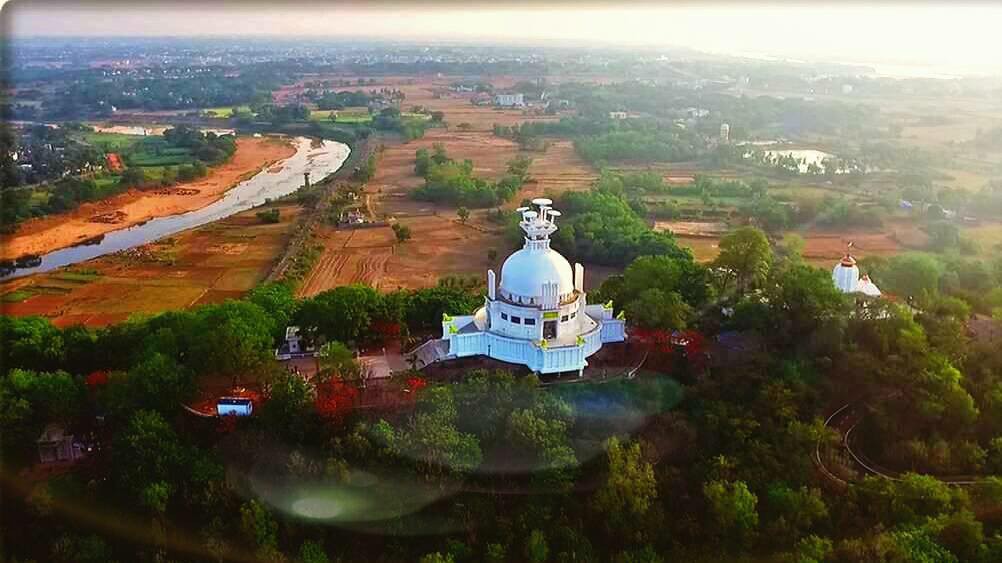
Dhauli
Places to Visit in Dhauli

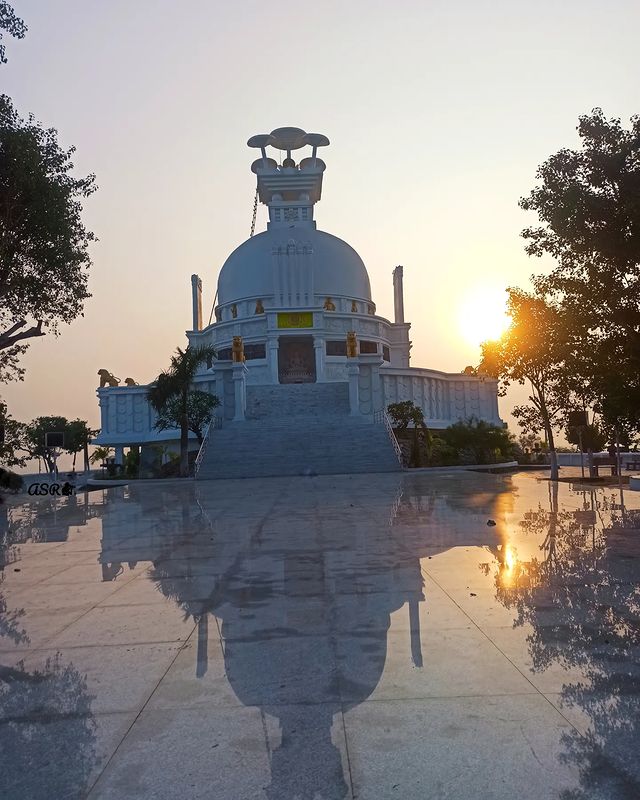
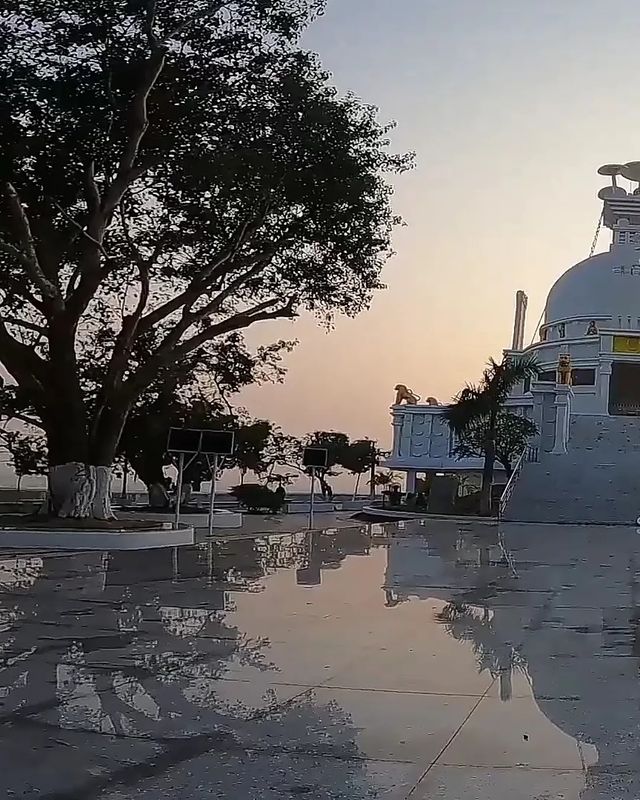
The Peace Pagoda worked by the Kalinga Nippon Budha Sangha in 1973 and known as Shanti Stupa celebrates the shift in perspective of Emperor. Ashoka had an exceptional soft spot for Dhauli, where the fight was battled. The Daya stream is said to have become red with the blood of the many perished later the fight, and empowered Ashoka to understand the greatness of loathsomeness related with war. He made sure that Dhauli turned into a significant focus of Buddhist exercises. He fabricated a few chaityas, stupas and columns there. He got houses uncovered for the hermit, guidelines recorded for authorities, clarified the primary standards of dandaniti for the general population, given extraordinary status to his new realm including the stupas at Dhauli.
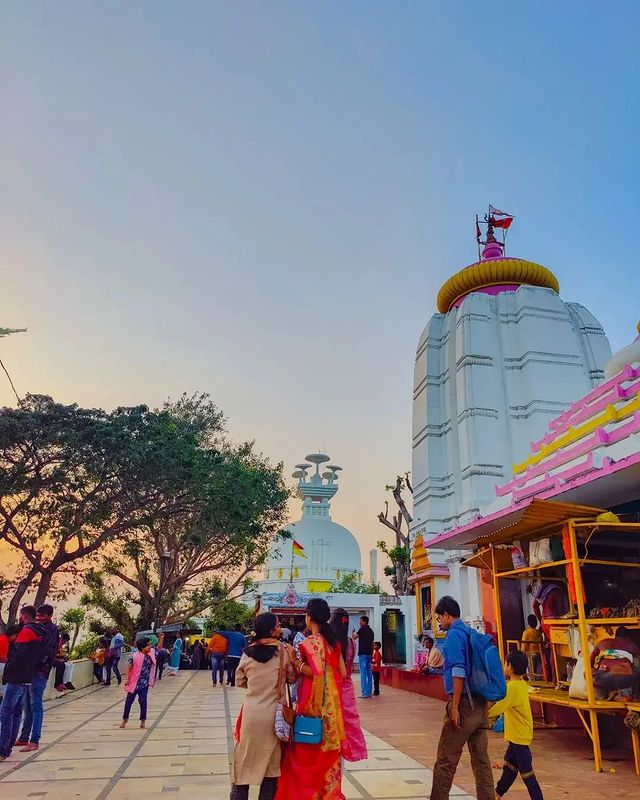
There are two sanctuaries at Dhauli. One of Vairangeswar Mahadev and Dhabaleswar Mahadev. The decrees of Emperor Achok are recorded in prakrit language in bhramin script on the stone of Dhauli on the Southeast end. Discovering Dhauli Shanti Stupa


Dhauli Hill
Dhauli Giri Hills of Odisha
Dhauli Odisha
How to reach Dhauli
Discovering Dhauli Shanti Stupa
A Journey into Serenity
Welcome to my blog! Today, I’m excited to share my experience visiting the Dhauli Shanti Stupa in Bhubaneswar, a hidden gem that beautifully combines history, spirituality, and nature.
A Stupa Filled with Peace
Located just a short drive from the bustling city of Bhubaneswar, Dhauli Shanti Stupa stands as a symbol of peace and enlightenment. This remarkable stupa is perched on a hill known as Dhauli Hills, overlooking the scenic Daya River. As you approach, the serene atmosphere wrapped in lush greenery instantly calms the soul.
A Historical Perspective
Dhauli is much more than just a beautiful stupa. It holds a rich historical significance as it is believed to be the site of the Kalinga War, where Emperor Ashoka embraced Buddhism after witnessing the suffering caused by his conquests. The stupas here are said to represent the message of non-violence and tranquility that Ashoka promoted after his conversion. This aspect truly deepens the experience, as visitors reflect on the lessons of compassion and harmony.
Architectural Beauty
The stupa itself is an architectural marvel. Originally built in the 2nd century BCE, it features vibrant carvings depicting scenes from the life of Buddha. The intricate designs and calming white facade create a breathtaking sight, especially at sunrise or sunset when the play of light adds an ethereal quality.
Spiritual Retreat
Visitors to the Dhauli Shanti Stupa can participate in meditation sessions or simply enjoy the quietude, making it an ideal spot for introspection. The surrounding gardens offer a place to sit and soak in the atmosphere, allowing for moments of reflection and peace. For those seeking spirituality, the resonance of Buddhist chants can often be heard, further enhancing the tranquil ambiance.
Exploring Nearby Attractions
If you’re planning a trip to Dhauli, don’t miss the chance to explore nearby attractions like the Udayagiri and Khandagiri Caves, which are rich in history and offer stunning views of the area. Adding these to your itinerary will deepen your understanding of the region’s cultural heritage.
Tips for Visiting
Best Time to Visit : The ideal time to visit the stupa is early morning or late afternoon for cooler temperatures and fewer crowds.
Dress Code : As a place of worship, it’s respectful to wear modest clothing.
Photography : Capture the beauty of the stupa, but remember to be mindful of the spiritual nature of the site.
Accessibility : The site is accessible by road, but some areas may require a small hike up the hill.
Conclusion
Dhauli Shanti Stupa is not just a monument; it is a place where history, spirituality, and beauty converge. Whether you’re a history buff, a spiritual seeker, or simply someone looking for a peaceful retreat, a visit to this stupa will leave you with lasting memories and a sense of inner calm.
For those planning to visit or looking for more information, feel free to check out [tourmyodisaha.com] for additional travel insights and tips. Happy travels!
—
If you have any questions or need further details about visits or accommodations, don’t hesitate to reach out. I’d love to help you plan your visit to this incredible site!


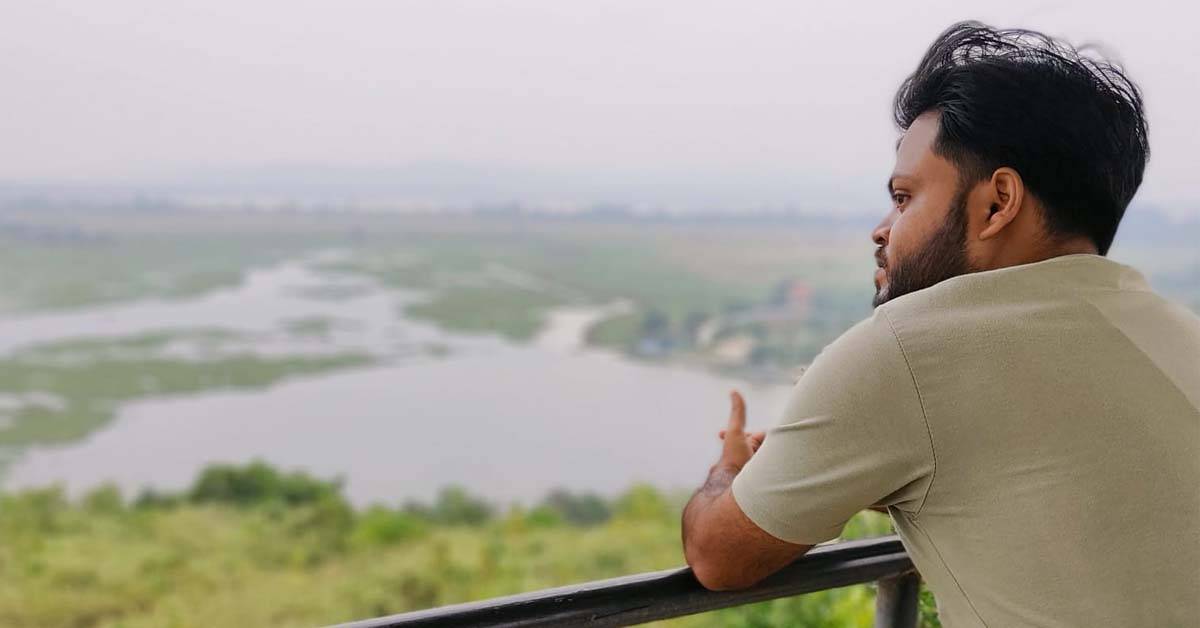
Saranda Garh


Saranda Garh Hill Top Park

This warm house of Saranda Garh is a great spot to visit in India. Later your mind blowing visit to Saranda Garh, you can continue to a significant close by city of Bhubaneshwar. Bhubaneshwar, is a value visiting city inferable from its superb attractions like Lingaraja Temple, Nandankanan Zoological Park, Udayagiri And Khandagiri Caves. An excursion to Saranda Garh can regularly be of 1-2 days. Submerge in the soul of the city and you’ll not miss your home. Odiha Tourism
The Govt. of Odisha has found a way a monster way to make this lake as one of the Odisha’s most well known traveler place. A public expressway is presently passing by this lake, that interfaces Athgarh and Banki. Some bamboo bungalows are made on the highest point of Saranda slope for vacationer rewards.
Best Things To Do in Saranda Garh, India
Saranda Garh is a small location in India and may be without problems explored inside a day. There aren`t many stuff to do and sights to go to on this town. People typically don’t forget creating a brief prevent right here earlier than heading to the neighboring towns. You can halt right here for a fast snack and take a bit wreck out of your journey.
You can take a look at out the listing of the towns close to Saranda Garh and discover the pinnacle activities in those towns. So, the subsequent time you’re in Saranda Garh, you could determine which neighboring metropolis to go to for a memorable trip.
Saranda Garh
Lake Details
Saranda Garh
Address: Saranda Garh, Anshupa Lake, Odisha 754029, Bhubaneshwar,
Saranda Garh Timing: 24-hrs
Best time to visit Saranda Garh (preferred time): 02:00 pm – 06:00
Time required to visit Saranda Garh: 02:00 Hrs
Saranda Garh Ticket Price – Rs 10 per person Bike Parking- Rs 10.00
Saranda Garh Hill Top Park, Odisha
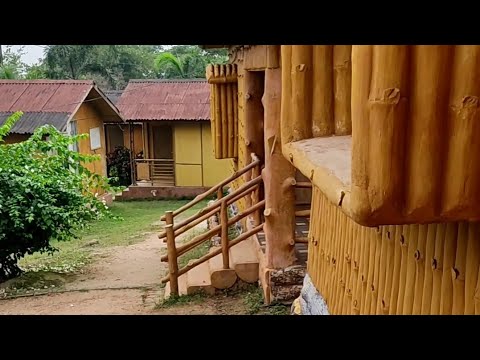

Saranda Garh Hill Top Park
Best Things To Do in Saranda Garh, India
Saranda Garh is a small vicinity in India and may be effortlessly explored inside a day. There aren`t many stuff to do and points of interest to go to on this town. Also, being a small town banki, there are fewer lodging options in banki cuttack. People commonly take into account creating a short prevent right here earlier than heading to the neighboring towns. You can halt right here for a fast snack and take a touch smash out of your journey.
You can take a look at out the listing of the towns close to Saranda Garh and discover the pinnacle activities in those towns. So, the subsequent time you’re in Saranda Garh, you may determine which neighboring town to go to for a memorable trip.
How to reach Saranda Garh


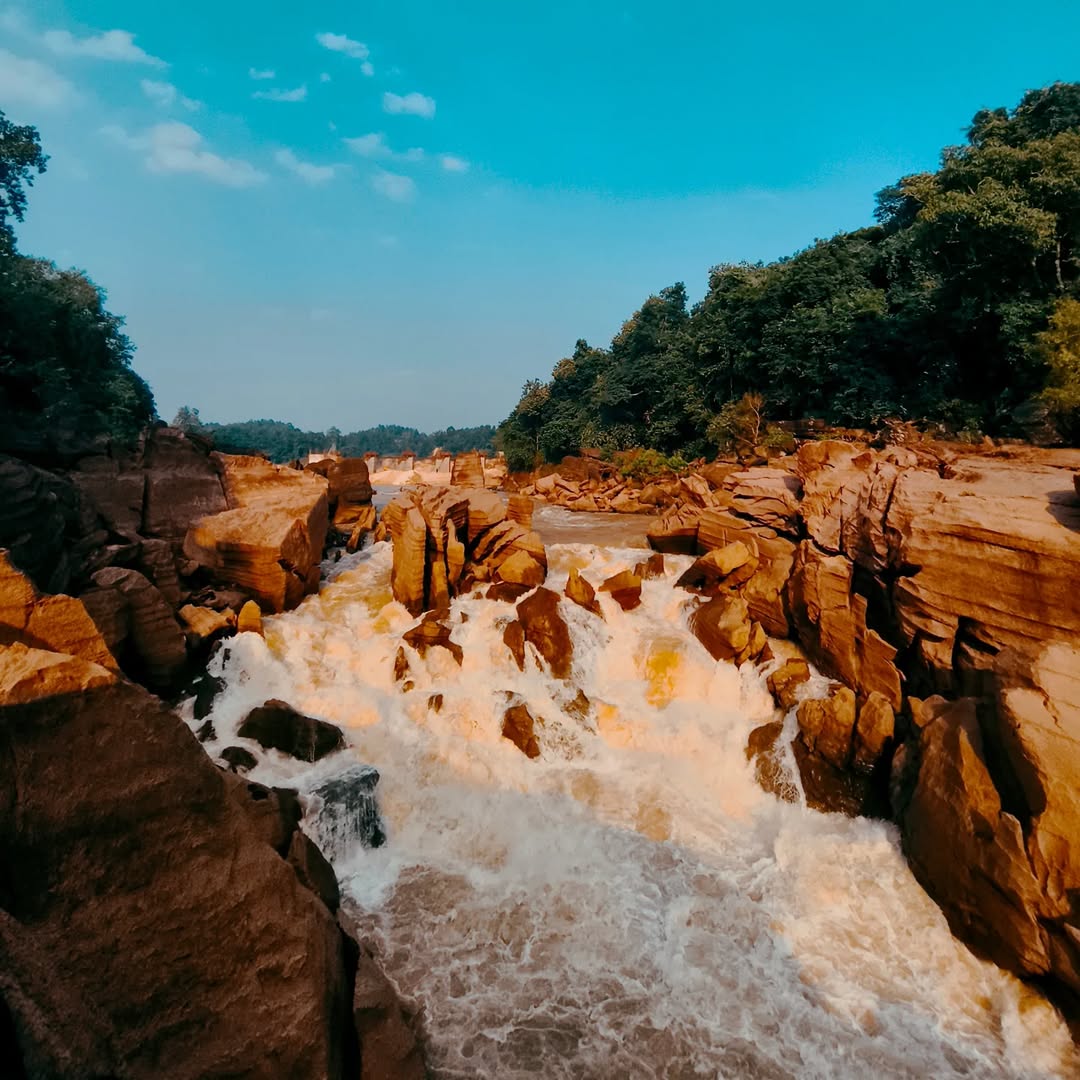
Gulmi
Gulmi Waterfall
Gulmi Waterfall Chandeli Koraput


Tourist attraction Dumajodi
The river of Kolab forming a whirl pool at Gulmi & attracting big crowed from the district as well as from Chatisgarh state. GULMI is 100 Kms away from Koraput, Odisha & 25 Kms from Chandeli. Winter is settling in beautifully across the Koraput district, and with it comes a surge of tourists eager to explore the region. Soon, this area will be bustling with visitors. Yet, amid the influx, there are still hidden treasures in the district waiting to be discovered. Today, we ventured to a stunning waterfall, Gulmi Waterfall, located about 100 km from Koraput. Nestled among lush hills, this waterfall is a breathtaking sight. Encircled by dense forests, its beauty comes with a hint of danger, as the swift waters prohibit swimming. Nearby, you’ll find a serene Mahadev temple featuring a stone statue that beautifully captures the tranquil essence of Lord Shiva. To reach Gulmi Waterfall, you’ll journey from Koraput to Kotpad and then to Chandili, with the waterfall situated approximately 15 km from there. This hidden gem in Odisha is perfect for nature lovers and those seeking a peaceful retreat. The area around the waterfall is ideal for picnics and leisurely walks, offering a chance to fully appreciate the natural beauty that surrounds you. Photographers will find the watchtower an excellent vantage point for capturing panoramic views of the waterfall. Additionally, Gulmi Waterfall is conveniently located near other attractions, such as Duduma Waterfall and Deomali Hill Station, both of which provide stunning vistas and can seamlessly fit into your travel plans.
Read MoreTravel Information of Gulmi Waterfall
Things to remember
· Go early
If you start early, you will reach early and can spend more time at the fall.
· Go in a group
Not ideal to go alone or as a couple, security matters.
· No network
As it is in the middle of a forest, you will be completely detached from the outside world. So better save your map offline for navigation.
· No food stalls
carry your food and water bottles, keep your self hydrated.
· No petrol pump or ATMs


Useful Travel Tips
· The site features a stunning waterfall.
· There is a tube well available for visitors to collect drinking water and for use during gatherings.
· The water is refreshingly cold, complemented by the rugged landscape.
· Male visitors who enjoy swimming will find ample opportunity to bathe, as the area resembles a natural swimming pool.
· Facilities for drinking water, parking, and communication are well-maintained.
· The breathtaking forest scenery, along with wildlife such as deer and peacocks, enhances the location’s appeal.
· This destination is ideal for adventure seekers; it is particularly suited for those who appreciate nature.
· At the top of the waterfall lies a cave known as Badedidhar, historically inhabited by saints.
· There is a spacious parking area for vehicles.
· Additionally, there are counters available for snacks and refreshments.
Do’s & Don’ts
· This location is reasonably safe for a picnic, but be sure to leave before dusk because it’s in a forest with no cell service, elephant crossings, and rocky terrain.
· Yes, watch out for snakes when you’re in the forest.
· Video and camera are permitted.
· There isn’t a restaurant close to the waterfall.
· However, there are restaurants close to Narsinghpur.
· In the summer, the waterfall dries up.
· There is no mobile network available.
· If you bring all the necessary supplies to the location, you can cook there. Purchasing your ration from Cuttack is preferable.


Best Time to Visit Gulmi Waterfall Chandeli
The optimal time to visit Gulmi Waterfall Chandeli Koraput is contingent upon personal preferences and prevailing weather conditions. For those wishing to witness the waterfall in its most magnificent state, the monsoon season, spanning from June to September, is ideal. During this period, the waterfall is at its fullest, and the surrounding area is vibrant with greenery. However, access may be challenging due to slippery and hazardous paths caused by heavy rainfall; therefore, it is advisable to wear appropriate footwear and exercise caution. Conversely, if inclement weather is undesirable or if one wishes to avoid large crowds, visiting during the off-season may be preferable. Although the waterfall may not be as striking, the landscape remains captivating. For those who favor milder temperatures, the winter months from December to February present a comfortable option, making the trek to the waterfall more manageable. Ultimately, the decision of when to visit the waterfall rests on individual preferences. Some may opt for the dramatic allure of the monsoon season, while others may choose the tranquility of the off-season. Regardless of the choice, it is essential to wear suitable footwear and appreciate the stunning surroundings.
Gulmi Natural Park
Gulmi Natural Park is situated in Odisha. The cope with of the Gulmi Natural Park is choras, Dumajodi, Odisha 764002, India.. You can refer to three remarks beneath earlier than coming to this place. There are 1462 associated addresses round Gulmi Natural Park already indexed on
Activities at Gulmi Waterfall
Gulmi Waterfall offers a variety of activities that appeal to diverse interests and preferences. Below are some recommendations:
Trekking: The journey to Deojhar Waterfall is a favored pursuit among adventure seekers. This trek navigates through verdant forests and rugged terrain, providing breathtaking vistas of the surrounding landscape.
Photography: For photography enthusiasts, Deojhar Waterfall presents a stunning array of scenic views and natural splendor. Visitors have the opportunity to capture the waterfall and its environment in various lighting conditions and seasons, resulting in unforgettable images.
Picnicking: The area surrounding Deojhar Waterfall serves as an excellent picnic spot, featuring ample space and picturesque scenery. Guests are welcome to bring their own meals and relish a tranquil afternoon with family and friends.
Birdwatching: The vicinity of the waterfall is inhabited by numerous bird species, including several migratory ones. Birdwatchers can observe a variety of species while enjoying the natural sounds of the environment.
Nature walks: Guests can embark on leisurely walks around the waterfall, taking in the area’s natural beauty. The adjacent forests are home to a diverse range of flora and fauna, allowing visitors to encounter various plant and animal species.
Camping: Additionally, visitors have the option to camp near the waterfall, experiencing a night beneath the stars. This is an excellent choice for those seeking a more immersive experience in nature.
In summary, Gulmi Waterfall provides a wealth of activities that cater to a wide range of interests. Visitors can explore the area at their leisure and appreciate the region’s natural beauty.
How to Reach Gulmila
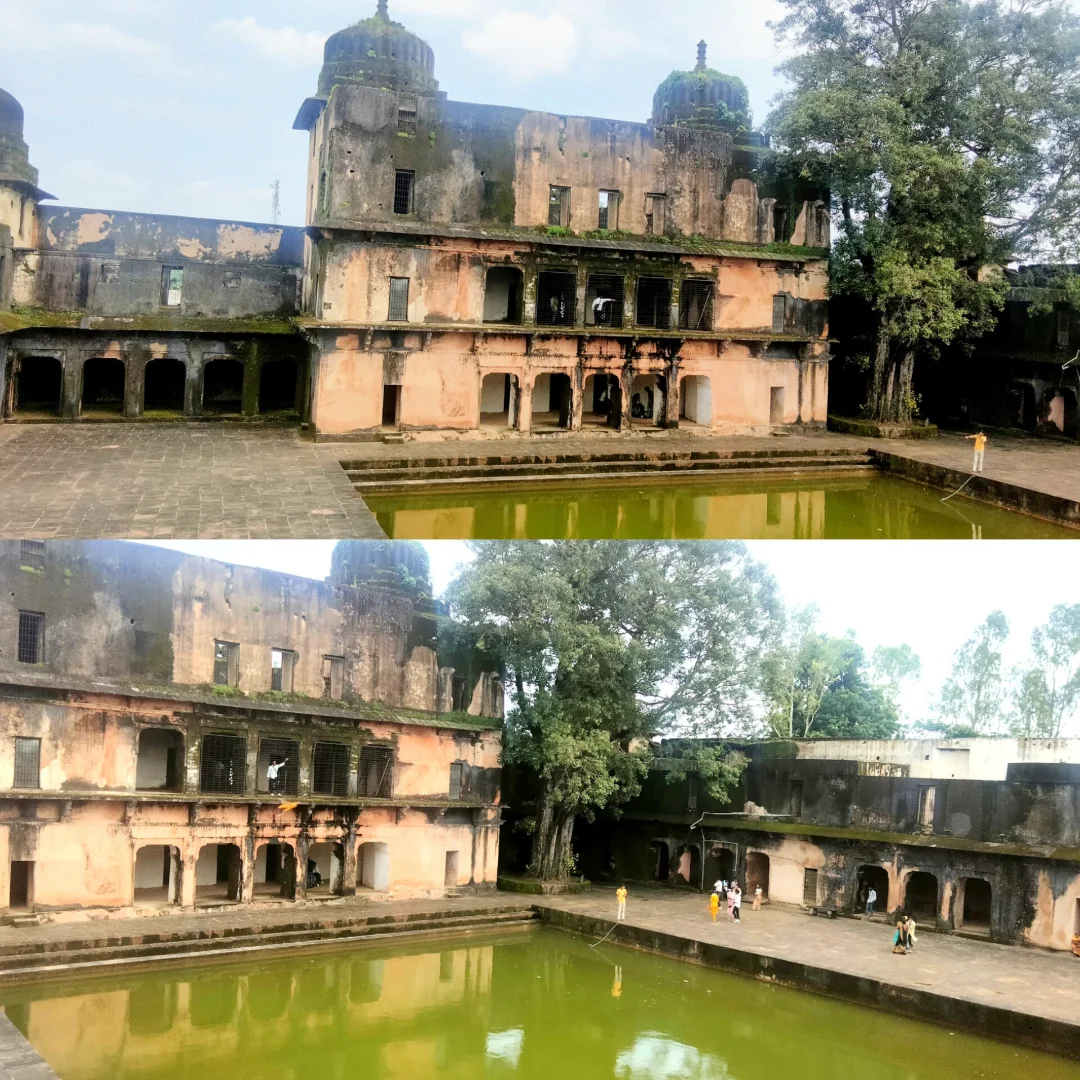
Unveiling the Royal Splendor of Surya & Moti Mahal in Koraput


Palmetum & Patadevi Dangar Ecotourist Park


Galigabadar Waterfall


Balda Cave, Pond, and Hill Station
Jagannath Sagar Lake Jeypore


Duduma
MACHHKUND (Duduma), Koraput


Duduma 88 Kms away from Koraput, Odisha is a rocky outlet for the Machhkund river koraput, Duduma flows through this rough Terrain.
Read MoreHow to Reach MACHHKUND (Duduma)
Unveiling the Royal Splendor of Surya & Moti Mahal in Koraput
Palmetum & Patadevi Dangar Ecotourist Park
Galigabadar Waterfall
Balda Cave, Pond, and Hill Station
Jagannath Sagar Lake Jeypore


Deomali
Deomali, Koraput

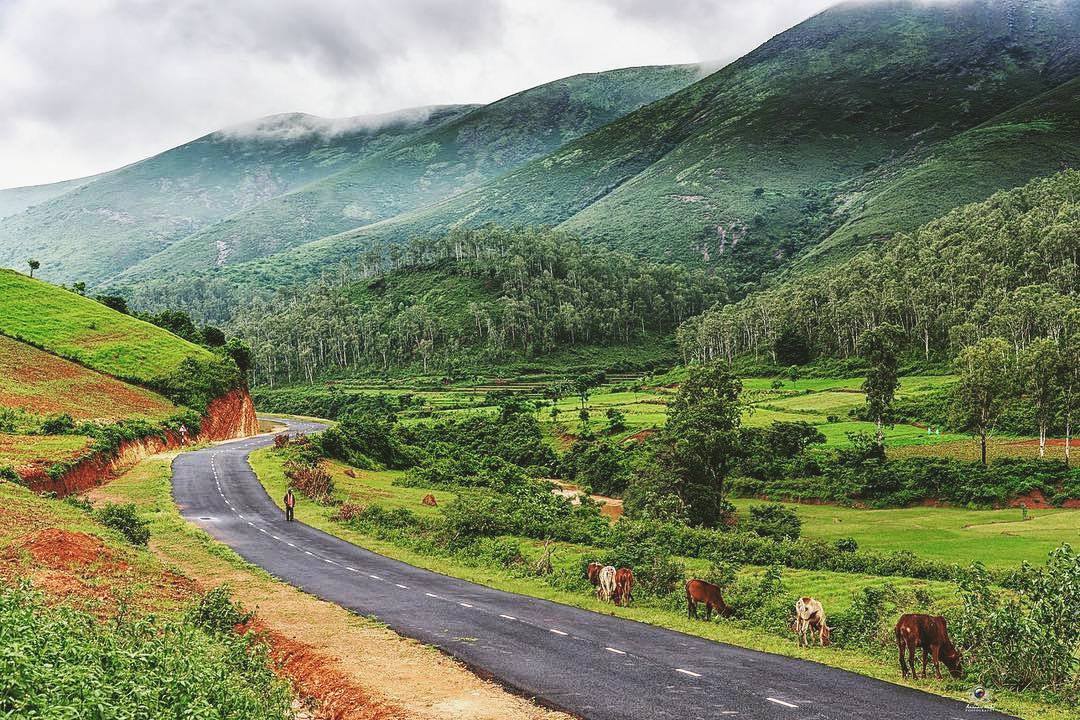
The highest mountain-Peak of Deomali 1762 mt., Odisha high nestling in the lap of the Eastern Ghats is an idealic for Aero Gliding and trekking expeditions. Deomali is 60 Kms away from Koraput, Odisha.
Read MoreHow to Reach Deomali
Unveiling the Royal Splendor of Surya & Moti Mahal in Koraput
Palmetum & Patadevi Dangar Ecotourist Park
Galigabadar Waterfall
Balda Cave, Pond, and Hill Station
Jagannath Sagar Lake Jeypore


Gupteswar
Gupteswar, Koraput


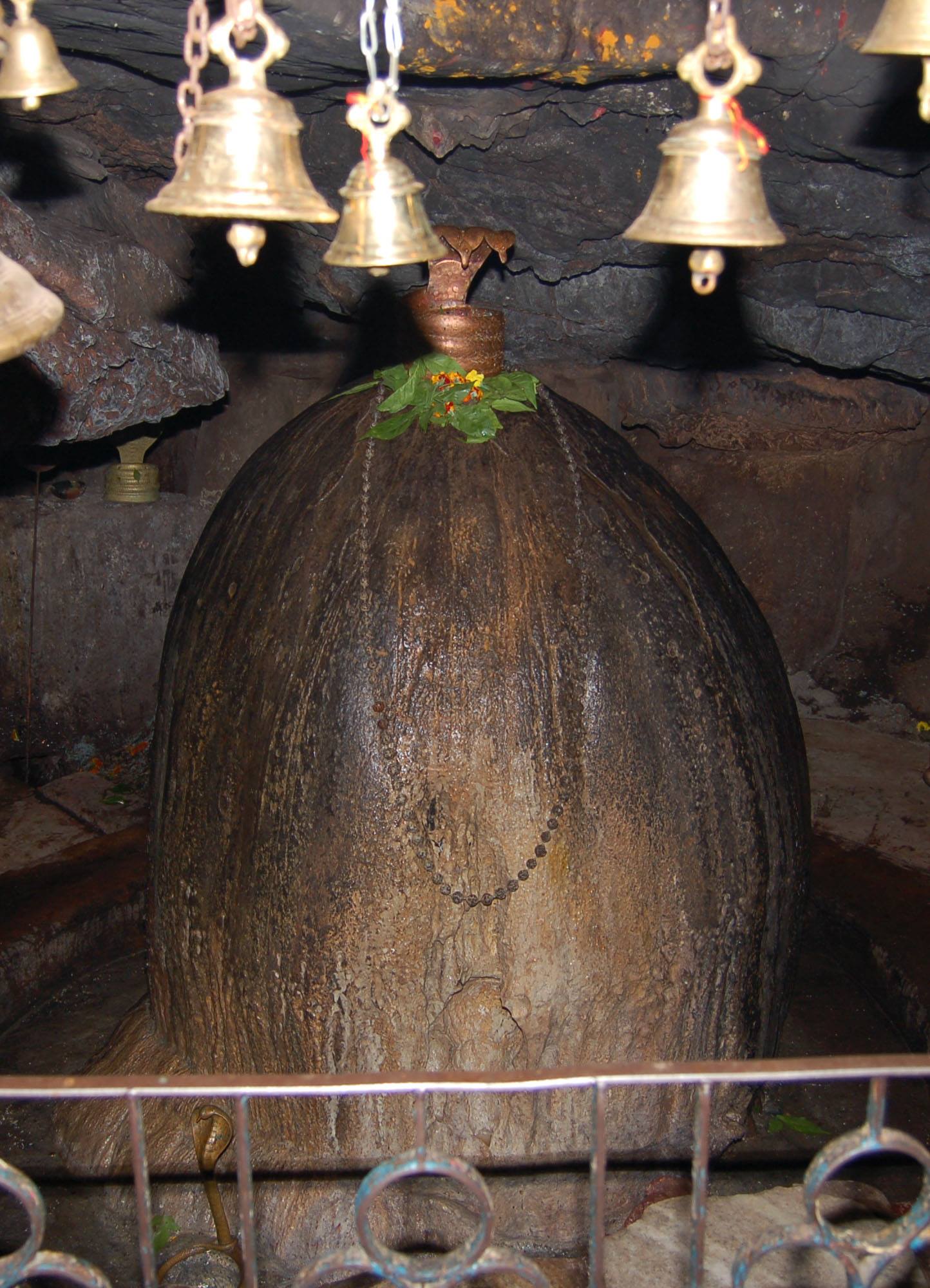
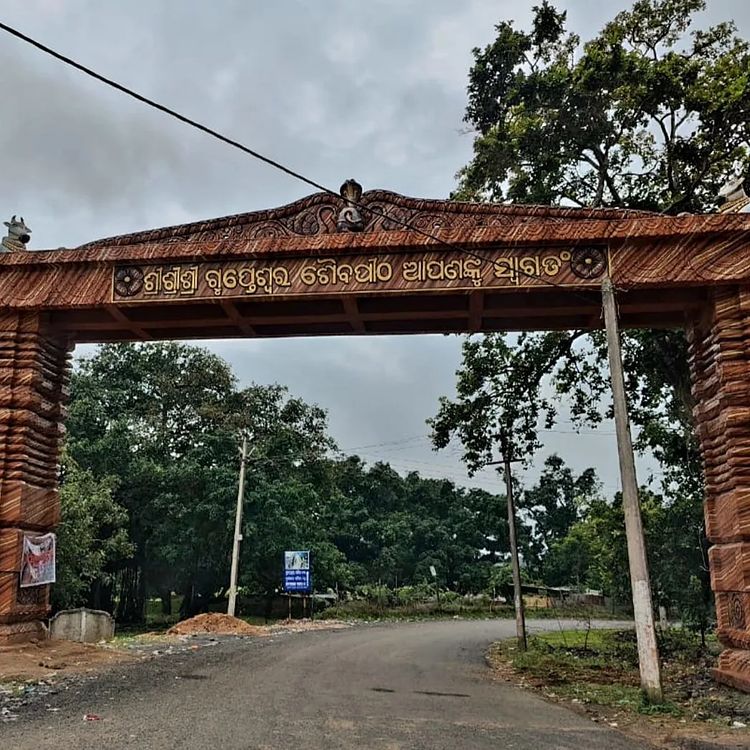
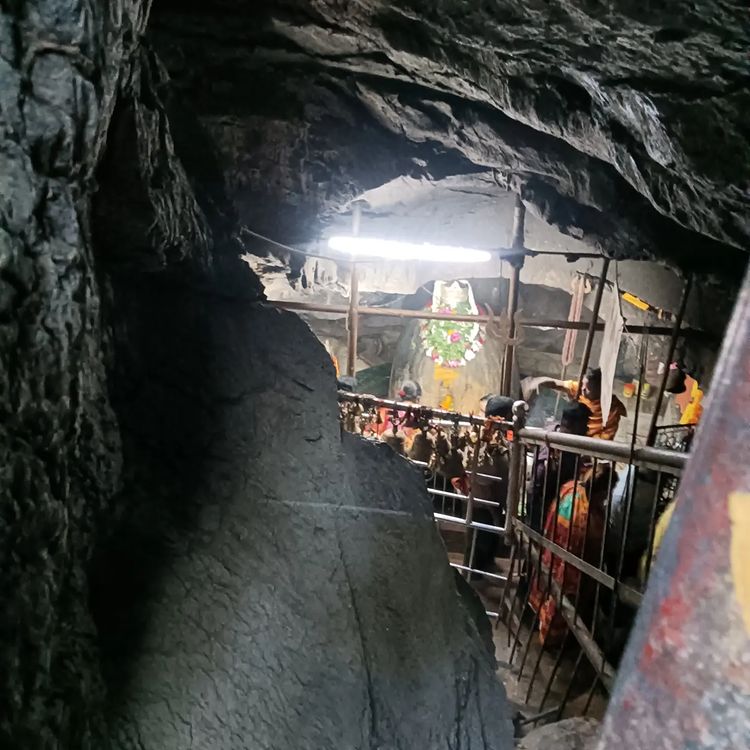
The cave Shrine of Gupteswar, 80 Kms away from Koraput odisha, amidst deep jungle. The Cavernous interior of the Gupteswar Temple enshrines a huge lingam. The Gupteswar is also Popularly known as Gupta Kedra Shabari of great Scenic Beauty Flows by Gupteswar. Gupteswar Temple is believed that Lord Rama when the passed through this region on his way to Panchabati in Dandakaranya.
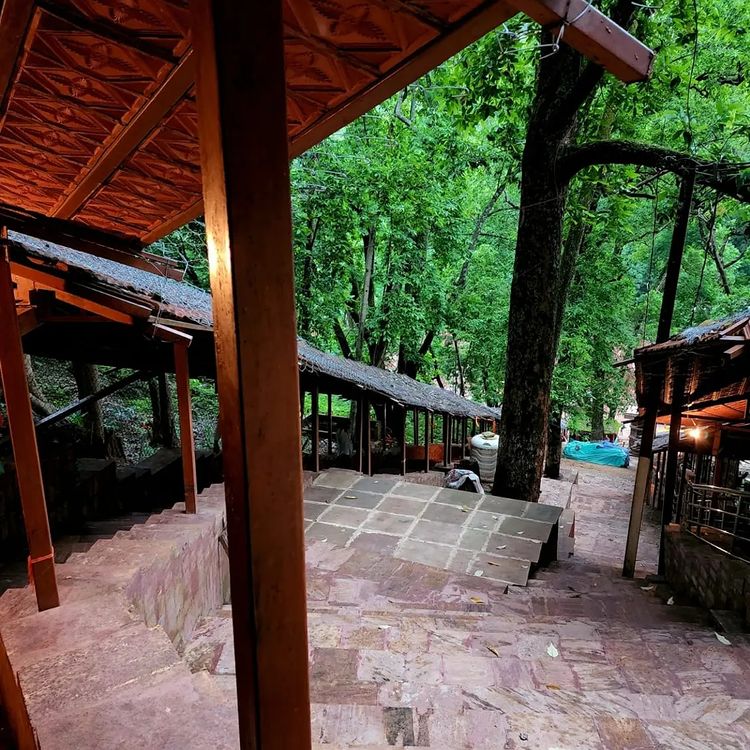
Read MoreThis is one of the well-known Shiva temple of Southern Orissa. This temple is positioned internal a cave. The Shiva Linga is a herbal one exists from vintage ages. As this Shiva Linga is positioned internal a cave and it turned into now no longer on hand without difficulty in vintage days so it’s miles referred to as Gupteswar or hidden Shiva temple. After Darshan of Lord Shiva there may be a manner with the aid of using the facet to go to similarly in the cave. This location is internal deep wooded area and there may be no facility to live right here, the handiest visitor relaxation residence of Orissa tourism isn’t always in operation.
Carry a effective torch mild with you. It is higher if every member of your crew bring one torch mild. There are neighborhood youngsters who can display you exclusive formations at a price of Rs 10/-. This cave is pretty lengthy and also you want to have professional manual to project similarly in the cave.


How to attain Gupteshwar.
Gupteswar CaveThere isn’t anyt any direct public shipping to be had to attain Gupteshwar, you need to hair a automobile from Jeypore or from close by locations. Usually rugged automobile or MUV are higher desire for this hill avenue. Even aleven though it’s miles tar avenue however in numerous locations ditches are there and in a few locations excessive slops are there.
Patraput bridge
After touring 12 KM from Jeypore you may go Patraput bridge, that is one of the picnic spot of Jeypore residents. After crossing the bridge inside 1 KM distance you may attain a Y junction. Straight avenue will visit Boipariguda ( nine KM ) after which Gupteshwar, left facet avenue will take you to Lamtaput ( 22 KM ), Machakund ( forty five KM ), Jalaput ( fifty nine KM ), Vizag ( 198 KM ).
Exploring the Spiritual Serenity of Gupteswar Temple, Koraput
Nestled in the lush landscapes of Koraput, Odisha, the Gupteswar Temple stands as a beacon of peace and spirituality. A significant pilgrimage site, this temple dedicated to Lord Shiva has been attracting devotees and tourists alike for years. Today, we will delve into the history, architecture, and the extraordinary experiences that this temple has to offer.
A Historical Overview
The Gupteswar Temple has deep-rooted historical significance, believed to date back to ancient times. The temple is carved out of a natural cave, which adds to its mystique and allure. It is said that the Bhima and Arjuna, two revered figures from the epic Mahabharata, visited this sacred place during their quest for peace and enlightenment. The local legends intertwined with the temple’s history enhance its spiritual significance and draw visitors eager to experience its rich heritage.
Architectural Marvel
The architecture of the Gupteswar Temple reflects the brilliance of ancient artisans. The cave-like structure comprises intricately carved walls, showcasing exteriors and interiors that blend seamlessly with nature. Stepping inside, visitors are greeted by the mesmerizing sight of the Shiva Lingam, which is surrounded by beautifully adorned sculptures. The serene environment, punctuated by the sounds of nature, encourages contemplation and inner peace.
Spiritual Experiences
Visitors to the Gupteswar Temple frequently recount profound experiences that resonate long after their pilgrimage. The tranquil ambiance and the spiritual energy that envelops the temple provide an ideal setting for meditation and reflection. Taking part in rituals and special ceremonies can deepen one’s connection to the divine, making each visit unique and meaningful.
How to Reach Gupteswar Temple
Reaching Gupteswar Temple is relatively straightforward. The temple is located about 54 kilometers from the district headquarters of Koraput. Travelers can easily access the site via road, with private vehicles and public transport options readily available. The surrounding natural beauty adds to the journey, making it more enjoyable.
Best Time to Visit
The ideal time to visit Gupteswar Temple is during the festival seasons, particularly during Maha Shivaratri, when the temple comes alive with vibrant celebrations and an influx of devotees. However, the temple’s serene environment is captivating year-round, making it a perfect getaway for those seeking solace away from the hustle and bustle of city life.
Boipariguda
Gupteswar roadAfter touring nine KM from Patraput bridge you may attain Boipariguda. From right here left facet avenue will visit Malkangiri and instantly avenue will take you to Gupteshwar. After 22 KM from Boipariguda you may attain Ramagiri Junction. Take proper flip right here and Gupteswar is 12 KM from right here.
From Jeypore Patraput bridge is 12 KM
From Patraput bridge Boipariguda is nine KM
Boipariguda to Ramagiri Junction is 22 KM
Ramagiri Junction to Gupteswar is 12 KM
From Jaypore to Gupteswar distance is fifty six KM.
Before achieving Gupteshwar there may be a lifestyle of supplying department of go away to neighborhood temple ( goddess Dalkhae ) for secure journey, branches of leaves are to be had for one rupee.
Food at Gupteswar
There are restrained alternatives of eating places to be had close to the Gupteswar cave. One working eating place turned into not able to cater the needs of vacationer. So in vacationer seasons provide increase to this character and make certain that they maintain meals geared up for you to your go back from temple. However in the course of competition instances like Shivaratri and Mondays ( of Sravan month ) there can be extra brief resorts presenting accurate meals. Near with the aid of using river There is a river near the cave; you could go to the river after travelling the temple or earlier than that. A chain association is there to guard the devotees at the same time as taking tubtub in river.
Shivaratri competition
During Shivaratri competition devotes from nearby regions and from Chhattisgarh and Andhra Pradesh go to Siva temple and in the course of those competition many stores open their brief retailers presenting all kinds of toys , dressing substances and lots of extra items.
How to Reach Gupteswar
Gupteswar Temple Koraput: A Spiritual Haven Amidst Odisha’s Ancient Caves
Nestled deep in the lush hills of Koraput, Gupteswar Temple sits inside a massive cave that feels like a secret world carved by nature. You step into cool shadows, hear distant water drips, and sense a peace that pulls at your soul. This spot draws folks from all over who seek quiet spots in India for prayer or just a break from daily noise.
The temple honors Lord Shiva in Odisha’s Koraput district. It mixes old stories with stunning nature, making it a top pick for those hunting hidden gems. Its pull goes beyond faith—think hikes through green forests and chats with local tribes. In this guide, we cover the Gupteswar Temple Koraput history, tips for visiting Gupteswar Temple, and more to help you plan a trip full of wonder.
History and Mythology of Gupteswar Temple
The roots of Gupteswar Temple run deep into local tales and old records. Built in a natural cave, it stands as a key Shiva shrine in Odisha’s wild east. People have come here for ages to seek blessings, drawn by its raw power.
The Legendary Origins and Shiva Lingam Discovery
Local stories say the Shiva Lingam appeared on its own in the cave’s heart. Legends tell of a holy man who found it glowing under stalactites during a storm. This spot, called Guppy Mata Cave, formed over millions of years from limestone.
The lingam looks like a tall rock with water always around its base. No one carved it—nature did the work. That’s why devotees feel it’s a direct link to Shiva, especially for searches on Gupteswar Temple history.
Folks believe the cave hides deeper secrets, like hidden paths to peace. One tale mentions a king who dreamed of the lingam and built the first shrine. These myths keep the site’s magic alive for new visitors.
Evolution Through the Ages
At first, Gupteswar was just a small worship spot for nearby tribes. Over time, it grew as word spread about its healing vibes. British maps from the 1800s note it as a tribal holy place in Koraput.
In the 20th century, roads made it easier to reach. The Odisha government helped protect the cave in the 1970s. Today, it pulls thousands each year, blending old ways with modern travel.
Royal families from nearby areas once gave gifts to the temple. This patronage kept rituals going strong. Now, it stands as a symbol of Odisha’s spiritual side, tying past to present.
Cultural Significance in Koraput’s Tribal Heritage
Koraput’s tribes, like the Bondas and Parajas, see Gupteswar as their sacred ground. They mix their dances and songs into temple events. This link helps keep old customs alive amid changes.
The temple acts as a spot where tribes share stories with outsiders. During festivals, you might see colorful attire and group prayers. It bridges city life and village ways.
To respect locals, wear simple clothes and ask before photos. Join a tribal meal if invited—it shows good will. Learn a few words in their language to build trust. These steps make your visit to Gupteswar Temple Koraput more real and kind.
Architectural Marvels and Unique Features
What sets Gupteswar Temple architecture Koraput apart is its blend of rock and ritual. No grand towers here—just nature’s own design that feels alive. You walk in and the cave wraps around you like a hug from the earth.
This setup draws those who love simple, powerful builds. It shows how faith and the wild can live side by side. Let’s break down what makes it special.
The Mystical Cave Shrine and Its Design
The main room holds the Shiva Lingam under a roof of dripping stones. Stalactites hang like frozen waterfalls, adding to the holy feel. Priests light lamps that flicker on wet walls.
Steps lead down to the sanctum, carved just enough to let light in. The air stays cool year-round, perfect for long prayers. This natural setup makes every visit feel fresh and deep.
No fancy gold or marble—it’s all raw stone. Yet, that simplicity packs a punch. For Gupteswar Temple architecture Koraput fans, it’s a lesson in less-is-more beauty.
Surrounding Natural Formations and Sacred Sites
Outside the main cave, a small river runs clear and cold. Devotees dip in for a quick cleanse before prayers. Nearby, tiny shrines dot the walls, each for a different god.
The cave complex stretches back, with side paths to quiet nooks. Waterfalls nearby crash during rains, feeding the river. These spots add layers to the site’s pull.
Photographers, grab wide shots at dawn for soft light on the rocks. Stay on paths to avoid slips. And always keep noise low—let the sounds of nature lead.
Artistic Elements and Sculptures
Carvings here are basic but meaningful. You find etched symbols of Shiva’s forms on cave walls. A few stone idols stand guard near the lingam, weathered by time.
One motif shows a trident, cut deep into rock for strength. No big statues overload the space; it’s about the cave’s own art. This keeps the focus on spirit over show.
To enjoy these, sit quietly and trace the lines with your eyes. Touch only if a priest says it’s okay. Such care lets you connect without harm.
How to Reach Gupteswar Temple and Best Visiting Tips
Getting to Gupteswar Temple Koraput takes some effort, but the reward is worth it. Roads wind through hills, offering views that steal your breath. Plan ahead to make the trip smooth.
This part gives clear paths and smart advice. Whether you drive or take a bus, you’ll find options that fit.
Accessible Routes from Major Cities
From Bhubaneswar, it’s about 500 km north—drive eight hours on good highways. Buses run daily from the capital, stopping in Koraput town first. Then, a short jeep ride to the temple.
Visakhapatnam lies 200 km south; reach it in four hours by car. Trains to Jeypore connect well, then hire a taxi for the last 50 km. From Koraput town, it’s just 150 km—two hours on twisty roads through the Eastern Ghats.
Self-drive shines here; rent a sturdy SUV for bumpy parts. Apps like Google Maps work, but ask locals for shortcuts. Pack snacks for the scenic stops along the way.
Ideal Time to Visit and Weather Considerations
Go from October to March when days stay mild, around 20-25°C. Mornings feel crisp, great for hikes. Summers hit 35°C, so skip if heat bugs you.
Monsoons from June to September bring heavy rain—paths get slick and caves flood a bit. Check weather apps before you head out. For peak vibes, time your trip with Maha Shivratri in February or March.
Festivals pack the place, so book stays early. Quiet weekdays let you soak in the calm. Always watch for sudden showers in the hills.
Essential Packing and Safety Tips
Bring sturdy shoes for the rocky trek—it’s 500 steps up from the parking lot. Carry water bottles and light snacks; no shops inside the forest. Dress modest: long pants and shirts keep you cool and respectful.
Pack insect spray for evening bugs and a hat for sun. Leave plastics behind—carry a cloth bag for trash. Tell someone your plans; cell signal fades in spots.
Stay on marked trails to dodge wild animals. Hydrate often, and rest if the climb tires you. These habits ensure a safe, green visit.
Festivals, Rituals, and Pilgrim Experiences
Gupteswar Temple festivals light up the cave with joy and chants. Tribes and pilgrims mix in crowds that feel like family. It’s a time when faith bursts out in colors and sounds.
These events draw searchers for Gupteswar Temple festivals info. You get tips to join without standing out. Real stories from visitors add heart to the tale.
Major Annual Festivals and Celebrations
Maha Shivratri tops the list—nights fill with all-night watches and fire dances. Tribes play drums while priests pour milk on the lingam. Thousands gather, turning the cave into a sea of lamps.
Kartik Purnima in November brings full-moon baths in the river. Processions wind through forests with songs. It’s less crowded than Shivratri but full of quiet magic.
Other days like Shravan Mondays see special fasts. Watch for tribal women in bright wraps leading chants. These bashes link old rites to now.
Daily Rituals and Worship Practices
Each dawn starts with aarti—bells ring as flames circle the lingam. Offerings of flowers and bilva leaves follow. It lasts 30 minutes, simple and touching.
Evenings bring another round, with lamps glowing against wet stone. You can join by sitting cross-legged in back. Priests explain rules if you ask nicely.
For a calm start, arrive at 6 AM. Bring your own flowers to offer. This routine grounds you in the temple’s steady beat.
Stories from Devotees and Spiritual Insights
One pilgrim shared how the cave’s hush melted her stress after a tough year. She felt a warm peace, like Shiva listened close. Many say the same—it’s a reset button for the mind.
Another man trekked there for healing and found hope in the water’s flow. These tales, pulled from travel logs, show the site’s real pull. Not magic, but a deep calm that sticks.
Keep a journal during your stay. Note the drip sounds or prayer smells. It turns a trip into a personal gift.
Nearby Attractions and Exploring Koraput Region
Gupteswar Temple Koraput opens doors to more wonders in the area. Think hills, villages, and rivers that beg for exploration. Make it a longer stay to catch the full flavor.
This section links things to do near Gupteswar Temple Koraput. It builds your itinerary step by step. You’ll see why this corner of Odisha hooks travelers.
Scenic Spots and Nature Trails
The trek to the temple passes thick woods alive with birds. Spot peacocks or deer if you’re lucky. It takes 20 minutes, easy for most.
Deomali Hill, 30 km away, offers Odisha’s highest views at 1,672 meters. Climb for panoramas of rolling green. Waterfalls like Putudi tumble nearby—swim in pools after rains.
Pack binoculars for birdwatching; over 200 species live here. Go slow to enjoy the air. These paths mix sweat with awe.
Tribal Villages and Cultural Immersions
Head to Bonda villages 40 km out for a peek at hill life. Women wear brass necklaces and weave baskets you can buy. It’s a chance to learn without staring.
Dangaria Kondh spots offer homestays with rice beer and stories. Eat millet-based meals around a fire. Support by picking up pottery or cloth.
Ask permission before entering homes. Give small thanks like tea packs. This way, your visit helps and feels true.
Adventure and Relaxation Options
Birdwatch along the river—kingfishers flash blue in the sun. Or picnic under banyan trees with temple views. It’s low-key fun after the climb.
For thrill, try short kayaks on calmer waters. Meditate in side caves away from main crowds. Breathe deep; let worries fade.
Mix it up: hike morning, chill afternoon. These add-ons make your Gupteswar trip round and rich.
Conclusion
Gupteswar Temple Koraput blends cave myths, tribal beats, and hill peace into one spot you won’t forget. From the lingam’s glow to festival drums, it touches spirit and senses. We’ve walked through its history, builds, paths, and nearby joys.
Key bits stick: the raw cave charm, Shivratri’s fire, and respectful treks. Plan for cooler months, pack light, and join rituals with an open heart. You’ll leave with stories and calm.
Dive into Odisha’s tribal core soon. A visit here sparks inner light. What are you waiting for? Book that ride and go find your peace.
(Word count: 1,248)
Gupteswar distance
1 hr 20 min (51.3 km) via SH 65
Koraput to Gupteswar
10 hr 39 min (437.0 km) via NH326
Koraput to Gupteswar distance
Koraput to Gupteswar distance is 80 Kms
The cave Shrine of Gupteswar nestles on a lush inexperienced hill, fifty eight K.m from Jeypore, and eighty Kms farfar from Koraput, amidst deep woodland.Gupteswar Mandir
Gupteswar Cave is a cave shrine committed to Shiva. It is a pilgrim web website online located approximately fifty five km away Jeypore, Koraput District withinside the country of Odisha, India. It is a limestone cave, and its fundamental appeal is the massive Shiva Linga that’s stated to be growing in size.
Gupteswar Temple timings
Gupteswar Temple Opening & Closing Time
Gupteswar Temple open at 08AM – 12Noon and 04PM – 08PM
Gupteshwar Temple closes at 8pmGupteswar Temple Darshan Booking
There isn’t anyt any provision for increase darshan reserving as there’s no need. Darshan will now no longer take a long term right here.
Accommodation near Gupteswar Temple
Hotels, visitor houses, and accommodations are to be had in Jeypore, which is set 50 km from Gupteswar Cave Temple. Visitors also can choose to live in Koraput.
Gupteswar Temple History
It is referred to as the Gupta Kedar and is endowed with uncommon herbal splendor. According to mythology, the lingam became observed via way of means of Lord Rama whilst he became roaming withinside the then Dandakaranya woodland with spouse Sita and brother Laxman, and later worshipped it calling it “Gupteswar”. The poet Kalidas too, defined the scenic splendor of Ramgiri woodland wherein the cave temple is stated in his well-known Meghadutam. However, with time, the temple became abandoned. Later, withinside the remaining a part of the nineteenth century, a hunter of the Ramgiri place determined the lingam. Since then the lingam has been worshipped via way of means of the tribes of Koraput region. In Shivaratri (a Hindu festival) Gupteswar Temple attracts over 200,000 devotees from Odisha, Andhra Pradesh and Chhattisgarh. People affected by incurable sicknesses come right here to worship the God and continue to be right here for months withinside the desire of having cured.
Jeypore to Gupteswar temple Koraput distance
Jeypore to Gupteswar temple Koraput distance is 57.1 km via SH 25
Koraput to Gupteswar Temple Koraput distance
Koraput to Gupteswar Temple Koraput distance is 78.5 km Via NH 326
Nabarangpur to gupteswar temple koraput distance
Nabarangpur to gupteswar temple koraput distance is 95.5 km Via NH 26
Sunabeda to gupteswar temple koraput distance
Sunabeda to gupteswar temple koraput distance is 96.8 km Via NH 26 and NH 326
Unveiling the Royal Splendor of Surya & Moti Mahal in Koraput
Palmetum & Patadevi Dangar Ecotourist Park
Galigabadar Waterfall
Balda Cave, Pond, and Hill Station
Jagannath Sagar Lake Jeypore


Raisil
Raisil, Koraput


60 Kms away from Koraput district of Odisha, 1 stone hill with a perennial stream that attracts a big no of weekend visitors. This RAISIL place is ideal for trekking surrounded by natural beauty. Anla Navami is celebrated every year in this place.
Read MoreHow to Reach Raisil
Raisil Rock Mountain
Unveiling the Royal Splendor of Surya & Moti Mahal in Koraput
Palmetum & Patadevi Dangar Ecotourist Park
Galigabadar Waterfall
Balda Cave, Pond, and Hill Station
Jagannath Sagar Lake Jeypore


Maliguda
Maliguda Koraput
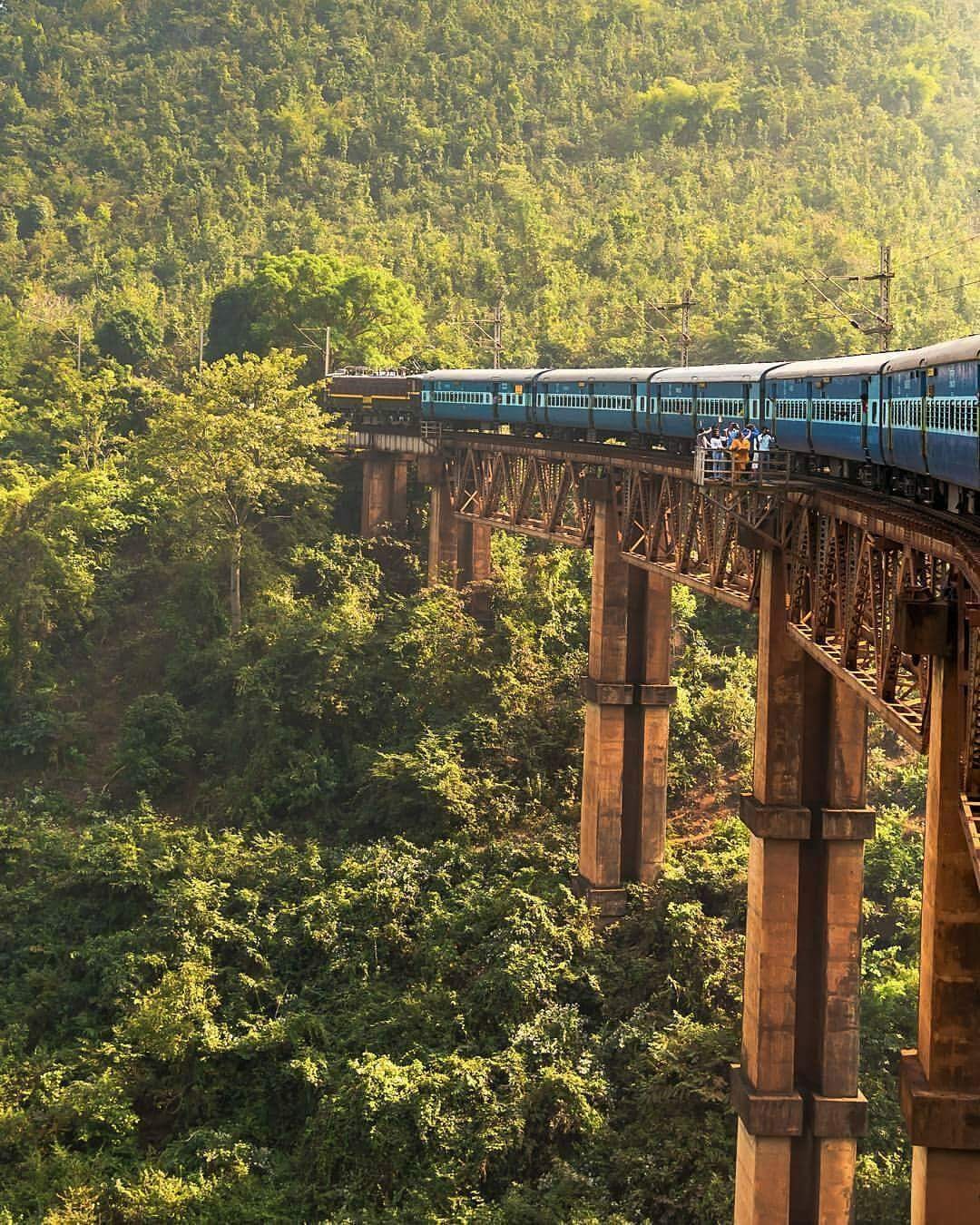
Maliguda Tunnel, Odisha is the fourth Biggest railway tunnel in India. Maliguda Tunnel 43 Kms away from Koraput is a small village where on a hill top stands India’s highest broad gauge railway tunnel . The place is ideal for weekend picnic and a good tourist place in odisha.
Maliguda Tunnel Bridge, Koraput, Maliguda, Tunnel Bridge, Maliguda Tunnel Bridge, nature Experience in Maliguda,
Maliguda Tunnel Bridge, Koraput
The tunnel is thirteen km east of Jeypore, India, 27 km from Koraput. The tunnel on which the whole course of 430 km have become constructed with the useful resource of using Japan Engineers in between (1961–66) with Japanese collaboration for the deliver of Iron Ore from Kirandul to Vizag Port via- Dantewara, Jagdalpur, Jeypore, Koraput, Padua, Araku, Kottavalasa


The Maliguda Tunnel placed at Odisha is largest sizeable gauge railway tunnel in India. This Tunnel is placed at 35 km east of Jeypore at the pinnacle hill of Maliguda Village and 50 km from Koraput. This tunnel have become constructed with Japanese collaboration. It is one of the maximum lovely locations of Jeypore. Many human beings go to this place for picnic and to revel in the scenic splendor of nature. tmo fb page
How to Reach Maliguda
Maliguda Tunnel Bridge, Koraput
Behold the actual nature Experience in Maliguda.
Best for wedding ceremony or portfolio shoots. You gets stunning panorama clicks here.
Don`t overlook to take water and vital things, due to the fact you need to stroll round 1 kilometers from the station to the tunnel.
There is a small waterfall beneathneath the rail tune bridge, there’s every other manner round to attain the waterfall.
1 greater vital aspect to notice, you slightly get cellular community interior and out of the tunnel, airtel community is absolutely zero. Jio customers can get a chunk signal.
So in case of any emergency, you need to come returned to station.
In Maliguda station, you might not get facility for any bathroom facility, hold this additionally in mind.
Awesome location. One of the oldest Tunnel of Odisha. Under the tunnel there’s a waterfront. No direct avenue to head as much as the tunnel so that you ought to take three hundred meters of strolling avenue. Before going to tunnel take a look at the educate timing additionally. If u see the educate withinside the tunnel then the view may be amazing.,
We got here to this location from deomali and the street we’ve got taken become risky and slender and painful. Aparrently that become the route. And we did now no longer had sufficient time to head upto the station and at the bridge to do the drone shots. So we overlooked the factor coming here. It’s a tunnel from British era.
Come with drone and stroll withinside the path and shoot else do not take the time to come. Nothing to revel in much.
Exploring the Enigmatic Maliguda Tunnel
Welcome back, adventure seekers! Today, we are diving deep into one of India’s most fascinating engineering marvels – the Maliguda Tunnel. Nestled in the breathtaking landscapes of Odisha, this tunnel is not just a conduit for trains but a testament to the brilliance of its creators and the mysteries that surround it. Let’s take a journey through its history, importance, and the experiences that await those who visit.
A Brief Overview of the Maliguda Tunnel
The Maliguda Tunnel, often less known to the average tourist, is located on the iconic Rayagada to Vizianagaram railway route. This tunnel is noteworthy for being the longest tunnel in Odisha, stretching an impressive 3,529 meters. Completed in the late 1990s, it plays a crucial role in connecting various regions and facilitating smooth rail transport in this area.
The Fascinating History
Constructed during a period of significant expansion in India’s railway network, the Maliguda Tunnel was designed to reduce travel time and enhance connectivity. Its construction was no small feat, involving thousands of workers and an ingenious plan to navigate through the rugged terrain. The tunnel not only symbolizes technological advancement but also holds stories of the labor and determination that brought it to life.
Engineering Marvel : What Makes It Special?
Maliguda Tunnel stands out for several reasons:
1. Length and Design : As the longest tunnel in Odisha, its lengthy structure was designed with precision, ensuring safety and durability. The tunnel’s curvature and sloping design also play crucial roles in the smooth passage of trains, minimizing hazards and delays.
2. Natural Beauty: The scenic backdrop of lush green hills and valleys envelops the tunnel, making it a perfect spot for nature lovers and photographers. The sweeping vistas surrounding the area can be breathtaking, especially during the monsoon season when the landscape transforms into a vibrant tapestry of greens.
3. Historical Significance : The Maliguda Tunnel is not just an engineering accomplishment; it also has historical importance. It is a reminder of the challenges faced during its construction and the impact of railways on India’s socio-economic development.
Visiting Maliguda Tunnel : What to Expect
If you’re planning to visit the Maliguda Tunnel, here’s what you can look forward to:
A Unique Scenic Experience : The approach to the tunnel is filled with stunning views and photo opportunities. Don’t forget your camera!
Adventure Activities : For the daredevils, this area is ideal for trekking and exploring. Some nearby trails offer exciting adventures that lead to panoramic views of the surrounding landscapes.
Cultural Immersion : Interacting with locals can provide insights into the culture of Odisha. Many towns nearby have vibrant traditions that can enrich your visit.
Final Thoughts
Whether you’re a railway enthusiast, a history buff, or simply someone looking for the next scenic getaway, the Maliguda Tunnel is worth a stop on your journey through Odisha. Each visit brings you closer to the stories it holds, the engineering genius behind its creation, and the stunning nature that surrounds it.
Plan your visit to Maliguda Tunnel today and immerse yourself in an experience that beautifully combines history, nature, and architecture. For more travel tips and information, check out [TourMyOdiSaha.com]!
Safe travels, and don’t forget to share your experiences! Until next time, happy exploring!
Unveiling the Royal Splendor of Surya & Moti Mahal in Koraput
Palmetum & Patadevi Dangar Ecotourist Park
Galigabadar Waterfall
Balda Cave, Pond, and Hill Station
Jagannath Sagar Lake Jeypore
Odisha Tourism India Tourism | Indian Travel Destinations Guide & Tour Packages