Places to Visit LAXMINARAYAN TEMPLE, THERUBALI
Rayagada


Well known Laxminarayan Temple arranged at IMFA Factory, Therubali. The gods Laxminarayan, Hanuman, Lord Jagannath, Balabhadra and Subhadra and Lord Siva additionally revered by thousands lovers.
LAXMINARAYAN TEMPLE, THERUBALI
Details
LAXMINARAYAN TEMPLE, THERUBALI Address: LAXMINARAYAN TEMPLE, THERUBALI Rayagada , odisha, india
Best Time to Visit LAXMINARAYAN TEMPLE, THERUBALI : All time
LAXMINARAYAN TEMPLE, THERUBALI Odisha
How to reach LAXMINARAYAN TEMPLE, THERUBALI


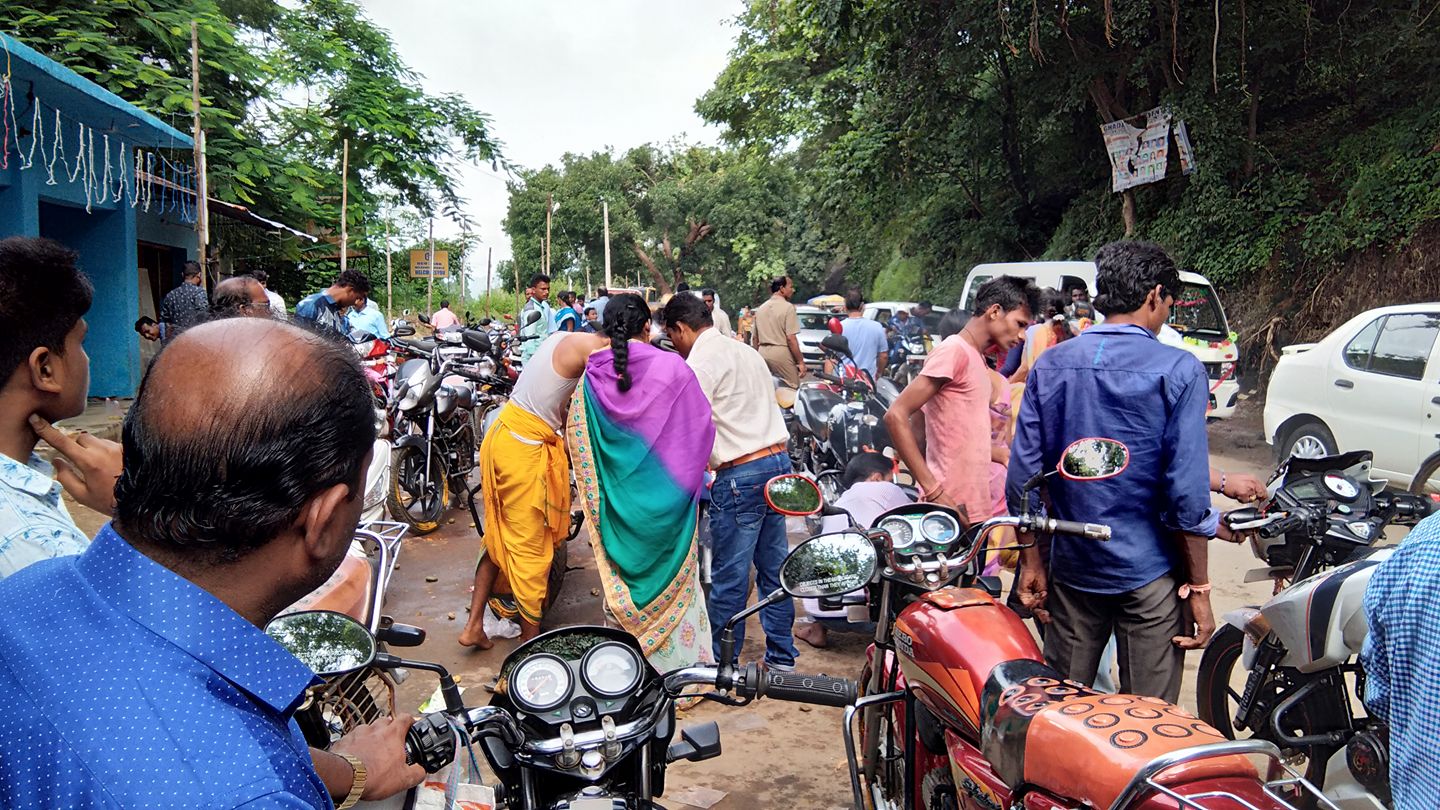
Bhairabi Temple
Places to Visit Bhairabi Temple

Bhairavi Temple is arranged a ways off of 3 Kms. from the Malkangiri Town, Odisha.The slope divinity of Malkangiri is venerated by individuals coming from Jeypore and People leaving Malkangiri for their protected excursion. Various strict guests are drawn to this sanctuary to venerate for the duration of the day. The god is accepted to be revered by the King of Malkangiri whose palace s remainders are as yet found on the RajaRaniHill only infront of Bhairavi sanctuary. A popular Shiva Linga is found in the close by “Goi Hill” of Malkangiri Town. During the “Maha Shivaratri Festival” a huge strict group is being assembled at this slope sanctuary of Lord Shiva. Nearby individuals have invested endeavors in making a protected entry to the slope for the pioneers. The tallness of the Shiva Linga is more that 6 feet.It has been seen that this Shiva Linga is steadily ascending. The renowned “Tarini Temple” is arranged a good ways off of 2 Kms. from Malkangiri town en route to Jeypore. The picturesque magnificence just as the strict significance of this sanctuary draw in individuals of the whole District.
Bhairabi Temple Details
Bhairabi Temple Address: Bhairabi Temple,odisha, india
Best Time to Visit Bhairabi Temple : All time
Bhairabi Temple Odisha
How to reach Bhairabi Temple

Dhauli
Places to Visit in Dhauli

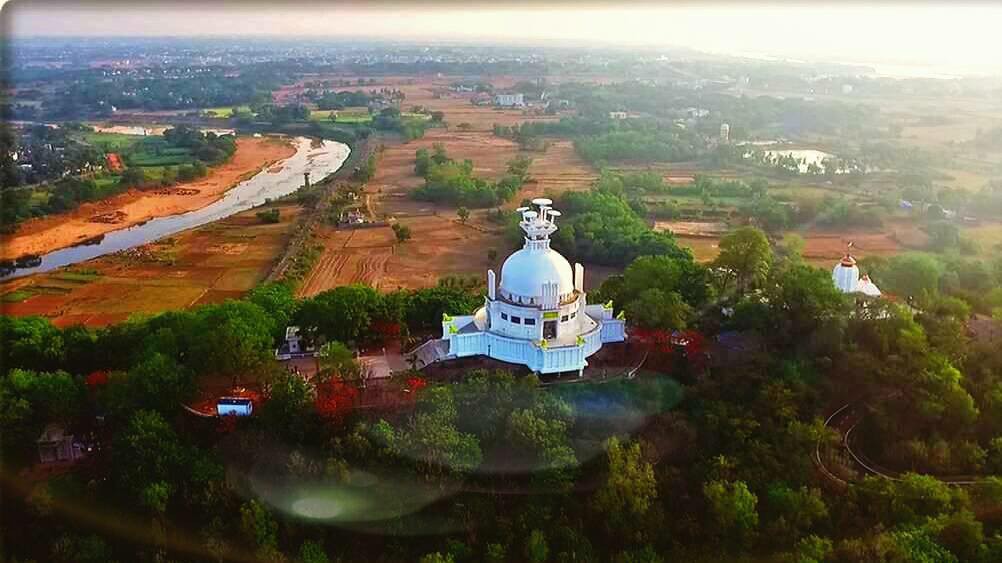
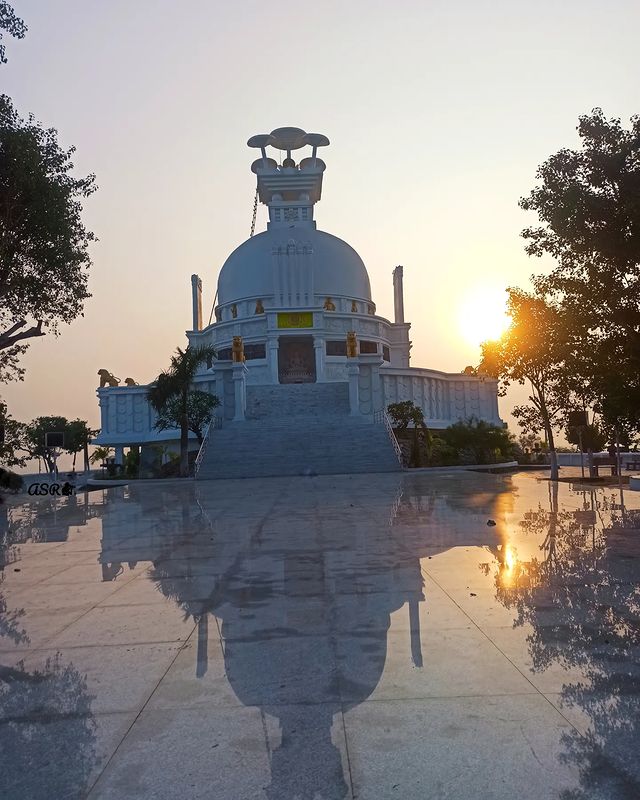
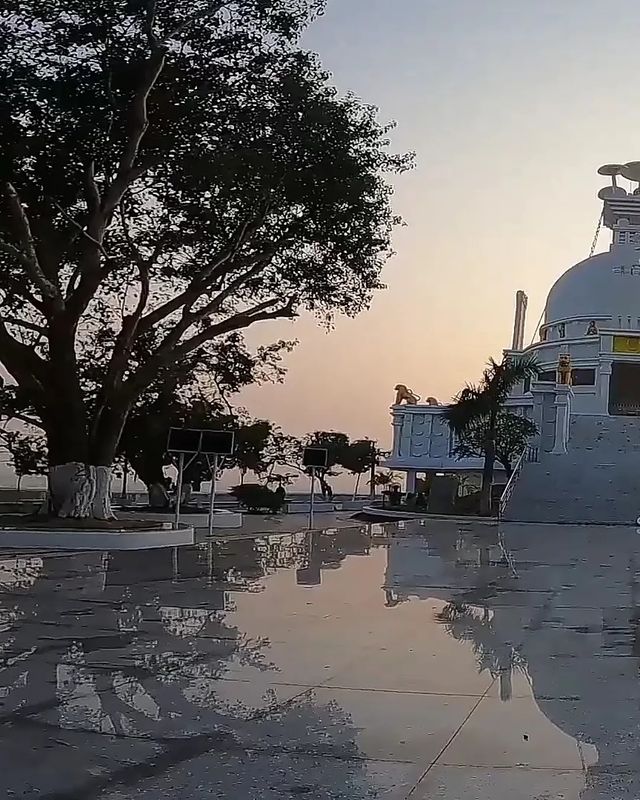
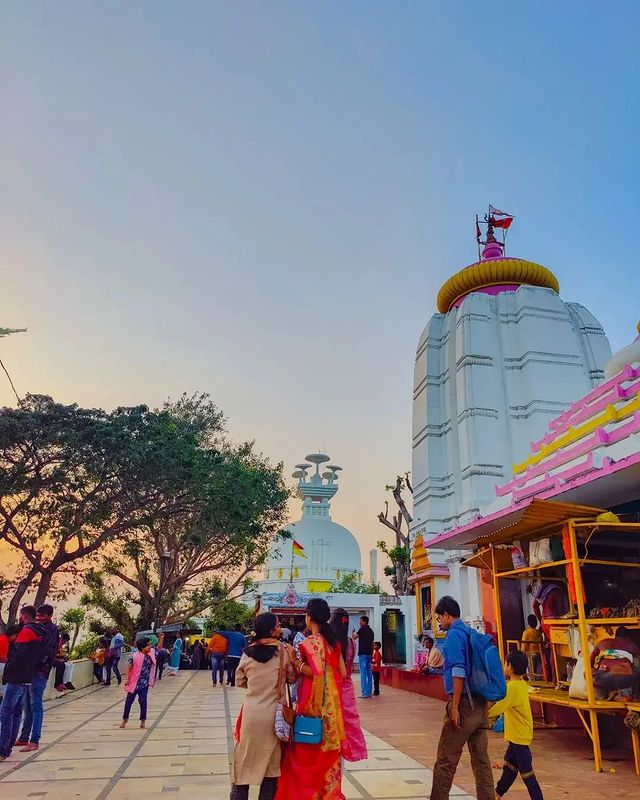
The Peace Pagoda worked by the Kalinga Nippon Budha Sangha in 1973 and known as Shanti Stupa celebrates the shift in perspective of Emperor. Ashoka had an exceptional soft spot for Dhauli, where the fight was battled. The Daya stream is said to have become red with the blood of the many perished later the fight, and empowered Ashoka to understand the greatness of loathsomeness related with war. He made sure that Dhauli turned into a significant focus of Buddhist exercises. He fabricated a few chaityas, stupas and columns there. He got houses uncovered for the hermit, guidelines recorded for authorities, clarified the primary standards of dandaniti for the general population, given extraordinary status to his new realm including the stupas at Dhauli.
There are two sanctuaries at Dhauli. One of Vairangeswar Mahadev and Dhabaleswar Mahadev. The decrees of Emperor Achok are recorded in prakrit language in bhramin script on the stone of Dhauli on the Southeast end. Discovering Dhauli Shanti Stupa


Dhauli Hill
Dhauli Giri Hills of Odisha
Dhauli Odisha
How to reach Dhauli
Discovering Dhauli Shanti Stupa
A Journey into Serenity
Welcome to my blog! Today, I’m excited to share my experience visiting the Dhauli Shanti Stupa in Bhubaneswar, a hidden gem that beautifully combines history, spirituality, and nature.
A Stupa Filled with Peace
Located just a short drive from the bustling city of Bhubaneswar, Dhauli Shanti Stupa stands as a symbol of peace and enlightenment. This remarkable stupa is perched on a hill known as Dhauli Hills, overlooking the scenic Daya River. As you approach, the serene atmosphere wrapped in lush greenery instantly calms the soul.
A Historical Perspective
Dhauli is much more than just a beautiful stupa. It holds a rich historical significance as it is believed to be the site of the Kalinga War, where Emperor Ashoka embraced Buddhism after witnessing the suffering caused by his conquests. The stupas here are said to represent the message of non-violence and tranquility that Ashoka promoted after his conversion. This aspect truly deepens the experience, as visitors reflect on the lessons of compassion and harmony.
Architectural Beauty
The stupa itself is an architectural marvel. Originally built in the 2nd century BCE, it features vibrant carvings depicting scenes from the life of Buddha. The intricate designs and calming white facade create a breathtaking sight, especially at sunrise or sunset when the play of light adds an ethereal quality.
Spiritual Retreat
Visitors to the Dhauli Shanti Stupa can participate in meditation sessions or simply enjoy the quietude, making it an ideal spot for introspection. The surrounding gardens offer a place to sit and soak in the atmosphere, allowing for moments of reflection and peace. For those seeking spirituality, the resonance of Buddhist chants can often be heard, further enhancing the tranquil ambiance.
Exploring Nearby Attractions
If you’re planning a trip to Dhauli, don’t miss the chance to explore nearby attractions like the Udayagiri and Khandagiri Caves, which are rich in history and offer stunning views of the area. Adding these to your itinerary will deepen your understanding of the region’s cultural heritage.
Tips for Visiting
Best Time to Visit : The ideal time to visit the stupa is early morning or late afternoon for cooler temperatures and fewer crowds.
Dress Code : As a place of worship, it’s respectful to wear modest clothing.
Photography : Capture the beauty of the stupa, but remember to be mindful of the spiritual nature of the site.
Accessibility : The site is accessible by road, but some areas may require a small hike up the hill.
Conclusion
Dhauli Shanti Stupa is not just a monument; it is a place where history, spirituality, and beauty converge. Whether you’re a history buff, a spiritual seeker, or simply someone looking for a peaceful retreat, a visit to this stupa will leave you with lasting memories and a sense of inner calm.
For those planning to visit or looking for more information, feel free to check out [tourmyodisaha.com] for additional travel insights and tips. Happy travels!
—
If you have any questions or need further details about visits or accommodations, don’t hesitate to reach out. I’d love to help you plan your visit to this incredible site!


Singhanath Temple
Singhanath Temple Cuttack


Singhanath Temple in Gopinathpur & Baideswar
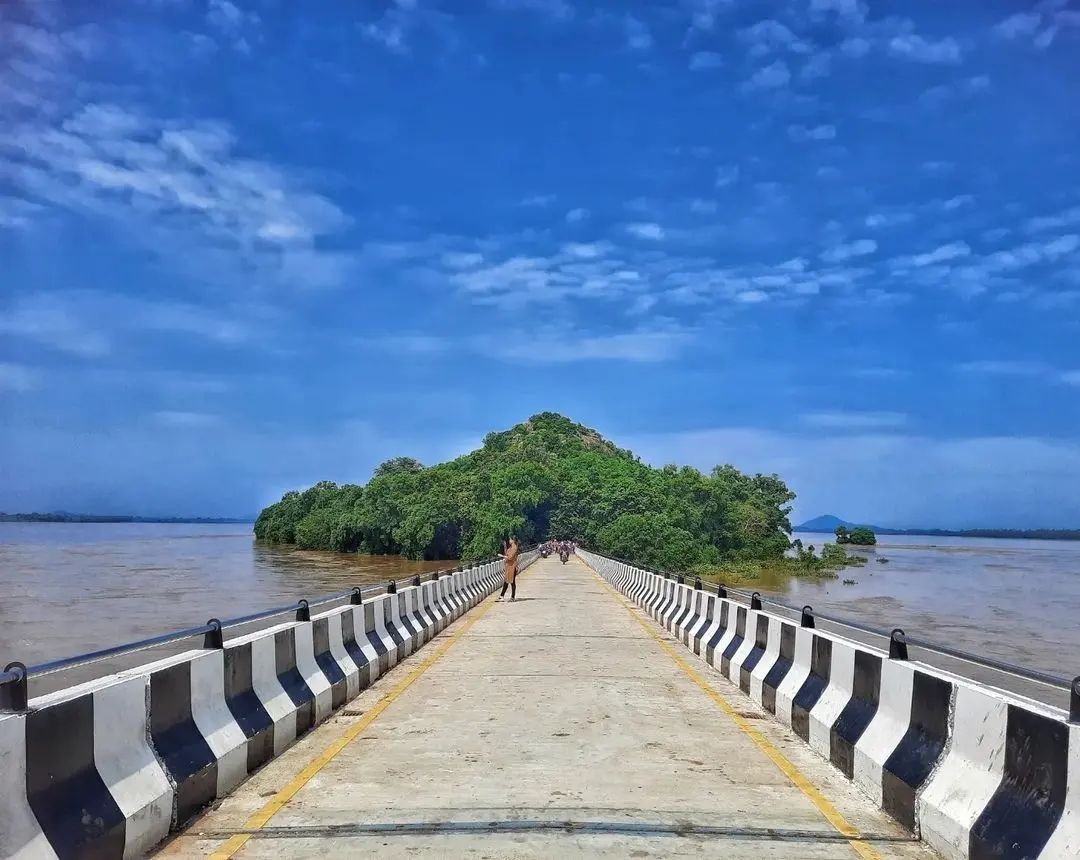
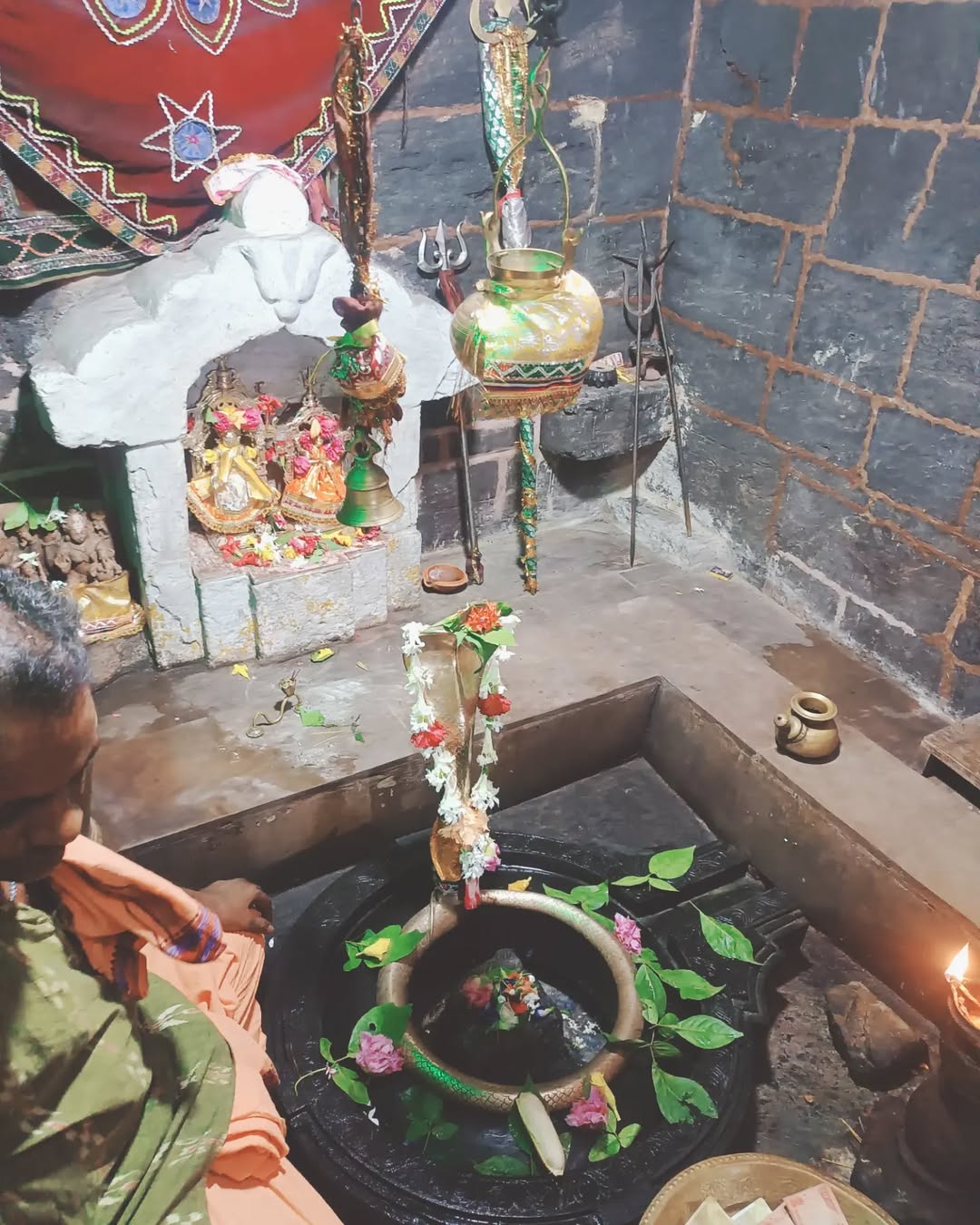
Singhanath Temple, assigned to early 9th century AD, is located in the gopinathpur & Baideswar village, baramba Tehsil of Cuttack district, in the Indian State of Odisha. This temple is dedicated to Bhagwan Shiva and is worshipped by Narasimha an avatar of Bhagwan Vishnu. This is an example of traditional kalingan style of architecture. The temple is reachly carved with sculptural panels and decorative motives. The pics, proves it better. This temple is unique for its sculptural embellishment of both the Saivaite and Vaishnava sects. Mahashivratri, Makar Sankranti, Dussehra, Kartik Purnima etc.are mostly famous festivals here. People who do Upanayana & marriage function also prefer this place as a nice option. Apart from these, the way from baramba to the temple attracted me the most. Singhanath Temple is situated on an island, in the river Mahanadi and the road moves over the Sand. Odiha Tourism
Read MoreDiscover the serenity and spiritual significance of Singhanath Temple
Nestled 70 km from both Cuttack and Bhubaneswar, Singhanath Temple is an ancient gem located in the quaint village of Gopinathpur, within Baramba tehsil of Cuttack district, Odisha. Perched atop a hill amid the serene Mahanadi River, this temple stands as one of the oldest and most significant landmarks to explore during a Cuttack tour.
Dedicated to Lord Shiva, worshipped through Narasimha, an avatar of Vishnu, it is believed that this temple was constructed between the 8th and 9th centuries. Today, it remains a revered pilgrimage site for devotees visiting the region near Bhubaneswar. The temple boasts a unique blend of sculptural artistry that reflects elements from both the Saivaite and Vaishnava traditions.
The architecture is characterized by the Panchayatana style, featuring a main shrine elevated on a platform, surrounded by four smaller shrines at each corner. The vimana has a square layout, while the jagamohana is rectangular. The sanctum enshrines Simhanatha, represented as a Shiva lingam with yonipitha firmly grounded in the earth. The interiors are simple yet accentuated by intricately carved doorjambs and niches, showcasing depictions of Uma Maheswara engaged in a game of dice, alongside an image of Lakulisa above.


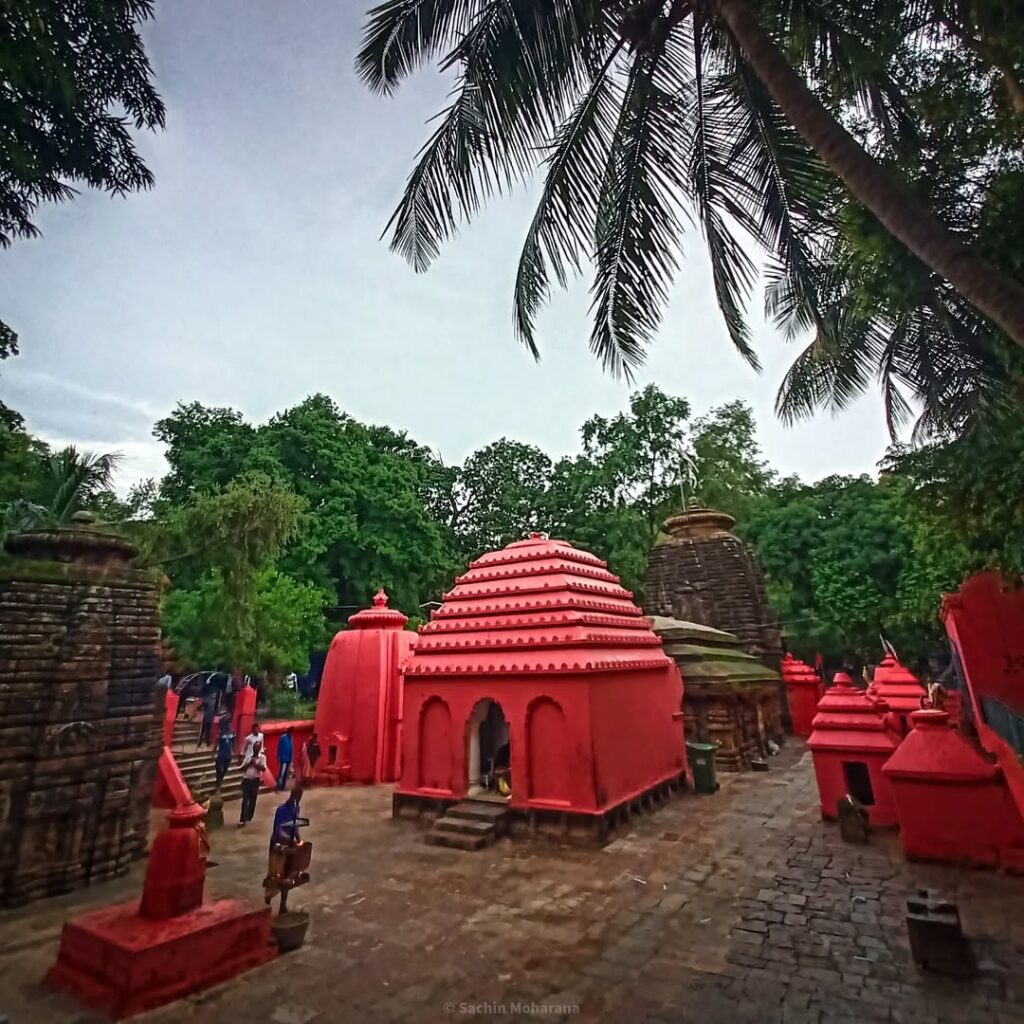
Singhanath Temple is renowned for its detailed carvings and sculptures that narrate tales from Hindu mythology. The temple complex also houses various smaller shrines devoted to other deities including Lord Vishnu, Lord Ganesh, Surya, and Mahishasuramardini. Enriched further by several tanks believed to be established by the Bhoi Dynasty, the site also features a captivating T-Bridge that spans across the Mahanadi River, linking to the Singhanath Mandir. Recognized as a significant pilgrimage destination, Singhanath Temple attracts thousands of devotees annually, particularly during the vibrant festival of Maha Shivaratri.
On this occasion, the temple is adorned with vibrant flowers and twinkling lights, while special poojas and rituals honor the occasion. Other festivities like Makar Sankranti, Dussehra, and Kartik Purnima are celebrated here with great enthusiasm and fervor.
This temple is situated on an island within the Mahanadi River, close to Gopinathpur Village in Badamba Tehsil, Cuttack District, Odisha. Adi Shankara’s influence can be seen in the implementation of the Panchayatana architectural style throughout the temple’s structure. Surrounding the main shrine are smaller temples dedicated to deities such as Vishnu, Ganesh, Surya, and Mahishamardini.
Within the garbhagriha lies a Shivalinga mounted on yonipatta attached to the earth, symbolizing Kalinga architecture’s early Pancharatha Deula development. archaeological surveys suggest the temple dates back to the early ninth century AD, showcasing intricately carved sculptural panels and decorative motifs, including images of Brahma, Kartikeya, Vishnu, Parvati, the Linga Puja votive slab, Mahisasuramardini Durga, and Lakulisa gracing the compound walls.
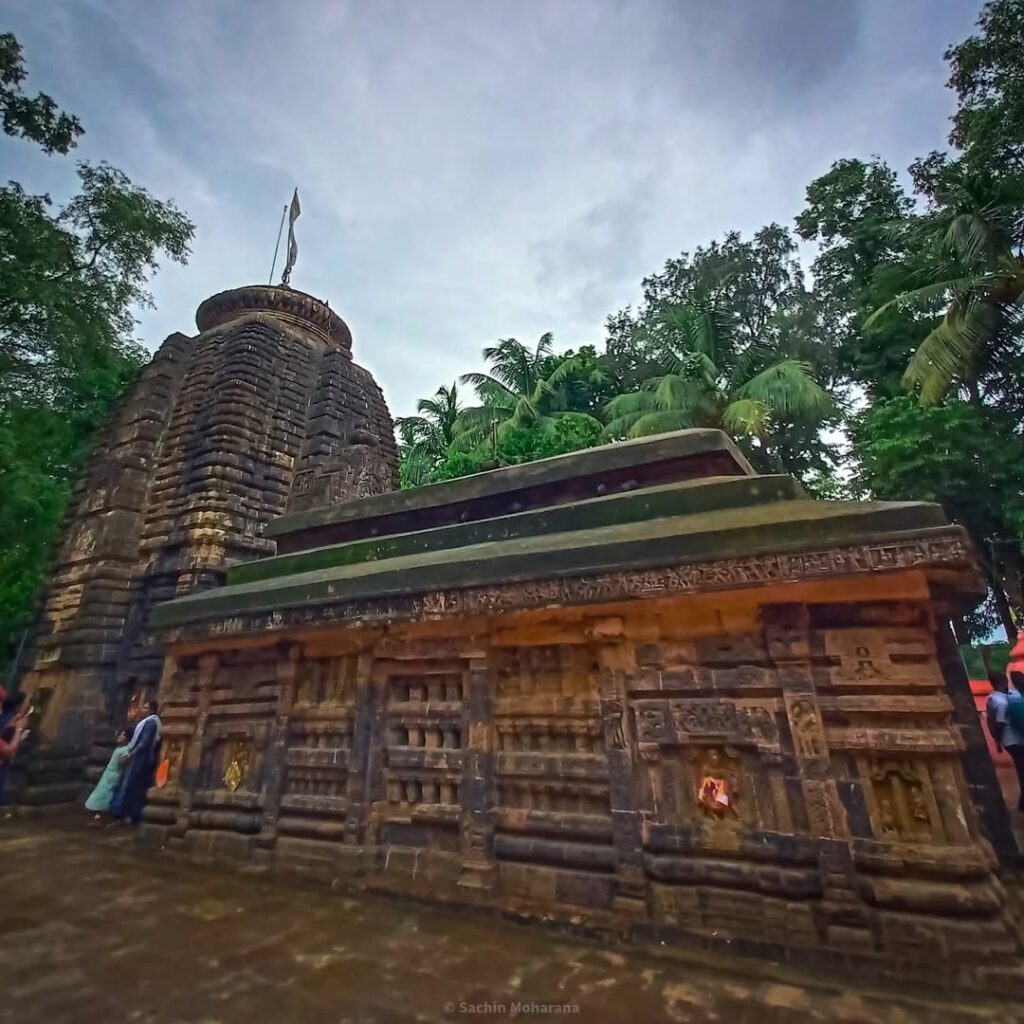
History of Singhanath Temple
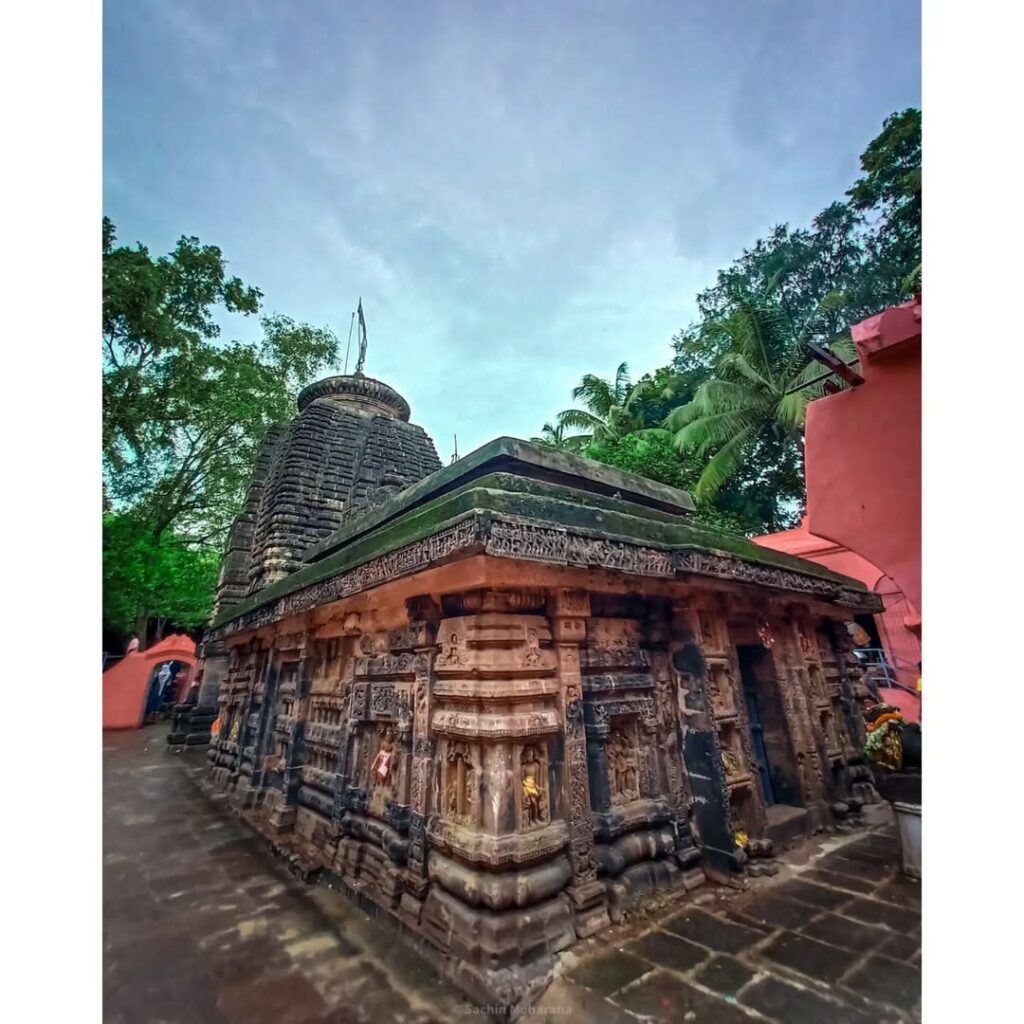
Singhanath Temple is renowned for its detailed carvings and sculptures that narrate tales from Hindu mythology. The temple complex also houses various smaller shrines devoted to other deities including Lord Vishnu, Lord Ganesh, Surya, and Mahishasuramardini. Enriched further by several tanks believed to be established by the Bhoi Dynasty, the site also features a captivating T-Bridge that spans across the Mahanadi River, linking to the Singhanath Mandir. Recognized as a significant pilgrimage destination, Singhanath Temple attracts thousands of devotees annually, particularly during the vibrant festival of Maha Shivaratri. On this occasion, the temple is adorned with vibrant flowers and twinkling lights, while special poojas and rituals honor the occasion. Other festivities like Makar Sankranti, Dussehra, and Kartik Purnima are celebrated here with great enthusiasm and fervor.
The Architecture of Singhanath Temple Gopinathpur
The Simhanath Temple in Gopinathpur showcases a stunning rekha deula and a terraced roof jagamohana, embodying the traditional Kalingan temple architecture. It stands out for its impressive sculptures that represent both the Saivaite and Vaishnava cults.
Designed in the Panchayatana style, the temple features a main shrine elevated on a platform, accompanied by four smaller shrines at each corner. Unfortunately, only the southeast corner shrine remains intact today.
As part of the temple complex, several pidha shrines were later added. These are home to sculptures salvaged from the other corner shrines that have since collapsed. The vimana is square, while the jagamohana follows a rectangular form. At the sanctum, you’ll find the presiding deity, Simhanatha, represented as a Shiva Linga situated within a circular yonipitha. In addition to Simhanatha, the temple includes shrines for Lord Shiva, Lord Rama, and Maa Dakshina Kali. A notable feature of this area is the T-Bridge, which spans the river, creating a connection to Singhanath Mandir. Simhanath Temple is a popular tourist destination in Cuttack, Odisha.
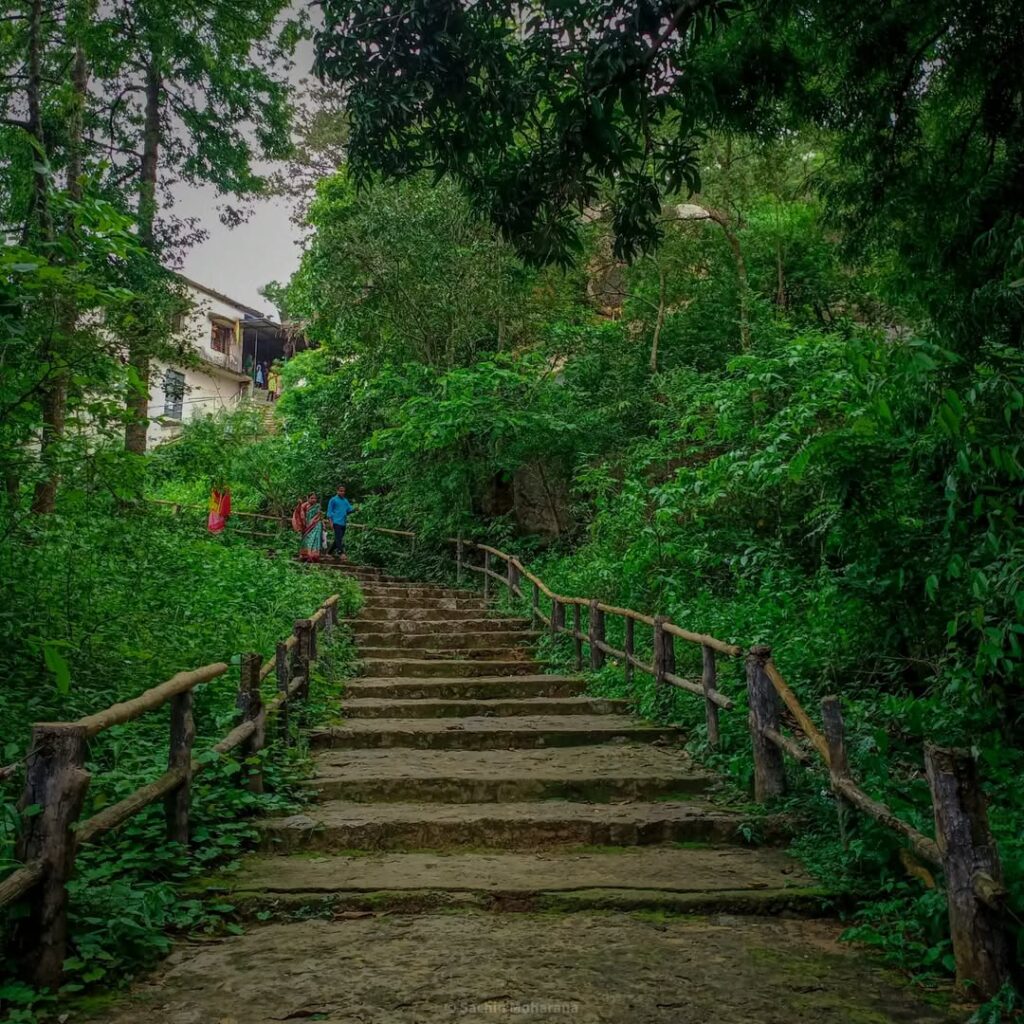
Key Information About Singhanath Temple Gopinathpur

– Singhanath Temple is dedicated to Lord Shiva, worshipped through Narasimha, an avatar of Vishnu.
– It is rich in sculptural depictions reflecting both Saivaite and Vaishnava traditions.
– The temple is located in Gopinathpur village, within Baramba tehsil of the Cuttack district in Odisha, India.
– The design follows Adi Shankara’s Panchayatana architectural style, surrounded by shrines dedicated to Vishnu, Ganesh, Surya, and Mahishamardini.
– This temple marks the early development phase of Kalinga Architecture’s Pancharatha Deula.
– The sanctum enshrines Simhanatha as a Shiva Linga in a circular yonipitha.
– The intricate carvings adorn the temple, including sculptural panels and elaborate decorative motifs.
– The compound wall features images of deities such as Brahma, Kartikeya, Vishnu, and others, including the Linga Puja votive slab, Mahisasuramardini Durga, and Lakulisa.
– Based on surveys, the temple is believed to date back to the early ninth century AD.
Ancient temple the center of the Mahanadi River
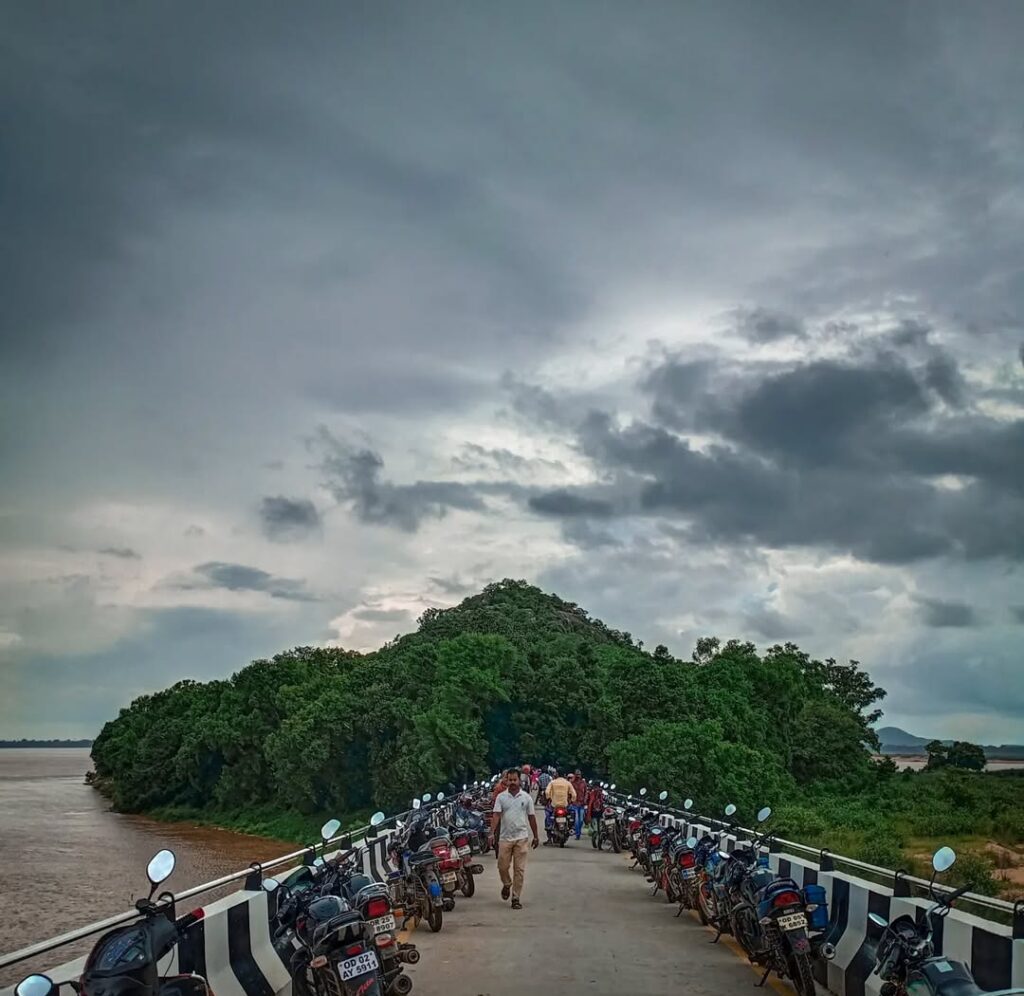
Ancient temple that’s located withinside the center of the Mahanadi River. Well related with the aid of using avenue. The bridge connecting to the temple is particular and uncommon in odisha. It`s a T fashioned bridge that’s connecting Gopinatpur and Baideswar. The temple is only a island withinside the river. Best time to go to is for the duration of the year. Natural splendor of that vicinity is honestly watchable.


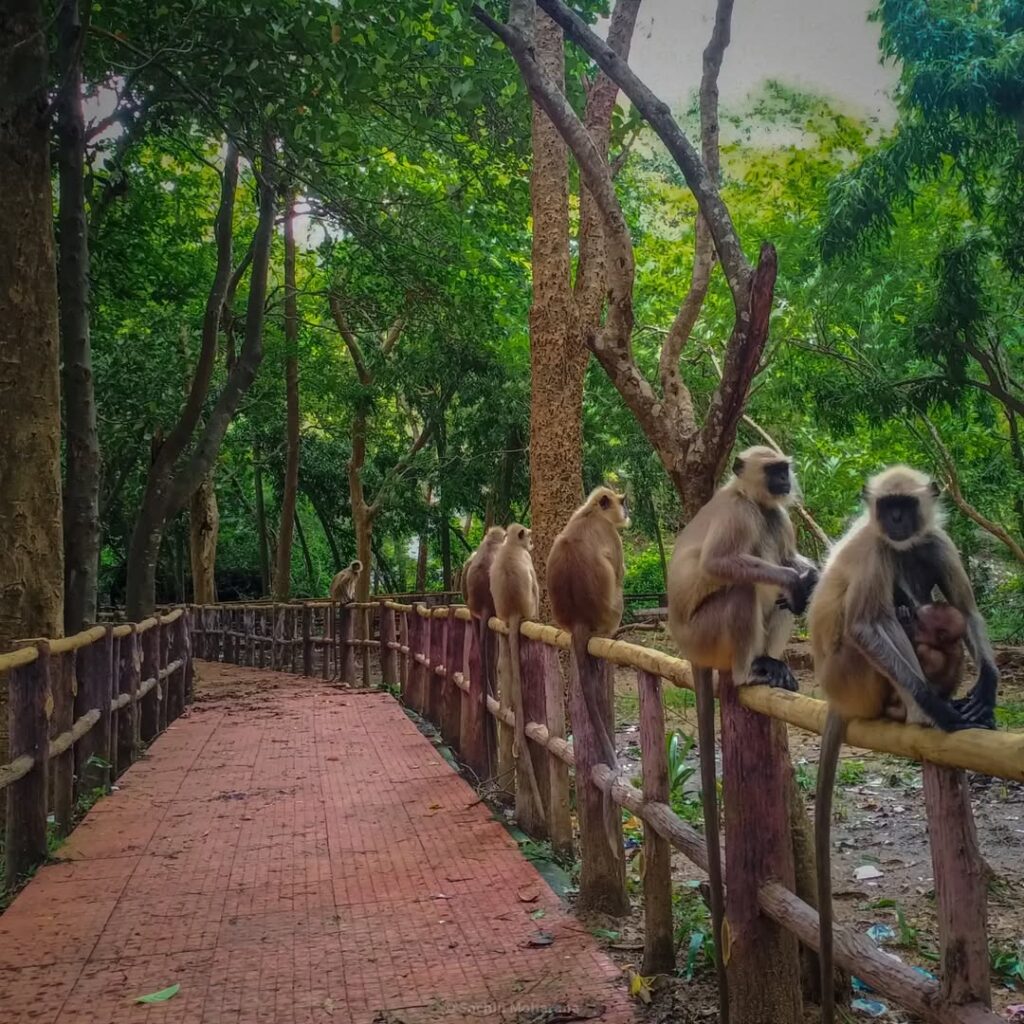


Best Time to Visit Singhanath Temple Gopinathpur
This tranquil and spiritual locale welcomes visitors year-round. However, the ideal time to explore the temple is during the monsoon and winter seasons. The monsoon brings moderate to heavy rainfall, transforming the landscape into a lush and vibrant setting, which feels truly enchanting.
Shri Bali Singhanath Temple is devoted to Shiva who’s worshipped with the aid of using Narasimha, an avatar of Vishnu. The temple has a rekha deula and terraced roof jagamohana of conventional segment of temple fashion of Kalingan order.
The temple is particular for its sculptural embellishment of each the Saivaite and Vaishnava sects. It is placed withinside the Gopinathpur village, Baramba tehsil of Cuttack district. It may be effortlessly approached with the aid of using avenue from Cuttack, Chaudwar and Athgarh. The garbhagriha has a Shivalinga with yonipatta connected to earth. The temple is of Panchayatana fashion practised with the aid of using Adi Shankara. Temples devoted to Vishnu, Ganesh, Surya and Mahishamardini are located across the temple. The temple represents early improvement of Pancharatha Deula of Kalinga Architecture. On the idea of survey, the temple may be assigned to early ninth century AD. Maha Shivratri, Makar Sankranti, Dussehra, Kartik Purnima are broadly speaking well-known gala’s here. People who do Upanayana and Marriage additionally opt for this vicinity as a pleasant option.
Singhanath Temple is devoted to Shiva who’s worshipped with the aid of using Narasimha, an avatar of Vishnu. The temple has a rekha deula and terraced roof jagamohana of conventional segment of temple fashion of Kalinga order. The temple is particular for its sculptural embellishment of each the Saivaite and Vaishnava sects. It is placed withinside the Gopinathpur village, Baramba tehsil of Cuttack district, Odisha, India and discover withinside the midpoint of the river. It may be effortlessly approached with the aid of using avenue from Cuttack, Chaudwar and Athgarh.
states longest bridge,T-Setu, constructed over the Mahanadi River in Cuttack District, Odisha. The bridge withinside the form of the English alphabetTchanged into built
Sitakunda in Singhanath Temple Badamba

Singhanath Temple Details
Singhanath Temple Address: Baideswar Gopinathpur, Banki, Cuttack Odisha 754029 Singhanath Temple (preferred time): 07:00 Am – 05:00 pm
Time required to visit Singhanath Temple: 02:00 Hrs
Singhanath Temple Odisha
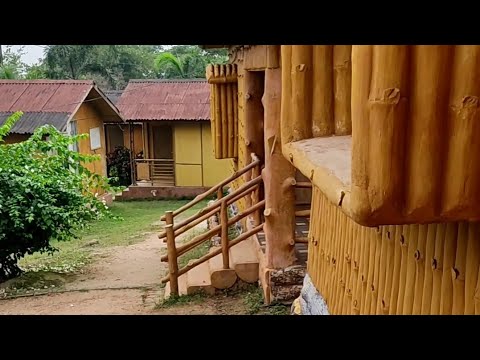

Singhanath Temple Top View / singhanath bridge T setu Gopinnathpur Baideswar


How to reach Singhanath Temple


Maninageswar Temple
Baba Maninageswar Temple Bardhanpur Balasore.waiting for you all
Baba Maninageswar Temple Bardhanpur Balasore.waiting for you all Come to visit our Baba Maninageswar Temple and enjoy Bardhanpur sea beach near of this temple. Odiha Tourism

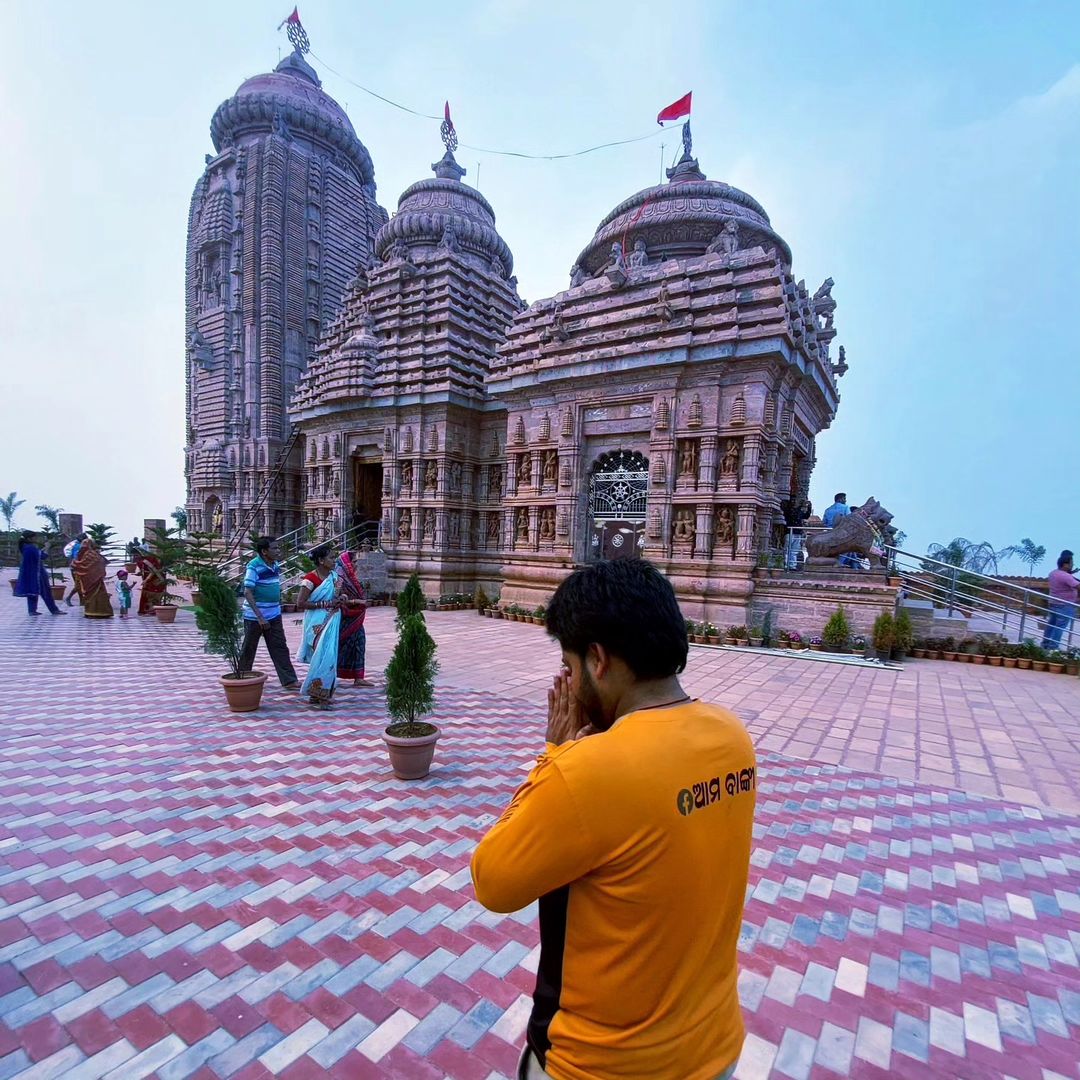
Ram Mandir Fategarh hilltop


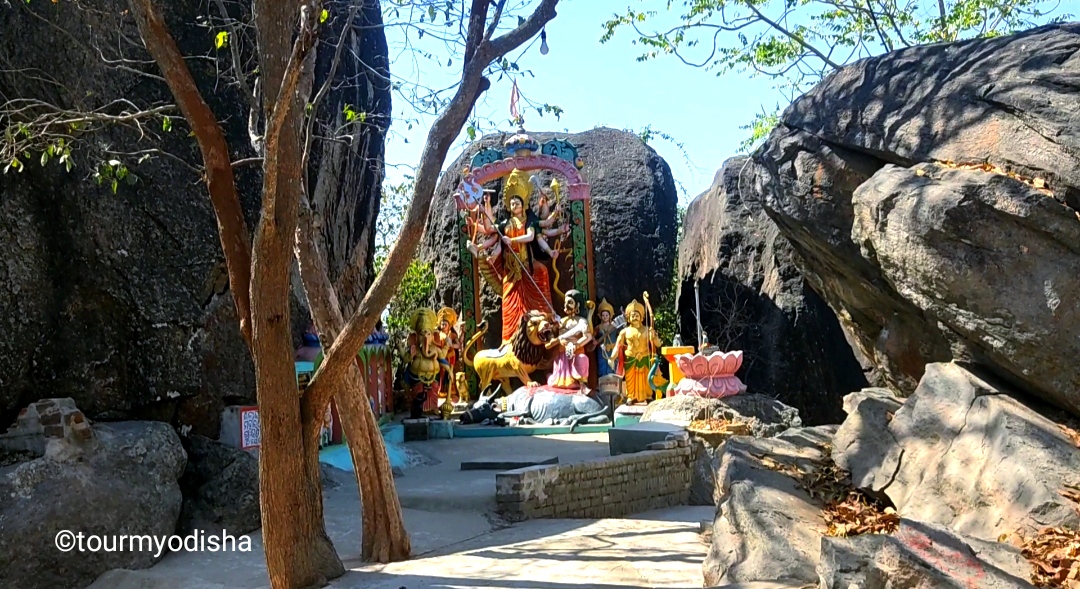
Mundia Hanuman

Hatakeswara Temple


History of Bhattarika Temple

ଦେବୀ ଭଟ୍ଟାରିକା ଇତିହାସ


Kechela
Kechela, Koraput


A beautiful village situated in bank of Kolab river at a distance of ten Kms away from Koraput, Odisha. The KECHELA is a copper plate starting the fact that the beautiful place had been grant-ed to one Narasingha-Mishra On the occasion of the Solar eclipse 24 Sep,1620 by King Maharaja Krishna Dev.
Read MoreHow to Reach Kechela
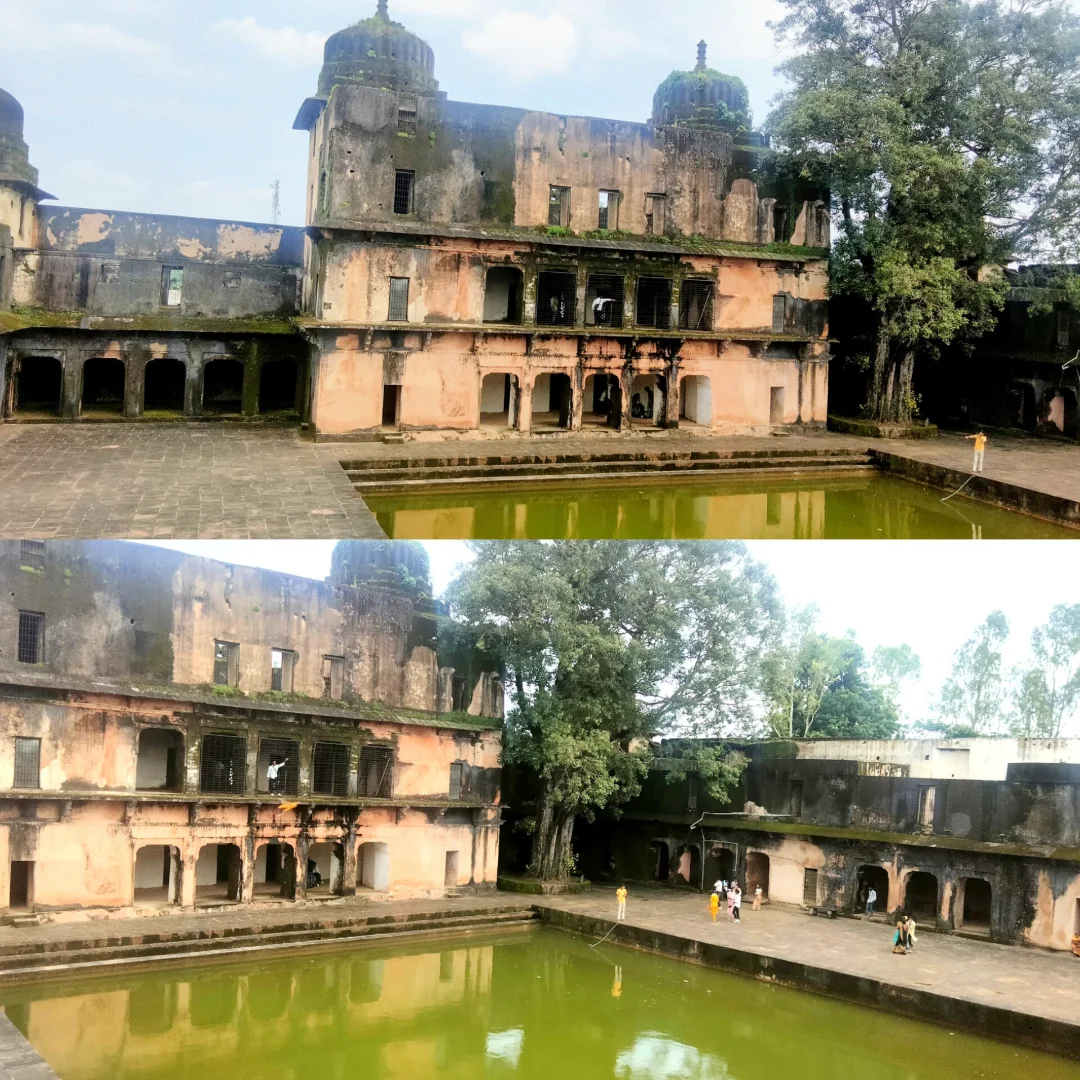
Unveiling the Royal Splendor of Surya & Moti Mahal in Koraput


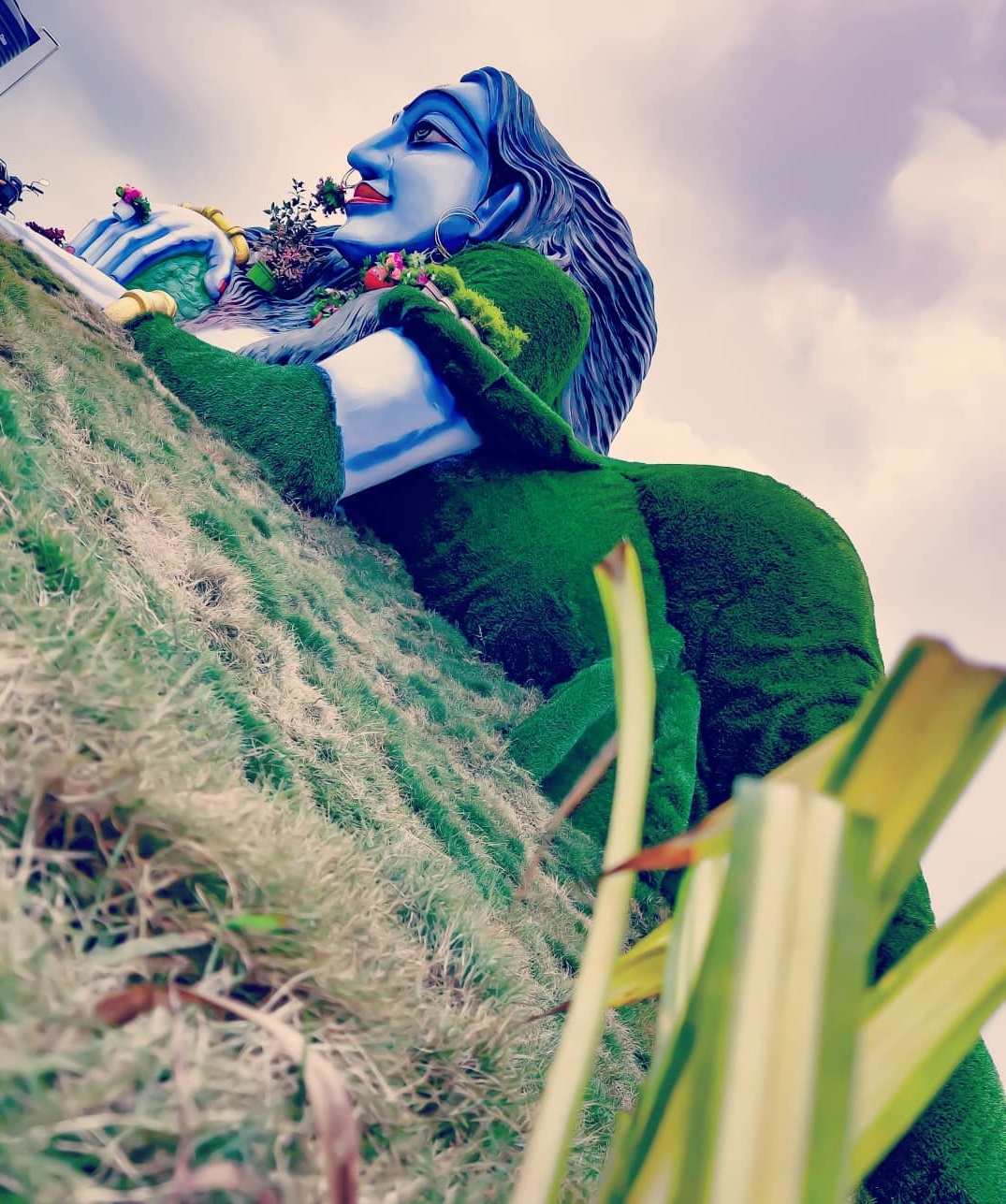
Palmetum & Patadevi Dangar Ecotourist Park


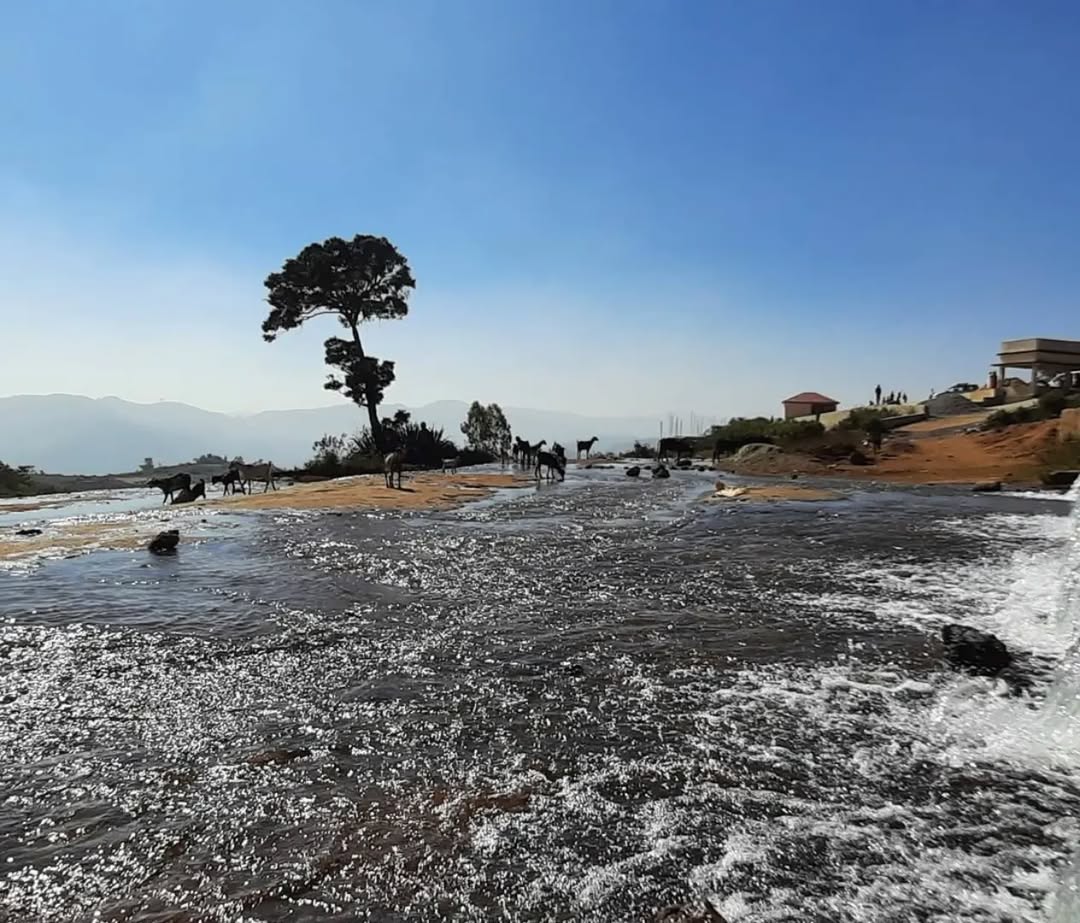
Galigabadar Waterfall
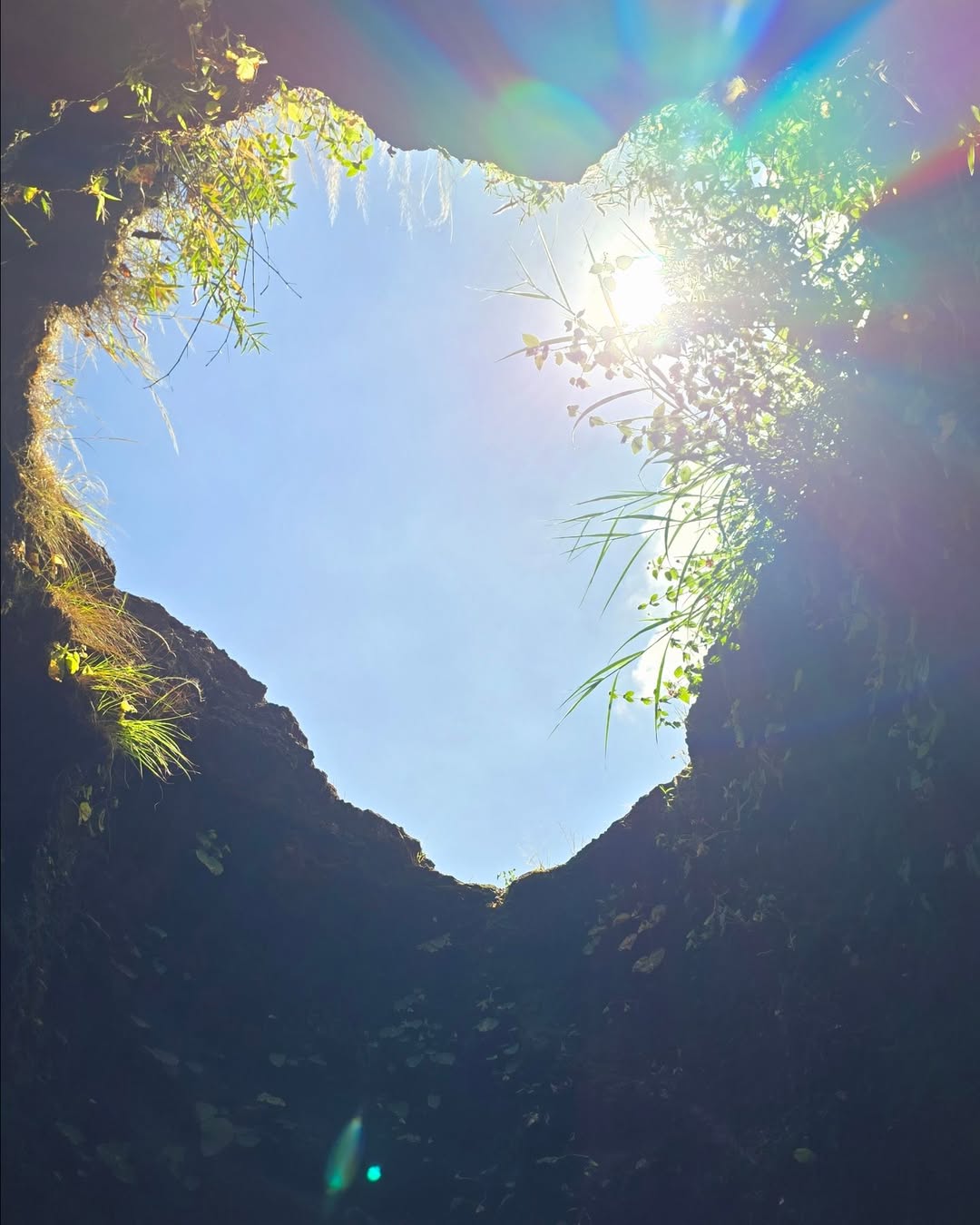
Balda Cave, Pond, and Hill Station

Jagannath Sagar Lake Jeypore


Gupteswar
Gupteswar, Koraput


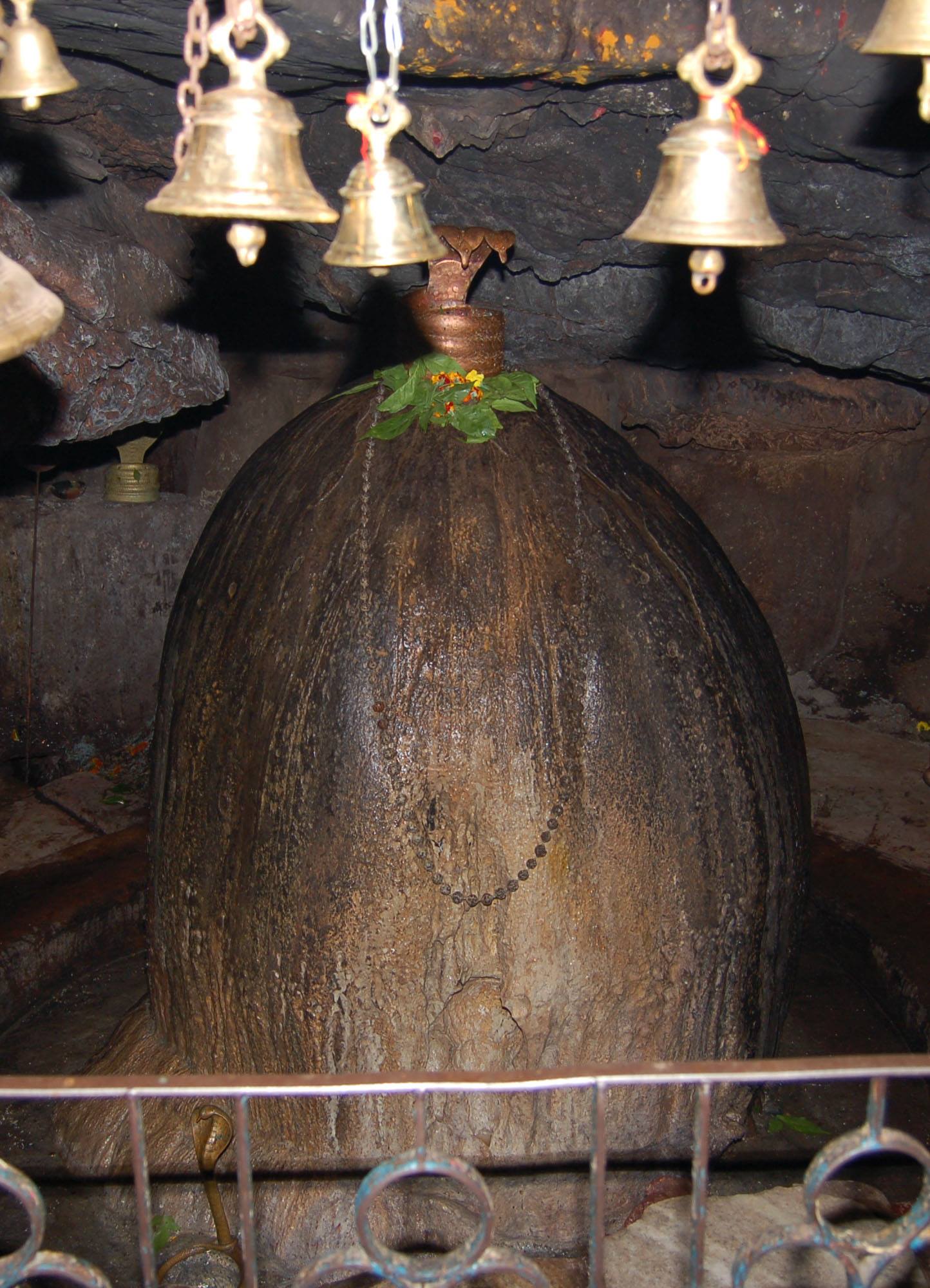
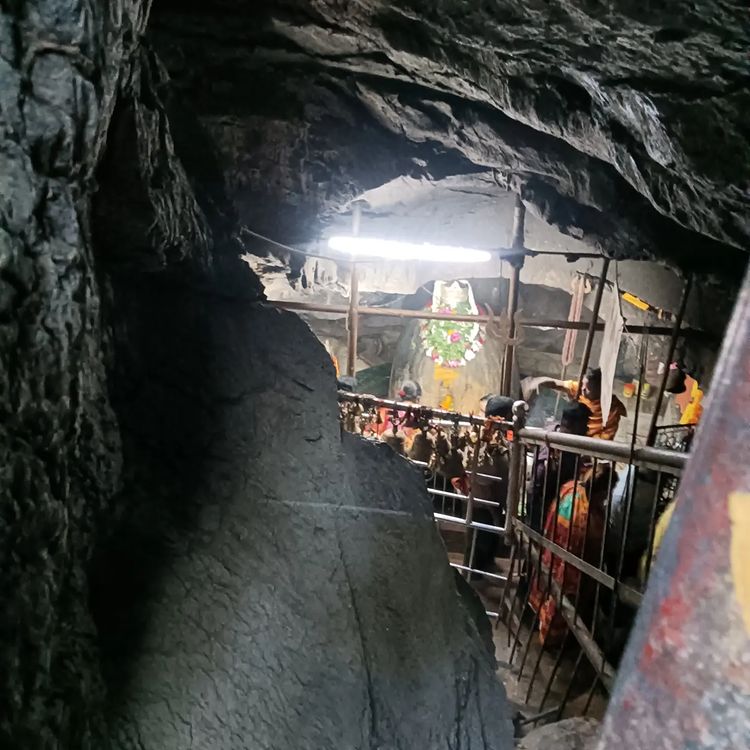
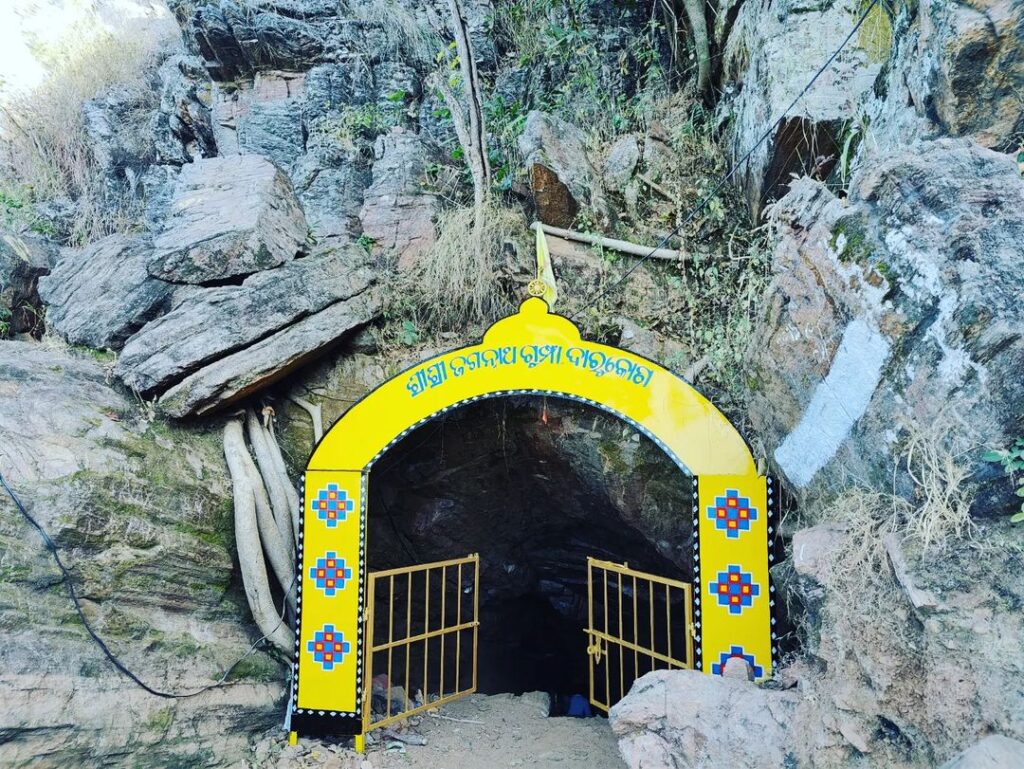
The cave Shrine of Gupteswar, 80 Kms away from Koraput odisha, amidst deep jungle. The Cavernous interior of the Gupteswar Temple enshrines a huge lingam. The Gupteswar is also Popularly known as Gupta Kedra Shabari of great Scenic Beauty Flows by Gupteswar. Gupteswar Temple is believed that Lord Rama when the passed through this region on his way to Panchabati in Dandakaranya.
Read MoreThis is one of the well-known Shiva temple of Southern Orissa. This temple is positioned internal a cave. The Shiva Linga is a herbal one exists from vintage ages. As this Shiva Linga is positioned internal a cave and it turned into now no longer on hand without difficulty in vintage days so it’s miles referred to as Gupteswar or hidden Shiva temple. After Darshan of Lord Shiva there may be a manner with the aid of using the facet to go to similarly in the cave. This location is internal deep wooded area and there may be no facility to live right here, the handiest visitor relaxation residence of Orissa tourism isn’t always in operation.
Carry a effective torch mild with you. It is higher if every member of your crew bring one torch mild. There are neighborhood youngsters who can display you exclusive formations at a price of Rs 10/-. This cave is pretty lengthy and also you want to have professional manual to project similarly in the cave.


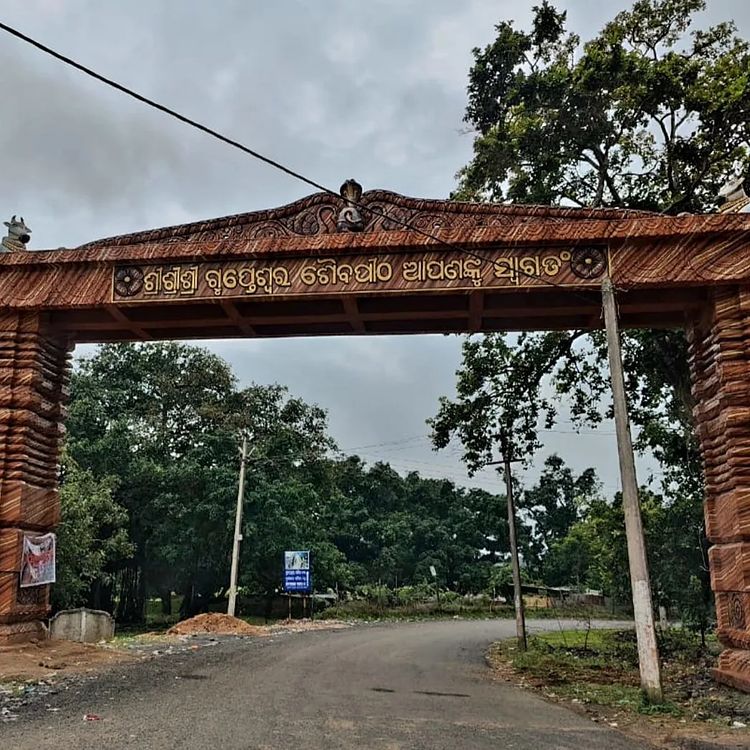
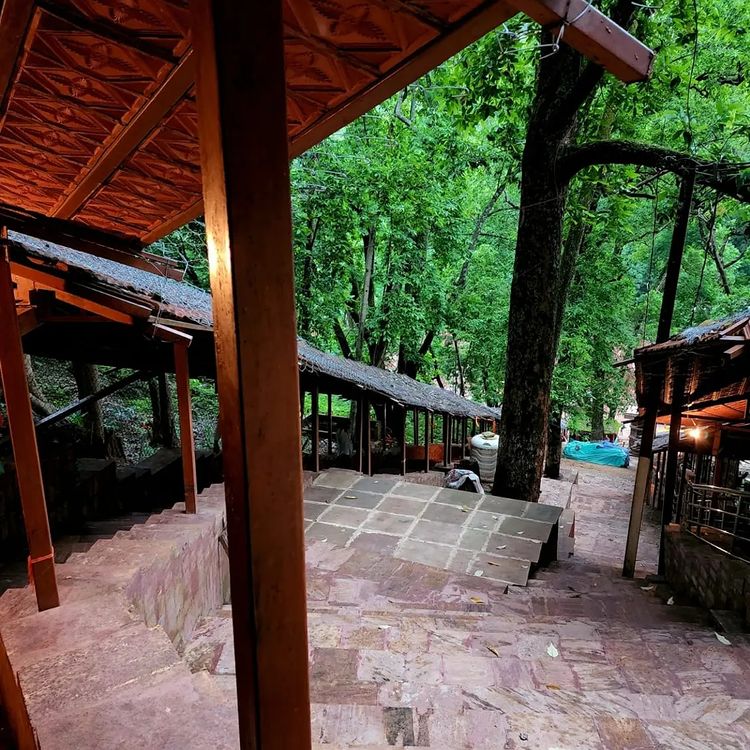
How to attain Gupteshwar.
Gupteswar CaveThere isn’t anyt any direct public shipping to be had to attain Gupteshwar, you need to hair a automobile from Jeypore or from close by locations. Usually rugged automobile or MUV are higher desire for this hill avenue. Even aleven though it’s miles tar avenue however in numerous locations ditches are there and in a few locations excessive slops are there.
Patraput bridge
After touring 12 KM from Jeypore you may go Patraput bridge, that is one of the picnic spot of Jeypore residents. After crossing the bridge inside 1 KM distance you may attain a Y junction. Straight avenue will visit Boipariguda ( nine KM ) after which Gupteshwar, left facet avenue will take you to Lamtaput ( 22 KM ), Machakund ( forty five KM ), Jalaput ( fifty nine KM ), Vizag ( 198 KM ).
Exploring the Spiritual Serenity of Gupteswar Temple, Koraput
Nestled in the lush landscapes of Koraput, Odisha, the Gupteswar Temple stands as a beacon of peace and spirituality. A significant pilgrimage site, this temple dedicated to Lord Shiva has been attracting devotees and tourists alike for years. Today, we will delve into the history, architecture, and the extraordinary experiences that this temple has to offer.
A Historical Overview
The Gupteswar Temple has deep-rooted historical significance, believed to date back to ancient times. The temple is carved out of a natural cave, which adds to its mystique and allure. It is said that the Bhima and Arjuna, two revered figures from the epic Mahabharata, visited this sacred place during their quest for peace and enlightenment. The local legends intertwined with the temple’s history enhance its spiritual significance and draw visitors eager to experience its rich heritage.
Architectural Marvel
The architecture of the Gupteswar Temple reflects the brilliance of ancient artisans. The cave-like structure comprises intricately carved walls, showcasing exteriors and interiors that blend seamlessly with nature. Stepping inside, visitors are greeted by the mesmerizing sight of the Shiva Lingam, which is surrounded by beautifully adorned sculptures. The serene environment, punctuated by the sounds of nature, encourages contemplation and inner peace.
Spiritual Experiences
Visitors to the Gupteswar Temple frequently recount profound experiences that resonate long after their pilgrimage. The tranquil ambiance and the spiritual energy that envelops the temple provide an ideal setting for meditation and reflection. Taking part in rituals and special ceremonies can deepen one’s connection to the divine, making each visit unique and meaningful.
How to Reach Gupteswar Temple
Reaching Gupteswar Temple is relatively straightforward. The temple is located about 54 kilometers from the district headquarters of Koraput. Travelers can easily access the site via road, with private vehicles and public transport options readily available. The surrounding natural beauty adds to the journey, making it more enjoyable.
Best Time to Visit
The ideal time to visit Gupteswar Temple is during the festival seasons, particularly during Maha Shivaratri, when the temple comes alive with vibrant celebrations and an influx of devotees. However, the temple’s serene environment is captivating year-round, making it a perfect getaway for those seeking solace away from the hustle and bustle of city life.
Boipariguda
Gupteswar roadAfter touring nine KM from Patraput bridge you may attain Boipariguda. From right here left facet avenue will visit Malkangiri and instantly avenue will take you to Gupteshwar. After 22 KM from Boipariguda you may attain Ramagiri Junction. Take proper flip right here and Gupteswar is 12 KM from right here.
From Jeypore Patraput bridge is 12 KM
From Patraput bridge Boipariguda is nine KM
Boipariguda to Ramagiri Junction is 22 KM
Ramagiri Junction to Gupteswar is 12 KM
From Jaypore to Gupteswar distance is fifty six KM.
Before achieving Gupteshwar there may be a lifestyle of supplying department of go away to neighborhood temple ( goddess Dalkhae ) for secure journey, branches of leaves are to be had for one rupee.
Food at Gupteswar
There are restrained alternatives of eating places to be had close to the Gupteswar cave. One working eating place turned into not able to cater the needs of vacationer. So in vacationer seasons provide increase to this character and make certain that they maintain meals geared up for you to your go back from temple. However in the course of competition instances like Shivaratri and Mondays ( of Sravan month ) there can be extra brief resorts presenting accurate meals. Near with the aid of using river There is a river near the cave; you could go to the river after travelling the temple or earlier than that. A chain association is there to guard the devotees at the same time as taking tubtub in river.
Shivaratri competition
During Shivaratri competition devotes from nearby regions and from Chhattisgarh and Andhra Pradesh go to Siva temple and in the course of those competition many stores open their brief retailers presenting all kinds of toys , dressing substances and lots of extra items.
How to Reach Gupteswar
Gupteswar Temple Koraput: A Spiritual Haven Amidst Odisha’s Ancient Caves
Nestled deep in the lush hills of Koraput, Gupteswar Temple sits inside a massive cave that feels like a secret world carved by nature. You step into cool shadows, hear distant water drips, and sense a peace that pulls at your soul. This spot draws folks from all over who seek quiet spots in India for prayer or just a break from daily noise.
The temple honors Lord Shiva in Odisha’s Koraput district. It mixes old stories with stunning nature, making it a top pick for those hunting hidden gems. Its pull goes beyond faith—think hikes through green forests and chats with local tribes. In this guide, we cover the Gupteswar Temple Koraput history, tips for visiting Gupteswar Temple, and more to help you plan a trip full of wonder.
History and Mythology of Gupteswar Temple
The roots of Gupteswar Temple run deep into local tales and old records. Built in a natural cave, it stands as a key Shiva shrine in Odisha’s wild east. People have come here for ages to seek blessings, drawn by its raw power.
The Legendary Origins and Shiva Lingam Discovery
Local stories say the Shiva Lingam appeared on its own in the cave’s heart. Legends tell of a holy man who found it glowing under stalactites during a storm. This spot, called Guppy Mata Cave, formed over millions of years from limestone.
The lingam looks like a tall rock with water always around its base. No one carved it—nature did the work. That’s why devotees feel it’s a direct link to Shiva, especially for searches on Gupteswar Temple history.
Folks believe the cave hides deeper secrets, like hidden paths to peace. One tale mentions a king who dreamed of the lingam and built the first shrine. These myths keep the site’s magic alive for new visitors.
Evolution Through the Ages
At first, Gupteswar was just a small worship spot for nearby tribes. Over time, it grew as word spread about its healing vibes. British maps from the 1800s note it as a tribal holy place in Koraput.
In the 20th century, roads made it easier to reach. The Odisha government helped protect the cave in the 1970s. Today, it pulls thousands each year, blending old ways with modern travel.
Royal families from nearby areas once gave gifts to the temple. This patronage kept rituals going strong. Now, it stands as a symbol of Odisha’s spiritual side, tying past to present.
Cultural Significance in Koraput’s Tribal Heritage
Koraput’s tribes, like the Bondas and Parajas, see Gupteswar as their sacred ground. They mix their dances and songs into temple events. This link helps keep old customs alive amid changes.
The temple acts as a spot where tribes share stories with outsiders. During festivals, you might see colorful attire and group prayers. It bridges city life and village ways.
To respect locals, wear simple clothes and ask before photos. Join a tribal meal if invited—it shows good will. Learn a few words in their language to build trust. These steps make your visit to Gupteswar Temple Koraput more real and kind.
Architectural Marvels and Unique Features
What sets Gupteswar Temple architecture Koraput apart is its blend of rock and ritual. No grand towers here—just nature’s own design that feels alive. You walk in and the cave wraps around you like a hug from the earth.
This setup draws those who love simple, powerful builds. It shows how faith and the wild can live side by side. Let’s break down what makes it special.
The Mystical Cave Shrine and Its Design
The main room holds the Shiva Lingam under a roof of dripping stones. Stalactites hang like frozen waterfalls, adding to the holy feel. Priests light lamps that flicker on wet walls.
Steps lead down to the sanctum, carved just enough to let light in. The air stays cool year-round, perfect for long prayers. This natural setup makes every visit feel fresh and deep.
No fancy gold or marble—it’s all raw stone. Yet, that simplicity packs a punch. For Gupteswar Temple architecture Koraput fans, it’s a lesson in less-is-more beauty.
Surrounding Natural Formations and Sacred Sites
Outside the main cave, a small river runs clear and cold. Devotees dip in for a quick cleanse before prayers. Nearby, tiny shrines dot the walls, each for a different god.
The cave complex stretches back, with side paths to quiet nooks. Waterfalls nearby crash during rains, feeding the river. These spots add layers to the site’s pull.
Photographers, grab wide shots at dawn for soft light on the rocks. Stay on paths to avoid slips. And always keep noise low—let the sounds of nature lead.
Artistic Elements and Sculptures
Carvings here are basic but meaningful. You find etched symbols of Shiva’s forms on cave walls. A few stone idols stand guard near the lingam, weathered by time.
One motif shows a trident, cut deep into rock for strength. No big statues overload the space; it’s about the cave’s own art. This keeps the focus on spirit over show.
To enjoy these, sit quietly and trace the lines with your eyes. Touch only if a priest says it’s okay. Such care lets you connect without harm.
How to Reach Gupteswar Temple and Best Visiting Tips
Getting to Gupteswar Temple Koraput takes some effort, but the reward is worth it. Roads wind through hills, offering views that steal your breath. Plan ahead to make the trip smooth.
This part gives clear paths and smart advice. Whether you drive or take a bus, you’ll find options that fit.
Accessible Routes from Major Cities
From Bhubaneswar, it’s about 500 km north—drive eight hours on good highways. Buses run daily from the capital, stopping in Koraput town first. Then, a short jeep ride to the temple.
Visakhapatnam lies 200 km south; reach it in four hours by car. Trains to Jeypore connect well, then hire a taxi for the last 50 km. From Koraput town, it’s just 150 km—two hours on twisty roads through the Eastern Ghats.
Self-drive shines here; rent a sturdy SUV for bumpy parts. Apps like Google Maps work, but ask locals for shortcuts. Pack snacks for the scenic stops along the way.
Ideal Time to Visit and Weather Considerations
Go from October to March when days stay mild, around 20-25°C. Mornings feel crisp, great for hikes. Summers hit 35°C, so skip if heat bugs you.
Monsoons from June to September bring heavy rain—paths get slick and caves flood a bit. Check weather apps before you head out. For peak vibes, time your trip with Maha Shivratri in February or March.
Festivals pack the place, so book stays early. Quiet weekdays let you soak in the calm. Always watch for sudden showers in the hills.
Essential Packing and Safety Tips
Bring sturdy shoes for the rocky trek—it’s 500 steps up from the parking lot. Carry water bottles and light snacks; no shops inside the forest. Dress modest: long pants and shirts keep you cool and respectful.
Pack insect spray for evening bugs and a hat for sun. Leave plastics behind—carry a cloth bag for trash. Tell someone your plans; cell signal fades in spots.
Stay on marked trails to dodge wild animals. Hydrate often, and rest if the climb tires you. These habits ensure a safe, green visit.
Festivals, Rituals, and Pilgrim Experiences
Gupteswar Temple festivals light up the cave with joy and chants. Tribes and pilgrims mix in crowds that feel like family. It’s a time when faith bursts out in colors and sounds.
These events draw searchers for Gupteswar Temple festivals info. You get tips to join without standing out. Real stories from visitors add heart to the tale.
Major Annual Festivals and Celebrations
Maha Shivratri tops the list—nights fill with all-night watches and fire dances. Tribes play drums while priests pour milk on the lingam. Thousands gather, turning the cave into a sea of lamps.
Kartik Purnima in November brings full-moon baths in the river. Processions wind through forests with songs. It’s less crowded than Shivratri but full of quiet magic.
Other days like Shravan Mondays see special fasts. Watch for tribal women in bright wraps leading chants. These bashes link old rites to now.
Daily Rituals and Worship Practices
Each dawn starts with aarti—bells ring as flames circle the lingam. Offerings of flowers and bilva leaves follow. It lasts 30 minutes, simple and touching.
Evenings bring another round, with lamps glowing against wet stone. You can join by sitting cross-legged in back. Priests explain rules if you ask nicely.
For a calm start, arrive at 6 AM. Bring your own flowers to offer. This routine grounds you in the temple’s steady beat.
Stories from Devotees and Spiritual Insights
One pilgrim shared how the cave’s hush melted her stress after a tough year. She felt a warm peace, like Shiva listened close. Many say the same—it’s a reset button for the mind.
Another man trekked there for healing and found hope in the water’s flow. These tales, pulled from travel logs, show the site’s real pull. Not magic, but a deep calm that sticks.
Keep a journal during your stay. Note the drip sounds or prayer smells. It turns a trip into a personal gift.
Nearby Attractions and Exploring Koraput Region
Gupteswar Temple Koraput opens doors to more wonders in the area. Think hills, villages, and rivers that beg for exploration. Make it a longer stay to catch the full flavor.
This section links things to do near Gupteswar Temple Koraput. It builds your itinerary step by step. You’ll see why this corner of Odisha hooks travelers.
Scenic Spots and Nature Trails
The trek to the temple passes thick woods alive with birds. Spot peacocks or deer if you’re lucky. It takes 20 minutes, easy for most.
Deomali Hill, 30 km away, offers Odisha’s highest views at 1,672 meters. Climb for panoramas of rolling green. Waterfalls like Putudi tumble nearby—swim in pools after rains.
Pack binoculars for birdwatching; over 200 species live here. Go slow to enjoy the air. These paths mix sweat with awe.
Tribal Villages and Cultural Immersions
Head to Bonda villages 40 km out for a peek at hill life. Women wear brass necklaces and weave baskets you can buy. It’s a chance to learn without staring.
Dangaria Kondh spots offer homestays with rice beer and stories. Eat millet-based meals around a fire. Support by picking up pottery or cloth.
Ask permission before entering homes. Give small thanks like tea packs. This way, your visit helps and feels true.
Adventure and Relaxation Options
Birdwatch along the river—kingfishers flash blue in the sun. Or picnic under banyan trees with temple views. It’s low-key fun after the climb.
For thrill, try short kayaks on calmer waters. Meditate in side caves away from main crowds. Breathe deep; let worries fade.
Mix it up: hike morning, chill afternoon. These add-ons make your Gupteswar trip round and rich.
Conclusion
Gupteswar Temple Koraput blends cave myths, tribal beats, and hill peace into one spot you won’t forget. From the lingam’s glow to festival drums, it touches spirit and senses. We’ve walked through its history, builds, paths, and nearby joys.
Key bits stick: the raw cave charm, Shivratri’s fire, and respectful treks. Plan for cooler months, pack light, and join rituals with an open heart. You’ll leave with stories and calm.
Dive into Odisha’s tribal core soon. A visit here sparks inner light. What are you waiting for? Book that ride and go find your peace.
(Word count: 1,248)
Gupteswar distance
1 hr 20 min (51.3 km) via SH 65
Koraput to Gupteswar
10 hr 39 min (437.0 km) via NH326
Koraput to Gupteswar distance
Koraput to Gupteswar distance is 80 Kms
The cave Shrine of Gupteswar nestles on a lush inexperienced hill, fifty eight K.m from Jeypore, and eighty Kms farfar from Koraput, amidst deep woodland.Gupteswar Mandir
Gupteswar Cave is a cave shrine committed to Shiva. It is a pilgrim web website online located approximately fifty five km away Jeypore, Koraput District withinside the country of Odisha, India. It is a limestone cave, and its fundamental appeal is the massive Shiva Linga that’s stated to be growing in size.
Gupteswar Temple timings
Gupteswar Temple Opening & Closing Time
Gupteswar Temple open at 08AM – 12Noon and 04PM – 08PM
Gupteshwar Temple closes at 8pmGupteswar Temple Darshan Booking
There isn’t anyt any provision for increase darshan reserving as there’s no need. Darshan will now no longer take a long term right here.
Accommodation near Gupteswar Temple
Hotels, visitor houses, and accommodations are to be had in Jeypore, which is set 50 km from Gupteswar Cave Temple. Visitors also can choose to live in Koraput.
Gupteswar Temple History
It is referred to as the Gupta Kedar and is endowed with uncommon herbal splendor. According to mythology, the lingam became observed via way of means of Lord Rama whilst he became roaming withinside the then Dandakaranya woodland with spouse Sita and brother Laxman, and later worshipped it calling it “Gupteswar”. The poet Kalidas too, defined the scenic splendor of Ramgiri woodland wherein the cave temple is stated in his well-known Meghadutam. However, with time, the temple became abandoned. Later, withinside the remaining a part of the nineteenth century, a hunter of the Ramgiri place determined the lingam. Since then the lingam has been worshipped via way of means of the tribes of Koraput region. In Shivaratri (a Hindu festival) Gupteswar Temple attracts over 200,000 devotees from Odisha, Andhra Pradesh and Chhattisgarh. People affected by incurable sicknesses come right here to worship the God and continue to be right here for months withinside the desire of having cured.
Jeypore to Gupteswar temple Koraput distance
Jeypore to Gupteswar temple Koraput distance is 57.1 km via SH 25
Koraput to Gupteswar Temple Koraput distance
Koraput to Gupteswar Temple Koraput distance is 78.5 km Via NH 326
Nabarangpur to gupteswar temple koraput distance
Nabarangpur to gupteswar temple koraput distance is 95.5 km Via NH 26
Sunabeda to gupteswar temple koraput distance
Sunabeda to gupteswar temple koraput distance is 96.8 km Via NH 26 and NH 326
Unveiling the Royal Splendor of Surya & Moti Mahal in Koraput
Palmetum & Patadevi Dangar Ecotourist Park
Galigabadar Waterfall
Balda Cave, Pond, and Hill Station
Jagannath Sagar Lake Jeypore


Sabar Sreekhetra
Sabar Sreekhetra, Koraput


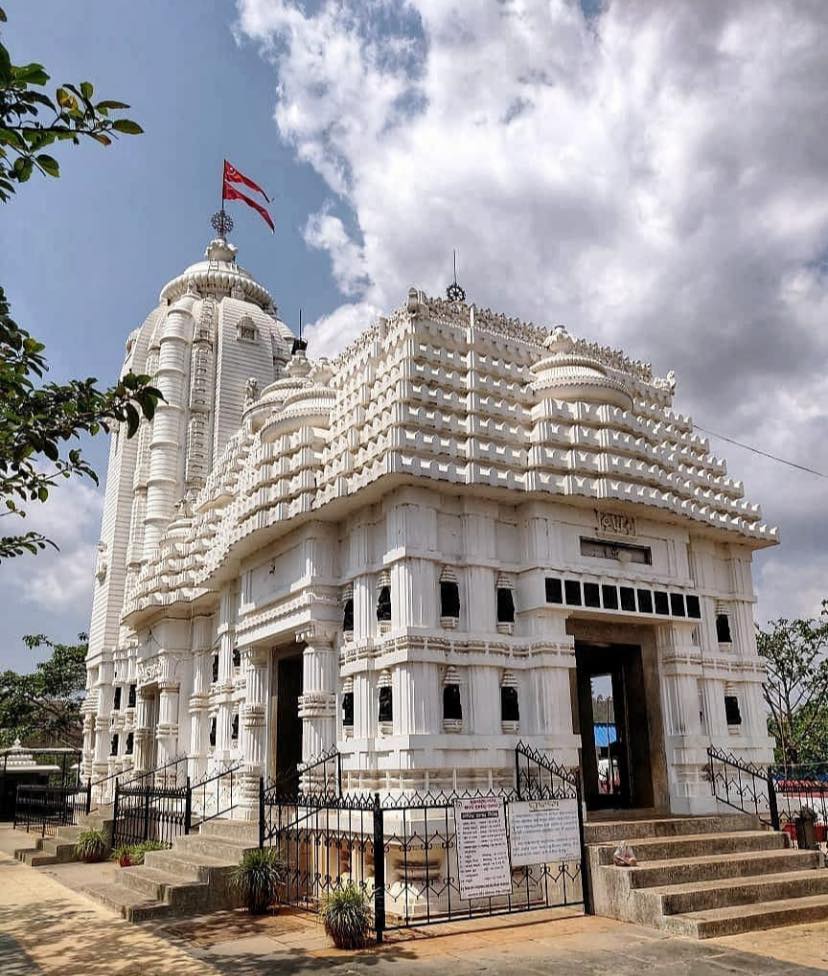
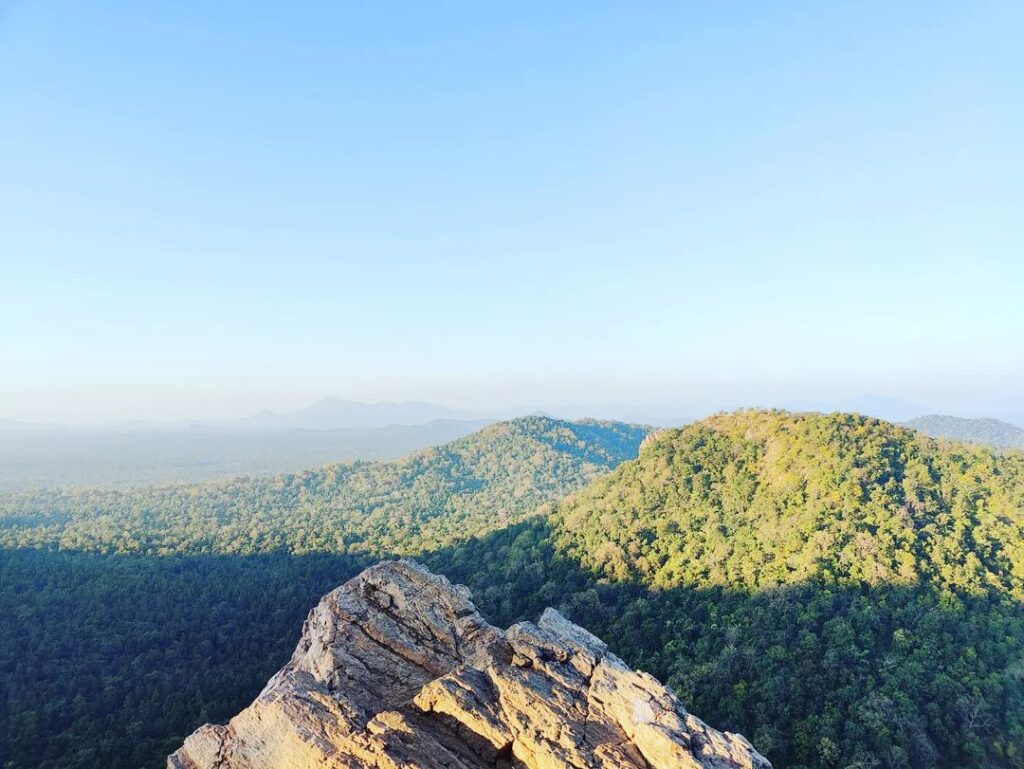
Koraput is situated at 2900 ft. above sea level and green jungle. The beautiful view of the town & its climate makes it an attractive the visitors. The breath taking beautiful scenery brings heaven to earth. Sabar Srikhetra the Jagannath Temple Perched a top a hillock adds the imp of this Sabar Sreekhetra place.
Read More


How to Reach Sabar Sreekhetra
Koraput famous food
The maximum famous dishes are Masala Tarkari and Pithau Bhaja . Of route Koraput is host a whole lot of different indigenous sorts of mushroom, namely, Boda chhatu, Khuda Chhatu, Balisiriya Chhatu , Kendumuni Chhatu which can be additionally very tasty while organized as curry. Paalua Khiri Its a need to object in lots of Puja.
About Patali Srikhetra
Patali Srikhetra is a well-known location with tremendous ancient significance for Subarnapur district and Odisha. This non secular location is related to Shaktism, Buddhism and Vaishnavism. It is placed withinside the foot of Trikut Hill at Kotsamalai of the Birmaharajpur subdivision of Subarnapur district, Odisha, India.
Sabara Srikhetra history In Odia
ସାବରା ଶ୍ରୀକେନ୍ଦ୍ର ଇତିହାସ |
ପୂରୀ ପରେ ଭଗବାନ ଜଗନ୍ନାଥଙ୍କ ସର୍ବାଧିକ ଗୁରୁତ୍ୱପୂର୍ଣ୍ଣ ମନ୍ଦିରକୁ ସାବରା ଶ୍ରୀକେନ୍ଦ୍ରକୁ ବିଚାରକୁ ନିଆଯାଏ | ଏଠାରେ ଜଗନ୍ନାଥ ମନ୍ଦିର 1972 ରେ ନିର୍ମିତ ହୋଇଥିଲା ଏବଂ ମନ୍ଦିରର ପବିତ୍ର ହେବା ପରେ ରଥ ଟାଣିବାର ଅଭ୍ୟାସ ଆରମ୍ଭ ହୋଇଥିଲା | ସେବେଠାରୁ ତ୍ରିନାଥଙ୍କୁ ଗୋଟିଏ ରଥରେ ଗୁଣ୍ଡିଚା ମନ୍ଦିରକୁ ନିଆଯାଏ।Koraput Jagannath Temple guest House
The motel is located withinside the coronary heart of Koraput city simply beneath the majestic Jagannath temple referred to as SAVAR SRIKHETRA that’s on a hill top.
3rd Srikhetra of Odisha
Patali Srikhetra is a well-known location with tremendous ancient significance for Subarnapur district and Odisha, India. This non secular location is related to Shaktism, Buddhism and Vaishnavism.
Who is the second Srikhetra of Odisha?
This temple is referred to as the second one Srikhetra of Orissa. The Jagannath temple of Baripada is one of the oldest temples of Orissa. Its Rathayatra is the oldest one after Puri and 2nd largest after Puri ratha yatra.
Unveiling the Royal Splendor of Surya & Moti Mahal in Koraput
Palmetum & Patadevi Dangar Ecotourist Park
Galigabadar Waterfall
Balda Cave, Pond, and Hill Station
Jagannath Sagar Lake Jeypore


Harishankar
Harishankar Balangir

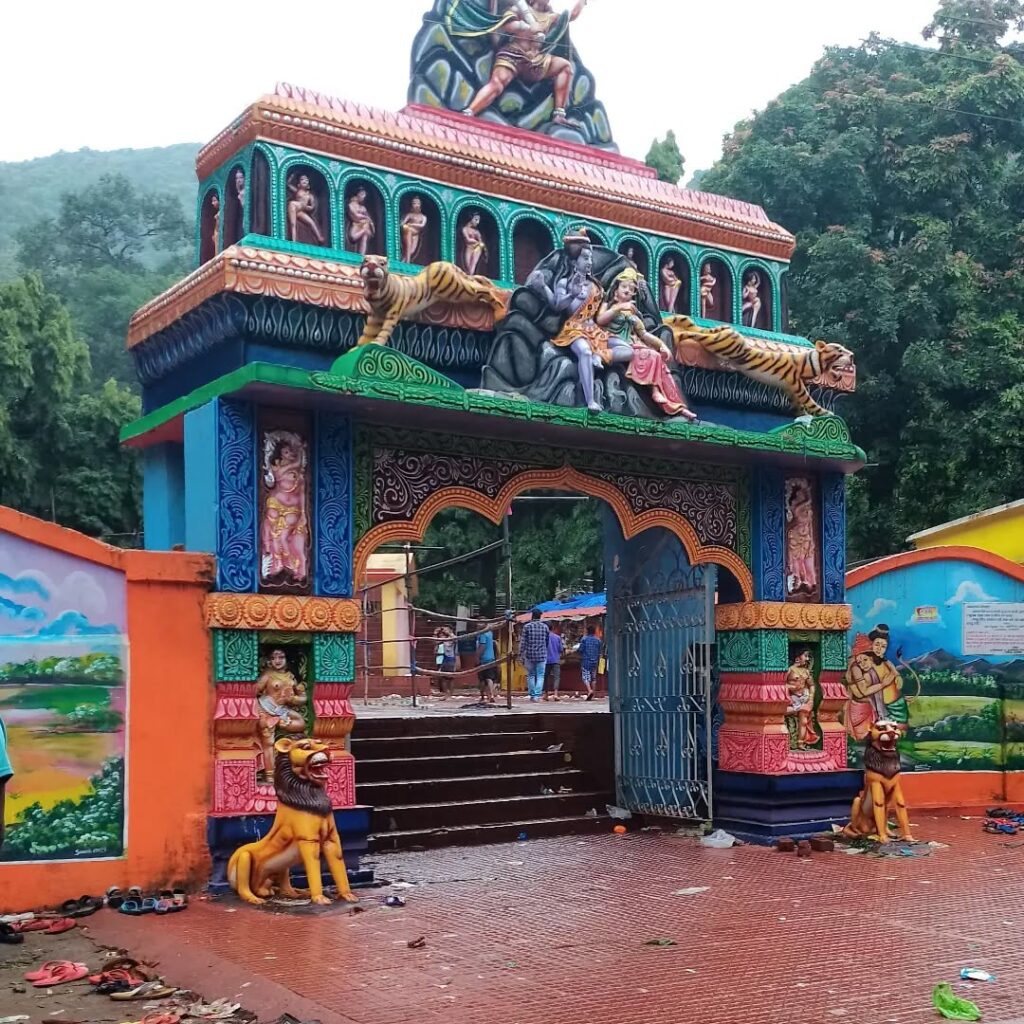
Balangir, The Gandhamardan hills stands Harishankar Temple. Harishankar Temple is a place of pilgrimage with uncommon scenic charms. As a cool resort in the lap of nature, The Harishankar temple is a beautiful tourist place for the heat of the summer season. A cool bath in this waterfall with sliding on the streaming rock brings the tourist uncommon happiness. in this place (waterfall) is believed that one can refrain from all his sins with having a bath in the stream and worship the Lord Harishankar here to fulfill their wishes. visitors can stay in the panthanivas to enjoy the beauty of Harishankar temple, Balangir..
Read MoreExplore Harishankar Temple
A Harmony of Faith and Nature in Odisha
Nestled in the Gandhamardan Hills of Balangir District, Odisha, Harishankar Temple offers a tranquil sanctuary adorned with lush greenery and flowing streams. This breathtaking location not only captivates the spirit but also enchants nature lovers with panoramic views of the surrounding landscape. The vibrant flora and fauna create a refreshing escape, perfect for those seeking solace from the daily grind.

Essential Travel Information for Harishankar Temple
Harishankar A Must Visit Pilgrimage Destination

Harishankar Temple is a renowned spiritual site in Balangir, Odisha, celebrated for its intricate architecture and deep historical roots. The main shrine venerates Lord Vishnu, presented in a unique form as Harishankar, while the secondary shrine is dedicated to Lord Shiva, hosting a sacred Shiva Lingam. Visitors are drawn to the temple’s remarkable carvings showcasing various Hindu deities, mythological narratives, and stunning geometric designs. The serene atmosphere, complemented by the scenic surroundings of the Harishankar temple and waterfall, makes it a unique destination. The temple welcomes visitors from early morning until evening. For those traveling from Bolangir, the temple is easily accessible, with good road connectivity to major cities like Bhubaneswar, Rourkela, Koraput, Sambalpur, and Brahmapur. Cabs and buses are readily available to facilitate your journey.
A Glimpse into the History of Harishankar Temple
Nestled in the Gandhamardan Hills of Balangir District, Odisha, Harishankar Temple offers a tranquil sanctuary adorned with lush greenery and flowing streams. This breathtaking location not only captivates the spirit but also enchants nature lovers with panoramic views of the surrounding landscape. The vibrant flora and fauna create a refreshing escape, perfect for those seeking solace from the daily grind.

How to Reach Harishankar
Getting to Harishankar Temple in Odisha is an adventure filled with picturesque landscapes and accessible routes.
By Flight: The nearest airport is Swami Vivekananda Airport in Raipur, Chhattisgarh, located about 220 km away. Once you land, you can easily hire a taxi or catch a bus to the temple.
By Train: The closest railway station is Balangir, situated approximately 81 km from the temple. Regular train services link Balangir with major cities such as Bhubaneswar, Raipur, and Kolkata. After arriving in Balangir, you can take a taxi or a bus to reach Harishankar Temple.
By Car: If you enjoy driving, you’ll find well-maintained roads leading to Harishankar Temple from Balangir, Raipur, and nearby areas. The journey through the scenic Gandhamardan hills makes the trip even more delightful.
Harishankar Waterfall
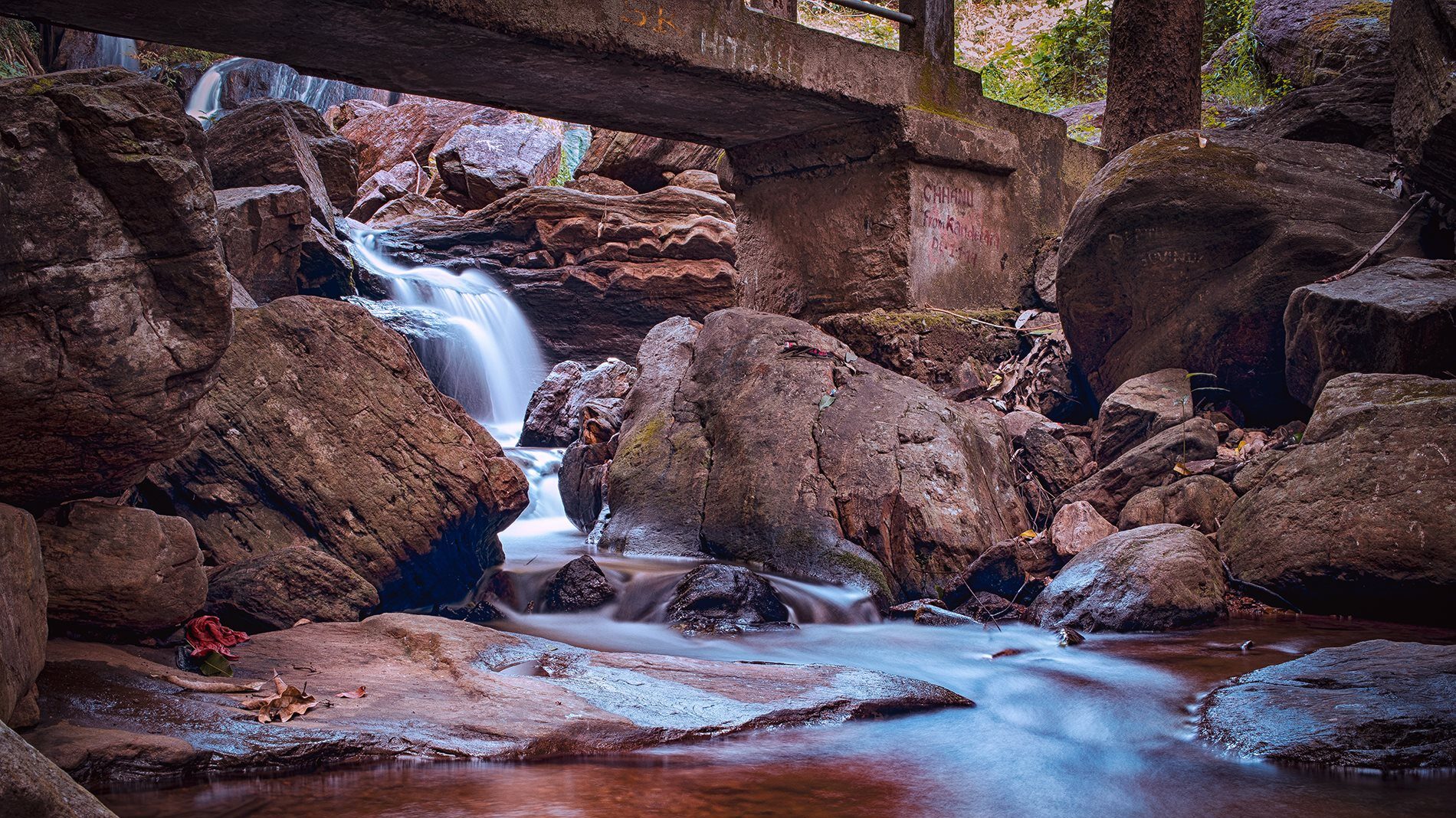
Belonging to the own circle of relatives of herbal gemstones of Odisha is the Harishankar Fall that is called a famous pilgrimage webweb page withinside the state. The fall unearths its unique location at the southern facet of Gandhamardan hills withinside the Rourkela City of Odisha. This tourism appeal is normally visited and is nestled withinside the coronary heart of travelers because the well-known Harishankar Temple is hooked up to it. Pilgrims who go to this well-known temple, provide their prayers to 2 divine Hindu deities whose call are added collectively as Harishankar in which Hari way Lord Vishnu and Shankar way Lord Shiva.
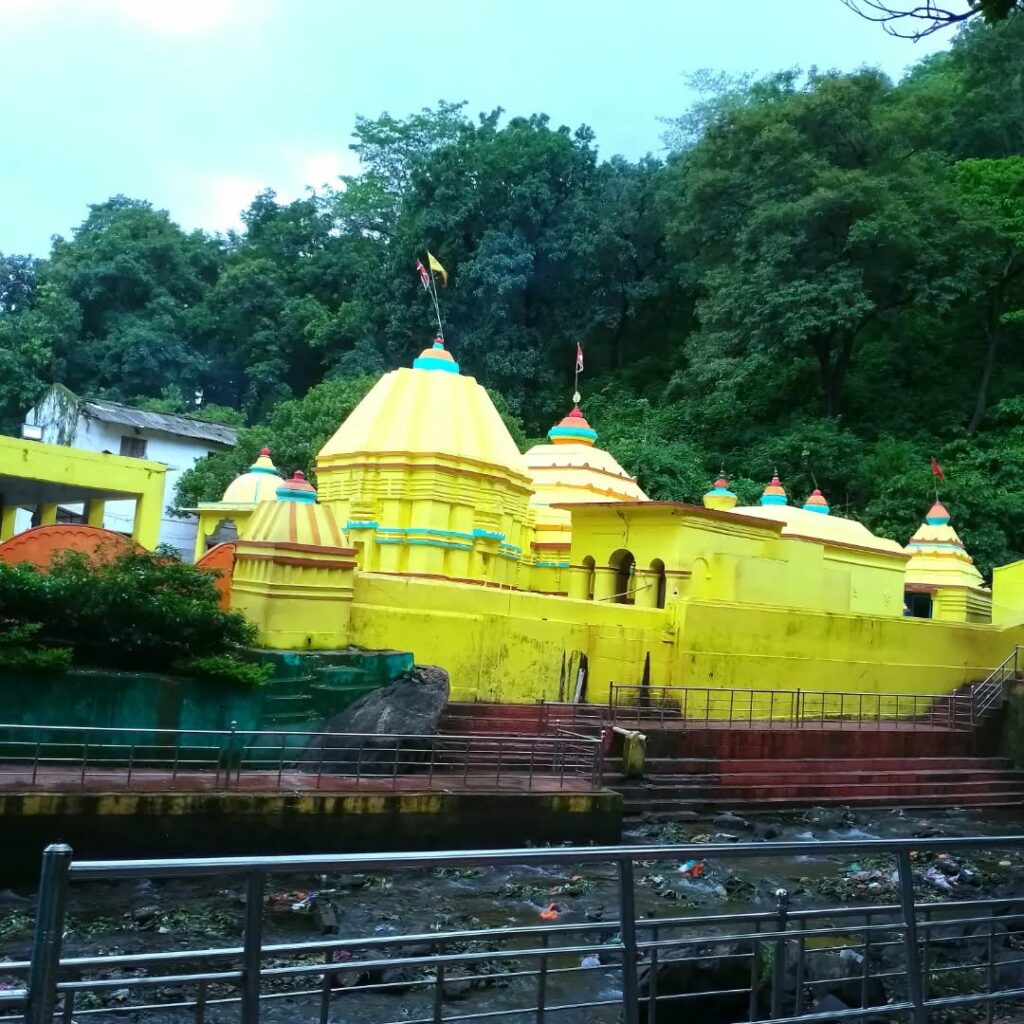


Hence, traveling Harishankar Fall may be a non violent enjoy for the travelers who need to depart their town existence at the back of for a few time. Once right here vacationers can dip their soul withinside the soothing chants and chimes of the temple; experience the breeze that ripples via their skin; experience the speeding waft of the waterfall and appreciate the sight of scenic darkish forests and Gandhamardan hills.
All of this collectively makes Harishankar Fall one of the first-class vacationer spots in Odisha. Furthermore, Indira Gandhi Park, Hanuman Vatika, Khandadhar Fall, PitaMahal Dam and Ispat Nehru Park are a few vacationer locations that may be visited while across the fall.



Dharapgarh & Dashamati Sagar, Balangir

Gandhamardan Hills


Nrusinghanath Temple Gandhamardan Hills

Dhabaleswar Mahadev Kumuda Pahad


Harishankar


Patneswari Temple
Patneswari Temple, Balangir

Patneswari Temple, Patnagarh Balangir is the combination with happy synthesis of mythic past and modern present & Patneswari Temple shows the reminiscence of the earliest group of temples build during the King Chauhan. Abounding in natural of beauty, this place is famous for many historical temples.
Read MoreHow to Reach Patneswari Temple
Dharapgarh & Dashamati Sagar, Balangir
Gandhamardan Hills
Nrusinghanath Temple Gandhamardan Hills
Dhabaleswar Mahadev Kumuda Pahad
Harishankar
Odisha Tourism India Tourism | Indian Travel Destinations Guide & Tour Packages