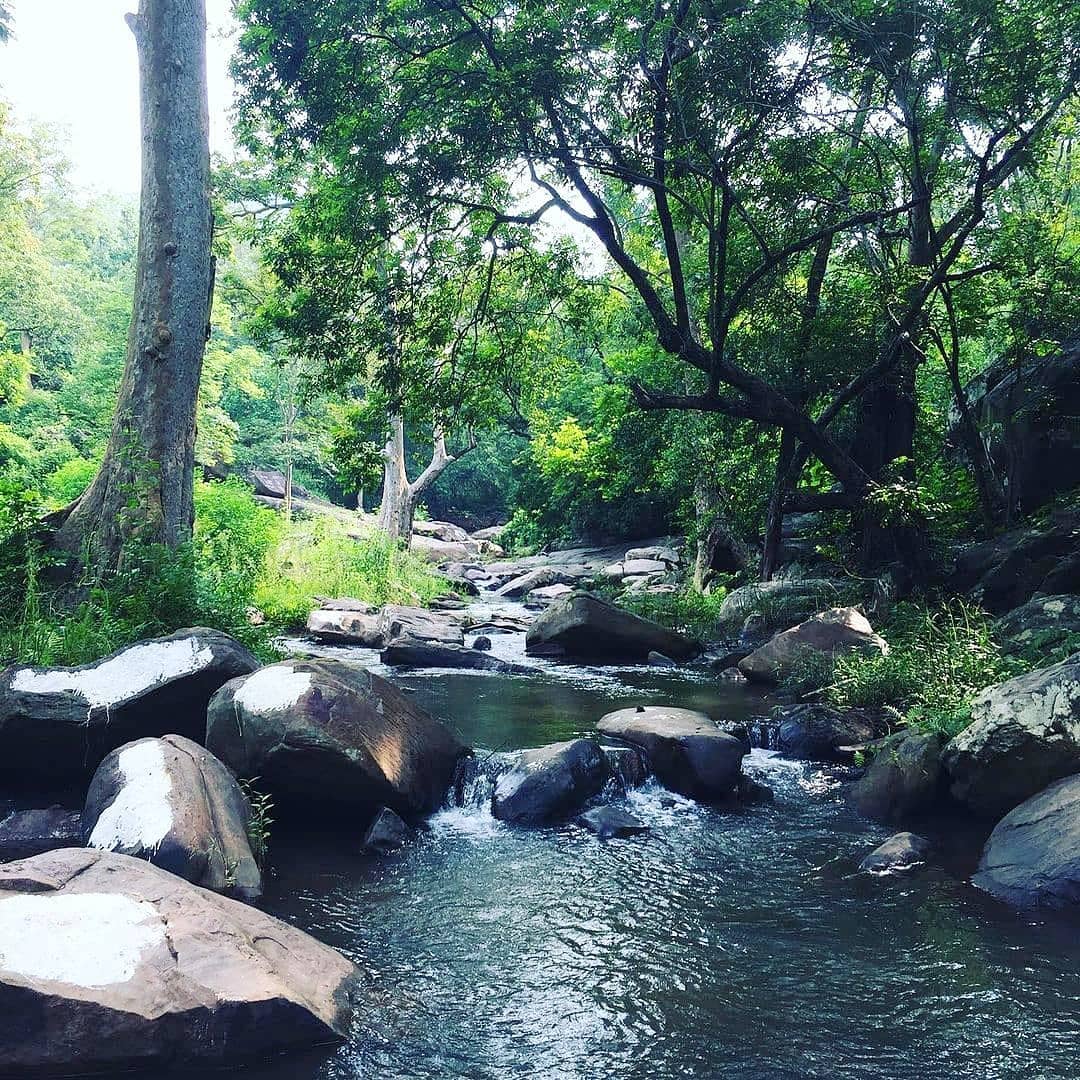
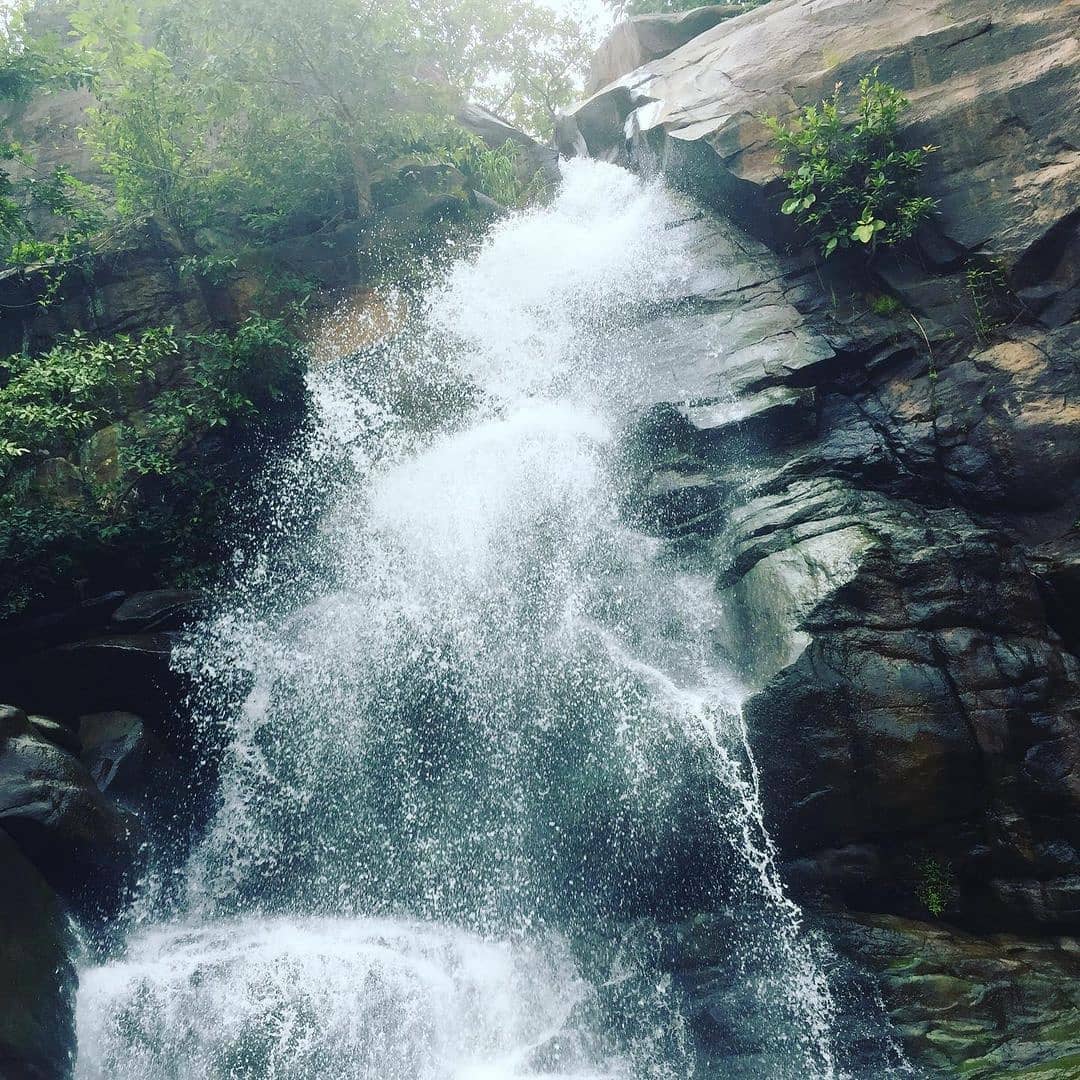
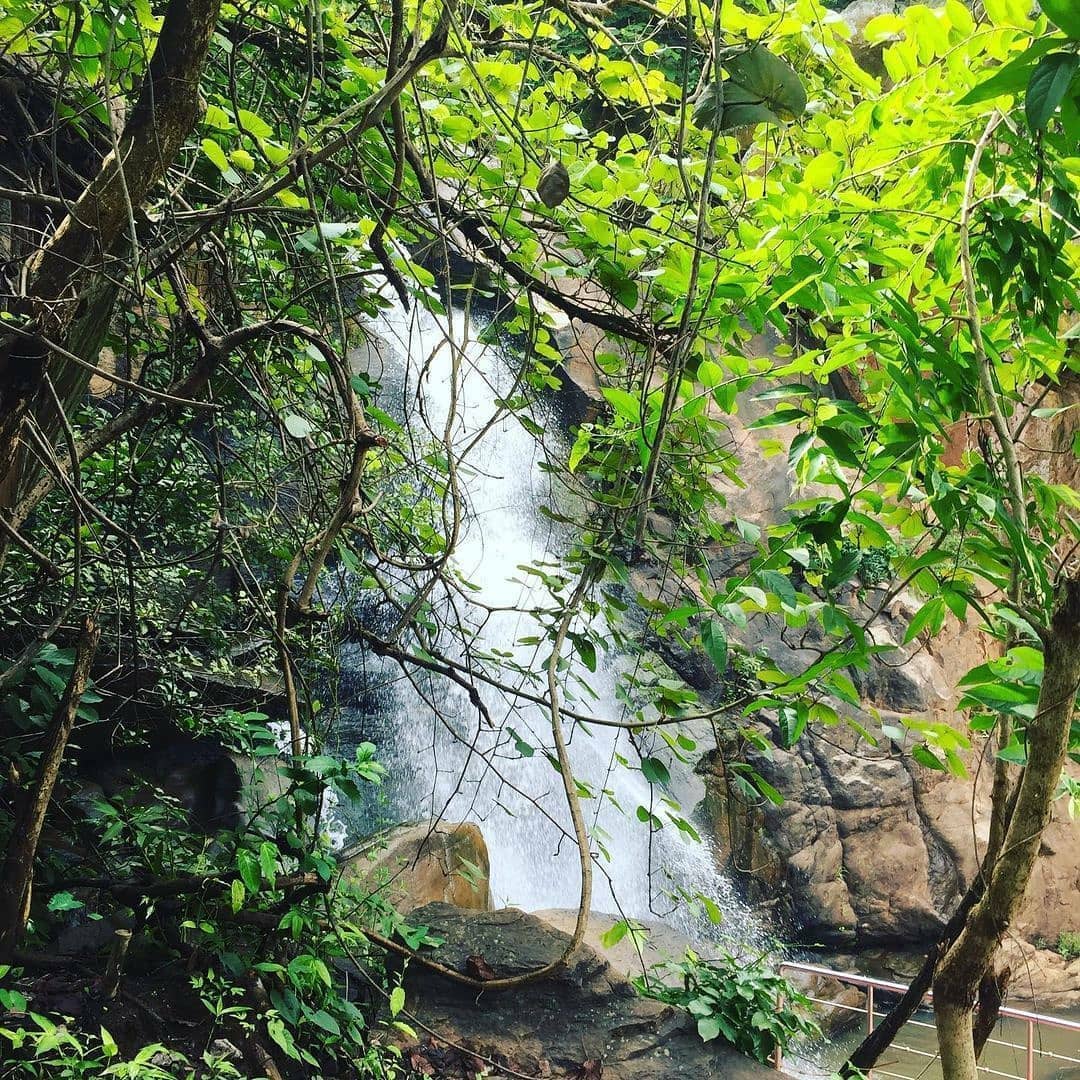
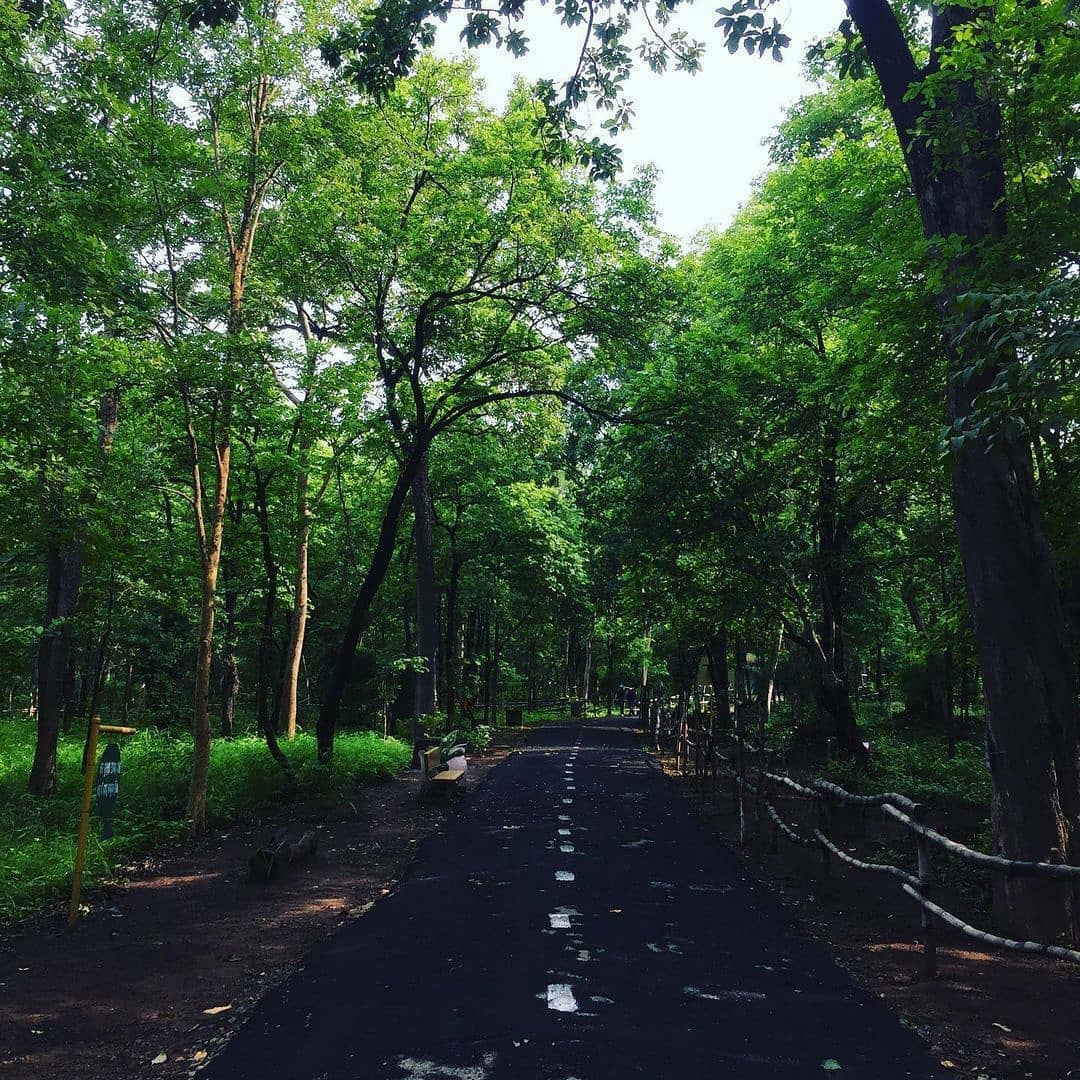
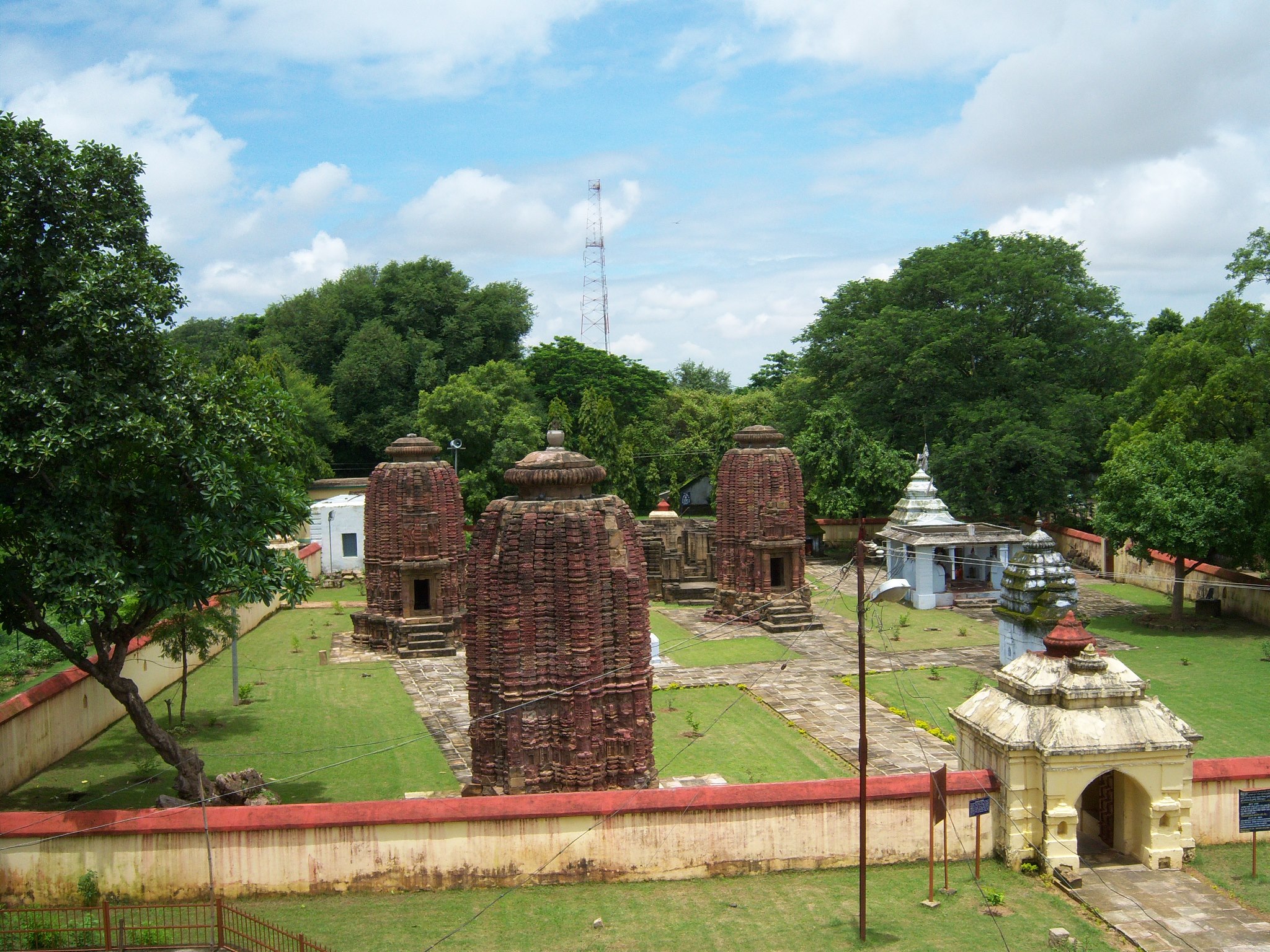
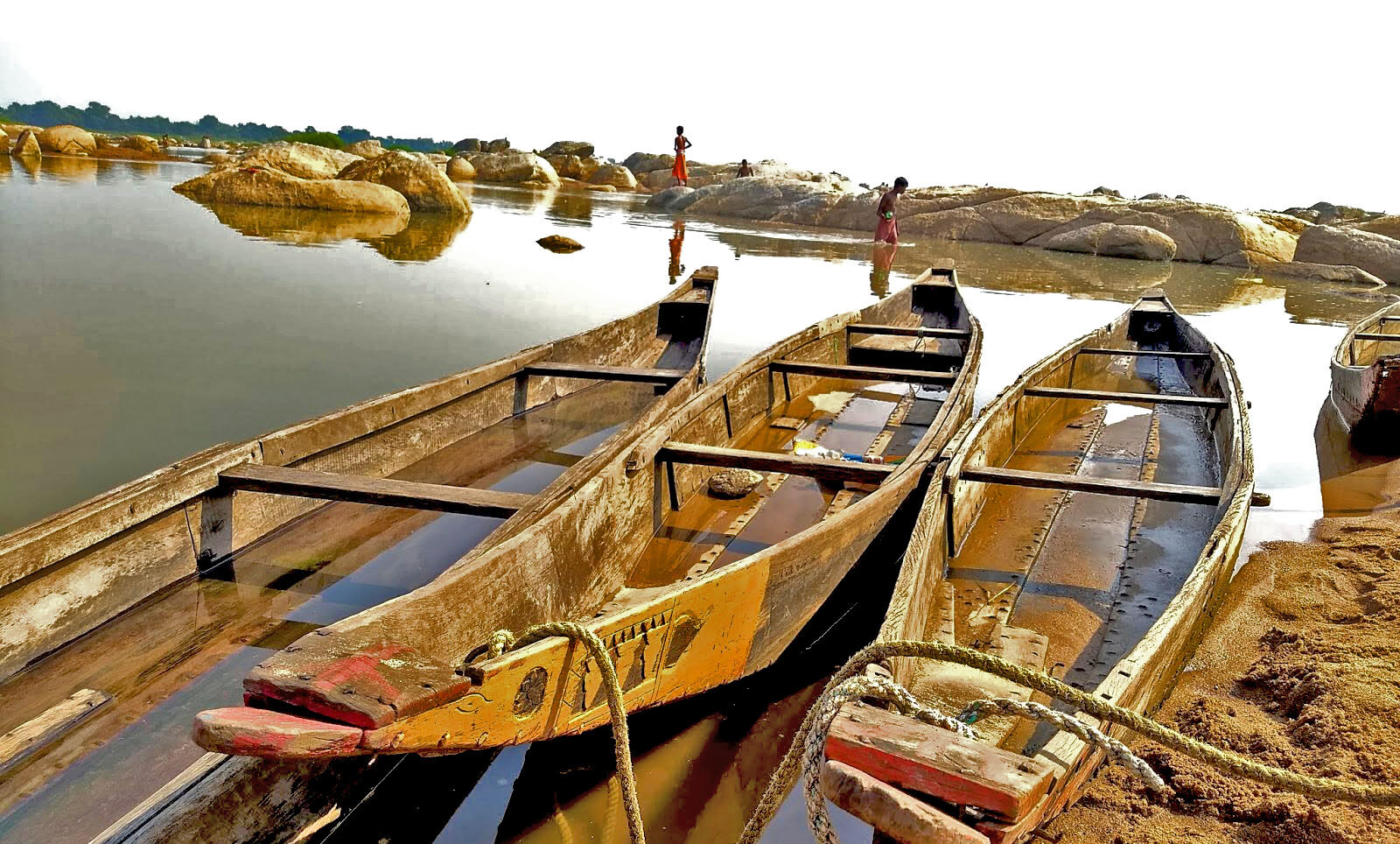
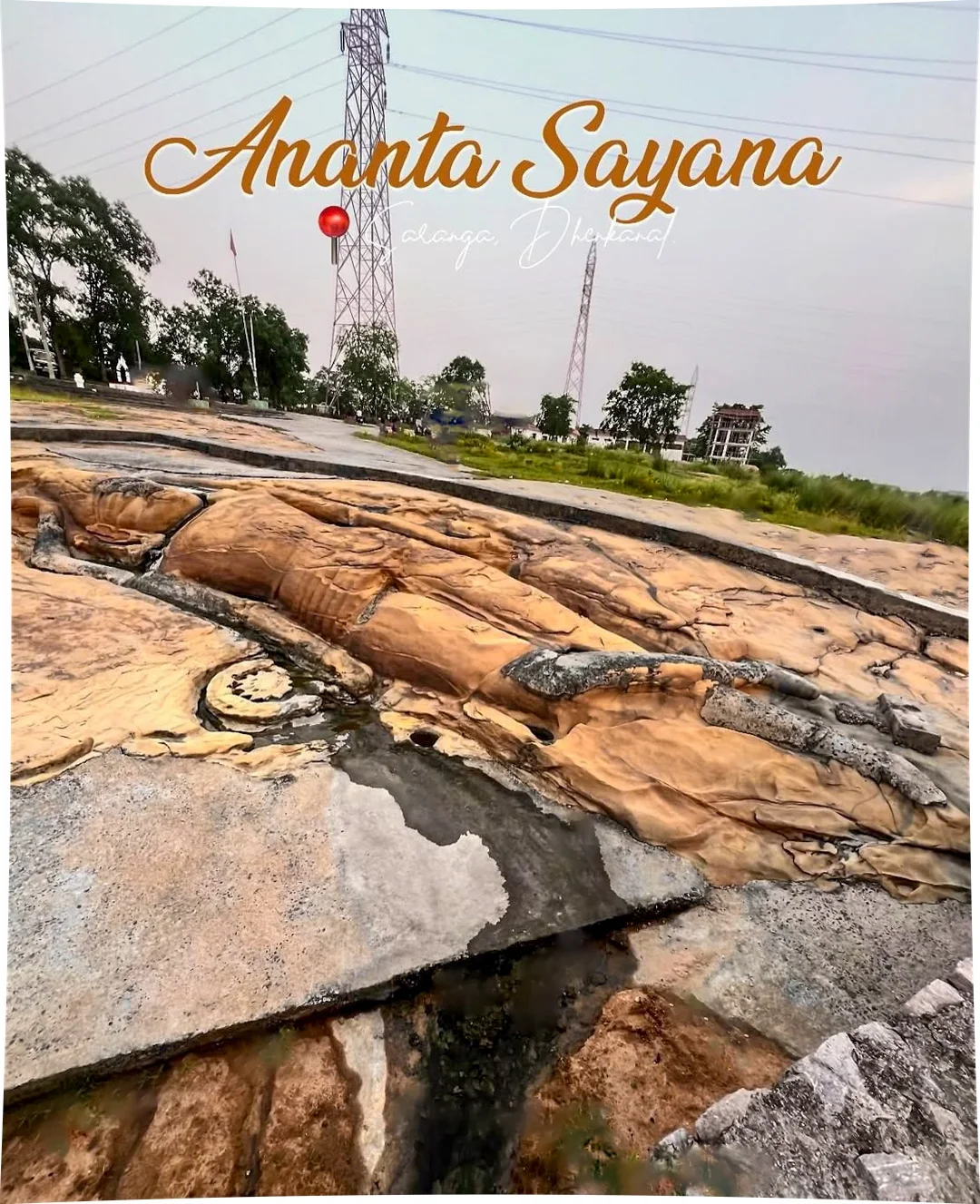
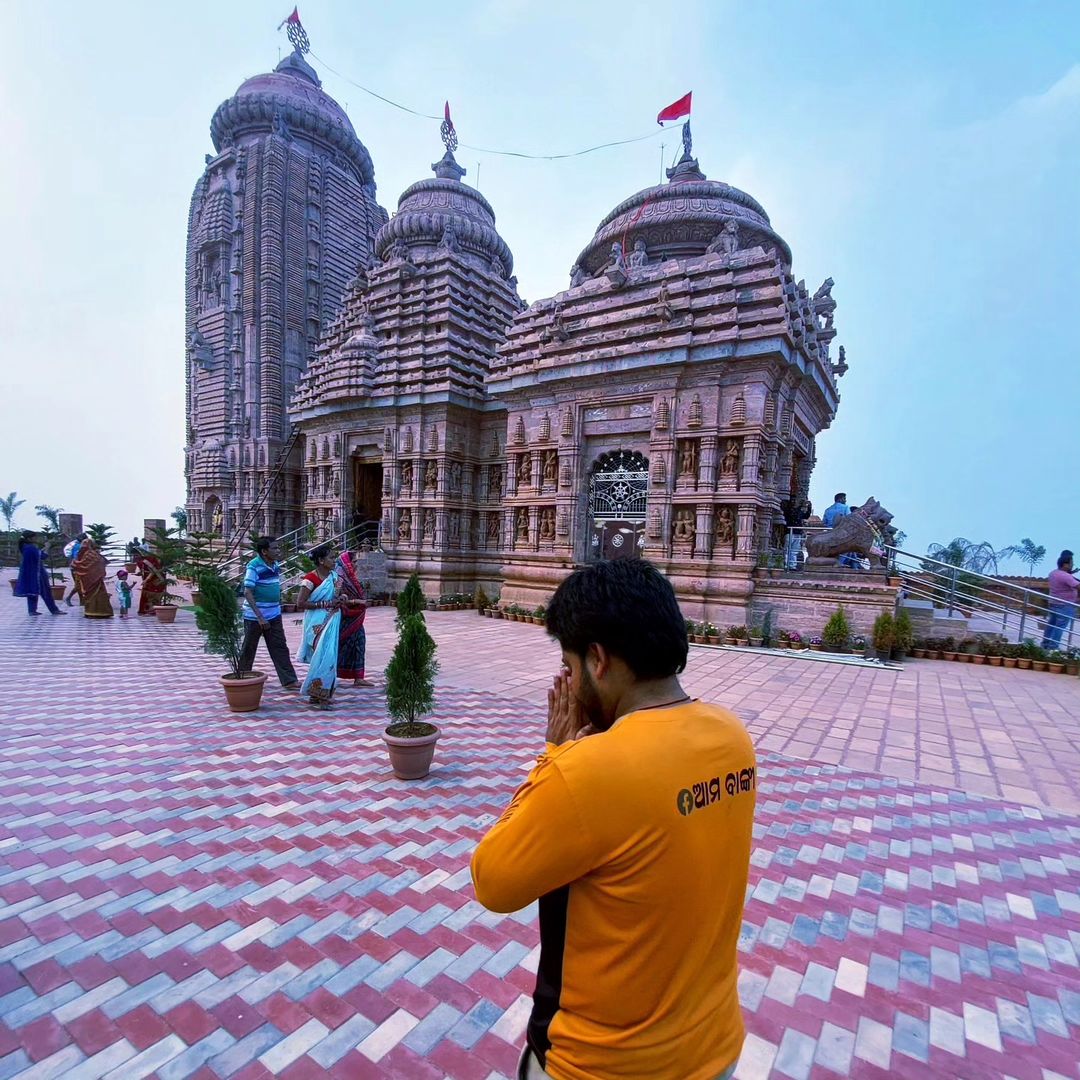
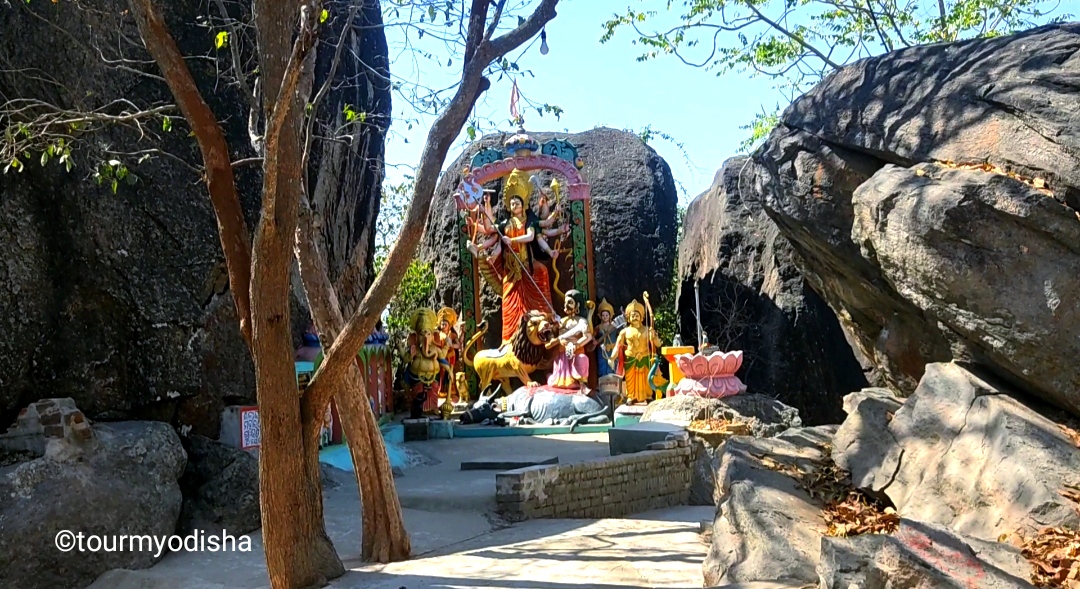
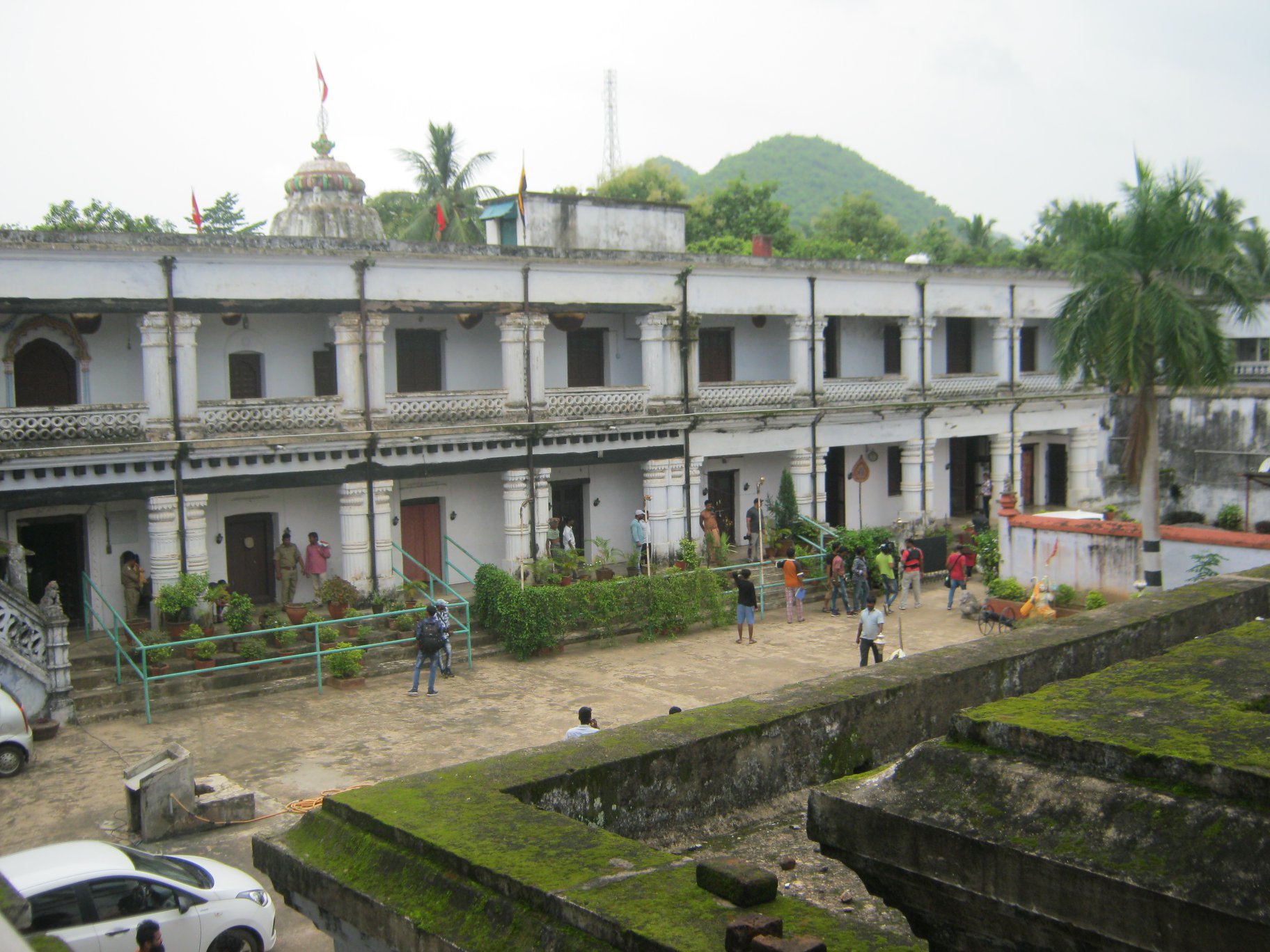
The Gudahandi waterfall are situated in the vicinity of Khaligarh, Koraput District, Ampani. The Ampani is 77 K.Ms from Bhawanipatna, Odisha . Khaligarh is a very beautifull tourist place of Ampani being cart tracxt parts of which pass through dense forest. 3 small hills, all of curved length, are together & That hill name as the Gudahandi hills. A rivulet named Behera flows past in the village. In this place, There are remains of a very beautiful old dam across this revulet, local people call it the work of Bhima, the 2nd of the Pandavas. Gudahandi, Gudahandi Kalahandi, Kalahandi attractions, Kalahandi places to visit, Kalahandi tourist attractions, Kalahandi sight seeing
Gudahandi is an notable and picturesque spot this is made with the aid of using 3 adjacent hills in Kalahandi. Home to now no longer best certainly bounties, Gudahandi homes numerous evidences which can be believed to be from a prehistoric age. The caves that belong to those hills undergo numerous artwork on their bodies. These artwork are believed to had been carved out throughout the Indus Valley Civilisation. All the caves are greater or much less of the equal length besides the only gift toward the acute north.
Gudahandi Waterfall
One may be without difficulty mesmerised with the aid of using the pink and black artwork gift at the doorway of the caves. A verdant valley lies withinside the adjacent vicinity of the northern and the southern hills which provides to the splendor of Gudahandi Hills. A small river named Behera flows throughout the hills, which homes the stays of an historic dam believed to had been constructed with the aid of using Bhima. Gudahandi is a favorite picnic spot for the nearby people, in addition to for the visitors, throughout the winter.
How to Reach GUDAHANDI
By Air
Nearest Airport is Bhubaneswar Airport
By Train
Nearest Railway station is Junagarh
By Road
From capital town Bhubaneswar, it is around 550+ km
15km from Bhawanipatna the Phurlijharan is a perennial waterfall about 30Ft. The multi coloured rainbow created by the sunrays falling on the scattered water particles of the phurlijharan waterfall is an amusing sight to be seen in this tourist place. The evergreen jungles around the phuljharan waterfall provide ample opportunities to group picnickers.
Exploring the Serenity of Phurlijharan Waterfall, Bhawanipatna
Welcome to the breathtaking Phurlijharan Waterfall, a hidden gem nestled in the heart of Bhawanipatna. Known for its scenic beauty and tranquil surroundings, this pristine waterfall is an ideal escape for nature lovers and adventure seekers alike.
A Natural Wonder
Phurlijharan Waterfall cascades gracefully down rocky cliffs, surrounded by lush greenery and vibrant flora. The sound of the water plunging into the pool below creates a soothing symphony that invites visitors to unwind and immerse themselves in the serenity of nature. Whether you’re looking to relax by the water’s edge or take a refreshing dip, this beautiful locale has something for everyone.
The Journey to the Waterfall
Getting to Phurlijharan Waterfall is an adventure in itself. The journey takes you through winding roads and picturesque landscapes, providing stunning views of the local wildlife and countryside. As you approach the waterfall, the anticipation builds, making the eventual sight all the more rewarding.
Activities to Enjoy
Once you arrive, you can indulge in various activities such as:
Photography: The majestic waterfall and its surroundings offer endless opportunities for stunning photographs.
Trekking: For the adventurous souls, there are numerous trails leading to and around the waterfall, perfect for trekking and exploring the natural beauty of the region.
Picnicking: Pack a picnic and enjoy a meal amidst the sounds of nature. The area provides ample space for families and groups to relax and enjoy time together.
Bird Watching: The rich biodiversity around the waterfall makes it a great spot for birdwatching. Spotting colorful bird species is an added delight for nature enthusiasts.
Best Time to Visit
The best time to visit Phurlijharan Waterfall is during the monsoon season (June to September) when the water flow is at its peak. However, the waterfall’s beauty is captivating all year round, offering a unique experience in every season.
Discover the Majestic Phurlijharan Waterfall in Bhawanipatna: A Hidden Gem of Odisha
Imagine standing at the edge of a cool mist, where water crashes down in white sheets over rugged rocks, and the air smells fresh from nearby woods. That’s the magic of Phurlijharan Waterfall in Bhawanipatna. This spot pulls you in with its raw power and quiet peace, making it a top pick for folks seeking real nature in Odisha.
Tucked in Kalahandi district, Phurlijharan Waterfall Bhawanipatna stands out as an offbeat gem. Locals cherish it for its ties to old stories and daily life. It boosts tourism in the area, drawing hikers and families who want a break from busy cities. In this guide, you’ll find out about its past, how to get there, fun things to do, and smart tips to make your trip smooth. Stick around for all the details to plan your own adventure.
History and Background of Phurlijharan Waterfall
Phurlijharan Waterfall has roots deep in Odisha’s land and people. It formed over years from natural shifts in rivers and hills. The name comes from local words meaning “quick stream,” fitting its fast flow.
This site adds color to Kalahandi’s story. Tribes in the area have long used it for rituals and water needs. It links to Bhawanipatna’s growth as a quiet hub.
Over time, more eyes turned to this waterfall. What started as a spot for locals now welcomes visitors from afar. Efforts to protect it keep its charm alive.
Geological Formation and Location Details
Rivers carved Phurlijharan through hard rock layers long ago. Rain and wind shaped the cliffs, creating drops of water that tumble down. The Phurli River feeds it, running from nearby hills.
You’ll find it just 15 kilometers from Bhawanipatna town. It sits in a green valley with rolling hills around. This setup makes the area feel wild yet close to roads.
The waterfall drops about 50 feet in steps. Surrounding land includes forests and small paths. It’s easy to picture how water builds up during rains to feed the falls.
Cultural and Historical Significance
Local tribes like the Kutia Kondh see Phurlijharan as a sacred place. They share tales of spirits living in the water. Festivals often happen near it, blending faith and fun.
In Kalahandi’s history, the waterfall helped with farming and travel. It marks the region’s dry past, where water spots like this were treasures. Bhawanipatna grew around such natural features.
Today, it ties into Odisha’s tribal heritage. Visitors learn about customs through guided talks. This mix keeps the site’s old soul fresh.
Evolution as a Tourist Spot
At first, only nearby folks knew of Phurlijharan. Word spread in the 1990s with better roads. Now, it’s on maps for eco-tours.
The government added signs and paths in recent years. Groups work to stop trash and plant trees. This helps it shine as a safe draw.
Tour numbers rise each season. From a hidden fall, it became a key stop in Bhawanipatna trips. Plans include more facilities to handle crowds.
Natural Beauty and Unique Features
Phurlijharan Waterfall Bhawanipatna stuns with its clear pools and green backdrop. You hear the roar before you see it, feeling the spray on your skin. It’s a spot where nature shows off without crowds.
The falls change with the weather, offering fresh views each time. Birds call from trees, and flowers bloom along the edges. This blend makes it perfect for a day out.
Key features include rock steps and side streams. They create small caves to explore. It’s all about that fresh, alive feel in Odisha’s heart.
Stunning Waterfall Characteristics
Phurlijharan has three tiers, each dropping water in a rush. The main fall hits 40 to 50 feet, splitting into foamy streams. In peak flow, mist rises high, sometimes forming rainbows.
During monsoons, water pounds hard, turning the base into a swirling pool. Dry seasons show more rocks and gentle trickles. Photos capture the mist glow best at midday.
The shape mimics a silver ribbon over black stone. Edges have hanging vines for that wild touch. It’s photogenic year-round, but shines in wet months.
Surrounding Flora and Fauna
Thick forests hug the waterfall, full of sal trees and bamboo. Wild orchids pop in colors along paths. The shade keeps the air cool even in heat.
Birds like kingfishers dart near the water. You might spot deer or monkeys in the woods. Butterflies add splashes of blue and yellow.
This setup draws nature lovers. It supports eco-tours focused on Odisha’s wild side. Just watch your step to not scare off the wildlife.
Best Times to Visit for Optimal Views
Monsoon from June to September brings the fullest flow. Water roars, and green explodes around. But paths get slick, so go prepared.
Winter months, October to February, offer calm visits. Clear skies let you see details sharp. Temps stay mild, around 20 degrees Celsius.
Avoid summer heat from March to May. Flows drop low, but it’s great for quiet hikes. Check rain forecasts to pick your sweet spot.
How to Reach Phurlijharan Waterfall from Bhawanipatna
Getting to Phurlijharan Waterfall from Bhawanipatna is straightforward. The short drive lets you focus on fun, not travel stress. Roads wind through fields, building excitement.
You have options like cars or buses. Each fits different budgets and groups. Plan ahead to skip hassles.
Once there, signs guide you in. It’s a quick trip that feels like entering another world.
By Road: Driving and Public Transport
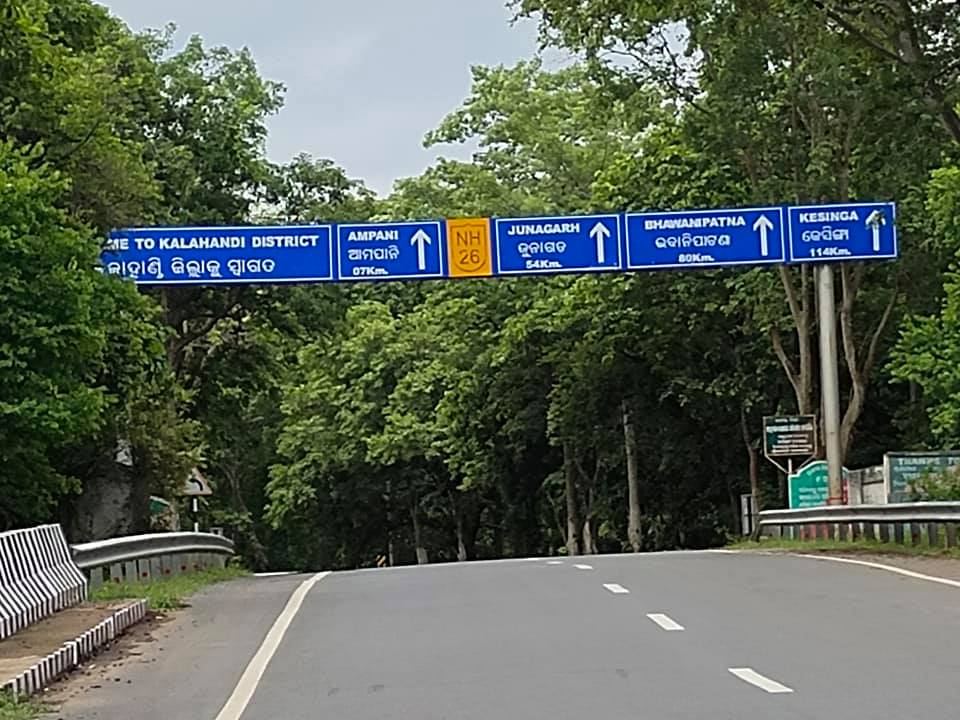
From Bhawanipatna, head west on NH26 for about 15 km. The road is paved but narrow in spots—drive slow. It takes 30 to 45 minutes.
Buses run from town stands to nearby villages. Catch one early; they drop you close. Fares stay under 50 rupees.
For self-drive, rent a bike or car in Bhawanipatna. Locals offer taxis too—bargain for a round trip. Watch for potholes after rains.
Nearest Airports and Railway Stations
Fly into Raipur Airport, 250 km away. It takes 5 to 6 hours by road from there. Taxis wait outside for the drive.
Visakhapatnam Airport is another option, about 300 km east. Travel time hits 7 hours. Trains connect better for some.
Bhawanipatna has a small rail stop. Trains from major cities like Bhubaneswar arrive here. From the station, it’s a short auto ride to start your waterfall path.
Local Navigation Tips
Use Google Maps for the route—it pinpoints the turnoff well. Signals fade in hills, so screenshot first. Follow brown signs for tourist spots.
Hire a local guide if new to the area. They know shortcuts and share stories. Cost runs 300 to 500 rupees for a half day.
Park at the base lot and walk the last bit. Avoid night drives—roads lack lights. This keeps your trip safe and simple.
Things to Do and Explore Around Phurlijharan
At Phurlijharan Waterfall Bhawanipatna, days fill with easy adventures. Trek a bit, snap photos, or just sit by the water. It suits all who love the outdoors.
Mix in nearby sights for a full day. The area offers peace and small thrills. You’ll leave with stories to tell.
Activities blend nature and local flavor. Pick what fits your pace.
Trekking and Nature Walks
Short trails lead to top views, about 1 km long. They’re mild, with steps on dirt paths. Wear good shoes—rocks can slip.
Pack water and snacks for the walk. It takes 20 minutes up, with rests at bends. Spot birds along the way.
In monsoons, stick to marked routes. Guides help for safety. It’s a great way to feel the forest pulse.
Picnicking and Photography Spots
Find flat rocks by the pool for picnics. Bring mats and home food—it’s shady and cool. Families love the open space.
For photos, stand below for mist shots. Side angles catch the tiers best. Dawn light softens the scene nicely.
Local events like harvest fests happen nearby. Time your visit to join—adds fun to your snaps.
Nearby Attractions to Combine in Your Itinerary
Pair Phurlijharan with Yogimath Temple, 10 km back in town. It’s an old site with calm vibes and carvings. Spend an hour there for culture.
Ampani Hills rise 20 km away, with views and streams. Drive up for a quick hike—complements the waterfall’s water theme. Total trip: under a day.
Don’t miss Karlapada Wildlife Sanctuary, 30 km out. See elephants and birds. It rounds out your nature day perfectly.
Practical Travel Tips and Safety Advice
A trip to Phurlijharan needs some prep. Think about stays, what to pack, and how to stay safe. These steps make your visit worry-free.
Bhawanipatna has basics covered. Eat local and rest easy. Focus on fun, not fuss.
Follow rules to keep the spot pristine. Your care helps it last.
Accommodation and Dining Options
Stay at budget hotels in Bhawanipatna, like OTDC guesthouses. Rooms cost 500 to 1000 rupees a night. Book online for peak times.
Resorts near the hills offer AC and views. Try Harisankar Resort for comfort. It’s 20 minutes from town.
For food, hit street stalls for pakoras and rice dishes. Odia thalis shine with fish curry. Veggie spots abound—eat fresh and cheap.
Packing Essentials and Weather Preparation
Bring light clothes and rain gear for monsoons. Sturdy shoes beat sandals on wet paths. A hat shields from sun.
Pack bug spray and water bottles. Snacks like nuts keep energy up. Check apps for rain—tropical weather shifts fast.
Layers work for cool evenings. Don’t forget sunscreen. This covers Odisha’s mix of wet and warm.
Safety Precautions and Conservation Guidelines
Stay on paths—slippery rocks cause slips. Hold rails near drops. Go with a buddy for treks.
No plastics allowed; carry bags for trash. Join clean-up if you see one. It protects the river.
Support locals by buying crafts. Report issues to forest staff. Safe habits keep Phurlijharan thriving.
Places to visit in Kalahandi District
kalahandi picnic place
Dokarichanchara Kalahandi is one of the most famous historical and ancient places in India or Odisha. Dokari Chanchala is a picnic or tourist spot located in Kokasala village on the border of Kalahandi and Nabarampur districts. It is a unique place, totally different from other attractive tourist places in Kalahandi. Dokari Chanchala is famous for two famous waterfalls, Dokaridhara Falls and Vanyaragumala Falls (or Bhairabdhar Falls). Moreover, the nearby historic Gudahandi caves make this place even more famous. Gudahandi caves were named (Hundi) because of their appearance resembling a jaggery pot (Guda). There you can see various prehistoric documents, pictorial inscriptions and drawings engraved on the stone walls. There is a famous Ram temple which is famous for being very ancient and old. Every year on Shri Ram Navami, a nine-day long festival is held there. Dokarichanchala Waterfalls Dokaridhara waterfall is 60 feet high and surrounded by beautiful stone hills. Maa Dokari Devi has also been worshipped at this place for a long time.
Karlapat Sanctuary Located in the southern district of Kalahandi, 12 km from Bhawanipatna in Kalahandi district, Karlapat Sanctuary is situated in a dense area of lush dry deciduous forests. The beautiful waterfall “Pullijaran” is created as a picnic spot for local tourists and attracts many visitors from far away in Kalahandi district and its surrounding areas. Karlapat Wildlife Sanctuary is home to a variety of wild animals and birds. The sanctuary is rich in wildlife such as leopard, gaur, sambar deer, nile gaur, muntjac, piglet, otter deer, various birds and reptiles. Labandar Located about 12.8 km from Bhawanipatna and accessible through a dusty road,
Rabandara Rabandara is a place of great scenic beauty. It is named after a small waterfall in a mountain gorge. The surrounding panorama offers fascinating contrasts of landscapes: mountains and wide valleys, solid rocks and dense forests, and the eternal silence of the surroundings interrupted by the music of autumn. Despite poor transport links, picnic groups sometimes visit from Bhawanipatna as there is no market nearby. The stream that forms the falls almost dries up in the hot season. Downstream, its water is used for agricultural purposes in small irrigation projects.
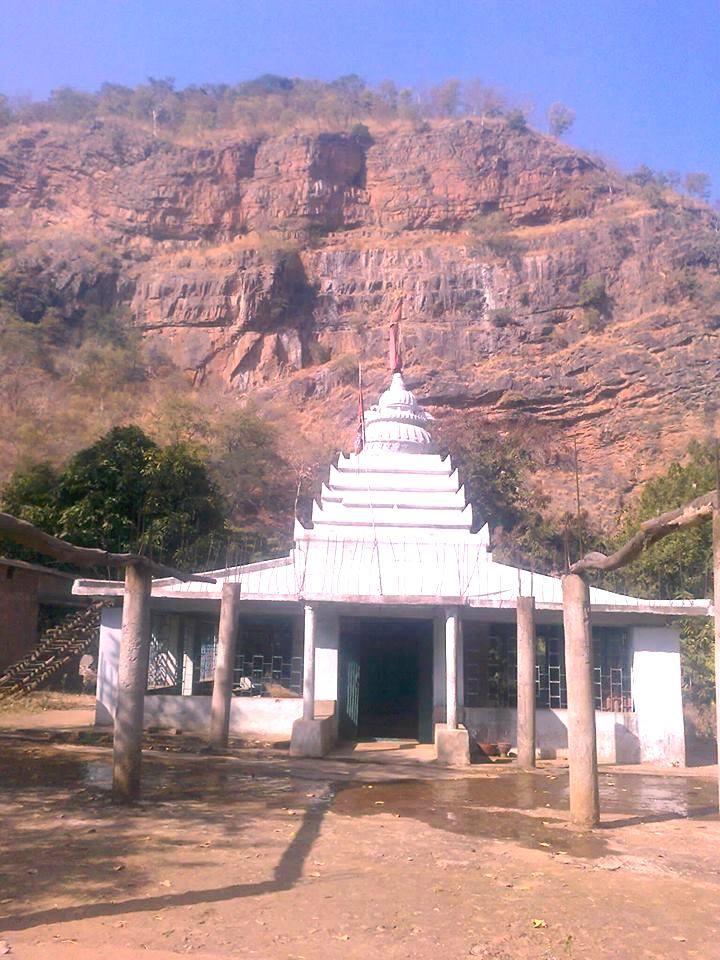
Gudahandi The Gudahandi hills are located near the small village of Harigarh, about 17.6 km northeast of Ampani, near the border of Koraput district. Ampani is 77 km from Bhawanipatna on the Nawarampur road. The Gudahandi range has several ancient caves with paintings dating back to the distant past. Harigarh is quite remote, and the 17.6 km from Ampani is a cart path, some of which passes through dense forests. All three small hills have a curved length and are collectively known as the Gudahandi range. The northern and southern hills meet in the east, leaving between them a farm-like valley that opens to the west. This valley is paved with huge stone blocks sloping towards the east. At the foot of these hills, facing the valley, a row of caves lie. All the caves are small except the northern one. Some appear to have been formed by human hands, but generally they appear to have been formed by nature itself from red slate. Red and black pictographs are found at the entrances of some caves in the southern part of the country. These have not yet been fully explored, but are believed to roughly correspond to the pictographs of the Indus Valley Civilization. A few pictograph-like inscriptions have been found at Gudahandi in Kalahandi district, Bikramkol and Ulapgarh in Sambalpur district, and Naraj in Cuttack district. This indicates that prehistoric people were settled in Odisha. Just to the west of the valley stands a third hill running north-south like a path. However, this hill is not connected to the other two, so the valley can be reached from both the north and south through a narrow pass. All three mounds taken together look like a pot with a lid. The name Gudahandi, meaning a molasses pot, may have been derived from the impression its shape clearly conveys. A river named Behera flows beside the village. Across this river are the remains of a very ancient dam, which the locals call the work of Bhima, the second of the Pandavas.
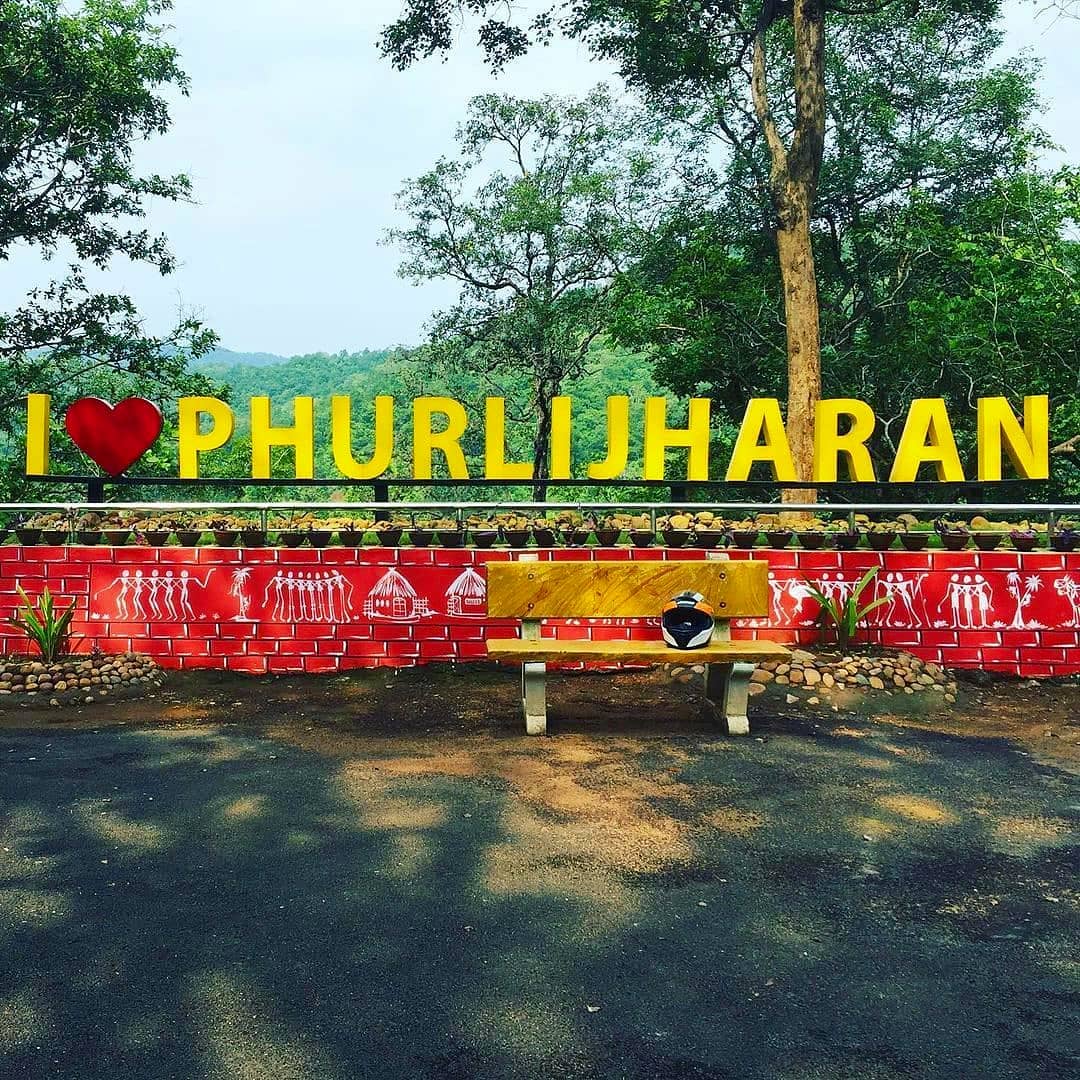
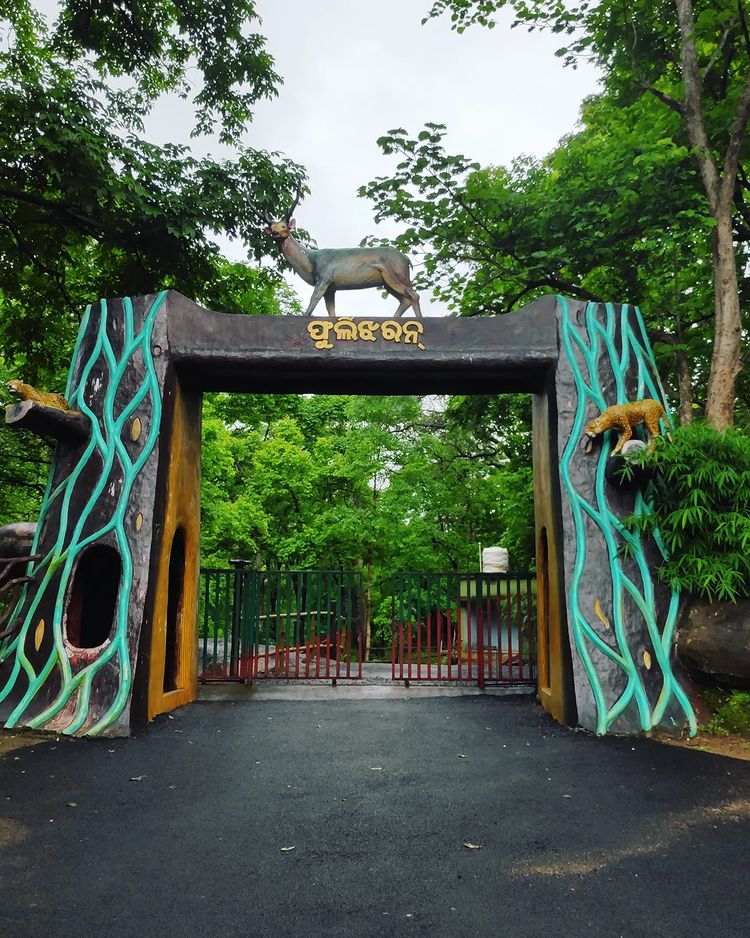
Phurlijharan Pullijaran 15 km from Bhawanipatna, the Pullijaran waterfall is an all-year cascading waterfall of about 30 feet in height and has a unique charm. The colourful rainbows created by the sunlight falling on the water particles scattered in the waterfall are very beautiful. The evergreen forests around the falls provide ample opportunities for group picnics.
Amathguda Amathguda is a fort on the right bank of the Teru River, where the road to Balangir crosses the river. It is now an incomplete ruin. The remains of this fort have not yet been explored, so nothing is known for certain. The fort was probably of considerable strategic importance, as it stood close to an ancient river crossing. A road with a low bridge over the river continued more or less along the old road. Another bridge was built just a few meters from the old, broken bridge. Part of this new bridge was washed away in the 1977 flood of the Teru River.
Conclusion
Phurlijharan Waterfall in Bhawanipatna captures Odisha’s wild heart with its rushing waters and green hugs. From its rocky birth to tribal tales, this spot blends history and beauty. Easy access from town, plus treks and picnics, makes it a hit for quick getaways.
Key points: Hit it in monsoons for max flow, but pack for rain. Stay green—no litter—and mix in temples or hills for more. You’ll love the fresh air and calm.
Plan your trip now. Share your photos or tips in comments. Head out and make memories at this Odisha treasure.
Phurlijharan Waterfall in Bhawanipatna is more than just a destination; it’s an experience that rejuvenates the soul and connects us with nature. If you’re planning your next getaway, make sure to add this stunning waterfall to your itinerary. For more information and travel tips, visit tourmyodisaha.com.
Happy traveling!
Feel free to customize this post further or let me know if you need any specific details added!
Phurlijharan cascade is situated at the Kalahandi area of Odisha,India. The cascade tallness is 30ft and its a principle drawing in mark of this place since little cascade is expanding the spot of magnificence. It is a heaven for nature sweethearts. The spot is an absolute necessity visit for the individuals who are looking for serene get-aways.
The cascade tumbling to a little waterway that is a genuine stunner of this place in light of the fact that the ground structure resembles a little water drops are dropping in to the earth. Found 15 km from Bhawanipatna in Kalahandi area in Odisha, Phurli Jharan is an ideal cookout spot as well. Relish the superb perspective on water falling down from a stature of up to 16 m. Venerate the wonderful rainbow framed because of the sun-beams falling on the dispersed water. It is an incredible encounter to invest the recreation energy in the lap of nature.
The best chance to visit this spot is in the middle of October to March. Effectively open street from all pieces of the town associates with this spot. Traveler like to visit this spot by private or employed.
How to Reach Phurlijharan
By Air
Nearest Airport is Bhubaneswar Airport
By Train
Nearest Railway station is Junagarh
By Road
From capital town Bhubaneswar, it is around 550+ km
In which district is phurlijharan waterfall located?
phurlijharan waterfall located in Bhawanipatna, Kalahandi district
Which beach in Orissa is famous for turtles?
Odisha is famous for turtles in The Gahirmatha beach
Bhawanipatna to Phurlijharan distance
Bhawanipatna to Phurlijharan distance is 16.0 km By SH 44
Kalahandi district is historical tourist places of Odisha; where The Dokarichanchara is a tourist place located in the village of Kokasara. The Gudahandi cave was named due to its appearance as a jaggery means guda & pot means handi. The Dokarichanchara is completely unique place than that of other attractive tourist centers in Kalahandi district of odisha. its 2 famous waterfalls, Dokaridara and Bhanyaraghumara in this place. In addition historical Gudahandi cave.
The Dambarugada Mountain is located at Sangrampur, approximately 21 km from Boudh, towards Boudh-Balangir avenue in Orissa. The mountain, approximately 70 toes height, offers a curve appearance from all of its side. The Mahanadi River which flows down the mountain is a lovely sight. There is a temple committed to Chiatanya Deva, on pinnacle of the mountain.
The Charisambhu temple is situated at a distance of 16 kms from Boudh, Odisha near the village at Gandharadi. The famous twin temple is a combination of Nilamadhava & Siddheswar. These famous twin temples were constructed in 8th Century AD. under the patronage of Bhanja rulers of the Khinjali Mandala These 2 Nilamadhava & Siddheswar temples were built on one platform ,exactly similar to each other.
The Jogindra Villa Palace is exRuler of Boudh, Odisha locally known as Rajabati. Jogindra Villa Palace was constructed during the reign of king Jogindra Dev. The Jogindra Villa Palace is a picturesque and beautiful building commanding a fine view river of Mahanadi.
Purunakatak is situated at a distance of 30 km. from Boudh, Odisha on Boudh – Daspalla road, is a trading centre of some importance. Goddess Bhairabi is the presiding deity of the Purunakatak place. Previously the deity was being worshipped in a thatched hut, but recently a local businessman has constructed a temple. Goddess Bhairabi was the presinding deity of the then Samanta Raja Sarangadhara Mahapatra, who was the Samanta Raja of the last King of Brahmin dynasty of the 10th centuryAD, A large no of people from the locality congregate here during the MahaSivaratri festival.
The Marjakud is a wonderful island of Boudh, Odisha. It is located on the opposite side of Boudh town in the river of Mahanadi. About 3k people are living here. Maa Pitabali is the presiding deity of this Marjakud place. The Marjakud is an ideal place for picnic. Marjakud Island, Boudh, Marjakud, Marjakud Boudh, Boudh Tourism, Boudh tour, Boudh Travels, ISLAND MARJAKUDA, Boudh tourist place
Nearest Railway station is Rairakhol – 30km. From Rairakhol to Boudh By Bus or Taxi – 30km
By Road
Nearest Railway station is Rairakhol – 30km. From Rairakhol to Boudh By Bus or Taxi – 30km
Marjakud Island, Boudh | Tourist Places
Marjakud,An Island Village.
Once the Father Of Nation Mohan Das Karam Chand Gandhi stated “The Soul Of India Lives In Its Villages”. According to the 2011 census in India 68.8% human beings lives in 6,40,867 specific villages. In India few villages have a populace of 10 human beings and few have extra than 10,000. Today I am right here withinside the Island Village of Boudh district and it’s miles lesser recognized to others.
The island village is called “Marjakud” withinside the river Mahandi. The village has a populace of 4000 human beings. The village may be reached via Deshi Danga / boats. There is an thrilling peoples story approximately the village.
Marjakud Island, Boudh | Tourist Places
Once upon a time there has been a cat in Boudh. The gift Marjakud village changed into a small rock in the river.The rock changed into so closed to Boudh and it’s miles stated that the cat used to leap from the rock to Boudh. One wet day the cat did not land nicely and changed into washed through the flooded water. After its dying it cursed the rock.The rock went farfar from Boudh and have become large through size.
There are extra than seven hundred households and extra than 4000 human beings staying on this village. Few households left the village because it has a negative connectivity and this case will become worst throughout wet days.We met few antique folks that stated they even don`t recognise approximately their originality.
A properly evolved village with correct all climate avenue and strength facility. Now they’re running difficult to deliver water to each house. Most of the homes are cemented. You can discover a current village right here.
Mahadev Temple
A small temple of Maa Pitadei cand be discovered at the financial institution of river Mahanadi. Maa Pitadei is the village deity.In each activities the villagers are looking for her blessing. Mr. Mohana Meher one elder man or woman stated “Maa Pitadei usually assist the villagers throughout their terrible instances. Many instances it’s been visible that the Boudh is suffering from the flood however the village has escaped.”
Marjakuda High School
For the higher schooling the village has a Primary and a excessive school.As the connectivity is a hassle and the academics comes via Boudh throughout wet days the colleges are effected because of flood. Now a days many households are migrating to Boudh for a higher existence and a higher schooling.
Once upon a time this big island had a few unused land which changed into in a while utilized by the villagers.The most important livlihood of the villagers is cultivation and that they have all of the sources without difficulty available. There are a few wealthy farmers and that they have tractors and all of the different farming equipments.
I genuinely loved the village. The human beings are very hospitable,properly behaved and helpful. The enjoy,a laugh and surroundings of a village cannot be discovered in a city.
Let me recognise when you have any enjoy in a village……