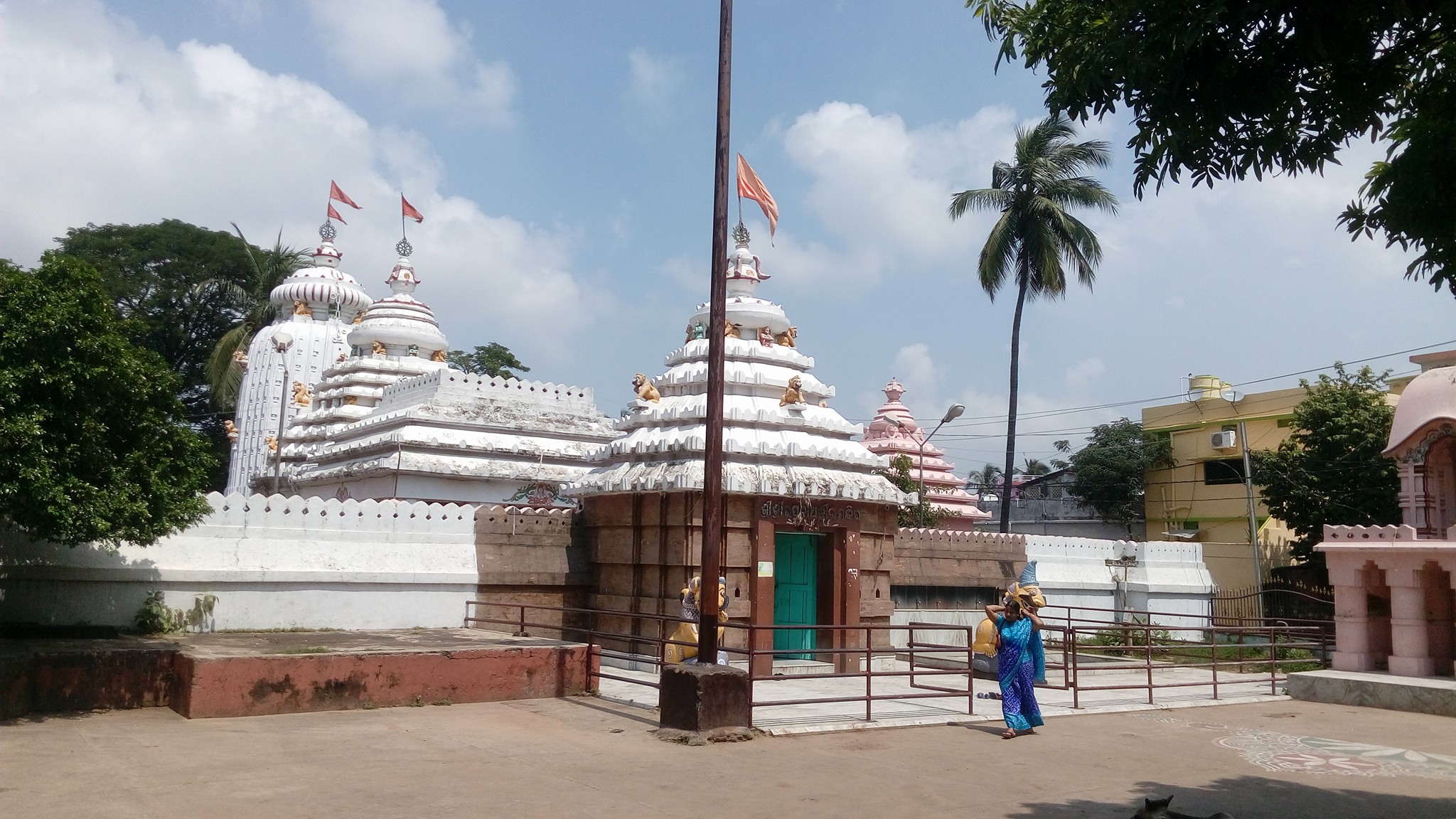
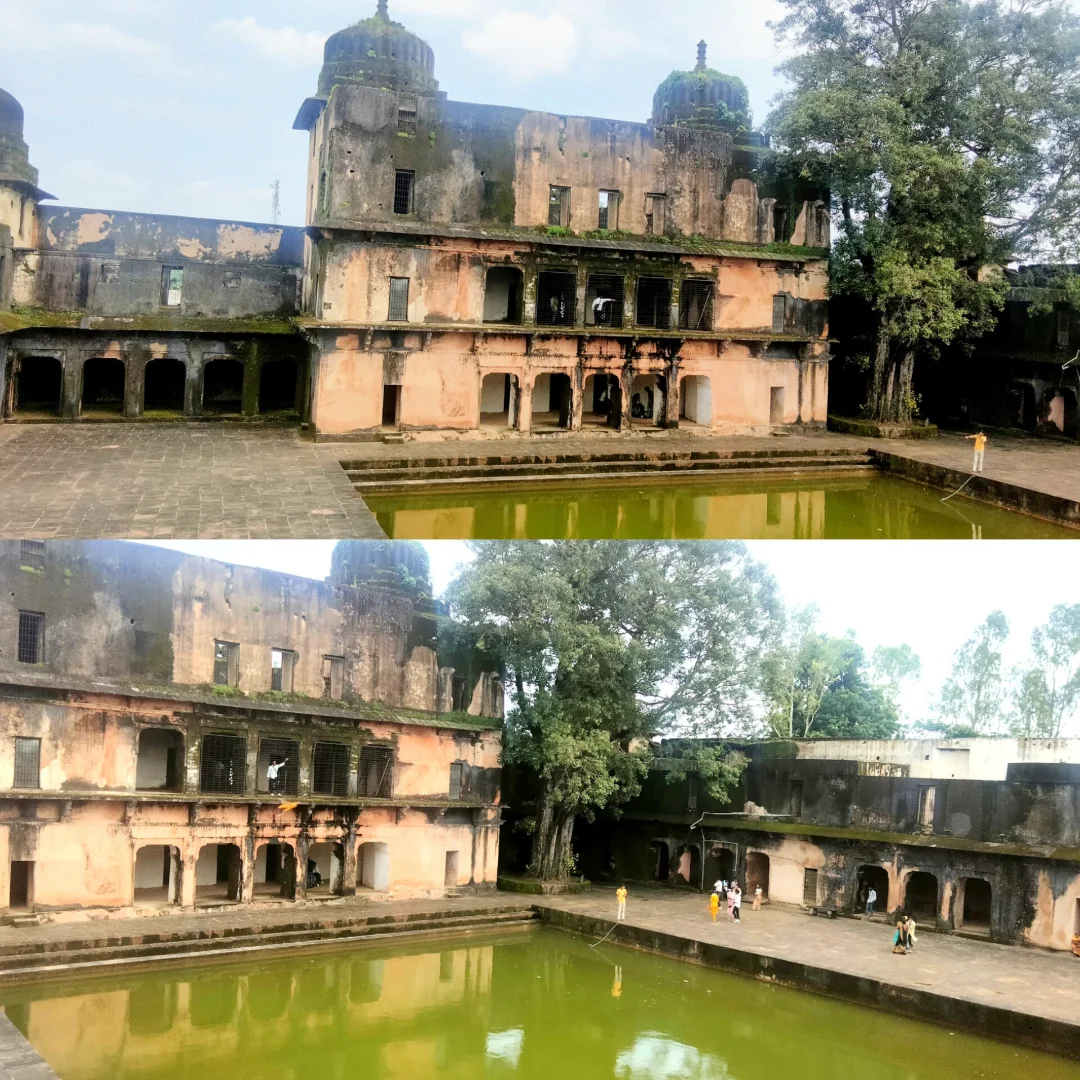
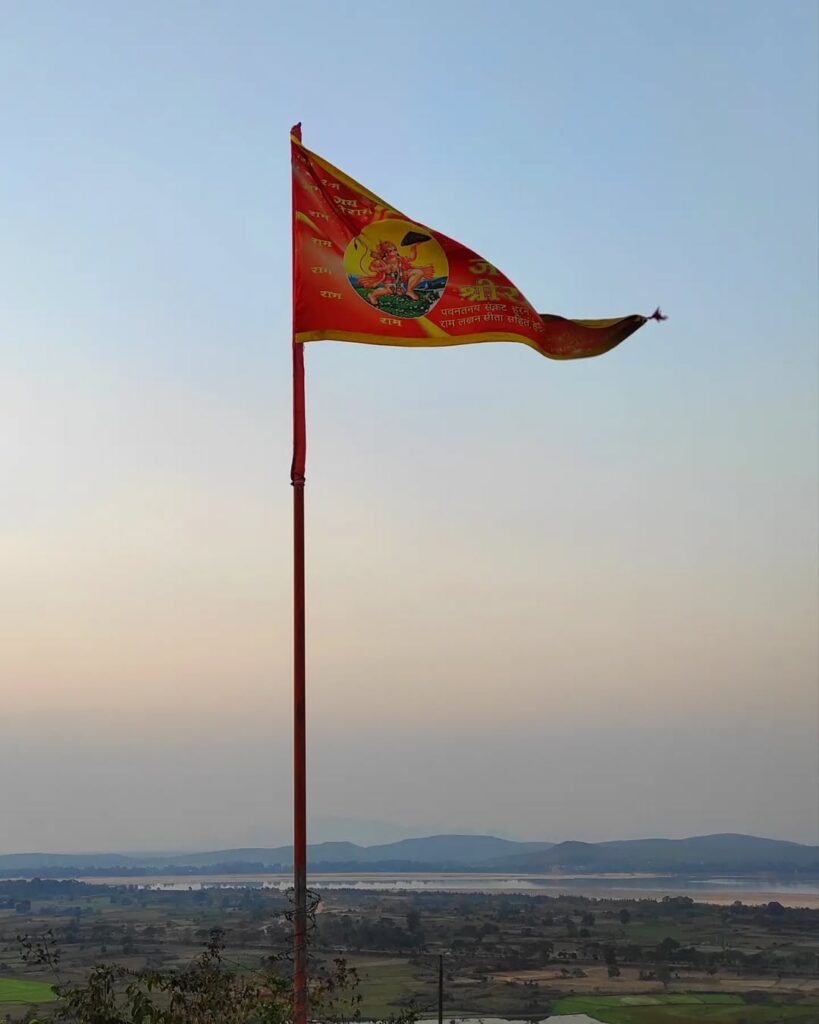
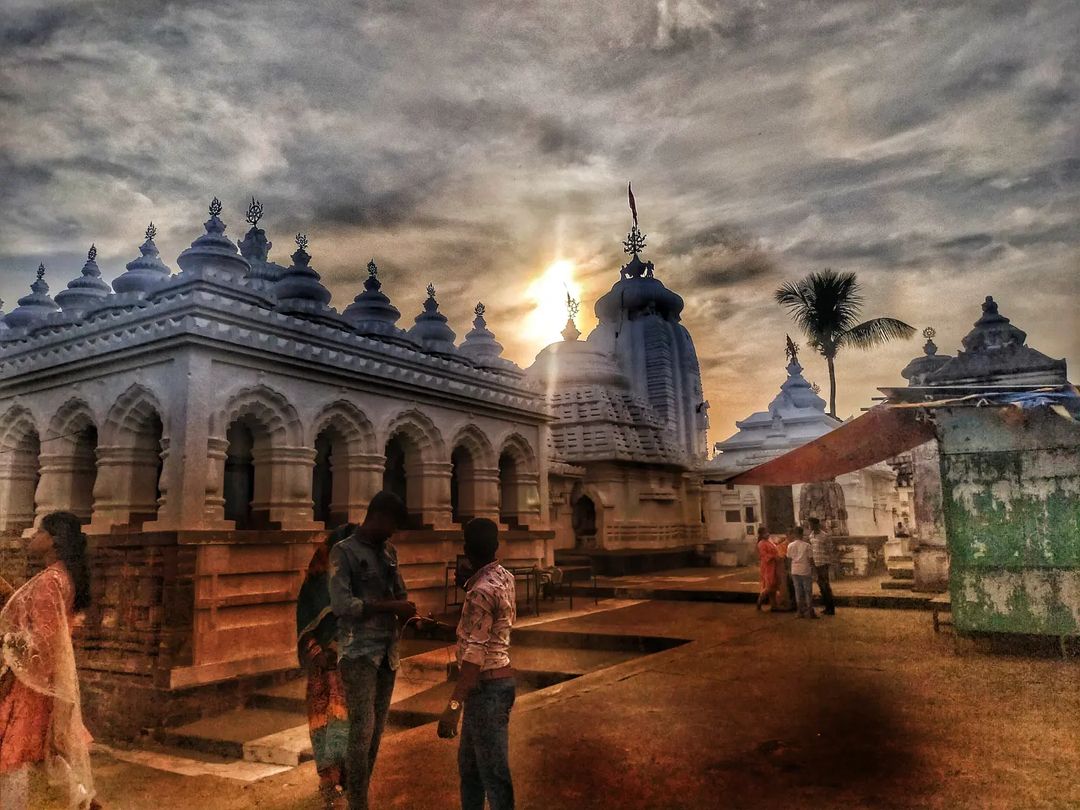
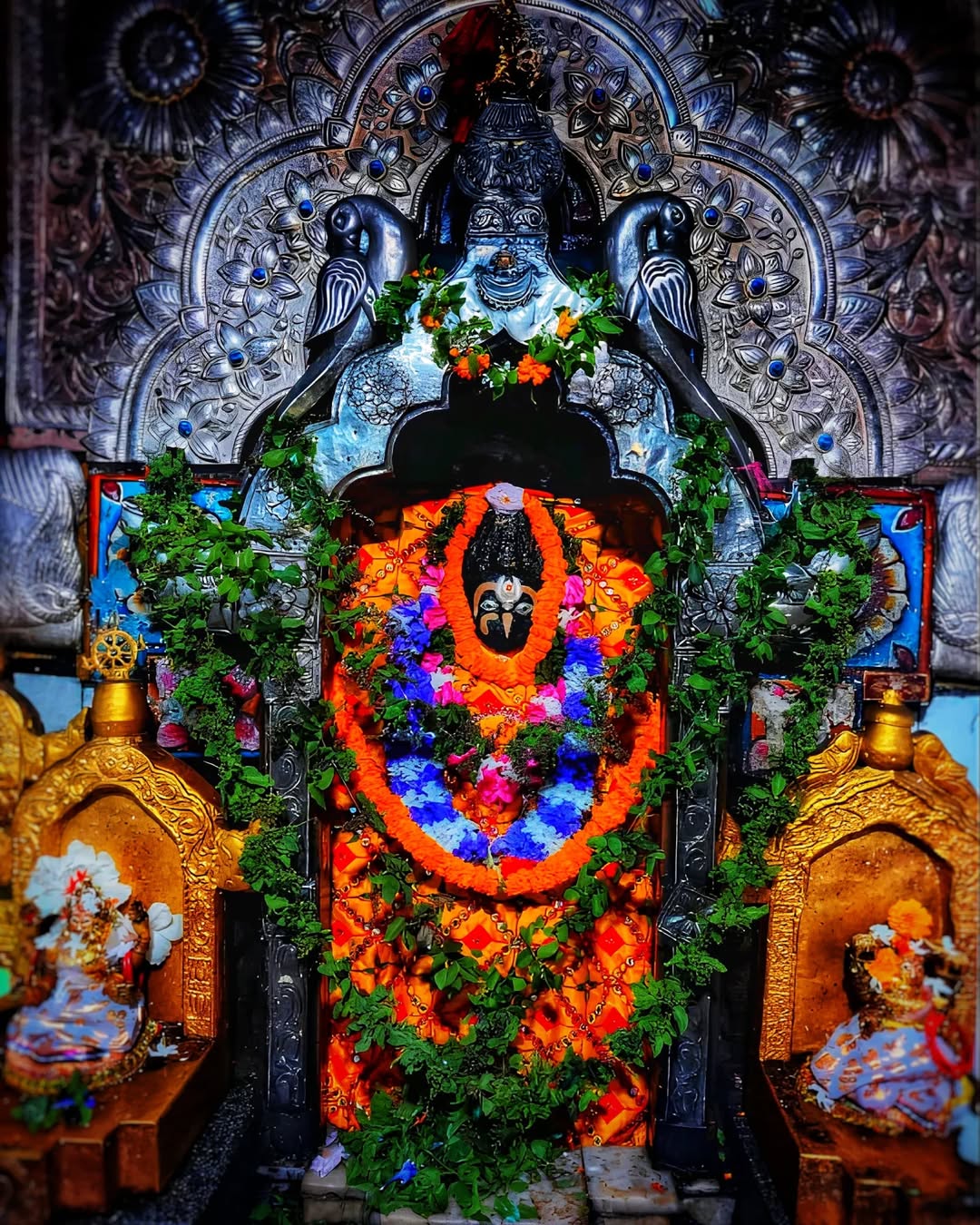
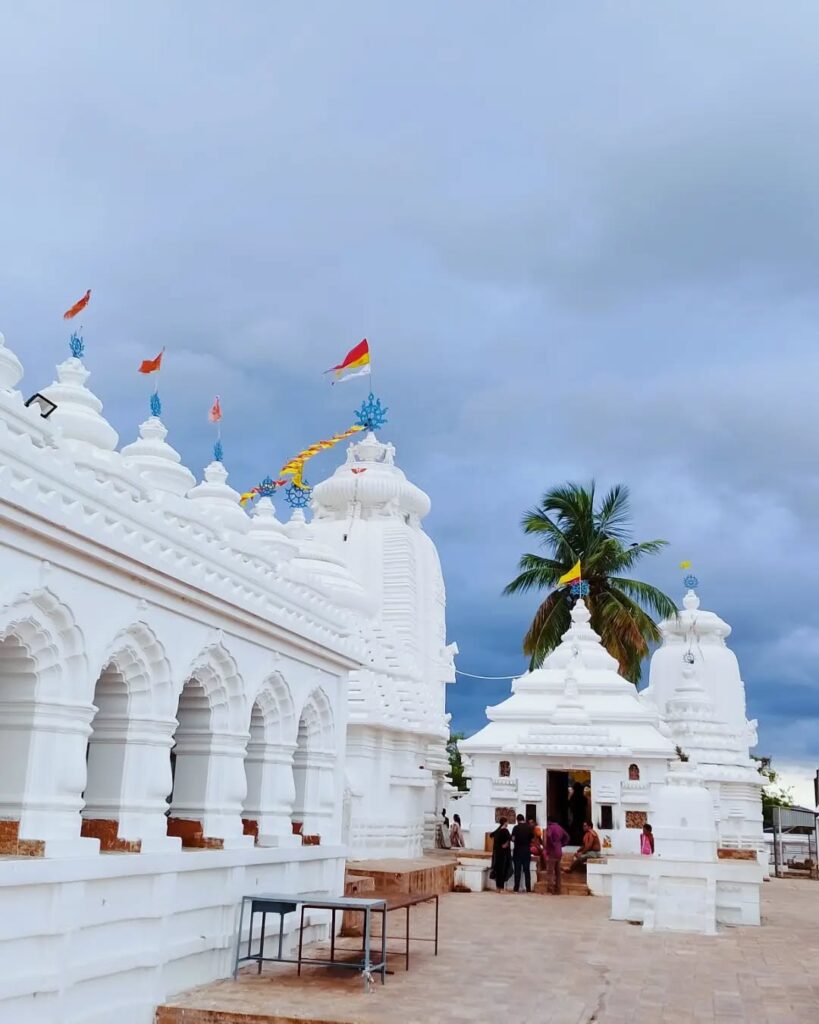
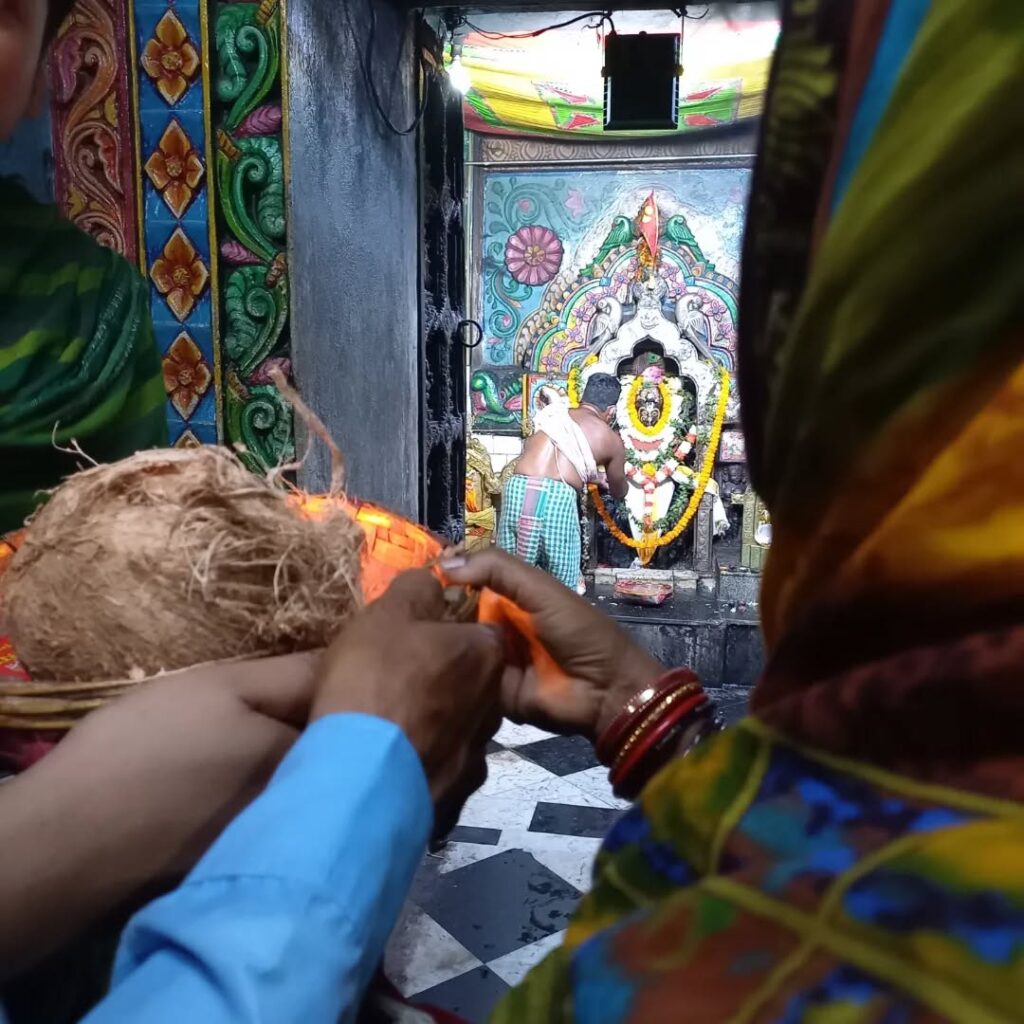
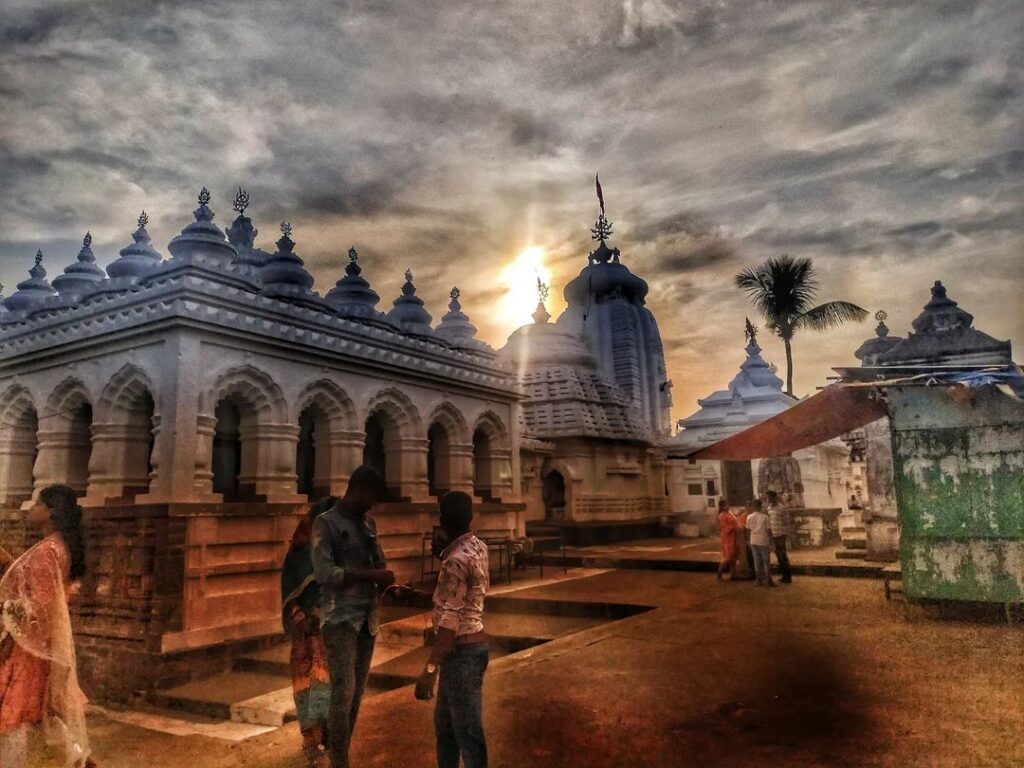
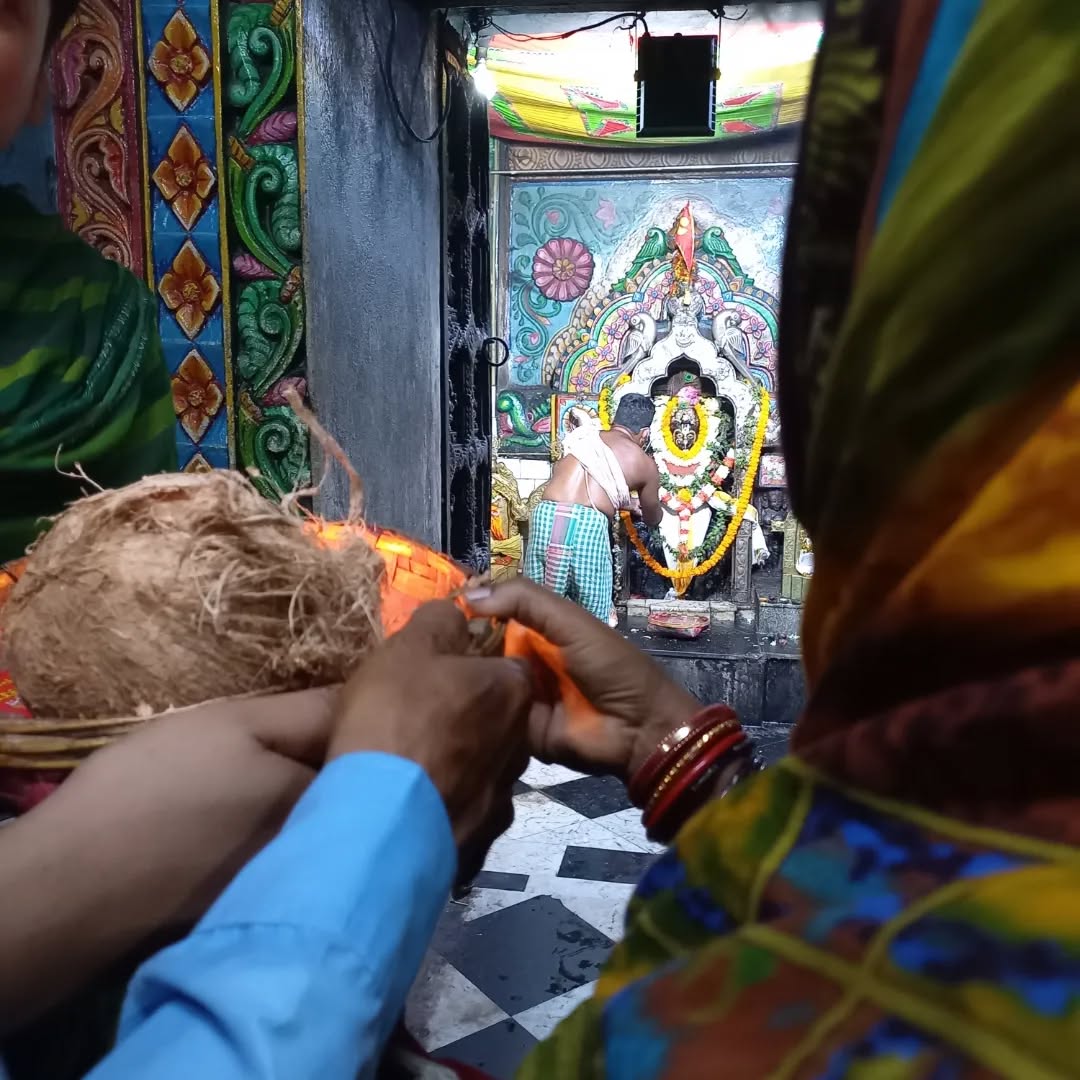
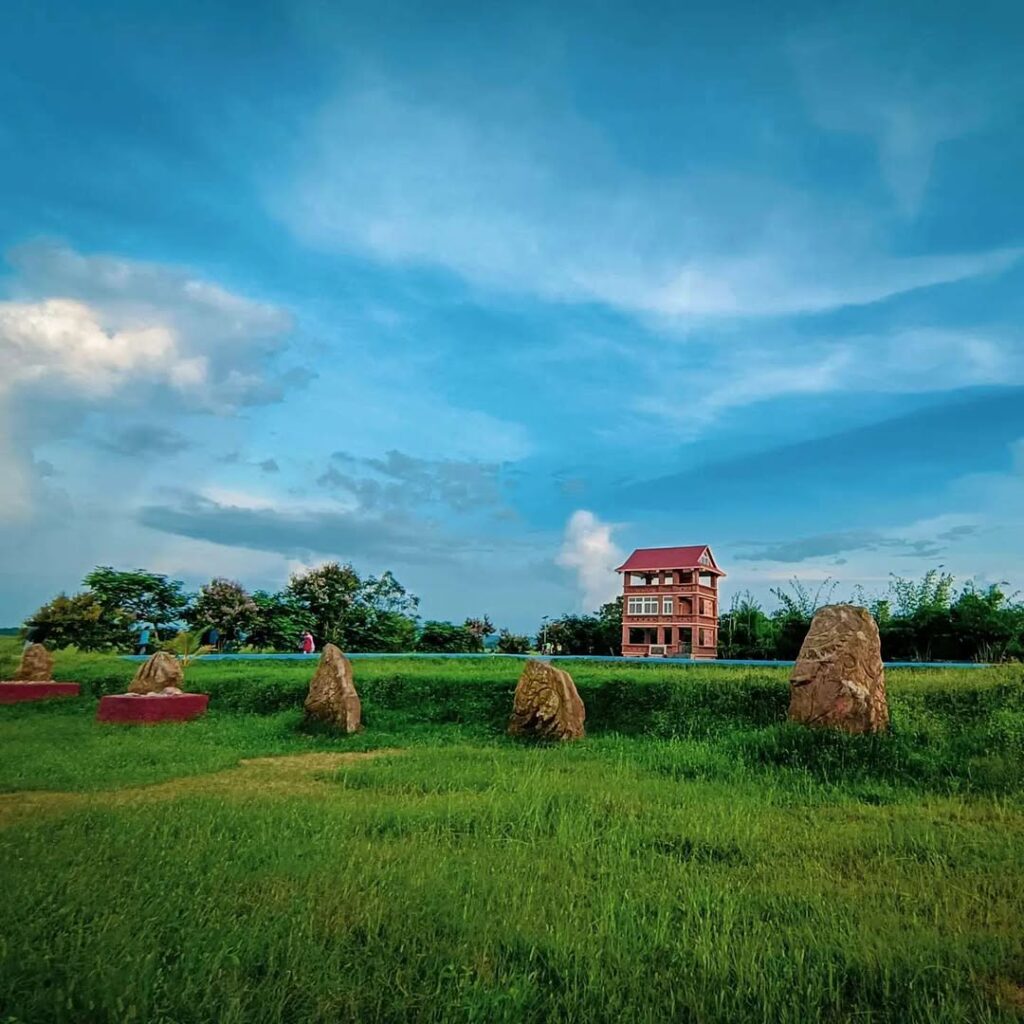
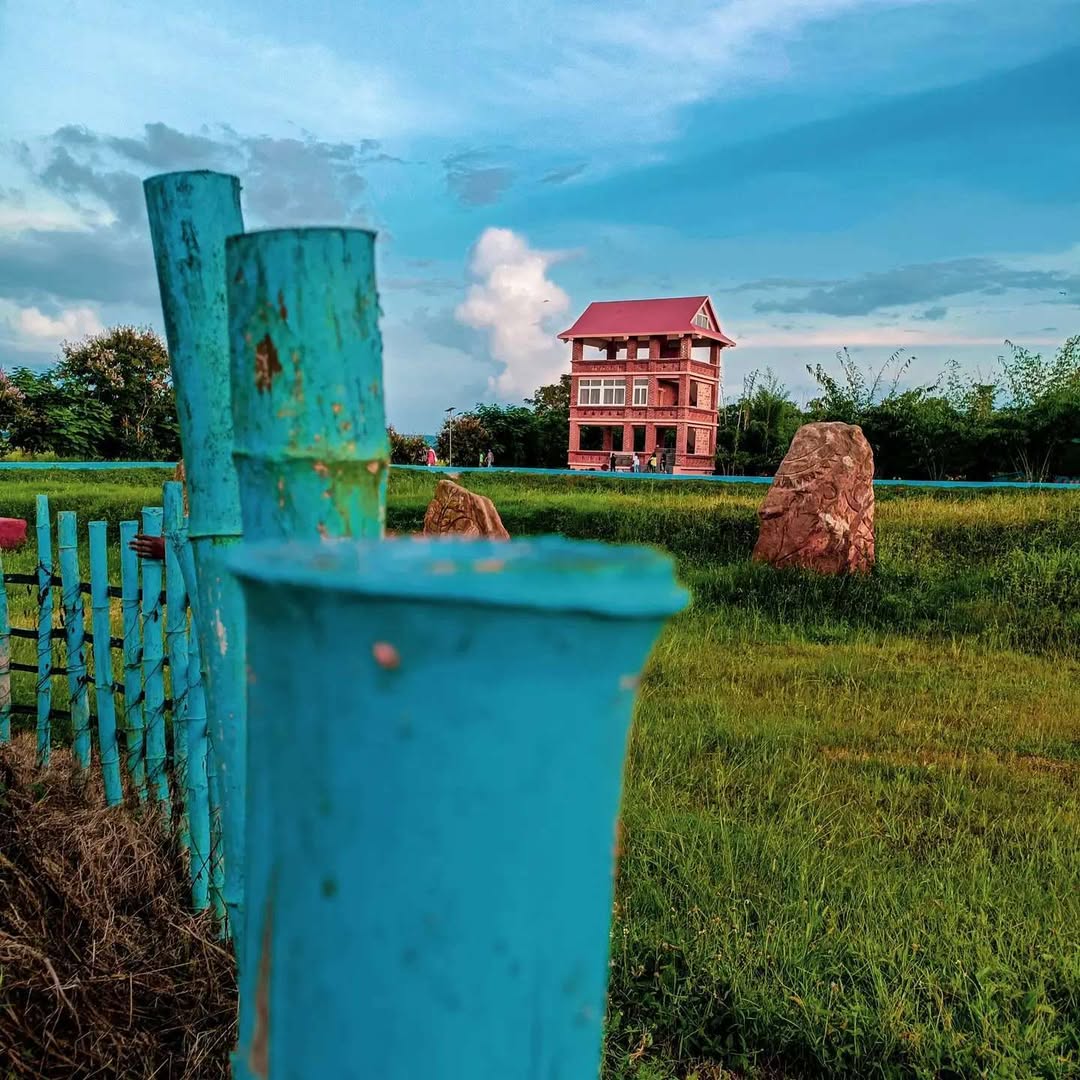
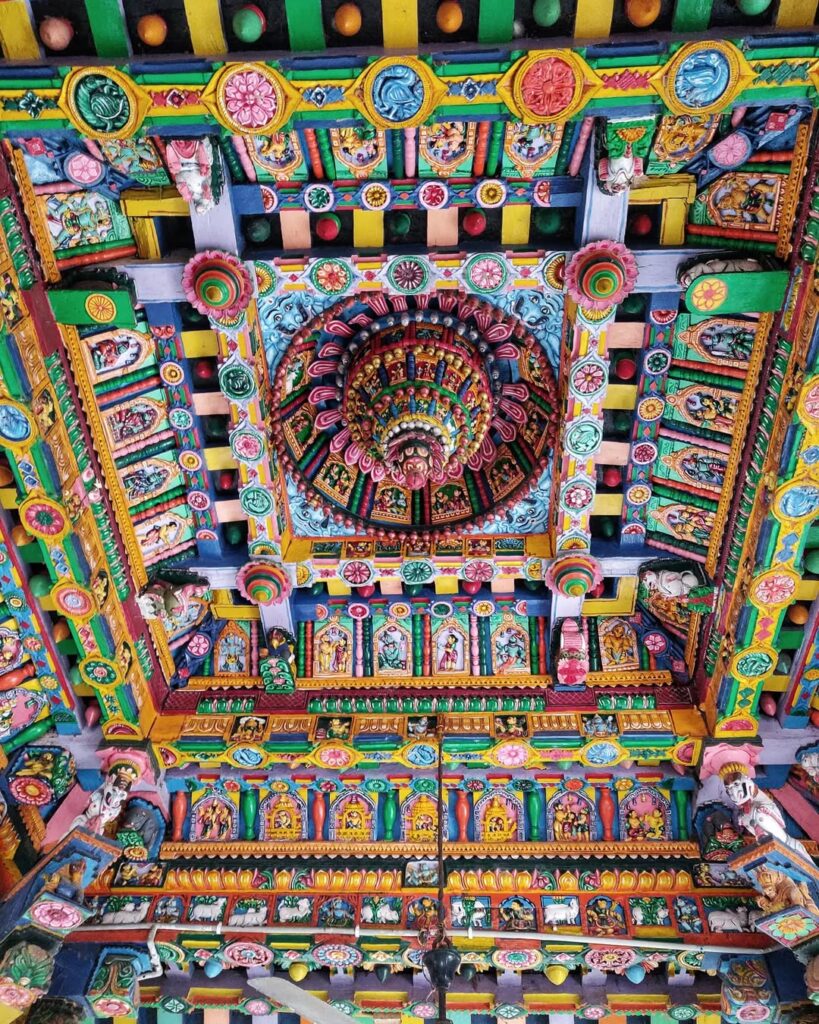
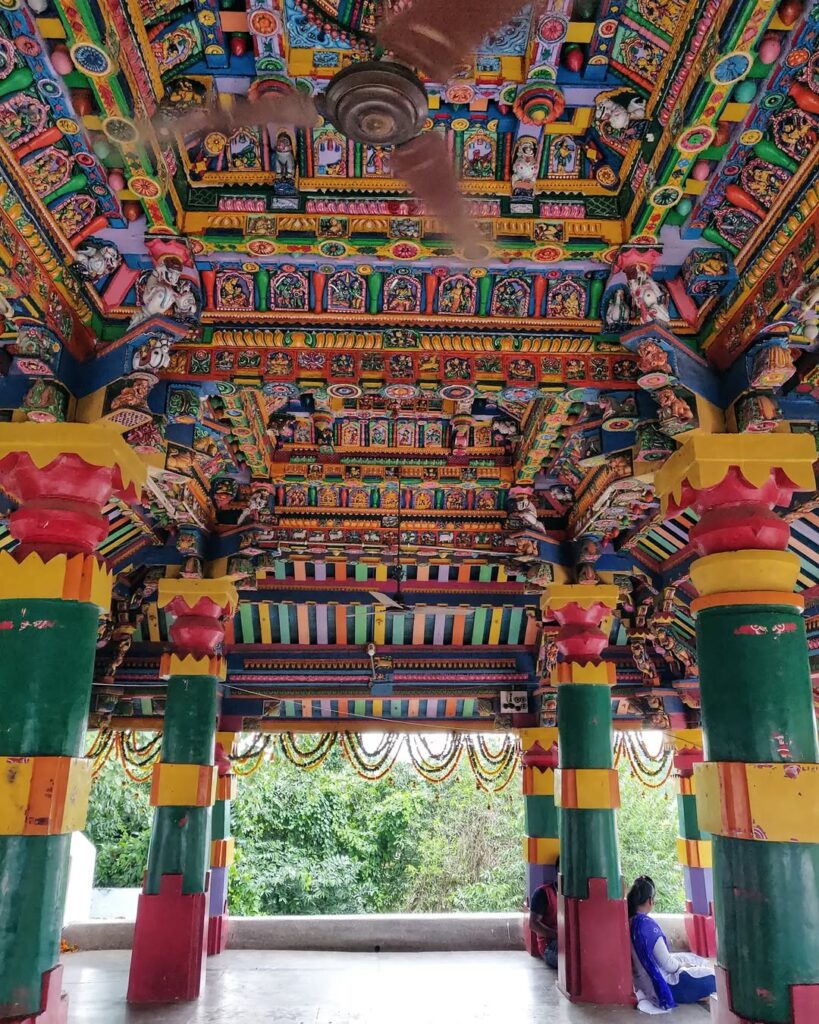
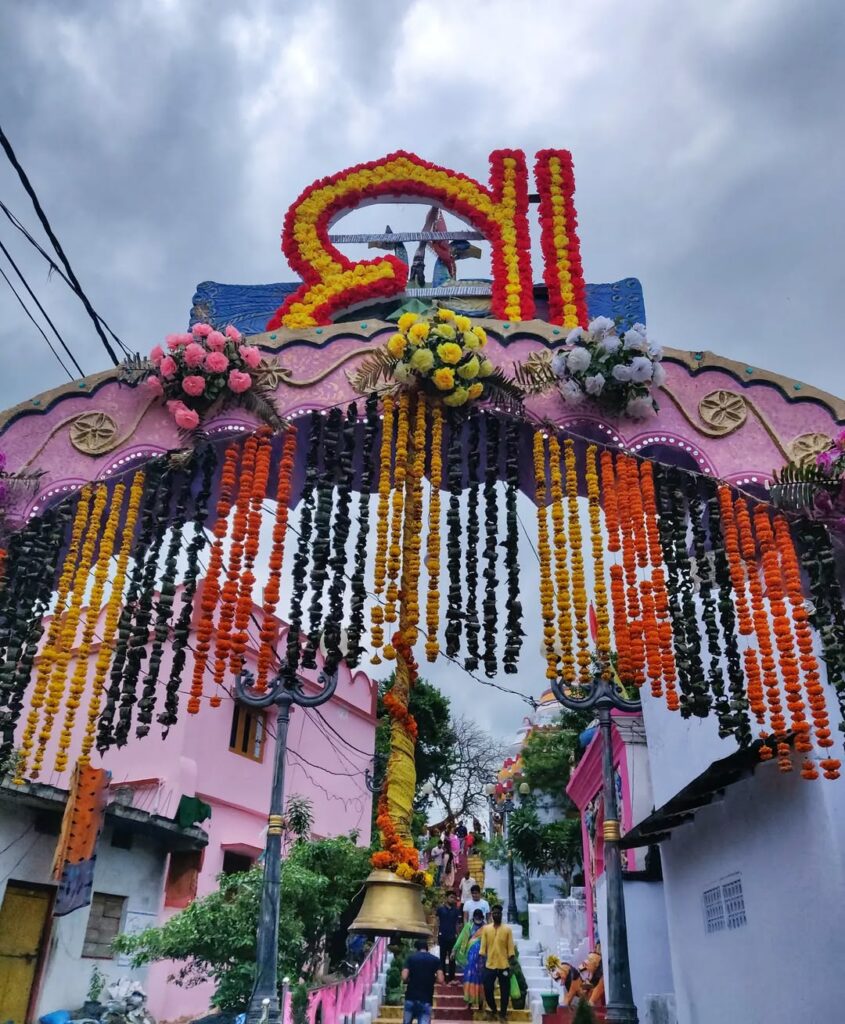
Nayagarh Odagaon is known for the Temple of Lord Raghunnath. It is one of the famous temples in Odisha dedicated to god Ramachandra. This temple has beautiful wooden idols of Sri Raghunnath, maa Sita and laxman enshrined in it. The Kalash top of the temple is made of pure gold. A popular legend associated with temple states that famous poet of 17th century,Nayagar , Upendra Bhanja(Kabi samrat), had composed his magnum opus- Baidehisha Vilas, here at the feet of Sri Raghunath. Ramanavami is the most important festival celebrated in this temple. It is said that the renowned poet of Odisha, Kabi samrat Upendra Bhanja mediated here and attained perfection in the Rama Taraka Mantra. This temple was built around 1903.
Deras Dam, Bhubaneswar: How To Reach, Best Time & Tips
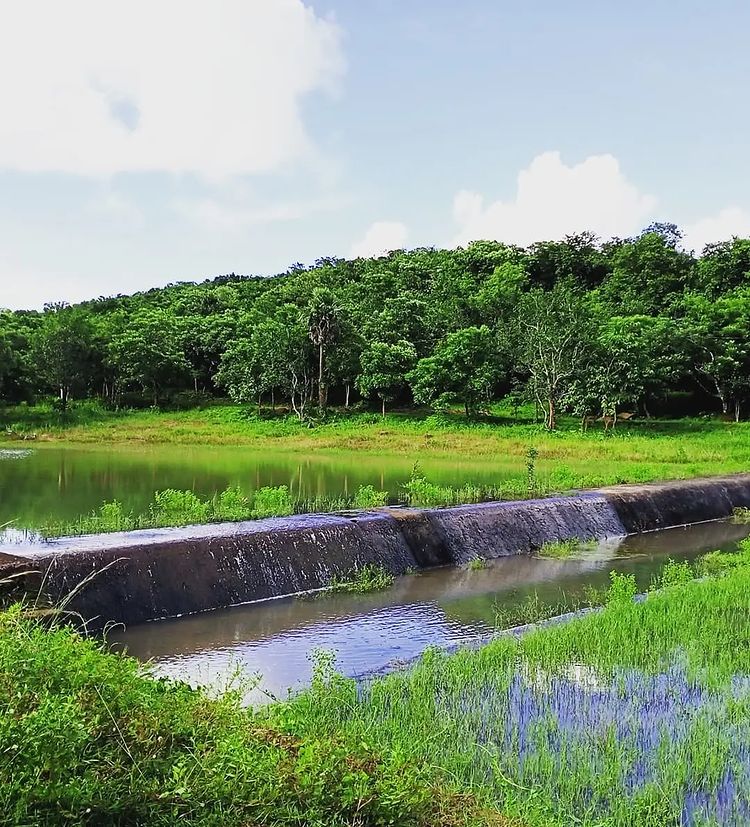
Located near the Chandaka National Park, Chandaka. Deras Dam is a wonderful getaway for nature lovers in Odisha. One of the most refreshing tourist places to visit in Bhubaneshwar,Odisha. The dam is one of the major sources of water for the wildlife in ChandakaDampara Elephant Sanctuary and allows you to appreciate a serene and quiet ambience. Deras Dam, Bhubaneswar: How To Reach Deras Dam, Best Time to visit Deras Dam, Deras Dam Picnic Spot, Deras Dam Entry price and Timings, Chandaka, Bhubaneswar, Khordha
Deras Dam Bhubaneswar (Entry Fee, Timings, History
Deras Dam, placed round 20 km farfar from Bhubaneswar, is taken into consideration amongst the biggest dams in Odisha. Established withinside the 12 months 1967 as a water reservoir, the dam`s fundamental supply of water is rain water. This dam become built specially for irrigation purposes. However, some canals that originate from the dam additionally function the supply of water for the animals residing withinside the Chandaka Wildlife Sanctuary.
Deras Dam, Chandaka, Bhubaneswar, Khordha
Access to the dam is managed with the aid of using the Forest Department because it comes below the location of the sanctuary. A ideal weekend getaway spot for the human beings of Bhubaneswar, this dam is flocked with the aid of using travelers and locals, in most cases withinside the wintry weather season for picnics.
JhumkaDamJhumka Dam and ReservoirJhumka Dam & ReservoirJhumka Dam
Things to do in Deras Dam Bhubaneswar
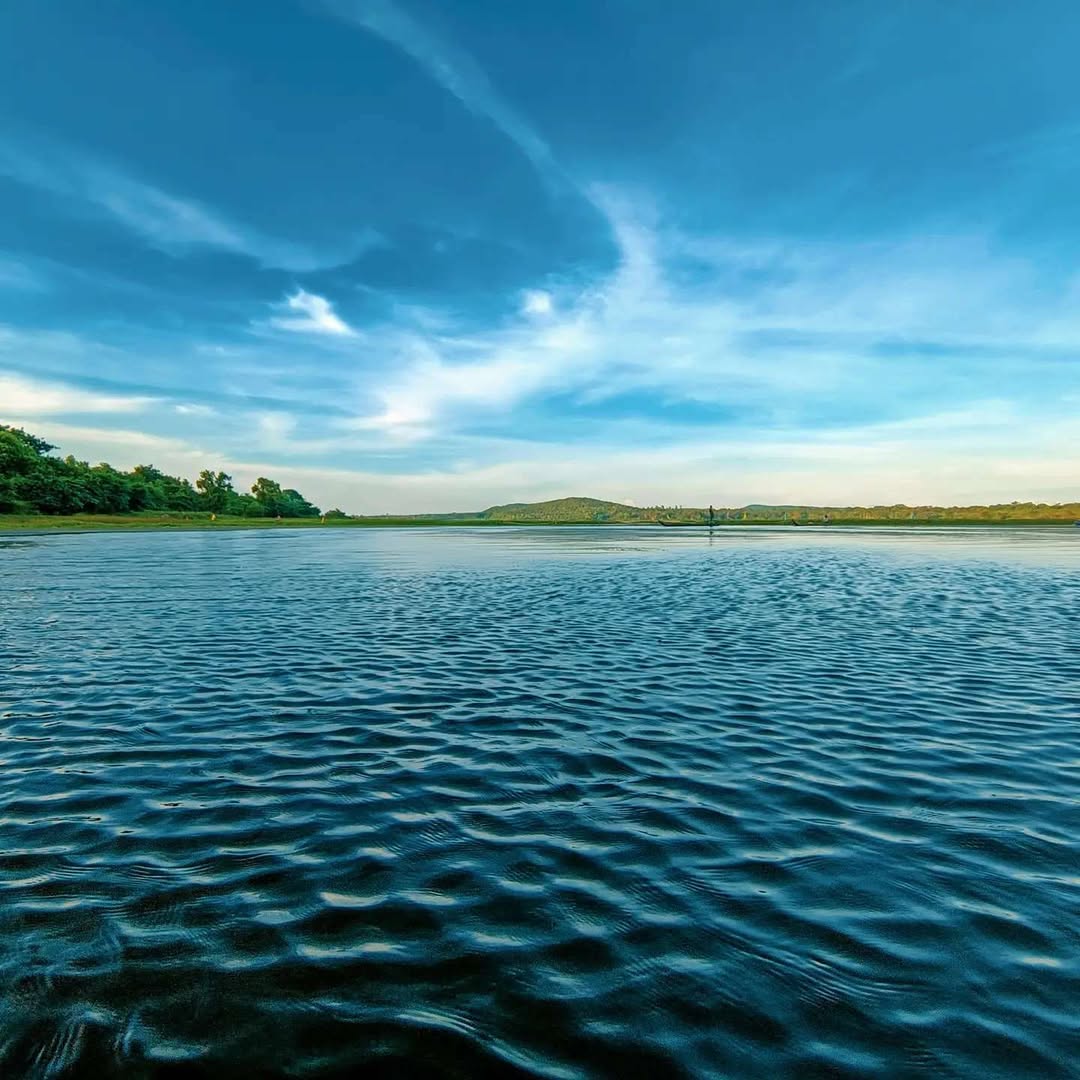
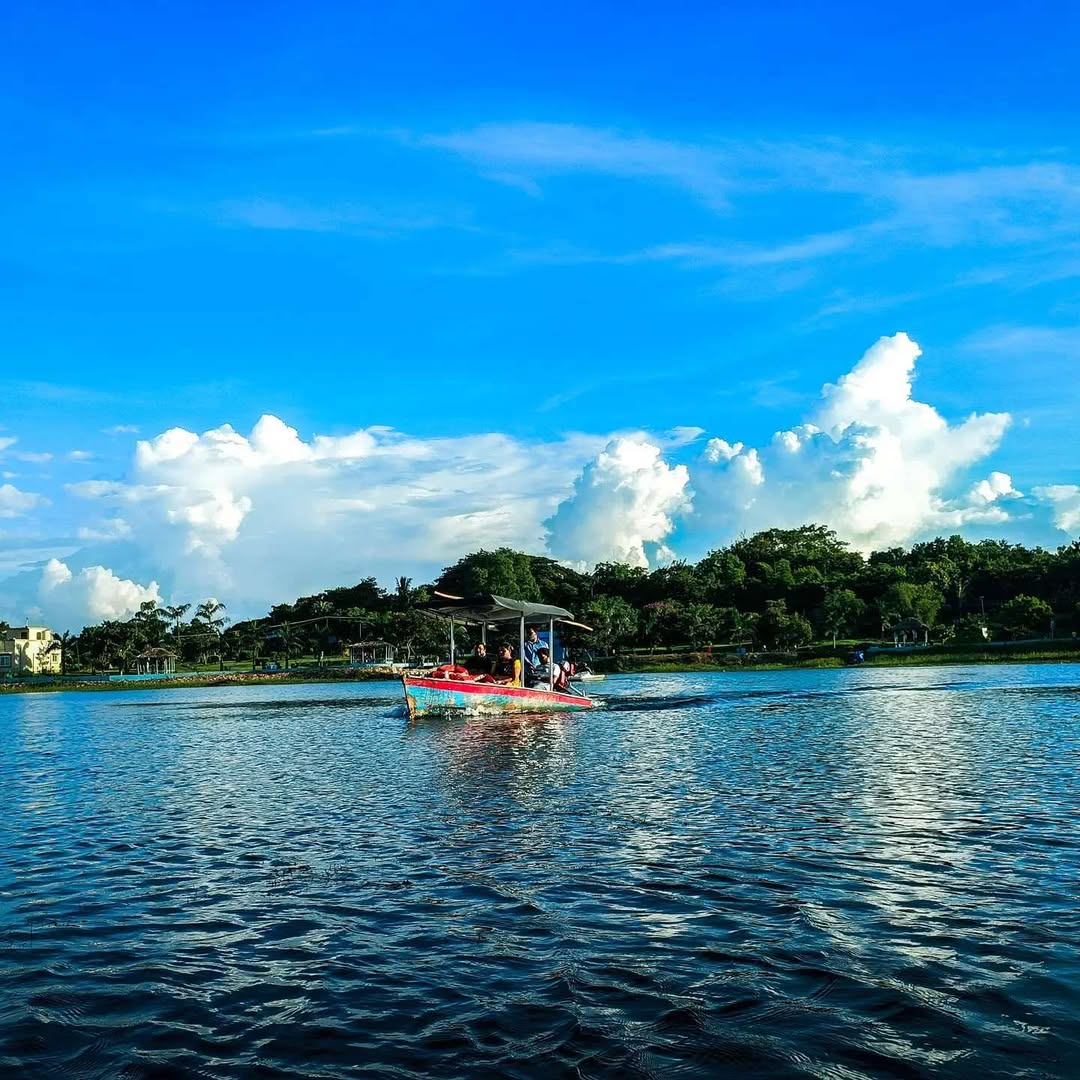
The Deras Dam is surrounded with the aid of using hills and plush inexperienced timber that make for a incredible scenic view. The herbal splendor and the non violent surroundings of the vicinity mesmerizes everyone. Hence, human beings revel in picnicking at this spot. The view of the sanctuary, the dam and the inexperienced foliage from the hilltops is a serene revel in altogether. Thus, the ones interested by pictures like it right here as there’s a lot to capture, beginning from flora and fauna and hills to the tremendous water stretch of the dam.
Deras Dam Bhubaneswar Entry price and Timings
The access costs charged for touring Deras Dam is Rs forty according to person. It stays open all days of the week from 10 am until five pm. For pictures and video shooting, there can be extra prices. Parking prices for 2 wheelers is set Rs. 20.
How to attain Deras Dam Bhubaneswar
Deras Dam is placed about 20 km farfar from Bhubaneswar, that is properly linked to all of the most important towns of the u . s . a . thru ordinary flights, trains and buses. From the airport and railway station, travelers can avail nearby buses, personal taxis and vehiclemobile rickshaws until Deras Dam.
Things to maintain in thoughts even as touring to Deras Dam Bhubaneswar
Paid parking facility is to be had Visitors are beneficial to hold their very own foods and drinks Bathing withinside the dam is illegal Proper precautions must be taken earlier than going near the water Guided safari facility is to be had to go to round forty km close to the dam
Deras Dam Picnic Spot
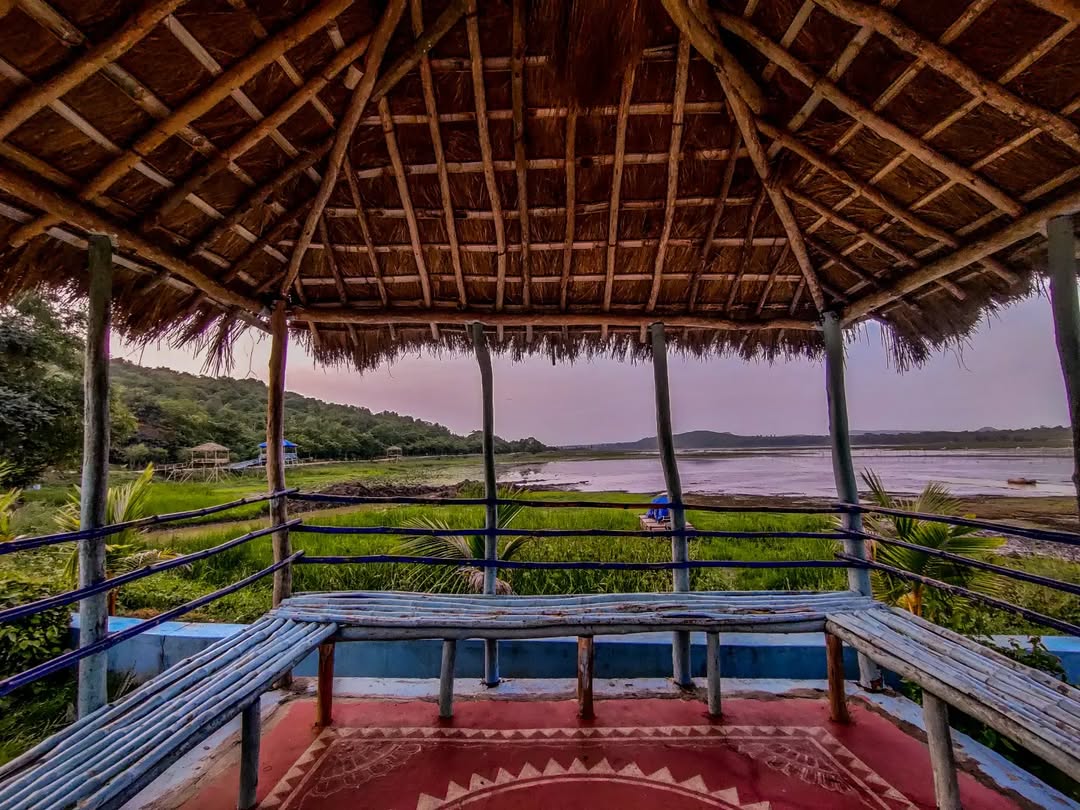
Although small in size, Deras Dam serves as a multipurpose appeal for travelers coming right here. Apart from being the primary supply of water for the animals withinside the Chandaka-Dampara Elephant Sanctuary, it additionally serves as a old fashioned picnic spot. Abundant in stunning herbal splendor, this vicinity gives breathtaking perspectives from the cottage on the hill-top. You also can revel in a guided safari of almost forty km across the dam or take a go to to the rainwater reservoir.
Access To Deras Dam
Deras Dam comes below the jurisdiction of the woodland branch on the grounds that it’s miles placed in the Chandaka-Dampara Elephant Sanctuary. Therefore, get admission to to the dam is likewise managed with the aid of using the officers of the woodland branch right here. Allowance of motors is constrained in the location of the sanctuary.
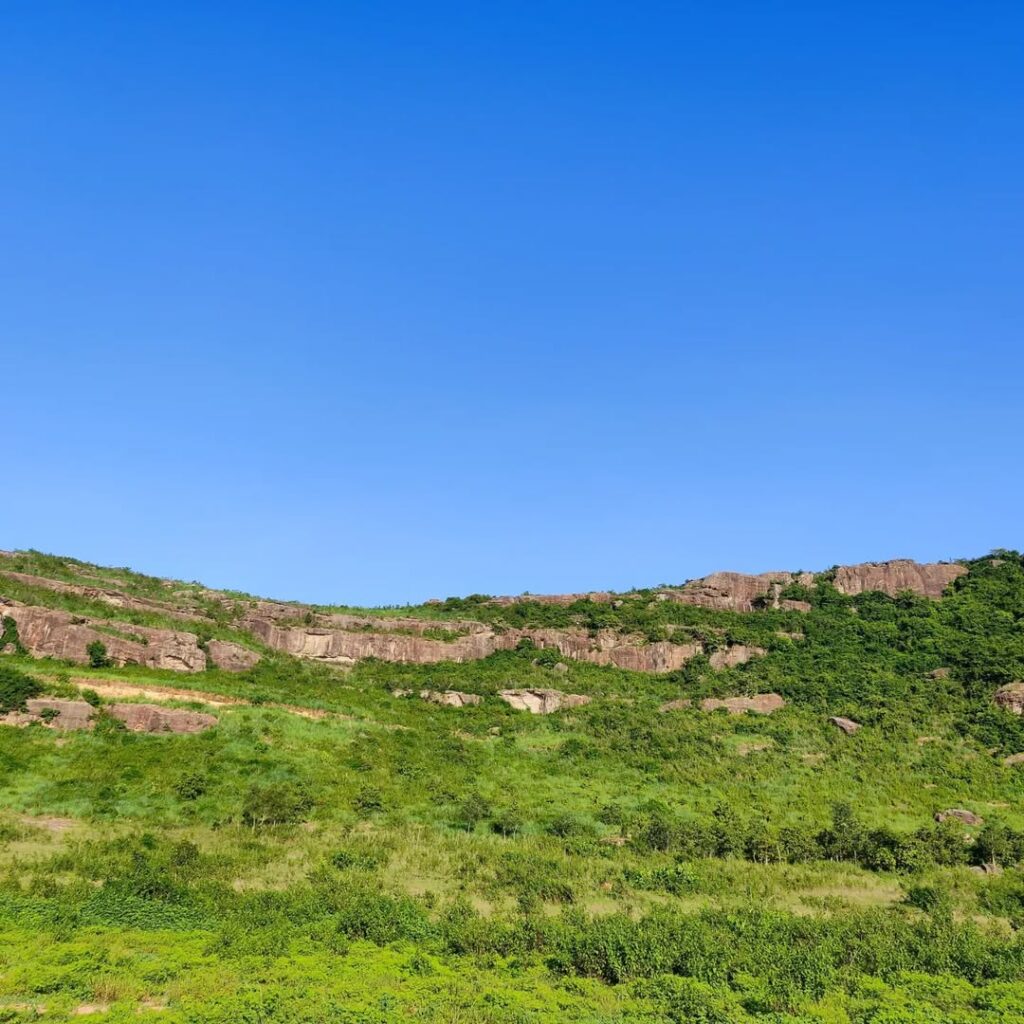
THIS IS HOW THE VIRAL LOCATION – NIJIGARH TAPANG (KHORDHA) LOOKS FROM THE SKY It might be looking really stunning but this place is a disputed piece of land which was previously a mining area for laterite stones. Illegal mining activities along with various criminal affairs have been attempted here as well. Tapang Green Lake, Nijigarh, Khordha If you are visiting here to have a selfie or some photoshoot session, just remember that this is not a tourist destination and make sure you are with a group of friends and visiting during day hours Tapang Green Lake, Nijigarh, Khordha, Tapang, Tapang Tourist place, Nijigarh Tourism, Nijigarh Tourist place, Khordha tourism, tourist place near Khordha, Khordha Tour, Travel Khordha Nijigarh Tapang Discovering the Hidden Gem
Nestled in the heart of [location/region], Nijigarh Tapang is a captivating destination that promises to enchant every traveler with its unique blend of natural beauty and cultural richness. Whether you’re seeking adventure, tranquility, or a glimpse into the local way of life, this hidden gem has something for everyone.
A Serene Escape
Imagine waking up to the sound of nature—birds chirping, leaves rustling in the gentle breeze, and the aroma of fresh earth after a morning rain. That’s the ambiance you can expect in Nijigarh Tapang. Surrounded by lush greenery and picturesque landscapes, this tranquil spot is perfect for anyone looking to escape the hustle and bustle of city life.
Exploring the Local Culture
What sets Nijigarh Tapang apart is its vibrant local culture. The warm hospitality of the residents makes visitors feel right at home. You can immerse yourself in the local way of life by participating in traditional activities, trying out authentic cuisine, and engaging with the community members who are eager to share their stories and traditions.
Activities to Enjoy
Adventure seekers will find plenty to do in Nijigarh Tapang. You can partake in:
Nature Walks : Explore the scenic trails and enjoy the breathtaking views of the surrounding hills and valleys.
Bird Watching : This area is a haven for bird lovers, with many species calling Nijigarh Tapang home.
Cultural Tours : Visit local villages and learn about their customs and crafts. Engaging with artisans who produce handmade goods is a unique experience you won’t want to miss.
Photography : Capture stunning views and moments, as the beauty of Nijigarh Tapang provides a perfect backdrop for your photography.
Planning Your Visit
If you’re considering a visit to Nijigarh Tapang, it’s essential to plan ahead for the best experience. Research local accommodations that align with your preferences, from cozy homestays to more luxurious options. Additionally, be sure to check out local events that may coincide with your visit for an extra special experience.
For all the latest updates and information on your travel plans, visit [tourmyodisaha.com](http://tourmyodisaha.com), your go-to resource for discovering and exploring amazing destinations like Nijigarh Tapang.
Conclusion
Nijigarh Tapang is more than just a travel destination; it’s an experience that revitalizes your spirit and connects you with nature and culture in a profound way. Whether you’re looking for adventure, peace, or a deeper understanding of the local heritage, you’ll find it here. Don’t miss out on the chance to uncover this hidden gem. Pack your bags and prepare for a memorable journey to Nijigarh Tapang!
For more information, tips, and travel advice, feel free to reach out at [your phone number] or visit our website at [your website] to start planning your adventure today!
Nandankanan Zoological Park is a 400-hectare zoo and botanical garden in Bhubaneswar, Odisha, India. Established in 1960, it was opened to the public in 1979 and became the first zoo in India to join World Association of Zoos and Aquariums in 2009.
Nandankanan Zoological Park is a 437-hectare zoo and botanical lawn in Bhubaneswar, Odisha, India. Established in 1960, it became opened to the general public in 1979 and have become the primary zoo in India to enroll in World Association of Zoos and Aquariums in 2009
Nandankanan timing
Nandankanan timing is 8am–5pm
Nandankanan tiger
A particular tiger safari mounted on 1st October, 1991 over a place of 12 ha in herbal surroundings. It gives publicity to particular scenario in which the site visitors are restrained in a automobile and the animals roam withinside the open jungle. Nandankanan is the primary zoo in India with a white tiger safari. Subsequently the call White tiger safari modified into Tiger safari withinside the 12 months 2017.
Nandankanan ticket price
Nandankanan Zoological Park Entry Fee Adult is Rs 50.00 , Child Rs 10.00
Nandankanan Rules
Zoo will take measures to make certain the protection of site visitors, personnel and animals. The site visitors allowed for access into the zoo must now no longer have cough, bloodless or fever symptoms. They must go through frame temperature scanning at access gate. E- price price tag reserving must be favored over guide price price tag reserving and series for touch much less transaction. For everyones health, all adults and kids of 7 years of age and older ought to have a masks or facial masking that covers the nostril and mouth might be allowed to go into to zoo. All site visitors must byskip thru the medicated foot mat/ complete frame sanitizer/ the sort of installations constant on the zoo entrance. They must keep away from wearing luggages, which desires saved in locker/ cloak room facility. Visitors must keep social distance at the zoo premises and keep away from touching barricades and different surfaces. They must flow alongside the distinctive traveler direction only. Nandankanan open or closed is 8am to 5pm
Nandankanan open or closed 2022
Nandankanan timing is 8am–5pm
Nandankanan ticket
Nandankanan Zoological Park Entry Fee Adult is Rs 50.00 , Child Rs 10.00
It is estimated that 3.5 million tourists visit the zoo every year
Best time to visit: Oct 2 Feb District: Khordha , Odisha
Open Time: 7Am to 5:30Pm Monday closed Attractions: Boating, White Tiger Safari, Lion Safari, Herbivore Safari, Bear Safari, Reptile Safari, Amphibian Enclosure, Leopard Enclosure Nearest Bus Stop: Nandankanan, Patia Bhubaneswar Nearest Railway Station: Bhubaneswar Travel Options: Taxi, Bus Nearest town: Bhubaneswar, Cuttack
Nandankanan Zoological Park Bhubaneswar
In the midst of the regular excellence of normal woodland neighboring Chandaka-Dampara Wildlife Sanctuary, Nandankanan lies nearby Kanjia Lake. The actual name of Nandankanan, in folklore, outlines the delighted however nonexistent magnificence of the divine nursery.
It likewise shows the genuine delightful spots second to none on the planet, where one can see the all encompassing perspectives on nature and like the marvelousness that exists in the outer morphology of plants and creatures. The zoo is advanced with 101 fenced in areas with 202 sub-nooks at Nandankanan. It has the meaning of having both the enclosures and open channel fenced in areas.
There are 54 enclosures and 47 open moated walled in areas to house every one of the hostage creatures. There are in excess of 1580 no creatures, including 634 warm blooded animals, 812 birds and 134 reptiles. 88 (88) types of native species alongside 32 outlandish types of creatures.
A picturesque island in Mahandi river, the place named after its presiding deity Lord Shree Dhabaleswar (Shiva) Temple. The enchanting water spread of Mahandi river here provided ample opportunities for boating. There is a hanging bridge connecting the island.
Maa Bhattarika is one of the most famous temple of cuttack, odisha which is situated near Athagarh, Badamba on the bank of mahanadi river. Maa Bhattarika temple is surrounded by the magnificent view of the river and the beautiful range of Ratnagiri mountains. Here maa Bhattarika worshiped as a demonstration of Shakti(Shakti Peetha). It’s like a mini trek to the highest point of the mountains with small temples and caves on the way.
According to history, on the instructions of the King of Puri Gajapati, two brothers named Hatt and Malla established two villages named Shank and Meori here. Over time, these two villages have merged to form Shankhameri. While the two brothers were looking for a place to build their fort, one saw a supernatural phenomenon in a place occupied by Shabar and knew that it was Birmati, the right place to build the fort. But the corpse was not ready to vacate its place. So the two brothers fought, after the death of Shabar in the war, they also fought with Shabari. Shabari also lost, before his death he instructed his two brothers to worship Mahakali and Mavattarika of Kharod. After that, the two brothers built a monk temple in Seth. They named their kingdom after one of the Bhattarikas, Brihadamba, later corrupted to Ladamba. Devi Bhattarika… This deity is considered a joint place of worship of Shakta and Shaivism. King Parshuram carved the stone with his arrowhead and worshiped the Goddess Mahamaya Ma’bhattarika, hence this Shaktipeetha is called Parshurampeetha and the devotees worshiped the mother in both ways. According to legend, Parashuram prayed to Maa Bhattarika to make the earth free from harm. In order to attain Vishnukala, Mother advised him to worship Nilamadhava in the Padmasekhra of Kantilor and gave him the Divastra for Nidhana of Milarjuna. According to mythology, after Parashuram was defeated by Milarjuna, after worshiping Goddess Durga, she came to help Parashuram and saved him. Here boiled fish is offered to the goddess
Nearest Attraction:-
DeoJhar waterfall (30 km) kantilo Nilamadhav(39 km) Ladubaba,Sarankul(80 km) Ansupa Lake (51 km)
Bhattarika picnic spot
Bhattarika Temple view point
From Bhubaneswar or Cuttack attaining Bhatariak. Another street from Bhubaneswar is , take Nandankanan street and attain Mundali bridge. Then journey on Athagada Narshinghpur – Badamba street. At Gopalpur Chowk you’ll see Bahriak gate. By this street the space from Bhubaneswar to Bhattrika temple might be ninety five KM
Another street is from Bhubaneswar you may journey to Khurda , Baghamari, Kantilo after which attain Rajkiari Junction. Then comply with the route given above to attain temple. In this street distance From Bhubaneswar to the temple might be round a hundred twenty five KM. By this street you may go to Kantilo Nilamadhab temple. Bhattarika temple is at the bottom of hill Ratnagiri and simply with the aid of using the facet of river Mahanadi. Here Mahanadi river water circulation hits the immediately financial institution and takes flip so quite risky for swimming mainly at some stage in wet seasons. There are one of a kind water ranges marked in one of a kind years. During flood in river Mahanadi water enters into the primary temple complex. Local monks of the temple shift the statue to better vicinity at the hill in the back of the temple and retain with the day by day rituals.
From Bhattarika temple you may see ( distance view of ) Kantilo Nilamadhab temple positioned at different facet of the river Mahanadi. Mahanadi River with the aid of using the facet of Bhattarika Temple Events and celebrations Pana Sankrati is taken into consideration to be auspicious day right here. All tuesdays of Chaitra month of Lunar Calendar ( falls in March – April ) devotees go to temple for Darshan of Goddess Bhattrika. Bhattarika Devi mantra
Accommodation Odisha tourism improvement corporation panthanivas is to be had close to the temple. This is the best lodging to be had close to the temple. Usually devotes go to temple at some stage in day time and go back in evening. Because of its lovely vicinity with the aid of using the facet of river Mahanadi that is a well-known picnic spot for colleges and schools at some stage in iciness season. This isn’t always a secure vicinity for boating or swimming and there are numerous incidents of drowning right here
माँ भट्टारिका कटक, ओडिशा के सबसे प्रसिद्ध मंदिरों में से एक है, जो महानदी नदी के तट पर अथागढ़, बडंबा के पास स्थित है। मां भट्टारिका मंदिर नदी के शानदार दृश्य और रत्नागिरी पहाड़ों की सुंदर श्रृंखला से घिरा हुआ है। यहां मां भट्टारिका ने शक्ति (शक्ति पीठ) के प्रदर्शन के रूप में पूजा की। यह रास्ते में छोटे मंदिरों और गुफाओं के साथ पहाड़ों के उच्चतम बिंदु तक एक मिनी ट्रेक की तरह है।
Bhattarika Devi mantra
Bhattarika picnic spot
There is a statue of Sri Parasuram who changed into one of the ten Avatars of Lord Vishnu. As in line with Hindu mythology Parasuram prayed goddess Durga right here to defeat Sahasrajuna. The temple exist on the vicinity of look of goddess Durga withinside the call of Bhattarika.
Bhattarika Temple distance from Bhubaneswar
2 hr 32 min (95.2 km) via Nandankanan Rd and SH 65
Bhattarika waterfall
Bhattari Temple to Deojhar Waterfall distance 51 min (28.7 km) via SH 65
Bhattarika Temple view point
Bhattarika Temple view point Because of its lovely vicinity with the aid of using the facet of river Mahanadi that is a well-known picnic spot for colleges and schools at some stage in iciness season. This isn’t always a secure vicinity for boating or swimming and there are numerous incidents of drowning right here
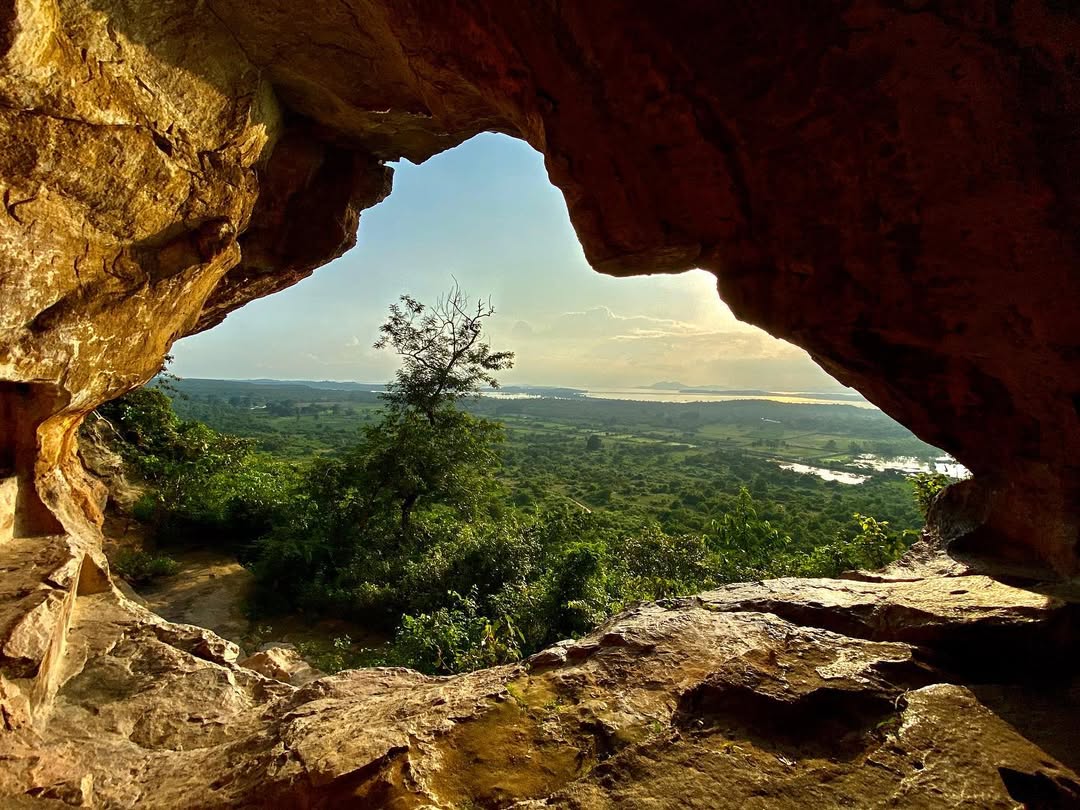
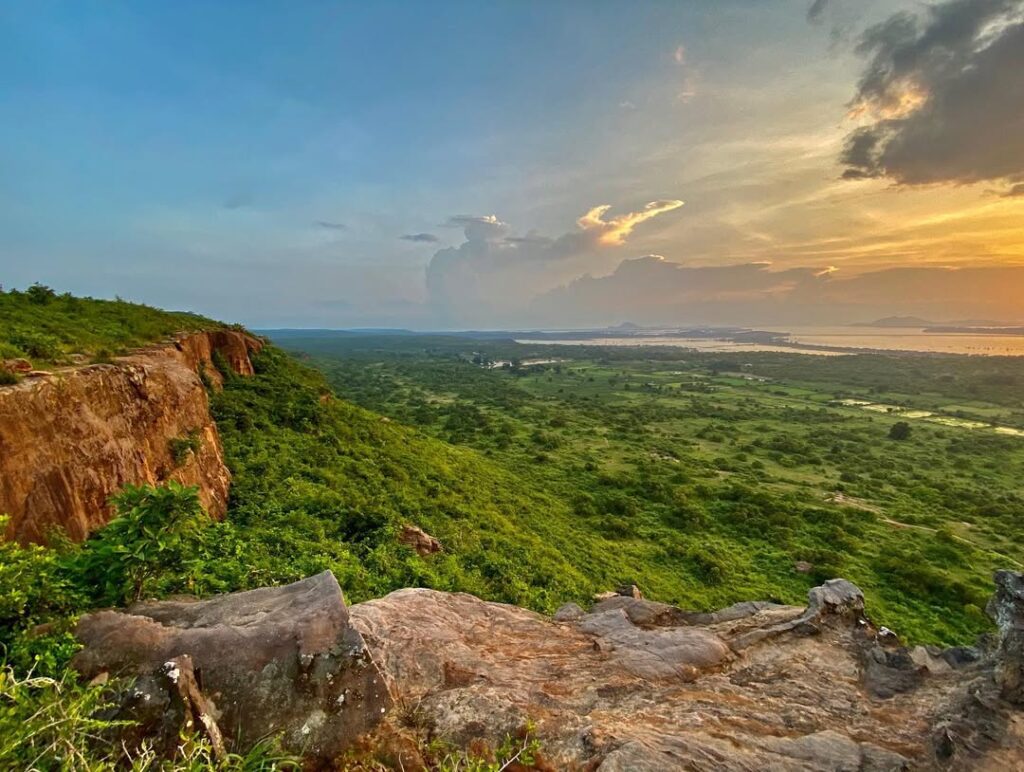
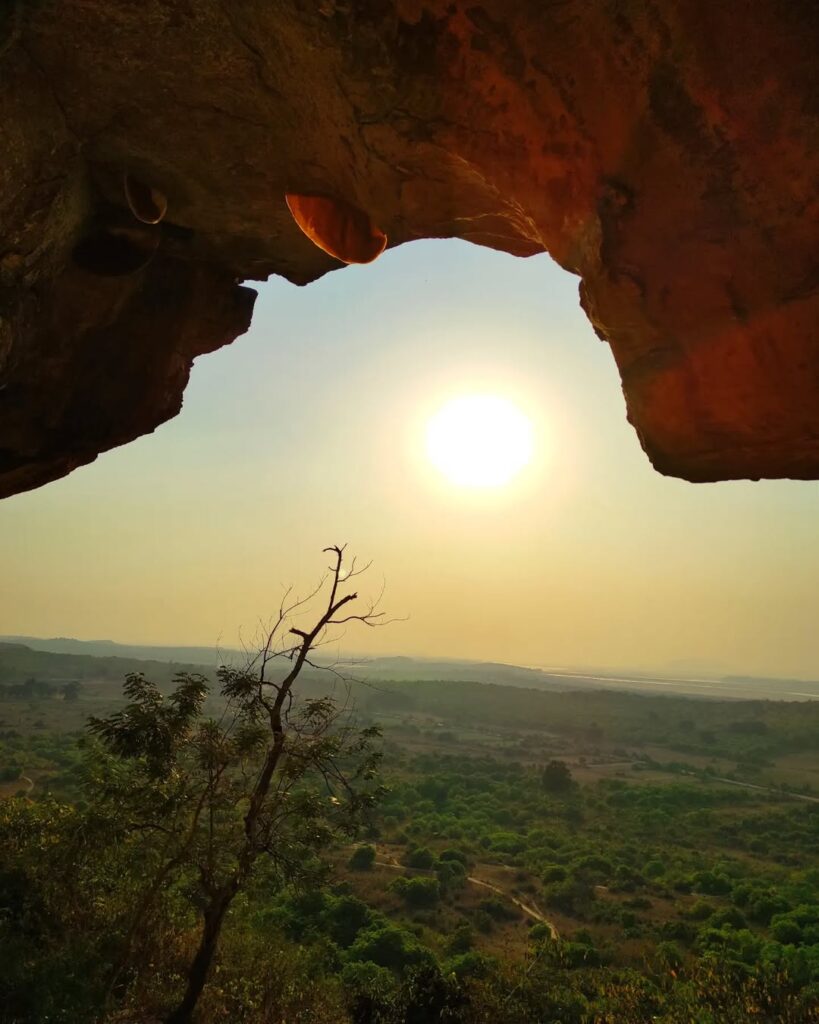
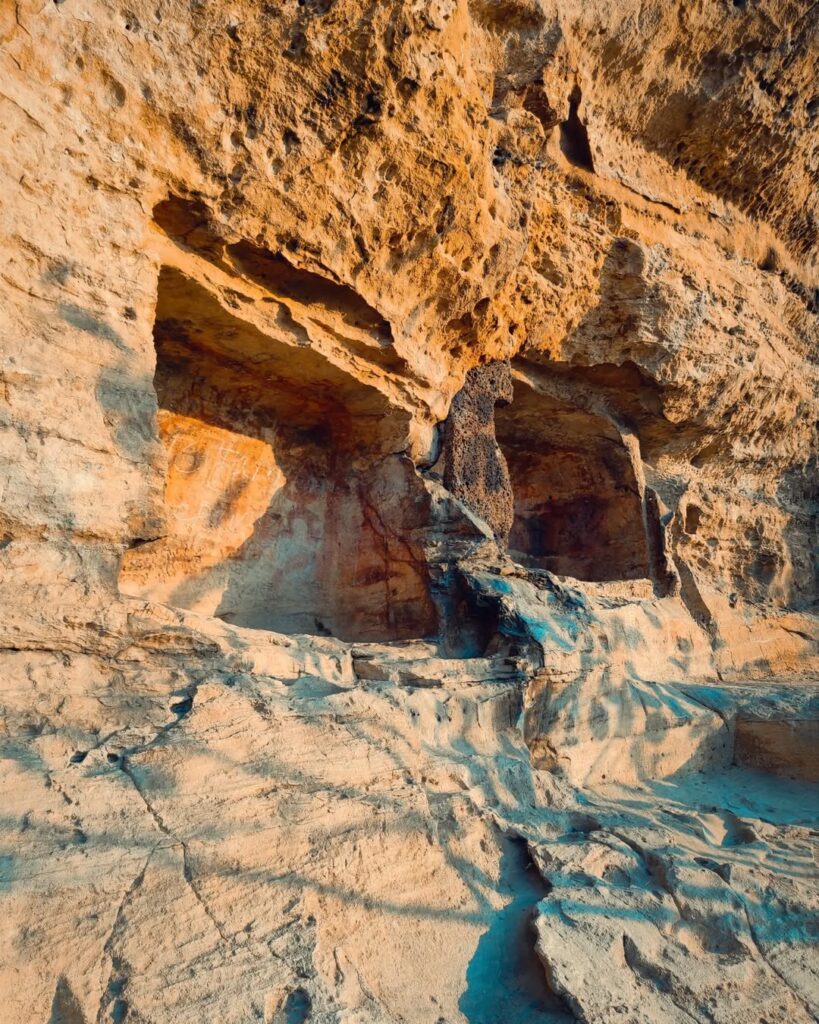
According to locals of banki block(pathapur village) , the rock shelter was the abode of the Pandavas during their exile and hence the shelter is called Pandava Bakhara Pandava Bakhara: A less explored heritage site
If you’re searching for a hidden gem that combines breathtaking natural scenery with rich cultural heritage, look no further than Pandava Bakhara. Nestled in the heart of Odisha, this enchanting destination offers a unique escape from the hustle and bustle of city life, beckoning nature lovers and history enthusiasts alike.
What Makes Pandava Bakhara Special?
Pandava Bakhara is steeped in folklore, with legends that stretch back to ancient times. According to local tales, this site is linked to the five Pandava brothers from the Mahabharata. The picturesque landscape surrounding the site is punctuated by lush greenery, and the serene waters of the rivers create a tranquil atmosphere perfect for reflection and relaxation.
Exploring the Beauty of Pandava BakharaWhat Makes Pandava Bakhara SpecialDriving directions to Pandava Bakhara
The Scenic Views
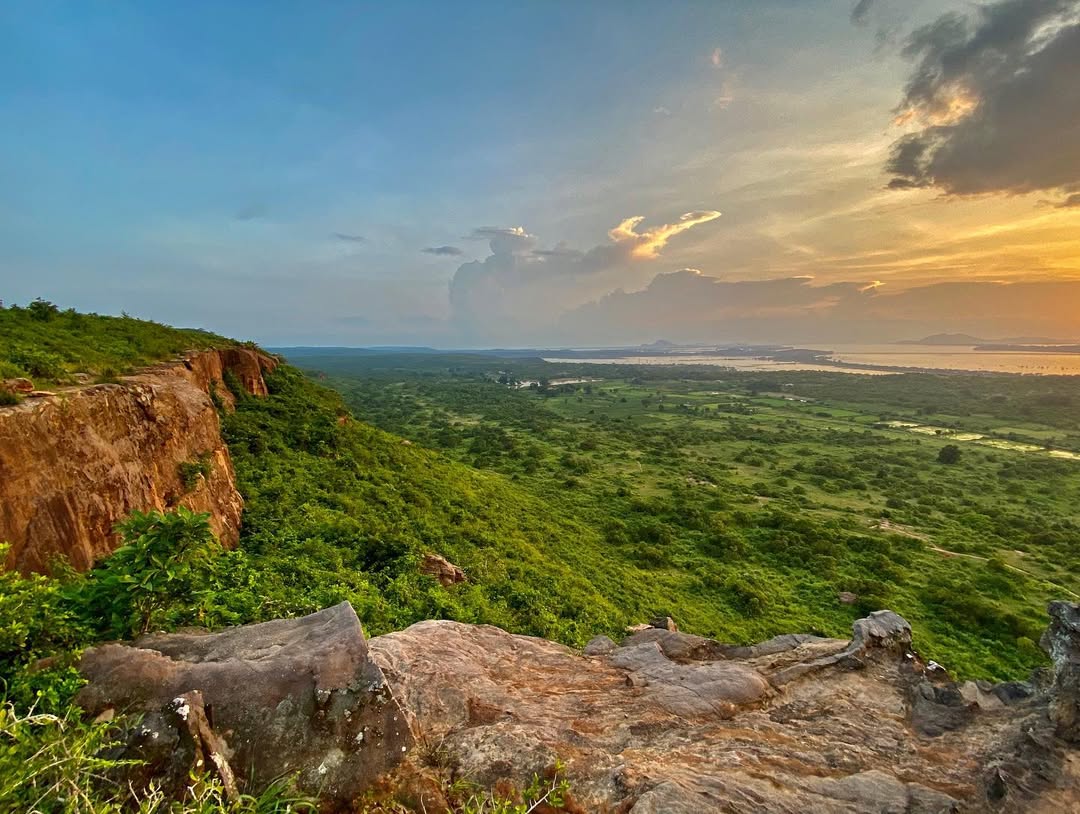
The natural beauty of Pandava Bakhara is simply awe-inspiring. As you wander through the area, you’ll encounter magnificent views of hills and valleys, interspersed with vibrant flora and fauna. Nature enthusiasts will appreciate the diverse wildlife and picturesque landscapes that serve as a backdrop for memorable photographs.
Adventures Await
For those seeking adventure, Pandava Bakhara does not disappoint! The site offers a range of outdoor activities, including trekking, bird watching, and even river rafting for the more daring souls. These experiences not only allow you to immerse yourself in the stunning surroundings but also add an exhilarating twist to your visit.
Cultural Insights
A trip to Pandava Bakhara isn’t just about the landscape; it’s also an opportunity to learn about the rich history and culture of Odisha. Local guides are available to share stories about the legends of the Pandavas and the significance of various sights around the area. Make sure to visit the nearby villages to experience the traditional lifestyle, cuisine, and hospitality of the locals.
Plan Your Trip
Planning a visit to Pandava Bakhara is easy with Tour My Odisaha. Our team is dedicated to providing a seamless travel experience, ensuring that you can focus on enjoying your adventure. We offer customized tour packages that cater to your preferences, whether you’re traveling solo, as a couple, or with family and friends.
For more information on how to book your trip or to inquire about our tour choices, please visit our website at tourmyodisaha.com. You can also reach us at [item] for personalized assistance and recommendations.
Conclusion
Whether you’re seeking peace in nature, adventure in the great outdoors, or a deep dive into local culture, Pandava Bakhara is a destination that has it all. Don’t miss the opportunity to explore one of Odisha’s most captivating locations. Plan your visit today, and let the natural beauty and rich heritage of Pandava Bakhara leave you enchanted!
Happy travels!
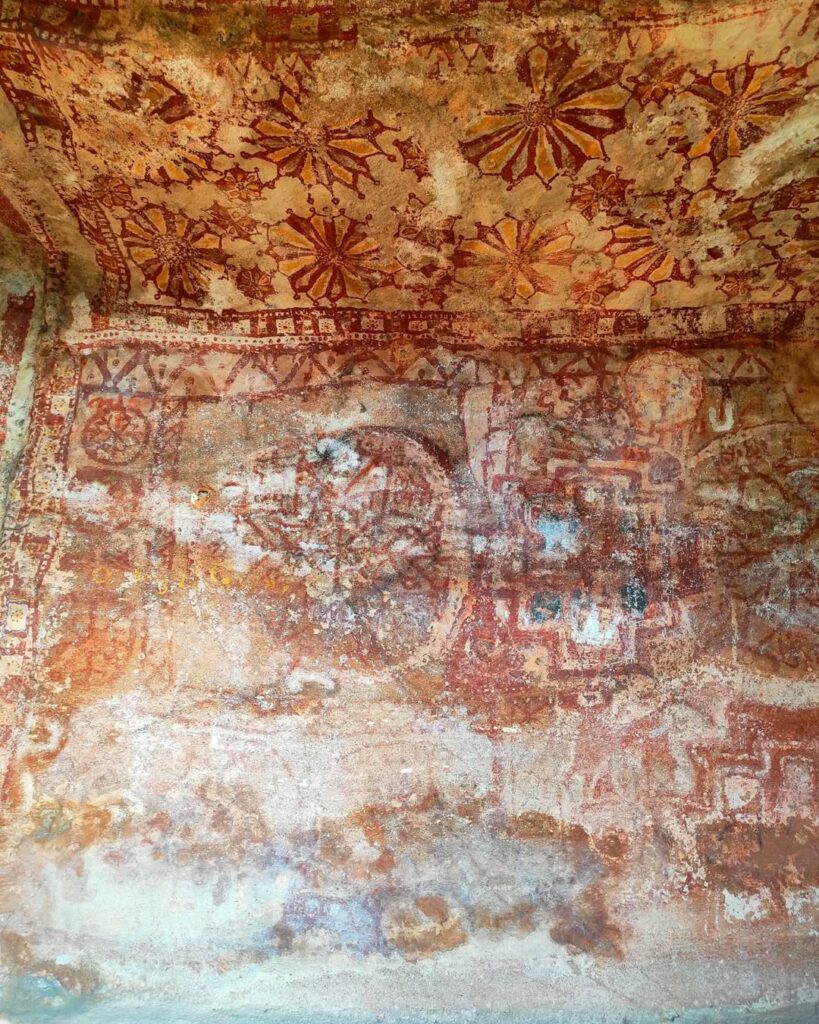
Rock art Shelter of Pandava Bakhara PathapurThe natural beauty of Pandava BakharaThe natural beauty of Pandava Bakhara bankiPandava Bakhara is believed to be the cave where the Pandavas resided during their exile.
Pandava Bakhara, Banki – Tourist Attraction in Cuttack
It changed into this kind of interesting Sunday!! I were roaming round Pathapur village (in cuttack district) withinside the outskirt of Chandaka wooded area seeing that remaining one month, changed into trying to find a cave which preserves work of art from early anciental period. By 7. 30AM early withinside the morning we have been on the foot of `Pandava Bakhara’ hill which homes the cave at its peak. There is a tribal own circle of relatives that is living beneathneath the foot hill of pandab bakhara valley & we have been assisted through younger kids, they took us to the pinnacle of the hill guiding us at some stage in jungle & displaying us the proper direction to attain the cave.
Rock art Shelter of Pandava Bakhara Pathapur
According to locals, the rock safe haven changed into the dwelling house of the Pandavas in the course of their exile and subsequently the safe haven is referred to as pandab bakhara. People come collectively on the safe haven for joyful celebration in the course of the Rajasankranti every year. The distance of the rock safe haven from the floor degree is about round 1 KM & there may be no unique manner to attain the pinnacle. The slippery direction that one desires to take to attain the cave is complete of huge trees of untamed grasses & thorns. I felt remaining 150-2 hundred meters have been the hardest a part of the adventure because the path turns extra vertical near the cave. It took us 30-forty mins to attain the rock safe haven.
Few years returned a studies group determined strains of human settlements which they said as antique as 4000 years. They agree with that there has been human habitat withinside the hill caves pandav bakhra placed withinside the north-west of Chandaka wooded area. During the three-month lengthy studies withinside the natural world reserve, the group determined historical stone carvings. The number one records found out the artistic endeavors of reptiles, guns and geometrical signs, those show that humans have been residing in Pathapur, Kusapangi and Gayalbank areas, 3,500-4,000 years in the past round 20 km farfar from Cuttack.
The artistic endeavors determined from the webweb page are assumed to be of the brand new Stone Age and Copper Age. The caves withinside the hills were named as Pandava Bakhara, Diarakhola, tiger cave, Chanchali cave, Kalia Taila cave, Narahari cave and Anahat cave wherein artistic endeavors of copper Stone Age were determined. There is a lake located adjoining to the hill close to the Mahanadi River. It is believed that there has been a civilization close to the river in the course of that period. Out of all those, Pandava Bakhara ( pandava bakhara pathapur ) is placed at the best distance from floor degree & incorporates few seen rock arts of historical period.
pandava bakhara Address pandava bakhara banki cuttack odisha
Sri Nilamadhava Temple is very old and famous Vishnu temple which is near to the bank of Mahanadi, in Kantilo. which is present near to the twin hills with a surrounding forests. A permanent flow of holy water from the feet of Lord Nilamadhava. Lord Siddheswar is also present which are the highlights of the place. Nilamadhab Temple History, Timings, Accommodations, Puja
The Nilamadhab Temple Pitha stands out as one of the oldest and most pristine temple complexes in Odisha, deeply rooted in cultural significance. Located just 25 kilometers from Nayagarh railway station, this sacred site is dedicated to Lord Nilamadhab, believed to be an ancient incarnation of Lord Jagannath. History tells us that long ago, a tribal king named Viswa Vasu worshipped Nilamadhab in the serene forest of Kantilo. Today, this majestic temple graces the heights of two hills, embraced by lush forests along the banks of the Mahanadi River.
An interesting tale surrounds the temple’s connection to Lord Jagannath. It is said that Nilamadhab made his way to Puri through the marriage of Viswa Vasu’s daughter, Lilita, and later with Bidyapati, a minister serving under King Indradyumna of Malaba. Devotees yearn to catch a glimpse of this ancient temple, traveling from far and wide throughout the year.
Nestled in Kantilo, within the Nayagarh district and alongside the flowing Mahanadi River, the Nilamadhab Temple is a sight to behold. Perched atop the twin hills of Brahmadri and Himadri, this temple is surrounded by thick forests that enhance its beauty. The picturesque landscape, with the river’s stunning backdrop, ensures that visitors are captivated by the area’s charm. The longer you stay here, the deeper your appreciation for its beauty.
Connection to Lord Jagannath
Legend has it that the original form of Lord Jagannath is Lord Nilamadhab. It is said that King Indradyumna once dreamt of Lord Nilamadhab, sparking his quest to find and behold him. After learning that Lord Nilamadhab was worshipped in the Utkal forest, the king set out to seek him. However, upon the king’s impending arrival, Lord Nilamadhab is believed to have left, floating along the river like a log. When this log reached the shore, it was shaped into the form of Lord Jagannath, leading to the construction of a temple for worship. Remarkably, the architecture of the Nilamadhab Temple resembles that of the famous Jagannath Temple in Puri.
Surrounded by hilly terrain and located on the banks of the Mahanadi, Nilamadhab Temple is a renowned tourist destination in Odisha. The steady influx of visitors has led to the establishment of numerous hotels and lodges in the vicinity, ensuring that guests enjoy a comfortable stay.
History of Nilamadhab Temple
Sri Nilamadhava Temple is an ancient and significant Vishnu temple situated near the banks of the Mahanadi in Kantilo. Enveloped by twin hills and lush forests, the temple features a continuous flow of holy water from Lord Nilamadhava’s feet, making it a place of profound spiritual significance. Lord Siddheswar is also present here, adding to the temple’s highlights.
Lord Nilamadhav holds a significant place in the worship of Lord Jagannath, with a shrine dedicated to him located to the right of the Lakshmi temple in the Puri Jagannath Temple complex. Kantilo, situated by the banks of the Mahanadi River in the Khandapada block of Nayagarh District, is easily accessible. The nearest railway station is Nayagarh Town, while Bhubaneswar serves as the closest airport. For those traveling by train, it’s recommended to disembark at Bhubaneswar station, where you can find frequent buses heading to Kantilo. The area is well-connected by roads that offer regular bus services, and it is approximately 73 km from Bhubaneswar and 33 km from the heart of Nayagarh District.
The history of this sacred site dates back to a small cave in the Brahmadri hills, alongside the Mahanadi River, which is known today as Kantilo. Here, the local Sabara Chief, Biswabasu, once worshipped Kitung, a name for the deity in the Sabara dialect. The legend suggests that the deity was first worshipped in the form of an Indranila gem image called “Nilamadhava,” with the daru murty being introduced later. The temple, located at the confluence of the Mahanadi, Kuanria, and Kusumi rivers, resembles the Jagannath temple in Puri and is situated on the right bank of the Mahanadi, marking it as the triveni sangam of Odisha, akin to the Beni-Madhava in Prayag.
Nilamadhab Temple Festivals
The Maagha Saptami Festival, also known as Ratha Saptami, is the most celebrated event here. A fair takes place on the Ekadashi of the month of Maagha, and a special festival is held on ‘Pausa Purnima.’ During this time, Lord Neelamadhab is adorned with beautiful gold ornaments, making the occasion even more significant.
Maagha saptami Festival or Ratha Saptami is the best festival over here. A fair is held on the Ekadashi of the month of Maagha A special feastival on ‘PAUSA PURNIMA’ . On this occasion, Lord Neelamadhab is decorated with gold ornaments.
Nilamadhab Temple Timing:-
Temple open – 5:00 AM to 11:00 PM Prasad Time –11:00 AM to 04:00 PM
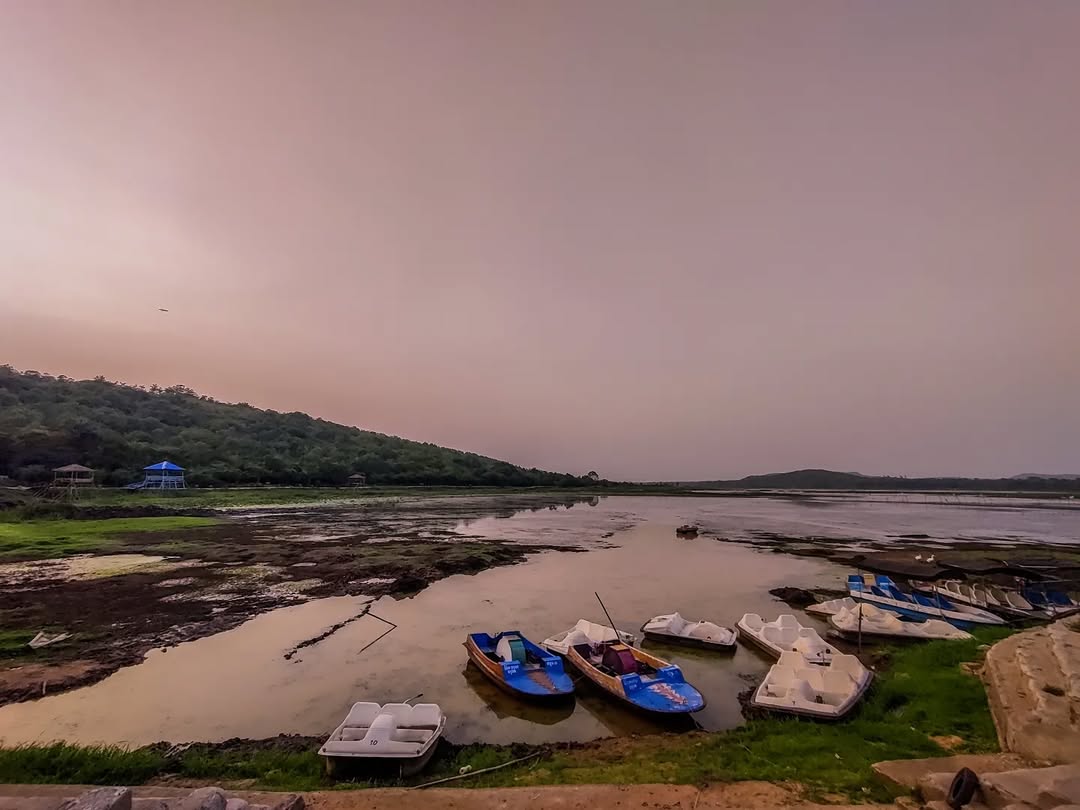
Ansupa lake is located 50kmfrom Cuttack and situated in the middle of the state highway connecting Banki and Athagarh block of Cuttack district. Spread across 382 km, Ansupa lake is the largest fresh water lake in Odisha. The lake derives its name from its shape which is like a horse shoe. During the rainy season the many hues of the water makes for a beautiful vision and the presence of the migratory birds during winter adds to the vibrancy of the lake. Boating facilities available at the Ansupa lake, Banki are an added attraction. Watch Video
The lake stands as a beloved tourist attraction in Odisha, presenting stunning vistas and a serene atmosphere.
The Ansupa Lake Park along with its adjacent trails are preferred locations for weekend outings and nature strolls.
The ideal period to visit Ansupa Lake is from October to May when the climate is agreeable.
Ansupa Lake hosts a variety of flora and fauna, including migratory birds, establishing it as an ecological treasure.
Anshupa Lake offers an excellent mix of leisure and excitement, making it an essential stop for explorers uncovering Odisha.
Odisha’s Largest Freshwater lake Ansupa lake Cuttack
Ansupa Category Natural/Scenic excellence Nearer to Athagarh, Ansupa is a little, however a beautiful lake that offers haven to transient birds in winter. The water spread is great for fishing and boating.The 141 hectare lake is a pony shoe formed new water lake on the left bank of the Mahanadi river,opposite bank in cuttack district.
Ansupa lake in Banki is 40km from the city of cuttack,which additionally goes about as a safe house for the transient birds in the wintrey weather conditions season. Time: October to March Nearby Tourist Places: Best Amangeikuda (15 Km), Tigiria (20 Km), BankiCharchika (15 Km) How to Reach: By Air Nearest Airport is Bhubaneswar Airport-88 Km. Via Train Nearest Railway Stations are Cuttack-62Km and Bhubaneswar-72Km By Road Regular Bus administrations are accessible up to Subarnapur, Banki close to Ansupa and to Athagarh from Cuttack.
Ansupa Lake is a new water horseshoe formed lake on the left bank of the Mahanadi waterway, in Cuttack locale, Odisha, India. It is 40 km distance from Cuttack city .It is home to 9 types of lowered, 12 and 26 types of drifting and rising oceanic plants. It is additionally home to 33 types of fish, 3 types of prawns, 10 types of reptiles and 50 types of transient and inhabitant birds.
Ansupa Fresh Water Lake & Nature Camp, Cuttack
It is connected straightforwardly with the Mahanadi by a channel (Kabula Nalla), which goes about as both a delta and outlet, through which rising water enters the lake and abundance water goes out after the flood. It is arranged in the midst of the Saranda Hills and encased by bamboo tree vegetation and mango trees. To draw in the travelers, there is sailing and fishing offices in the Ansupa Lake Banki. This little however very pleasant Ansupa lake stands firm on a noticeable foothold in the traveler guide of Odisha for its magnificence, closeness This eye-getting vacation spot Ansupa Fresh Water Lake & Nature Camp, Cuttack
Ansupa Lake Details
Ansupa Lake Address: Anshupa Lake, Odisha 754029, Bhubaneshwar, India Ansupa Lake Timing: 24-hrs Best time to visit Ansupa Lake(preferred time): 02:00 pm – 06:00 pm Time required to visit Ansupa Lake: 02:00 Hrs Ansupa Lake Ticket Price – Bike Parking- Rs 10.00 Lake Fee – Rs 20.00 Boating – Rs 25.00 ansupa lake cottage booking price 2k -10k
Discovering Anshupa Lake: A Hidden Gem in Odisha
Discovering Anshupa Lake: A Hidden Gem in Odisha
Welcome to the enchanting world of Anshupa Lake, a breathtaking destination nestled in the heart of Odisha. If you’re looking for a getaway that combines serene natural beauty with cultural richness, you’ve come to the right place. Anshupa Lake is not just a picturesque spot; it’s an experience waiting to be explored.
A Glimpse into History and Geography
Anshupa Lake is situated near the town of Cuttack, surrounded by the lush greenery of the eastern Ghats. This tranquil lake spreads over a vast expanse and serves as a crucial habitat for numerous migratory birds, making it a popular location for bird watchers and nature lovers alike. The lake’s vibrant ecosystem supports a variety of flora and fauna, creating a peaceful ambiance that allows visitors to unwind and reconnect with nature.
Things to Do at Anshupa Lake
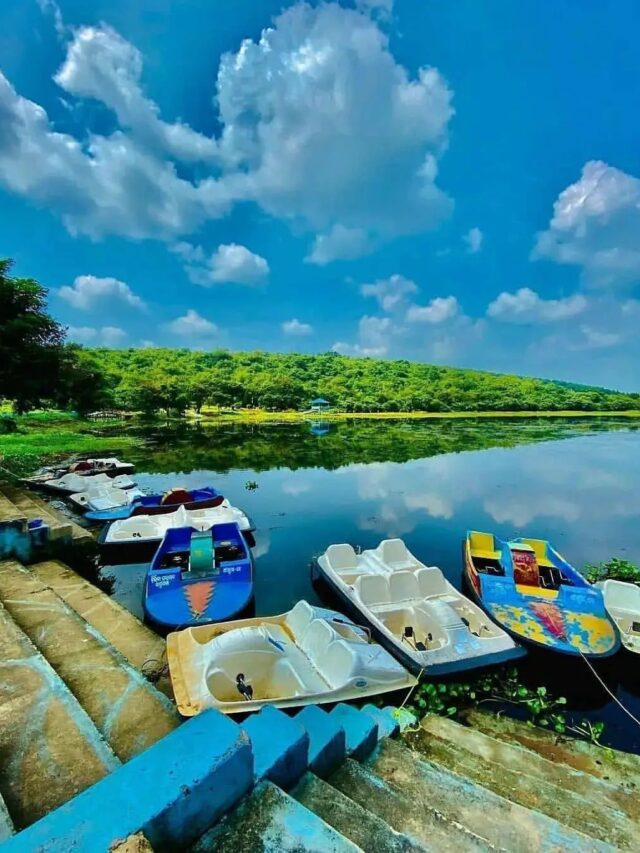
1. Boating: One of the best ways to soak in the beauty of Anshupa Lake is by taking a boat ride. Feel the gentle breeze as you glide across the calm waters, with the sounds of nature enveloping you. Whether you prefer paddle boats or row boats, the exhilarating experience is unmatched.
2. Bird Watching: If avian wonders excite you, Anshupa is a must-visit. The lake attracts birds from various regions, especially during the winter months. Bring your binoculars and camera to capture the stunning sights.
3. Picnicking: Pack a delightful picnic and find a cozy spot along the shoreline. The scenic backdrop coupled with the soothing sounds of the water creates an ideal setting for a family outing or a peaceful day away from the chaotic city life.
4. Photography: For photography enthusiasts, Anshupa Lake offers a plethora of subjects to capture. From the sunrise painting the sky in hues of orange and pink to the mesmerizing reflection of trees in the water, every angle tells a story.
5. Cultural Exploration: The surrounding area boasts rich cultural heritage. Visit nearby temples and immerse yourself in the local traditions and customs, making your trip all the more enriching.
Best Time to Visit
The ideal time to visit Anshupa Lake is between October and March when the weather is pleasantly cool and conducive for exploring. The lake is especially vibrant during the migratory season, providing the perfect opportunity for birdwatching enthusiasts.
How to Reach Anshupa Lake
Getting to Anshupa Lake is relatively easy. The nearest major city is Cuttack, which is well-connected by road and rail. From Cuttack, local transportation options like auto-rickshaws or taxis can take you to the lake in no time.
Final Thoughts
Anshupa Lake is a charming treasure that promises tranquility and adventure in equal measure. Whether you’re an avid nature lover, a peaceful soul looking to escape, or someone seeking adventure, this lake has something for everyone. So grab your camera, pack your bags, and embark on a journey to discover the beauty of Anshupa Lake.
For more insights or trip planning assistance, don’t hesitate to reach out via our website at [tourmyodisaha.com]. Happy traveling!
—
Feel free to modify or add any personal touches as needed!
Ansupa Nature Camp Booking Price & Information
Ansupa Nature Camp Price: Bamboo Cottage Double Bedded (A/C) accommodates 2 adults per suite for a daily rate of 3000.
Ansupa Eco Cottage Double Bedded (A/C) also fits 2 adults per suite, priced at 3000 per day.
This price covers complimentary lunch, dinner, and breakfast. An entry charge of Rs. 0.00 per day will be added additionally. Accommodation for one extra person (ages 4-18) is available for Rs 1000 per day (no extra bed will be supplied).
Breakfast, lunch, and dinner are complimentary but limited to the individuals specified on the ticket. Children aged 4 to 18 accompanying their parents and vehicle driver will incur extra charges at the location according to the destination pricing to be settled on-site.
The functionality of the air conditioning at the site depends on electricity accessibilit
Visitors must carry a printed copy of the accommodation reservation and entry receipt along with identification proof.
The price includes a onetime boating fee at the creek. The air conditioning operation at the site is contingent on electricity availability.
Ansupa lake is the largest fresh water lake in Odisha. The lake derives its name from its shape which is like a horse shoe. During the rainy season the many hues of the water makes for a beautiful vision and the presence of the migratory birds during winter adds to the vibrancy of the lake.
Is Ansupa Lake open?
Yes
Where is Anshupa lake located?
Ansupa lake address is Ansupa, Banki, cuttack Odisha
Where is the Ansupa?
Ansupa lake address is Ansupa, Banki, cuttack Odisha
Which is the sweet water lake of Odisha?
Ansupa lake
Which is the largest sweet lake in Odisha?
Ansupa lake is largest sweet lake in Odisha
How many lakes are there in Odisha?
3 lakes in odisha
Which district is chilika?
Khordha
Where is Chilika lake located?
Khordha
Which is the largest lake of Odisha?
Ansupa lake is the largest lake of Odisha
Why is Pookode lake famous?
Which is the largest saltwater lake in Odisha?
Chilika is the largest saltwater lake in Odisha
Which is the largest sweet water lake in India?
Ansupa lake is the largest sweet water lake in India
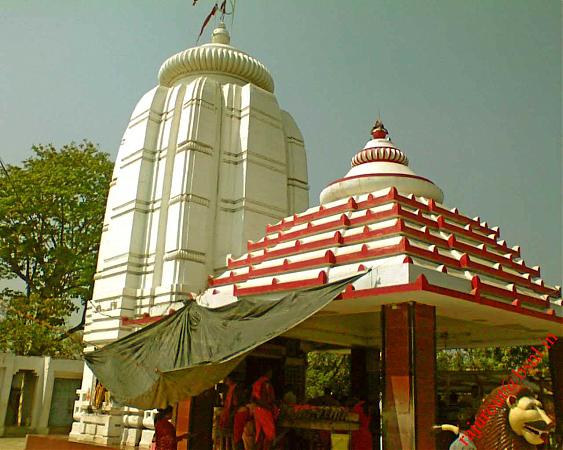
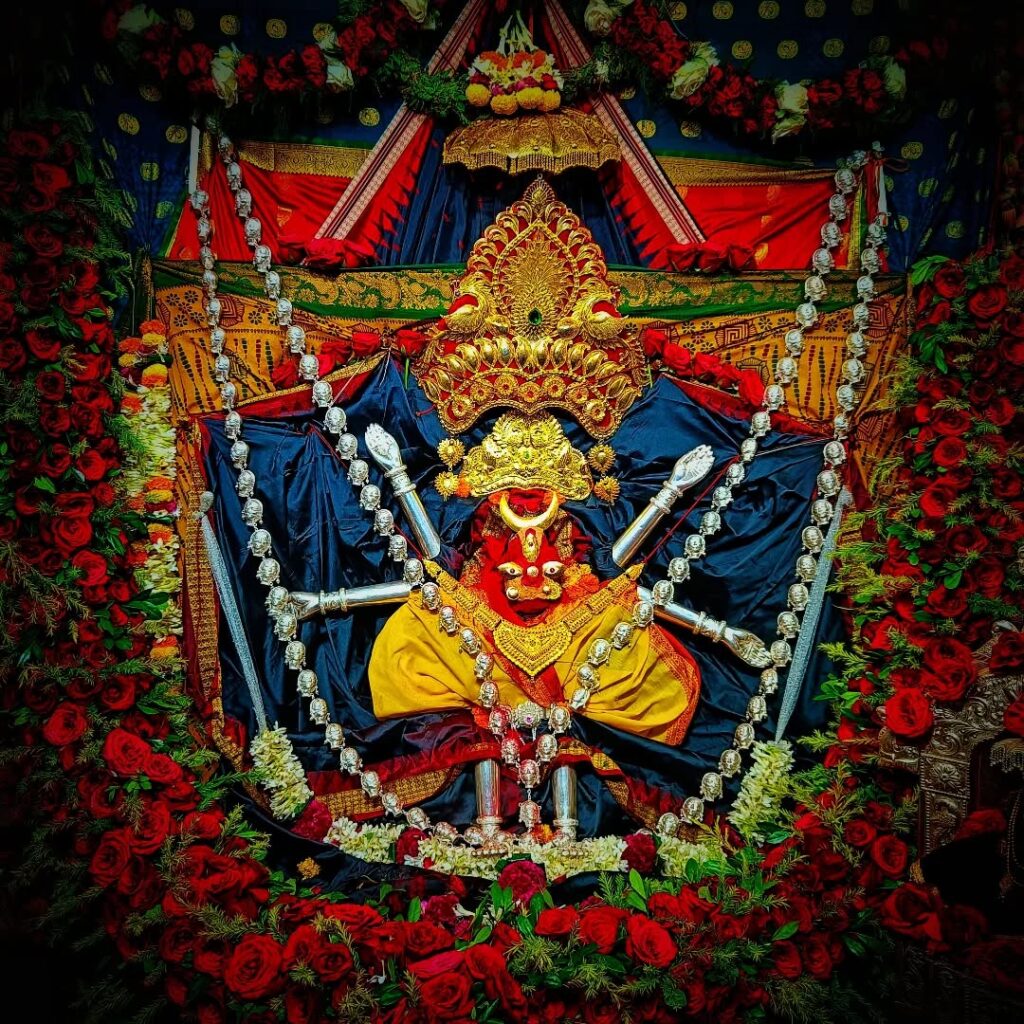
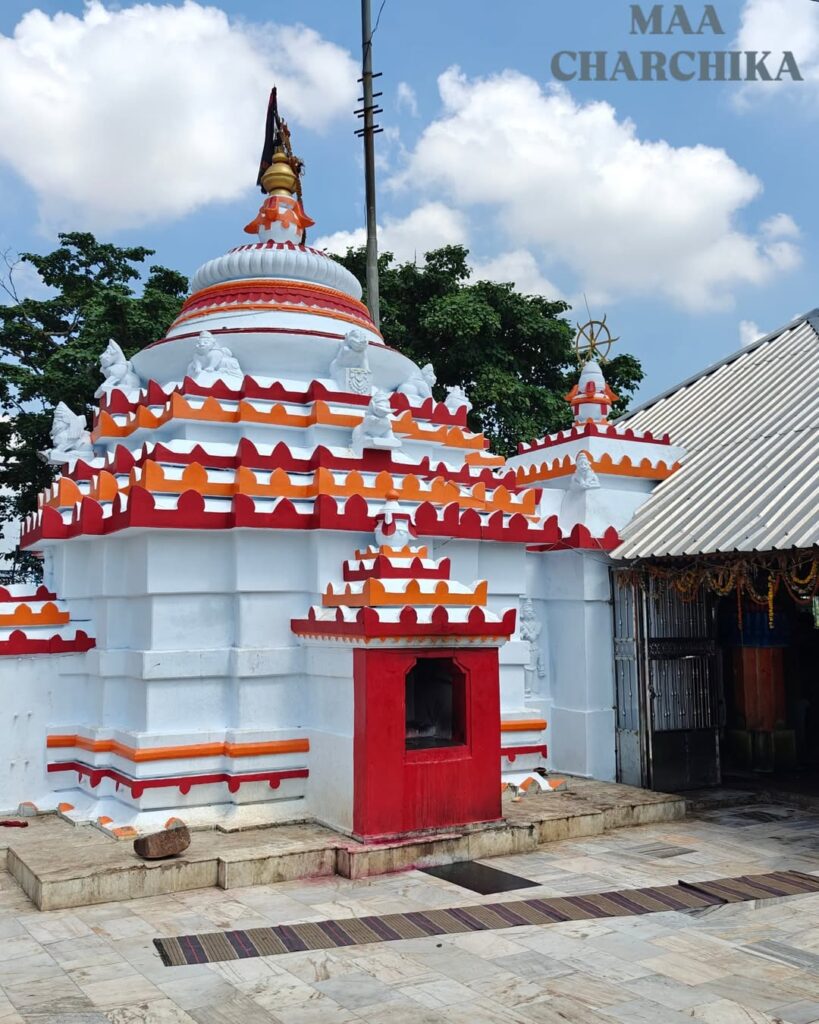
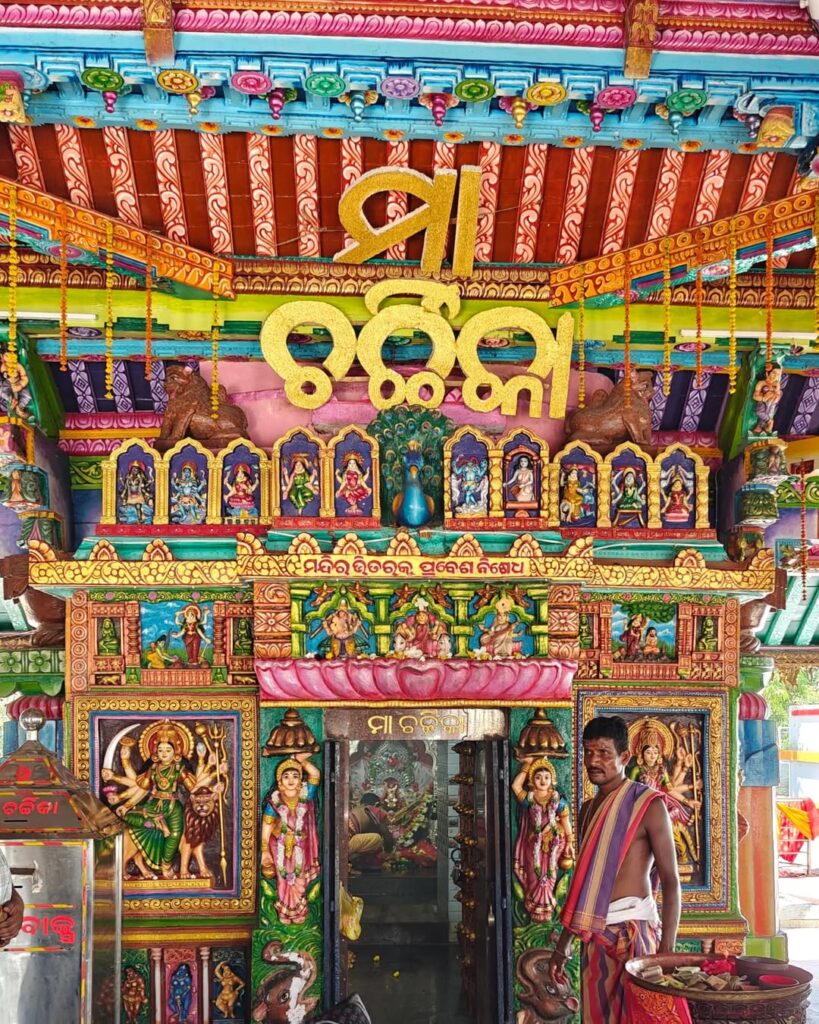
In the river bank of Renuka, in a hillock called Ruchika Giri, is found the seat of Maa Charchika, the adorable goddess of Banki. Charchika Temple is a 19th-century old temple situated in Banki block of Cuttack district in Odisha. Goddess Chamunda is worshipped in the charchika temple . charchika is an eight-armed goddess who is a manifestation of Maa Durga, seated on a prostrate human body and wearing a garland of human skulls. Maa charchika displays khadga, Shula, Katari, and varadamudra in her four right hands whereas the four left hands represent the severed head, blood-cup, and leaving a finger of the remaining hand soaked in blood.
Banki Maa Charchika Temple Shakti Peeth Video
Maa Charchika Temple: The Sacred Shakti Peeth of Odisha
Imagine standing before a stone idol that pulses with ancient power. The air hums with chants and the scent of incense. This is Maa Charchika Temple, one of the 51 Shakti Peeths in Hindu lore. Nestled in Banki, Cuttack district of Odisha, it draws you into a world of divine feminine energy. Here, the goddess embodies strength and protection. As a key site in Odia culture, it blends myth with daily life. If you’re a spiritual seeker, this Shakti Peeth offers deep peace and mystery. Plan your visit to Maa Charchika Temple Shakti Peeth to feel its timeless pull.
Historical Significance of Maa Charchika Temple
Origins and Mythological Background
The story starts with Sati, Shiva’s wife. In the Puranas, her body fell into 51 pieces across the earth after a tragic fire. At this spot in Banki, her breast landed, birthing the Charchika Peeth. Devotees believe this makes Maa Charchika a source of fertility and might. Archaeological digs show the temple roots go back to the 9th or 10th century. The Bhaumakara dynasty likely built early parts, linking it to Odisha’s old kings.
Evolution Through Dynasties
Over centuries, rulers shaped the temple. Somavamsi kings in the 11th century added new wings and fixed old stones. It stood strong against invasions from Muslim forces in the 16th century. Local chieftains stepped in to guard rituals and walls. Their efforts kept the site’s spirit alive through wars and shifts in power. Today, you can trace this path in faded carvings that tell tales of devotion.
Key Historical Artifacts and Inscriptions
Walls hold inscriptions from the 12th century. They list donations of land and gold by kings. One stone slab details a queen’s gift for daily pujas. These marks prove the temple’s role in medieval life. Artifacts like brass lamps and old bells sit in the inner rooms. For better grasp, picture a timeline: 9th century origins, 11th century peaks, and 20th century revivals. Such items draw history buffs to Maa Charchika Temple Shakti Peeth.
Kalinga style defines this gem. The tall vimana tower rises like a curved mountain peak. Inside the sanctum, the idol of Maa Charchika waits in dark sandstone. Carvings show gods, dancers, and battle scenes from myths. Builders used local red stone for strength and glow. Walk around, and you’ll see how each pillar tells a story.
Unique Features and Symbolism
The swayambhu idol appeared on its own, say locals. No human hand shaped it fully. The courtyard spreads out like a mandala, mirroring the universe’s balance. A nearby tank, called Pokhari, holds holy water for baths before prayers. This water ties to fertility rites from the breast legend. Symbols like the goddess’s sword stand for cutting ignorance. These traits set Maa Charchika Temple apart in Odisha’s temple scene.
Restoration and Modern Adaptations
The Archaeological Survey of India stepped in during the 1980s. They fixed cracks and cleaned moss from walls. Recent works added lights and paths for easy access. These changes keep the old look while welcoming crowds. Now, it’s a top example of Odishan design, with smooth curves and bold motifs. Visit to see how past meets present in every stone.
Mythology and Spiritual Importance in Shakti Peeth Tradition
The Legend of Shakti Peeths and Maa Charchika’s Role
Daksha’s yagna sparked the chaos. Sati burned in rage, and Shiva danced in grief. Her parts fell, creating power spots like this one. At Charchika, the breast piece grants boons for family and health. It’s one of four big Peeths in Odisha, alongside Bimala and Biraja. Devotees flock here for Shakti’s raw force. Why does this site stir such faith? It taps into creation’s heart.
Banki Maa Charchika Temple Shakti PeethBanki Maa Charchika Temple
Worship Practices and Deity Attributes
Daily rites start at dawn with bells and flowers. Unlike many temples, offerings include fish or goat— a nod to tribal roots. Maa Charchika appears as a warrior with eight arms and a trident. Her yantra, a geometric plate, aids meditation on power. Chant “Om Charchikayai Namah” for focus. These acts build a bond with the divine mother. Feel her guard as you pray.
Influence on Local and Broader Hindu Beliefs
Shakti worship here shapes Odia festivals and art. It spreads to pan-Indian pilgrimages, linking sites like Kamakhya. Women seek blessings for strength in tough times. For your trip, fast on Tuesdays or join group chants. This Peeth reminds us of feminine energy in all life. Explore nearby villages to see how myths live on. Such ties make Maa Charchika Temple Shakti Peeth a cultural bridge.
Festivals and Rituals at Maa Charchika Temple
Major Annual Celebrations
Navratri brings the biggest crowds in October. Thousands dance in the courtyard to drum beats. Processions carry the idol through streets lit by lamps. Chardham Yatra in spring links four Odisha sites, with Charchika as a key stop. Durga Puja once had animal rites, but now it’s symbolic with fruits and sweets. These events pulse with joy and devotion. Join to feel the shared energy.
Daily and Seasonal Rituals
Mornings feature aarti with fire lamps circling the idol. Evenings fill with bhajans, songs of praise. During eclipses, special pujas ward off bad omens. The temple calendar marks full moons for extra offerings. These routines knit the community close. Watch families gather, sharing prasad after prayers. It’s a rhythm that soothes the soul.
Visitor Guidelines for Participation
Arrive early for front-row seats at aartis—best between 6-8 AM. Dress in simple clothes: sarees for women, kurtas for men. No shorts or revealing outfits. Photography is okay outside the sanctum, but ask priests first. Carry water and wear comfy shoes for stone paths. Respect silence during chants. These tips help you blend in and gain more from the visit.
How to Reach and Plan Your Visit to Maa Charchika Temple Shakti Peeth
Accessibility and Transportation Options
From Bhubaneswar, it’s just 40 km north. Take NH-16 for a quick drive, about an hour. Buses run often from Cuttack’s main stand to Banki. Trains stop at Baranga station, then a short auto ride. Taxis from the airport cost around 1,500 rupees. For groups, shared vans work well. Check apps for live routes to avoid jams.
By Road: Drive via Cuttack-Banki highway.
By Rail: Nearest station is Cuttack, 25 km away.
By Air: Fly into Bhubaneswar, then cab it.
Best Time to Visit and Accommodation
Cool months from October to March beat the heat. Avoid July rains that flood paths. Festivals amp up the vibe, but book ahead. Stay in Banki guesthouses for 500-1,000 rupees a night. Cuttack offers hotels like Hotel Aryans with AC rooms. For luxury, head to Bhubaneswar resorts. Reserve online during Navratri peaks.
Essential Travel Tips and Precautions
Bring your ID for temple entry logs. Drink bottled water to stay safe. Respect no-touch rules near the idol. Explore the Mahanadi River nearby for picnics. Pack light clothes and sunscreen. If driving, watch for potholes on rural roads. Health-wise, get shots if needed for rural spots. These steps ensure a hassle-free trip to this Shakti Peeth.
Conclusion
Maa Charchika Temple stands as a beacon of Odisha’s spiritual heart. Its history weaves through dynasties, myths of Sati’s fall, and stone wonders of Kalinga art. From daily rites to Navratri throngs, it pulses with Shakti’s power. You’ve seen how this Shakti Peeth links past and present, offering fertility blessings and inner strength. Key points? Embrace the divine feminine here—it’s profound. Head out to experience the chants and calm yourself. Let’s all help save such sites for kids to come. Your visit could spark a lifelong bond with this sacred spot.
Maa Charchika Temple Shakti Peeth BankiBanki Maa Charchika Temple Shakti Peeth
Discovering the Charchika Temple:
A Spiritual Journey
Nestled in the serene beauty of Odisha, the Charchika Temple is not just a place of worship but a vibrant testament to the rich cultural heritage of India. This ancient temple, dedicated to the goddess Charchika, is a must-visit for travelers seeking both spiritual fulfillment and a glimpse into the majestic history of this region.
A Journey Through History
The history of Charchika Temple is deeply entwined with the local folklore of Odisha. The temple is believed to have been constructed during the medieval period, and it’s said that Goddess Charchika is an embodiment of strength and power. The temple’s architecture showcases intricate carvings, reflecting the artistic prowess of the artisans of that time. Visitors will be amazed by the beautiful sculptures that adorn the walls, each telling a story of its own.
Spiritual Significance
As you step into the temple, the atmosphere becomes immediately charged with spiritual energy. Devotees flock here to seek blessings and offer prayers, especially during the auspicious festivals that attract numerous visitors. The rituals performed by the priests resonate with deep significance, allowing everyone to connect with the divine. It’s a place where silence speaks volumes, and devotion fills the air.
Architectural Marvels
The structure of Charchika Temple is an exemplary model of Kalinga architecture. The towering *shikhara*, or spire, along with the beautifully carved entrance, invites travelers to explore its inner sanctum. Each pillar within the temple is a masterpiece, adorned with motifs that depict various deities and symbols, illustrating the deep-rooted spiritual heritage of Odisha.
Local Attractions
Beyond the temple itself, the surrounding areas offer a plethora of attractions. From local markets bustling with handicrafts to tranquil lakes perfect for relaxation, there’s something for everyone. Nature lovers can enjoy the lush greenery that envelops the temple, and food enthusiasts can indulge in the local cuisine that reflects the vibrant culture of Odisha.
Planning Your Visit
For those interested in visiting Charchika Temple, planning is key. The best time to visit is during the fall and winter months when the weather is pleasant. Ensure to check local festivals for an enriching experience, as the temple often comes alive with various celebrations.
If you’re looking to explore more, don’t forget to visit [item] for further details on this enchanting destination. For any queries, feel free to reach out via phone at [item].
In conclusion, the Charchika Temple stands as a beacon of spirituality and history. It’s a perfect destination for those seeking both a divine experience and a cultural immersion in the heart of Odisha. Whether you’re a devoted pilgrim or a curious traveler, the allure of the Charchika Temple will leave an indelible mark on your journey.
Banki is a very famous templeShakti Peethas of Odisha The Maa Charchika Templeoldest Shakti Peethas of Odisha The Maa Charchika TempleDiscovering the Charchika TempleBanki’s pride, Maa Charchika
Travel Info
Oct-Feb
Best time to visit
6AM-6PM
Open Time
64 km
Distance from Bhubaneswar
Charchika Temple, Odisha Info, Timings, Photos, History
Maa Charchika Temple, Banki distance from Cuttack is 45 km.
Ansupa lake to Charchika Temple distance is 15 km.
Maa Charchika temple Banki to Nayagarh town distance is 35 km.
Charchika temple to Sambalpur Town distance is 247 km.
Charchika temple Banki to Bhattarika temple Badamba distance is 38 km
Maa Charchika to Singhanath Temple (Tbridge Tsetu) distance is 20 km.
Charchika Temple distance from Bhubaneswar is 54 Km