Samadhi of Achyutananda Nemalo Cuttack


It is the Samadhi of Achyutananda, one of the five panchasakas, who propounded the bhakti faction in Odhisa. Achyutananda is additionally popular for his propheticsayings composed by him known as ‘Malika’. The spot lies on the banks of stream Chitrotapala.
Samadhi of Achyutananda Nemalo Details
Nemalo Address: Nemalo , Cuttack, Odisha, Indiau003cbru003e
Best Time to Visit Nemalo : October to March
Nemalo Odisha
How to reach Nemalo



Kukudanga
Beleswari Temple Kukudanga Cuttack
Situated around 30 odd kilometers from Cuttack, the spot is popular for the Goddess Beleswari Temple, and the rich view the sanctuary gives draws in the guests.
Read MoreKukudanga Details
Kukudanga Address: Kukudanga, Cuttack, Odisha, India
Best Time to Visit Kukudanga : October to March
Kukudanga Odisha
How to reach Kukudanga




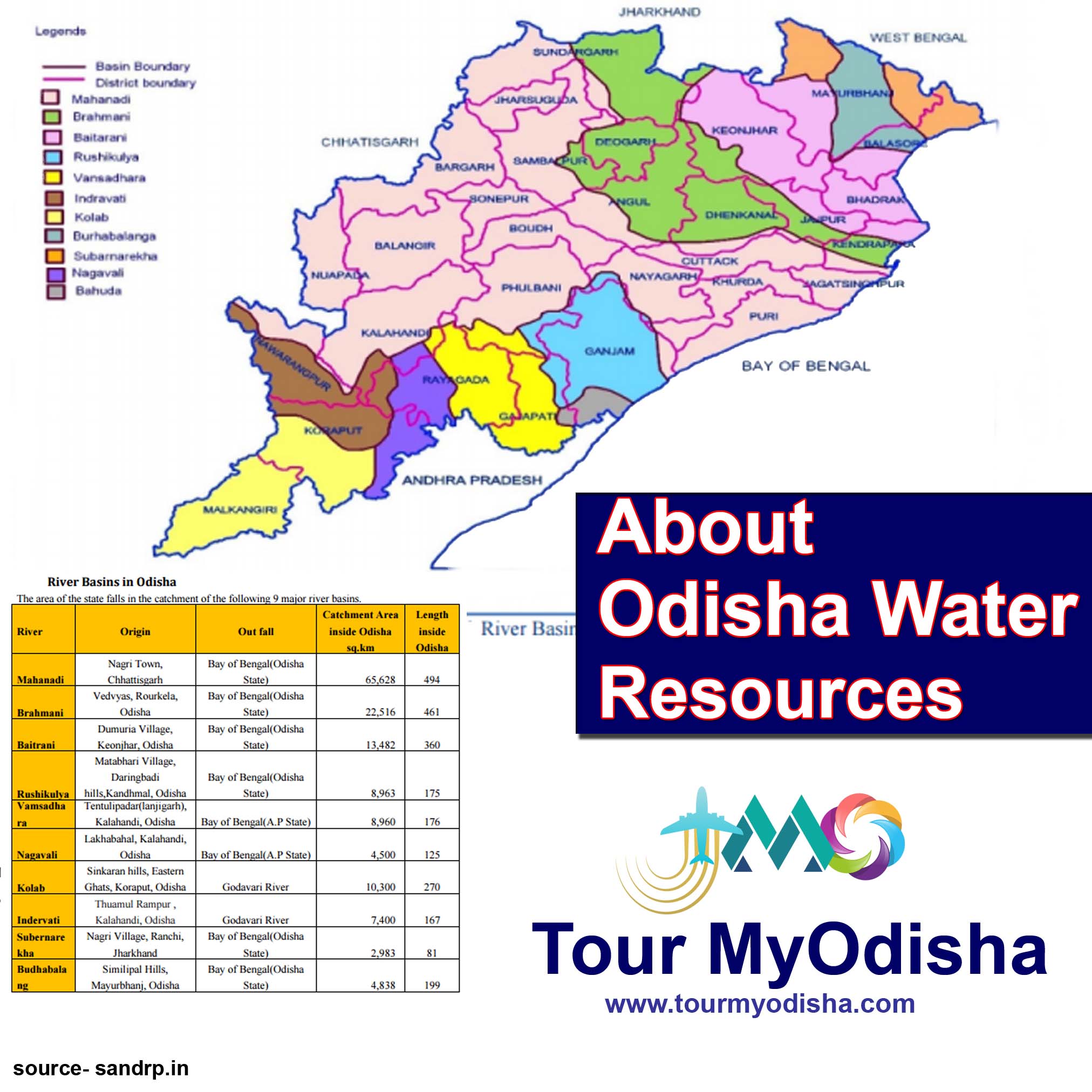
Odisha Water Resources
Water Resources in Odisha

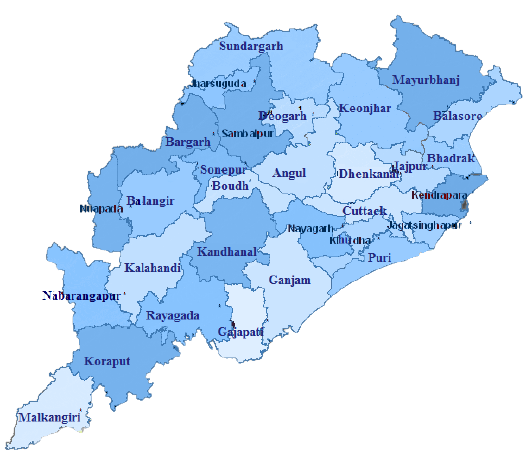
What are the water resources in Odisha?
Water assets are regular assets of water that are possibly valuable as a wellspring of water supply. 97% of the water on the Earth is salt water and just three percent is new water; somewhat north of 66% of this is frozen in ice sheets and polar ice covers.
Read More


Cyclones In Odisha
Cyclones In Odisha

List of cyclones that hit Odisha
Cyclones & Odisha go back a long way. Most of the cyclonic formations in the Bay-of-Bengal make a landfall in (Puri, paradip, Jagatsingpur, gopalpur,Kendrapada) Odisha, India.
Read MoreCyclone in Odisha: A Call for Resilience
The eastern coast of India, particularly the state of Odisha, has always been in the path of some of nature’s most powerful storms. Recently, Odisha once again faced the wrath of nature as a cyclone approached its shores. The state is no stranger to cyclones; however, each event brings a unique set of challenges and lessons.
As we navigated through the cyclone’s impact, our thoughts turned to the communities affected and the resilience showcased by the people of Odisha. The state’s preparedness and response mechanisms have improved over the years, largely due to the lessons learned from previous storms. From advanced warning systems to community drills, Odisha’s approach to disaster management sets an example for others.
The cyclone brought with it strong winds, heavy rainfall, and widespread disruption. However, the spirit of cooperation and solidarity among the local population was evident. Neighbors came together to help one another, sharing resources to weather the storm. This situation has highlighted the importance of community and the strength found in unity during difficult times.
In the aftermath, recovery efforts are underway. Local government and NGOs are mobilizing resources to provide immediate assistance to those in need. From food distribution to shelter, the focus is on ensuring that every individual can rebuild their lives. It is a reminder of how critical it is to support those who have been affected, and how each of us can contribute, whether through volunteerism, donations, or simply spreading awareness.
As we reflect on this cyclone, it is essential to consider our role in the larger conversation about climate change and disaster preparedness. With the frequency and intensity of such weather events on the rise, we must advocate for sustainable practices and robust response strategies. Collectively, we need to be proactive in safeguarding our communities and ensuring that we have the resources necessary to face future challenges.
In conclusion, the recent cyclone in Odisha serves as a poignant reminder of nature’s power but also of human resilience and community spirit. As we support those rebuilding their lives and advocate for progress in disaster management, let’s strive to foster a culture of preparedness and compassion, ensuring we stand together in the face of adversity.
For more updates on recovery efforts and ways to contribute, stay tuned to our blog at tourmyodisaha.com. Your support can make a real difference!
If you have any specific thoughts or experiences to share about this event, feel free to reach out. Let’s keep the conversation going and support one another.
List of cyclones in odisha
Here’s a list of major cyclones that have hit Odisha’s shores in the past two decades:
1737 – Super Cyclone
1831 – Very Severe Cyclonic Storm
1846 – Very Severe Cyclonic Storm
1864 – Very Severe Cyclonic Storm
1885 – Super Cyclone
1942 – Very Severe Cyclonic Storm
1967 – Very Severe Cyclonic Storm
1971 – Very Severe Cyclonic Storm
1999 – Super cyclone
2013 – Cyclone Phailin
2014 – Cyclone Hudhud
2018 – Cyclone Titli
2019 – Cyclone Fani
2019 – Cyclone Bulbul
2020 – Cyclone Amphan
2020 – Cyclone BOB 03
2021 – Cyclone Yaas

A Closer Look at the Recent Cyclone in Odisha Hello, readers!
Today we’re going to discuss a pressing issue that has recently impacted the beautiful state of Odisha— the cyclone that swept through the region. As we delve into this topic, we will examine the cyclone’s effects, the response from local authorities, and how we can help support those affected.
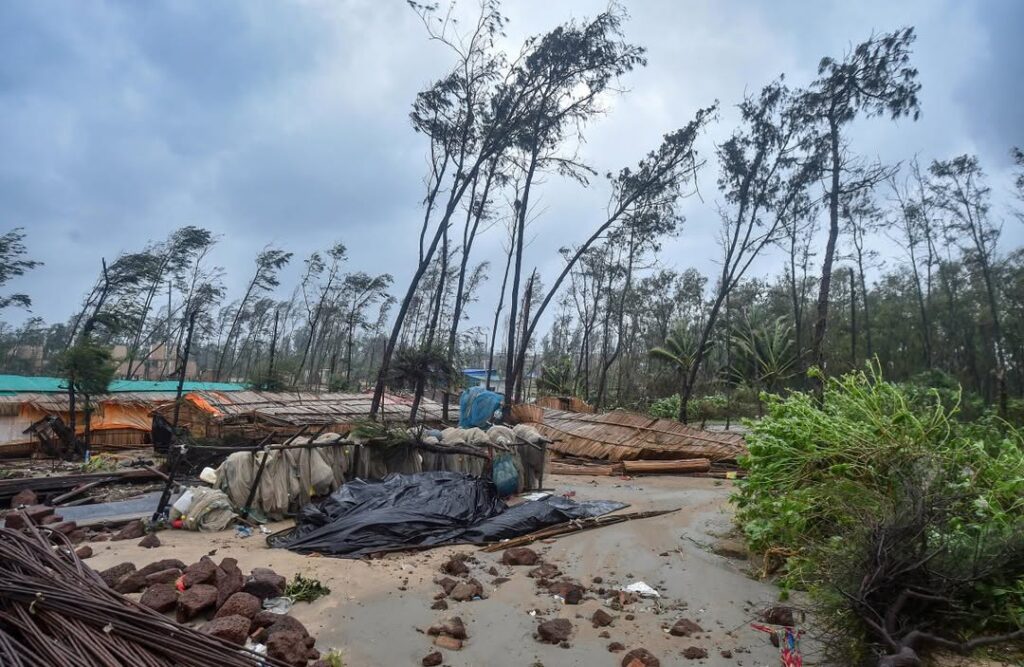
Understanding the Cyclone’s Impact Odisha, known for its stunning coastline and rich culture, faced significant challenges as this powerful cyclone made landfall. The winds howled through the streets, uprooting trees and damaging homes, while heavy rainfall inundated several areas. The government of Odisha began preparations well in advance, issuing warnings and establishing evacuation centers to ensure the safety of residents. The physical impact of the cyclone can be seen across various districts, where infrastructure has been compromised. It is heartbreaking to see families displaced, with many losing their homes and livelihoods. The roads, once bustling with life, are now littered with debris, and the power outages have left communities in darkness.
Government Response and Recovery Efforts In times of crisis, the resilience of local administration and community outreach shines through. The Odisha government, along with disaster management teams, swiftly mobilized resources to provide immediate relief. Relief camps were set up to house those evacuated, ensuring access to food, water, and medical assistance. Various non-governmental organizations (NGOs) also stepped in, working tirelessly to deliver aid to those in need. The cooperative efforts of city officials, volunteers, and citizens played a crucial role in the immediate response, illustrating the true spirit of community in the face of adversity.
How You Can Help As we reflect on the cyclone and its aftermath, it’s essential to recognize ways we can contribute to recovery efforts:
1. Donations: Consider donating to reputable organizations that provide relief to those affected. Financial contributions, food supplies, and essential items can make a significant difference.
2. Volunteering: If you’re in or near affected areas, consider volunteering your time. Many organizations need help distributing supplies and assisting in recovery efforts.
3. Spreading Awareness: Share information through social media platforms or community bulletins to raise awareness about the needs of affected individuals and families.
we believe in coming together to support those in need and create a positive impact in our communities. Every little effort counts, and together we can help Odisha rebuild. Final Thoughts Cyclones are natural disasters that remind us of the power of nature, but they also bring out the best in humanity. The ongoing recovery efforts highlight our ability to unite in times of hardship. As we move forward, let’s keep the people of Odisha in our thoughts and actions. For more updates on this topic and ways you can assist, stay tuned to our blog at tourmyodisaha.com.




Cyclone in Odisha: History, Impacts, and Strong Recovery Plans
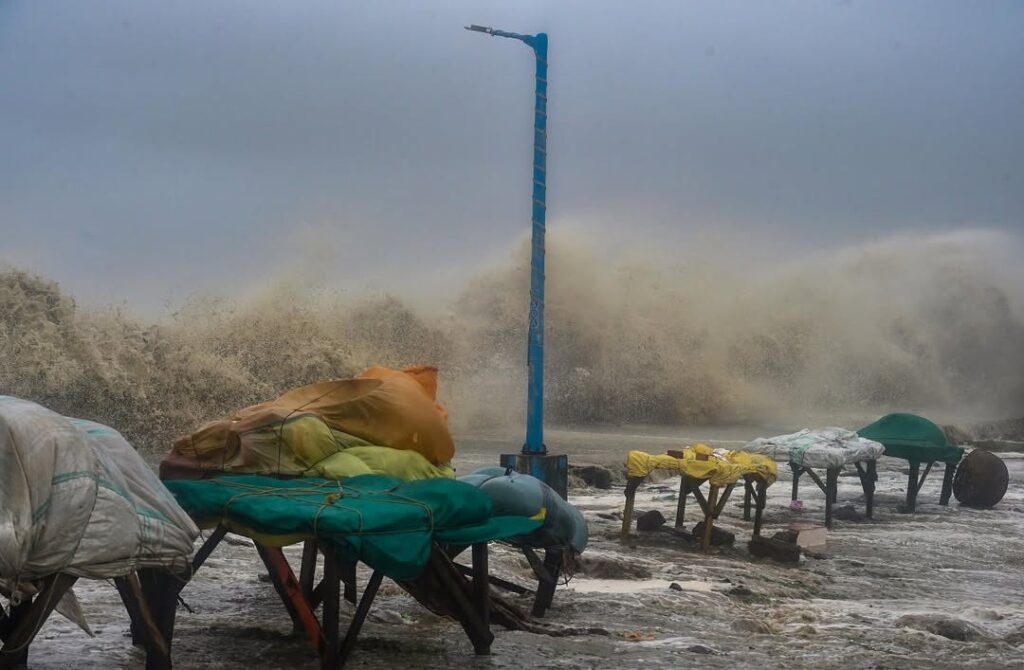
Winds howled like angry beasts as Cyclone Fani barreled toward Odisha’s shores in 2019. Families huddled in shelters, waves crashed high, and the sky turned dark gray. This storm reminded everyone of the raw power that hits this Indian state time and again.
Odisha sits right on the Bay of Bengal, a spot where warm waters breed fierce tropical storms. These cyclones strike often, testing the grit of coastal towns and villages. In this piece, you’ll get a full look at cyclone history in Odisha, the heavy blows they land, and smart ways people fight back. We cover it all to help you grasp the threats and build better safety nets.
Understanding Cyclones in Odisha
Cyclones shape life in Odisha. They bring chaos but also push folks to learn and adapt. Let’s break down the basics to see why this state faces so many.
What Is a Cyclone and How Does It Form?
A cyclone is a spinning storm with strong winds and heavy rain. It starts over warm ocean waters, where heat rises and pulls in moist air. This air spins fast, fueled by sea temps above 26 degrees Celsius in the Bay of Bengal.
Picture a giant whirlpool in the sky. Low pressure at the center draws in winds that circle counterclockwise in the north. The India Meteorological Department tracks these from the start, using satellites to watch them grow.
For visuals, add a simple diagram here. Show warm water evaporating, clouds building, and the eye forming calm in the middle. This helps readers picture how a quiet sea turns wild.
Why Odisha Faces Frequent Cyclone Threats
Odisha’s 480-kilometer coastline hugs the Bay of Bengal. This spot gets hit hard by monsoon winds from the Indian Ocean. Warm currents keep the area ripe for storm birth.
The state’s flat deltas and rivers make surges worse. Water rushes inland easy during high tides. IMD calls these threats cyclonic disturbances when winds top 50 km/h.
Geography plays a big role too. Nearby lands heat up quick, feeding storms more energy. That’s why Odisha sees about five cyclones a year on average.
Types of Cyclones Affecting the Region
Cyclones come in grades based on wind speed. A depression has winds under 90 km/h, bringing rain but not much fury. Deep depressions ramp up to 90 km/h, soaking fields and flooding low spots.
Severe cyclonic storms pack 118 to 220 km/h gusts. They rip roofs off and snap trees like twigs. In Odisha, these often dump 200 mm of rain in a day, turning roads to rivers.
Very severe ones, like Fani, hit over 220 km/h. They cause the worst damage, with storm surges up to 5 meters high. Each type shifts how people prep, from sandbags for mild ones to full evacuations for the big beasts.
Historical Cyclones in Odisha
Odisha’s past holds tales of storms that changed everything. These events show patterns over time. Key ones stand out for their force and the changes they sparked.
The 1999 Super Cyclone: A Turning Point
In October 1999, the super cyclone slammed near Paradip. Winds reached 260 km/h, the strongest in decades. It killed over 10,000 people and wrecked homes across 12 districts.
Tidal waves flooded villages up to 20 km inland. Crops rotted in salt water, hitting farmers hard. Power lines fell, leaving blackouts for weeks.
This storm woke India to cyclone risks in Odisha. It led to better shelters and warning tools. Today, folks remember it as the push for stronger defenses.
Recent Cyclones: Fani (2019) and Yaas (2021)
Cyclone Fani struck Puri in May 2019 with 215 km/h winds. It affected 14 million folks, forcing mass evacuations. Beaches eroded, and temples shook under the blast.
Damage hit hard in Bhubaneswar too. Trees blocked roads, and airports shut down. Recovery took months, but deaths stayed low at 89 thanks to quick alerts.
Then Yaas hit in May 2021, landing near Balasore. Winds at 140 km/h displaced 1.2 million people. Floods swamped Bhadrak, ruining homes and fields.
Yaas brought 500 mm rain in spots, worse than expected. It tested new systems but showed gaps in rural spots. Both storms highlight how threats keep coming.





Lessons from Past Events
Past cyclones share traits like sudden surges and crop hits. The 1999 one taught about slow warnings; now alerts come days early. NDMA reports note better shelters cut deaths by 90% since then.
Floods follow every big storm, breeding diseases. Early evacuations save lives, as seen in Fani. But rebuilding costs billions each time.
These events push for tougher buildings and trained teams. Communities now drill often, turning fear into action.
Impacts of Cyclones on Odisha
Storms leave scars deep and wide. They hit people, land, and wallets. Let’s see the full picture with real numbers.
Human and Socioeconomic Toll
Cyclones displace thousands fast. During Fani, 1.4 million left homes for shelters. Loss of life drops with warnings, but injuries and stress linger.
Livelihoods suffer too. Fishermen lose boats; farmers watch harvests drown. Post-storm, waterborne illnesses spike, straining health centers.
Kids miss school for weeks, slowing growth. Women face extra risks in crowded evacuations. Overall, these blows weaken families for years.
Environmental and Infrastructural Damage
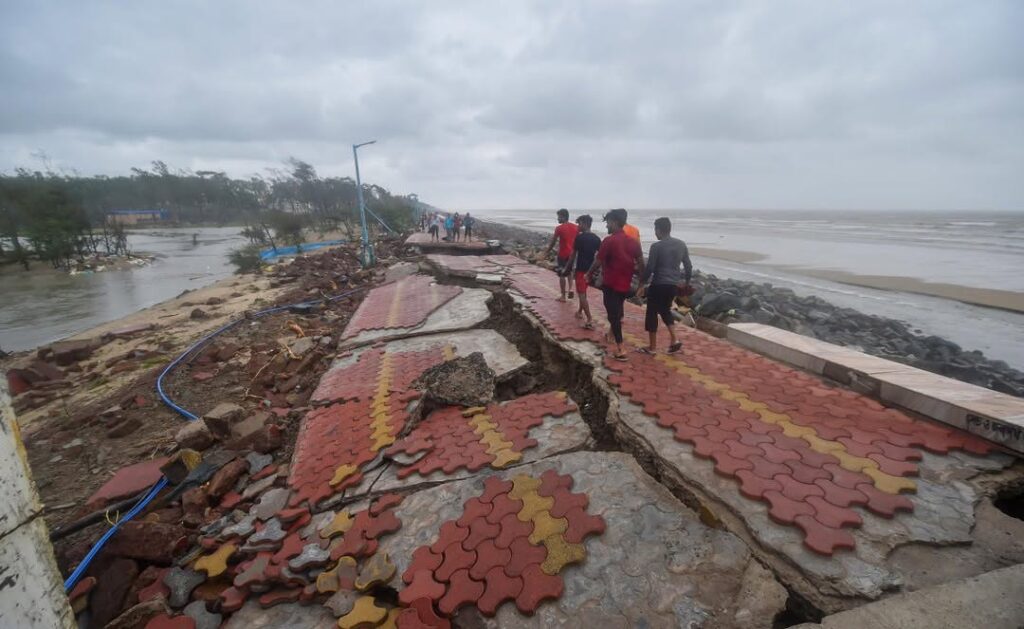
Coasts erode quick under surges. Mangroves that shield shores get washed away, speeding up soil loss. In Yaas, beaches shrank by meters in days.
Roads crack and bridges wash out. Fani left 2.6 million homes dark, with poles snapped like matchsticks. Power grids take hits, delaying aid.
Long-term, ecosystems shift. Salt invades fields, killing soil life. Replanting takes time and cash.
Economic Ramifications
Agriculture bleeds most. Yaas submerged paddy crops on 1.5 lakh hectares, costing Rs 2,000 crore. Farmers borrow to replant, trapping them in debt.
Fisheries halt as nets tangle and ports close. Tourism dips when beaches scar. Odisha’s surveys peg Fani damages at Rs 30,000 crore total.
Recovery drains state funds, slowing other projects. Jobs vanish in hit areas, pushing migration. It’s a chain that hurts the whole economy.
Preparation and Response Measures
Prep turns panic to plan. Governments and locals team up now. You can join in with simple steps.
Government Initiatives and Early Warning Systems
OSDMA leads the charge in Odisha. They run drills and build 800 cyclone shelters. IMD sends bulletins hours apart, tracking paths tight.
During Fani, mobile alerts reached 90% of phones. Sirens wail in villages, guiding folks to safety. This setup saved countless lives.
Coordination with army and navy speeds aid. Supplies flow quick post-landfall.
Community and Evacuation Strategies
Villages hold mock drills twice a year. Families know routes to shelters stocked with food. Boat owners tie down gear early.
Here’s a quick tip: Pack a family kit with water, canned goods, meds, and IDs in a waterproof bag. Keep it ready by the door.
Evacuate when told—don’t wait. Women and kids go first. Post-storm, check neighbors and report issues to officials.
Technological Advancements in Forecasting
Satellites spot storms 48 hours out. Doppler radars in Paradip and Gopalpur give wind maps live. Apps like IMD’s Sachet push updates to your phone.
Use that app daily in season—set alerts for your area. Accuracy jumped 80% since 1999.
Drones now scout damage fast, helping target help. Tech bridges gaps in remote spots.
Building Resilience for the Future
Looking ahead means smart changes. Threats grow with climate shifts. But plans can blunt the edge.
Climate Change and Evolving Threats
Warmer seas brew stronger storms. IPCC notes Bay of Bengal cyclones may hit harder soon. Rains could double, flooding more.
Sea levels rise, worsening surges. Odisha’s low lands face bigger risks. Past patterns shift, catching some off guard.
Track global reports to stay ahead. Local temps up 1 degree already fuel fiercer winds.
Sustainable Development and Mitigation Efforts
Mangroves act as walls against waves. Odisha’s Green Mission plants millions along coasts. Join local drives to dig and seed.
Build homes on stilts in flood zones. Raised roads cut water woes. Farmers switch to salt-tolerant rice.
Afforestation after Fani added 50,000 hectares. These steps shield land and boost eco-health.
Role of International and NGO Support
UNDP runs training in Odisha villages. They teach risk maps and safe farming. Funds help fix schools and clinics.
Red Cross stocks shelters and trains volunteers. Partners share tech for better forecasts. This builds local know-how.
Communities gain tools to stand tall. Global ties speed recovery, cutting long waits.
The Odisha Super Cyclone of 1999: India’s Deadliest Natural Disaster and Its Lasting Legacy
Winds howled like angry beasts across the Odisha coast on October 29, 1999. Waves crashed over villages, tearing homes apart in seconds. This super cyclone, one of the strongest ever in the Bay of Bengal, left a scar that India still remembers.
The storm hit with winds up to 260 km/h. It slammed into the shore near Paradip, a busy port town. Over 10,000 lives ended that night, and millions more faced ruin. In this piece, we’ll look at the Odisha super cyclone 1999 causes, the massive damage, how people responded, and what we learned from the 1999 cyclone Odisha. We’ll cover key parts of super cyclone India history to help you grasp its full story.
The Formation and Path of the Odisha Super Cyclone 1999
Cyclones start from simple weather shifts in warm ocean waters. In late October 1999, the Bay of Bengal cooked up the perfect storm. This event, known as the Odisha super cyclone 1999, grew fast and fierce.
Meteorological Conditions Leading to the Cyclone
Warm sea surfaces fueled the storm’s birth. Temperatures hit 30 degrees Celsius, giving energy to rising air. A low-pressure area formed near the Andaman Islands around October 25.
The India Meteorological Department (IMD) tracked it as a depression. In just 24 hours, it turned into a super cyclone. Moisture from the sea added power, much like gas to a fire.
This rapid growth surprised experts. Reports from IMD show winds jumped from 50 km/h to over 200 km/h. Such quick changes make Bay of Bengal cyclones deadly.
The Cyclone’s Track and Intensity
The storm moved northwest from the Andaman Sea. It crossed Sri Lanka’s tip, gaining strength over open water. By October 28, it aimed straight for Odisha’s coast.
Peaking as a Category 5 storm, winds held steady at 260 km/h. That’s like a jet plane blasting through towns. It made landfall near Paradip that evening, around 10 p.m.
The path covered 1,000 km in days. Rain poured down, over 500 mm in spots. This track hit low-lying areas hard, flooding fields and roads.
Warnings and Early Predictions
IMD spotted the system via satellites on October 25. They issued alerts to coastal states three days before landfall. Radios and newspapers spread the news to villagers.
But tech back then had limits. No Doppler radars meant guesses on exact paths. Still, warnings saved lives by urging evacuations.
Fishermen got radio calls to stay ashore. Local leaders set up shelters. These early signs helped, though the storm’s speed caught some off guard.
Immediate Impacts and Devastation in Odisha
The Odisha super cyclone 1999 wiped out whole communities. Homes turned to rubble under the wind. Saltwater flooded farms, ruining years of work.
Death and loss marked every corner. From Bhadrak to Jagatsinghpur, the pain spread wide. This 1999 cyclone Odisha event showed nature’s raw power.
Human Casualties and Displacement
Around 9,803 people died, per government counts. Many drowned in surges or died from falling debris. Over 1.6 million lost their homes and fled inland.
In Kendrapara district alone, thousands went missing. Women and kids suffered most in the chaos. Injuries hit 20,000, with hospitals overwhelmed.
Families huddled on rooftops as waters rose. The toll made it India’s worst cyclone since 1970. Stories of loss echo in survivor tales today.
Infrastructure and Economic Damage
Roads cracked like eggshells under the force. The Paradip port, a key trade hub, saw ships tossed like toys. Power lines snapped, leaving blackouts for weeks.
Homes, over 500,000, lay in heaps. Schools and clinics crumbled too. Crop losses hit rice fields hard, with salt spoiling the soil.
Total cost topped $2.5 billion. Farmers faced hunger as yields dropped 80%. Ports closed for months, hurting trade in iron ore and coal.
Environmental and Long-Term Effects
Storm surges reached 6 meters high. They flooded 20,000 square km of land. Mangrove forests, natural barriers, got shredded along the coast.
Salty water seeped into groundwater. Farms turned barren, forcing shifts in crops. Beaches eroded, changing the shoreline forever.
Wildlife took a hit too. Birds and fish died in droves. Years later, erosion still threatens villages, a reminder of the 1999 super cyclone destruction.
Government and Community Response Efforts
Help came fast after the winds died down. The Indian Army rushed in with boats and choppers. Neighbors shared what little they had, showing true grit.
Odisha’s leaders called for unity. Relief poured from across India and abroad. These efforts turned despair into hope for the 1999 cyclone Odisha survivors.
Initial Rescue and Relief Operations
Troops from the Army, Navy, and Air Force arrived by October 30. They airlifted food and water to cut-off areas. Over 100,000 got evacuated to sturdy shelters built after past storms.
Cyclone centers from the 1971 event housed thousands. Volunteers cleared debris with bare hands. Medical teams treated wounds and fought infections.
Boats pulled people from flooded homes. Kids got milk packets and blankets. This quick action cut more deaths from hunger or disease.
Role of International Aid and NGOs
The Red Cross led global support. They sent tents, medicine, and cash for rebuilding. UN teams assessed needs and delivered clean water.
Aid topped $100 million from countries like the US and Japan. Oxfam built temporary homes for families. Local NGOs trained women in relief work.
Food drops fed 500,000 daily. Doctors from abroad fought outbreaks. This teamwork sped up recovery in coastal spots.
Challenges Faced During Response
Flooded roads blocked trucks for days. Phones went dead, slowing calls for help. Rain kept falling, making rescues risky.
Cholera loomed as water turned dirty. Overcrowded shelters spread germs. Looters hit empty homes, adding stress.
Yet, people pushed through. Locals formed watch groups. These hurdles taught hard lessons for better plans.
Lessons Learned and Improvements in Disaster Management
The Odisha super cyclone 1999 changed how India fights storms. We now spot threats sooner and act faster. Better tools save lives in places like Odisha.
From warnings to shelters, reforms took root. The 1999 cyclone Odisha pushed big shifts. Today, fewer die in Bay of Bengal hits.
Advancements in Forecasting and Early Warning Systems
IMD added Doppler radars after 1999. These tools track winds inside storms. Satellites now give hourly updates.
Apps send alerts to phones. Villages get sirens days ahead. This helped in cyclones like Fani in 2019, with just 64 deaths.
Accuracy jumped to 90%. No more blind spots. Fishermen use GPS to dodge paths.
Policy Reforms and Infrastructure Developments
India formed the National Disaster Management Authority in 2005. Odisha made a state plan with 800 new shelters. Mangroves got replanted to shield coasts.
Laws now force drills in schools. Funds flow for strong homes. Insurance covers farm losses better.
These steps cut risks. Beaches now have walls against surges. Communities train yearly.
Actionable Tips for Cyclone Preparedness
Stock an emergency kit with water, food, and flashlights. It lasts three days per person.
- Pack batteries, first-aid supplies, and cash.
- Include maps and a whistle for help.
Follow evacuation orders right away. Head to high ground or shelters. Don’t wait for the last minute.
Stay tuned to radio or apps like IMD’s. Join drills with your family. Practice packing and routes.
Know your area’s risks. Plant trees for wind breaks. These steps, born from 1999, keep you safe.
Conclusion
The Odisha super cyclone 1999 struck on October 29 with 260 km/h winds. It claimed nearly 10,000 lives and caused $2.5 billion in damage. Coastal Odisha faced floods, lost homes, and ruined farms.
Yet, from the rubble came strength. Rescue teams and aid groups stepped up. Lessons led to radars, shelters, and plans that saved thousands in later storms.
India’s coast stands tougher now. Proactive steps reduce the pain. Support Odisha’s mangrove projects today—donate or volunteer to build resilience. Your help keeps history from repeating.
Conclusion
Cyclones have battered Odisha for years, from the deadly 1999 super storm to recent hits like Fani and Yaas. Yet the state bounces back stronger, with fewer deaths and faster fixes. History shows patterns of loss, but smart prep flips the script.
Key points stick: Evacuate quick, tune into IMD alerts, and back green projects. These cut the pain from cyclone impacts in Odisha.
Now act—grab that emergency kit today. Push for tougher coastal rules in your area. Together, we make Bay of Bengal threats less scary.


Damdamani
Damdamani


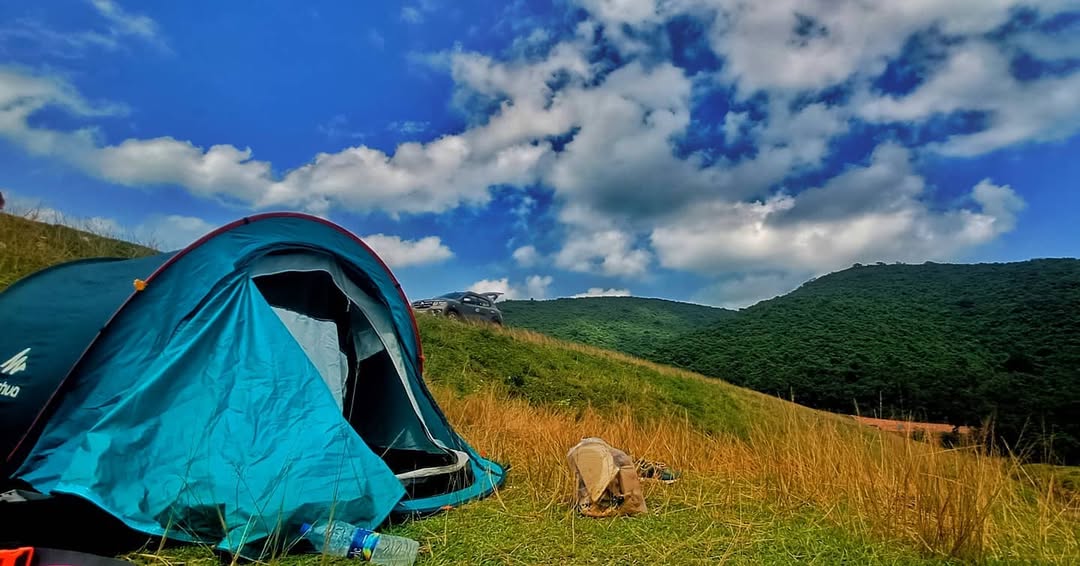
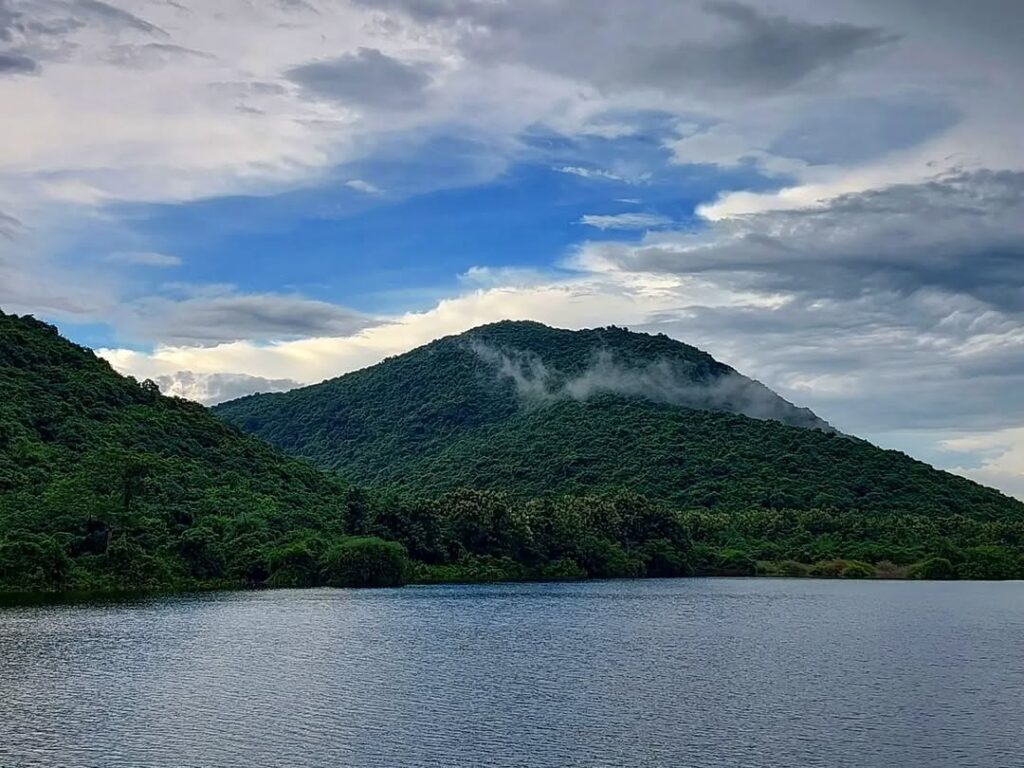
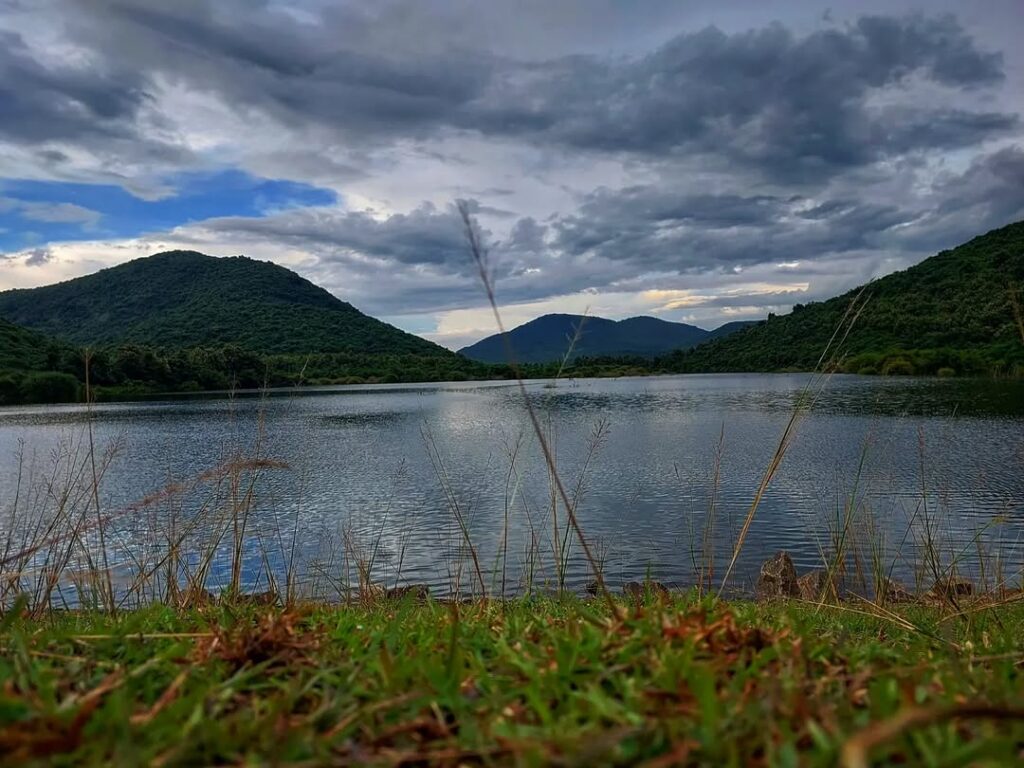
This spot is named after the Goddess Dam Damani, arranged in the midst of green backwoods of Dalijoda and an enduring stream streaming close by. This is an ideal spot for picnickers and devotees. Legend states, that the Pandavas during the exile had stayed in disguise close to the realm of Birat. The timberland was a hunting ground of a ruler, however today is a piece of National Forest Reserve. Tangi, Cuttack, Odisha
Read MoreDam Damani is a picturesque spot nestled within the lush green forest of Dalijoda, featuring a nearby perennial stream. It serves as an ideal destination for picnics and holds significance for devotees, making it a popular camping site as well. Located along the Kochilanuagaon – Mangrajpur Road in Choudwar, Tangi, Cuttack, Odisha, it offers a serene escape from the hustle and bustle of city life.
The Dam Damani Pitha is approximately 12 km from Choudwar and 30 km from Cuttack Town. It is well-known for its scenic beauty and is named after the Goddess Dam Damani, attracting both picnickers and worshippers throughout the year.


Best Time to Visit: October to March
Nearby Railway Stations: BadaPadagaon Railway Station, Charbatia Railway Station
Nearby Tourist Places: Choudwar (15 km), Cuttack City (30 km), Dhabaleswar (25 km)
How to Reach:
Nearest Bus Stop: Badambadi, Cuttack (approximately 26 km away)
Nearest Railway Station: Cuttack Railway Station (25 km away)
Nearest Airport: Biju Patnaik International Airport, Bhubaneswar (56 km away)


Damadamani Facilities
The Dam Damani area is open every day from 8 AM to 6 PM, making it accessible for visitors to enjoy its natural beauty and spiritual ambiance. The best time to visit this site generally spans from November to June, particularly during the winter season, when the weather is more favorable for outdoor activities.
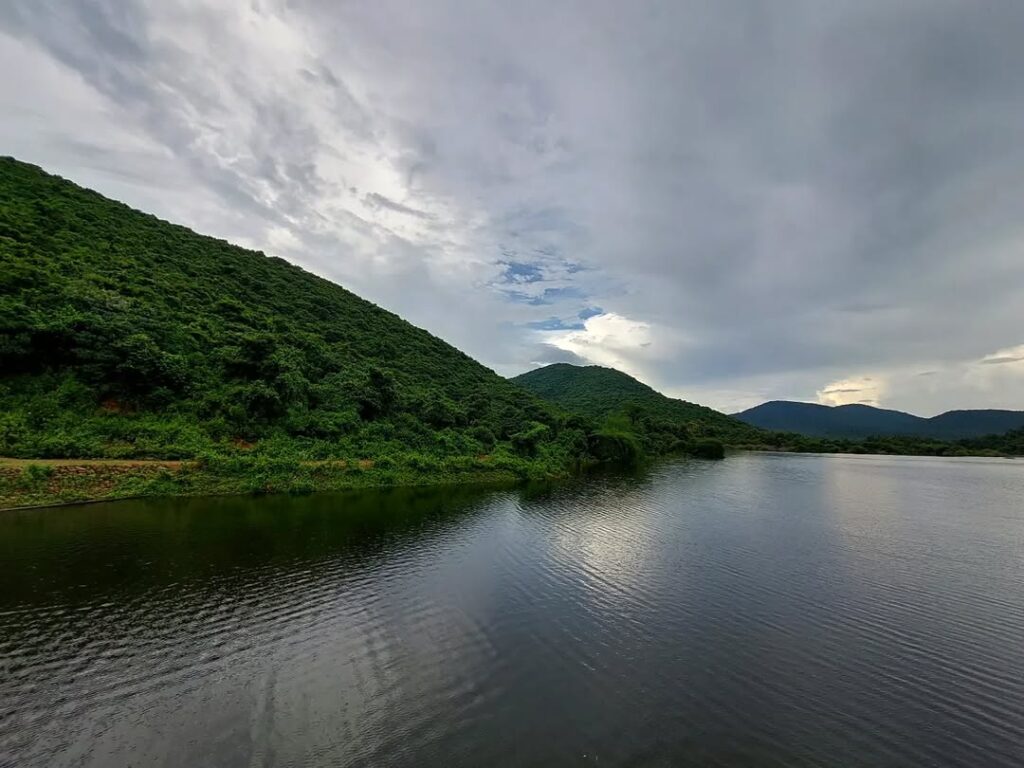
Damadamani Pitha Details
Damdamani Address: Damdamani, Tangi, Cuttack , odisha, india
Best Time to Visit Damdamani : October to March
If you’re seeking out a great area for a picnic or organization feast (banabhoji), then Dam-Damani is the suitable region you’re seeking out. Dam-Damani has positioned approximately 15 km from Choudwar, Cuttack . Tourists from distinct components of the nation come right here each yr for a picnic .

Damadamani Pitha, Dam Damani Reservoir, Cuttack
Damadamani Pitha Odisha
Damadamani Pitha is one of the well-known picnic spots in Cuttack. The area is called after the Goddess Dam Damani, positioned amidst a inexperienced wooded area of Dalijoda and a perennial movement flowing nearby. This is by and large recognized for picnic and Lord Damadamani and maximum visited via way of means of picnickers and devotees.
Things to know about Dam Damani Picnic Spot
According to the ancestors, The Pandavas at some stage in the exile had remained incognito close to the dominion of Birat. The wooded area become a looking floor of a king, however these days is part of National Forest Reserve.
How to reach Damadamani Pitha
Maa damdamani Pitha
Dam Damani Pitha is positioned round 12 km distance from Choudwar and 30 km from Cuttack Town. Goddess DamDamani temple amidst the inexperienced wooded area of Dalijoda
Cuttack to Damdamani distance
58 min (25.3 km) via Charbatia Rd
Dam near Cuttack
List of Dam near Cuttack is Dam Damani, Naraj,
Bhubaneswar to damdamani distance
1 hr 21 min (50.9 km) via NH16
Damdamani distance
2 hr 35 min (79.8 km) via SH 65


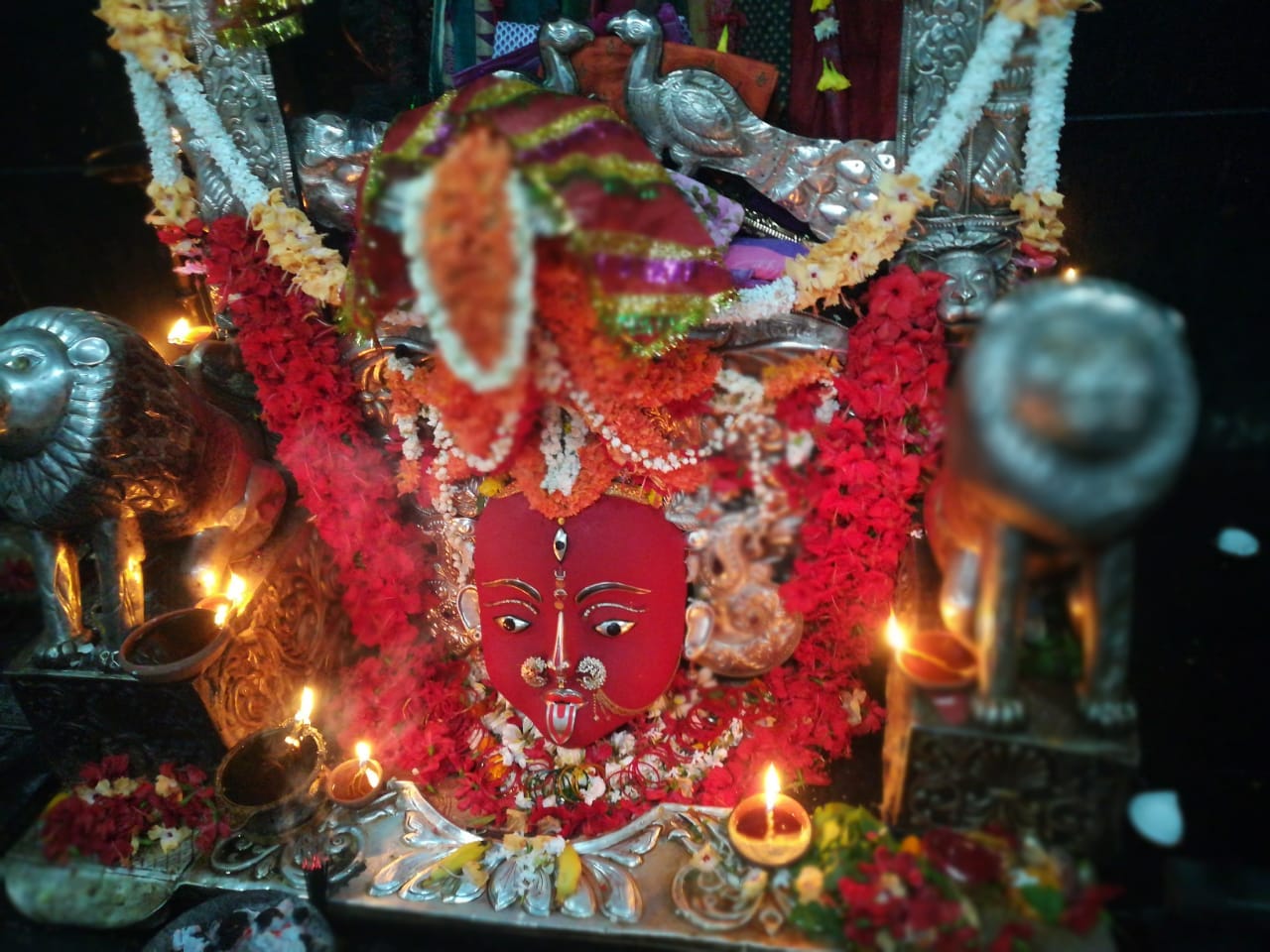
MAA MAJHIGHARIANI TEMPLE
Places to VisitMAA MAJHIGHARIANI TEMPLE Rayagada


Maa Majhighariani is well known in Southern Division of Odisha and Andhra Pradesh. Just the substance of the Maa MajhiGhariani is loved. During Sunday, Wednesday and Friday countless Devotees are arriving at this spot for loving the Goddess. The sanctuary is popular for Chaitra-Parba for example Walk April of consistently.
MAA MAJHIGHARIANI TEMPLE Details
MAA MAJHIGHARIANI TEMPLE Address: MAA MAJHIGHARIANI TEMPLERayagada , odisha, india
Best Time to Visit MAA MAJHIGHARIANI TEMPLE : All time




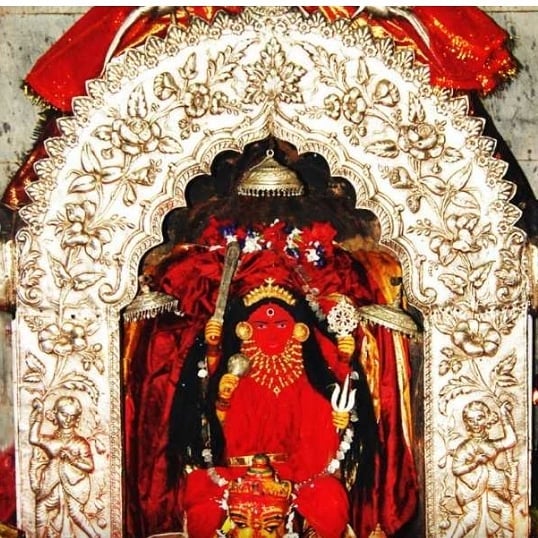


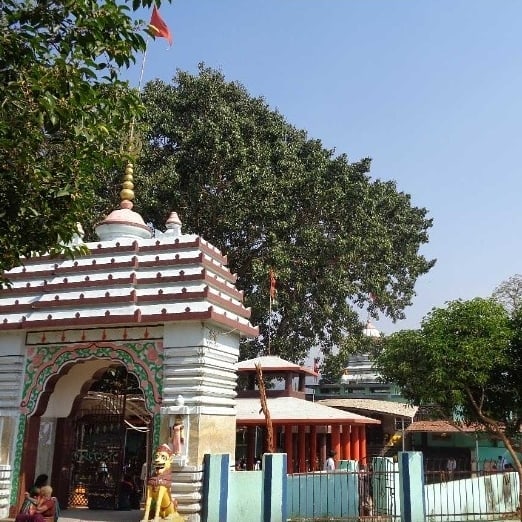
MAA MAJHIGHARIANI TEMPLE Odisha
How to reach MAA MAJHIGHARIANI TEMPLE


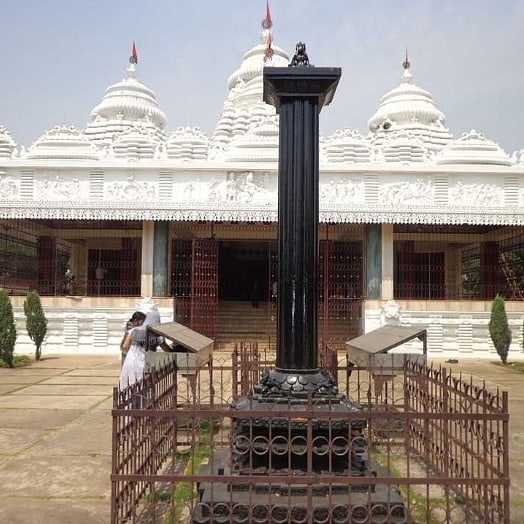
LAXMINARAYAN TEMple
Places to Visit LAXMINARAYAN TEMPLE, THERUBALI
Rayagada

Well known Laxminarayan Temple arranged at IMFA Factory, Therubali. The gods Laxminarayan, Hanuman, Lord Jagannath, Balabhadra and Subhadra and Lord Siva additionally revered by thousands lovers.
LAXMINARAYAN TEMPLE, THERUBALI
Details
LAXMINARAYAN TEMPLE, THERUBALI Address: LAXMINARAYAN TEMPLE, THERUBALI Rayagada , odisha, india
Best Time to Visit LAXMINARAYAN TEMPLE, THERUBALI : All time
LAXMINARAYAN TEMPLE, THERUBALI Odisha
How to reach LAXMINARAYAN TEMPLE, THERUBALI


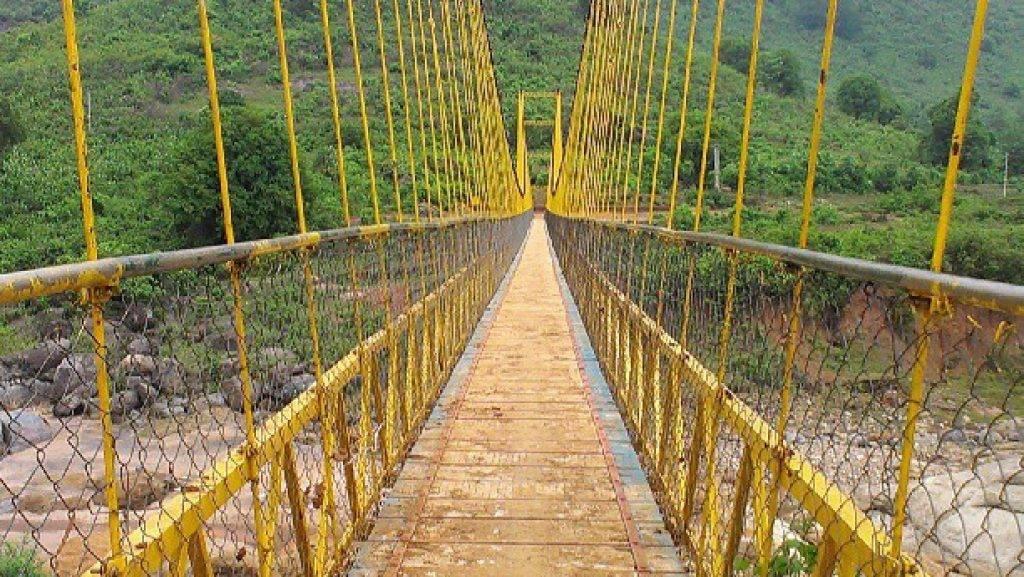
Hanging Bridge, Chekaguda
Places to Visit Hanging Bridge Rayagada
The Hanging Bridge that interfaces the different sides of waterway Nagavali, which giving availability to the poor country ancestral populace, a 151 meter engineered overpass, the second of its sort in the state. Around 20,000-odd ancestral locals dwelling in nine panchyats, on either sides of the Nagabali stream, situated at the edge of the town has surely carried them nearer to the Rayagada town. It is Designed by Karnataka based Bharat Grama Sethu Pratisthan Chief Girish Bhardwaj the work was attributed to Odisha Police Housing enterprise by the region organization, which worked out more than one crore project.
Hanging Bridge, Chekaguda, Rayagada Details
Hanging Bridge Rayagada Address: Hanging Bridge, Rayagada , odisha, india Best Time to Visit Hanging Bridge Rayagada : All time
Hanging Bridge Rayagada Odisha
How to reach MINAJHOLA


MINAJHOLA
Places to Visit MINAJHOLA


It is just 134 Kms from Rayagada. It is a delight spot of nature, has a siva sanctuary at the juncture of three streams. It is arranged in the core of thick timberland, wealthy in natural life. Sivaratri is a well known celebration of this spot. However there is nothing but bad all climate street yet the spot merits visiting. Normal transport administration is accessible from Rayagada and Gunupur upto Gudari.The rest 25 Kms. Street is Jeepable.
Minajhola
Popular Tourist Destination in Rayagada
Minajhola is placed close to Gudari withinside the Rayagada district at a distance of approximately 134 kms from Rayagada metropolis and 70 km from Gunupur., withinside the Indian country of Odisha. This area is well-known for its Shiva temple, one of the vacationer sights of the district. that is placed on the confluence of 3 rivers i.e. Vamsadhara, Chauladhua & Phalaphalia.
Situated on the coronary heart of the dense woodland wealthy in wildlife. The fundamental pageant of this area is Shivratri. A huge quantity of devotees acquire to pay homage to Lord Shiva on this event. All can see right here Lord Minaketan withinside the shape of a FISH.
Though this area is really well worth visiting, there may be no right all-weather-avenue to travel. The scenic splendor across the temple and close to the confluence of the rivers is truely adorable. It is one of the diagnosed Tourist Centres (scenic spot) as nicely an excellent picnic spot of Odisha.
Regular bus provider is to be had to Rayagada from Berhampur, Koraput, and Bhubaneswar (390 km). From Rayagada, you will take a bus as much as Gudari and the relaxation 25 km from Gudari to Minajhola may be traveled with the aid of using jeep or employed taxi.
MINAJHOLA Details
MINAJHOLA Address: MINAJHOLA, Rayagada , odisha, india
Best Time to Visit MINAJHOLA : All time
MINAJHOLA Odisha
How to reach MINAJHOLA


CHATIKONA
Places to Visit CHATIKONA Rayagada

It is situated around 48 Kms from Rayagada encompassed by a progression of valleys and wooden slopes of fluctuating tones and the spot is a focal point of journey for the sanctuary of Mahadev. It offers picnickers stunning perspective on the cascade. The Siva sanctuary is the focal point of chaotic exercises on Siva Ratri. The Dongaria Kondha of Chatikona address the crude segment of the clan.
CHATIKONA Details
CHATIKONA Address: CHATIKONA , Rayagada ,odisha, india
Best Time to Visit CHATIKONA : All time
CHATIKONA Odisha
How to reach CHATIKONA
Odisha Tourism India Tourism | Indian Travel Destinations Guide & Tour Packages