
Places to Visit Podagad


Stays of Ancient Nala Dynasty, arranged at 11 KM From Umerkote. Podagad is a spot closer to Umerkote was the capital of antiquated Nala Dynasty. The slope scopes of Podagad pervaded with profound woods protects the remaining parts of the decision lines. Their caverns, usables, engravings and tenable stone designs show that before the intrusion of Mughals the spot was managed by the Nalas and the Bhakatakas After that Buddhist lived here for a more extended timeframe.
Podagad Details
Podagad Address: Podagad ,odisha, india
Best Time to Visit Podagad : All time
Podagad Odisha
How to reach Podagadterfall


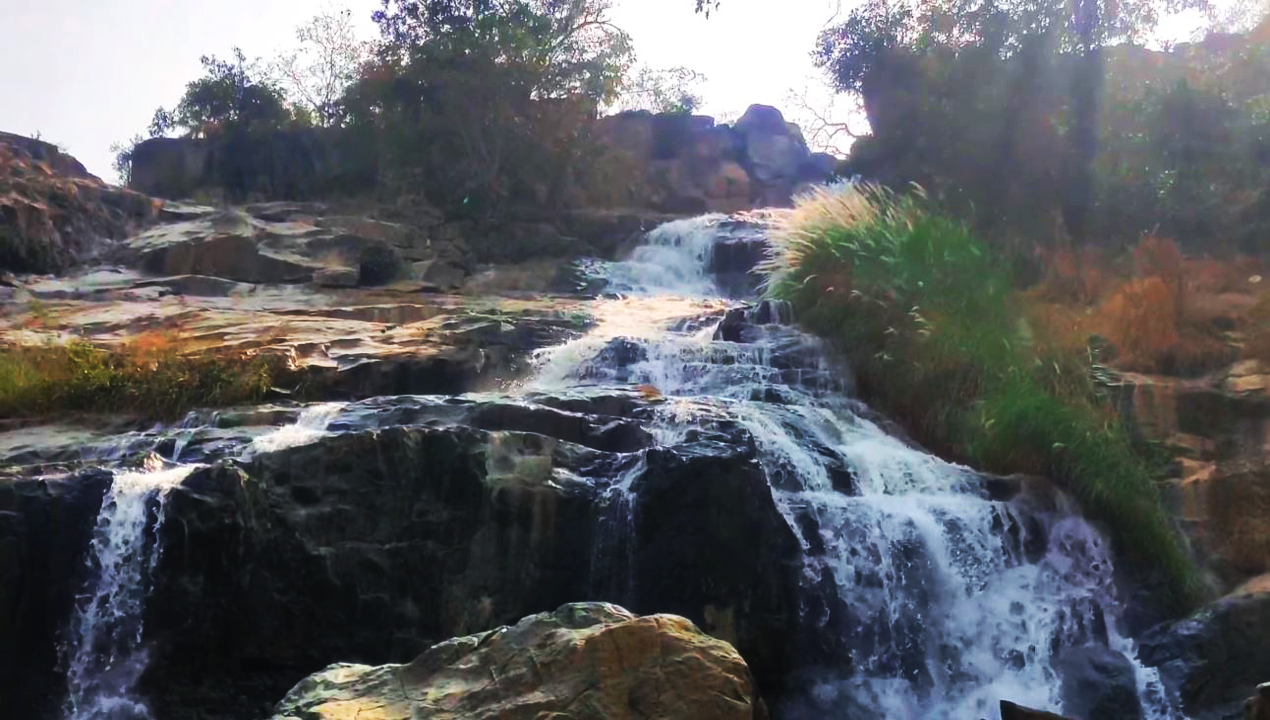
Chandan Dhara Waterfall

Chandan Dhara Waterfall Details
Chandan Dhara Waterfall Address: Chandan Dhara Waterfall ,odisha, india Best Time to Visit Chandan Dhara Waterfall : All time
Chandan Dhara Waterfall Odisha
How to reach Chandan Dhara Waterfall


Bhairabi Temple
Places to Visit Bhairabi Temple

Bhairavi Temple is arranged a ways off of 3 Kms. from the Malkangiri Town, Odisha.The slope divinity of Malkangiri is venerated by individuals coming from Jeypore and People leaving Malkangiri for their protected excursion. Various strict guests are drawn to this sanctuary to venerate for the duration of the day. The god is accepted to be revered by the King of Malkangiri whose palace s remainders are as yet found on the RajaRaniHill only infront of Bhairavi sanctuary. A popular Shiva Linga is found in the close by “Goi Hill” of Malkangiri Town. During the “Maha Shivaratri Festival” a huge strict group is being assembled at this slope sanctuary of Lord Shiva. Nearby individuals have invested endeavors in making a protected entry to the slope for the pioneers. The tallness of the Shiva Linga is more that 6 feet.It has been seen that this Shiva Linga is steadily ascending. The renowned “Tarini Temple” is arranged a good ways off of 2 Kms. from Malkangiri town en route to Jeypore. The picturesque magnificence just as the strict significance of this sanctuary draw in individuals of the whole District.
Bhairabi Temple Details
Bhairabi Temple Address: Bhairabi Temple,odisha, india
Best Time to Visit Bhairabi Temple : All time
Bhairabi Temple Odisha
How to reach Bhairabi Temple



Satiguda Dam
Places to Visit Satiguda Dam


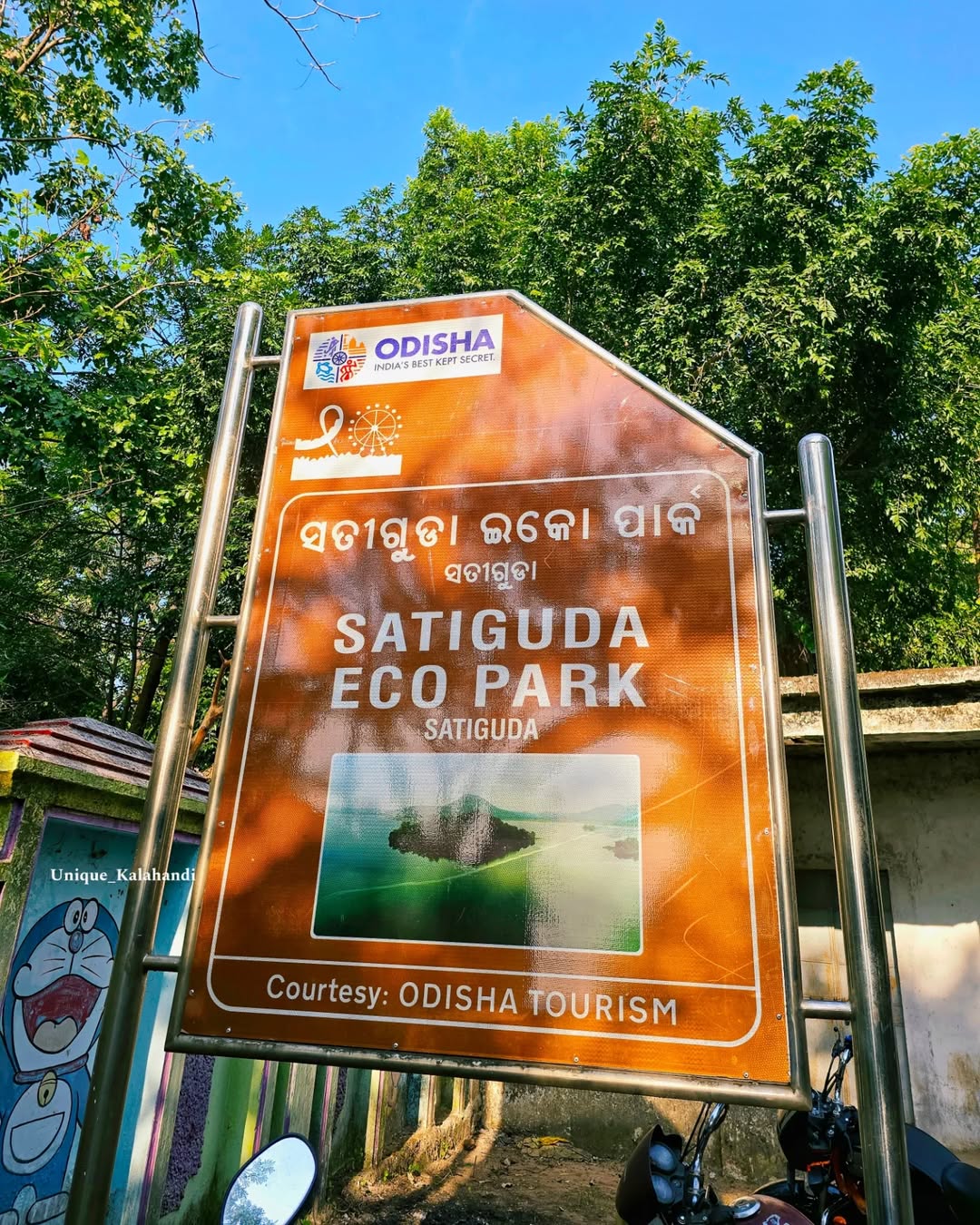
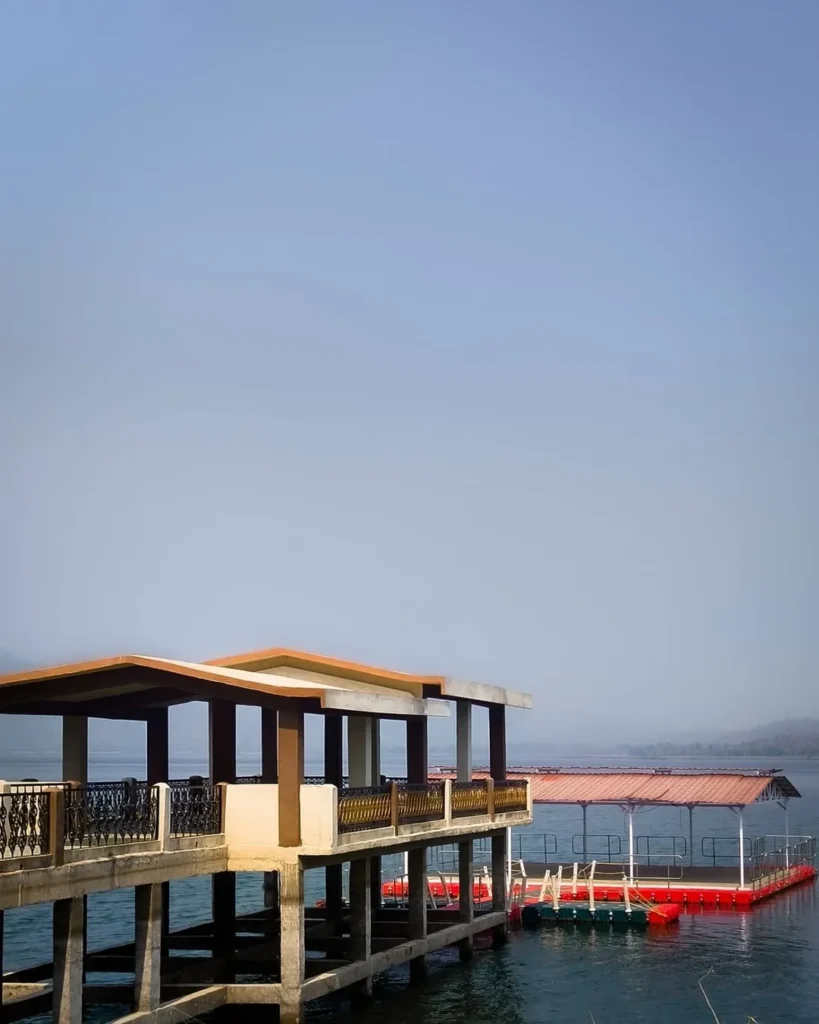
Satiguda Dam is arranged a good ways off of 8 Kms. from Malkangiri Town. The Reservoir gives water system office to the close by cultivable land consistently. The normal magnificence of the Dam can be appreciated in the early morning and evening hours. Drifting office is additionally accessible inside the Reservoir, which draws in guests just as the nearby individuals. Master Shiva is being venerated inside a cavern close to the Dam. Being encircled by an enormous number of little slopes this spot is viewed as the most loved excursion spot of individuals. A visitor place of Irrigation Department of Government of Onssa is constructed which gives convenience to the authority VIPs.
Read MoreDiscover the Serenity at Satiguda Dam & Nature Camp
Nestled in the enchanting landscapes of Malkangiri, the Satiguda Dam & Nature Camp is a hidden gem waiting to be explored. Whether you’re a nature enthusiast, adventure seeker, or someone looking to escape the hustle and bustle of city life, this destination offers a perfect blend of tranquility and outdoor fun.
A Tranquil Escape
The Satiguda Dam stands as a majestic marvel of engineering amidst the lush greenery. Its serene waters create a picturesque backdrop, ideal for a day of relaxation. Imagine sitting by the water’s edge, the gentle breeze rustling through the trees, as you soak in the beauty of your surroundings. This is the essence of what Satiguda Dam has to offer.
Nature Camp Adventures
For those eager to dive into adventure, the Nature Camp offers a plethora of activities that bring visitors closer to the abundant wildlife and natural beauty of the region. You can explore the surrounding forests through guided treks, which promise breathtaking views and encounters with various flora and fauna. Whether you’re bird-watching or simply enjoying the peace of the woods, the moments spent here are truly rejuvenating.



Eco Park: A Family-Friendly Destination
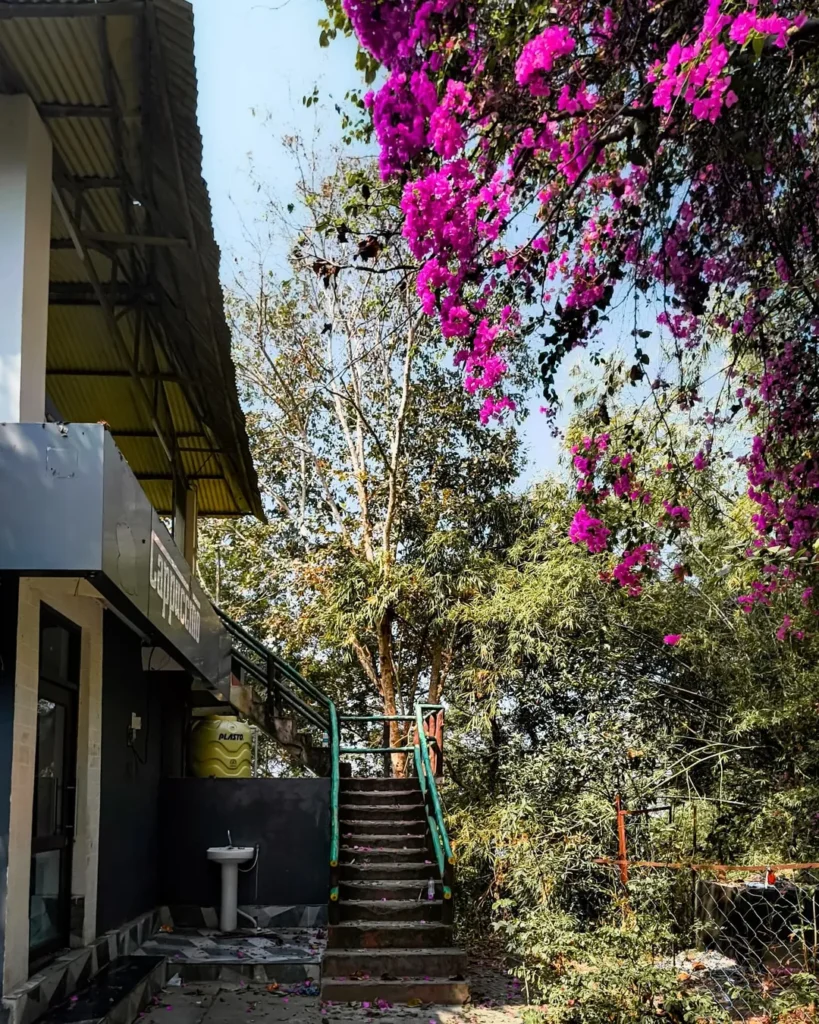
Adjacent to the dam is the Eco Park, a delightful spot for families and nature lovers alike. With well-maintained walking trails, picnic spots, and children’s play areas, the park is designed to provide enjoyment for all age groups. It’s a great place to enjoy a family outing, complete with scenic views and opportunities for learning about the local ecosystem.
Plan Your Trip
If you’re planning a visit to the beautiful Malkangiri region, the Satiguda Dam and its Nature Camp should definitely be on your itinerary. Make sure to pack your camera to capture the stunning landscapes and create memories that will last a lifetime.
For more information on planning your trip, you can visit [tourmyodisaha.com] or contact us at [phone number]. Join us in exploring the beauty of Satiguda Dam and embrace the tranquility it brings.
Take a break from the ordinary and immerse yourself in the extraordinary surroundings of Satiguda Dam & Nature Camp. It’s not just a destination; it’s a rejuvenating experience waiting for you to discover.
Satiguda Dam & Nature Camp, Eco Park, Malkangiri
Satiguda Dam is located at a distance of eight km from Malkangiri town. The Reservoir gives irrigation facility to the close by cultivable land at some point of the year. The herbal splendor of the dam may be loved withinside the early morning and nighttime hours. Boating facility is likewise to be had withinside the Reservoir, which draws traffic in addition to the neighborhood people. Lord Shiva is being worshiped inner a cave close to the dam. Being surrounded with the aid of using a big quantity of small hills this location is taken into consideration to be the maximum preferred picnic spot of the people.
Satiguda Eco Tourism, Malkangiri Camping, Satiguda Nature Camping
Highlights: Eco Tourism Odisha, Eco excursions Odisha India, Forest Cottage Accommodation, Community Tourism Odisha, Green Tourism Odisha, South Odisha Forest Accommodation, Malkangiri Eco Tourism. Camping at Tribal Destinations of Odisha, Tribal Camping Site.
How to Reach:
Location: Malkanagiri, Odisha
Nearest Airport: Visakhapatnam (270Km), Bhubaneswar (605 Km)
Nearest Railway Station: Malkanagiri
Distance from Railway Station: 10 Km
A lovely dam of Malkanagiri, Odisha named as Satiguda Dam. It is a big guy made lake created with the cause of supplying water to Malkanagiri and different neighboring towns. It is one in all the biggest lake of the Southern Odisha. Being surrounded with the aid of using a big quantity of small hills complements the splendor of this location. Another enchantment of this location is Lord Shiva is being worshiped inner a cave close to the Dam. The herbal splendor of this location draws such a lot of nature lovers.


Satiguda Nature Camp:
Satiguda eco cottages have been constructed with the aid of using the Govt of Odisha for the traffic night time stay.
These cottages are locates close to to the Satiguda Dam.
It has four no of nicely supplied A/C cottages & four A/c Tents with fundamental cutting-edge facilities
Here each veg and non-veg ingredients are served to the guests.
The herbal splendor surrounded with the aid of using nature camp may be loved withinside the early morning and nighttime hours.
Facilities:
Cottage & Tent – eight room (A/C)
Dining hall
Toilet & Bathroom
Parking Place
Sports
Local Odia Foods
Things to do:
Boating
Forest Trekking
Interaction with locals
Nature Photography
Star Gazing
Visit to close by places
Highlights
Responsible Tourism
Sustainable Tourism
Village Tourism
Rural Tourism
Countryside Tourism
Offbeat Tourism
Vocal For Local Tourism
Agro Tourism
Community Tourism
Experience Tours
Engage With Local Communities
Nature Tours
Forest Stay/ Jungle Stay
Satiguda Dam Details
Satiguda Dam Address: Satiguda Dam, odisha, india
Best Time to Visit Satiguda Dam : All time
Satiguda Dam Odisha
How to reach Satiguda Dam


Ammakunda
Places to Visit in Ammakunda

Ammakunda is one of the traveler places in Malkangiri District Odisha. It is arranged at Khoirput Block close around 70 Kms, from the District Headquarter. This cool spot accepts a characteristic water fall and ensuing progression of water framing a thin crevasse. The fishes found in that canyon are very cordial to the individual and are accepted to be the type of Lord Vishnu in ” Matsya Avatar”. Fishing in that spot isn’t worked on as per the conviction of the neighborhood individuals just as the guests. Guests can partake in their visit at this spot by taking care of the fishes. This region is encircled by thick woods and little hillocks.
Read MoreAmmakunda Details
Ammakunda Address: Ammakunda, odisha, india Ammakunda
Ammakunda : 01:00
Best Time to Visit Ammakunda : All time
Ammakunda Odisha
How to reach Ammakunda


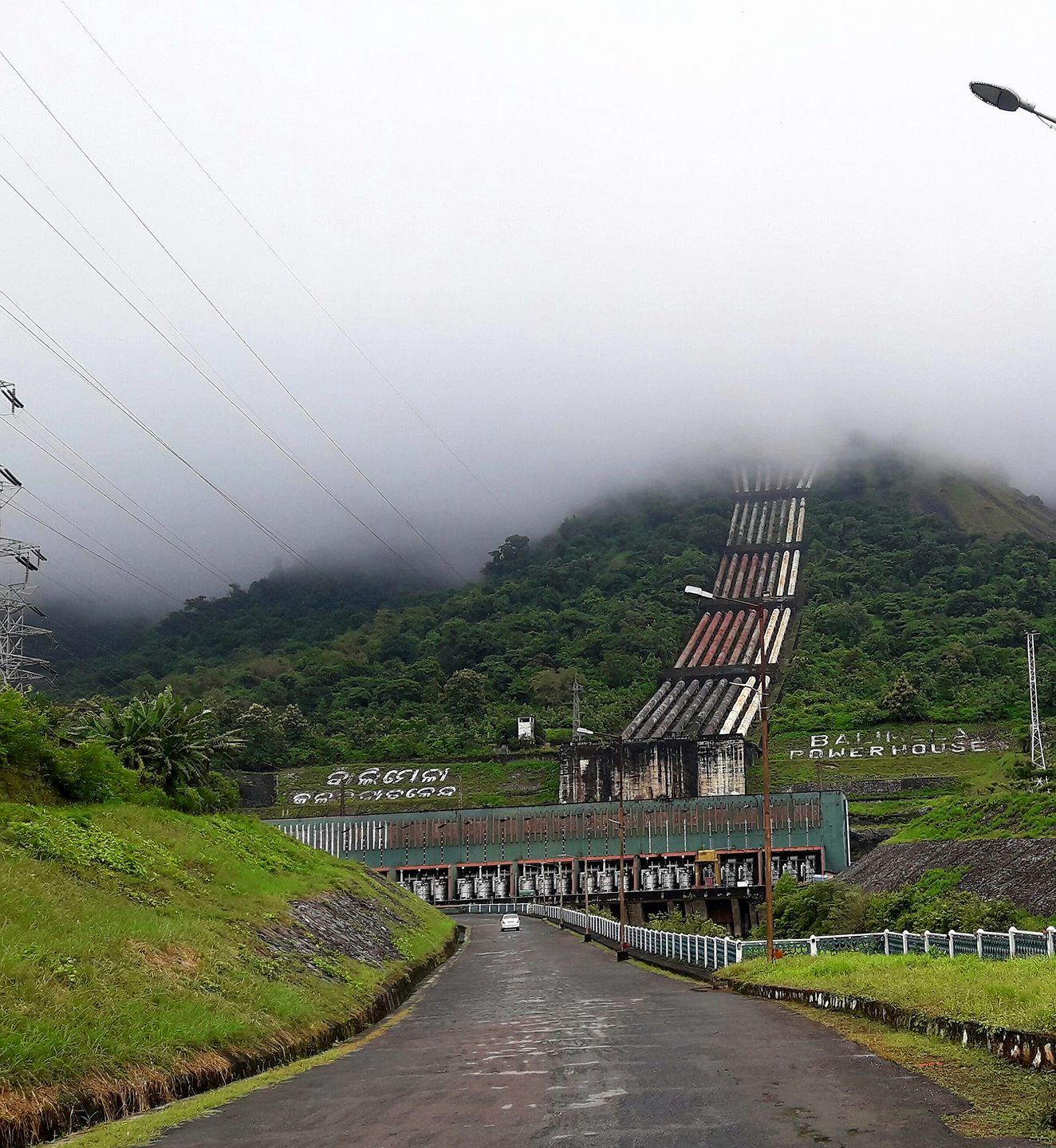
Balimela
Balimela Dam & Reservoir, Malkangiri
Places to Visit in Balimela


Balimela Dam is in Malkangiri District, which is 35 kms, from the east of Malkangiri. A Hydro-electric Project has been set up close with regards to the Town together by the Government of Odisha and Andhra Pradesh. A dam is being developed at Chitrakonda, 25 kms. from Balimela across the waterway Sileru. The all out inflow into the repository is shared similarly by the two Governments. The portion of the Andhara Pradesh Government is stream downstream the waterway while that of Onssa Government is redirected to a high head power approximately 15 kms. south of Balimela. It is assessed that the force to be reckoned with is creating 240,000 KW at 60% burden factor. The tail water is therefore used for water system around 2.4 lakh sections of land of land in Malkangiri and Motu fields.
Exploring the Scenic Beauty of Balimela Dam & Reservoir in Malkangiri
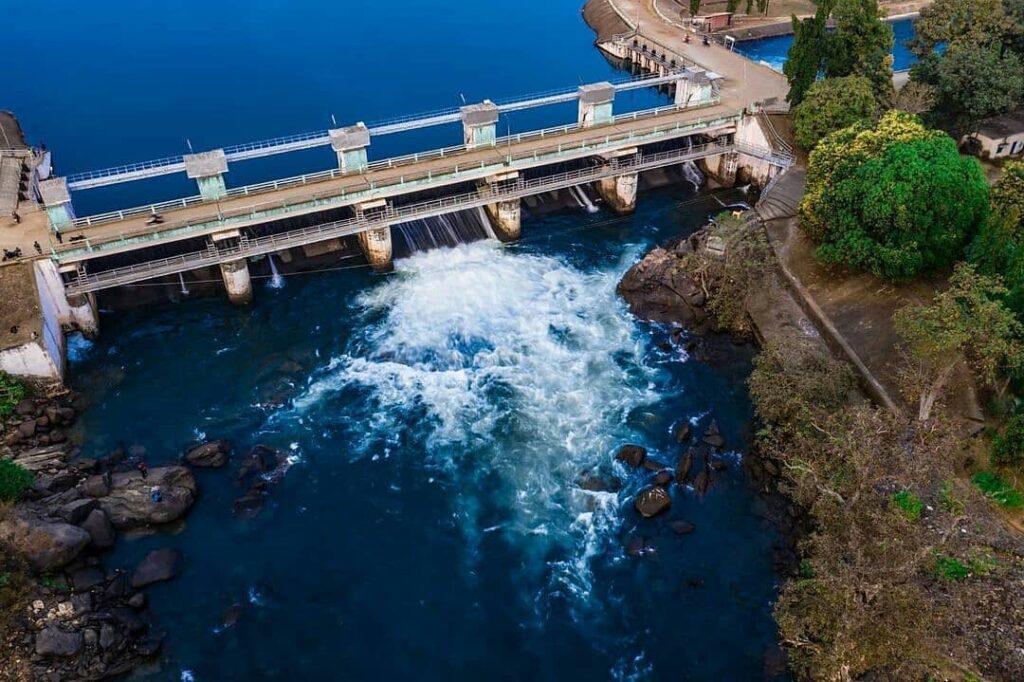
Nestled in the heart of Odisha, the Balimela Dam and Reservoir in Malkangiri is a hidden gem waiting to be discovered. This magnificent structure, built across the Balimela River, not only serves as a vital hydroelectric project but also offers breathtaking views and a serene getaway for nature lovers.
A Tranquil Escape
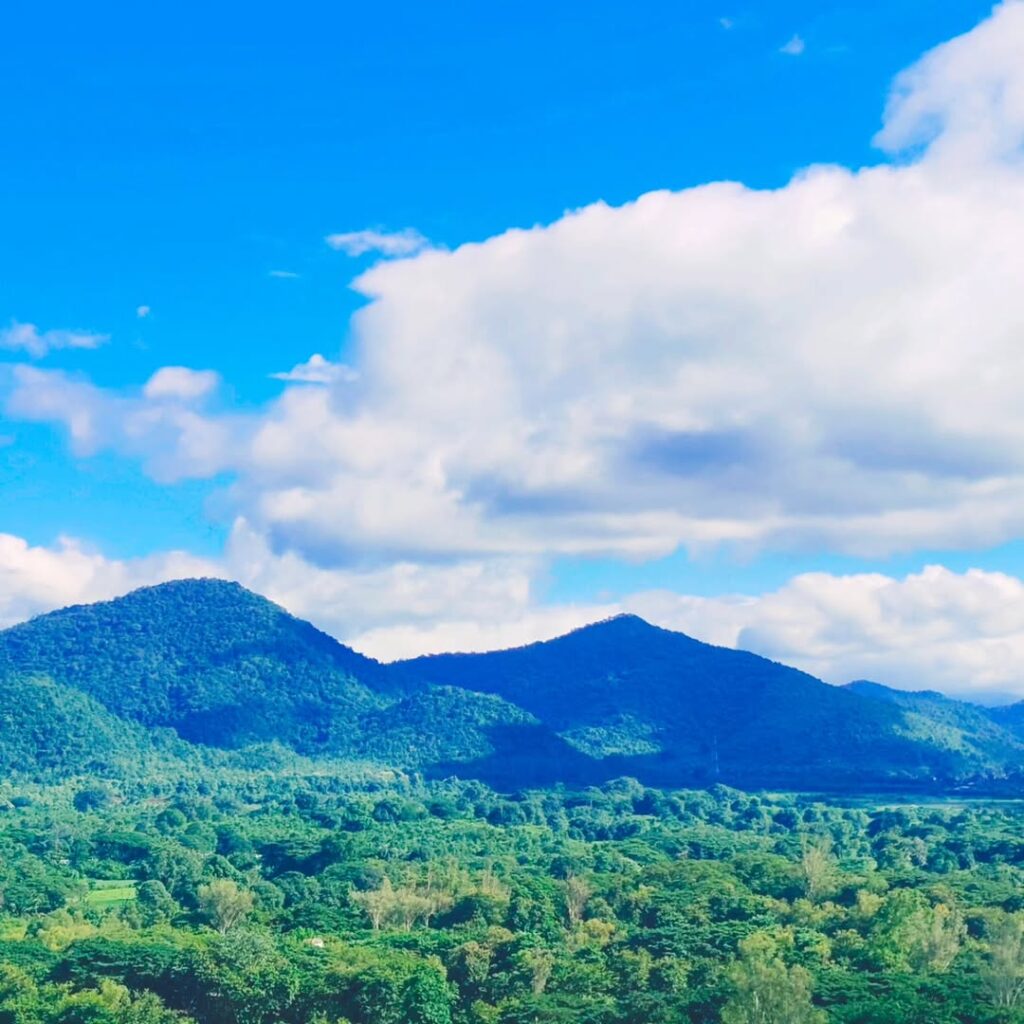
As you approach the dam, the lush green surroundings will instantly captivate you. The vast expanse of water, flanked by dense forests and rolling hills, creates a picturesque landscape that feels almost surreal. Whether you’re clicking photographs or simply soaking in the tranquility, Balimela Dam provides an idyllic atmosphere for relaxation and reflection.




Adventure Awaits
For those who crave adventure, Balimela is more than just a scenic spot. The reservoir is perfect for boating and fishing, giving visitors the opportunity to engage with the natural environment in a thrilling way. The surrounding forest trails invite explorers and trekkers to venture deeper into the wilderness, offering a chance to spot local wildlife and experience the rich biodiversity of the region.
Cultural Significance
Balimela is not only about scenic beauty and adventure; it also has rich cultural significance. The locals, primarily from indigenous communities, are warm and welcoming, making your visit even more special. Engage with the vibrant culture, taste traditional dishes, and perhaps even learn about the folk tales that make the region so unique.
Best Time to Visit
The ideal time to visit Balimela Dam is during the winter months, from October to March, when the weather is pleasant, and the natural beauty is at its peak. The post-monsoon season also brings lush greenery, making it a perfect escape for photographers and nature enthusiasts alike.
Getting There
Reaching Balimela Dam is quite convenient. Malkangiri is well-connected by road and is accessible from nearby cities. Make sure to plan your trip in advance to fully enjoy the offerings of this stunning location.
Discovering Balimela Dam & Reservoir: A Hidden Gem in Malkangiri
Hello there, fellow explorers and curious minds! This week, we’re diving into a fascinating slice of Odisha’s natural and engineering marvel—the Balimela Dam and its sprawling reservoir in Malkangiri district. Whether you’re an avid traveler, a student of nature, or simply someone who enjoys uncovering lesser-known wonders, this spot has more than a few stories to tell.
Balimela Dam might not be on every tourist’s itinerary, but it perfectly blends utility with tranquility. Built across the Sileru River, the dam stands as a testament to ambitious hydroelectric engineering while nourishing the surrounding ecosystem and local communities. As we unpack what makes Balimela special, you’ll see why it’s worth a spot on your mental map—or even better, your next travel list.
The Heart of Hydroelectric Power and More
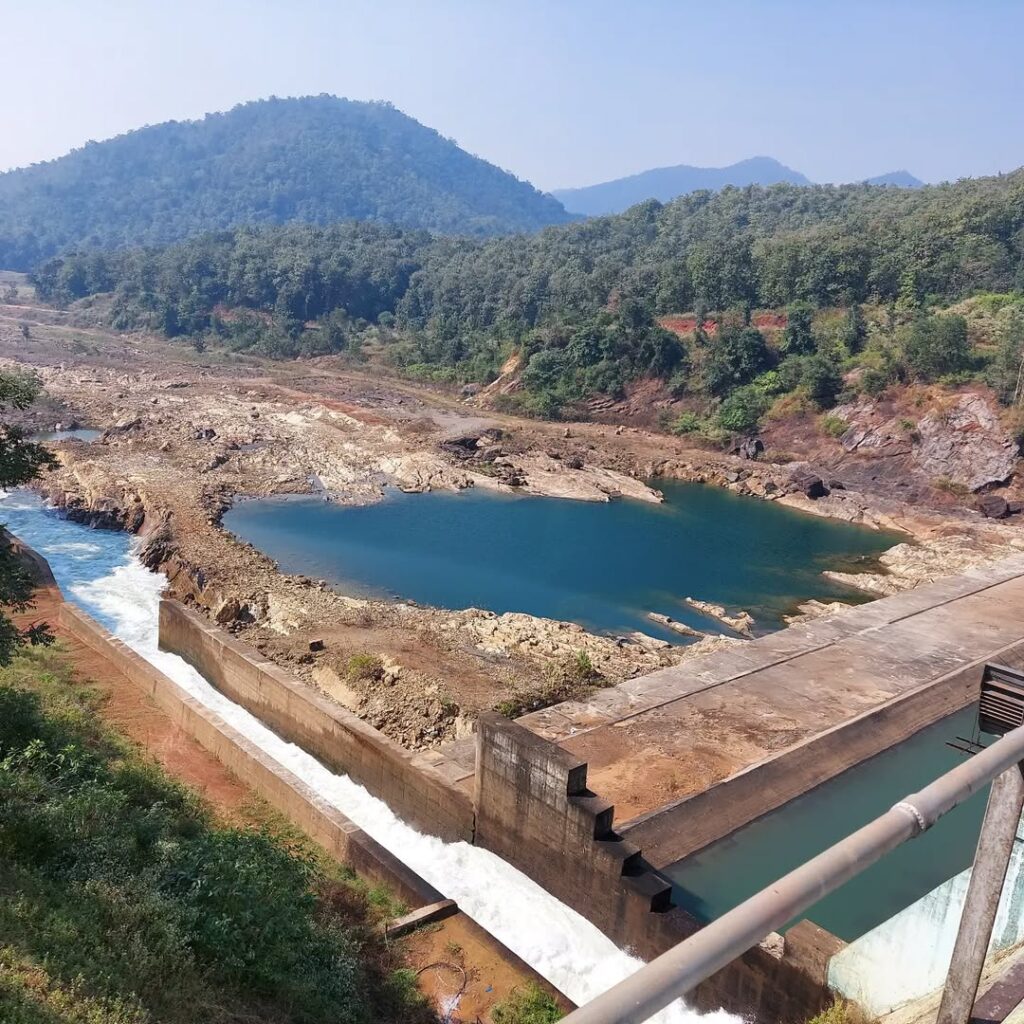
Constructed with the primary purpose of hydroelectric power generation, Balimela Dam plays a crucial role in sustaining the energy needs of Odisha and neighboring areas. The reservoir created behind the dam stretches wide, turning the landscape into a serene expanse of water dotted with scenic views and lush greenery. It’s the kind of place that invites you to pause, breathe, and appreciate how nature and human ingenuity coexist.
But there’s more than just power here. The reservoir is a lifeline for agriculture and local livelihoods, ensuring water availability during dry spells and supporting irrigation. Fishermen frequently take to the waters, adding a layer of quiet daily rhythm to the area. Imagine watching the sunset shimmer on the reservoir’s surface, with small boats bobbing gently—peaceful, isn’t it?

Beyond Power: The Scenic and Cultural Tapestry
Malkangiri district itself is rich in tribal culture and natural beauty, and Balimela Dam is part of this larger story. The surrounding hills and forests are home to diverse flora and fauna, making it a subtle haven for wildlife enthusiasts and nature photographers. While it’s not a bustling tourist hotspot, that very quietness gives the place a raw, untouched charm.
If you’re planning a visit, consider exploring nearby tribal markets or local villages where warm hospitality meets vibrant traditions. The area’s remoteness means fewer crowds and an authentic experience, perfect for travelers who prefer meaningful connections over well-trodden tourist paths.
A Few Tips for Your Visit
- Best time: Post-monsoon months, when the reservoir is full and the landscape is lush.
- What to bring: A camera, comfortable walking shoes, and an appetite for local cuisine.
- Activities: Enjoy peaceful boat rides, nature walks, and bird watching.
- Local insight: Chatting with the local community can offer invaluable perspectives on life around the dam and the region’s heritage.
- Balimela Address: Balimela, odisha, india
- Balimela (preferred time): 09:00 Am – 05:00 pm
- Time required to visit Balimela : 01:00
- Best Time to Visit Balimela : All
Balimela Dam might not headline travel brochures, but it perfectly embodies the kind of quiet awe that stays with you long after you leave. It’s a harmonious blend of nature’s beauty and human endeavor, tucked away in Odisha’s rugged charm.
Thanks for joining me on this little expedition! Next week, we’ll branch out to some local festivals and cultural highlights that bring the region to life in even brighter colors. Until then, keep exploring, stay curious, and don’t forget to look for the hidden gems right around the corner.
Balimela Dam & Reservoir
Balimela Dam is a joint challenge of Odisha and Andhra Pradesh Governments and the influx into Balimela Reservoir is shared among the 2 states. The Balimela Reservoir is placed in Malkangiri district, Odisha, India at the river Sileru that is a tributary of the Godavari river. The gross garage ability of Balimela reservoir is 3610 million cubic meters. Andhra Pradesh (AP) and Odisha states entered into agreements to assemble Balimela dam as a joint challenge and percentage the Sileru river waters to be had similarly at Balimela dam site. Odisha evolved the 360 MW electricity residence with the aid of using diverting the Balimela waters to the Potteru sub-river basin.
A barrage at Surlikonda throughout the Potteru circulate became built to redirect the release from Balimela Power House into major canals for irrigation; one at the proper aspect named Tamasha Main Canal and the second one at the left aspect named Gompakonda Main Canal. These canals had been built beneathneath the Potteru Irrigation Project for irrigation in Malkangiri district, the maximum backward district of the kingdom and thereby lifting the residing preferred of the inhabitants.
Two greater electricity technology devices seventy five MW every had been brought beneathneath stage-2 to growth the mounted ability as much as 510 MW. Water to the Balimela Power Station is taken from Balimela Reservoir via a four K.Ms. lengthy Pressure Tunnel, which results up in a Surge Shaft of 20 Meters diameter and seventy nine Meters high. Four numbers of Steel Penstocks 3.7 Meters diameter and 183 Meters lengthy take-off from the Surge Shaft to Butter Fly Valve House.
Balimela Odisha
How to reach Balimela

Dhauli
Places to Visit in Dhauli

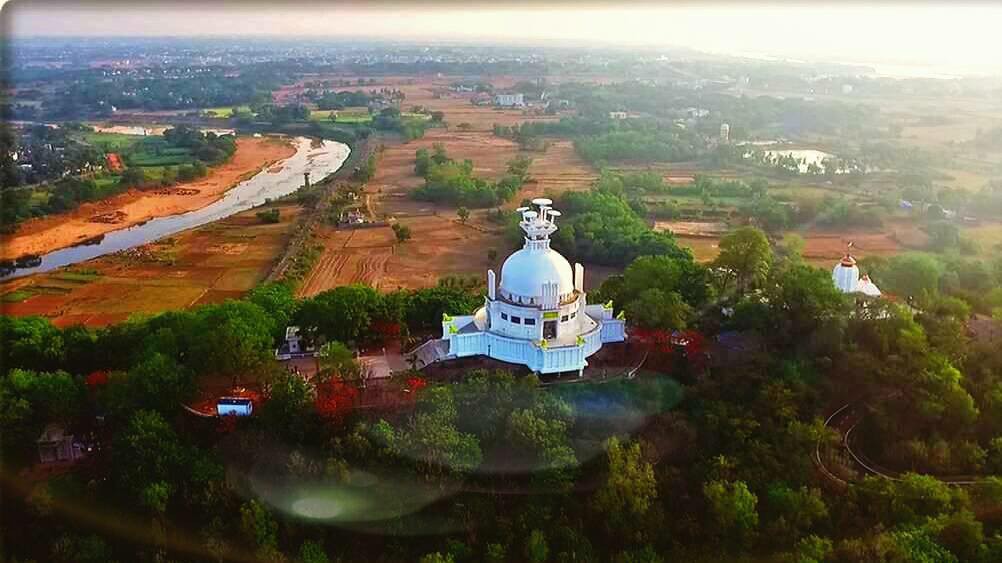
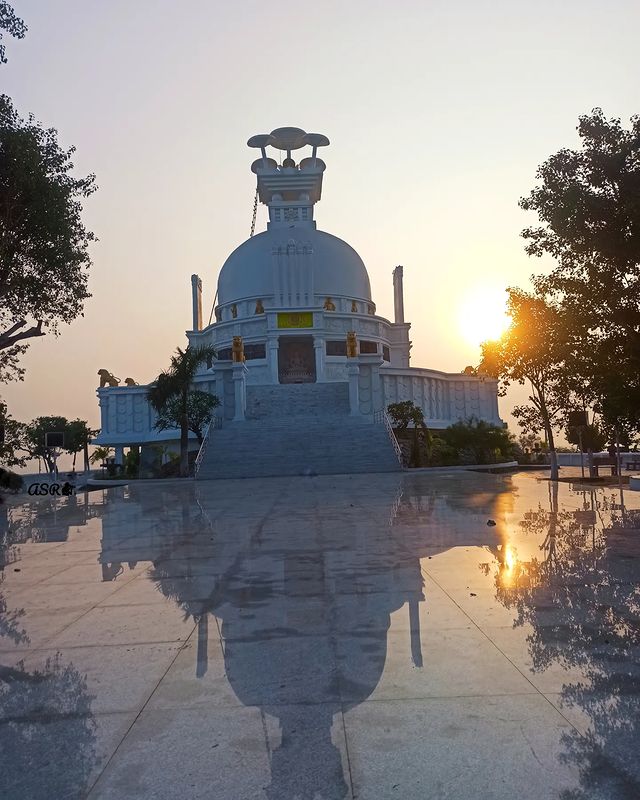
The Peace Pagoda worked by the Kalinga Nippon Budha Sangha in 1973 and known as Shanti Stupa celebrates the shift in perspective of Emperor. Ashoka had an exceptional soft spot for Dhauli, where the fight was battled. The Daya stream is said to have become red with the blood of the many perished later the fight, and empowered Ashoka to understand the greatness of loathsomeness related with war. He made sure that Dhauli turned into a significant focus of Buddhist exercises. He fabricated a few chaityas, stupas and columns there. He got houses uncovered for the hermit, guidelines recorded for authorities, clarified the primary standards of dandaniti for the general population, given extraordinary status to his new realm including the stupas at Dhauli.
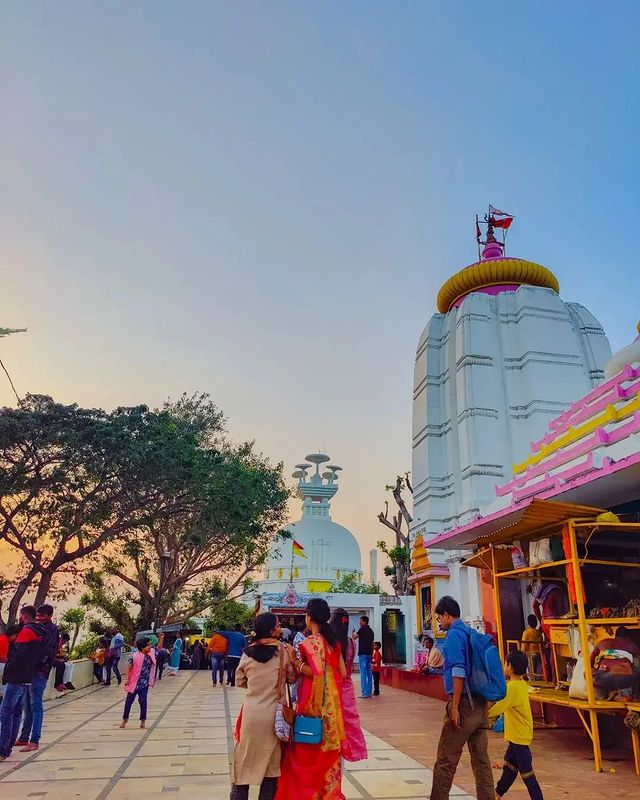
There are two sanctuaries at Dhauli. One of Vairangeswar Mahadev and Dhabaleswar Mahadev. The decrees of Emperor Achok are recorded in prakrit language in bhramin script on the stone of Dhauli on the Southeast end. Discovering Dhauli Shanti Stupa


Dhauli Hill
Dhauli Giri Hills of Odisha
Dhauli Odisha
How to reach Dhauli
Discovering Dhauli Shanti Stupa
A Journey into Serenity
Welcome to my blog! Today, I’m excited to share my experience visiting the Dhauli Shanti Stupa in Bhubaneswar, a hidden gem that beautifully combines history, spirituality, and nature.
A Stupa Filled with Peace
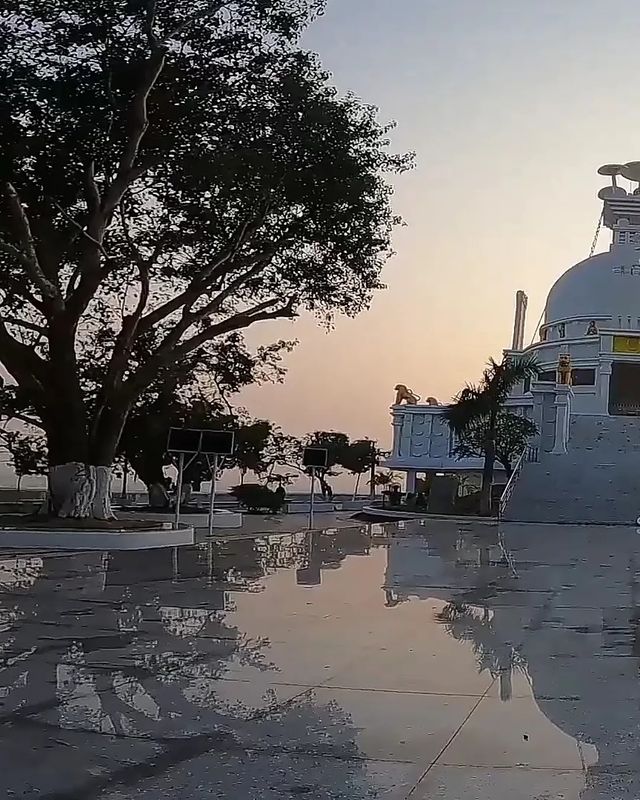
Located just a short drive from the bustling city of Bhubaneswar, Dhauli Shanti Stupa stands as a symbol of peace and enlightenment. This remarkable stupa is perched on a hill known as Dhauli Hills, overlooking the scenic Daya River. As you approach, the serene atmosphere wrapped in lush greenery instantly calms the soul.
A Historical Perspective
Dhauli is much more than just a beautiful stupa. It holds a rich historical significance as it is believed to be the site of the Kalinga War, where Emperor Ashoka embraced Buddhism after witnessing the suffering caused by his conquests. The stupas here are said to represent the message of non-violence and tranquility that Ashoka promoted after his conversion. This aspect truly deepens the experience, as visitors reflect on the lessons of compassion and harmony.
Architectural Beauty
The stupa itself is an architectural marvel. Originally built in the 2nd century BCE, it features vibrant carvings depicting scenes from the life of Buddha. The intricate designs and calming white facade create a breathtaking sight, especially at sunrise or sunset when the play of light adds an ethereal quality.
Spiritual Retreat
Visitors to the Dhauli Shanti Stupa can participate in meditation sessions or simply enjoy the quietude, making it an ideal spot for introspection. The surrounding gardens offer a place to sit and soak in the atmosphere, allowing for moments of reflection and peace. For those seeking spirituality, the resonance of Buddhist chants can often be heard, further enhancing the tranquil ambiance.
Exploring Nearby Attractions
If you’re planning a trip to Dhauli, don’t miss the chance to explore nearby attractions like the Udayagiri and Khandagiri Caves, which are rich in history and offer stunning views of the area. Adding these to your itinerary will deepen your understanding of the region’s cultural heritage.
Tips for Visiting
Best Time to Visit : The ideal time to visit the stupa is early morning or late afternoon for cooler temperatures and fewer crowds.
Dress Code : As a place of worship, it’s respectful to wear modest clothing.
Photography : Capture the beauty of the stupa, but remember to be mindful of the spiritual nature of the site.
Accessibility : The site is accessible by road, but some areas may require a small hike up the hill.
Conclusion
Dhauli Shanti Stupa is not just a monument; it is a place where history, spirituality, and beauty converge. Whether you’re a history buff, a spiritual seeker, or simply someone looking for a peaceful retreat, a visit to this stupa will leave you with lasting memories and a sense of inner calm.
For those planning to visit or looking for more information, feel free to check out [tourmyodisaha.com] for additional travel insights and tips. Happy travels!
—
If you have any questions or need further details about visits or accommodations, don’t hesitate to reach out. I’d love to help you plan your visit to this incredible site!


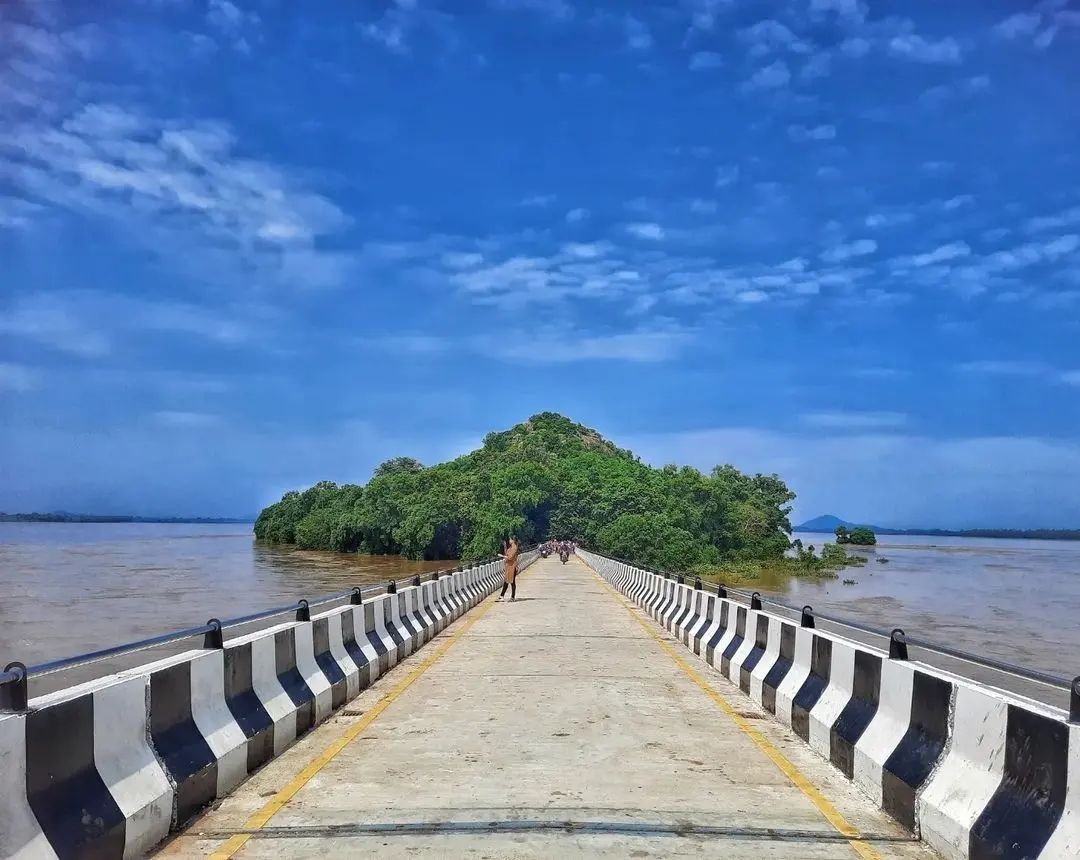
Singhanath Temple
Singhanath Temple Cuttack
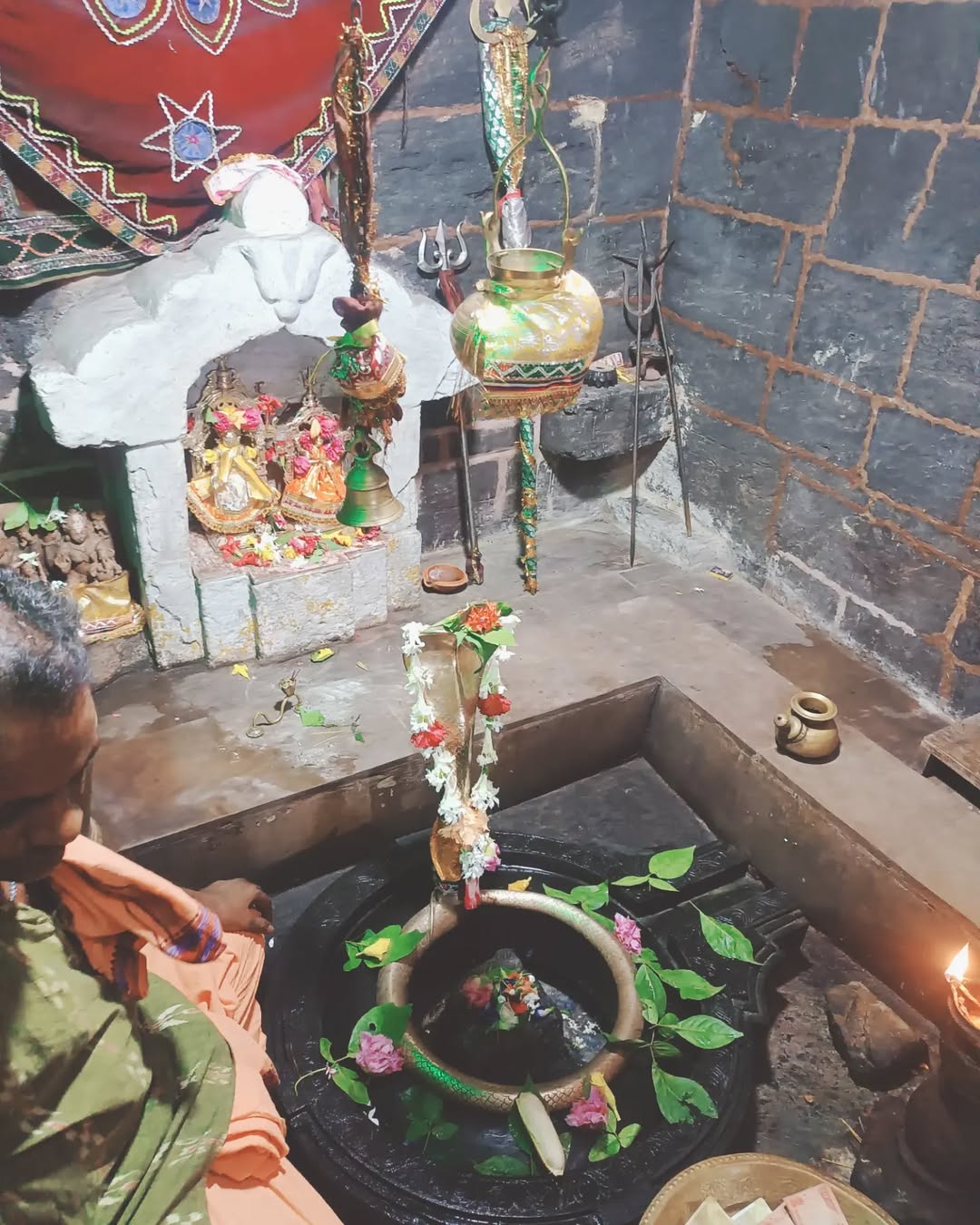
Singhanath Temple in Gopinathpur & Baideswar
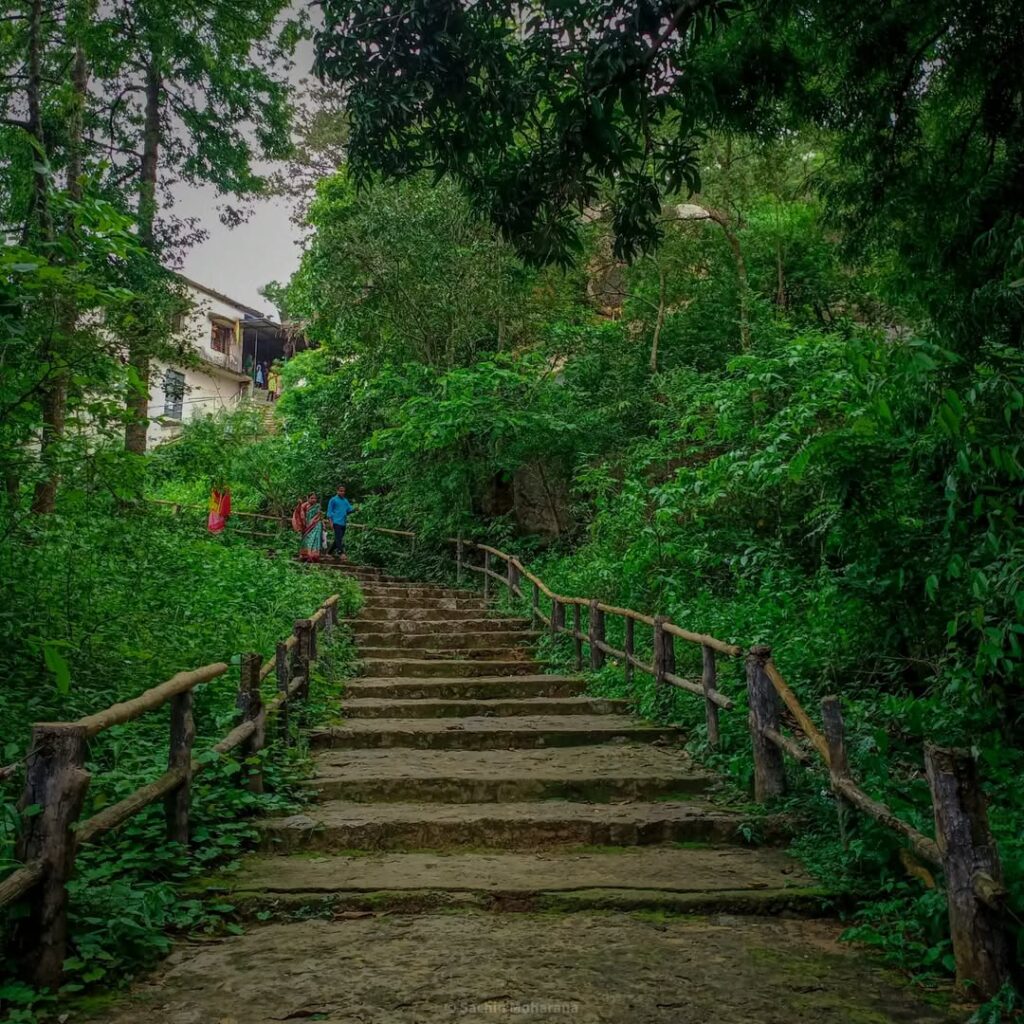
Singhanath Temple, assigned to early 9th century AD, is located in the gopinathpur & Baideswar village, baramba Tehsil of Cuttack district, in the Indian State of Odisha. This temple is dedicated to Bhagwan Shiva and is worshipped by Narasimha an avatar of Bhagwan Vishnu. This is an example of traditional kalingan style of architecture. The temple is reachly carved with sculptural panels and decorative motives. The pics, proves it better. This temple is unique for its sculptural embellishment of both the Saivaite and Vaishnava sects. Mahashivratri, Makar Sankranti, Dussehra, Kartik Purnima etc.are mostly famous festivals here. People who do Upanayana & marriage function also prefer this place as a nice option. Apart from these, the way from baramba to the temple attracted me the most. Singhanath Temple is situated on an island, in the river Mahanadi and the road moves over the Sand. Odiha Tourism
Read MoreDiscover the serenity and spiritual significance of Singhanath Temple
Nestled 70 km from both Cuttack and Bhubaneswar, Singhanath Temple is an ancient gem located in the quaint village of Gopinathpur, within Baramba tehsil of Cuttack district, Odisha. Perched atop a hill amid the serene Mahanadi River, this temple stands as one of the oldest and most significant landmarks to explore during a Cuttack tour.
Dedicated to Lord Shiva, worshipped through Narasimha, an avatar of Vishnu, it is believed that this temple was constructed between the 8th and 9th centuries. Today, it remains a revered pilgrimage site for devotees visiting the region near Bhubaneswar. The temple boasts a unique blend of sculptural artistry that reflects elements from both the Saivaite and Vaishnava traditions.
The architecture is characterized by the Panchayatana style, featuring a main shrine elevated on a platform, surrounded by four smaller shrines at each corner. The vimana has a square layout, while the jagamohana is rectangular. The sanctum enshrines Simhanatha, represented as a Shiva lingam with yonipitha firmly grounded in the earth. The interiors are simple yet accentuated by intricately carved doorjambs and niches, showcasing depictions of Uma Maheswara engaged in a game of dice, alongside an image of Lakulisa above.


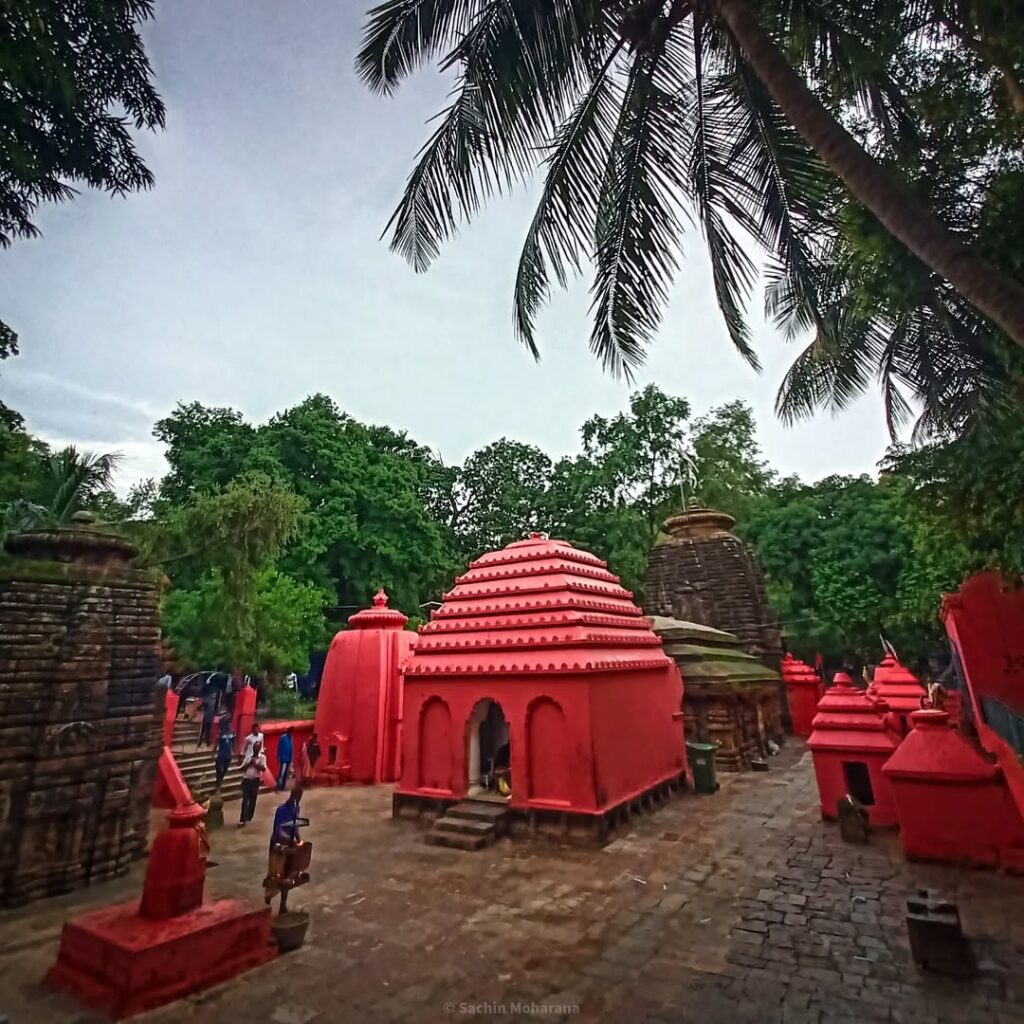
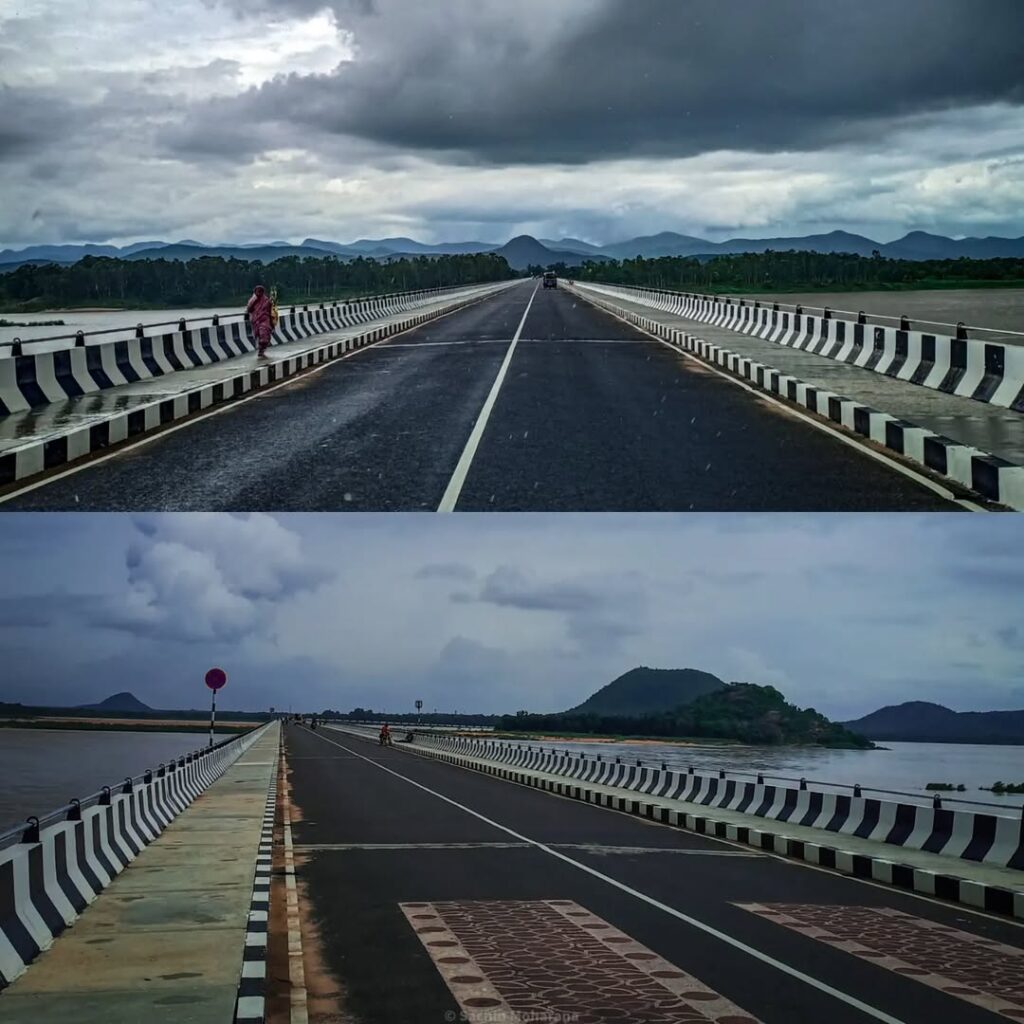
Singhanath Temple is renowned for its detailed carvings and sculptures that narrate tales from Hindu mythology. The temple complex also houses various smaller shrines devoted to other deities including Lord Vishnu, Lord Ganesh, Surya, and Mahishasuramardini. Enriched further by several tanks believed to be established by the Bhoi Dynasty, the site also features a captivating T-Bridge that spans across the Mahanadi River, linking to the Singhanath Mandir. Recognized as a significant pilgrimage destination, Singhanath Temple attracts thousands of devotees annually, particularly during the vibrant festival of Maha Shivaratri.
On this occasion, the temple is adorned with vibrant flowers and twinkling lights, while special poojas and rituals honor the occasion. Other festivities like Makar Sankranti, Dussehra, and Kartik Purnima are celebrated here with great enthusiasm and fervor.
This temple is situated on an island within the Mahanadi River, close to Gopinathpur Village in Badamba Tehsil, Cuttack District, Odisha. Adi Shankara’s influence can be seen in the implementation of the Panchayatana architectural style throughout the temple’s structure. Surrounding the main shrine are smaller temples dedicated to deities such as Vishnu, Ganesh, Surya, and Mahishamardini.
Within the garbhagriha lies a Shivalinga mounted on yonipatta attached to the earth, symbolizing Kalinga architecture’s early Pancharatha Deula development. archaeological surveys suggest the temple dates back to the early ninth century AD, showcasing intricately carved sculptural panels and decorative motifs, including images of Brahma, Kartikeya, Vishnu, Parvati, the Linga Puja votive slab, Mahisasuramardini Durga, and Lakulisa gracing the compound walls.
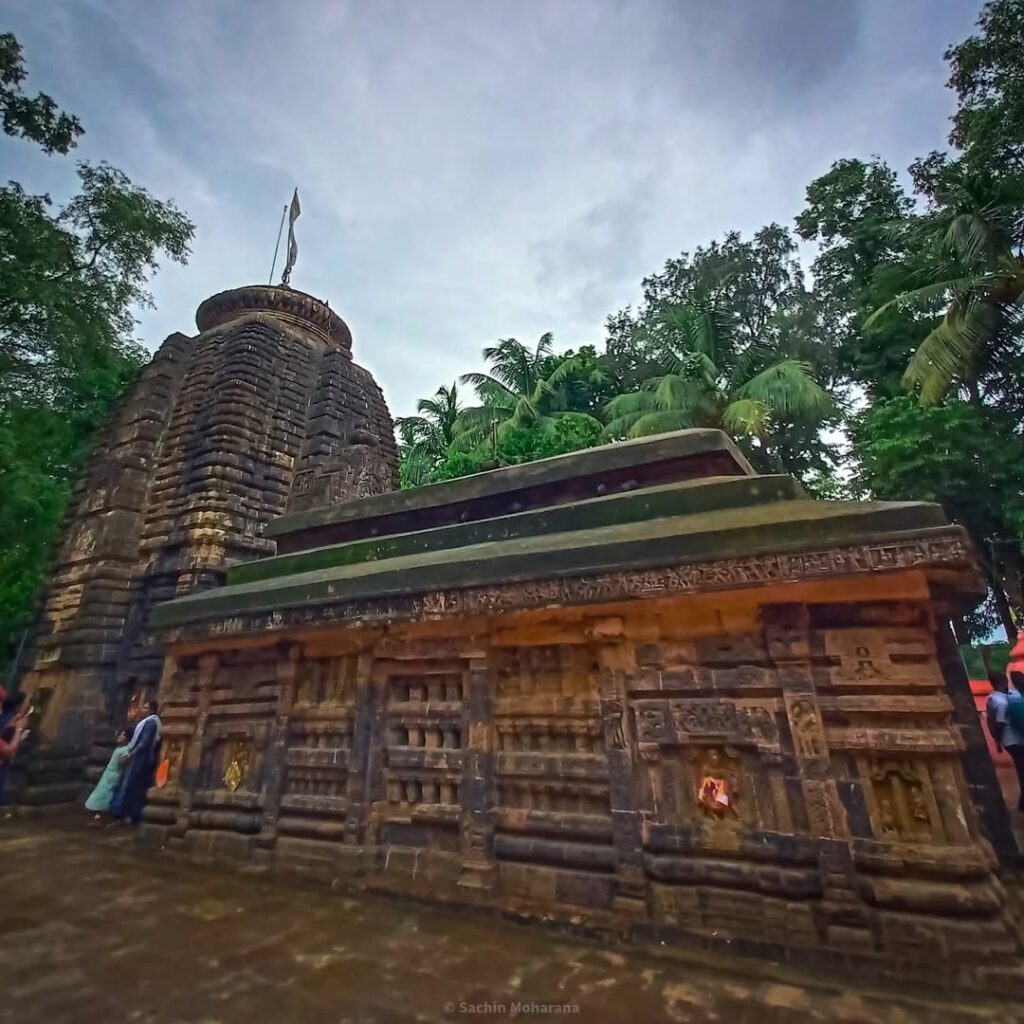
History of Singhanath Temple
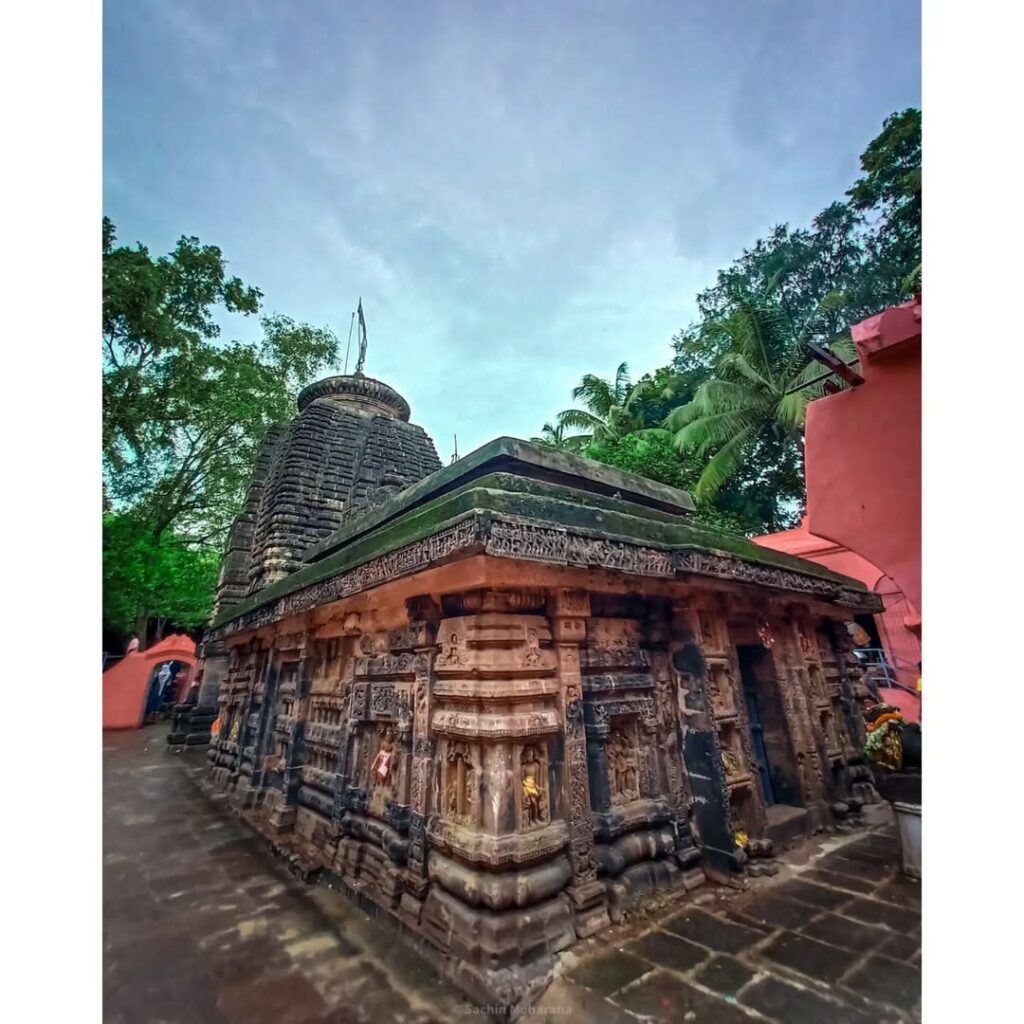
Singhanath Temple is renowned for its detailed carvings and sculptures that narrate tales from Hindu mythology. The temple complex also houses various smaller shrines devoted to other deities including Lord Vishnu, Lord Ganesh, Surya, and Mahishasuramardini. Enriched further by several tanks believed to be established by the Bhoi Dynasty, the site also features a captivating T-Bridge that spans across the Mahanadi River, linking to the Singhanath Mandir. Recognized as a significant pilgrimage destination, Singhanath Temple attracts thousands of devotees annually, particularly during the vibrant festival of Maha Shivaratri. On this occasion, the temple is adorned with vibrant flowers and twinkling lights, while special poojas and rituals honor the occasion. Other festivities like Makar Sankranti, Dussehra, and Kartik Purnima are celebrated here with great enthusiasm and fervor.
The Architecture of Singhanath Temple Gopinathpur
The Simhanath Temple in Gopinathpur showcases a stunning rekha deula and a terraced roof jagamohana, embodying the traditional Kalingan temple architecture. It stands out for its impressive sculptures that represent both the Saivaite and Vaishnava cults.
Designed in the Panchayatana style, the temple features a main shrine elevated on a platform, accompanied by four smaller shrines at each corner. Unfortunately, only the southeast corner shrine remains intact today.
As part of the temple complex, several pidha shrines were later added. These are home to sculptures salvaged from the other corner shrines that have since collapsed. The vimana is square, while the jagamohana follows a rectangular form. At the sanctum, you’ll find the presiding deity, Simhanatha, represented as a Shiva Linga situated within a circular yonipitha. In addition to Simhanatha, the temple includes shrines for Lord Shiva, Lord Rama, and Maa Dakshina Kali. A notable feature of this area is the T-Bridge, which spans the river, creating a connection to Singhanath Mandir. Simhanath Temple is a popular tourist destination in Cuttack, Odisha.
Key Information About Singhanath Temple Gopinathpur
– Singhanath Temple is dedicated to Lord Shiva, worshipped through Narasimha, an avatar of Vishnu.
– It is rich in sculptural depictions reflecting both Saivaite and Vaishnava traditions.
– The temple is located in Gopinathpur village, within Baramba tehsil of the Cuttack district in Odisha, India.
– The design follows Adi Shankara’s Panchayatana architectural style, surrounded by shrines dedicated to Vishnu, Ganesh, Surya, and Mahishamardini.
– This temple marks the early development phase of Kalinga Architecture’s Pancharatha Deula.
– The sanctum enshrines Simhanatha as a Shiva Linga in a circular yonipitha.
– The intricate carvings adorn the temple, including sculptural panels and elaborate decorative motifs.
– The compound wall features images of deities such as Brahma, Kartikeya, Vishnu, and others, including the Linga Puja votive slab, Mahisasuramardini Durga, and Lakulisa.
– Based on surveys, the temple is believed to date back to the early ninth century AD.
Ancient temple the center of the Mahanadi River
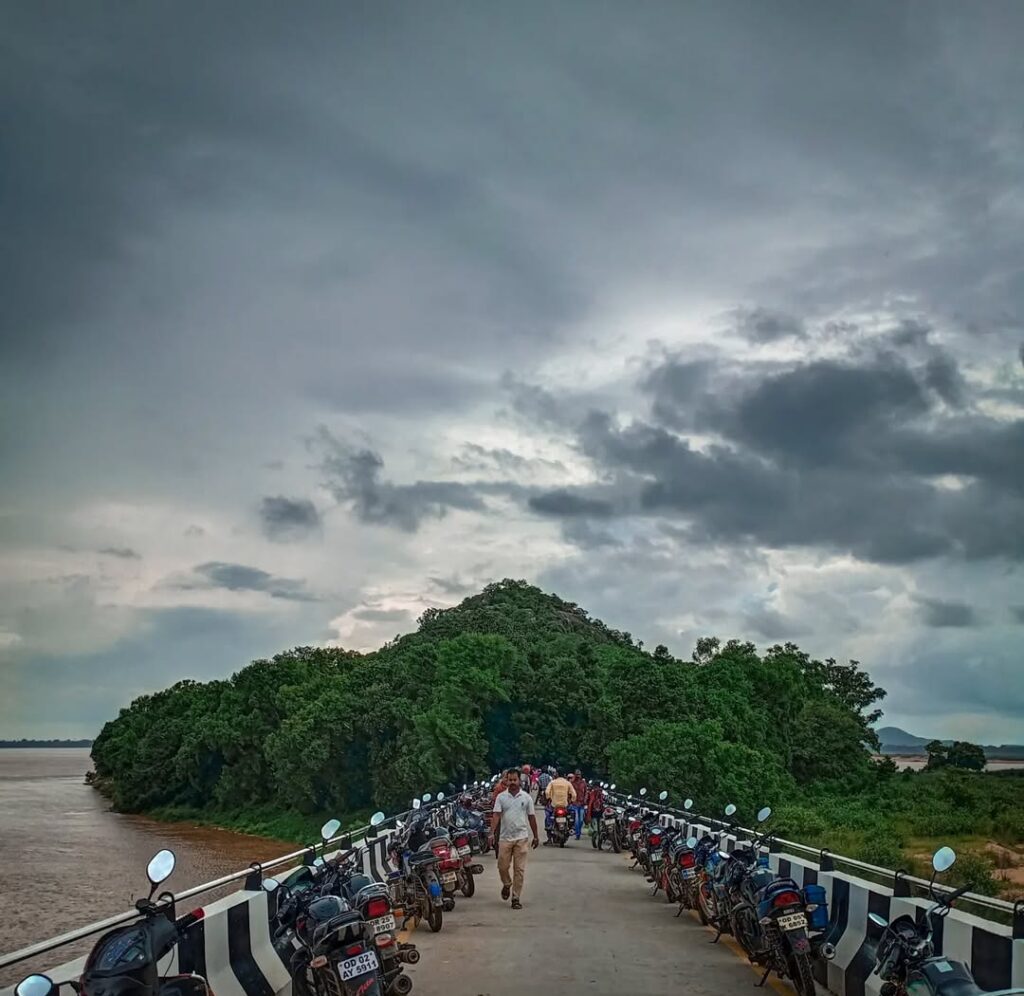
Ancient temple that’s located withinside the center of the Mahanadi River. Well related with the aid of using avenue. The bridge connecting to the temple is particular and uncommon in odisha. It`s a T fashioned bridge that’s connecting Gopinatpur and Baideswar. The temple is only a island withinside the river. Best time to go to is for the duration of the year. Natural splendor of that vicinity is honestly watchable.


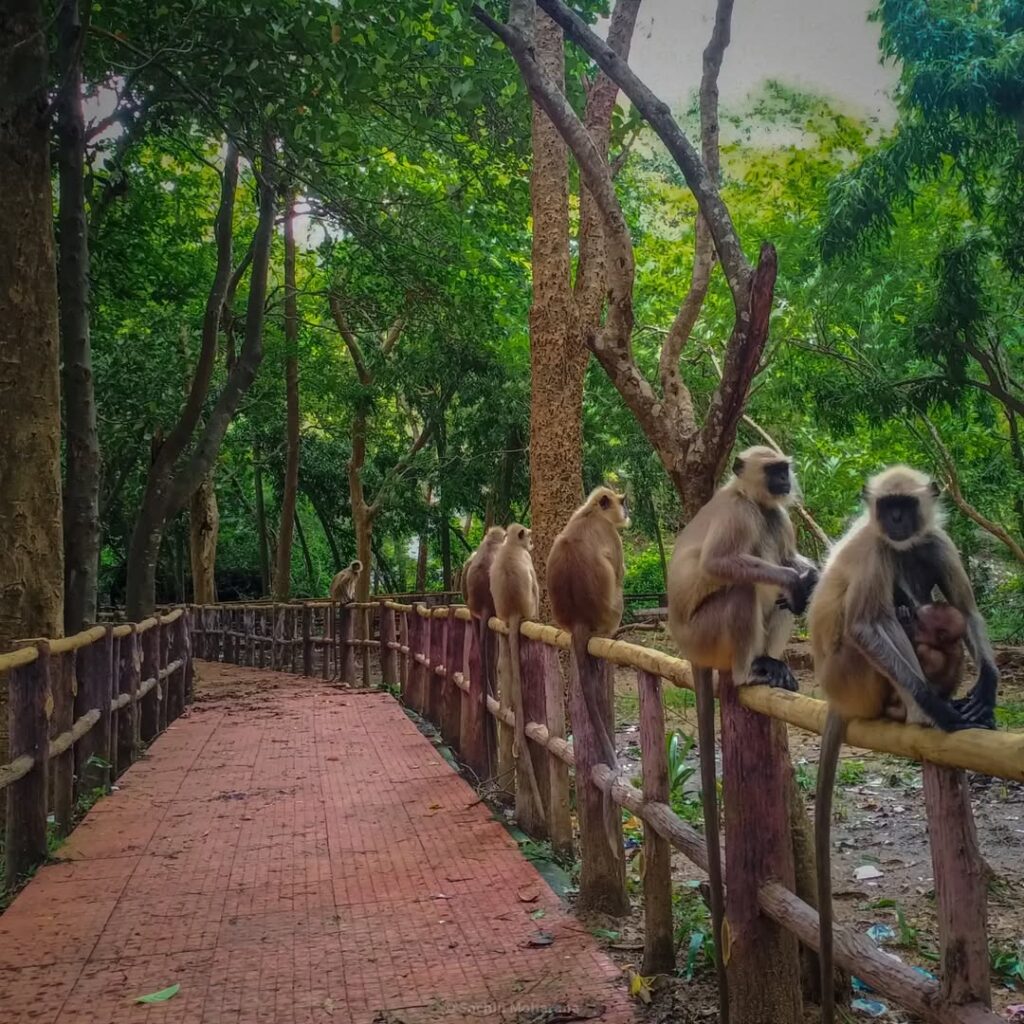


Best Time to Visit Singhanath Temple Gopinathpur
This tranquil and spiritual locale welcomes visitors year-round. However, the ideal time to explore the temple is during the monsoon and winter seasons. The monsoon brings moderate to heavy rainfall, transforming the landscape into a lush and vibrant setting, which feels truly enchanting.
Shri Bali Singhanath Temple is devoted to Shiva who’s worshipped with the aid of using Narasimha, an avatar of Vishnu. The temple has a rekha deula and terraced roof jagamohana of conventional segment of temple fashion of Kalingan order.
The temple is particular for its sculptural embellishment of each the Saivaite and Vaishnava sects. It is placed withinside the Gopinathpur village, Baramba tehsil of Cuttack district. It may be effortlessly approached with the aid of using avenue from Cuttack, Chaudwar and Athgarh. The garbhagriha has a Shivalinga with yonipatta connected to earth. The temple is of Panchayatana fashion practised with the aid of using Adi Shankara. Temples devoted to Vishnu, Ganesh, Surya and Mahishamardini are located across the temple. The temple represents early improvement of Pancharatha Deula of Kalinga Architecture. On the idea of survey, the temple may be assigned to early ninth century AD. Maha Shivratri, Makar Sankranti, Dussehra, Kartik Purnima are broadly speaking well-known gala’s here. People who do Upanayana and Marriage additionally opt for this vicinity as a pleasant option.
Singhanath Temple is devoted to Shiva who’s worshipped with the aid of using Narasimha, an avatar of Vishnu. The temple has a rekha deula and terraced roof jagamohana of conventional segment of temple fashion of Kalinga order. The temple is particular for its sculptural embellishment of each the Saivaite and Vaishnava sects. It is placed withinside the Gopinathpur village, Baramba tehsil of Cuttack district, Odisha, India and discover withinside the midpoint of the river. It may be effortlessly approached with the aid of using avenue from Cuttack, Chaudwar and Athgarh.
states longest bridge,T-Setu, constructed over the Mahanadi River in Cuttack District, Odisha. The bridge withinside the form of the English alphabetTchanged into built
Sitakunda in Singhanath Temple Badamba

Singhanath Temple Details
Singhanath Temple Address: Baideswar Gopinathpur, Banki, Cuttack Odisha 754029 Singhanath Temple (preferred time): 07:00 Am – 05:00 pm
Time required to visit Singhanath Temple: 02:00 Hrs
Singhanath Temple Odisha
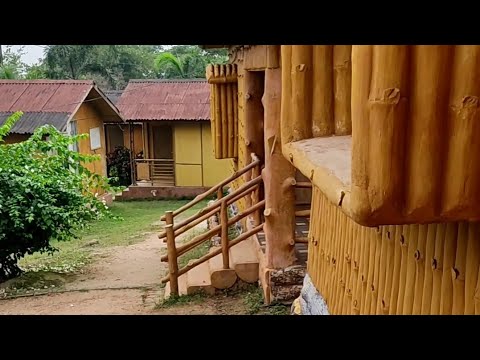

Singhanath Temple Top View / singhanath bridge T setu Gopinnathpur Baideswar


How to reach Singhanath Temple


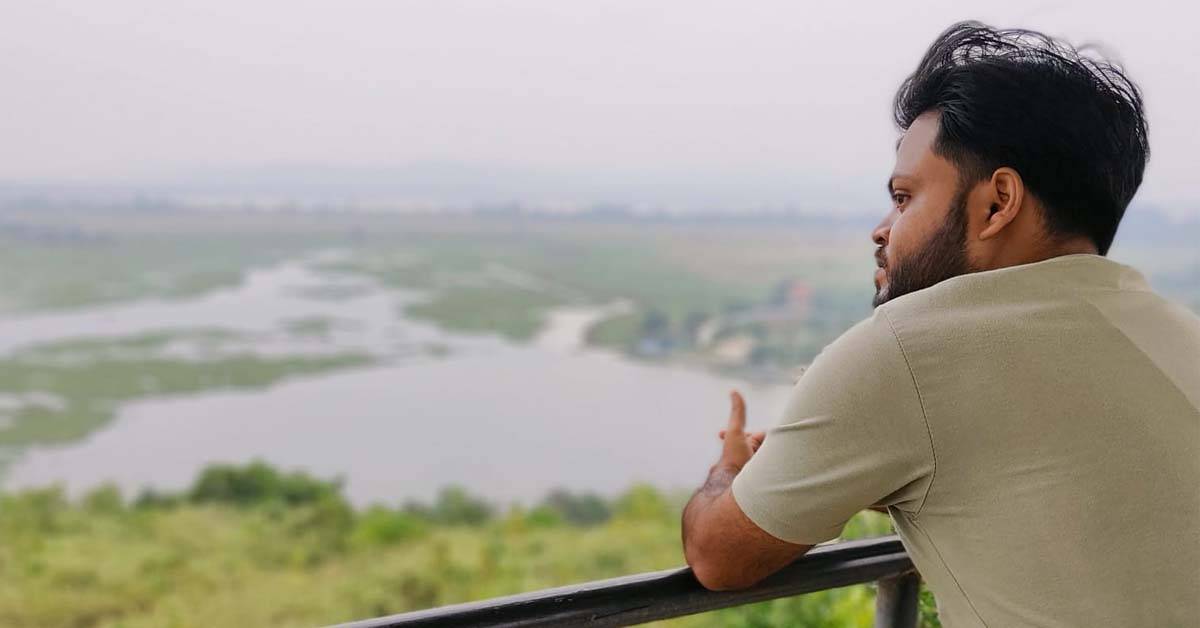
Saranda Garh


Saranda Garh Hill Top Park
This warm house of Saranda Garh is a great spot to visit in India. Later your mind blowing visit to Saranda Garh, you can continue to a significant close by city of Bhubaneshwar. Bhubaneshwar, is a value visiting city inferable from its superb attractions like Lingaraja Temple, Nandankanan Zoological Park, Udayagiri And Khandagiri Caves. An excursion to Saranda Garh can regularly be of 1-2 days. Submerge in the soul of the city and you’ll not miss your home. Odiha Tourism
The Govt. of Odisha has found a way a monster way to make this lake as one of the Odisha’s most well known traveler place. A public expressway is presently passing by this lake, that interfaces Athgarh and Banki. Some bamboo bungalows are made on the highest point of Saranda slope for vacationer rewards.
Best Things To Do in Saranda Garh, India
Saranda Garh is a small location in India and may be without problems explored inside a day. There aren`t many stuff to do and sights to go to on this town. People typically don’t forget creating a brief prevent right here earlier than heading to the neighboring towns. You can halt right here for a fast snack and take a bit wreck out of your journey.
You can take a look at out the listing of the towns close to Saranda Garh and discover the pinnacle activities in those towns. So, the subsequent time you’re in Saranda Garh, you could determine which neighboring metropolis to go to for a memorable trip.
Saranda Garh
Lake Details
Saranda Garh
Address: Saranda Garh, Anshupa Lake, Odisha 754029, Bhubaneshwar,
Saranda Garh Timing: 24-hrs
Best time to visit Saranda Garh (preferred time): 02:00 pm – 06:00
Time required to visit Saranda Garh: 02:00 Hrs
Saranda Garh Ticket Price – Rs 10 per person Bike Parking- Rs 10.00
Saranda Garh Hill Top Park, Odisha
Saranda Garh Hill Top Park
Best Things To Do in Saranda Garh, India
Saranda Garh is a small vicinity in India and may be effortlessly explored inside a day. There aren`t many stuff to do and points of interest to go to on this town. Also, being a small town banki, there are fewer lodging options in banki cuttack. People commonly take into account creating a short prevent right here earlier than heading to the neighboring towns. You can halt right here for a fast snack and take a touch smash out of your journey.
You can take a look at out the listing of the towns close to Saranda Garh and discover the pinnacle activities in those towns. So, the subsequent time you’re in Saranda Garh, you may determine which neighboring town to go to for a memorable trip.
How to reach Saranda Garh


Maninageswar Temple
Baba Maninageswar Temple Bardhanpur Balasore.waiting for you all
Baba Maninageswar Temple Bardhanpur Balasore.waiting for you all Come to visit our Baba Maninageswar Temple and enjoy Bardhanpur sea beach near of this temple. Odiha Tourism

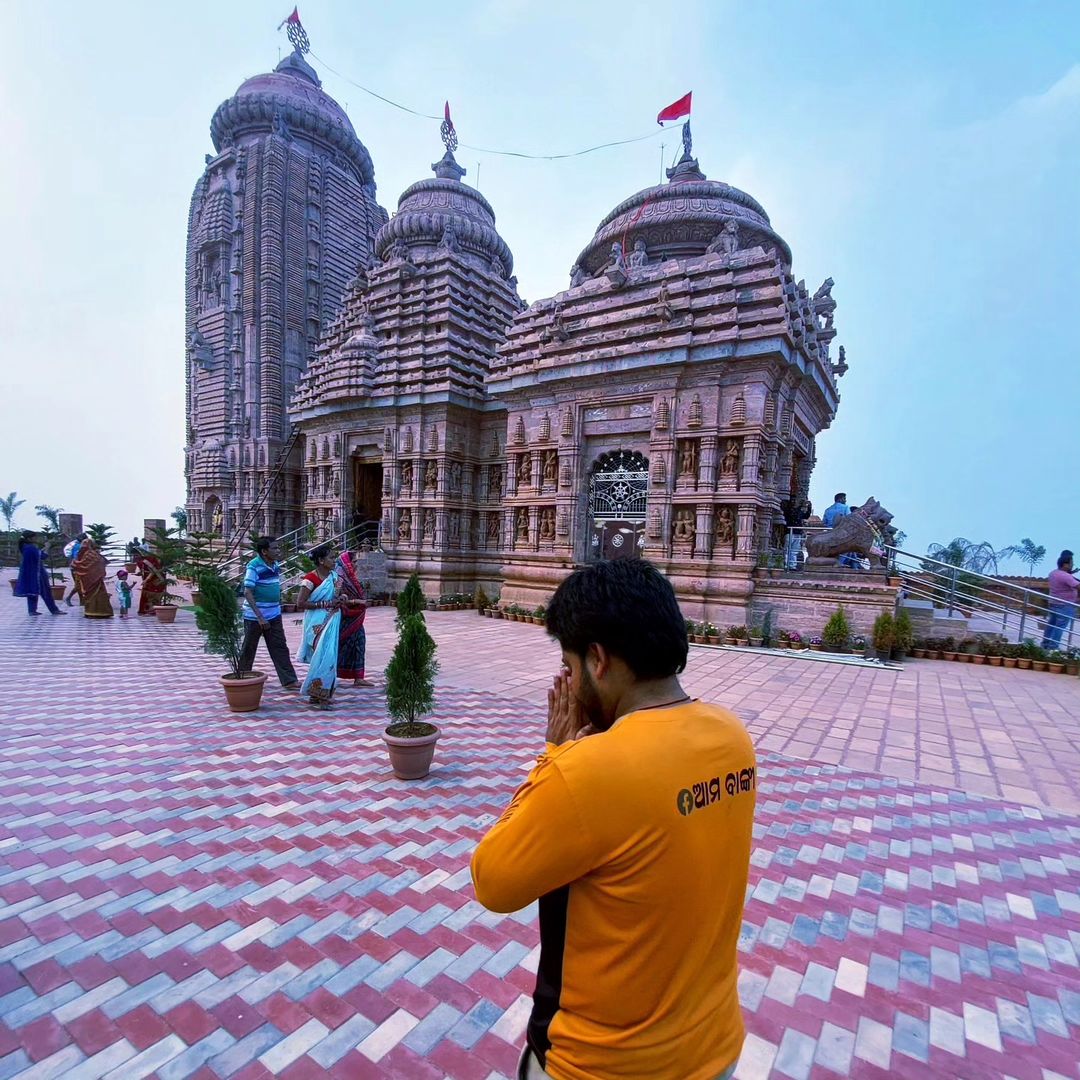
Ram Mandir Fategarh hilltop


Mundia Hanuman

Hatakeswara Temple


History of Bhattarika Temple

ଦେବୀ ଭଟ୍ଟାରିକା ଇତିହାସ
Odisha Tourism India Tourism | Indian Travel Destinations Guide & Tour Packages