Visitors can also see the facade show at this park. His 12-minute open-air show is a spectacular show filled with lights and sound effects using high-tech projectors.
Hours: Vande Mataram Memorial 10am-6pm, Hira Lakshmi Park 10am-8pm, Facade Show 8pm daily Memorial & Rs. 50 Adults, Rs. 20 Children & Foreigners People Rs. 400 Hiralaxmi Park
Vande Mataram MemorialVande Mataram MemorialVande Mataram Memorial
A brief history
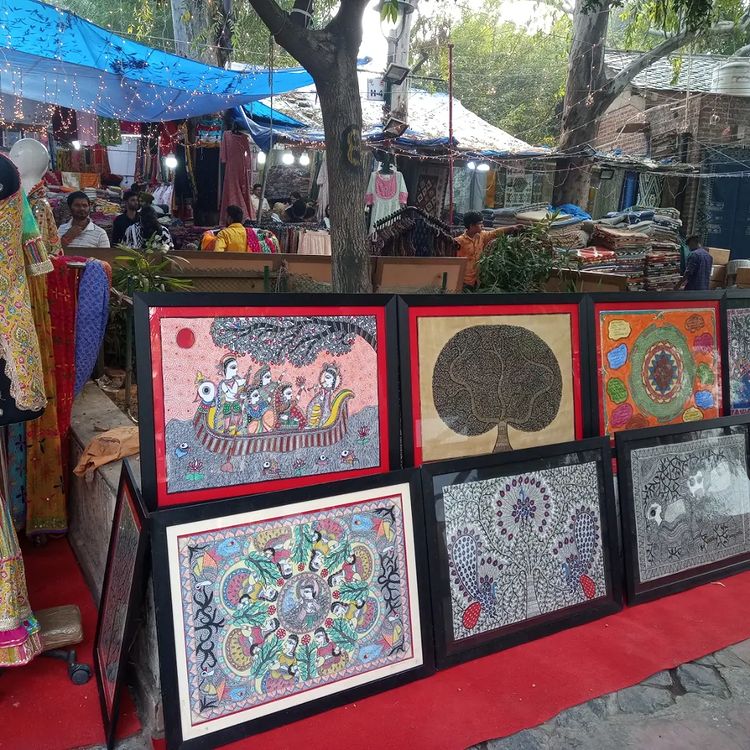
Vande Mataram Memorial Hours:- 10:00 am to 6:00 pm Hiralaxmi Park Hours:- 10:00 am to 8:00 pm Bujodi Village is also famous for the Hiralaxmi Memorial Craft Park located within the Bande Mataram Memorial Complex. is. Spread over 10 hectares of land, the craft park was established in 2005 by Chetan Shah, Managing Director of Ashapura Group. The park was created to preserve and promote the beautiful works of Kutch. Artisans receive free meals, boarding, lodging, and a per diem during their stay at the craft park.
There are many small stalls selling beautiful crafts made by local Kutch artisans. The park has a beautiful Radha Krishna temple and a lotus pond which adds to the overall atmosphere. There are electronic rides to keep the kids entertained.
Hours: Vande Mataram Memorial 10am-6pm, Hira Lakshmi Park 10am-8pm, Facade Show 8pm daily Memorial & Rs. 50 Adults, Rs. 20 Children & Foreigners People Rs. 400 Hiralaxmi Park
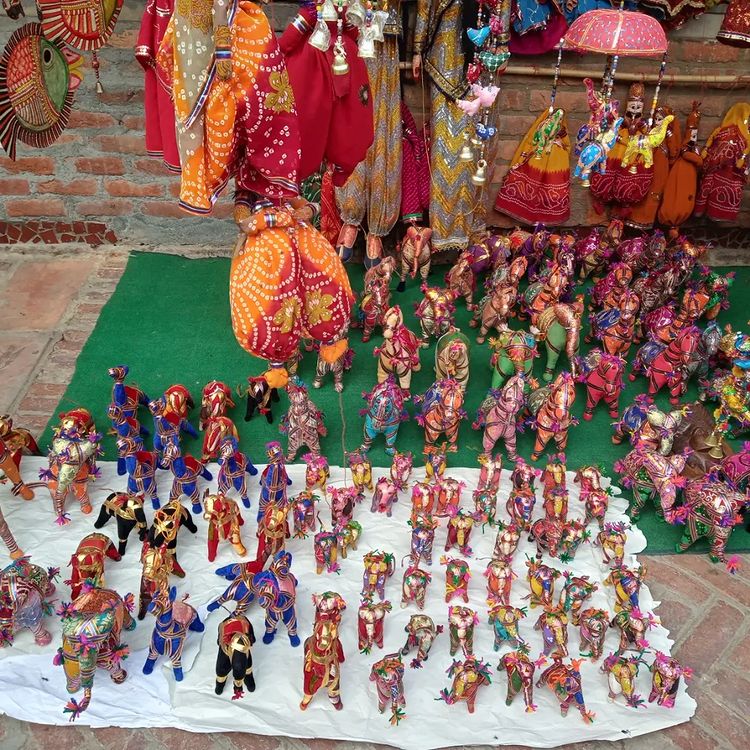
No trip to Gujarat is complete without shopping. No shopping in Bhuj. The historic city of Bhuj is located in the Kutch region of Gujarat, and shopping in its bustling markets is a once-in-a-lifetime experience. Bujji, located in the heart of Kutch, comprises the community of outstanding and skilled artisans it is known for. Bhuj is a fascinating place with gates, ancient palaces, ornate temples and winding streets. There are several malls that make shopping in Bulli very easy.
Items for sale at Buj Market include silver jewellery, gold jewellery, and many other items. Tourists come from all corners of the world and from all over India to shop at Bhuj, Gujarat. Tourists must be able to bargain well as this is a must. The owner wears traditional clothes. Shopkeepers know that visitors will bargain, so they set prices intentionally high. Bhuj’s bazaar follows the old traditional style of displaying goods and things. Sarafa Bazaar, Shroff Bazaar, Bharat Shopping Mall, Bhuj Haat Market, Old City Market, S-Mart Shopping Mall and Smruti Shopping Mall are popular shopping markets in Bhuj.
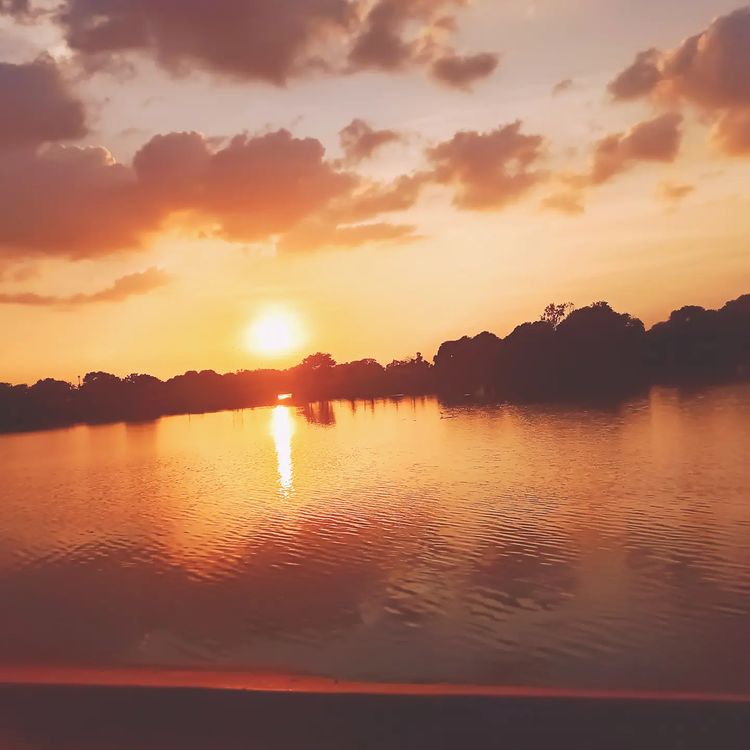
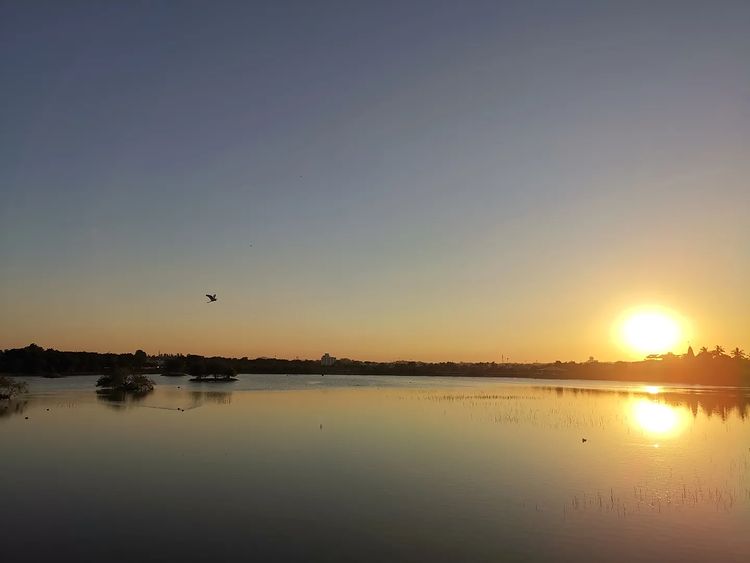
Hamirsar Lake, a large man-made lake, is located in the center of Bhuj city. Developed by building tunnels and canals and merging them to form three river systems he was able to meet the water needs of Buj. Hamirsar Lake covers an area of 28 hectares and is surrounded by beautiful surroundings. There is a beautiful and well-kept garden in the middle of the lake. It is a popular picnic spot not only for tourists but also for locals. Mornings and evenings are crowded with locals. Swimming is also a popular activity here. Popular attractions around Hamirsar Lake include Alfred High School, Swaminarayam Temple, Prague Mahal, Aina Mahal and Kutch Museum. Augung is a festival held in Hamirsar, Kutch, when rains flood the lakes. Celebrations have been organized since ancient times, when kings held pujas after handing out Meg Laddu to their people. The festival gives thanks to the gods and welcomes the new waters of the lake.
Hamilsar Lake is man-made. Located in the center of Bulli city. Buj Town is the headquarters of Kutch District. The lake is located in Gujarat, India. Hamirsar Lake is where many people once swam. This lake is the perfect place to sit under the trees and enjoy the natural scenic beauty of this beautiful lake. A walk along the lakeshore takes visitors to places such as Aina Mahal, Praga Mahal, Kutch Museum, Lam Dun Temple and Alfred High School.
Hamirsar LakeHamirsar Lake
A brief history
The Saharad Baug Palace is located across the lake. And from there follows the road of the royal family Chattardis. It is a nearly 450-year-old lake, named after its ruler Rao Hamir. Rao Hamir He is the founder of Bhuj. And this beautiful lake was built under the reign of Rao Kengarji I. King Rao Kengarji named the lake Hamil Lake after his father Rao Hamil. Rao Khengarji chose this place as an oasis and developed canals and tunnels to carry water and meet the needs of Bhuj. Lake Hamira is a very large lake with an area of 28 hectares. There is a beautiful lake garden in the middle of the lake. Hamirsar was damaged by the 2001 earthquake, but its beauty still attracts tourists from all over the world. Lake Hamira is a fresh, still water pool that contains a large amount of sari. This lake is of great importance to the Buj Indigenous people. Getting there Lake Hamira is connected by road, rail and air networks. Visitors come according to their comfort and convenience to visit the place. Buses are more convenient than trains to get here for visitors coming from Ahmedabad city. Visitors can find several sleeper buses, private-seat buses, and state transit buses, making travel easy and convenient. In rail mode, visitors can also come by daily express trains such as Buj Express and Kutch Express. And these trains arrive at a reasonable time and take a reasonable amount of time. There are multiple flights connecting Bhuj and Mumbai. Once visitors arrive in Bulli, they can find many state-run buses for communication. Sights Man-made Hamira Lake Slander in the middle of Buj. The lake has all the important and great attractions of the East. As this is a 450 year old lake, visiting this oldest ancient lake is a great way to get in touch with Gujarat’s cultural heritage. There is a colorful garden in the middle of the lake. Hamira Lake is a very attractive place. The lake is home to abundant flora and fauna including zooplankton, benthos and fish. You can enjoy swimming and fishing. It had great resources for fishing. Seafood is abundant. Lake Hamira is a wonderful source of water. This lake has an aquatic biodiversity. Hamira Lake is the true face of Buj City. Lake Hamira has a great charisma and enchants all visitors.
Built during the British rule of India, the Kutch Museum in Bhuj is the most important of all other museums in Bhuj, displaying objects that transport visitors back to the times they belonged to .
Kutch Museum was established in his 1877 by the British Governor of Mumbai known as Sir James Ferguson. Buj’s Kutch Museum was called the Ferguson Museum after its founder. All items on display at the Kutch Museum in Buj are carefully presented with appropriate descriptions next to each item. Labels and descriptions are provided in English and Gujarati.
The Kutch Museum is closed only on Wednesdays and the 2nd and 4th Saturdays. On other days, the Kutch Museum is open from 9am to 11:30am and from 3pm to 6pm. until 5:30 pm Another attraction of the Budzi Kutch Museum is the entrance fee charged by the museum. The fee for the Kutch Museum is only INR 0.50, effectively free.
To get to Buj’s Couch Museum, you can take government transportation consisting of luxury buses, auto-rickshaws and taxis from all over the city. Bhuj is reachable by both flight and train from Mumbai and Ahmedabad. The city is also well connected by road networks to the cities of Palitana (55 km), Rajkot (165 km) and Ahmedabad (203 km).
Located near Aina Mahal, this 19th-century palace is worth a visit for its unique architectural design. The story is that the palace was named after his 1st generation Lao Pramaji who commissioned the construction of this palace in 1865. From the outside, the palace looks a little out of place. However, its Italian Gothic architecture still attracts visitors to Aina Mahal.
History tells that the city of Bhuj was founded by Rao Hamirji in his 1510 and became the capital of Kutch state in 1549 by Rao Khengarji. The cornerstone as a state capital was officially laid in January 1548. After 1590, when the Rao were forced to recognize Mughal suzerainty, Bhuj was known among Muslims as Suleiman Nagar. Bhujiya Fort was built by Devkaran Seth around his 1730s and the ramparts were built by Rao Godji 1 in his 1723. Unfortunately, these walls weren’t as effective as they should have been. They were hit by him six times, but only twice did he manage to push back the enemy. His last attack was on 26 March 1819, when the fort on Buzia Hill was taken and fell into British hands. Unfortunately, Buj seems to be prone to earthquakes. The first earthquake was on June 16, 1818, when the town had a population of only 20,000. The earthquake destroyed 7,000 houses and killed more than 1,100 people. About a third of the buildings that survived were badly damaged, and the north face of the ramparts was completely flattened. The next earthquake, even more devastating, hit Kutch in 2001. Buj, the capital at the time, was a charming walled city of beautiful palaces, bazaars and havelis. After the earthquake, the building was so badly damaged that talks were held to demolish the rest of the building to make it safe.
Prag Mahal Museum Ticket Details
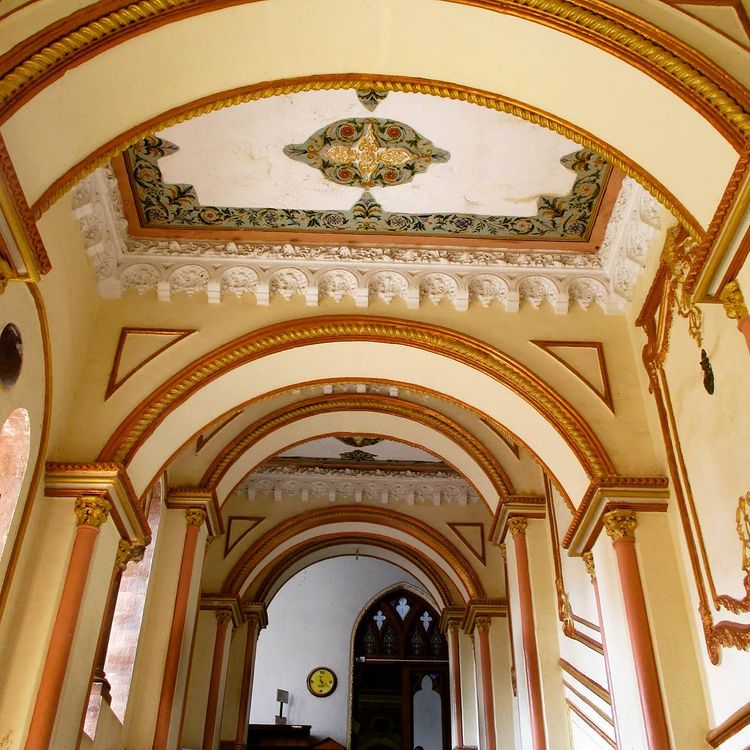
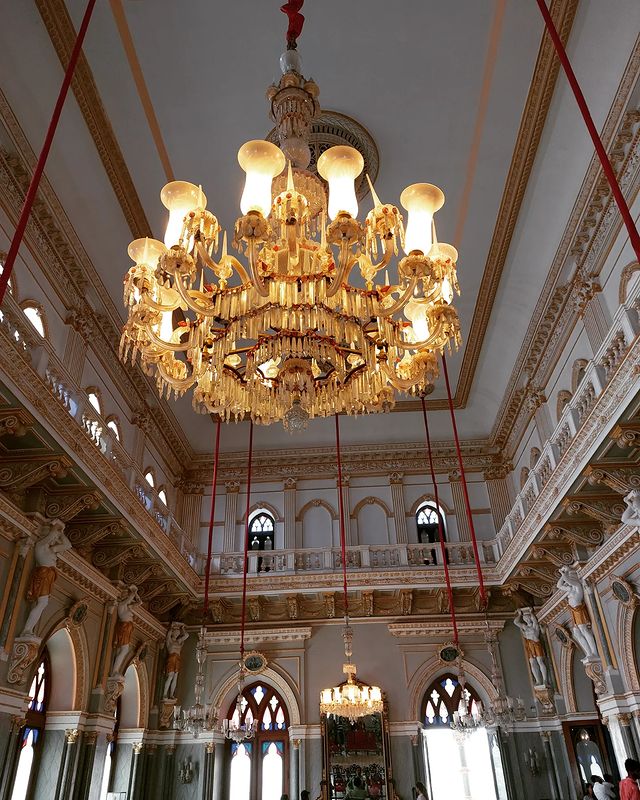
As you enter the courtyard, you come across a small Hindu temple. The interior of the palace begins with the Durbar Hall, filled with antique tapestries, paintings, furniture and chandeliers. The whole hall looks very elegant. Once inside, there are many rooms filled with antique pieces. The main highlight of the palace is the bell tower. Climb the spiral staircase of the bell tower to the top floor. From this floor you can enjoy a beautiful view of the whole Bulli city. Although the palace suffered little damage in the Gujarat earthquake, its ancient beauty cannot be ignored. Prague Mahal Palace Ticket Details Fee: 20 INR Child Fee: 10 INR School Groups (Children): 5 INR University Groups: 10 INR For Cameras: 50 INR For Video Cameras: 200 INR How to reach Prague Mahal Palace by car or rental car.
Located 2.5 km from Bhuj Station, Aina Mahal (Aina Mahal) is an 18th-century palace adjacent to the Prague Mahal Palace in Bhuj, Gujarat, India. He is one of Bulli’s elegant monuments and he is one of Bulli’s famous tourist attractions.
Aina Mahal, also known as the Palace of Mirrors, was built in 1761 during the reign of Raorakpaj. The stunning Aina Mahal is part of Bhuj’s extravagant Darbargad Palace. Built under the craftsmanship of renowned architect Ram Singh Malam. Malam set about designing the building in a mixed Indian-European style and making materials for the palace on site. He personally produced fountains, mirrors, glasswork and many other marvels of craftsmanship. The building is his two-storey and features Durbar Hall, a hall of mirrors, and suites owned by various members of the royal family. Hours of Operation: 9am-12pm and 3pm-6pm, closed on Thursdays Entrance Fee: Rs. 20 per person & Rs. 30 for cameras
Aina Mahal was converted into his museum in 1997 by Madanji. The 2001 Gujarat earthquake damaged the palace, but the less damaged parts of the palace have been restored to house the museum. The museum consists of two parts, the Kala Atari Picture Gallery and the Aina Mahal. Adorned with fine chandeliers and mirrorwork, with a gilded ceiling and marble walls, the Hall of Mirrors is clearly the main attraction of the Aina Mahal Museum, located on the second floor. The museum also displays an impressive collection of weapons, stained glass, canvases, photographs, royal furnishings and belongings, classical embroidery, and the ivory throne of the Durbar Hall. A 15m long scroll depicting the royal procession of Maharao Shri Pagmalji Bahadur is one of his most elaborate collections here. There is also a pendulum clock synchronized with the Hindu calendar made by Ram Singh himself out of precious gold and ivory. Hours of Operation: 9am-12pm and 3pm-6pm, closed on Thursdays Entrance Fee: Rs. 20 per person & Rs. 30 for cameras
Sanskar Kendra’s industrial aesthetic of bricks and exposed walls is instantly recognizable as Le Corbusier’s signature style. The great modernist architect spent many years of his life here, designing several public and private facilities. On the ground floor is the Kite Museum’s permanent exhibition, which provides information on the past and present status of kite flying, a beloved sport of the Gujaratis. The video clip played on TV is only 5 minutes long and is highly recommended.
Built in April 1954, the museum was the brainchild of Swiss-French architect Le Corbusier and was named the Museum of Knowledge during its design. To this day, the museum is supported by a distinctive 11-foot tall column. The building was originally part of a larger complex of the Ahmedabad Cultural Center with separate areas for different themes such as anthropology, natural history, archaeology, monumental sculptures, workshops and depots, and open-air folklore.
Ahmedabad was founded in his 1954 by a French architect named Le Corbusier. The building was designed with the idea of displaying articles on education and knowledge. Therefore, during the design stage of the building, it was called the “Museum of Knowledge”. Originally it was conceived as a small part of the Cultural Center and included separate departments such as
Sanskar Kendra is designed to protect facilities from high temperatures. This building stands on the Piloti signature, which is 3 meters high. Pilots have easy access to a courtyard with a large pool and then a ramp that leads to the exhibits. Necessary precautions have been taken to protect visitors from excessive heat during the day. The roof of the building consists of more than 45 pools, each of which is 40 cm deep. The pool water protects the entire building from the city temperatures. The water in these pools is mixed with a special powder that increases the size of grown plants. The roof was made of reinforced concrete and sealed with sand.
In addition, electrical installations are kept in the shade to avoid the influence of the sun. Thus, the design made it possible to create lighting throughout the building. Lighting makes Sanskar Kendra a unique piece of architecture. The walls of the building are painted white on the outside, but the interior walls remain bare brick. The facade consists of red brick walls.
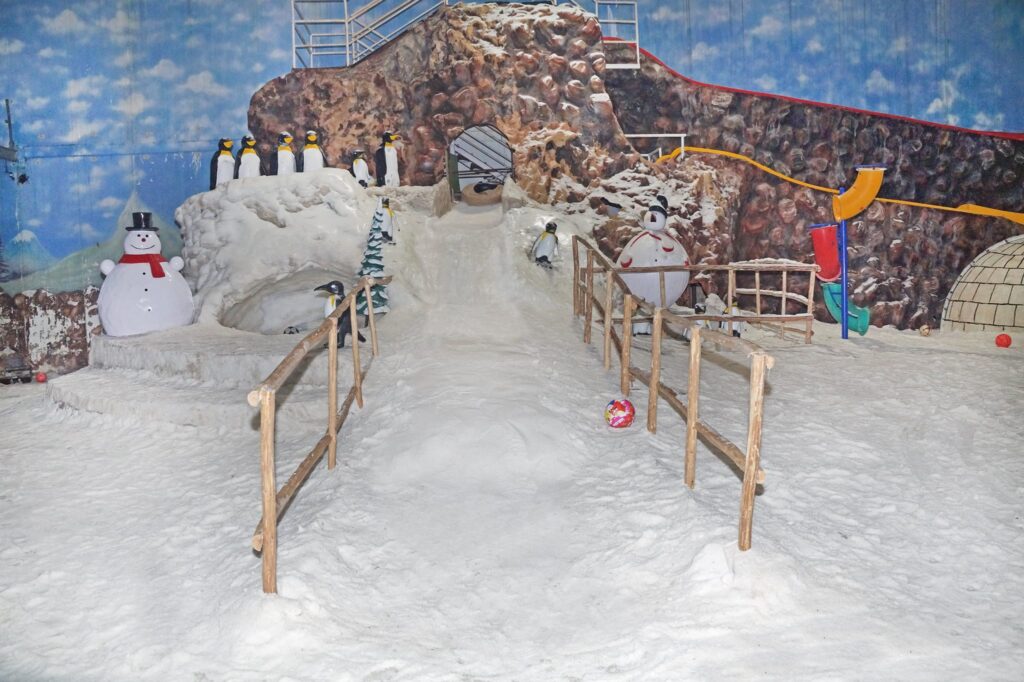
Mania’s Wonderland in Ahmedabad is a one-stop destination for leisure, entertainment and adventure. This unique theme park has an amusement park, water park and snow park, offering the best of all worlds. Each of these parks offers an array of exciting rides, attractions, and activities to keep you entertained for hours. Located about 11 kilometers from the city, the park promises a fun time for everyone, from children to adults, friends and families, couples and colleagues. If you plan to spend a few days in Ahmedabad, be sure to include this theme park in your itinerary. Interested in learning more about the fun activities awaiting you at Mania’s Wonderland? Here’s everything you need to know about each park’s attractions and activities, opening hours, admission fees, packages, restaurants, facilities and more.
Mania’s Wonderland in Ahmedabad is a one stop spot for leisure, entertainment and adventure. This unique theme park has an amusement park, water park and snow park, offering the best of all worlds. Each of these parks offers an array of exciting rides, attractions, and activities to keep you entertained for hours. Located about 11 kilometers from the city, the park promises a fun time for everyone, from children to adults, friends and families, couples and colleagues. If you plan to spend a few days in Ahmedabad, be sure to include this theme park in your itinerary.
Want to find out more about the fun activities that await at Mania’s Wonderland? Here you’ll find attractions and activities for each park, hours, admission, packages, restaurants and other facilities, the perfect place to unleash your adventure-seeking spirit. We’ll show you all the details you need to know, including: The park entertains visitors with over 15 fantastic rides and activities suitable for all ages. Fun rides at this park include buggy rides, crazy cars, bumping cars and a joy train that takes you back to your childhood. Sling Shot lets you defy gravity and spin in the air like never before. And an aqua ball where you can try walking on water. If you want to relax on the water, nothing beats the Aqua Roller, which floats on a waterbed.
Exploring Maniar’s Wonderland: A Dreamy Getaway in Ahmedabad
If you’re looking for an exciting adventure for the whole family in Ahmedabad, look no further than Maniar’s Wonderland. This amusement park offers a unique blend of thrills, laughter, and unforgettable memories right in the heart of the city. Whether you’re a local resident or planning a brief visit, this wonderland is a must-visit destination for anyone seeking a break from the everyday hustle.
A Glimpse of the Attractions
Maniar’s Wonderland boasts a myriad of attractions that cater to visitors of all ages. From exhilarating water rides to adrenaline-pumping amusement rides, this place has something for everyone. Kids will love the various fun activities and adventure zones, while adults can indulge in nostalgia by reliving their favorite childhood rides.
One of the park’s highlights is its extensive water park area, featuring thrilling slides, lazy rivers, and wave pools. If you’re looking to cool off under the Indian sun, this is the place to be! Additionally, the amusement rides promise excitement and adventure with options ranging from gentle rides for the little ones to heart-stopping experiences for the thrill-seekers.
Perfect for Family Outings
Nothing brings families together quite like a day filled with fun. Maniar’s Wonderland is designed with family outings in mind. The park encourages bonding through shared experiences, with family-friendly dining options scattered throughout the venue. Take a break from the rides and enjoy a meal together while sharing stories and laughter.
Events and Activities
Throughout the year, Maniar’s Wonderland also hosts various events and special activities. From festive celebrations to live entertainment, the park offers additional thrills to make your visit even more memorable. Keep an eye on their website or social media pages for the latest updates on events that you can enjoy with your family!
Planning Your Visit
To make your visit as smooth as possible, consider checking the park’s official website, tourmyodisaha.com, for operating hours, ticket prices, and any ongoing promotions. It’s wise to plan your trip on weekdays if you hope to avoid larger crowds and have a more relaxed experience.
Conclusion
Maniar’s Wonderland in Ahmedabad is not just an amusement park; it’s a vibrant arena of joy and laughter waiting to be explored. So gather your loved ones, put on your adventure hats, and get ready for a day full of fun. Whether it’s the thrill of the rides or the joy of spending time together, this wonderland promises an incredible getaway.
For more details about trips, upcoming events, and tips on making the most of your visit, visit tourmyodisaha.com. Adventure awaits you at Maniar’s Wonderland!
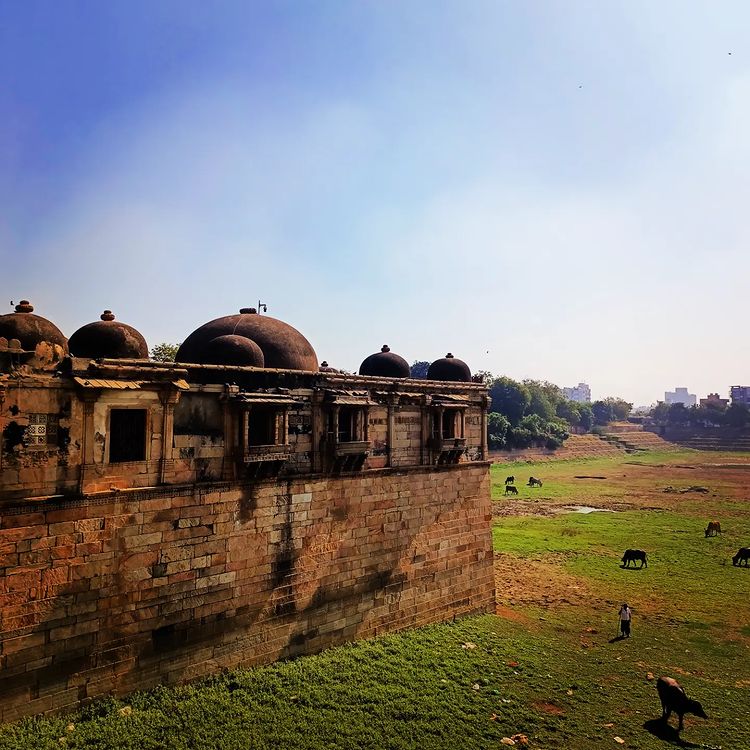
Located 8 km southwest of the ancient center of Makarba, Sarhej Roza is a complex of mosques, tombs and palaces dedicated to the memory of Ahmed Hattu Ganj Baksh, spiritual adviser to Ahmed Shah I. Ruined and elegant buildings are clustered around a large tank built in the mid-15th century by Sultan Mahmud Begada (grandson of the Shah). It is an atmospheric place that has been used as a retreat by several rulers of Ahmedabad. The mausoleums of Mahmud Begada (located at the entrance, with geometric jalis casting light patterns on the floor) and his Ganj Baksh (largest in Gujarat) are both here. The place has a happy community vibe with locals picnicking in the large courtyard.
Sheikh Ahmed Hattu Ganj Bakhsh was a friend and advisor to Ahmad Shah I, ruler of the Sultanate of Gujarat from 1411 until his death in 1442. Muhammad Shah II, successor to Ahmed Shah I, commissioned the Tomb of Sheikh Bahsh, completed in 1451. The next Sultan, Mahmud Vegada, expanded the complex by building Sarhej Lake around the tomb. He ordered a mausoleum to be built for himself and his family, directly across from Ganj Baksh’s tomb. His son Muzaffar Shah II and his wife Rajbai are buried here.
At some point in the 15th century, Sarhej was a village populated by Hindu weavers and indigo dyers under the rule of Sultan Ahmed Shah. Sultan Ahmed Shah is a descendant of the Muzaffari dynasty that founded Ahmedabad. Sheikh Ahmed Katu Ganj Bakhsh from Delhi settled in this village and became a revered Sufi saint in the country. He was also a dear friend of the ruler Shah, and when Hattu died around 1445, the Sultan ordered a mosque and mausoleum built in his memory. However, the monument was completed under the reign of his successor Sultan Qutub al-Din Ahmed Shah. These will be the first in a series of monuments that provoke a syncretism between the spiritual, royal and social realms of Sarhej.
Exploring the Serenity of Sarkhej Roza, Ahmedabad
Nestled in the vibrant city of Ahmedabad, Sarkhej Roza is a spectacular architectural marvel that seamlessly blends history, spirituality, and tranquility. If you’re planning a trip to Gujarat, this tranquil oasis should be at the top of your itinerary.
A Glimpse into History
Sarkhej Roza dates back to the 15th century and was built as a burial place for the revered Sufi saint, Shaikh Ahmed Khattu Ganj Baksh. This site showcases the rich cultural heritage of the region and reflects the fusion of Islamic and Indian architectural styles. As you stroll through the serene grounds, you can sense the spiritual energy that has attracted visitors for centuries.
The Architecture
One of the most striking features of Sarkhej Roza is its intricate architectural designs. The complex comprises of tombs, mosques, and a beautiful garden, all adorned with exquisite carvings. The main tomb, known for its stunning arches and intricately designed ceilings, is a visual delight. Don’t forget to capture some photographs of the stunning minarets that rise gracefully against the blue sky.
A Place of Peace and Reflection
What makes Sarkhej Roza truly special is the sense of peace that permeates the area. The lush gardens provide a perfect spot for meditation or quiet reflection. As you wander through the pathways lined with trees, you’ll find yourself transported far from the hustle and bustle of city life. It’s an ideal place for those seeking solace or inspiration.
Tips for Visiting
When planning your visit to Sarkhej Roza, here are a few tips to keep in mind:
Best Time to Visit: The early morning or late afternoon is the perfect time to enjoy cooler temperatures and stunning sunlight for your photos.
Dress Modestly: Since this site holds spiritual significance, it’s advisable to dress modestly and respect the local customs.
Guided Tours: Consider joining a guided tour to learn more about the rich history and fascinating stories behind this beautiful site.
Conclusion
Sarkhej Roza stands as a testament to the grandeur of Ahmedabad’s history and culture. Whether you’re an architecture enthusiast, a history buff, or simply looking for a peaceful place to unwind, this stunning complex offers something for everyone. Don’t miss the opportunity to immerse yourself in the serene beauty of Sarkhej Roza during your visit to Ahmedabad.
For more information about travel guides and tips, visit tourmyodisaha.com. Happy travels!
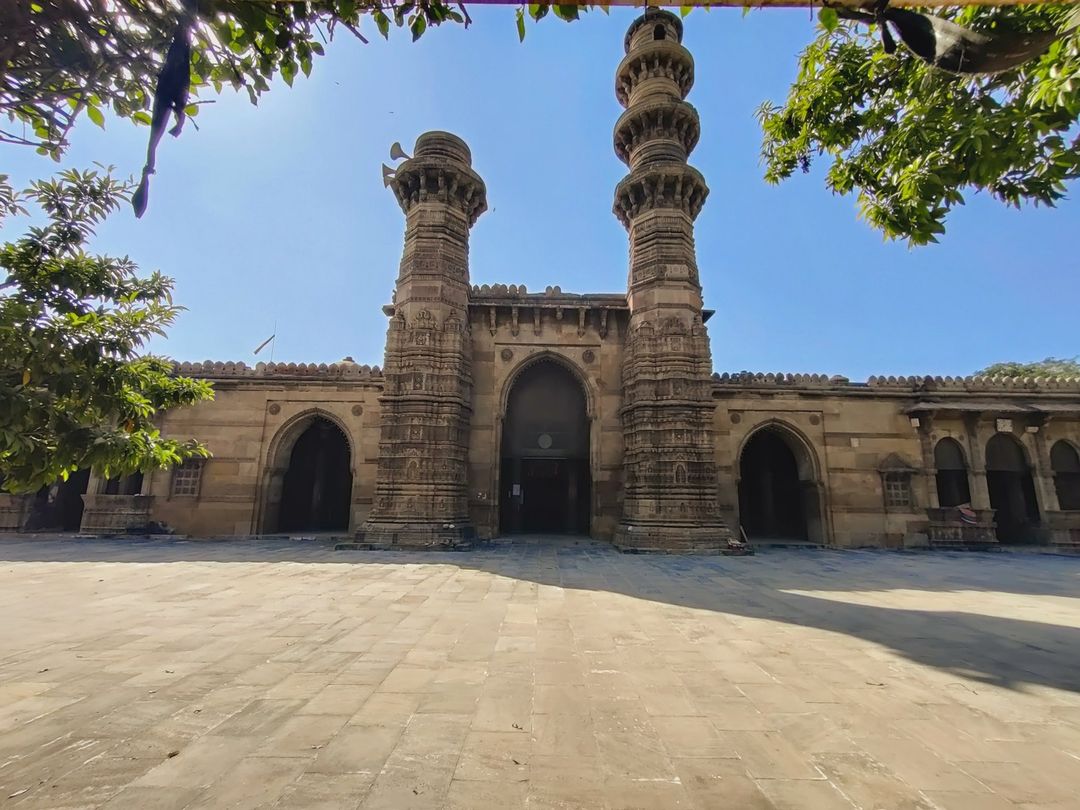
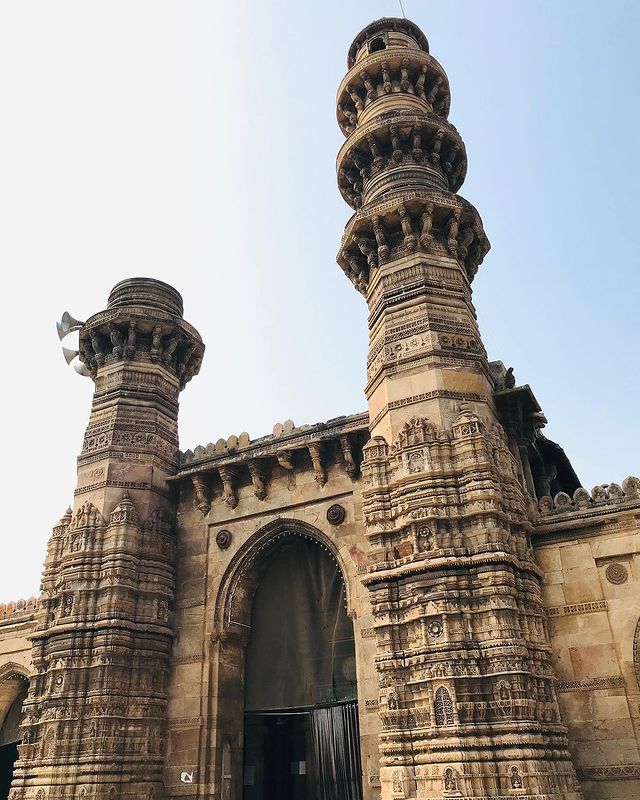
Also known as the Sheikh Minaret, these towers are located in the Sidi Bashir Mosque, built in 1452 AD. The minaret is his three storeys with carved balconies. These structures have fascinated and amazed the best architects and pioneering design engineers. What I can’t figure out is that when one minaret shakes, the other starts to vibrate.
The mosque is believed to have been built by Sidi Bashir, a slave of Sultan Ahmed Shah, or Malik Saran, a noble in the court of Mahmoud Begada, a wealthy Sultan of Gujarat. increase. It was constructed. However, the architectural style and materials used to build these minarets are very similar to the period of the early 16th century.
Later in history, in 1753 AD to be exact, this building was severely damaged during the war between Maratha and his Sultan Khan of Gujarat.
Important sights in and around Julta Minar
Mosque of Ahmed Shah This mosque was built by Sultan Ahmad Shah in his 1414 year. He was the one who founded the city of Ahmedabad. The chapel and the entire interior of the mosque are very elaborately designed with black and white marble. Apart from that, this place also has very beautifully carved stone pillars and Jali screens with great symmetry.
Jama Masjid Jama Masjid was built by Ahmed Shah in 1423 and is one of his most beautiful mosques. Constructed of yellow sandstone, it is a perfect blend of Hindu and Muslim architectural styles. And the chapel at this place has 15 domes of different heights and about 260 columns.
Sidi Sayyid Mosque This mosque was built in 1573. He is also one of the last major mosques built in Ahmedabad by the Mughals. The sculpted Jaalis-like interior of this building, along with many other architectural examples, is known around the world and has become an enduring symbol of Ahmedabad.
Shopping Visit Anand Cloth Market, Sarampur Sindhi Market and more. Here you can buy bright and colorful Gujarati dresses to wear during special occasions and Navratri celebrations. At the local market, you can buy traditional dresses such as chanya choli, kedyu, kurono (kurta and dhoti), fent (hat) and oxidized traditional jewellery.
Kankaria Lake An artificial lake east of Ahmedabad. The lake was basically created to provide a refreshing urban space for locals and tourists to relax. The lake also offers some great entertainment options such as a captive balloon safari by train.
Exploring the Mystique of Jhulta Minar in Ahmedabad
When we think of Ahmedabad, a city rich in history and culture, one of the most captivating attractions that come to mind is the iconic Jhulta Minar. This architectural marvel, also known as the “Shaking Minarets,” is a testament to the brilliance of ancient engineering and a symbol of the city’s vibrant past.
A Unique Architectural Wonder
Jhulta Minar, located in the heart of Ahmedabad, was built in the 15th century. It consists of two minarets that are not just visually stunning but also serve a fascinating function: they shake! Legend has it that if one minaret is shaken, the other similarly quakes, creating a mesmerizing effect. This phenomenon draws visitors from all over to witness the wonders of medieval craftsmanship.
The Story Behind the Minarets
The origin of Jhulta Minar is steeped in mystery and fascination. Believed to be constructed during the reign of Sultan Ahmed Shah, this structure is a fine example of Indo-Islamic architecture. The intricate carvings, delicate jali work, and the mesmerizing patterns reflect the artistic mastery of the time. The story surrounding its purpose also adds to its allure—some say it was built for the purpose of guiding travelers, while others believe it served as a minaret for the nearby mosque.
Visiting Jhulta Minar
When visiting Ahmedabad, the Jhulta Minar is an absolute must-see. The structure is nestled within the confines of the Sidi Bashir Mosque, which is equally beautiful and historically significant. As you approach the minarets, take a moment to absorb the intricate detailing that adorns the stonework.
Visitors can appreciate the unique acoustics of the area, which were designed to amplify the call to prayer. As you experiment with the shaking of the minarets, you will find it fascinating to feel the vibrations travel through the structures. This interactive experience offers a unique connection to the history and culture of the region.
Best Time to Visit
The ideal time to visit the Jhulta Minar is during the winter months, from November to February. The pleasant weather allows you to fully immerse yourself in the experience without the blazing heat typical of Ahmedabad. Early morning or late afternoon visits are suggested to avoid crowds and to enjoy some breathtaking photography opportunities.
Conclusion
A visit to Ahmedabad would be incomplete without witnessing the grandeur of Jhulta Minar. It’s not just a structure; it’s a portal to the past that leaves visitors with a sense of wonder and admiration for the intelligence and creativity of ancient civilizations.
So, whether you’re a history enthusiast, an architecture aficionado, or simply someone seeking a memorable experience, Jhulta Minar should be at the top of your list. Explore this enchanting site and let its stories unfold as you connect with the heritage of Ahmedabad.
For more information on planning your trip, visit [tourmyodisaha.com].