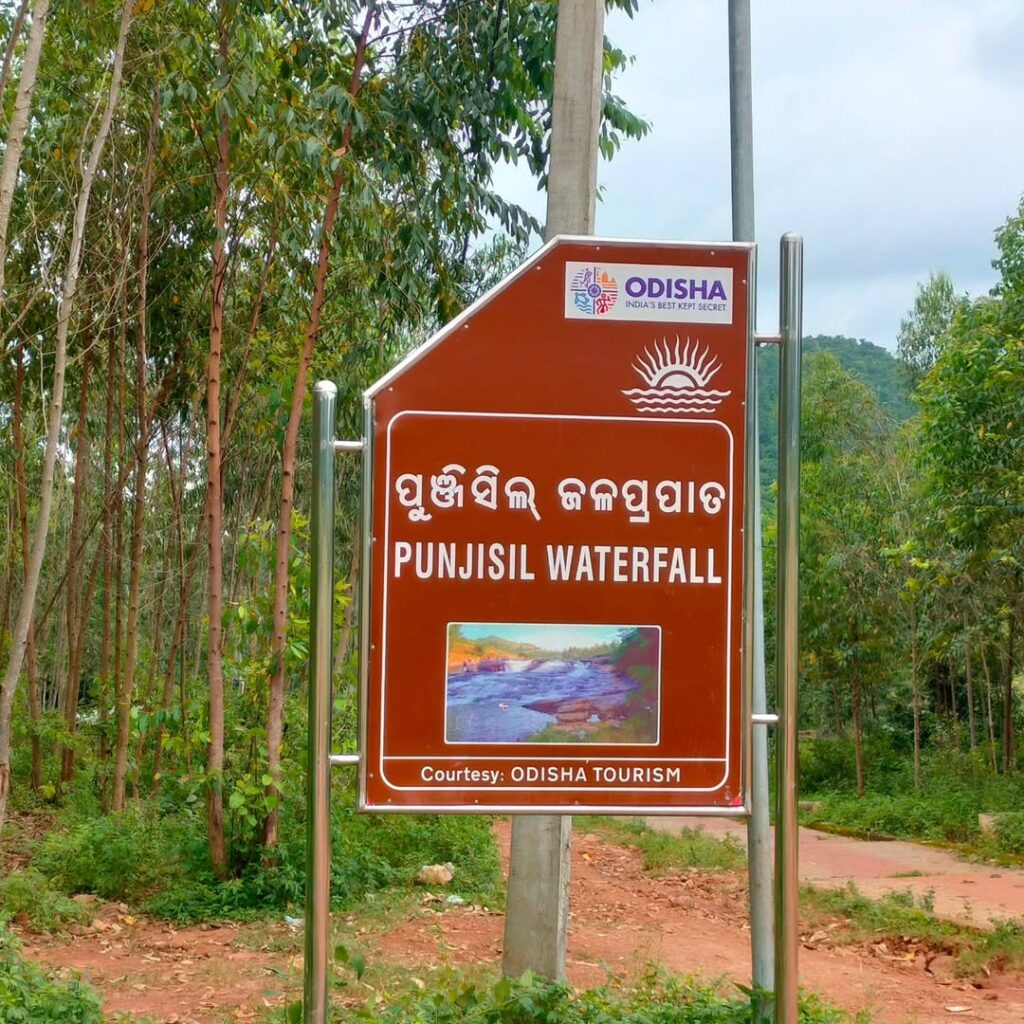
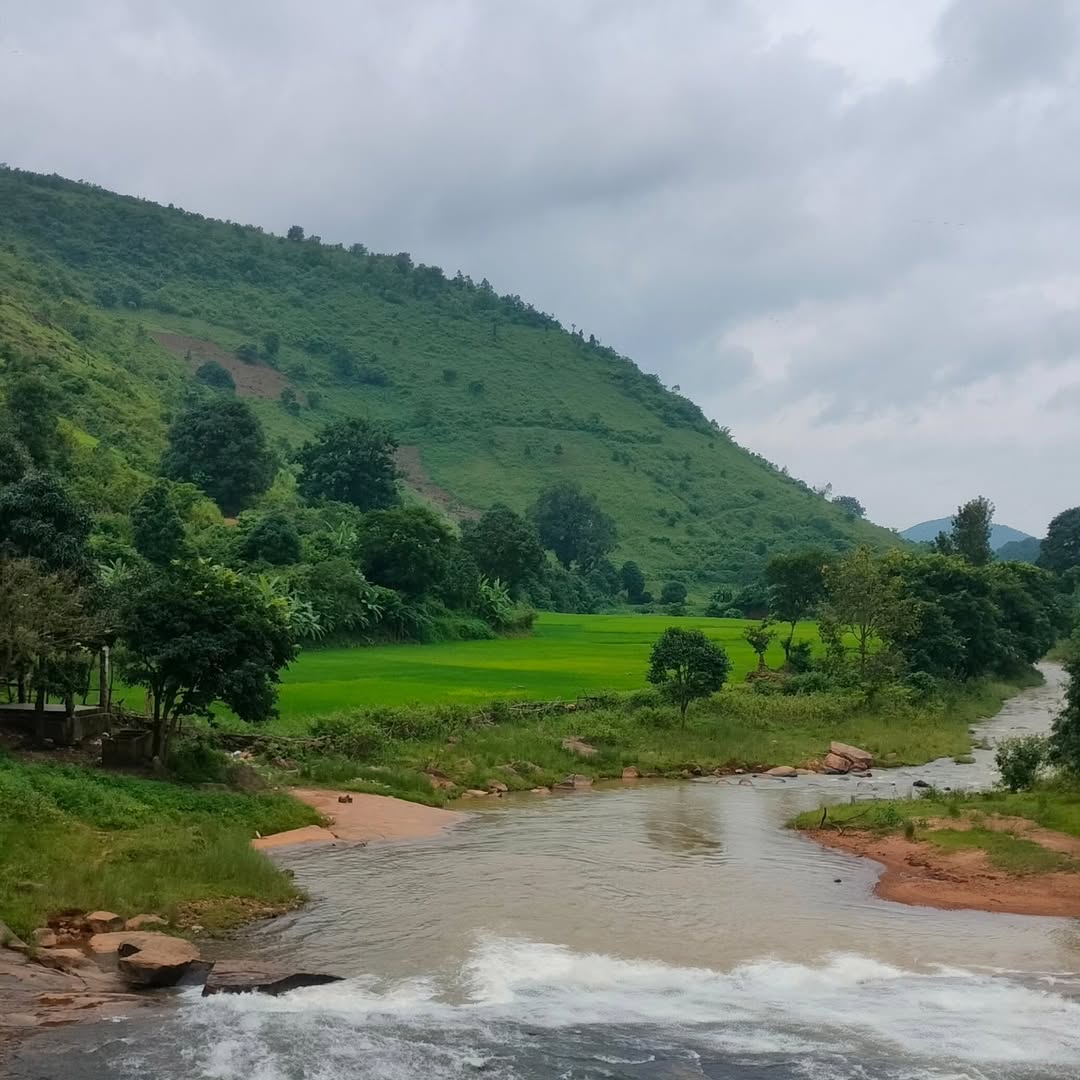
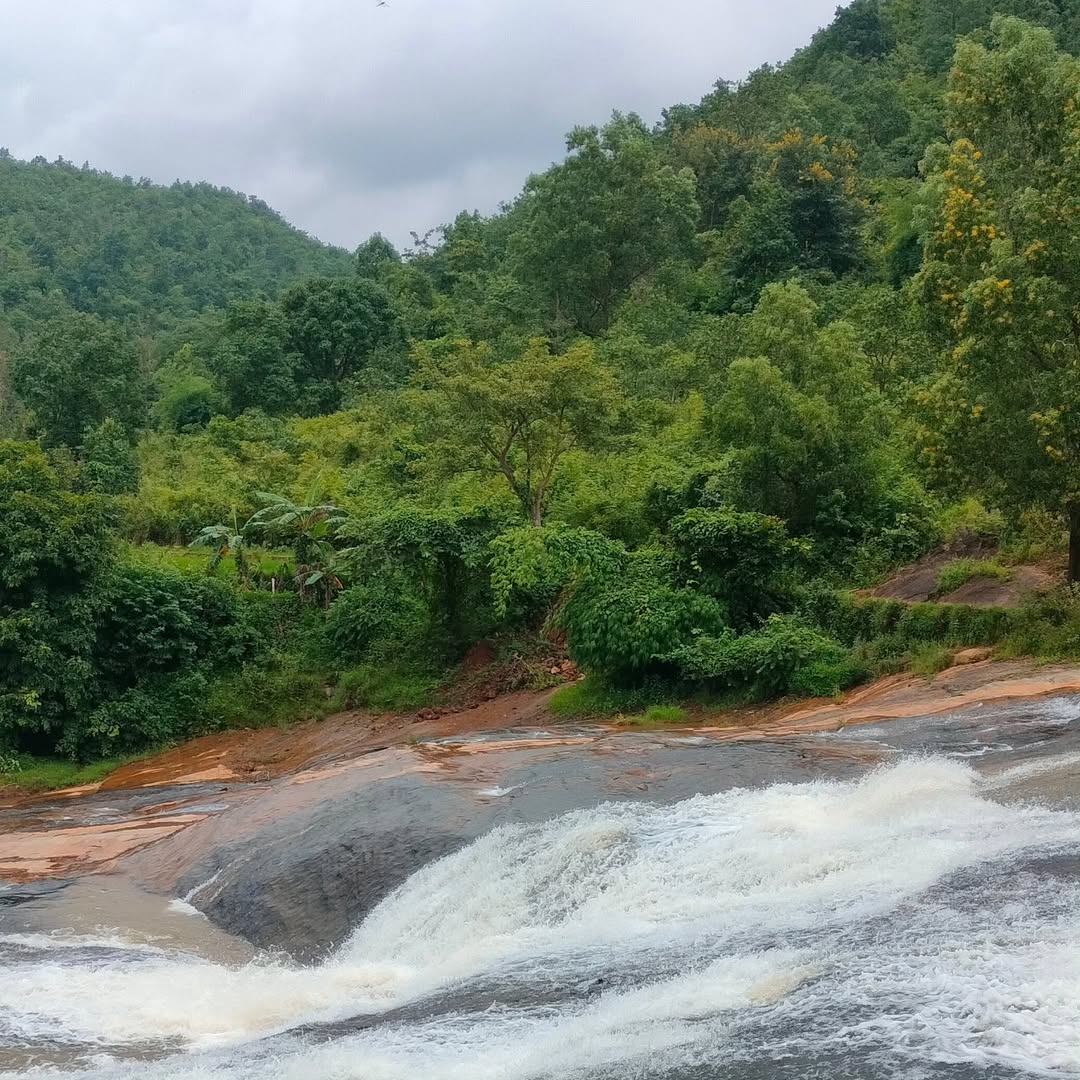
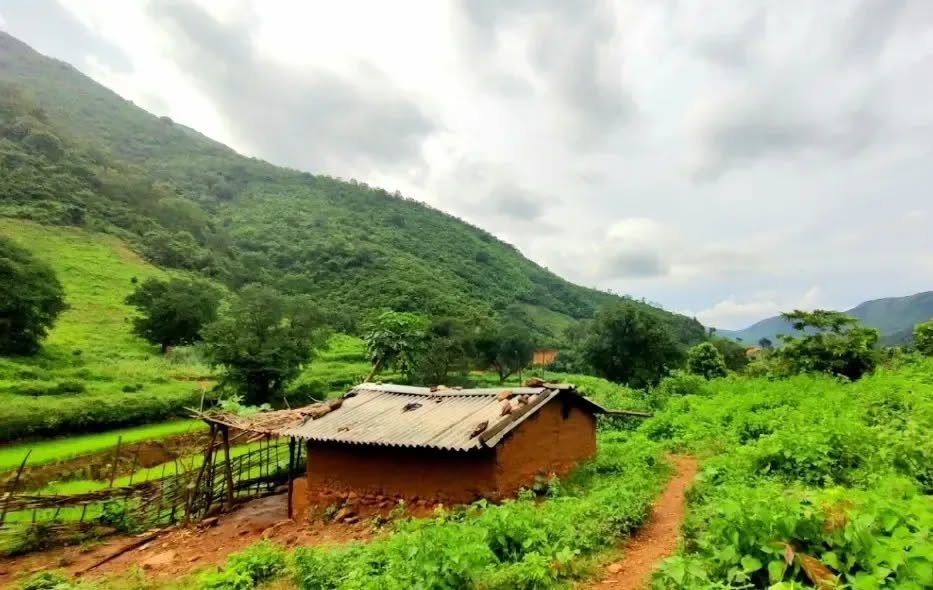
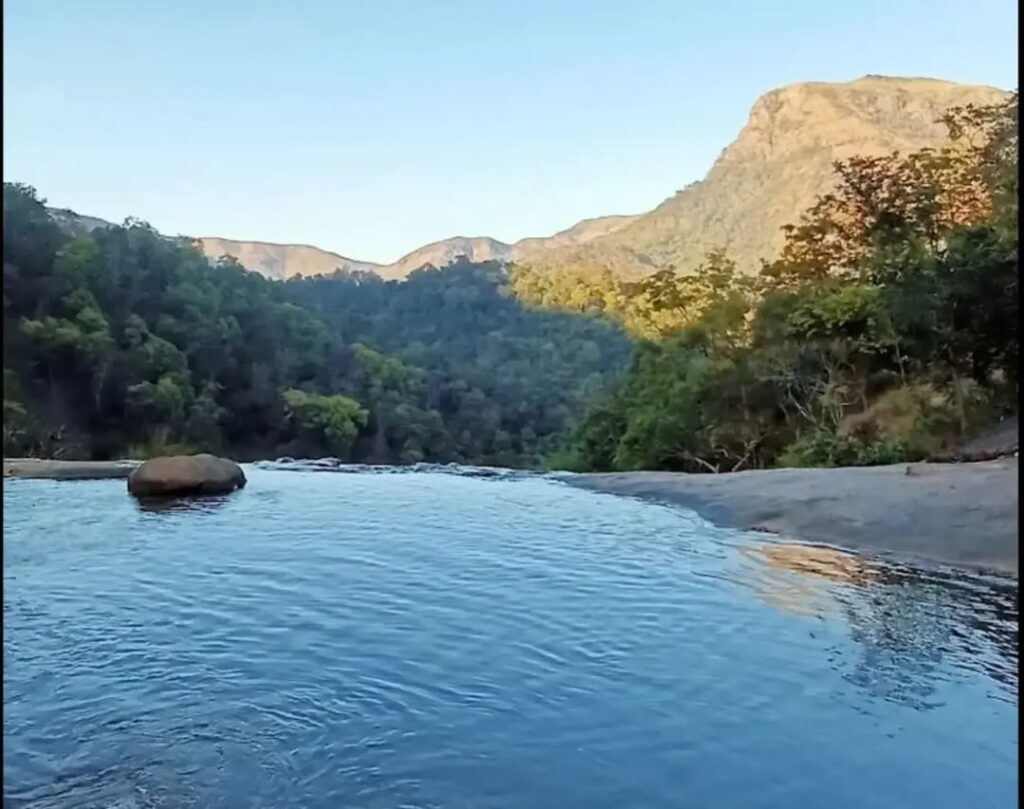
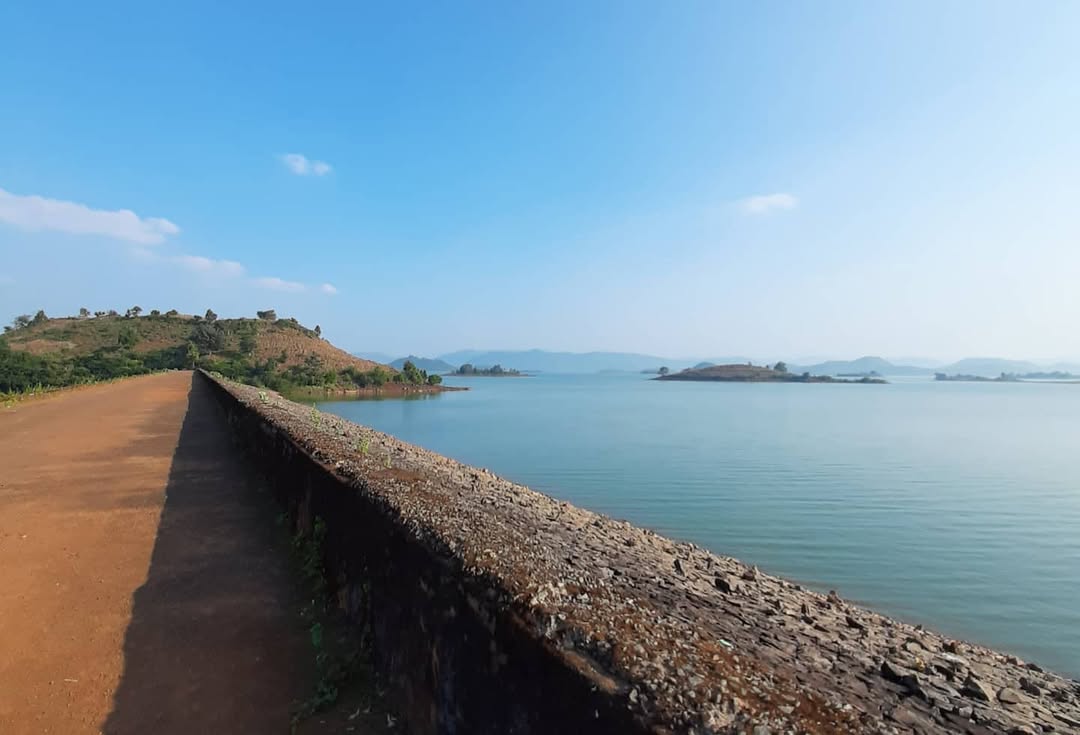
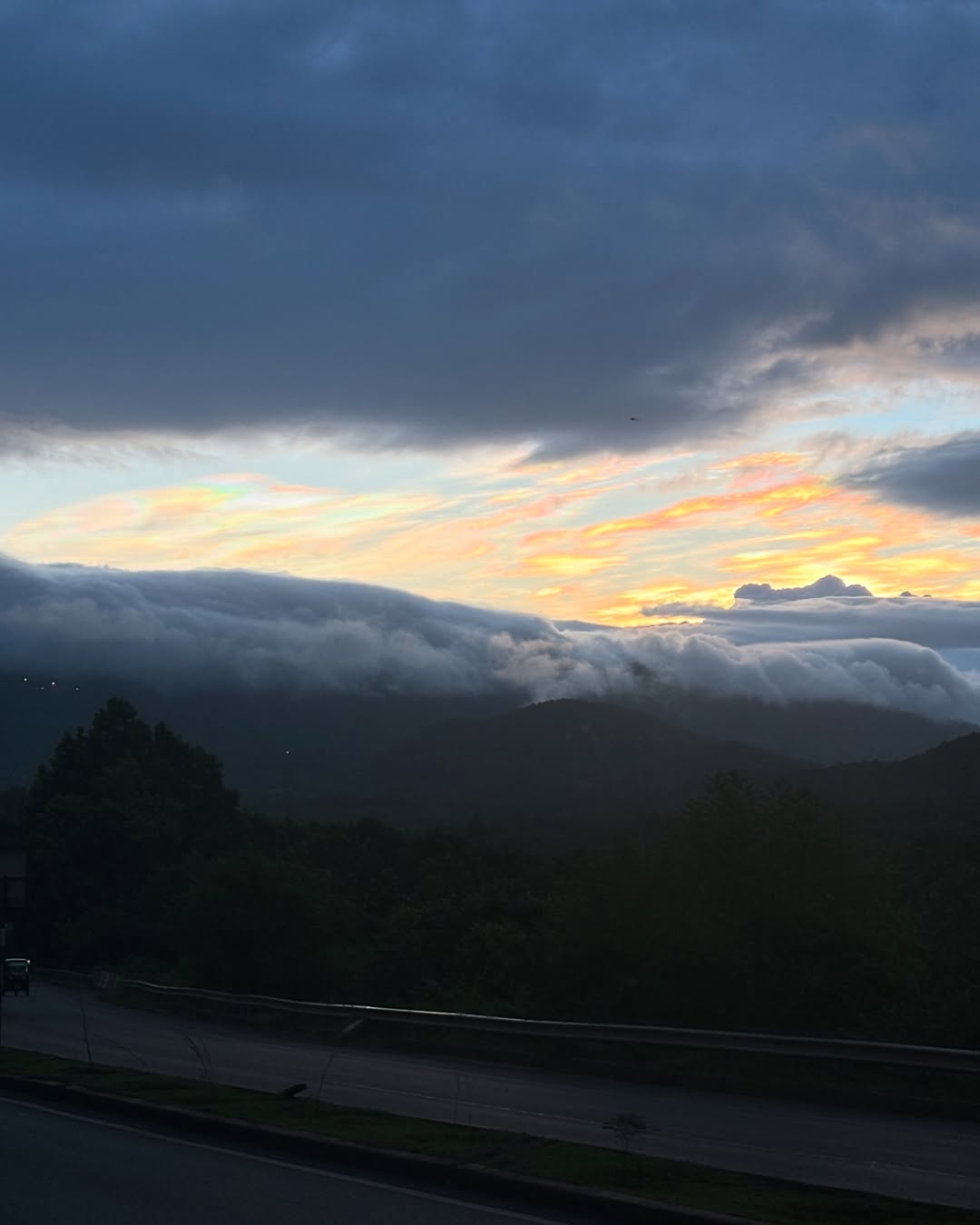
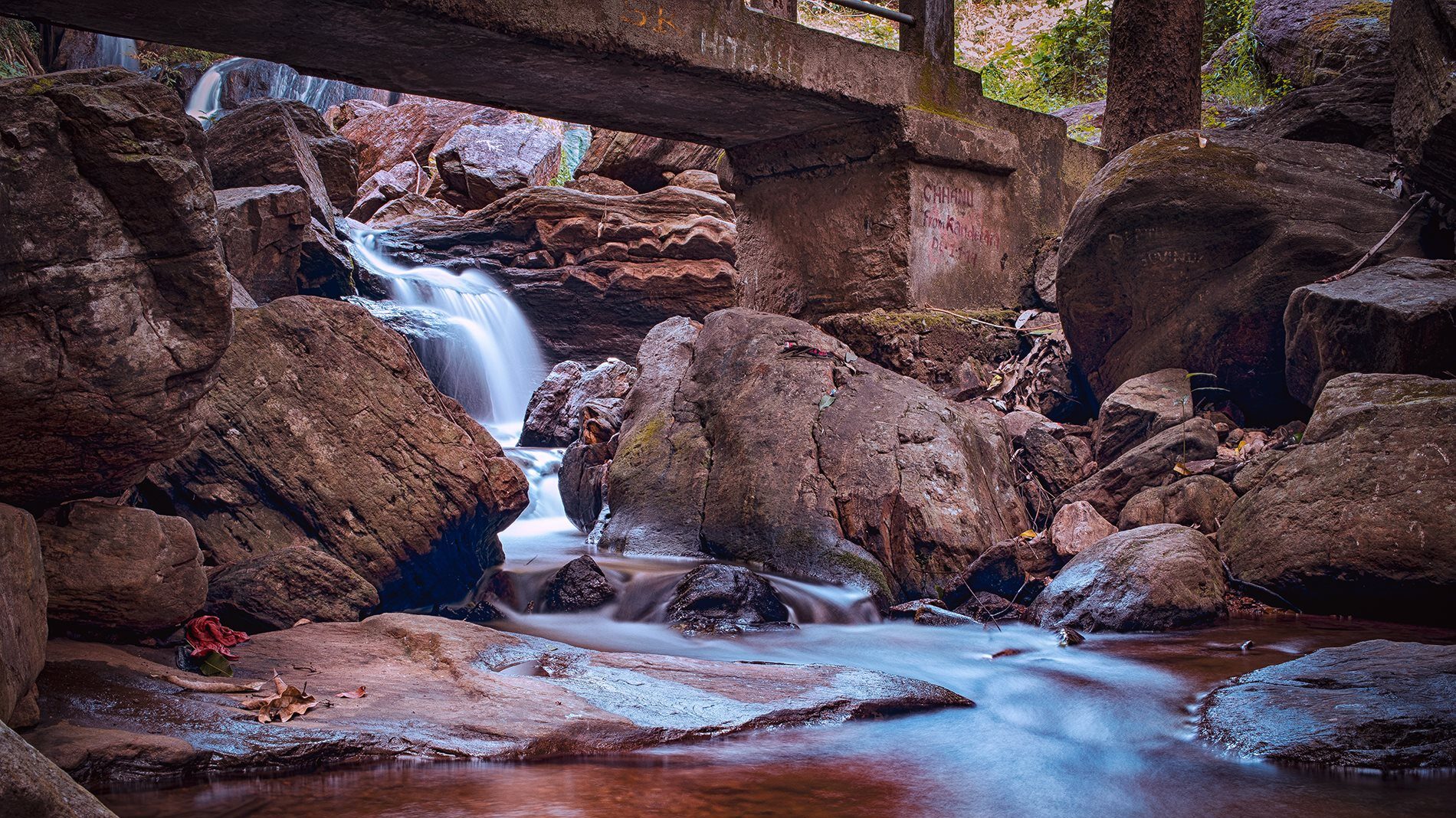
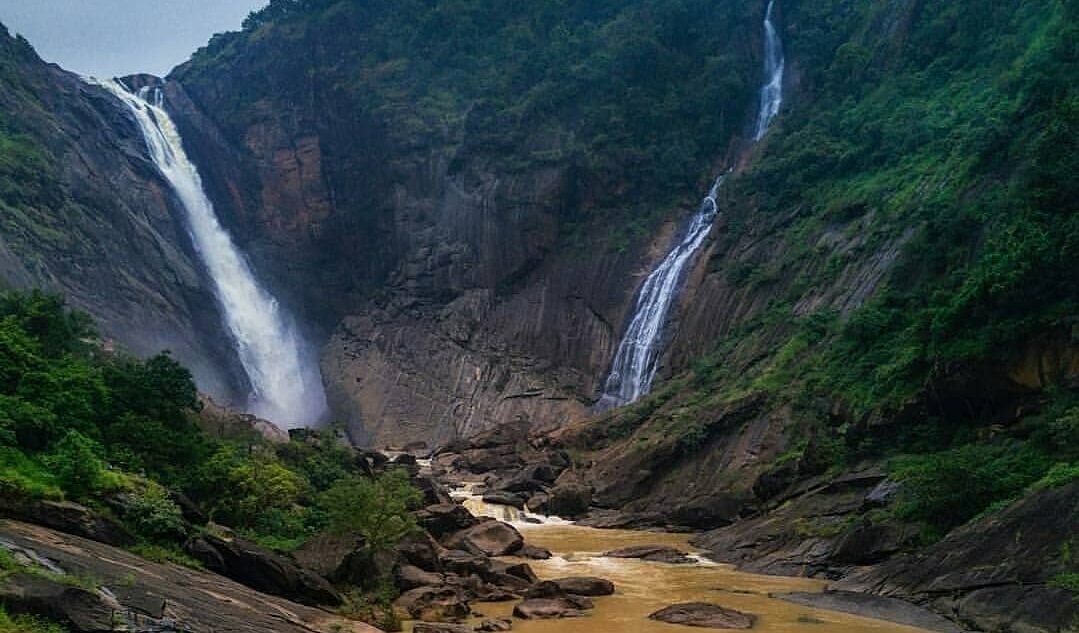
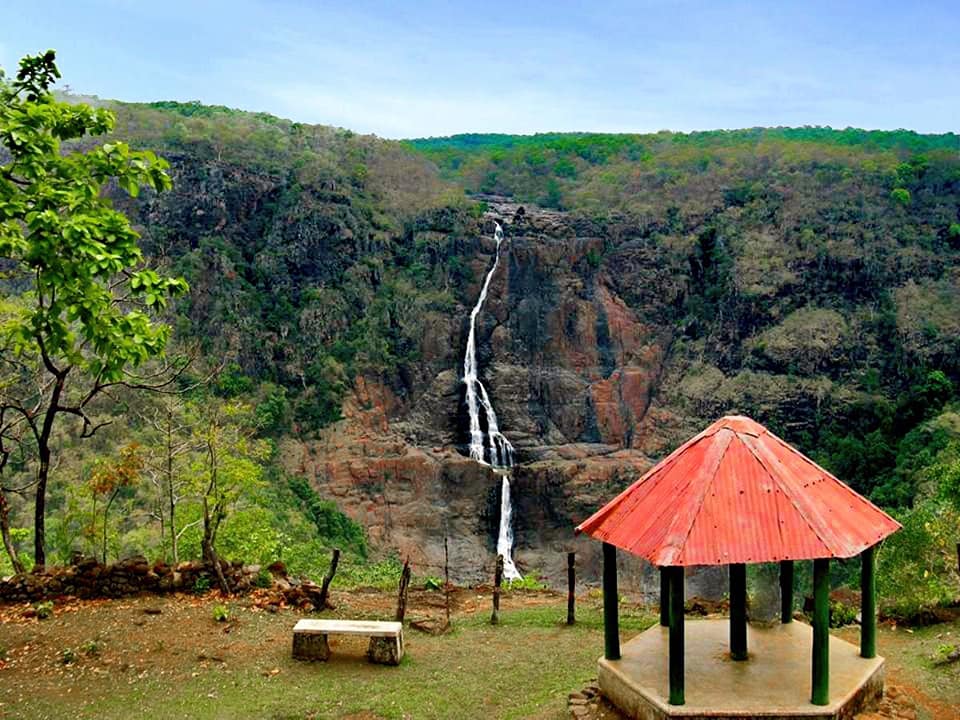
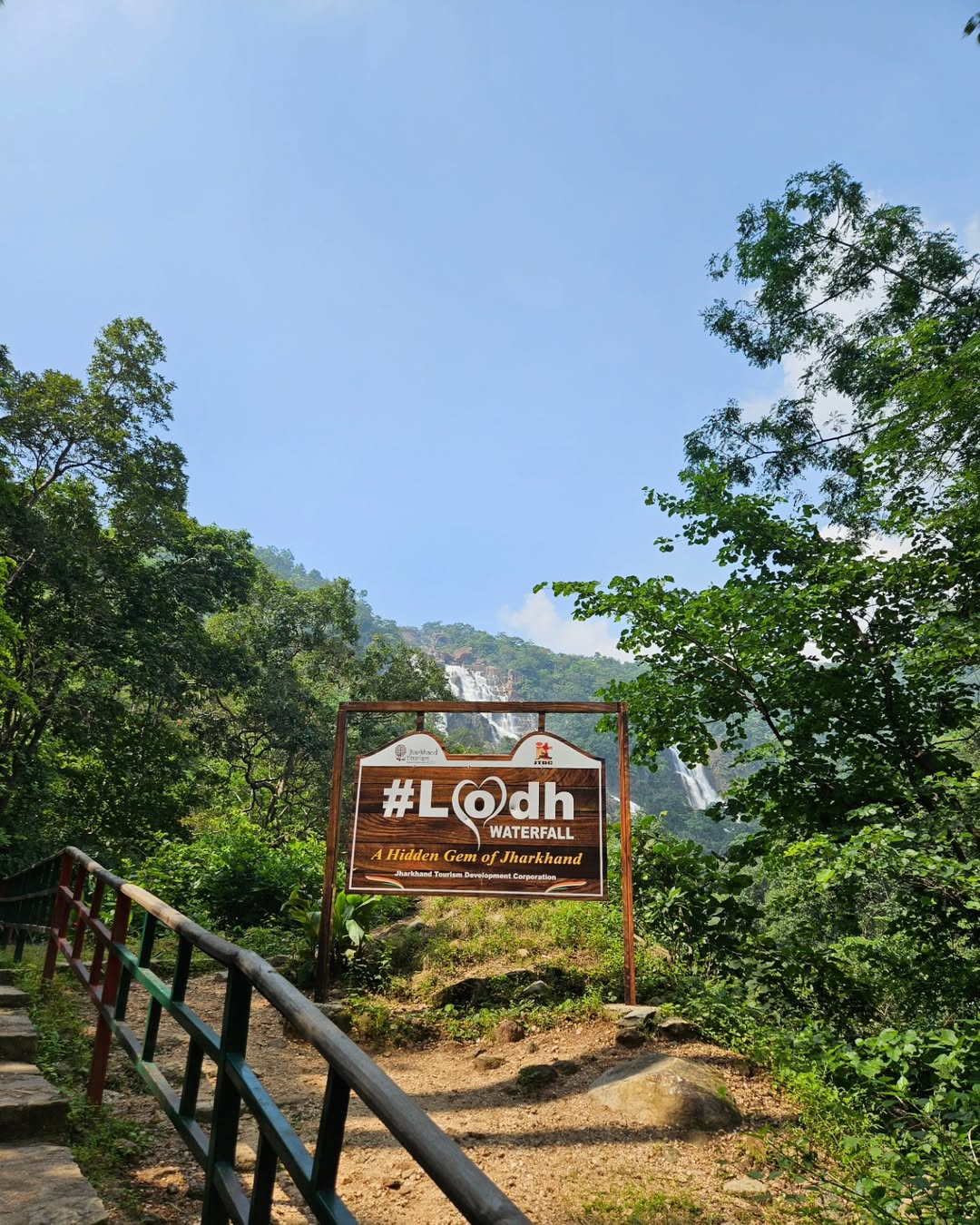
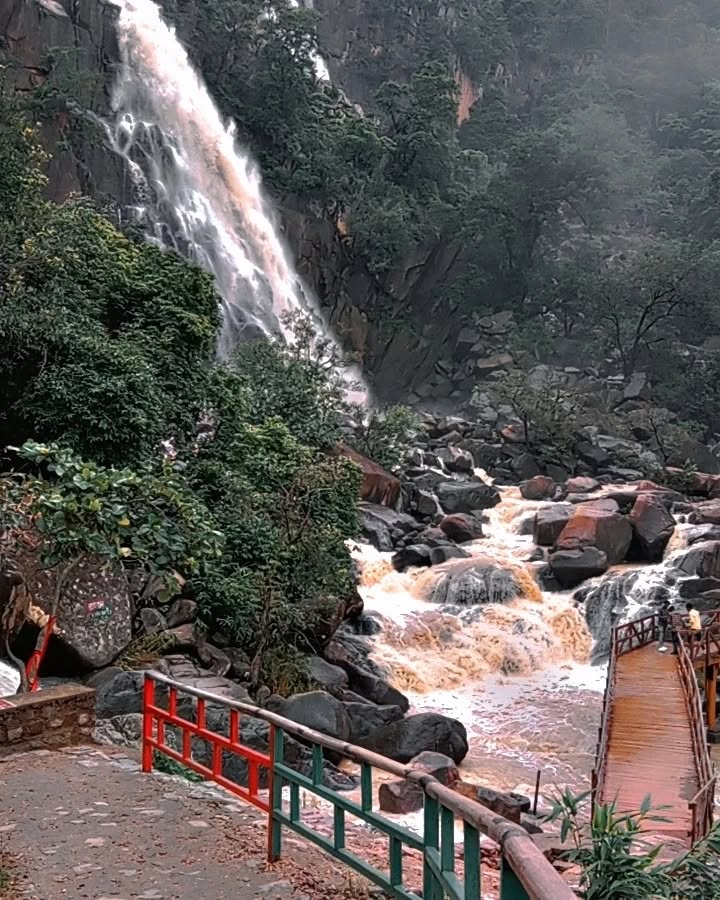
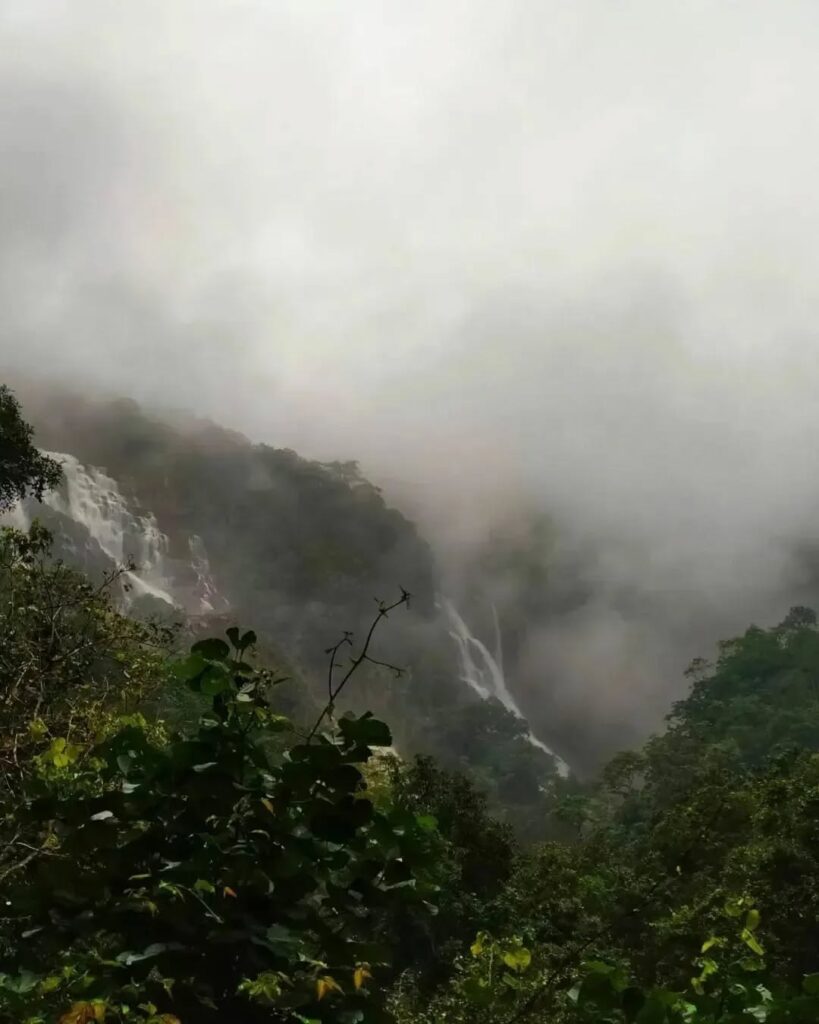
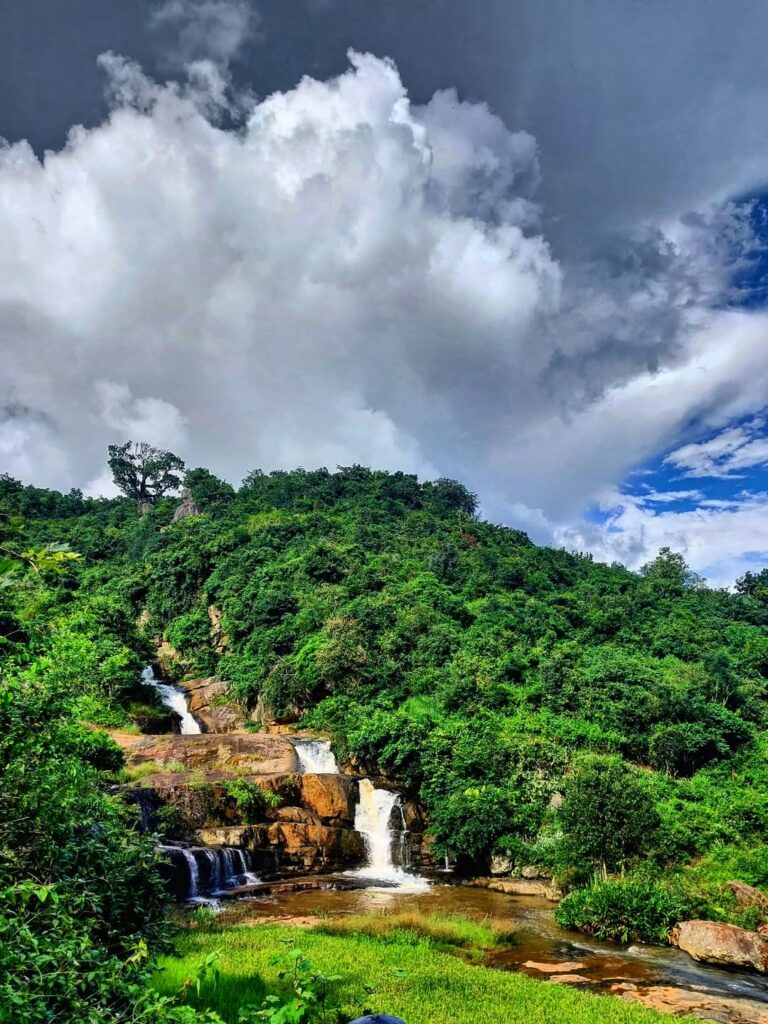
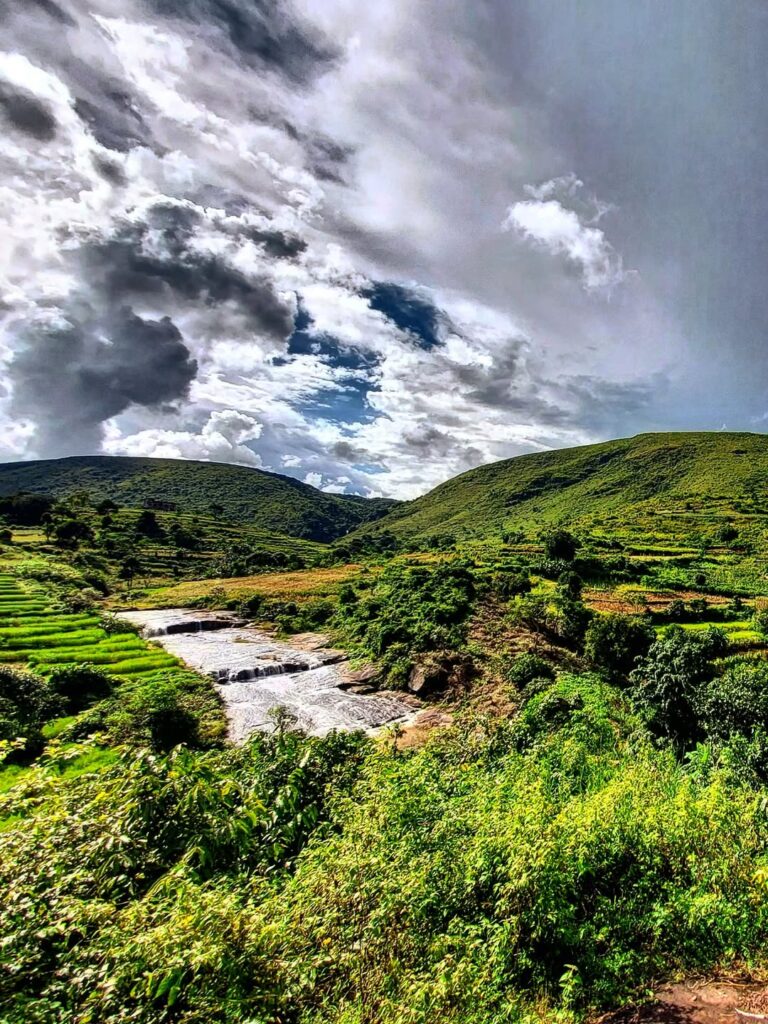
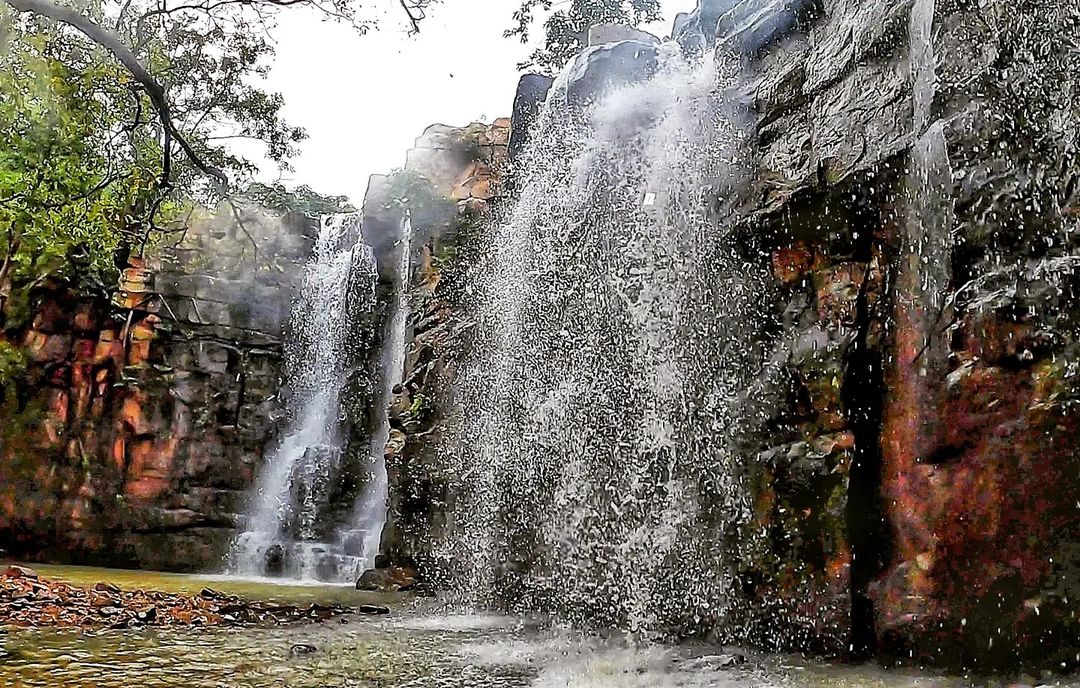
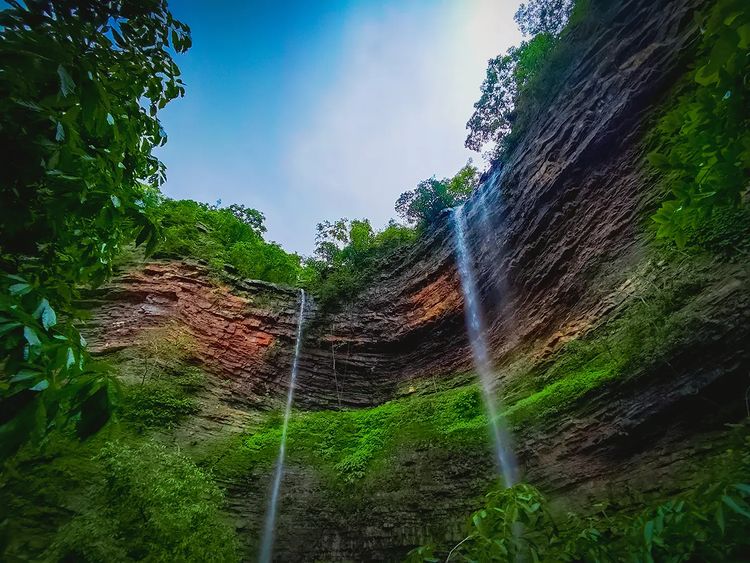
Discover the Majestic Punjisil Waterfall in Podagada, Koraput
If you’re looking for a serene getaway that boasts both natural beauty and tranquility, look no further than Punjisil Waterfall in Podagada, Koraput. This hidden gem, tucked away in the lush greens of Odisha, is perfect for nature lovers and adventure seekers alike.
Why Visit Punjisil Waterfall?
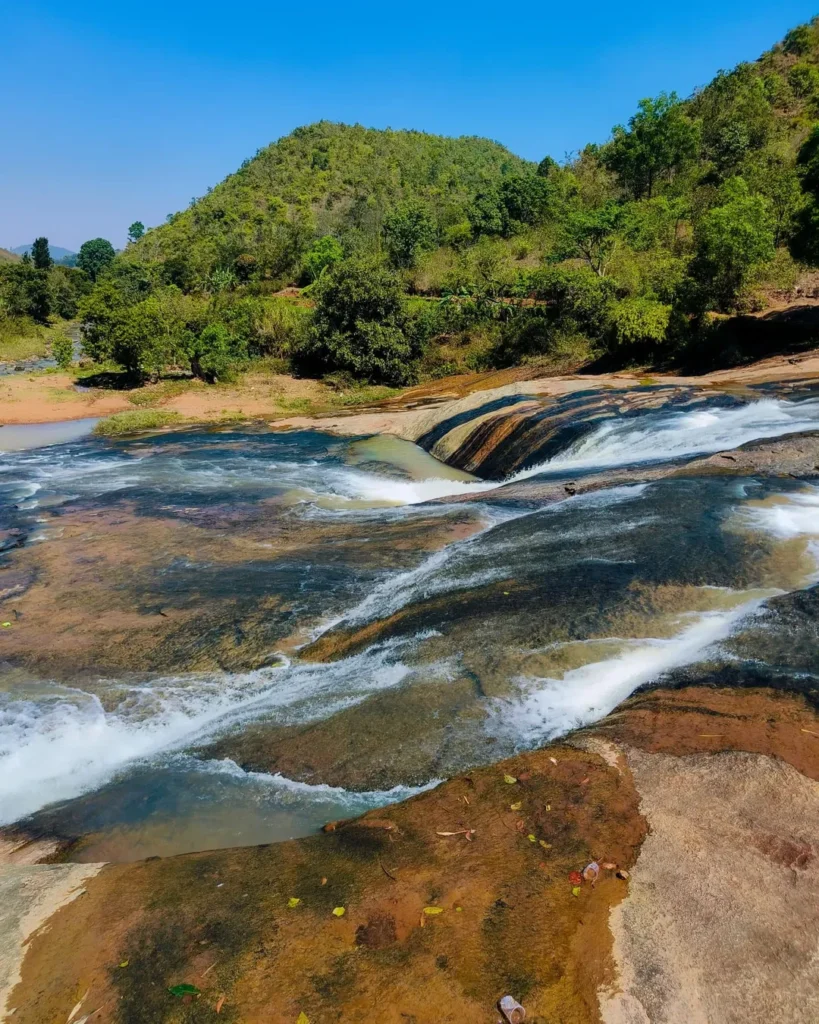
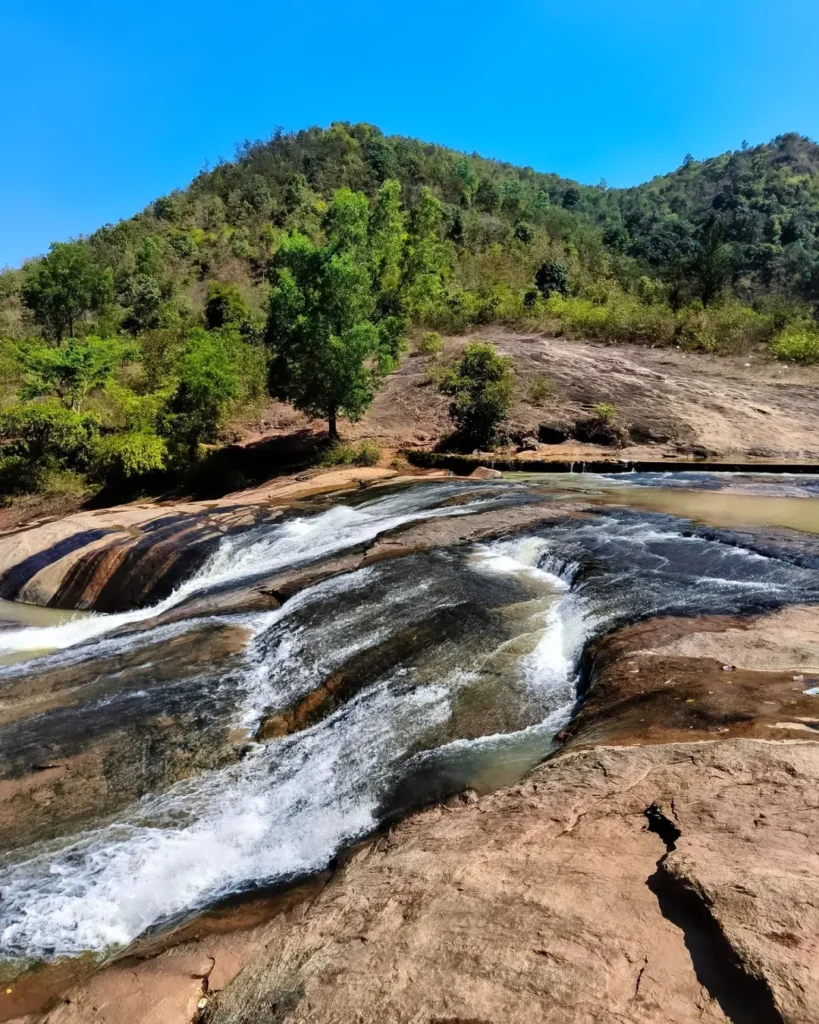
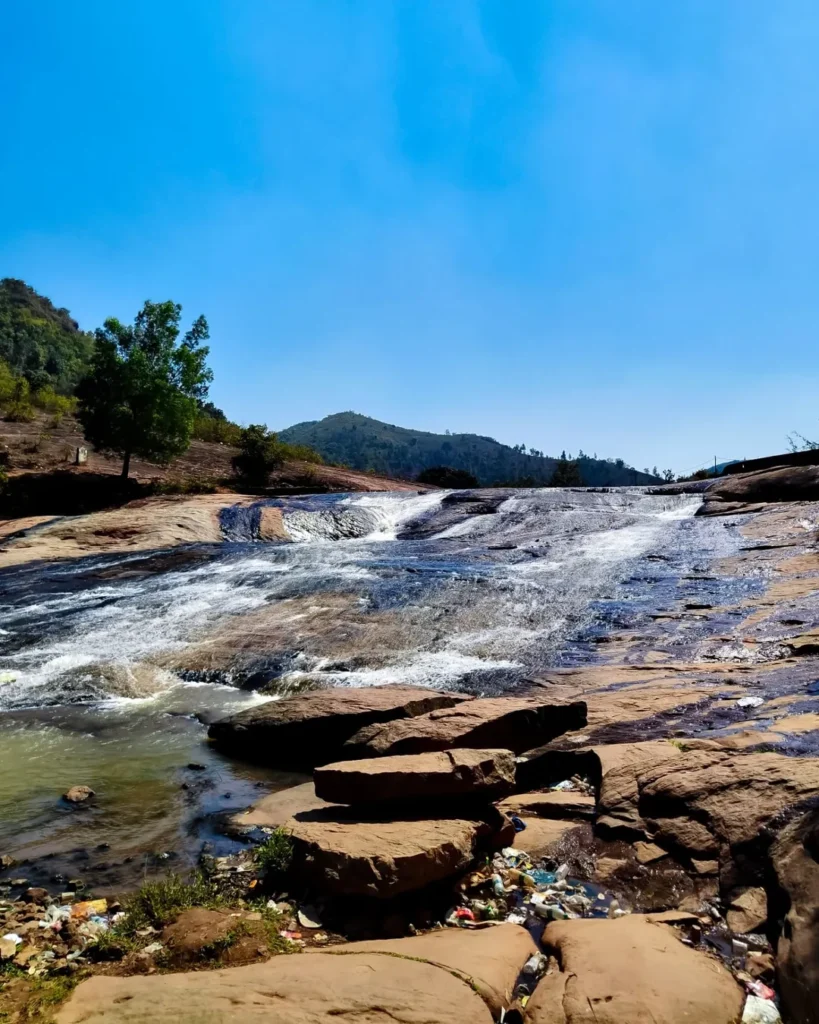
The Punjisil Waterfall is one of those enchanting places that feels straight out of a postcard. The mesmerizing cascade of water plunging down the rocks is a breathtaking sight, especially during the monsoon season when the falls come alive with vigor. The surrounding landscape is equally captivating, with dense forests and vibrant flora that make for excellent hiking and exploration opportunities.
Best Time to Visit
The best time to visit Punjisil Waterfall is during the monsoon months from June to September when the waterfall is at its fullest. Alternatively, the post-monsoon months from October to December also offer a pleasant climate and are ideal for trekking and photography.
Getting There
Situated in the Koraput district, Punjisil Waterfall is easily accessible from the main town of Podagada. Visitors can reach the site via private vehicles or local transport options. Make sure to check the route ahead of time and plan your journey to fully enjoy the scenic beauty along the way.
Experience the Charm of Koraput
In addition to the waterfall, the Koraput district is rich in culture and history. Explore the local tribal communities, savor authentic Odiya cuisine, and immerse yourself in the vibrant traditions that add to the charm of this region. It’s a perfect blend of natural beauty and cultural richness.
Discover the Untamed Beauty of Punjisil Waterfall, Podagada, Koraput
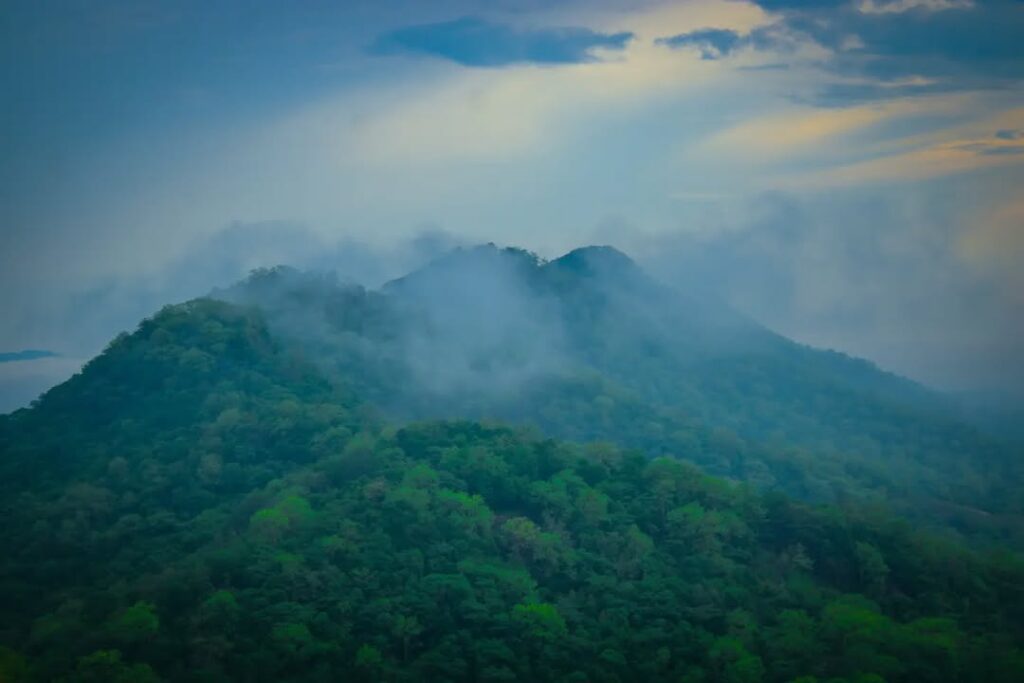
Imagine hiking through thick green forests in the Eastern Ghats, where the air smells like fresh rain and wild flowers. Suddenly, a roar breaks the quiet. Water crashes down from high rocks, forming a misty veil that sparkles in the sun. This is Punjisil Waterfall, a spot tucked away in Podagada, Koraput, that calls to adventure seekers. Far from crowded beaches or city lights, it offers a real taste of Odisha’s wild side.
Discover the Majestic Punjisil Waterfall in Podagada, KoraputDiscover the Untamed Beauty of Punjisil Waterfall
Punjisil Waterfall stands as a must-see for eco-tourists, hikers, and folks who want to connect with true Odia roots. Nestled in the hills, this fall plays a big role in the local ecosystem. It feeds streams that help nearby farms and wildlife thrive. Plus, it ties into the tribal ways of life here, where water spots hold deep stories and respect.
Unveiling Punjisil Waterfall: Location and Geological Significance
Where is Punjisil Located? Pinpointing Podagada
Punjisil Waterfall sits in Podagada village, about 25 kilometers from Koraput town in Odisha’s southern hills. You can find it near coordinates 18.95°N and 82.68°E, right in the heart of the Eastern Ghats. To reach Punjisil Waterfall from Koraput, hop on a local bus that heads toward Sunabeda or hire a jeep for the bumpy roads.
The trip takes around one hour by road. Once you hit Podagada, a short walk leads to the trail start. Roads get rough after rains, so check weather apps first. Buses run from Koraput’s main stand a few times a day, but they fill up quick.
This spot feels worlds away from busy spots. It pulls in those searching for offbeat Odisha treks.
The Landscape of the Eastern Ghats
The Koraput area stretches as part of the old Bastar Plateau, with rolling hills and deep valleys carved by time. Rocks here, mostly granite and basalt, shape how water tumbles down Punjisil. The fall drops about 30 meters, spreading wide during rains to create a powerful show.
At elevations around 1,000 meters, the terrain mixes dense forests with open plateaus. This setup boosts biodiversity, home to birds like the hill myna and plants such as sal trees. Water flows from hill streams, fed by monsoon rains that soak the soil.
Geology makes Punjisil special. It forms where faults in the earth let water rush free. Hikers love how the rocks offer natural steps to the base.
Discover the Majestic Punjisil Waterfall in PodagadaWhy Visit Punjisil Waterfall
Best Time to Visit for Peak Flow and Sightseeing
Head to Punjisil Waterfall from July to September for the best flow. Monsoon turns it into a thundering beast, with water gushing full force. The mist cools you down on hot days.
After rains, in October and November, the falls stay strong but paths dry out for safer walks. Winter brings clear views, though the flow slows. Summers can make it a thin trickle, but green surroundings still shine.
Pack raincoats and quick-dry clothes for wet seasons. In dry times, grab hats and lots of sunscreen. Always bring bug spray, no matter when.
Why pick one season over another? It depends on your vibe—wild waters or calm hikes.
The Trekking Experience: Navigating the Path to Punjisil
Trail Difficulty and Duration Analysis
The trek to Punjisil Waterfall starts from Podagada and covers about 3 kilometers one way. It’s a mix of dirt paths through woods and some rocky scrambles near the end. Most folks call it moderate—good for fit beginners but tough if you’re out of shape.
Expect one to two hours to reach the base, depending on pace. The trail winds uphill at first, then levels near the falls. Watch for slippery spots after rain; roots and stones trip up the unwary.
No paved roads here. It’s all natural, which adds to the fun. Bring a map app for backup, as signs are few.
Essential Gear and Safety Precautions
Sturdy hiking boots top the list for the uneven ground at Punjisil. Carry at least two liters of water per person, since streams might not be safe to drink. A small backpack with snacks keeps energy up.
Safety comes first in this remote area. Tell someone your plans before you go. Stick to the path to avoid getting lost in thick bush.
Flashlights help if you stay late. Cell signal fades quick, so a power bank is smart. First-aid kits with bandages and pain relievers cover basics—no clinics nearby.
One slip can end your day, so move slow on wet rocks.
Local Guidance: Why Hiring a Local Trekking Partner Matters
Local folks from Podagada make great guides for the Punjisil trek. They know hidden shortcuts and spots to rest. Plus, they share tales about the land that apps can’t match.
Hiring one costs little, around 500 rupees for a group. It puts money back into the community, helping tribal families. Guides point out safe paths and wild fruits safe to eat.
Their knowledge cuts risks. They spot snake trails or weak bridges you might miss. It’s not just a hike—it’s a lesson in living close to nature.
Ever wonder how locals see these falls? Guides turn your trip into a story.
Cultural Immersion: Podagada Village and Tribal Heritage
The Bonda and Paroja Connection
Podagada sits among homes of the Bonda and Paroja tribes, known for their close ties to the hills. Bondas, with their bright beads and tattoos, see water like Punjisil as life givers. They use nearby streams for rice fields and rituals.
Parojas weave baskets from local reeds and dance at harvest times. Their art, like wooden carvings, often shows water spirits. Visitors can watch from afar, but ask before snapping photos.
This area holds history of hill folk fighting for their lands. Respect builds bridges—offer a smile, not a stare.
Local Flavors and Cuisine Near the Falls
Simple eateries dot the road to Podagada, serving hot mandia roti made from millet. Try the spicy fish curry from stream catches, cooked with wild greens. It’s a tribal twist you won’t find in cities.
Rice beer, or handia, flows at village spots—mild and earthy. For veggies, pakoras fried in mustard oil hit the spot after hikes. One local favorite near Punjisil is bamboo shoot stir-fry, tangy and fresh.
No big restaurants here. Eat where locals do for real taste. Share a meal, and chats flow easy.
Responsible Tourism: Respecting Sacred Spaces
Locals view Punjisil as a holy site, where spirits guard the waters. Don’t climb rocks or swim unless invited. Keep noise low—it’s a place for peace.
Stick to trails to save plants. No plastics; the forest cleans slow. If you see offerings, leave them be.
Small steps keep the magic alive. Ask guides about taboos to avoid mistakes. Tourism grows, but care keeps it pure.
Eco-Tourism Potential and Conservation Efforts
The Fragile Ecosystem of the Water Catchment Area
Punjisil feeds clean water to villages below, supporting fish and frogs in its pools. Forests around catch rain, preventing floods downstream. Birds nest in the canopy, adding to Odisha’s wild mix.
Threats like tree cutting hurt the flow. But locals plant saplings to fight back. This spot shows how falls link life in the Ghats.
One stream from here waters 10 villages. Protect it, and everyone wins.
Infrastructure Challenges and Opportunities
Parking means a dirt lot near Podagada—no fancy signs yet. Toilets are basic or none, so go before you trek. Lodging? Homestays in villages offer clean beds and home meals.
These gaps open doors for green growth. Solar lights or eco-trails could draw more without harm. Communities lead the way, keeping it small-scale.
Change comes slow, but smart plans help. Visit now to see the real deal.
Sustainable Visitor Management Practices
Do carry out all trash—bags and bottles included. Don’t feed animals; it messes their ways. Walk light on soil to save roots.
Don’ts: No fires, even for tea. Avoid loud music that scares wildlife. Pick up after others if you can.
Leave No Trace fits perfect here. Take photos, but leave only footprints. It keeps Punjisil wild for tomorrow.
Pack reusable bottles to cut waste. Small habits make big waves.
Conclusion: Your Next Adventure Awaits at Punjisil
Punjisil Waterfall blends tough treks, stunning views, and rich tribal vibes into one package. From the misty drops to village chats, it pulls you into Odisha’s soul. No crowds, just nature’s raw pull.
Plan your trip to Punjisil soon, before paths widen too much. Go with care—hike smart, respect locals, and pack light. It’s your chance to touch the untouched.
In the end, Punjisil isn’t just a fall. It’s a door to rural India’s heart, where water whispers old secrets. Grab your boots and head out—you won’t regret it.
A Visit to Remember
So, are you ready to embark on an unforgettable adventure? Punjisil Waterfall awaits you with open arms, promising a refreshing experience where you can unwind and rejuvenate. Don’t forget your camera to capture the stunning vistas and make memories that will last a lifetime.
For more information about enjoying your trip to Punjisil Waterfall, or to plan your visit, feel free to reach out through tourmyodisaha.com. Happy travels!
Whether you’re a local or a tourist, Punjisil Waterfall is a destination you shouldn’t miss. Gather your family and friends, pack your bags, and get ready to explore the beauty that Koraput has to offer!
[Your Name] [Your Contact Information] [Your Company / Blog Name] [Optional: Date]
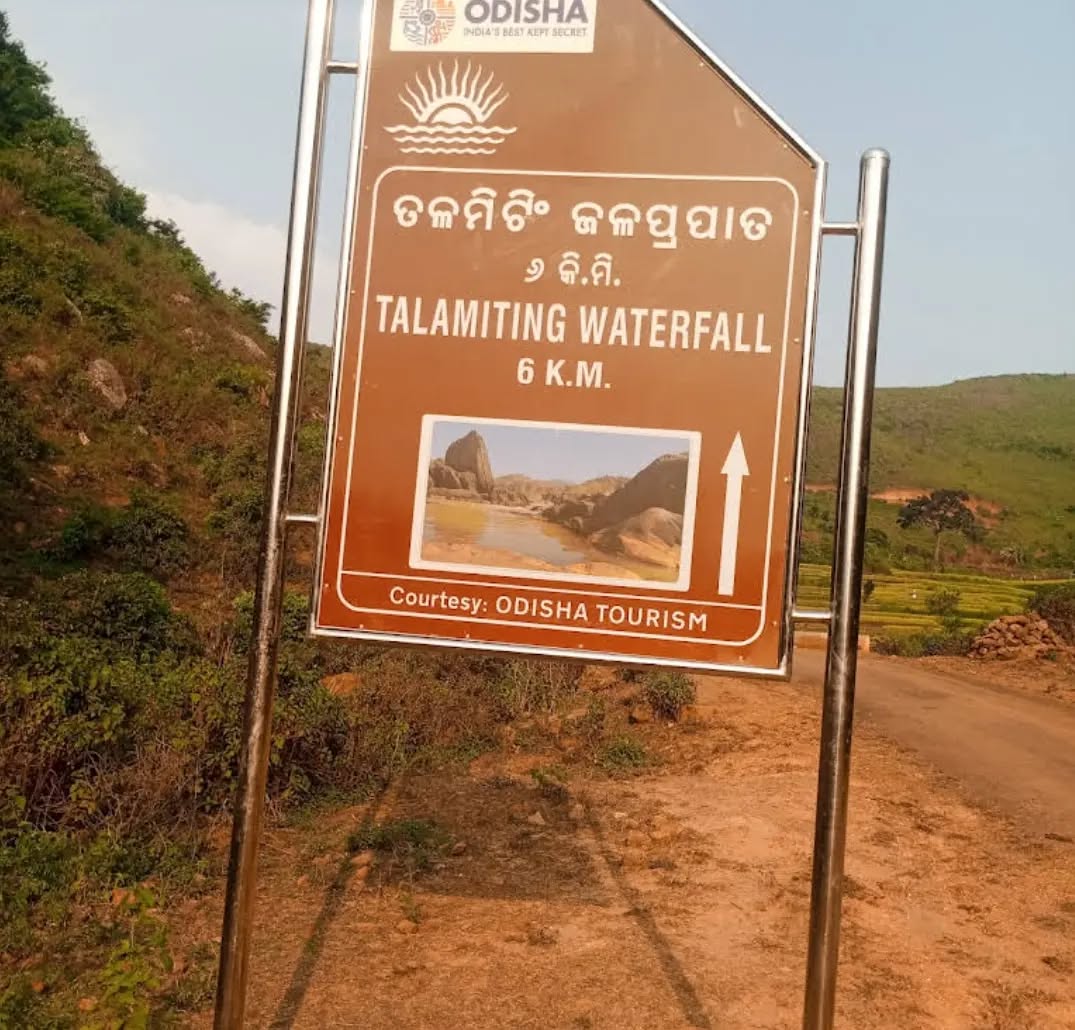
Discovering Talamiting Waterfall: A Hidden Gem in Kakiriguma, Koraput
Welcome back to our travel journal, fellow explorers! This week, I’m thrilled to share a refreshing escape to one of Odisha’s lesser-known natural marvels—the enchanting Talamiting Waterfall, nestled in the serene village of Kakiriguma, Koraput. If you’re longing for a place where untouched landscapes meet energizing cascades, read on—this spot might just be your next adventure.
The Allure of Talamiting Waterfall
Tucked away amid the lush hills of Koraput district, Talamiting Waterfall offers a tranquil retreat that feels worlds away from the humdrum of city life. Unlike more famous tourist spots, this waterfall retains an intimate charm—it’s nature in its purest form, unspoiled and inviting. As the water tumbles down rocky cliffs into a clear pool below, it creates an atmosphere both calming and invigorating. The symphony of rushing water, chirping birds, and rustling leaves makes for an unforgettable sensory experience.
Reaching Talamiting involves a rustic journey through Kakiriguma village, a place that offers a glimpse into the local tribal culture and hospitality. The region’s friendly villagers add warmth to the visit, making you feel like more than just a passerby. If you enjoy hiking, the trek leading to the falls weaves through verdant forests and scenic views, perfect for those who appreciate a bit of adventure alongside their sightseeing.
Discovering Talamiting WaterfallThe Allure of Talamiting Waterfall
Why Visit Talamiting Waterfall?
Pristine Nature: The waterfall cascades down untouched jungle terrain, offering crystal-clear waters perfect for a refreshing dip.
Peaceful Ambiance: Away from crowds, it’s an ideal sanctuary for meditation, picnics, or simply soaking in nature’s tranquility.
Local Culture: Kakiriguma and surrounding villages provide an authentic cultural experience, with opportunities to connect with tribal communities and understand their way of life.
Photography Opportunities: From misty mornings to golden hour sunlight filtering through the trees, photographers will find plenty to capture.
While the trek might require some stamina, the path is doable for casual hikers, and the payoff is worth every step. Just remember to pack snacks, water, and your curiosity!
Plan Your Visit
If you’re planning a trip, the best months are from October to March, when the weather is pleasant and the waterfall is most spectacular after the monsoon rains. Koraput is accessible by road and rail, with local guides available to help with navigation—always a good idea to enhance your journey and learn more about the region.
Talamiting promises a blend of adventure, relaxation, and cultural richness, making it a wonderful weekend getaway or a unique stop on your Odisha travel itinerary.
Discovering the Hidden Gem: Talamiting Waterfall, Kakiriguma, Koraput
Nestled in the lush landscapes of Koraput, Odisha, the Talamiting Waterfall is a breathtaking destination that promises a rejuvenating escape for nature lovers and adventure seekers alike. Whether you’re a seasoned traveler or just looking for an idyllic weekend getaway, this hidden gem offers an unparalleled experience that’s perfect for everyone.
Getting There
Reaching Talamiting Waterfall is an adventure in itself. Located in the charming village of Kakiriguma, the journey involves a mix of scenic roads that wind through verdant hills and forests. The closest major city is Koraput, which can be accessed by train or road. Once in Koraput, local transportation options like taxis or auto-rickshaws can take you to Kakiriguma. As you approach the waterfall, the sound of cascading water will become a delightful reminder that you’re getting closer to paradise.
Why Visit Talamiting WaterfallDiscovering the Hidden Gem Talamiting Waterfall
What to Expect
The Talamiting Waterfall is a sight to behold. As you arrive, the cool mist from the water greets you, and the vibrant greens surrounding the falls create a spectacular backdrop. The waterfall cascades down rock formations, creating a series of pools that invite visitors to dip their toes in the refreshing water. The area is perfect for picnicking, photography, or simply soaking in the serenity of nature.
If you’re feeling adventurous, don’t hesitate to explore the trekking trails that surround the waterfall. The treks are lined with diverse flora and fauna, offering opportunities for bird watching and nature photography. As you hike, you’ll be treated to enchanting views of the landscape and, if you’re lucky, you might even spot some local wildlife.
Best Times to Visit
The ideal time to visit Talamiting Waterfall is during the monsoon season, from June to October. This is when the waterfall is at its most impressive, with abundant water flow and vibrant greenery all around. However, the cooler months from November to February are also wonderful when the weather is pleasant, making it a great time for outdoor activities.
Local Culture and Cuisine
While visiting Kakiriguma, take the opportunity to savor local Odia cuisine. The village is known for its delectable dishes, and trying out the traditional meals is a must. Treat yourself to scrumptious pakhala (fermented rice), dalma (lentils with vegetables), and end your meal with some delicious rasgulla.
talamiting waterfallDiscovering the Hidden Gem Talamiting Waterfall
Engaging with the local culture and communities will enrich your experience. The warm hospitality of the locals will make you feel right at home, and you might even learn a few words in the local dialect!
Conclusion
Talamiting Waterfall is not just a destination; it’s an experience that reconnects you with nature. Whether you seek peace, adventure, or a taste of local culture, this alluring spot in Kakiriguma, Koraput has it all. So, pack your bags, grab your camera, and get ready to create memories that will last a lifetime.
For more information and travel tips, visit us at tourmyodisaha.com, and start planning your visit to this incredible waterfall today!
If you have any questions or need help with your travel plans, feel free to reach out. You can contact us at [item] or visit our website for further details. Happy traveling!
Until Next Time
Thanks for tagging along on this nature-inspired escape! I hope Talamiting Waterfall sparks your wanderlust and that you get the chance to dive into its refreshing pools soon. Next week, we’ll explore another hidden corner of Odisha that’s equally captivating but offers a totally different vibe—so stay tuned.
Meanwhile, feel free to share your own favorite offbeat travel spots or questions—I love hearing your stories. Here’s to many more journeys together!
Opening Time
Talamiting Waterfall open timings is Morning 7 am to 6 pm
Best Time to visit
Best time to visit Talamiting picnic spot is from October to June and the winter season.
Nearest Bus Stop
The nearest Bus stop is Kakiriguma , which is located around 10 Kms distance from Talamiting Picnic Spot
Nearest Railway Station
The Nearest Railway Station is Kakiriguma , which is located around 10 Kms distance from Talamiting Picnic Spot
Nearest Airport
The nearest Airport is Biju Patnaik International Airport, which is located around 451 Kms distance from Talamiting Picnic Spot
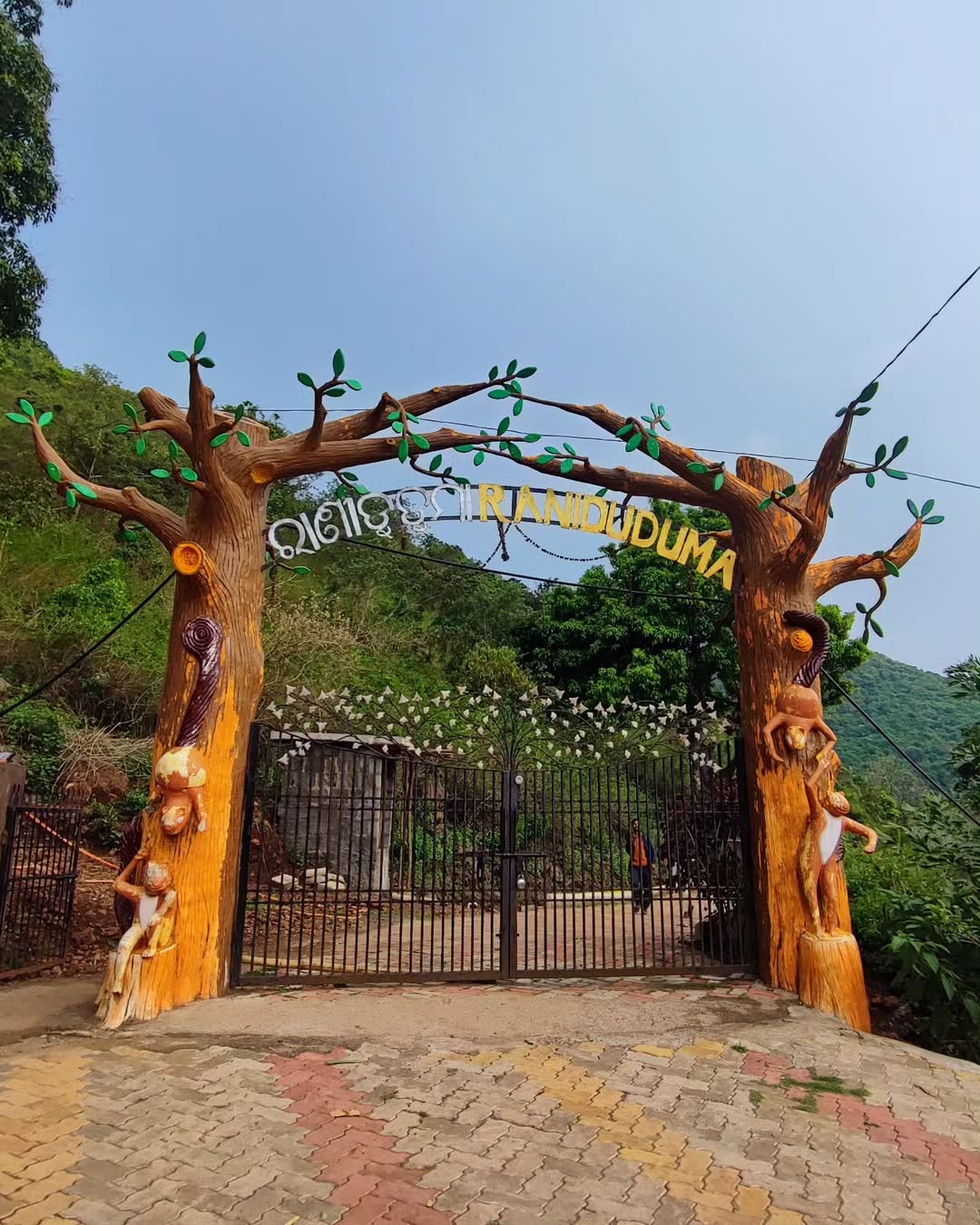
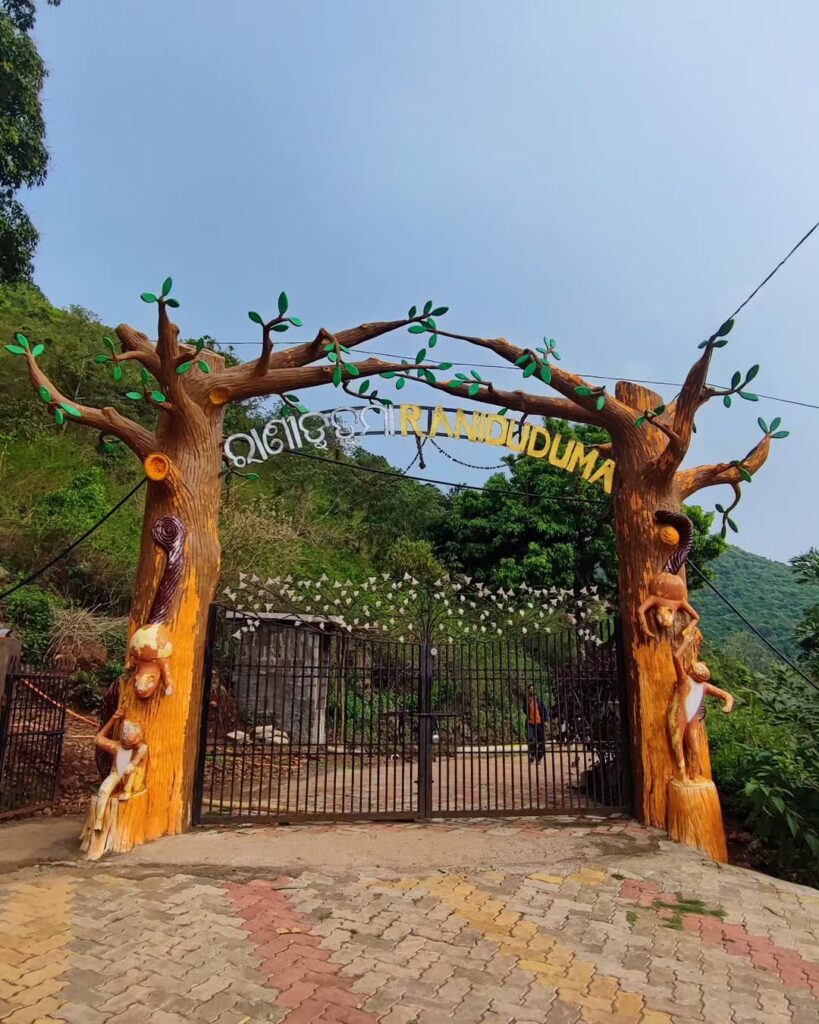
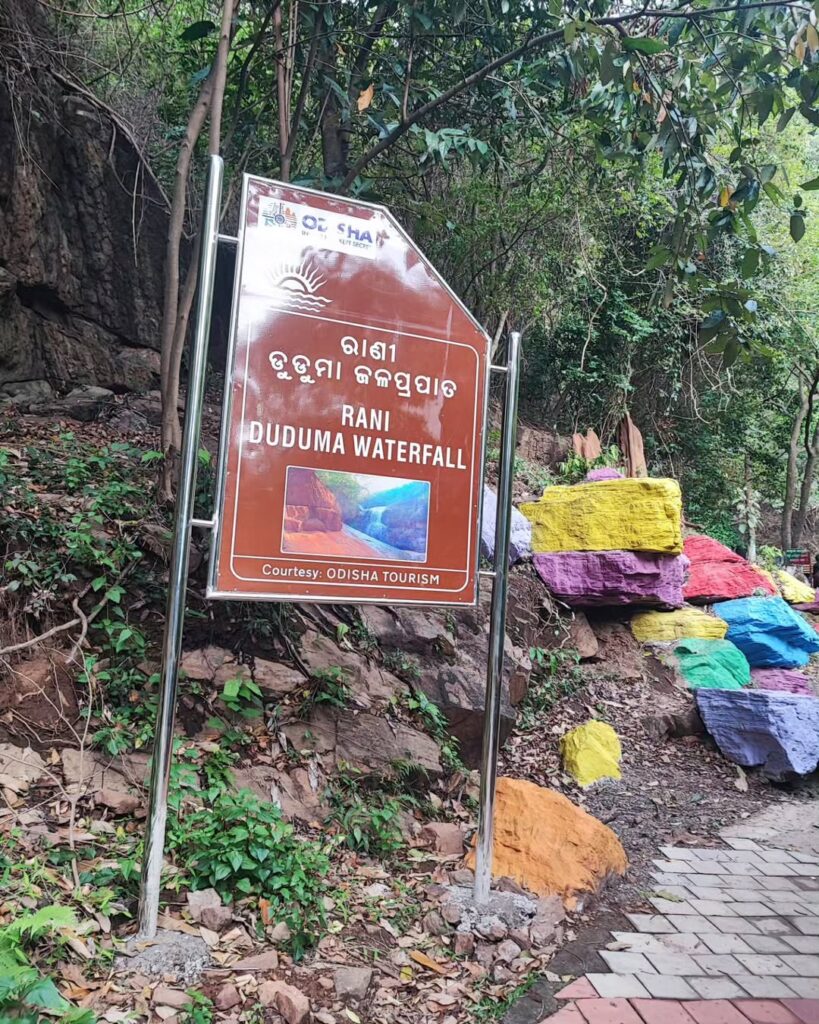
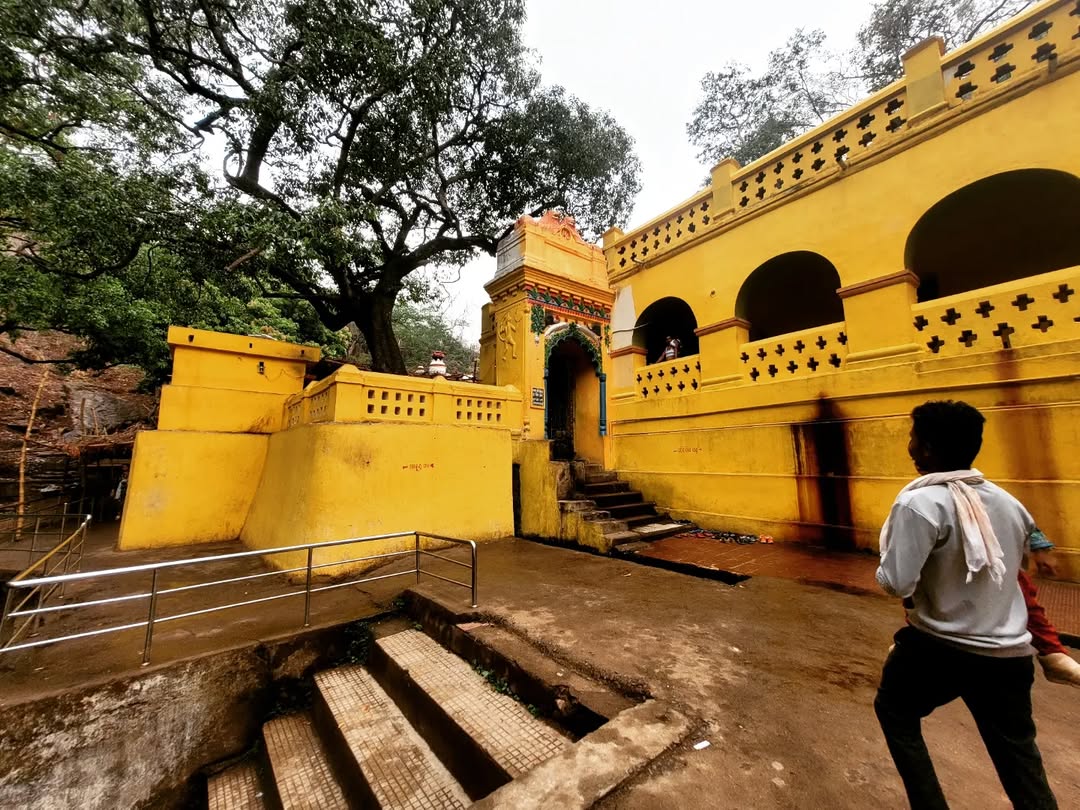
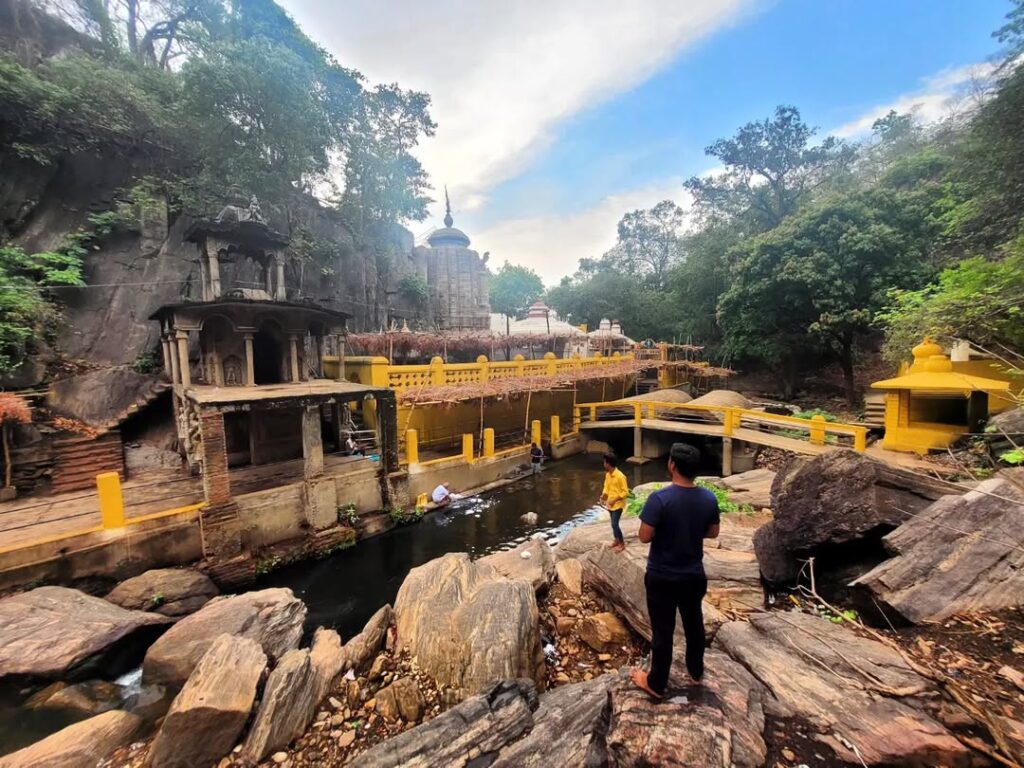
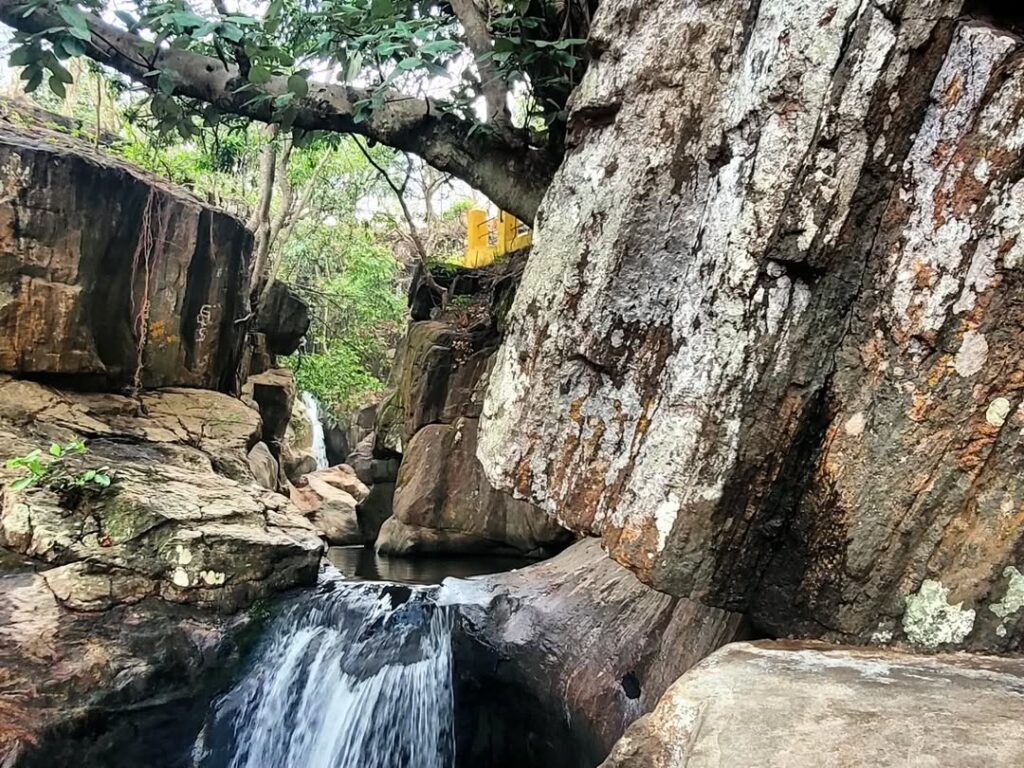
Discovering the Majestic Rani Duduma Waterfall in Koraput
Tucked away in the serene landscapes of Koraput, the Rani Duduma Waterfall is a breathtaking natural wonder that beckons travelers seeking adventure and tranquility. If you’re looking for a slice of paradise to reconnect with nature or to simply escape the hustle and bustle of everyday life, this hidden gem should be at the top of your list.
The Journey to Rani Duduma
Reaching the Rani Duduma Waterfall itself can feel like part of the adventure. Located approximately [distance] from [nearest major city], the road winds through lush greenery and vibrant tribal villages, offering glimpses into the rich cultural tapestry of the region. The journey can be as exhilarating as the destination, immersing you in the heart of Odisha’s natural beauty.
A Sight to Behold
As you approach the waterfall, the sound of cascading water draws you in like a soothing melody. The Rani Duduma Waterfall stands tall at about [height] meters, with water crashing down into crystal-clear pools below. This spectacular display of nature is particularly mesmerizing during the monsoon season when the water flow is at its peak, creating a powerful yet serene atmosphere.
Visitors can enjoy various activities here, from nature walks along the trails that lead to stunning viewpoints to leisurely picnics by the water’s edge. The surrounding hills provide ample opportunities for trekking and exploring, making it an ideal location for adventurers and nature lovers alike.
Cultural Significance
Aside from its natural splendor, Rani Duduma is also steeped in local folklore. Named after a legendary queen, the waterfall carries stories of valor and reverence among the indigenous tribes. Engaging with the local communities can enrich your visit, offering insights into their traditions, customs, and the significance of the waterfall in their lives.
DUDUMA WATERFALlRANI DUDUMA WATERFALL Odisha
Practical Tips for Your Visit
To make the most of your trip to Rani Duduma Waterfall, consider the following tips:
Best Time to Visit: The ideal time is between [best months] when the weather is pleasant, and the waterfall is in its full glory.
What to Bring: Pack comfortable walking shoes, a camera, water, and some snacks to keep your energy up while exploring.
Local Guidance: Hiring a local guide can enhance your experience, providing valuable perspectives and ensuring you don’t miss any hidden spots.
Discover the Majestic Rani Duduma Waterfall in Koraput: A Hidden Gem of Odisha
Imagine standing at the edge of a roaring cascade, where water plunges over 100 meters into a misty gorge, surrounded by thick green forests that whisper secrets of ancient times. This is Rani Duduma Waterfall, a stunning spot in Koraput’s tribal lands that pulls you away from city noise into pure nature’s embrace. If you’re a hiker or just love quiet spots, this waterfall in Odisha calls your name with its wild charm.
Nestled in the Eastern Ghats, Rani Duduma forms part of Odisha’s growing eco-tourism scene. It draws folks tired of crowded beaches, offering fresh air and real adventure. As more travelers seek offbeat paths, this hidden gem shines brighter. In this guide, you’ll find its backstory, top sights, travel routes, fun activities, and smart tips to make your visit smooth. Get ready to plan a trip that leaves you refreshed.
History and Significance of Rani Duduma Waterfall
Rani Duduma Waterfall holds deep roots in Koraput’s past, blending nature with local stories that make it more than just a pretty view. Its story ties into the area’s wild terrain and the people who call it home. Understanding this background adds layers to your visit, turning a simple hike into a cultural dive.
Origins and Discovery
The waterfall springs from the Machkund River, which carves through the rocky Eastern Ghats over millions of years. Geologists link its formation to ancient tectonic shifts that shaped these hills around 500 million years ago. Early British explorers noted it in the 1800s, calling it a “grand leap” in their journals, while local tales speak of it as a gift from river spirits. No big dams or changes have touched it much, keeping its raw power intact. This natural birth makes Rani Duduma a key spot to see the Ghats’ old geology up close.
RANI DUDUMA WATERFALLRANI DUDUMA
Cultural and Tribal Connections
The Paraja and Bonda tribes in Koraput view Rani Duduma as a sacred site, woven into their daily lives and old customs. They hold rituals here during harvests, offering thanks to water gods for good rains. Festivals like the Paraja’s Dhemsa bring dances near the falls, where folks in bright weaves celebrate with songs. As a visitor, show respect by asking before photos and joining guided tours that share these bonds. This link boosts the site’s pull, letting you feel part of something bigger than yourself.
Conservation Efforts
Odisha’s forest department lists Rani Duduma under protected zones to guard its fragile habitat. Efforts include patrols to stop illegal logging and clean-up drives that locals join each year. The area sits in a biodiversity reserve, with rules capping visitor numbers to avoid wear. These steps help save rare plants and keep the water clean. Your mindful trip supports this work, ensuring the falls stay wild for years ahead.
Natural Beauty and Unique Features
Rani Duduma Waterfall stuns with its raw power and quiet corners, pulling you into a world where nature rules. From the thunder of falling water to the soft hum of birds, every sense wakes up here. Key Rani Duduma Waterfall features make it stand out in Odisha’s lineup of falls, perfect for those chasing natural wonders.
Geological and Hydrological Highlights
This twin setup—Rani and Duduma—drops about 100 meters into a deep pool below, fed by the Machkund’s steady flow. Rocks here, etched by eons of water, show layers from the Precambrian era, like pages in earth’s old book. In monsoons, the falls swell to twice their size, creating rainbows in the spray that dance like jewels. Dry seasons reveal more of the gorge’s twists, but the real magic hits when water roars full force. These traits mark Rani Duduma as a top pick for geology fans exploring Koraput’s hidden waterfalls.
Surrounding Flora and Fauna
The area buzzes as a biodiversity hot spot, home to over 200 bird types, including the chatty hill myna with its mimic calls. Thick forests hide orchids that bloom in pinks and whites, clinging to Deomali’s slopes nearby. You might spot deer grazing at dawn or hear langurs swing through branches. Rare butterflies flit around damp spots, adding color to the green sea. Pack binoculars to catch these sights without harm, turning your walk into a living lesson on local life.
Best Times to Witness the Spectacle
Head there from June to September for the monsoon rush, when rains turn the falls into a mighty beast—water pounds like drums in a storm. Paths get slick, but the power thrills every step. Post-monsoon, October to February brings calmer flows and dry trails, ideal for families or easy snaps. Skip March to May’s heat, when low water dims the show and bugs swarm. Weekday mornings beat weekends to dodge groups, letting you soak in the peace alone. Why rush? Time your trip right, and Rani Duduma rewards with its best face.
How to Reach Rani Duduma Waterfall from Koraput
Getting to Rani Duduma Waterfall from Koraput is straightforward, though the roads wind like a snake through hills. This guide breaks down routes so you arrive without stress. Searchers often ask how to reach Rani Duduma Waterfall, and these steps make it simple.
By Road: Driving and Public Transport Options
From Koraput town, drive 30 to 40 km via Lamtaput on a paved road that climbs gently. It takes about an hour in a car, with views of rice fields turning to forests. Buses run from Koraput’s main stand near the railway station, costing around 50 rupees and dropping you at the base in 90 minutes. For ease, hire a local taxi for 1,000 rupees round trip—they know the shortcuts. Fuel up before, as stations thin out.
Nearest Airports and Train Stations
Fly into Visakhapatnam Airport, 150 km south, then grab a cab or bus for a three-hour ride north. Trains stop at Jeypore Station, just 50 km away, with daily services from major cities like Bhubaneswar. From there, auto-rickshaws or shared jeeps cover the last stretch in under two hours. Book ahead for peak seasons to snag seats. These links tie Rani Duduma into Odisha’s travel web, easy for most budgets.
Local Navigation Tips
Use apps like Google Maps for the twisty ghats, but download offline versions—signal drops in spots. Check road status at Koraput’s tourism office before rain, as slides can block paths. Signs point the way from Lamtaput, but ask locals for the final dirt track to the viewpoint. Carry water and snacks; stops are few. These hints keep your journey smooth, turning travel into part of the fun.
Things to Do and Explore Around Rani Duduma
Rani Duduma offers more than views—it’s a playground for your inner explorer. Activities at Rani Duduma Waterfall range from calm walks to heart-pump hikes, drawing adventure seekers. Pair them with nearby spots for a packed day out.
Trekking and Nature Walks
Start with a 2-km trek from the parking lot to the main overlook, where steps lead down through bamboo groves. Sturdy shoes grip the mud, and guides share plant names along the way. At the top, the Machkund Valley spreads like a green quilt, with eagles soaring overhead. It’s moderate, taking 45 minutes up, but the payoff views make legs forget the burn. Ever wondered what wild freedom feels? This path delivers it.
Picnicking and Photography Spots
Settle for lunch on flat rocks by the lower pool, where mist cools the air like a fan. Pack simple foods—no plastics—to keep things clean. For photos, aim for midday when sun hits the falls, catching arcs of color in the foam. A wide lens grabs the full drop; tripods steady shots in wind. Rules ban trash, so carry out what you bring. These spots turn a visit into memories you’ll frame.
Nearby Attractions to Combine with Your Visit
Climb Deomali Peak, 20 km away, for 360-degree hill panoramas—a 30-minute drive then short hike. Back in Koraput, the Tribal Museum shows Bonda tools and weaves, just an hour’s return. Add the Gupteswar Cave, 40 km north, for cave swims in holy springs. Build a full day: falls in morning, peak at noon, museum by eve. Travel times link them easy, making your trip rich.
Essential Travel Tips for Visiting Rani Duduma Waterfall
Smart prep turns a good trip great at Rani Duduma. These Rani Duduma Waterfall tips cover basics to keep you safe and happy. Focus on what matters for a hassle-free outing.
Packing Essentials and Safety Precautions
Bring rain jackets and quick-dry clothes for sudden showers—monsoons soak fast. Insect spray wards off bites, and a basic first-aid kit handles scrapes from rocks. Stick to marked paths; edges slip easy, and currents pull strong. Tell someone your plans, as cell service fades. Hydrate often in the humid air. These items shield you from surprises.
Accommodation and Dining Options
Stay in Koraput’s budget guesthouses, like forest rest houses at 500 rupees a night with simple beds. Eco-resorts near Lamtaput offer tents for 1,000 rupees, with hill views. Eat at local spots for tribal meals: try rice with bamboo shoots or mild curries, around 100 rupees a plate. Skip heavy booze; light rice beer fits the vibe. Options suit all pockets, blending comfort with local taste.
Sustainable Tourism Practices
Leave no trace—pack out wrappers to protect the clear streams. Buy crafts from Paraja sellers to boost their work, not just take photos. Give tribes space; don’t chase for pics. Join clean-up if offered. These habits keep Rani Duduma thriving, a gift back to the land.
Conclusion
Rani Duduma Waterfall captures Koraput’s wild heart, from its tribal tales to thundering drops that refresh the soul. You’ve seen its history, beauty, paths to get there, fun to do, and tips for a solid plan. Monsoon brings the roar, eco-ways keep it pure, and adventures await in Odisha’s quiet corners.
Pack light, tread soft, and let the falls wash away worries. Share your stories below—what drew you to this gem? Your trip could spark another’s.
Whether you’re an adventure seeker, a photography enthusiast, or simply someone looking to unwind amidst nature, Rani Duduma Waterfall in Koraput is a place that will leave an indelible mark on your memory. For those planning a trip, make sure to include this picturesque destination in your itinerary.
For more information and personalized travel tips to make your visit unforgettable, please reach out to us at tourmyodisaha.com.
Happy travels, and see you at the waterfall!
Feel free to fill in the placeholders with your details or any specific information you might wish to add!
What is Rani Duduma famous for?
Rani Duduma Waterfall stuns with its raw power and quiet corners, pulling you into a world where nature rules. From the thunder of falling water to the soft hum of birds, every sense wakes up here.
On which river is Duduma Waterfall?
Machkund River
What is the meaning of Duduma?
The meaning of Duduma is Matsya Kunda meaning fish pond
Semiliguda to rani duduma waterfall
Semiliguda to rani duduma waterfall is 26.3 km By Nandapur Rd
Rani Duduma to Deomali distance
Rani Duduma to Deomali distance is 52.3 km via Kundili – Renga Rd
Duduma to rani duduma waterfalls distance
Duduma to rani duduma waterfalls distance is 61.1 km via Machkund Rd
Koraput to Duduma waterfalls distance
Koraput to Duduma waterfalls distance is 67.9 km via Machkund Rd
Semiliguda to duduma waterfall distance
Semiliguda to duduma waterfall distance is 79.4 km via Nandapur Rd
Balangir, Nestled on the northern slopes of the Gandhamardan hills, Nrusinghanath Temple stands out as a significant pilgrimage destination devoted to Lord Vishnu. The temple’s remarkable architecture draws visitors, but it’s the nearby picturesque waterfall that truly enhances its spiritual charm. The journey from Harishankar to Nrusinghanath is a favorite for adventurers, winding through dense forests and offering a beautiful blend of tranquility and divine connection. Nrusinghanath Temple Gandhamardan Hills
Nrusinghanath Temple Timings: 6 AM – 8 PM Best Time To Visit Nrusinghanath Temple: October to March Nrusinghanath TempleEntry Fee: N/A Nrusinghanath Temple Ideal Trip Duration:** 1-2 hours
Discovering the Mystique of Nrusinghanath Temple in Balangir
Nestled amidst the lush greenery of the Western Odisha region lies one of the most revered religious sites—the Nrusinghanath Temple in Balangir. This temple not only holds immense spiritual significance but is also a testament to the rich cultural heritage of the area, attracting visitors from all walks of life.
A Glimpse into History
Built in the traditional Kalinga architectural style, the Nrusinghanath Temple is dedicated to Lord Narasimha, an incarnation of Lord Vishnu. The temple’s history dates back several centuries, and it stands on the scenic slopes of the Gandhamardan hills. According to local lore, the temple was established to commemorate a divine event, and it has since become a pilgrimage destination for devotees seeking blessings and solace.
The Architectural Marvel
One cannot help but be captivated by the intricate carvings and inscriptions that adorn the temple’s walls. The exquisite craftsmanship reflects the skills of ancient artisans who chiseled their devotion into stone. As you step inside the temple grounds, you will be greeted with a sense of serenity, making it an ideal spot for introspection and prayer.
The temple complex is surrounded by scenic landscapes, providing a stunning backdrop for those looking to capture picturesque photographs. The vibrant flora and fauna add to the natural beauty, making it a perfect getaway from the hustle and bustle of daily life.
Events and Celebrations
Throughout the year, various festivals are celebrated with great fervor at the Nrusinghanath Temple. One of the most noteworthy is the annual Rath Yatra, where the idol of Lord Narasimha is taken out in a grand procession. This event draws thousands of pilgrims and spectators, creating a vibrant atmosphere filled with music, dance, and spiritual fervor.
How to Reach
For those eager to visit, the Nrusinghanath Temple is easily accessible from Balangir city. Local transport options are available, and for those who prefer a scenic drive, the winding roads through the hills offer a delightful journey. The best time to visit is during the cooler months, from October to March, when the weather is pleasant and conducive for exploration.
Conclusion
A visit to Nrusinghanath Temple is not just a spiritual journey but also a cultural experience steeped in history and beauty. Whether you are a devotee or a traveler seeking the serenity of nature, this temple is sure to leave an indelible mark on your heart.
For more information about travel arrangements, local attractions, and guided tours, visit [tourmyodisaha.com]. Plan your trip today, and immerse yourself in the divine charm of Nrusinghanath Temple in Balangir!
Feel free to adjust any specific details in the post, such as adding personal experiences or insights, to make it more reflective of your voice!
Explore Nrusinghanath Temple
A Harmony of Faith and Nature in Odisha
Nrusinghanath is not only a spiritual haven but also a paradise for nature enthusiasts. The captivating waterfall provides a perfect setting for photography and relaxation, while the picnic area is well-equipped with ample seating and shade. The hills boast a rich array of flora and fauna, including various medicinal plants. Adventure seekers will find ample opportunities here, with trails that weave through lush greenery and rugged landscapes.
Nrusinghanath Waterfall Odisha
Nrusinghanath A Must Visit Pilgrimage Destination
The vibrant surroundings of this waterfall in Odisha attract numerous visitors annually, all eager to rejuvenate themselves. Located in close proximity to the renowned Nrusinghanath Temple at the foothills of the Gandhamardan Hill, this waterfall is a must-see in the Bargarh District for anyone who appreciates the beauty of nature. Many pilgrims combine their visit to the waterfall with a spiritual trip to the 14th-century Nrusinghanath Temple, where they pay homage to Lord Nrusinghnath, an avatar of Lord Vishnu. The ideal time to visit is between October and March, during which travelers can also explore nearby attractions like Gadadhar, Pitrudhar, Guptadhar, Bhimadhar, Kapiladhar, and Chaladhar—each offering its own mesmerizing cascade.
History of Nrusinghanath Temple
Around 600 years ago, a woman named Jamuna Kandhuni, noted in the “Nrusingha Charitra,” crafted a Kavya celebrating the valor of Marjara Keshari in his battle against the oppression of Musika Daitya. According to mythology, Musika Daitya, the Mouse Demon, grew increasingly aggressive, prompting the divine Vishnu Mani to take the form of Marjara Keshari. Terrified by this powerful avatar, the demon is said to have fled into his underground lair, never to emerge. It is believed that Marjara Keshari still awaits his return, ready to confront him if he dares to show his face again. The Nrusinghanath temple was erected in remembrance of this legend, housing the idol of Lord Nrusinghanath, revered as the protector against all malevolent forces.
Nrusinghanath Temple Structure
Nestled at the base of a hill, the Nrusinghanath Temple is enveloped by one of the densest forests in the Central Provinces. Nearby, the sacred streamlet Papaharini flows, known for its purifying waters. Papaharini forms five distinct pools, or Kundas, throughout the temple grounds. The surrounding hillside is densely populated with towering trees and lush undergrowth, allowing little sunlight to penetrate. Ascending the hill toward the South-East near the first Kunda, visitors can find four remarkable rock carvings representing the first four Pandava brothers. Close to the northern entrance of the temple lies another rock figure, identified as Sahadeva, the fifth Pandava. Additionally, a magnificent figure of Ganapati is carved nearby, accompanied by an intricately designed pedestal adorned with seven horses, which once supported an image of the sun deity.
The Nrusinghanath Temple faces east and includes a shrine along with a hall known as Jagmohan. Standing proud in front of the temple is the Garuda Stambha, featuring a small niche at the top that houses a lamp lit during the Diwali festival. The walls of Jagmohan have undergone reconstruction due to damage over time. It is believed that the door frames date back to the 11th century, originally featuring three entrances—east, north, and south. Currently, only the eastern and northern doors remain accessible, while the southern entrance has been sealed and replaced with masonry. Each door frame, crafted from dark stone, showcases exquisite carvings, enhancing the temple’s majestic presence.
Explore the Enchantment of Gandhamardan Hills
Welcome to the breathtaking Gandhamardan Hills, a hidden gem that beckons both adventure seekers and nature lovers alike. Whether you’re a seasoned traveler or someone looking to escape the hustle and bustle of everyday life, these hills offer a perfect blend of natural beauty, spiritual serenity, and exhilarating experiences.
A Journey into Nature
Nestled in the heart of [location], the Gandhamardan Hills boast lush greenery, vibrant flora, and a rich tapestry of wildlife. Hiking trails wind through the mountains, offering panoramic views that will leave you in awe. Each step you take is accompanied by the soothing sounds of nature, making it feel like a world away from the noise and stress of city life.
Spiritual Significance
Gandhamardan Hills are not just about stunning vistas; they are steeped in cultural and spiritual history. According to local legends, these hills are believed to have been blessed by Lord Rama. Visiting the ancient temples scattered throughout the area can provide a deeper understanding of the local traditions and beliefs, allowing you to connect with the spiritual essence of the place.
Thrilling Adventures Await
For those seeking adventure, Gandhamardan Hills is the ideal playground. From trekking and rock climbing to bird watching and photography, there’s no shortage of exciting activities. The ever-changing landscape, with its rugged charm and tranquil spots, makes it a fantastic location for both beginner and experienced adventurers.
Plan Your Visit
Ready to immerse yourself in the wonders of Gandhamardan Hills? Make sure to plan your visit for [recommended season or month] for the best experience. Don’t forget to pack essentials like water, snacks, and a camera to capture the stunning scenery.
For more information about travel itineraries, accommodations, and guided tours, check out our website at [tourmyodisaha.com]. Whether you’re looking for a quick getaway or an extended adventure, Gandhamardan Hills promises an unforgettable experience.
Share Your Experience
If you’ve already explored the mystical allure of Gandhamardan Hills, we’d love to hear your stories! Share your experiences in the comments below or tag us in your adventure photos on social media. Here’s to discovering the beauty of nature together!
Gandhamardan Hills await you with open arms, calling you to experience its magic. Start your journey now, and revel in the tranquility and thrill that this stunning destination has to offer!
Sculptures in Nrusinghanath Temple
The Nrusinghanath Temple is home to a variety of exquisite relief sculptures, masterfully preserved over time. Among these are representations of the goddesses Ganga and Yamuna, as well as Nandi, Jay-Vijay, Hanuman, and the divine couple Shiva and Parvati. The temple also features three avatars of Lord Vishnu: Baraha, Nrusingha, and Bamana, along with an impressive eight-armed depiction of Ganesh and the cowherd Sahadev. Inside the shrine is a small figure of Marjarakesari, a unique incarnation of Vishnu depicted with a cat’s head and a lion’s body, elaborately draped in cloth with brass features for its nose, eyes, and mouth. An intriguing narrative of this particular avatar is detailed in a local Mahatmya, written in Odiya. Additionally, an inscription carved in Proto-Odiya script along with text in the Oriya language adorns a slab of black stone within the temple.
Attractions near Nrusinghanath Temple
The area surrounding Nrusinghanath Temple boasts several captivating attractions for visitors. Notable sites include Chal Dhaar, Sita Kunda, Bhim Dhaar, Panhupandav, Kapil Dhaar, Supta Dhaar, Satyaamb, Bhim Madua, and Happy Point. In recent years, tourism around the stunning Gandhamardhan hills has grown significantly. The annual fair held on Nrusimha-chaturdasi draws pilgrims from near and far. Additionally, a beautiful garden has been established close to the temple, showcasing various avatars of Lord Krishna and featuring a remarkable 28-foot statue of Hanuman at its center.
How to Reach Nrusinghanath Temple
The area surrounding Nrusinghanath Temple boasts several captivating attractions for visitors. Notable sites include Chal Dhaar, Sita Kunda, Bhim Dhaar, Panhupandav, Kapil Dhaar, Supta Dhaar, Satyaamb, Bhim Madua, and Happy Point. In recent years, tourism around the stunning Gandhamardhan hills has grown significantly. The annual fair held on Nrusimha-chaturdasi draws pilgrims from near and far. Additionally, a beautiful garden has been established close to the temple, showcasing various avatars of Lord Krishna and featuring a remarkable 28-foot statue of Hanuman at its center.
The nature camp, located near the Nrusinghanath Temple, features four A/C cottages equipped with modern facilities and designed uniquely. The view is breathtaking, with a water body on one side and a stunning hill slope on the other. Guests can enjoy both vegetarian and non-vegetarian meals.
Facilities Include:
4 A/C Cottages Dining hall Extra bed (On Request) Attached Toilet & Bathroom – Parking Place Outdoor Sports Local Odia Foods – Bonfire
Things to Do: – Forest Trekking Animal Sightseeing Birding Nature Photography Star Gazing
How to Reach Gandhamardhan Mountain Camping
The arLocation: Nrusinghanath, Bargarh, Odisha Nearest Airport: Jharshuguda Distance From Airport: 270 Kms Nearest Railway Station: Bargarh Distance from Railway Station: 125 Km
Nrusinghanath Forest
Nrusinghanath is an ideal destination for nature enthusiasts, offering beautiful landscapes amidst the Western Ghats, particularly at the mythological Gandhamardhan Hill range.
Known for natural beauty and spiritual significance, the Gandhamardan Hills boast a variety of medicinal plants, making them a great spot for trekking and nature walks. The hills are rich in history, featuring ancient caves and inscriptions.
– Timings: Open 24/7 – Best Time to Visit: October to February – Entry Fee: N/A – Ideal Trip Duration: 2-4 hours
Best Time to Visit: October to June – Distance from Bhubaneswar: 431.3 km – Elevation: 3,250 ft (990 m) – Travel Option: Car
What to Expect Inside: – Various medicinal plants – Trekking opportunities – Over 500 species of medicinal plants and herbs – Remnants of Buddhist culture and ruins – A diverse ecosystem
Harishankar Waterfall
Belonging to the own circle of relatives of herbal gemstones of Odisha is the Harishankar Fall that is called a famous pilgrimage webweb page withinside the state. The fall unearths its unique location at the southern facet of Gandhamardan hills withinside the Rourkela City of Odisha. This tourism appeal is normally visited and is nestled withinside the coronary heart of travelers because the well-known Harishankar Temple is hooked up to it. Pilgrims who go to this well-known temple, provide their prayers to 2 divine Hindu deities whose call are added collectively as Harishankar in which Hari way Lord Vishnu and Shankar way Lord Shiva.
Timings: 6 AM – 6 PM
Best Time To Visit: Monsoon (July to September); Winter (October to February)
Entry Fee: N/A
Ideal Trip Duration: 1-2 hours
Harishankar A Must Visit Pilgrimage Destinationharishankar templeharishankar
Near Duduma Falls is the Machhakund (Duduma) Hydroelectric Project.It is a challenge that the governments of Andhra Pradesh and Odisha have collaborated on. The challenge has a whole established capability of one hundred and twenty MW and is product of six units. Machkund is a Hindu pilgrimage site. The Bonda, Gadaba, and Paraja neighborhood tribes living near the Machkund waterfall. Duduma Waterfall in Which District: Koraput District, Government Of Odisha, India.
Duduma Waterfall Nearest Railway Station: Koraput Railway Station is 40.6 kilometers away, Jeypore Railway Station is 42.6 kilometers away and Suku Railway Station is 42.5 kilometers away. The Majestic waterfall, Popularly known as matsya Tirtha of epic fame falls from a pinnacle of 100 75 mtrs. Set withinside the coronary coronary heart of a picturesque hill, Duduma 70 Kms to the South of Jeypore, and 88 Kms farfar from Koraput is a rocky outlet for the river Machhkund, which flows thru this tough Terrain. Rock-mountaineering enthusiasts can try accomplishing the lowest of the fall from the opportunity thing of the hill, a direction tribals claim can be Terribly Strenuous.
The Duduma waterfall to Deomali distance is 95 km.
The Duduma waterfall to Bhubaneswar distance is 540 km.
The Duduma waterfall to Malkangiri distance is 80 km.
The Duduma Waterfall to Machkund Hydroelectric Project distance is 9 km.
Exploring the Stunning Duduma Waterfalls
Tips for an Unforgettable Experience
If you’re on the lookout for a breathtaking destination that showcases the beauty of nature, look no further than Duduma Waterfalls. Tucked away in the picturesque region of Odisha, India, this majestic waterfall offers a spectacular retreat for nature lovers and adventure seekers alike.
Getting to Duduma Waterfalls
Located in the district of Koraput, reaching Duduma Waterfalls is an adventure in itself. The nearest town is Jeypore, which is well connected by road. Make your way to Duduma via local transport or hire a vehicle for a more comfortable ride. The scenic journey will give you glimpses of lush green landscapes and tribal villages, enhancing the anticipation of reaching the falls.
Best Time to Visit
The ideal time to visit Duduma Waterfalls is during the monsoon season (June to September) when the water flow is at its peak. However, if you prefer a cooler experience, visiting in October or November offers pleasant weather along with a less crowded atmosphere. Just be sure to check the local weather conditions before your trip!
Travel Tips
1. Pack Accordingly : Wear comfortable clothing and sturdy footwear, as exploring the area can involve some trekking. Don’t forget your camera to capture the mesmerizing views!
2. Stay Hydrated : Carry plenty of water, especially if you plan to hike around the waterfalls. Staying hydrated is key to enjoying your adventure.
3. Stay Safe : Be cautious near the water’s edge, as the rocks can be slippery. It’s always safer to admire the falls from designated viewpoints.
4. Explore the Surroundings : Apart from the waterfall itself, the surrounding area is home to rich flora and fauna. Take some time to explore the nearby trails and immerse yourself in the local culture.
5. Local Cuisine : Delight your taste buds by trying out local delicacies in the nearby towns. Preparing your way through the local cuisine is a fantastic way to experience the region’s culture.
DUDUMAWATERFALLDUDUMA WATERFALL , KORAPUT
Capture the Best Experience
To truly make the most out of your trip, consider visiting during the early morning hours. The serene environment, the mist rising from the falls, and the soft rays of sunlight create an ethereal atmosphere. It’s the perfect time for photography, meditation, or simply soaking in the natural beauty.
Don’t forget, the Duduma Waterfalls are not just a sight to behold. They represent the pure magnificence of nature and offer a sense of tranquility that’s hard to find in the hustle and bustle of everyday life.
Plan your trip to Duduma Waterfalls today! For more information and travel packages, visit [tourmyodisaha.com](http://tourmyodisaha.com).
Whether you’re seeking adventure or a peaceful getaway, Duduma Waterfalls will leave you with unforgettable memories. Happy travels!
Discover the Majestic Duduma Waterfall: Odisha’s Hidden Natural Gem
Imagine standing at the edge of a roaring cascade, where water plunges 157 meters into a misty gorge below, surrounded by thick green forests that whisper secrets of ancient hills. This is Duduma Waterfall, a breathtaking spot tucked away on the Odisha-Andhra Pradesh border, where the Machkund River carves through the Eastern Ghats. If you love offbeat travel in India, this hidden gem offers raw beauty that draws nature lovers and thrill-seekers alike.
Duduma stands out from busier falls like those in the Western Ghats because of its remote feel and wild charm. You won’t find crowds here; instead, you’ll get seasonal magic, with monsoons turning it into a thunderous spectacle. It plays a key part in the local ecosystem, supporting diverse plants and animals in the Eastern Ghats. This article covers its history, ways to reach it, fun activities, and smart tips to make your trip smooth. Get ready to add Duduma Waterfall to your India bucket list.
History and Significance of Duduma Waterfall
Duduma Waterfall holds deep roots in the land and people of Odisha. Its name comes from the Oriya word for a thunderous sound, which fits the roar of its waters. Over time, it has become a symbol of the region’s natural power and cultural ties.
Geological Formation and Discovery
The Machkund River shaped Duduma over thousands of years by cutting through tough rock in the Eastern Ghats. This created a drop of 157 meters, making it one of India’s tallest waterfalls. The falls sit on the Deccan Plateau, where rugged terrain adds to the drama.
Monsoons from June to September swell the river, boosting the flow to full force. Without rain, it still flows but looks gentler. Early explorers noted it in maps from the British era, marking it as a key feature of Koraput’s landscape.
The surrounding hills trap moisture, feeding the river year-round. This setup helps explain why Duduma feels so alive, even in drier months.
DUDUMA WATERFALL , KORAPUTDUDUMA WATERFALl
Cultural and Tribal Importance
Local tribes like the Paraja see Duduma as a sacred place tied to their daily lives. Villages near the falls, such as those in Duduma, rely on it for water and stories passed down through generations. Folklore speaks of spirits in the mist, guarding the waters.
These communities hold rituals during festivals to honor the river’s strength. It connects to Odisha’s rich tribal heritage, where nature shapes beliefs and customs. Visitors often learn about this through chats with locals, adding heart to the trip.
The waterfall’s role goes beyond myths; it supports fishing and farming in the area. This blend of culture and nature makes Duduma more than just a sight.
Modern-Day Relevance
Today, Duduma links to projects like the Onukudelli Hydro Electric setup nearby, which taps the river’s energy. This boosts power for Odisha and Andhra Pradesh without harming the falls much. Tourism grows slowly, drawing eco-focused travelers who value its peace.
It helps define the region’s identity as a biodiversity hotspot in Eastern India. Efforts to protect it include forest patrols to keep litter low. As more people seek quiet escapes, Duduma’s pull strengthens.
Location and How to Reach Duduma Waterfall
Finding Duduma takes some planning, but the reward is worth it. Nestled in Koraput district, it’s about 80 km from Jeypore, right on the state line. Roads wind through hills, offering views that build excitement.
Geographical Position and Nearby Attractions
Duduma sits in Odisha’s Koraput area, close to Andhra Pradesh. The Machkund Valley nearby adds more riverside charm for hikes. Tribal markets in Jeypore sell crafts that reflect local life.
You can pair a visit with spots like the Deomali Hills for high viewpoints. These sites make a full day trip easy. The area’s mix of water and woods creates a perfect base for exploration.
Travel Routes from Major Cities
From Bhubaneswar, take a train to Jeypore—it takes about 12 hours—then hop on a bus or taxi for two more hours to Duduma. The total distance is around 600 km. Trains run daily, and taxis cost about ₹2000 for the last leg.
Start from Visakhapatnam for a quicker road trip; it’s just 150 km away, or 6-7 hours by car. Buses leave often, and the route hugs green hills. Self-drive if you like control over stops.
Hyderabad offers another path: Drive 400 km north, about 8 hours, via state highways. Public options include overnight buses to Jeypore, then local rides. Pick based on your starting point for less hassle.
Best Time to Visit and Accessibility Tips
Head to Duduma from October to February, when water flows strong but paths stay dry. Summers get too hot, and monsoons make roads slick. Winter brings cool air perfect for long walks.
Use jeeps for the bumpy last 20 km from main roads; cars might struggle. No permits needed, but check weather apps first. Pack light for the trek down to the base.
Avoid heavy rain weeks to skip floods. Early mornings beat the heat and crowds, if any.
Exploring the Beauty and Activities at Duduma
Duduma’s charm hits you with its fresh air and endless green. The falls crash down in tiers, creating rainbows in the spray. It’s a spot where you feel small against nature’s might.
Natural Features and Scenic Views
Multi-level drops make Duduma a visual treat, with forests framing every angle. A hanging bridge offers close-up looks without getting wet. Mist rises like steam from a giant kettle, cooling the air.
Birds like kingfishers dart around, adding color to the scene. Endemic plants cling to rocks, showing the Eastern Ghats’ variety. Climb to higher points for photos that capture the full width.
Sunset turns the water golden, a quiet reward after the day’s rush.
Adventure Activities and Trekking
Trek 1-2 km to the base on marked paths—it’s moderate but thrilling. Wear good shoes to grip the stones. Stop for pics at safe ledges overlooking the plunge.
Picnic spots by the river let you relax with packed food. No swimming, though; currents pull hard. Groups often share stories, making it social.
For extra fun, try bird spotting with binoculars. It builds fitness while soaking in views.
Wildlife and Eco-Tourism Insights
Near Deomali Wildlife Sanctuary, you might spot deer grazing at dawn. Birds fill the trees with calls, from eagles to small warblers. Stick to trails to avoid disturbing homes.
Eco-tips include no litter—carry out what you bring. Local guides know animal paths and share facts. This keeps the area pristine for all.
Support by buying from tribal artisans, blending adventure with care.
Practical Travel Tips for Visiting Duduma Waterfall
Planning makes your Duduma trip smooth and fun. Focus on basics like where to stay and what to eat. These details turn a good visit into a great one.
Accommodation and Dining Options
Stay in Jeypore for hotels from budget to mid-range, about 80 km away. Guesthouses in Lamtaput offer simple rooms with hill views. Homestays let you join tribal meals, tasting millet dishes like ragi rotis.
Dining means local spots serving fresh fish from the river. Pack snacks for the site, as options are slim. Choose places that use local ingredients for real flavor.
Safety Precautions and What to Pack
Check weather before leaving; sudden rains can close paths. Use bug spray in woods to dodge bites. Keep emergency numbers handy, like local police at 100.
Pack rain jackets, sturdy boots, and water bottles. Add a first-aid kit with bandages and meds. Eco-bags help cut plastic use.
Stay in groups on treks for safety.
Budgeting and Sustainable Travel Advice
Expect ₹500-1000 for transport from Jeypore, with free entry to the falls. Food and stays add ₹1000 per day for basics. Total for a weekend: under ₹5000 if you share rides.
Go green by skipping single-use items. Hire local guides—they know shortcuts and teach customs. This supports the community and keeps costs low.
Track expenses to fit your wallet.
Duduma Waterfall Machhakund (Duduma)
Travel Info:
Best time to go to: Oct-Feb District: Koraput Open Time: Day Time Popular Cuisine: Local Food Attractions: Waterfall, Natural Views Nearest Bus Stop: Machhakund (Duduma) Nearest Railway Station: Koraput Travel Options: Taxi, Bus, Train Nearest town: Machhakund (Duduma) Distance from Bhubaneswar:
In which river is Duduma waterfall located?
In which river is Duduma waterfall
Which is the largest waterfall in Odisha?
Longest waterfall of odisha is Khandadhar waterFall
Where is Duduma waterfall situated?
Duduma 70Kms to the South of Jeypore
Which is the largest waterfall in Odisha?
Barehipani waterFalls is the largest waterfall in Odisha
Which is the second highest waterfall in India?
Barehipani Falls is the second highest waterfall in India
Which is largest waterfall in India?
The Kunchikal Falls is largest waterfall in India
Conclusion
Duduma Waterfall blends stunning drops of 157 meters with deep cultural roots, making it Odisha’s top hidden spot. You get history from tribal tales, easy treks through green hills, and wildlife peeks near the sanctuary. Key points: Visit in dry months for safe fun, pack smart for rough paths, and choose eco-ways to protect this treasure.
Don’t miss the roar and mist—it’s an escape that refreshes the soul. Add Duduma to your India list now. Plan that trip, and let nature amaze you.
Barehipani is India`s 2d maximum and orissa’s maximum waterfall. The top of the waterfall is 1309 toes simply fifty five mt much less than Kunchikal Falls that’s the very best waterfall of India. The supply of the waterfall is Budhabalanga River that flows over the mountain. It is a 2 tier water fall , this means that the water falls in drops. The river Budhabalanga falls from the stiff heights of the Simlipal stages to create those majestic falls 1200 foot (399 meters) high. Situated near the Barehipani waterfalls is the Joranda falls. Though now no longer as huge because the Barehipani, this autumn is thought for its splendor. Both of those waterfalls are complete of water all through the year.
Located in the contours of the Simlipal country wide park, that hosts the majestic Bengal tiger in addition to the uncommon white tiger species in Odisha, the water gushing down from the falls that run in small streams withinside the complete forest, function the lifeblood of the animals dwelling withinside the forest. The waterfall Barehipani is a chief visitor enchantment and a huge variety of travelers come to go to this matchless splendor each year. A go to to Simlipal is incomplete while not having a glimpse of the majestic Barehipani falls. This waterfall has been claimed because the tallest of India. While this declare is maximum probable untrue, it is, accordingly far, one of the tallest waterfalls withinside the us of a which we have got documented. The falls seem to drop over a huge cliff, in tiers, finishing in a huge pool below. The loss of plants across the falls appears to signify that in the monsoon season this waterfall turns into extraordinarily violent, and actions a completely huge quantity of water. The falls are placed inside Simlipal National Park, which features as one of the principal Bengal and White Tiger preservations in India
Discover the Majestic Barehipani Falls
A Hidden Gem in India
If you’re on the lookout for breathtaking natural beauty combined with tranquility, look no further than Barehipani Falls. Tucked away in the heart of Odisha, this stunning waterfall is one of the tallest in India, cascading down a staggering height of 399 meters.
Getting to Know Barehipani Falls
Located in the picturesque Simlipal National Park, Barehipani Falls is surrounded by dense forests and lush greenery, creating an idyllic backdrop for nature lovers and adventure seekers alike. The roar of the water plunging down rocks creates an enchanting soundscape that draws visitors into a serene state of mind.
Reaching Barehipani Falls is an adventure in itself! The journey involves a scenic trek through the lush forestry of Simlipal National Park, where you’ll encounter diverse flora and fauna, so don’t forget to keep your camera handy. As you walk along the trails, the anticipation builds until you finally catch a glimpse of the falls—a moment that will undoubtedly take your breath away.
Best Time to Visit
The ideal time to visit Barehipani Falls is during the monsoon season, from June to September when the falls are at their peak. The water flows vigorously, and the sight is a mesmerizing display of nature’s power and beauty. However, if you prefer a quieter visit, consider going during the winter months when the weather is cooler and the park less crowded.
Activities to Enjoy
Besides admiring the falls, visitors can indulge in various activities including:
Trekking: Explore the surrounding trails that lead to stunning viewpoints.
Wildlife Watching: Keep an eye out for the rich biodiversity in Simlipal National Park.
Photography: Capture the majestic falls and the surrounding landscapes—an Instagram-worthy backdrop for sure!
Tips for Your Visit
1. Stay Hydrated: Carry plenty of water, especially during the trek.
2. Footwear: Wear sturdy trekking shoes for comfort and safety.
3. Plan Ahead: There are limited accommodations in the area, so booking in advance is advisable.
Discover the Breathtaking Beauty of Barehipani Waterfall
Are you ready for an adventure that combines the thrill of nature with the soothing sounds of cascading water? Look no further than Barehipani Waterfall, one of the most stunning natural wonders in India. Nestled in the heart of the Similipal National Park in Odisha, this waterfall is a must-visit destination for any nature lover or adventure seeker.
A Natural Marvel
Barehipani Waterfall is renowned for being the second-highest waterfall in India, plunging an impressive 399 meters. The sheer height and the way the water cascades down the rocky outcrops create a spectacle that captivates visitors from the moment they arrive. Surrounded by lush green forests and the serene wilderness of the Similipal region, Barehipani offers a picturesque scene that is perfect for photography enthusiasts.
Getting There
Reaching Barehipani Waterfall is part of the adventure! The journey involves a trek through the dense forests of Similipal, which are home to a diverse array of flora and fauna. The thrill of the trek, combined with the anticipation of seeing the waterfall, makes this experience even more exhilarating. It is advisable to plan your visit during the monsoon season when the waterfall is at its fullest and most magnificent.
Things to Do
When visiting Barehipani, there is more to do than just admire the waterfall. The surrounding area provides excellent opportunities for birdwatching, trekking, and indulging in nature walks. Take some time to explore the rich biodiversity of the Similipal forest, where you may spot various endemic species. Don’t hesitate to pack a picnic and enjoy a relaxing meal near the waterfall while soaking in the breathtaking views.
Travel Tips
Best Time to Visit: The ideal time to visit Barehipani Waterfall is during the monsoon season (June to September) when the waterfall is flowing at its peak.
What to Bring: Ensure you bring comfortable trekking shoes, a water bottle, a camera to capture the stunning views, and a light backpack for your snacks.
Safety First: Always prioritize safety, especially when trekking in remote areas. It’s advisable to travel with a group or hire a local guide who can enhance your experience with insights about the flora and fauna.
Discover the Majestic Barehipani Waterfall: Odisha’s Hidden Natural Gem
Imagine a massive wall of water crashing down 400 meters through thick green forests, mist rising like a veil in the morning light. This is Barehipani Waterfall, one of India’s tallest single-drop falls, tucked away in the wild heart of Similipal National Park in Odisha. Nature lovers and adventure fans flock here for its raw power and quiet beauty, making it a top spot for eco-tourism.
In this guide, you’ll find everything about Barehipani Waterfall—from its rich history to tips on how to reach it safely. We’ll cover fun activities, the best times to go, and ways to plan a trip that respects the land. Whether you seek peace or thrills, this hidden gem awaits your visit.
History and Significance of Barehipani Waterfall
Barehipani Waterfall holds a special place in Odisha’s wild landscapes. It formed over millions of years from river cuts and mountain shifts. Local tribes have long seen it as a sacred site, tying it to their daily lives and stories.
This fall stands out for its height and the park around it. Similipal National Park protects over 2,750 square kilometers of forests, home to tigers, elephants, and rare plants. The waterfall’s flow changes with seasons, drawing visitors who want to connect with nature.
Geological Formation and Natural Features
The Budhabalanga River plunges over the Meghasani mountain to create Barehipani Waterfall. This drop measures about 400 meters, one of the longest in India. Steep cliffs frame the fall, with pools at the base that shimmer in sunlight.
Surrounding areas buzz with life. Dense sal trees and orchids cover the hills. During rains, the water roars loud; in dry months, it turns to a gentle stream. These features make it a key spot for studying India’s eastern ghats.
Birds like hornbills nest nearby, and leopards roam the trails. The mist from the fall keeps the air cool and fresh. Facts from park records show this area formed 1.5 billion years ago, adding to its ancient charm.
Cultural and Tribal Connections
Indigenous groups such as the Munda and Santal tribes live near Similipal. They view Barehipani Waterfall as a source of life and spirits. Elders share tales of the fall as a protector during floods.
Tribes use plants from the area for medicine and food. Festivals often happen in the park, with dances by flowing streams. The site’s role in their culture highlights why conservation matters.
Similipal became a biosphere reserve in 2000. This status helps protect tribal ways while saving wildlife. Visitors can learn from locals, gaining a deeper respect for the land.
Discovery and Conservation Efforts
British explorers noted Barehipani Waterfall in the late 1800s. Maps from that time marked it as a wonder in Mayurbhanj. By the early 1900s, it gained fame among travelers.
In 1957, Similipal turned into a tiger reserve. This move stopped heavy logging and hunting. Today, rangers patrol to keep poachers away.
Challenges remain, like illegal cutting of trees. But projects have replanted thousands of saplings. Success stories include a rise in tiger numbers, now over 20 in the park. These efforts ensure Barehipani’s future.
Location and How to Reach Barehipani Waterfall
Finding Barehipani Waterfall takes some planning, but the reward is worth it. It sits deep in Similipal National Park, far from city noise. Roads lead through hills, offering views of rolling plains.
The park covers a huge area, with the fall near its core. Expect bumpy paths once inside. For eco-travelers, choose buses or shared jeeps to cut down on fuel use.
Precise Location and Surrounding Geography
Barehipani Waterfall lies at about 21.58°N, 86.18°E in Mayurbhanj district, Odisha. It’s part of Similipal’s vast 2,750 square kilometer zone. Forests stretch for miles, with rivers feeding the fall.
Nearby, Joranda Waterfall drops 150 meters just 10 kilometers away. Both spots create a twin attraction for hikers. The area’s hills rise to 1,000 meters, shaping a rugged terrain.
Rain shapes the geography, carving deep valleys. This setup supports over 500 plant types. Maps from the Odisha tourism site show clear paths to the viewpoint.
Best Routes from Major Cities
Start from Bhubaneswar, 300 kilometers away. Take NH-18 north for 7 to 8 hours by car. Buses run daily from the capital’s main stand.
From Kolkata, it’s 250 kilometers west. Drive via NH-16 and then NH-18, about 6 hours. Trains reach Balasore, then switch to a cab.
Ranchi visitors cover 200 kilometers east on NH-20. Self-drivers, watch for tolls around 500 rupees. Arrive at Jashipur gate by afternoon for smooth entry.
Transportation Options and Accessibility
Inside the park, jeep safaris are a must. They cost 500 to 1,000 rupees and run from Lulung or Jashipur. Public buses go to nearby towns like Baripada.
The final trek to the base is 3 kilometers on foot. It needs fair fitness; paths get slippery in wet weather. No ramps exist for wheelchairs, so plan accordingly.
Dry season travel eases access with firmer ground. Rainy months close some routes due to slides. Always check park alerts before heading out.
Best Time to Visit and Weather Insights
Timing your trip to Barehipani Waterfall can make all the difference. Go when the flow is strong but safe. This way, you avoid crowds and risks.
Winter brings clear skies and full cascades. Summers heat up, so stick to early mornings. Local weather helps you pack right for comfort.
Seasonal Variations and Peak Viewing Periods
Post-monsoon, from October to February, shines best. The water swells from rains but paths stay dry. You’ll see rainbows in the mist on sunny days.
Avoid June to September; floods block roads in Similipal. Peak times fall on weekends, so mid-week visits feel calmer. Data from tourism boards show 70% more visitors in winter.
Weather Patterns and Packing Tips
Odisha’s climate here is humid, with summers hitting 40°C. Winters drop to 10°C at night. Expect 80% humidity year-round near the fall.
Pack light clothes for day hikes, plus a jacket for evenings. Rain gear saves the day in shoulder seasons. Sturdy shoes handle rocky trails; add insect spray for bugs.
Bring a hat and sunscreen too. Water bottles keep you hydrated on treks.
Events and Festivals Alignment
Link your visit to Similipal Wildlife Week in October. Rangers host talks on animals near the waterfall. Tribal fairs in November add music and crafts.
These events run short, so check dates ahead. They blend nature with local joy, making trips richer.
Activities and Experiences at Barehipani Waterfall
Barehipani Waterfall offers thrills for all levels. Hike the trails or snap photos of the drop. Each step brings you closer to the wild.
Spot animals from safe spots, or relax by the streams. Combine it with park safaris for a full adventure. Keep it green by following rules.
Trekking and Hiking Trails
The main trail starts at a viewpoint, covering 3 to 4 kilometers round trip. It’s moderate, with stairs and dirt paths. Guides from the park share plant facts along the way.
Watch for elephants in the underbrush. Stay on marked routes to protect soil. A full hike takes 2 hours; rest at benches midway.
For beginners, short loops offer waterfall views without the full climb. Wear good grips to avoid slips.
Photography and Wildlife Spotting Opportunities
Catch the fall at dawn for soft light and fewer people. The mist creates foggy effects perfect for cameras. Use a wide lens to frame the cliffs.
Bring binoculars for over 230 bird types, like kingfishers by the pools. Tigers hide in thickets, but sightings are respect distances.
Ethical tips: No flash on animals. This keeps wildlife calm and habitats intact.
Nearby Attractions and Multi-Day Itineraries
Pair Barehipani with Joranda for a water-themed day. Hot springs 20 kilometers away soothe tired muscles. Ancient caves hold rock art from old tribes.
Try this 2-day plan: Day one, jeep to the fall and trek. Camp overnight with permits. Day two, explore meadows and head back.
Book rest houses early; they fill fast. This setup lets you soak in Similipal’s full magic.
Actionable Safety and Eco-Tips
Strong currents make swimming dangerous—stay on shores. Carry a first-aid kit for scrapes. Tell someone your plans before trekking
Follow “leave no trace”: Pack out trash, no plastics. Stick to paths to save plants. Park rules ban fires outside zones.
Support eco-guides; they know safe spots.
Practical Tips for Your Barehipani Waterfall Trip
Plan ahead to make your Barehipani Waterfall visit smooth. Permits and gear matter most. Budget wisely for fees and stays.
Eat local foods and stay healthy. These steps ensure fun without hassle.
Permits, Entry Fees, and Budgeting
Get park entry at gates: 100 rupees for Indians, 500 for others. Safaris add 500 to 1,000 rupees per jeep. Trekking is free once inside.
Forest rest houses cost 500 to 2,000 rupees a night. A weekend trip for two runs 5,000 to 10,000 rupees total, including food and travel.
Buy permits online or at Jashipur. Kids under 5 enter free.
Accommodation and Dining Options
Eco-lodges in Jashipur offer clean rooms with views. Camping spots in the park need bookings—tents rent for 300 rupees.
Try tribal meals like rice with fish curry at local spots. Veggie options include dal and veggies. Most places serve simple, fresh plates.
Health, Safety, and Sustainable Travel Advice
Get shots for malaria before going. Carry purifiers for stream water. Park office number: 06795-240125 for help.
Choose homestays to aid tribes. Skip single-use bags; bring reusables. This keeps Similipal thriving.
Conclusion
Barehipani Waterfall captivates with its towering drop and lush surroundings in Odisha. From geological wonders to tribal ties, it blends history and nature. Trek the paths, spot wildlife, and embrace the peace.
Visit in winter for the best views, pack smart, and trek safely. Conservation keeps this gem alive—your responsible choices help. Plan your trip now to Odisha’s cascading treasure. Create memories that last, one step at a time in Similipal’s wild embrace.
Barehipani Waterfall is not just a destination; it’s an experience that will leave you with lasting memories of nature’s magnificence. Whether you’re seeking adventure or simply want to bask in the beauty of the outdoors, this waterfall offers something for everyone. For more information and to plan your trip, visit tourmyodisaha.com. Get ready to be enchanted by one of nature’s great masterpieces!
Location –
Mayurbhanj ♥️
Travel Info:
Best time to go to: Oct-Feb District: Mayurbhanj Elevation: 578.2m Open Time: Day Time Popular Cuisine: Local Food Attractions: Waterfall, Natural Views, Simlipal National Park Nearest Bus Stop: Jashipur, Baripada Nearest Railway Station: Baripada Travel Options: Taxi, Bus, Train Nearest town: Jasipur Distance from Bhubaneswar: three hundred km
Which is largest waterfall in India? The Kunchikal Falls
Which is the second highest waterfall in India? Barehipani Falls
Which is the largest waterfall in Odisha? Barehipani waterFalls is the largest waterfall in Odisha
On which Riverbed is the Barehipani waterfall located? Budhabalanga River is the Barehipani waterfall located
Barehipani waterfall on which river Budhabalanga River The waterfall is placed at 21.932759N 86.380145E at the Budhabalanga River flowing over Meghasuni mountain of the Eastern Ghats.
Barehipani waterfall region In which location in India is Barehipani Falls placed? Simlipal National Park
Barehipani waterfall top Barehipani Falls ; Tiered · 399 metres (1,309 ft) · 2 · Budhabalanga River … Total top: 399 metres (1,309 ft)
Barehipani waterfall wherein district Barehipani Falls is Mayurbhanj district
Highest waterfall in India Kunchikal Falls Which is the splendid waterfall in India? Kunchikal Falls in Shimoga District Karnataka is the splendid waterfall in India with a top of 1493 feet.
How to Reach Barehipani waterfall
Barehipani waterfall
Nearest Airpport is Bhubaneswar , Nearest Bus stand is Mayurbhanje & Nearest Railway station is Mayurbhanj
Dabarkhol Waterfall ♥️ ଦାବରଖୋଲ ଜଳପ୍ରପାତ , କଟକ. Cuttack || 75KM a ways From CUTTACK metropolis this hidden waterfall is positioned close to Deojhar waterfall ♥️ as its a completely much less regarded fall only a few people ( basically locals simplest recognize approximately this ) . You need to stroll in the wooded area through crossing the Waterstreams and dence bush for 8KM to attain here ♥️ however consider me it`s so Beautiful
BEST TIME TO VISIT Dabarkhol Waterfall: July to January. Dabarkhol Waterfall Parking Fee: 10rs/vehicle/hr. Travel Option : Flight,Train,Bus, 4 wheeler and Bike Nearest Railway Station: Narsinghpur Nearest Airport: Bhubaneswar Nearest Bus Stop: Narsinghpur Nearest Town: Narsinghpur Trip Type: Any form of Friends WHAT TO EXPECT INSIDE : High and delightful waterfall. Temple. Spacious parking place for vehicles. PLACES TO VISIT NEAR :
How to Reach Lodha waterfall
Lodha waterfall
Nearest Airpport is Bhubaneswar , Nearest Bus stand is Damanjodi & Nearest Railway station is Koraput
Bari waterfall is positioned close to bari village withinside the loraput district and it’s far forty three km from damanjodi , Odisha . there are 2 waterfalls referred to as Bari and some other one is Lodha.
When it comes to natural beauty, few places can compete with the awe-inspiring sights of Odisha. Nestled away from the hustle and bustle of city life, Lodha Waterfall emerges as a hidden gem waiting to be explored. This stunning waterfall not only captivates with its picturesque setting but also offers a tranquil escape for nature lovers and adventure seekers alike.
Why Visit Lodha Waterfall?
Lodha Waterfall is more than just a beautiful sight; it represents the perfect getaway for individuals and families looking to reconnect with nature. The sound of cascading water, combined with the surrounding lush greenery, creates a soothing ambiance that allows visitors to unwind and recharge. Whether it’s a day trip or a weekend retreat, this waterfall is an ideal spot to refresh your mind and soul.
LodhwaterfallLodha waterfall
Getting There
Located in the serene corners of Odisha, reaching Lodha Waterfall is accessible for everyone. If you’re planning your trip with [item] (your preferred travel company), expect a seamless journey filled with breathtaking landscapes. The drive to the waterfall will take you through quaint villages and captivating scenery, allowing you to immerse yourself in the rich culture and heritage of the region.
Activities to Enjoy
Once you arrive at Lodha Waterfall, there’s no shortage of activities to keep you entertained. Here are a few highlights:
Nature Walks: The area around the waterfall is perfect for leisurely strolls and nature walks. Breathe in the fresh air and soak up the stunning views.
Photography: Bring your camera along! The vibrant surroundings and the magnificent waterfall create countless photo opportunities.
Picnics: Pack a delightful picnic and enjoy a meal surrounded by nature. The sound of the waterfall will be the perfect background music for your outing.
Exploration: For the adventurous souls, taking a hike around the area will lead you to discover more of Odisha’s natural beauty.
Tips for Visiting
To make the most of your visit to Lodha Waterfall, keep these tips in mind:
Best Time to Visit: The ideal time to visit is during the monsoon season (June to September) when the waterfall is in full flow. However, it’s also beautiful during winter months (October to February) with pleasant weather.
Dress Comfortably: Wear comfortable shoes suitable for walking and exploring nature. Pack a light jacket for cooler evenings.
Stay Hydrated: It’s essential to carry water, especially if you’re planning on hiking or walking for a while.
Respect Nature: Keep the area clean. Carry back any trash you bring along and respect the local wildlife.
Lodh waterfallLodh fall
Conclusion
Lodha Waterfall is truly a must-visit destination for anyone looking to experience the natural beauty of Odisha. Whether you are planning a solo trip, romantic getaway, or family outing, this enchanting spot promises relaxation and rejuvenation. So, pack your bags and get ready for a memorable adventure at Lodha Waterfall!
For more information on planning your visit, check out tourmyodisaha.com for the best travel packages and tips. Happy travels!
Bari waterfall is positioned close to bari village withinside the loraput district and it’s far forty three km from damanjodi. there are 2 waterfalls referred to as Bari and some other one is Lodha. The 2 waterfalls are at the boederline of odisha and Andhra pradesh. Newly discovered #Bari ବାରୀ Waterfall !! #Koraput
Location –
Narayanpatna block ♥️
Koraput, Situated close to #borigi village || This area isn’t always linked with the aid of using street so we ought to stroll nearly for five km to attain there
BEST TIME TO VISIT Lodha waterfall: July to January. Lodha waterfall Parking Fee: 10rs/vehicle/hr. Travel Option : Flight,Train,Bus, 4 wheeler and Bike Nearest Railway Station: Koraput Nearest Airport: Bhubaneswar Nearest Bus Stop: Damanjodi Nearest Town: Damanjodi Trip Type: Any form of Friends WHAT TO EXPECT INSIDE : High and delightful waterfall. Temple. Spacious parking place for vehicles. PLACES TO VISIT NEAR :
How to Reach Lodha waterfall
Nearest Airpport is Bhubaneswar , Nearest Bus stand is Damanjodi & Nearest Railway station is Koraput
Bari waterfall is positioned close to bari village withinside the loraput district and it’s far forty three km from damanjodi , Odisha . there are 2 waterfalls referred to as Bari and some other one is Lodha.
Welcome to my travel blog! Today, I’m excited to take you on a visual and experiential journey to one of the lesser-known gems of nature: the Bari Waterfall. Located near the beautiful landscapes that [item], the Bari Waterfall is an enchanting spot that’s perfect for nature lovers and adventure seekers alike.
The Journey to Bari Waterfall
Getting to Bari Waterfall involves a scenic trek that’s sure to invigorate your senses. As you make your way through lush greenery and winding paths, the anticipation builds. The sounds of rushing water become more pronounced, and you know you’re getting closer to witnessing the captivating sight ahead. Whether you’re traveling solo or with friends, the journey itself is rewarding, filled with breathtaking views and photo opportunities.
The Enchantment of the Falls
Once you arrive at Bari Waterfall, you’ll be greeted by a stunning cascade of water tumbling over rocky cliffs, creating an atmosphere that feels almost magical. The surrounding area is often adorned with vibrant flora, making it an ideal backdrop for photography or simply soaking in the beauty of nature. The mist from the falls provides a refreshing touch, especially on warm days.
For those who love to explore, there are plenty of trails nearby where you can hike, meditate, or simply relax while listening to the symphony of nature. If you’re lucky, you might even spot some local wildlife in their natural habitat.
Activities to Enjoy
Visiting Bari Waterfall isn’t just about gazing at the falls; there are numerous activities to enhance your experience:
Photography: Capture the breathtaking views from different angles, especially during sunset.
Picnicking: Pack a lunch and enjoy a peaceful meal surrounded by nature.
Swimming: If you’re feeling adventurous, take a dip in the natural pool formed at the base of the falls (be sure to check safety guidelines first!).
Guided Tours: Local guides can provide insights into the area’s history and ecology, enriching your visit.
Bari waterfall is located near Bari village in the Koraput district and is 43 km distanceBari waterfall is located near Bari village in the Koraput district and is 43 km distance from
Practical Tips
Before you embark on your trip to Bari Waterfall, here are a few practical tips to ensure a smooth experience:
Best Time to Visit: The best time to visit is during the monsoon season when the waterfall is at its fullest, but be cautious during heavy rains.
What to Bring: Ensure you have comfortable shoes, sunscreen, a camera, and plenty of water.
Stay Safe: Follow all safety guidelines and respect nature by leaving no trace behind.
Plan Your Visit
If you’re ready to embrace the beauty of Bari Waterfall, start planning your visit today! Whether through hiking, photography, or simply enjoying the serenity, this location promises an unforgettable experience. For more details and tips, be sure to check out [tourmyodisaha.com].
Happy adventures, everyone! Let me know if you’ve been to Bari Waterfall or if it’s on your travel bucket list. I’d love to hear about your experiences!
Bari waterfall is positioned close to bari village withinside the loraput district and it’s far forty three km from damanjodi. there are 2 waterfalls referred to as Bari and some other one is Lodha. The 2 waterfalls are at the boederline of odisha and Andhra pradesh. Newly discovered #Bari ବାରୀ Waterfall !! #Koraput
Location –
Narayanpatna block ♥️
Koraput, Situated close to #borigi village || This area isn’t always linked with the aid of using street so we ought to stroll nearly for five km to attain there
BEST TIME TO VISIT bari waterfall: July to January. bari waterfall Parking Fee: 10rs/vehicle/hr. Travel Option : Flight,Train,Bus, 4 wheeler and Bike Nearest Railway Station: Koraput Nearest Airport: Bhubaneswar Nearest Bus Stop: Damanjodi Nearest Town: Damanjodi Trip Type: Any form of Friends WHAT TO EXPECT INSIDE : High and delightful waterfall. Temple. Spacious parking place for vehicles. PLACES TO VISIT NEAR :
How to Reach bari waterfall
Nearest Airpport is Bhubaneswar , Nearest Bus stand is Damanjodi & Nearest Railway station is Koraput
The Aapkhol waterfall is a cute fall close to Nalichuan village in Bargarh district of Odisha. Surrounded via way of means of dense vegetation, it`s a trekker’s and nature lover’s delight. Water falls in major streams, and numerous smaller aspect streams right into a shallow pool which isn’t always as unstable as in a number of the opposite falls. So bathing is simple even for folks that do not know the way to swim. The Aapkhol waterfall inner Debrigrarh wooded area in Bargarh is one of the maximum lovely falls of western Odisha.
Nestled in the serene landscapes of [Location], Aapkhol Waterfall is a breathtaking destination that beckons adventurous spirits and nature lovers alike. If you’re looking for a place to escape the hustle and bustle of city life, this stunning waterfall offers an idyllic setting to relax, explore, and rejuvenate. For all that and more, look no further than Tour My Odi Saha.
A Hidden Paradise
As you embark on your journey to Aapkhol Waterfall, prepare to be mesmerized by the lush greenery and the soothing sounds of water cascading down the rocky terrain. The waterfall is relatively unknown, which means you can enjoy the tranquility without the crowds typically found at popular tourist spots. This untouched beauty makes it a perfect retreat for those seeking solace in nature.
What to Expect
On your visit to Aapkhol Waterfall, you can look forward to:
Scenic Trails: The journey to the waterfall involves a scenic trek through dense forests and rolling hills. Keep your camera ready; you’ll encounter picturesque views at every turn.
Refreshing Swim: Once you reach the waterfall, don’t shy away from taking a dip in the cool, refreshing waters. It’s the perfect way to refresh yourself after the hike!
Picnic Spots: There are several spots around the waterfall where you can set up a picnic. Pack a meal to enjoy with family and friends while surrounded by nature’s beauty.
Wildlife Sightings: The area around the waterfall is home to various wildlife species. Keep your eyes peeled for birds and other creatures that call this enchanting locale home.
Best Time to Visit
While Aapkhol Waterfall can be enjoyed year-round, the best time to visit is during the monsoon season, from [start date] to [end date]. During this time, the waterfall flows with remarkable strength, and the surrounding landscape becomes lush and vibrant. It’s truly a sight to behold!
How to Get There
Aapkhol Waterfall is easily accessible from [nearest city or town]. You can either drive or take public transportation to get close to the trailhead. If you’re unsure about the route, booking a guided tour through Tour My Odi Saha can ensure a hassle-free experience.
Final Thoughts
Whether you’re an avid hiker, a photography enthusiast, or simply someone looking to escape and breathe in the fresh air, Aapkhol Waterfall is a place that should be on your travel bucket list. Embrace the beauty of nature and create unforgettable memories at this hidden gem. For more information on booking your trip, visit tourmyodisaha.com.
Pack your bags, gather your friends, and start planning your adventure to Aapkhol Waterfall – the beauty and serenity await you!
The speciality of the autumn is the pointy wall of stone alongside which water falls steeply. The shade of the stone, a mixture of brown and black provides a completely unique appearance to the autumn. How to attain: From the fundamental western Odisha city of Bargarh, the autumn is a bit greater than 1 hour’s ride. From Bargarh, you want to take the street toward Bhatli, pass Bhatli and hold at the identical Bargarh-Ambabhona road, till you attain Sukudaa Chowk. After that chowk, you need to flip proper after approximately 1 km, a bit after crossing some other proper flip toward the Pepsi bottling plant.
Aapkhol WaterfallAapkhol Waterfall
From this point, it is one unmarried road, beyond the Nalichuan village. So you might not be confused. You can take your automobile or motormotorcycle, however motormotorcycle can cross even similarly whilst the roads slim down. The final element is a quick walk. On weekends we’ve got many motorcycles being parked there, and masses of human beings taking bath. For solitude, strive early morning on weekdays. There are different lovely falls too, consisting of the Nalichuan falls, Bada Aap falls and Barabakhara falls.
BEST TIME TO VISIT: July to January. Parking Fee: 20rs/vehicle/hr. Travel Option : Flight,Train,Bus, 4 wheeler and Bike Nearest Railway Station:Bargarh(30.8kms) Nearest Airport:Raipur(242kms),Bhubaneswar(372kms) Nearest Bus Stop:Bargarh(32kms) Nearest Town:Bargarh(28.9kms) Trip Type: Any form of Friends WHAT TO EXPECT INSIDE : High and delightful waterfall. Temple. Spacious parking place for vehicles. Snacks and refreshment counters. PLACES TO VISIT NEAR : Shri Nursinghanath Temple (137km), Gandhamardhan Hills(140km), Debigarh natural world Sanctuary(43,7kms), Kumuda Pahad(172kms), Harishankara Temple(143kms), Patneswari Temple(144km),Jogisarada (87.8km) etc.
How to Reach aapkhol waterfall
Nearest Airpport is Bhubaneswar , Nearest Bus stand is Bargarh & Nearest Railway station is Bargarh