When it comes to traditional sweets, few can rival the heartwarming charm of Chhena Poda. Originating from the beautiful state of Odisha, this dessert is a must-try for anyone with a sweet tooth. Let’s dive into what makes Chhena Poda so special and why you should experience it for yourself.
What is Chhena Poda?
Chhena Poda translates to “burnt cheese” in Odia, and that’s exactly what it is! Made from fresh chhena (curdled cheese), sugar, and a touch of cardamom, this baked dessert boasts a unique flavor profile. What sets it apart is the caramelized crust resulting from the baking process, giving it a delightful texture that contrasts wonderfully with the soft, creamy interior.
The Making of Chhena Poda
The preparation of Chhena Poda involves a few simple steps, but the magic lies in the baking. The chhena is first kneaded and mixed with sugar and cardamom powder. It’s then packed neatly into a baking dish and baked until it turns golden brown. The aroma that fills the kitchen during this process is nothing short of heavenly!
One of the beautiful aspects of Chhena Poda is the freedom to add personal touches. Some variations include the addition of nuts, raisins, or even a hint of coconut to enhance its richness.
A Cultural Gem
Beyond its delightful taste, Chhena Poda has cultural significance in Odisha. It’s often served during festivals, weddings, and special occasions, making it a beloved treat in many households. Its unique flavor and texture evoke nostalgia and fond memories for many Odias, connecting generations through the simple act of sharing sweets.
Where to Find Chhena Poda
If you’re not in Odisha, you might wonder where to find authentic Chhena Poda. Thankfully, several sweet shops across India have started to offer this regional delicacy, so keep an eye out for it. Additionally, many food festivals celebrate regional cuisines, and this is where you can often find Chhena Poda being showcased.
For those who are feeling adventurous, why not try making it at home? It’s a fun way to experiment with ingredients and share the joy of this delightful dish with family and friends.
Chhena Poda Recipe: A Delicious Indian Dessert
Hello food lovers! Today, I’m excited to share with you a classic dessert from the eastern part of India that is sure to tantalize your taste buds — Chhena Poda. This unique sweet dish is not just a treat for the palate, but it also highlights the rich culinary culture of Odisha. Perfect for festive occasions or a sweet end to any meal, Chhena Poda is a must-try!
What is Chhena Poda?
Chhena Poda, which literally translates to “grilled cheese”, is made from fresh chhena (Indian cottage cheese) that’s mixed with sugar, cardamom, and sometimes nuts, and then baked to perfection. Its smoky flavor combined with the sweetness creates a delightful blend that is hard to resist. This dish is often served during festivals and special occasions, making it a beloved staple in many households.
Ingredients
To make this heavenly dessert, you’ll need the following ingredients:
500 grams fresh chhena (cottage cheese)
200 grams sugar (adjust according to taste)
1 teaspoon cardamom powder
2 tablespoons semolina (rava)
2 tablespoons ghee (clarified butter)
1/4 cup mixed nuts (almonds, cashews, pistachios)
A pinch of saffron strands (optional)
Banana leaves or a greased baking tray
Instructions
Step 1: Prepare the Chhena
Start by making fresh chhena. Boil 1 liter of milk and once it starts to boil, add lemon juice to curdle it. Once the milk curdles, strain it through a muslin cloth to extract the whey. Rinse the chhena under cold water to remove the sourness. Squeeze out excess water and let it rest for 30 minutes.
Step 2: Mix the Ingredients
In a large mixing bowl, combine the chhena, sugar, cardamom powder, semolina, and ghee. Mix well until it forms a smooth batter. You can add saffron strands for extra flavor and color. Fold in the nuts, making sure they are well distributed.
Step 3: Prepare for Baking
Preheat your oven to 180°C (350°F). If you have banana leaves, line a round cake mold with them; otherwise, grease your baking tray with ghee. Pour the chhena mixture into the prepared mold, spreading it evenly.
Step 4: Bake
Bake the chhena mixture for about 45-50 minutes, or until the top turns a nice golden brown and a toothpick inserted comes out clean. The aroma wafting through your kitchen will be absolutely heavenly!
Step 5: Cool and Serve
Once baked, allow it to cool completely before slicing. Chhena Poda can be served warm or at room temperature, and it tastes even better when chilled. Enjoy this delectable dessert with your family and friends, and watch them relish every bite!
Final Thoughts
Chhena Poda is more than just a dessert; it’s a celebration of flavors and textures. Whether it’s a special occasion or just a quiet evening at home, this dish is sure to bring joy and delight to your table. So give this recipe a try, and don’t forget to share your experience with us!
Happy cooking!
For more delicious recipes and culinary tips, visit tourmyodisaha.com.
Conclusion
Chhena Poda is more than just a dessert; it’s a taste of culture and tradition that celebrates the sweetness of life. Whether you’re in Odisha or anywhere else, trying this scrumptious treat is an experience you won’t want to miss. Dive into the world of sweets and let the flavors of Chhena Poda transport you to the heart of Odisha.
For more culinary adventures and insights into unique dishes, stay tuned to [tourmyodisaha.com]!
Happy indulging!
Chhena poda
Chhena poda recipe with little by little pics. Chenna poda is a scrumptious dessert famous in odisha. Its made with chenna or clean paneer. The complete dish is baked and also can be known as paneer cake. Chena poda actually interprets to roasted cheese in english language. Its additionally stated that chhena poda is the favourite candy of lord jagannath (the presiding deity of puri jagannath temple in odisha). Chena poda is likewise made throughout gala’s like Diwali or durga puja. In odisha, chena poda is baked in sal leaves which offers chhena poda a wonderful flavor. Though you could even pass banana leaves and actually bake in a pan. You can bake chenna poda in an oven or even in a stress cooker. In a stress cooker baking chena poda will take approximately 25 to 35 minutes. If you need to apply a stress cooker.
How to make chhena poda ? Chenna poda includes cooking of Chhena/Paneer i.e. clean cheese with sugar/jaggery in an oven. We upload a chunk of sooji/semolina to it to that allows to soak up that greater water from the paneer/sugar. Once cooked it could be eaten heat or keep withinside the fridge for few days. The greater caramelization of the paneer makes it black however complements the taste.
Chhena Poda Price in Odisha Chenna Poda. Costs: a hundred ninety rupees, This object is customizable. Swipe proper to feature object to cart.
Chhena poda Odisha It is manufactured from well-kneaded home made sparkling cheese chhena, sugar, semolina, and is baked for numerous hours till it browns.
Chhena Poda 1kg fee Chhena Poda -1 [1kg]. Costs: 660 rupees, Description: Cow milk with cashewnuts Swipe proper to feature object to cart.
Chhena Poda in Hindi क पैन में कटा हुआ काजू ओर किशमिश भूनें. · एक प्लेट में ताजे पनीर लेकर मसल लें · फिर
Odisha Chhena Poda on line Order Chhena Poda on line. Its one of the very well-known dessert of Odisha. Chhena poda is cherished via way of means of all ages. That`s why we do Home transport at Perfect Price.
Chhena poda substances Chhena poda actually way Baked Cheese in Odia. It is manufactured from well-kneaded home made sparkling cheese chhena, sugar, semolina, and is baked for numerous hours till it browns.
Chhena poda well-known in Odisha which district Nayagarh 5) Chenna Poda, Nayagarh This is the critical cheese dessert of Odisha.
Jwalamukhi Temple is one of the fifty one Shakti peeths of Goddess Shakti, which is dedicated to the “Goddess of Light” or Goddess Jwalamukhi or the Flaming Mouth. This temple has a burning blue flame popping out of a rock chamber, that is prayed as a signal of the deity. Though one of the maximum sacred Hindu temples, Jwalamukhi temple has a dome manufactured from gold that became proficient with the aid of using Akbar, the Mughal Emperor. The first-class time for travelers to be there’s from starting of April- center of October, that is in the course of the Navratri festival. The Jwalamukhi honest is held two times a 12 months in the course of the Navratri of Chaitra and Aswin. The devotees pass spherical the `Jwala Kund’ wherein the sacred hearthplace burns, making their offerings. The ‘Gorakh Tibbi’ a centre of the Gorakhpanthi Naths is positioned close to the Jwala Kund. Folk-dances, songs, plays, wrestling suits and athletics are a number of the critical sights of the honest. The Jwalamukhi Temple in Kangra will become the venue for the main honest.
Discovering the Sacred Splendor of Jwalamukhi Temple, Baripada, Odisha
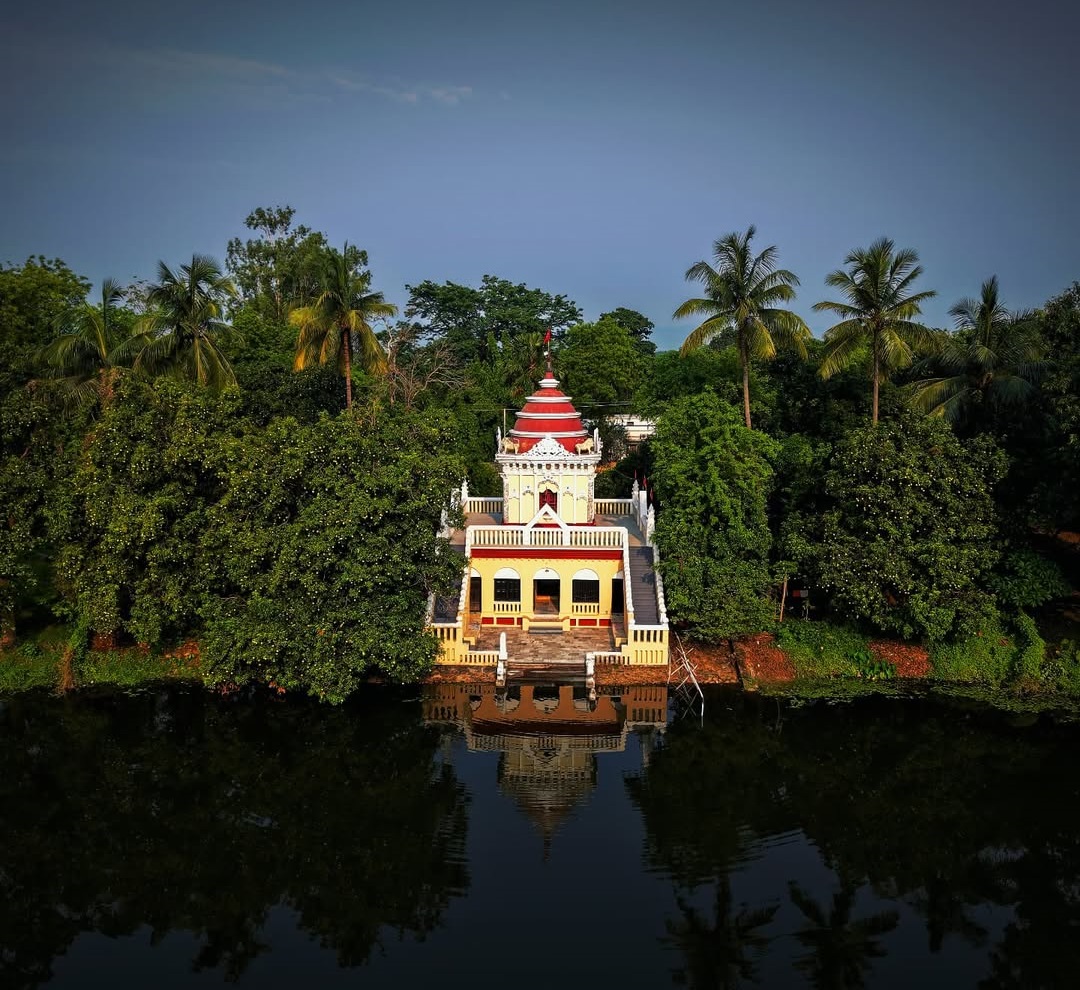
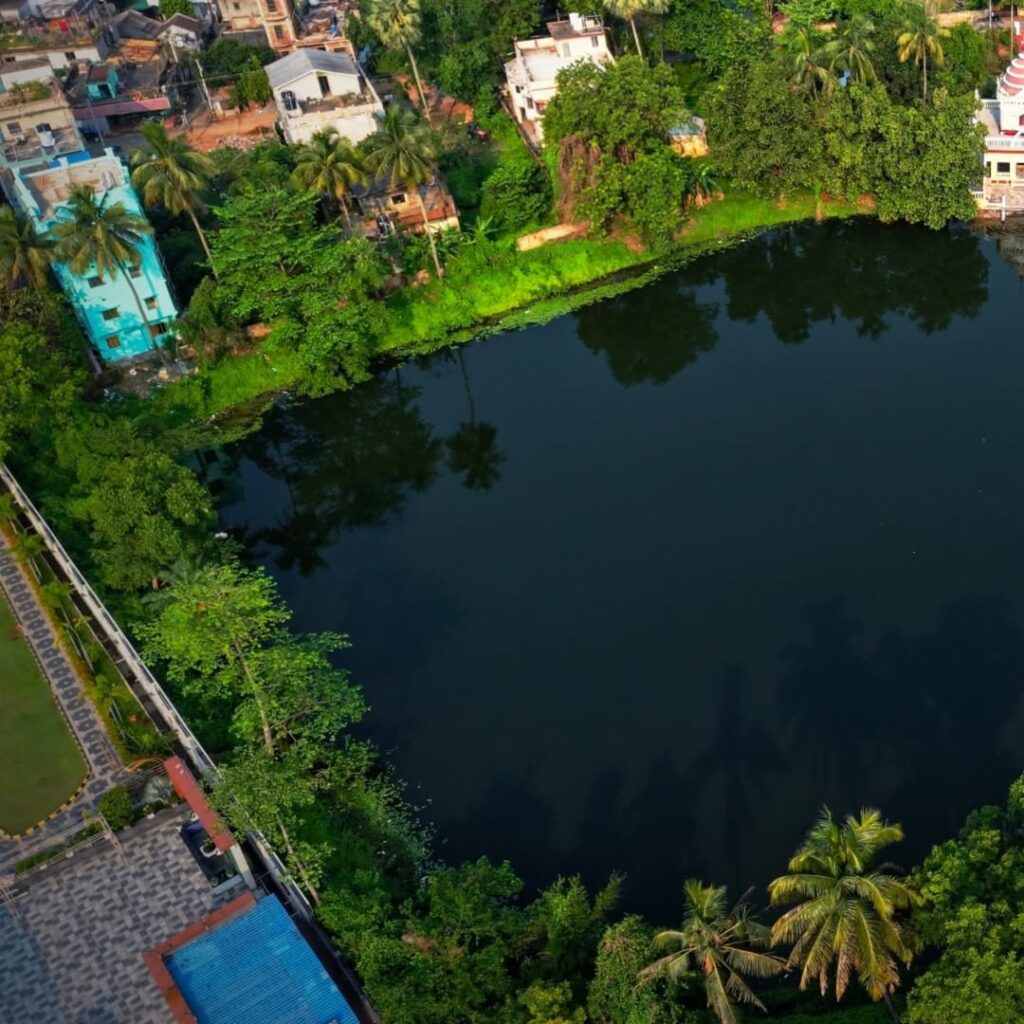
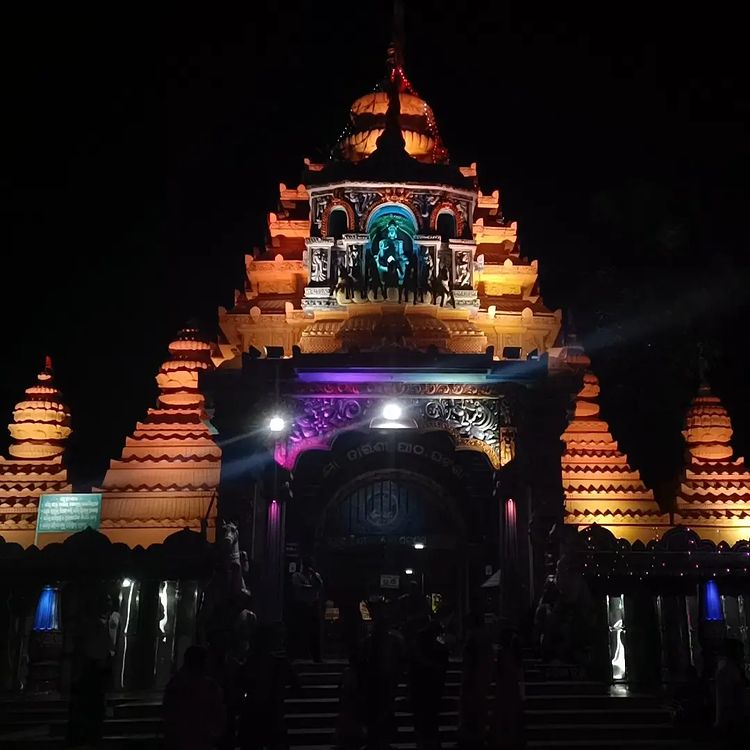
If you’re on a quest for divine beauty wrapped in the rich heritage of Odisha, a visit to the Jwalamukhi Temple in Baripada is a must. This temple, known for its remarkable architecture and spiritual significance, draws devotees and travelers alike, offering an experience unlike any other.
A Glimpse into History
The Jwalamukhi Temple is dedicated to Goddess Jwalamukhi, a fierce incarnation of Goddess Durga. Nestled in the heart of Baripada, this temple holds a significant place in the cultural landscape of Odisha. It’s not just a place of worship; it’s a site steeped in history and folklore that has been a pilgrimage for thousands over the years.
One of the temple’s most striking features is its exquisite architectural design. The intricate carvings and sculptures tell stories of ancient myths and legends, showcasing the incredible craftsmanship of the artisans who built it. As you walk through the temple’s precincts, you’ll be captivated by the detailed artistry that embellishes every surface.
Spiritual Significance
Visiting the Jwalamukhi Temple is an enriching spiritual experience. The temple is known for hosting numerous festivals, especially during the Navaratri season when the atmosphere is charged with devotion and enthusiasm. Pilgrims come from far and wide to seek the blessings of the Goddess, adding to the fervent energy that envelops the temple.
How to Reach
Located in Baripada, Odisha, the temple is well-connected by road and rail. Travelers can easily access it from major cities like Bhubaneswar and Kolkata, making it a convenient stop for those exploring this culturally vibrant region.
Local Delicacies and Culture
No visit to Baripada is complete without indulging in the local cuisine. The region is known for its diverse food options, from traditional Odia meals to street food delights. Savoring these dishes alongside your spiritual journey adds another layer to your experience.
Plan Your Visit
Whether you’re a devotee, a history enthusiast, or simply someone looking to explore the serene beauty of Odisha, the Jwalamukhi Temple has something to offer everyone. Make sure to check for any upcoming festivals and events to make the most of your visit.
For more information about travel arrangements and local insights, feel free to reach out at [item] or visit our website at [item]. We’re here to help you plan an unforgettable journey to the sacred grounds of Jwalamukhi Temple.
Travel Info:
Best time to go to: All time District: Keonjhar
Open Time: Morn to evening Attractions: Waterfall, Natural Views Nearest Bus Stop: Baripad Nearest Railway Station: Baripad Travel Options: Taxi, Bus, Train Nearest town: Baripad Distance from Bhubaneswar: km
Jwalamukhi temple flame The flame is worshiped because the manifestation of the goddess Jwalamukhi. Some additionally accept as true with that Jwalamukhi represents the flaming mouth of Jalandhara, the demon who became overwhelmed to loss of life through Lord Shiva. The flames are believed to return back from his mouth.
Jwalamukhi temple Dharamshala Jawalamukhi is a well-known temple to the goddess Jwalamukhi, the deity of flaming face. Raja Bhumi Chand Katoch of Kangra, a extremely good devotee of goddess Durga, dreamt of the sacred area and the Raja set humans to discover the whereabouts of the webweb page. The webweb page became traced and the Raja constructed a temple at that location.
Jwalamukhi temple thriller According to Hindu mythology, whilst Lord Vishnu reduce via the corpse of Sati, her tongue fell off the corpse at this webweb page. Even the Pandavas are appeared to have visited this sacred area. The temple includes a copper pipe which emanates herbal fueloline that is lit through the temple`s priest to shape a ideal blue flame.
Jwalamukhi temple records Jawalamukhi is a well-known temple to the goddess Jwalamukhi, the deity of flaming face. Raja Bhumi Chand Katoch of Kangra, a extremely good devotee of goddess Durga, dreamt of the sacred area and the Raja set humans to discover the whereabouts of the webweb page. The webweb page became traced and the Raja constructed a temple at that location.
Jwalamukhi temple distance forty hr (2,061.zero km) thru Bundelkhand Expy
Jwalamukhi temple in Himachal Pradesh The temple is located 35 km south of Kangra valley withinside the metropolis of Jwalamukhi in Himachal Pradesh.
How to attain Jwalamukhi temple Himachal Pradesh forty hr (2,061.zero km) thru Bundelkhand Expy
How to Reach Jwalamukhi Temple
Jwalamukhi Temple
Nearest Airpport is Bhubaneswar , Nearest Bus stand is Keonjhar & Nearest Railway station is Keonjhar
By Air
Bhubaneswar Air port
By Train
Harichandanpur Railway Station
By Road
Baripad
onclusion
The Jwalamukhi Temple in Baripada is more than just a religious site; it’s a place where history, culture, and spirituality converge. So pack your bags, set your itinerary, and immerse yourself in the enchanting aura of this magnificent temple. Your spiritual journey awaits!
For inquiries or more travel tips, visit our website at tourmyodisaha.com!
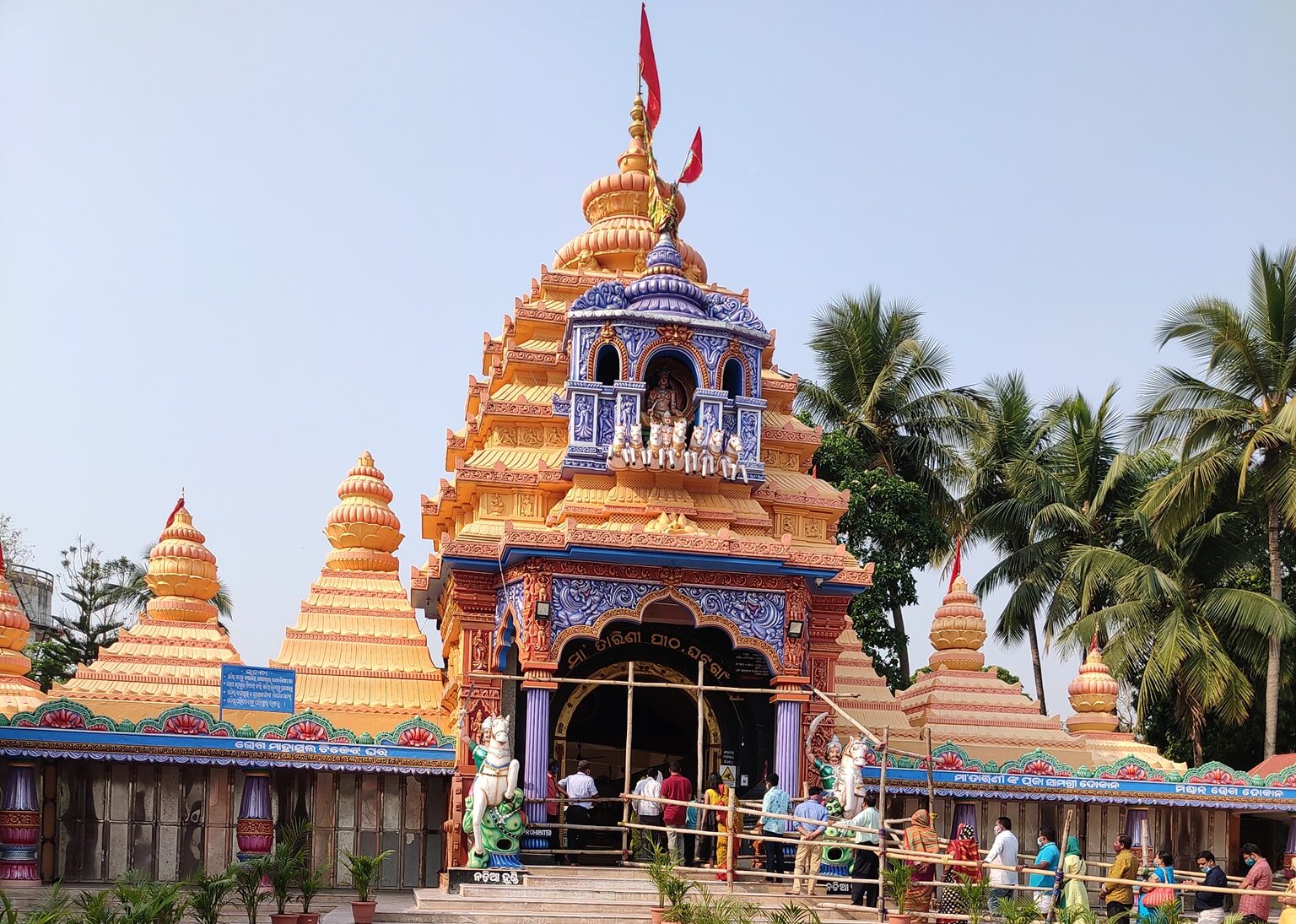
Maa Tarini is an area of well-known pilgrimage centre of Odisha. Maa Tarini Temple is raised in contemporary-day time, the crude shape of deity justify its pristine origin. Nearest wooded area reserves including splendor to the Maa Tarini Pitha is the nestling web website online of various wildlifes. Devotees are very fondly gives coconut to Goddess continues to be worshiped via way of means of tribal priests. Local humans observes Maha Bisuba Sankranti all through the month of Chaitra Purnima with first-rate forever & pomp. Visitors in the nation & outdoor of the nation throng right here in lakhs to pay their appreciate to Mother Goddess all over the year. Maa Tarini Pitha is simply forty five km farfar from Keonjhar town.
Maa Tarini Temple Trust The Maa Tarini Temple in Ghatgaon is a well-known Hindu Goddess temple devoted to Maa Tarini.
Ghatagaon Tarini Temple The Maa Tarini Temple in Ghatgaon is a well-known Hindu Goddess temple devoted to Maa Tarini.
Maa Tarini Temple records History. It is stated through the local community that King of Kendujhar became bringing Tarini Maa from puri to Kendujhar with a situation that if he flip lower back then she`ll now no longer pass further. The King became driving a horse and Goddess became following him to Kendujhar.
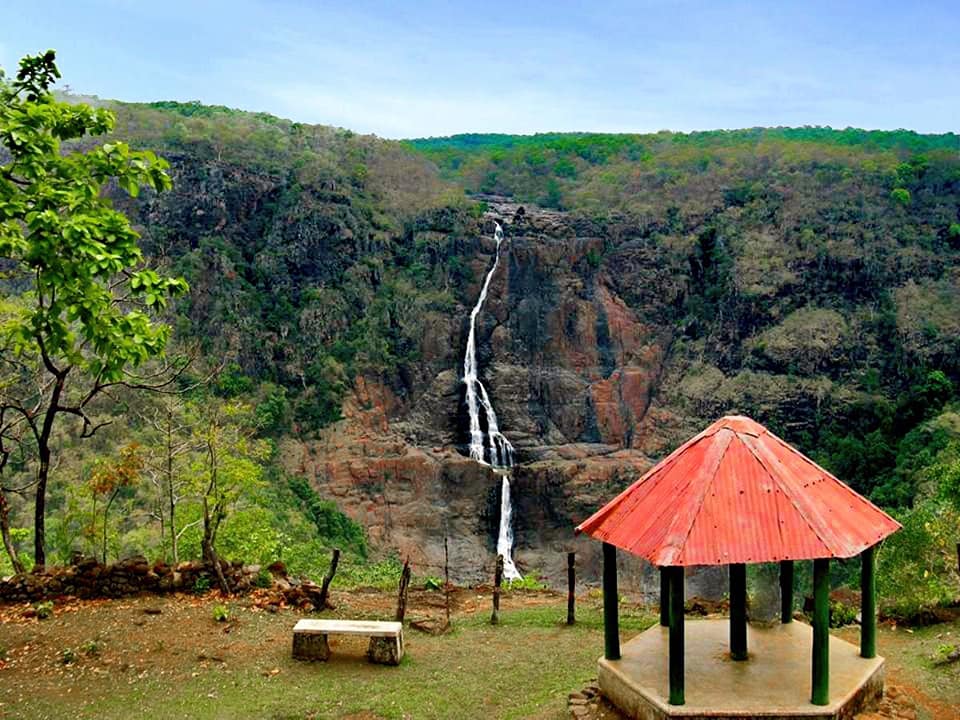
Barehipani is India`s 2d maximum and orissa’s maximum waterfall. The top of the waterfall is 1309 toes simply fifty five mt much less than Kunchikal Falls that’s the very best waterfall of India. The supply of the waterfall is Budhabalanga River that flows over the mountain. It is a 2 tier water fall , this means that the water falls in drops. The river Budhabalanga falls from the stiff heights of the Simlipal stages to create those majestic falls 1200 foot (399 meters) high. Situated near the Barehipani waterfalls is the Joranda falls. Though now no longer as huge because the Barehipani, this autumn is thought for its splendor. Both of those waterfalls are complete of water all through the year.
Located in the contours of the Simlipal country wide park, that hosts the majestic Bengal tiger in addition to the uncommon white tiger species in Odisha, the water gushing down from the falls that run in small streams withinside the complete forest, function the lifeblood of the animals dwelling withinside the forest. The waterfall Barehipani is a chief visitor enchantment and a huge variety of travelers come to go to this matchless splendor each year. A go to to Simlipal is incomplete while not having a glimpse of the majestic Barehipani falls. This waterfall has been claimed because the tallest of India. While this declare is maximum probable untrue, it is, accordingly far, one of the tallest waterfalls withinside the us of a which we have got documented. The falls seem to drop over a huge cliff, in tiers, finishing in a huge pool below. The loss of plants across the falls appears to signify that in the monsoon season this waterfall turns into extraordinarily violent, and actions a completely huge quantity of water. The falls are placed inside Simlipal National Park, which features as one of the principal Bengal and White Tiger preservations in India
Discover the Majestic Barehipani Falls
A Hidden Gem in India
If you’re on the lookout for breathtaking natural beauty combined with tranquility, look no further than Barehipani Falls. Tucked away in the heart of Odisha, this stunning waterfall is one of the tallest in India, cascading down a staggering height of 399 meters.
Getting to Know Barehipani Falls
Located in the picturesque Simlipal National Park, Barehipani Falls is surrounded by dense forests and lush greenery, creating an idyllic backdrop for nature lovers and adventure seekers alike. The roar of the water plunging down rocks creates an enchanting soundscape that draws visitors into a serene state of mind.
Reaching Barehipani Falls is an adventure in itself! The journey involves a scenic trek through the lush forestry of Simlipal National Park, where you’ll encounter diverse flora and fauna, so don’t forget to keep your camera handy. As you walk along the trails, the anticipation builds until you finally catch a glimpse of the falls—a moment that will undoubtedly take your breath away.
Best Time to Visit
The ideal time to visit Barehipani Falls is during the monsoon season, from June to September when the falls are at their peak. The water flows vigorously, and the sight is a mesmerizing display of nature’s power and beauty. However, if you prefer a quieter visit, consider going during the winter months when the weather is cooler and the park less crowded.
Activities to Enjoy
Besides admiring the falls, visitors can indulge in various activities including:
Trekking: Explore the surrounding trails that lead to stunning viewpoints.
Wildlife Watching: Keep an eye out for the rich biodiversity in Simlipal National Park.
Photography: Capture the majestic falls and the surrounding landscapes—an Instagram-worthy backdrop for sure!
Tips for Your Visit
1. Stay Hydrated: Carry plenty of water, especially during the trek.
2. Footwear: Wear sturdy trekking shoes for comfort and safety.
3. Plan Ahead: There are limited accommodations in the area, so booking in advance is advisable.
Discover the Breathtaking Beauty of Barehipani Waterfall
Are you ready for an adventure that combines the thrill of nature with the soothing sounds of cascading water? Look no further than Barehipani Waterfall, one of the most stunning natural wonders in India. Nestled in the heart of the Similipal National Park in Odisha, this waterfall is a must-visit destination for any nature lover or adventure seeker.
A Natural Marvel
Barehipani Waterfall is renowned for being the second-highest waterfall in India, plunging an impressive 399 meters. The sheer height and the way the water cascades down the rocky outcrops create a spectacle that captivates visitors from the moment they arrive. Surrounded by lush green forests and the serene wilderness of the Similipal region, Barehipani offers a picturesque scene that is perfect for photography enthusiasts.
Getting There
Reaching Barehipani Waterfall is part of the adventure! The journey involves a trek through the dense forests of Similipal, which are home to a diverse array of flora and fauna. The thrill of the trek, combined with the anticipation of seeing the waterfall, makes this experience even more exhilarating. It is advisable to plan your visit during the monsoon season when the waterfall is at its fullest and most magnificent.
Things to Do
When visiting Barehipani, there is more to do than just admire the waterfall. The surrounding area provides excellent opportunities for birdwatching, trekking, and indulging in nature walks. Take some time to explore the rich biodiversity of the Similipal forest, where you may spot various endemic species. Don’t hesitate to pack a picnic and enjoy a relaxing meal near the waterfall while soaking in the breathtaking views.
Travel Tips
Best Time to Visit: The ideal time to visit Barehipani Waterfall is during the monsoon season (June to September) when the waterfall is flowing at its peak.
What to Bring: Ensure you bring comfortable trekking shoes, a water bottle, a camera to capture the stunning views, and a light backpack for your snacks.
Safety First: Always prioritize safety, especially when trekking in remote areas. It’s advisable to travel with a group or hire a local guide who can enhance your experience with insights about the flora and fauna.
Discover the Majestic Barehipani Waterfall: Odisha’s Hidden Natural Gem
Imagine a massive wall of water crashing down 400 meters through thick green forests, mist rising like a veil in the morning light. This is Barehipani Waterfall, one of India’s tallest single-drop falls, tucked away in the wild heart of Similipal National Park in Odisha. Nature lovers and adventure fans flock here for its raw power and quiet beauty, making it a top spot for eco-tourism.
In this guide, you’ll find everything about Barehipani Waterfall—from its rich history to tips on how to reach it safely. We’ll cover fun activities, the best times to go, and ways to plan a trip that respects the land. Whether you seek peace or thrills, this hidden gem awaits your visit.
History and Significance of Barehipani Waterfall
Barehipani Waterfall holds a special place in Odisha’s wild landscapes. It formed over millions of years from river cuts and mountain shifts. Local tribes have long seen it as a sacred site, tying it to their daily lives and stories.
This fall stands out for its height and the park around it. Similipal National Park protects over 2,750 square kilometers of forests, home to tigers, elephants, and rare plants. The waterfall’s flow changes with seasons, drawing visitors who want to connect with nature.
Geological Formation and Natural Features
The Budhabalanga River plunges over the Meghasani mountain to create Barehipani Waterfall. This drop measures about 400 meters, one of the longest in India. Steep cliffs frame the fall, with pools at the base that shimmer in sunlight.
Surrounding areas buzz with life. Dense sal trees and orchids cover the hills. During rains, the water roars loud; in dry months, it turns to a gentle stream. These features make it a key spot for studying India’s eastern ghats.
Birds like hornbills nest nearby, and leopards roam the trails. The mist from the fall keeps the air cool and fresh. Facts from park records show this area formed 1.5 billion years ago, adding to its ancient charm.
Cultural and Tribal Connections
Indigenous groups such as the Munda and Santal tribes live near Similipal. They view Barehipani Waterfall as a source of life and spirits. Elders share tales of the fall as a protector during floods.
Tribes use plants from the area for medicine and food. Festivals often happen in the park, with dances by flowing streams. The site’s role in their culture highlights why conservation matters.
Similipal became a biosphere reserve in 2000. This status helps protect tribal ways while saving wildlife. Visitors can learn from locals, gaining a deeper respect for the land.
Discovery and Conservation Efforts
British explorers noted Barehipani Waterfall in the late 1800s. Maps from that time marked it as a wonder in Mayurbhanj. By the early 1900s, it gained fame among travelers.
In 1957, Similipal turned into a tiger reserve. This move stopped heavy logging and hunting. Today, rangers patrol to keep poachers away.
Challenges remain, like illegal cutting of trees. But projects have replanted thousands of saplings. Success stories include a rise in tiger numbers, now over 20 in the park. These efforts ensure Barehipani’s future.
Location and How to Reach Barehipani Waterfall
Finding Barehipani Waterfall takes some planning, but the reward is worth it. It sits deep in Similipal National Park, far from city noise. Roads lead through hills, offering views of rolling plains.
The park covers a huge area, with the fall near its core. Expect bumpy paths once inside. For eco-travelers, choose buses or shared jeeps to cut down on fuel use.
Precise Location and Surrounding Geography
Barehipani Waterfall lies at about 21.58°N, 86.18°E in Mayurbhanj district, Odisha. It’s part of Similipal’s vast 2,750 square kilometer zone. Forests stretch for miles, with rivers feeding the fall.
Nearby, Joranda Waterfall drops 150 meters just 10 kilometers away. Both spots create a twin attraction for hikers. The area’s hills rise to 1,000 meters, shaping a rugged terrain.
Rain shapes the geography, carving deep valleys. This setup supports over 500 plant types. Maps from the Odisha tourism site show clear paths to the viewpoint.
Best Routes from Major Cities
Start from Bhubaneswar, 300 kilometers away. Take NH-18 north for 7 to 8 hours by car. Buses run daily from the capital’s main stand.
From Kolkata, it’s 250 kilometers west. Drive via NH-16 and then NH-18, about 6 hours. Trains reach Balasore, then switch to a cab.
Ranchi visitors cover 200 kilometers east on NH-20. Self-drivers, watch for tolls around 500 rupees. Arrive at Jashipur gate by afternoon for smooth entry.
Transportation Options and Accessibility
Inside the park, jeep safaris are a must. They cost 500 to 1,000 rupees and run from Lulung or Jashipur. Public buses go to nearby towns like Baripada.
The final trek to the base is 3 kilometers on foot. It needs fair fitness; paths get slippery in wet weather. No ramps exist for wheelchairs, so plan accordingly.
Dry season travel eases access with firmer ground. Rainy months close some routes due to slides. Always check park alerts before heading out.
Best Time to Visit and Weather Insights
Timing your trip to Barehipani Waterfall can make all the difference. Go when the flow is strong but safe. This way, you avoid crowds and risks.
Winter brings clear skies and full cascades. Summers heat up, so stick to early mornings. Local weather helps you pack right for comfort.
Seasonal Variations and Peak Viewing Periods
Post-monsoon, from October to February, shines best. The water swells from rains but paths stay dry. You’ll see rainbows in the mist on sunny days.
Avoid June to September; floods block roads in Similipal. Peak times fall on weekends, so mid-week visits feel calmer. Data from tourism boards show 70% more visitors in winter.
Weather Patterns and Packing Tips
Odisha’s climate here is humid, with summers hitting 40°C. Winters drop to 10°C at night. Expect 80% humidity year-round near the fall.
Pack light clothes for day hikes, plus a jacket for evenings. Rain gear saves the day in shoulder seasons. Sturdy shoes handle rocky trails; add insect spray for bugs.
Bring a hat and sunscreen too. Water bottles keep you hydrated on treks.
Events and Festivals Alignment
Link your visit to Similipal Wildlife Week in October. Rangers host talks on animals near the waterfall. Tribal fairs in November add music and crafts.
These events run short, so check dates ahead. They blend nature with local joy, making trips richer.
Activities and Experiences at Barehipani Waterfall
Barehipani Waterfall offers thrills for all levels. Hike the trails or snap photos of the drop. Each step brings you closer to the wild.
Spot animals from safe spots, or relax by the streams. Combine it with park safaris for a full adventure. Keep it green by following rules.
Trekking and Hiking Trails
The main trail starts at a viewpoint, covering 3 to 4 kilometers round trip. It’s moderate, with stairs and dirt paths. Guides from the park share plant facts along the way.
Watch for elephants in the underbrush. Stay on marked routes to protect soil. A full hike takes 2 hours; rest at benches midway.
For beginners, short loops offer waterfall views without the full climb. Wear good grips to avoid slips.
Photography and Wildlife Spotting Opportunities
Catch the fall at dawn for soft light and fewer people. The mist creates foggy effects perfect for cameras. Use a wide lens to frame the cliffs.
Bring binoculars for over 230 bird types, like kingfishers by the pools. Tigers hide in thickets, but sightings are respect distances.
Ethical tips: No flash on animals. This keeps wildlife calm and habitats intact.
Nearby Attractions and Multi-Day Itineraries
Pair Barehipani with Joranda for a water-themed day. Hot springs 20 kilometers away soothe tired muscles. Ancient caves hold rock art from old tribes.
Try this 2-day plan: Day one, jeep to the fall and trek. Camp overnight with permits. Day two, explore meadows and head back.
Book rest houses early; they fill fast. This setup lets you soak in Similipal’s full magic.
Actionable Safety and Eco-Tips
Strong currents make swimming dangerous—stay on shores. Carry a first-aid kit for scrapes. Tell someone your plans before trekking
Follow “leave no trace”: Pack out trash, no plastics. Stick to paths to save plants. Park rules ban fires outside zones.
Support eco-guides; they know safe spots.
Practical Tips for Your Barehipani Waterfall Trip
Plan ahead to make your Barehipani Waterfall visit smooth. Permits and gear matter most. Budget wisely for fees and stays.
Eat local foods and stay healthy. These steps ensure fun without hassle.
Permits, Entry Fees, and Budgeting
Get park entry at gates: 100 rupees for Indians, 500 for others. Safaris add 500 to 1,000 rupees per jeep. Trekking is free once inside.
Forest rest houses cost 500 to 2,000 rupees a night. A weekend trip for two runs 5,000 to 10,000 rupees total, including food and travel.
Buy permits online or at Jashipur. Kids under 5 enter free.
Accommodation and Dining Options
Eco-lodges in Jashipur offer clean rooms with views. Camping spots in the park need bookings—tents rent for 300 rupees.
Try tribal meals like rice with fish curry at local spots. Veggie options include dal and veggies. Most places serve simple, fresh plates.
Health, Safety, and Sustainable Travel Advice
Get shots for malaria before going. Carry purifiers for stream water. Park office number: 06795-240125 for help.
Choose homestays to aid tribes. Skip single-use bags; bring reusables. This keeps Similipal thriving.
Conclusion
Barehipani Waterfall captivates with its towering drop and lush surroundings in Odisha. From geological wonders to tribal ties, it blends history and nature. Trek the paths, spot wildlife, and embrace the peace.
Visit in winter for the best views, pack smart, and trek safely. Conservation keeps this gem alive—your responsible choices help. Plan your trip now to Odisha’s cascading treasure. Create memories that last, one step at a time in Similipal’s wild embrace.
Barehipani Waterfall is not just a destination; it’s an experience that will leave you with lasting memories of nature’s magnificence. Whether you’re seeking adventure or simply want to bask in the beauty of the outdoors, this waterfall offers something for everyone. For more information and to plan your trip, visit tourmyodisaha.com. Get ready to be enchanted by one of nature’s great masterpieces!
Location –
Mayurbhanj ♥️
Travel Info:
Best time to go to: Oct-Feb District: Mayurbhanj Elevation: 578.2m Open Time: Day Time Popular Cuisine: Local Food Attractions: Waterfall, Natural Views, Simlipal National Park Nearest Bus Stop: Jashipur, Baripada Nearest Railway Station: Baripada Travel Options: Taxi, Bus, Train Nearest town: Jasipur Distance from Bhubaneswar: three hundred km
Which is largest waterfall in India? The Kunchikal Falls
Which is the second highest waterfall in India? Barehipani Falls
Which is the largest waterfall in Odisha? Barehipani waterFalls is the largest waterfall in Odisha
On which Riverbed is the Barehipani waterfall located? Budhabalanga River is the Barehipani waterfall located
Barehipani waterfall on which river Budhabalanga River The waterfall is placed at 21.932759N 86.380145E at the Budhabalanga River flowing over Meghasuni mountain of the Eastern Ghats.
Barehipani waterfall region In which location in India is Barehipani Falls placed? Simlipal National Park
Barehipani waterfall top Barehipani Falls ; Tiered · 399 metres (1,309 ft) · 2 · Budhabalanga River … Total top: 399 metres (1,309 ft)
Barehipani waterfall wherein district Barehipani Falls is Mayurbhanj district
Highest waterfall in India Kunchikal Falls Which is the splendid waterfall in India? Kunchikal Falls in Shimoga District Karnataka is the splendid waterfall in India with a top of 1493 feet.
How to Reach Barehipani waterfall
Barehipani waterfall
Nearest Airpport is Bhubaneswar , Nearest Bus stand is Mayurbhanje & Nearest Railway station is Mayurbhanj
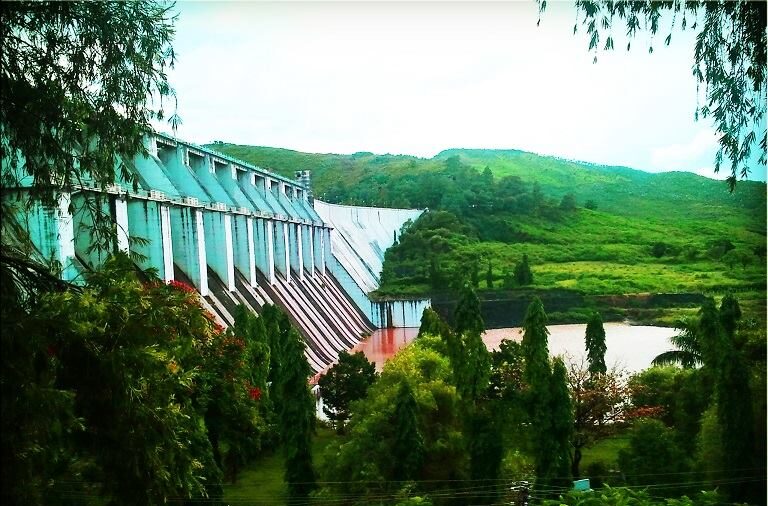
Kolab River is one of the foremost rivers of Odisha, India. Its supply is at Sinkaran hills of jap Ghats in Koraput district. The resoirvoir is popularly referred to as kolab river. It is a first-rate resoirvoir for irrigation mission and energy powerhouse. Kolab Botanical Garden stands beside the Majestic Kolab reservoir is right for weekend picnic for humans everywhere in the district. This location is tremendously well-known for its scenic beauty, attracting travelers for weekend picnic and boating. Kolab dam is the primary consuming water aid for the Koraput-jeypore place of the state. The Kolab river catchment accommodates of the location among Tekegurha and north of Gupteshwar cave temple upto Taluru and spreads over 3566 Sq.Km. A range of streams from the hilly terrains of Eastern Ghats additionally drain into this catchment. The most important water reserve is positioned close to Jeypore city which shops water popping out of the strength technology unit of higher Kolab Dam. A big water reserve on the pinnacle of the hill referred to as Upper Kolab Dam feeds this four x eighty MW strength station. A go to to this location and different regions of Koraput and Jeypore make an interloper of Orissa that Orissa has all of the capacity of turning into a tremendously industrialized state, with its full-size herbal assets and pretty advanced infrastructure.
Exploring the Majestic Kolab Dam: A Hidden Gem in Odisha
If you’re looking for a serene getaway that combines breathtaking natural beauty with a touch of adventure, look no further than the Kolab Dam in Odisha. Nestled in the heart of the lush green landscapes, this stunning dam not only serves as a crucial water resource but also offers a peaceful retreat for nature lovers and explorers alike.
A Journey to Kolab Dam
Getting to Kolab Dam is an adventure in itself. As you make your way through winding roads surrounded by dense forests, you’ll feel your stress begin to melt away. The dam is located near the town of Koraput, which is known for its rich tribal culture and vibrant local life. The drive is picturesque, providing countless opportunities for photography and moments of reflection.
Experiencing Nature
Once you arrive at Kolab Dam, prepare to be enchanted by its sprawling waters and the lush greenery that envelops it. The calmness of the water reflects the sky, creating a mesmerizing view that beckons visitors to take a leisurely stroll along its banks. Bird watchers will particularly enjoy this spot, as the area is home to a variety of avian species.
Activities to Indulge In
For those seeking adventure, the dam provides various activities. Boating is a popular option, allowing you to glide smoothly across the water while taking in the stunning views of the surrounding hills. Moreover, for the more adventurous souls, trekking paths close to the dam lead to elevated viewpoints, where the panoramic vistas are nothing short of breathtaking.
The Local Culture
While visiting the Kolab Dam, don’t miss the chance to explore the nearby villages. The local tribes offer an insight into the rich cultural tapestry of Odisha. You may come across vibrant traditional dances, unique handicrafts, and the warmth of local hospitality. Engaging with the community adds a rich layer to your trip, making it an unforgettable experience.
Best Time to Visit
The ideal time to visit Kolab Dam is during the monsoon season, from June to September, when the water levels are at their peak, and the landscape is lush and green. However, the winter months, from October to February, also offer a pleasant climate for exploration and outdoor activities.
Final Thoughts
Whether you’re craving tranquility, adventure, or a cultural experience, Kolab Dam has something for everyone. It’s a perfect spot for family outings, romantic getaways, or solo retreats into nature. Make sure to pack your bags and head over to this hidden gem in Odisha—you won’t be disappointed!
For more information about travel tips, accommodations, and local guides, visit [tourmyodisaha.com]. Happy travels!
Feel free to customize any sections or details further to better reflect your personal insights or experiences!
Kolab DamKolab DamKolab Dam
Location –
jeypore, Koraput ♥️
Travel Info: Best time to go to: Oct-Feb District: Koraput Elevation: 847.6m Open Time: 9Am-7.30Pm Popular Cuisine: Local Food Attractions: Reservior Gates, Kolab Botanical Garden, Siva Temple, Boating Nearest Bus Stop: Jeypore Nearest Railway Station: Jeypore Travel Options: Bus,Train, Cab Nearest city: Jeypore Distance from Bhubaneswar: 532 km
PLACES TO VISIT NEAR :
Kolab Reservoir, Upper Kolab Dam, Koraput
Kolab River is one of the essential rivers of Orissa, India. Its deliver is at Sinkaran hills of easternanese Ghats in Koraput district. It is a high resoirvoir for irrigation challenge and power powerhouse. Kolab Botanical Garden stands beside the Majestic Kolab reservoir is proper for weekend picnic for humans all over the district. This region is noticeably stylish for its scenic beauty, attracting travelers for weekend picnic and boating. Kolab dam is the number one consuming water beneficial aid for the Koraput-jeypore location of the state.
The Kolab river catchment incorporates of the location amongst Tekegurha and north of Gupteshwar cave temple upto Taluru and spreads over 3566 Sq.Km. A variety of streams from the hilly terrains of Eastern Ghats moreover drain into this catchment. The important water reserve is placed near Jeypore town which stores water coming out of the energy technology unit of better Kolab Dam. A big water reserve at the top of the hill referred to as Upper Kolab Dam feeds this 4 x 80 MW energy station.
A visit to this region and unique areas of Koraput and Jeypore make an outsider of Orissa that Orissa has all the functionality of becoming a noticeably industrialized state, with its large natural belongings and quite superior infrastructure.
Travel Info: Best time to visit: Oct-Feb
District: Koraput
Elevation: 847.6m
Open Time: 9Am-7.30Pm
Popular Cuisine: Local Food
Nearest Bus Stop: Jeypore Bus Stop (16km)
Nearest Railway Station: Jeypore Railway Station (20km)
Travel Options: Bus,Train, Cab
Nearest town: Jeypore
Distance from Bhubaneswar: 532 km
How to Reach Kolab dam
Kolab dam
Nearest Airpport is Bhubaneswar , Nearest Bus stand is Jeypore & Nearest Railway station is Jeypore